
If you have ever found yourself captivated by the undeniable charm of a French Bulldog—with those trademark bat ears, soulful eyes, and comical snorts—you are far from alone. The French Bulldog has rapidly skyrocketed to become one of the most popular dog breeds across the globe. As someone who has spent over a decade deeply immersed in the world of French Bulldog breeding, genetics, behavioral psychology, and daily care I can attest that these dogs are truly unlike any other breed on the planet. But beyond their adorable aesthetics and incredibly affectionate temperaments lies a complex, highly specialized biological reality that every prospective owner must understand.
One of the most frequently asked questions I receive from people looking to bring a puppy into their home is, “why are french bulldogs so expensive?” Closely following that inquiry is usually, “Is it true that they cannot give birth naturally?”
Related Reading: Training & Behavior | Grooming & Care | French Bulldog Colors
The short answer to both of these pressing questions is intricately and undeniably tied together: the unique physical characteristics that make French Bulldogs so beloved and sought-after also make natural reproduction nearly impossible. In the vast majority of cases, purebred French Bulldogs require a Cesarean section (C-section) to safely deliver their puppies into the world. This absolute medical necessity, combined with the extensive, meticulous care required before, during, and after the pregnancy, fundamentally drives up the financial cost of responsibly breeding and purchasing a healthy Frenchie.
In this exhaustive, comprehensive guide, we will dive incredibly deep into the anatomical realities of the French Bulldog, explore the step-by-step financial breakdown of ethical breeding practices, and explain precisely why a higher upfront cost for a well-bred puppy is actually an essential investment in your future dog’s health, happiness, and longevity. Whether you are a complete novice looking to responsibly bring your very first Frenchie home, or an advanced owner curious about the intense behind-the-scenes realities of this incredible breed, this article will shed light on everything you need to know.
The Evolutionary Journey: How the Frenchie Got Its Shape
To truly grasp why natural birth is such a colossal hurdle for this breed, we must briefly look at their history. French Bulldogs were originally bred in England as miniature or “toy” versions of the standard English Bulldog, favored by lace workers. When these workers migrated to France during the Industrial Revolution, they took their small, flat-faced companions with them. Over decades of selective breeding in France—often crossing them with local ratters and terriers—the modern French Bulldog was developed.

Breeders actively selected for specific traits: the iconic “bat ears,” the compact, muscular body, and most significantly, the brachycephalic (short-faced) head structure. While humans guided this evolution to create the ultimate, affectionate companion dog with human-like expressions, we simultaneously created a dog whose physical proportions defy natural reproductive mechanics.
The Unique Anatomy of French Bulldogs: Why Natural Birth is Rarely an Option
As a dedicated breeder, my primary, overriding concern is always the health, safety, and well-being of my dogs. Pushing for a natural birth in a breed fundamentally not built for it is a recipe for absolute tragedy. To understand why C-sections are the established gold standard—and frequently the only safe option—we must look closely at their unique anatomy.
Brachycephalic Features and Pelvic Structure
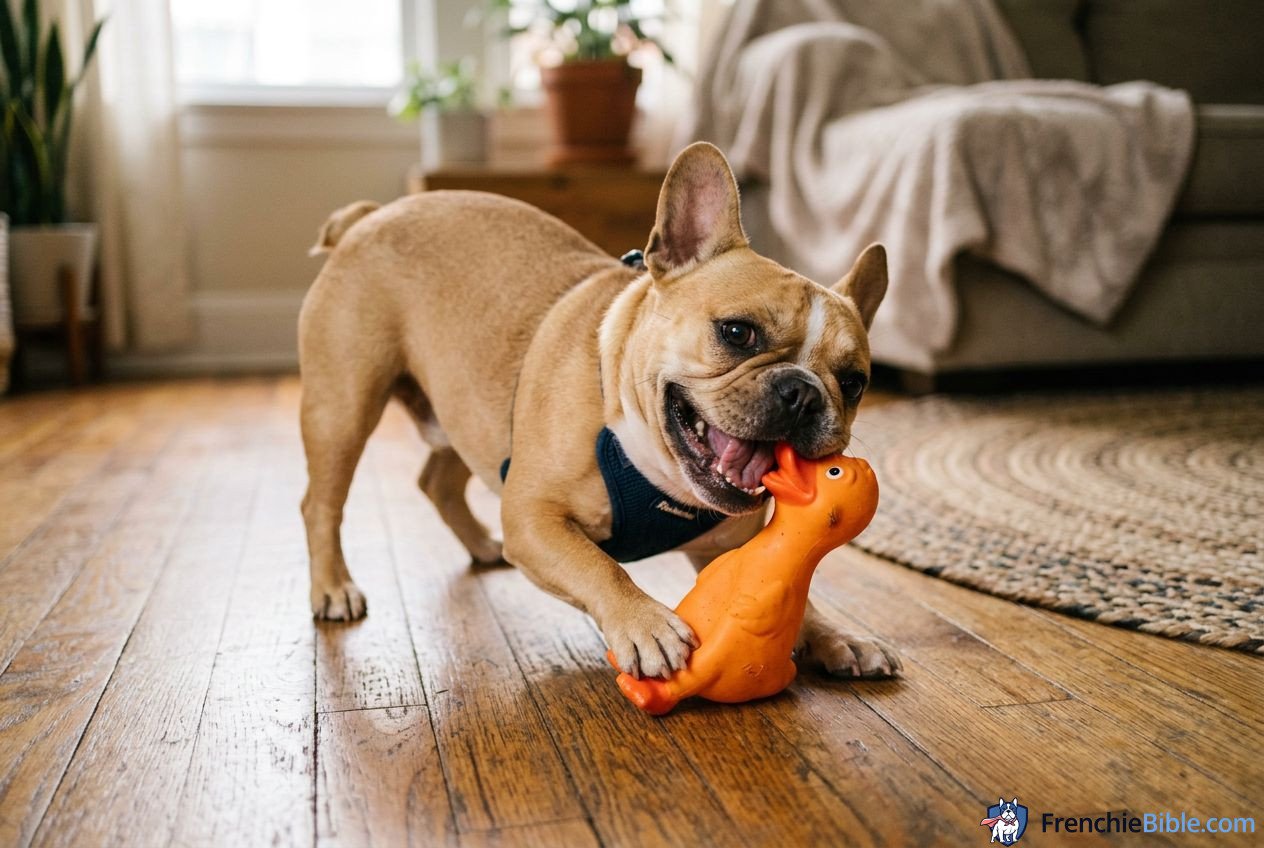
French Bulldogs belong to a specific category of dogs known as brachycephalic breeds. The term brachycephalic literally translates from Greek to mean “short head.” These dogs have been selectively bred over countless generations to have broad, flat faces, exceptionally short muzzles, and relatively large, square-shaped heads. While these specific features are undeniably cute and give the breed its signature look, they present significant structural and functional challenges.
Furthermore, the standard French Bulldog conformation (the blueprint of how the dog should look and be built) dictates a heavy, muscular build with a broad, deep chest and a relatively narrow pelvic region in the rear. This distinct “top-heavy” structure is precisely what gives them their adorable, distinctive waddle when they walk. However, this structure is entirely counterintuitive for the biological process of natural childbirth. The mother’s birth canal—specifically the opening of her pelvic canal—is exceptionally narrow when compared to the massive bulk of her upper body and, critically, the anticipated size of the puppies she carries in her uterus.
Fetal Head Size vs. Maternal Birth Canal
The single most critical anatomical factor necessitating surgical intervention in this breed is the stark disproportion between the size of the developing puppies’ heads and the width of the mother’s pelvic canal. Frenchie puppies, even while still developing inside the womb, develop the breed’s signature large, blocky heads.
During a standard natural canine birth, a puppy must smoothly pass through the mother’s pelvis. In the vast majority of other dog breeds, the puppies’ heads are proportionately much smaller than the mother’s pelvic anatomy, allowing for a relatively smooth and straightforward passage. However, in French Bulldogs, the puppies’ heads are frequently much wider in circumference than the mother’s actual pelvic opening. This severe anatomical mismatch, known medically as cephalopelvic disproportion, means that a natural delivery is not just difficult; it is physically impossible without causing severe, potentially fatal trauma to both mother and puppy. Attempting a natural birth under these specific circumstances almost guarantees that a puppy will become tightly wedged and stuck in the birth canal.
The Life-Threatening Risks of Dystocia (Difficult Labor)
When a female dog cannot naturally or easily deliver her puppies, she experiences a condition called dystocia, which translates to difficult labor. For a French Bulldog, dystocia is an immediate, life-threatening emergency that requires instantaneous veterinary intervention. If a puppy becomes lodged in the narrow birth canal, it completely blocks the passage for all the remaining littermates trapped behind it.
The mother’s natural instinct will cause her to continue to push and strain violently. This prolonged, fruitless labor leads to severe maternal exhaustion, massive drops in calcium levels (eclampsia), potential uterine rupture, internal hemorrhage, and eventually systemic shock.
For the puppies, the risks are equally grim and immediate. A puppy stuck in the canal rapidly loses oxygen (a state known as hypoxia) because the umbilical cord is compressed. This leads to profound fetal distress, neurological damage, and swift death. Even if the first puppy is miraculously delivered with aggressive assistance, the prolonged stress and exhaustion of the maternal labor drastically reduce the survival chances of all subsequent puppies in the uterine horns.
Over my ten years of hands-on experience, navigating the emotional highs and lows of breeding I have learned the hard way that “hoping for the best” is simply not a viable strategy. Planning a meticulously scheduled C-section with an experienced, specialized reproductive veterinary team is the only proven, reliable way to ensure the mother and her precious puppies survive the birthing process unscathed. This proactive, scientific approach entirely eliminates the immense, terrifying risks of dystocia and provides a controlled, sterile, and safe environment for the delivery.
The French Bulldog Breeding Process: A Financial Breakdown
When you first look at the price tag of a purebred, ethically bred French Bulldog, you might experience severe sticker shock. Prices ranging from $3,500 to over $8,000 are standard in the current market, and rare colors, fluffy coats, or champion bloodlines can easily command well over $10,000. However, behind that hefty price tag is a staggering, often invisible amount of financial investment, emotional labor, time, and advanced medical intervention. Ethical breeding is absolutely not a lucrative, get-rich-quick scheme; it is a highly specialized labor of love that requires immense financial resources and a willingness to operate at a loss.

Pre-Breeding Health Screenings and DNA Testing
The absolute foundation of a healthy French Bulldog litter begins months, if not years, before conception ever occurs. Reputable breeders invest heavily in comprehensive health testing to ensure only the genetically soundest, structurally correct dogs are ever allowed to breed. This is an absolutely critical step for minimizing the risk of inherited, hereditary conditions that have historically plagued the breed.
A responsible breeder will conduct full genetic DNA panels through specialized laboratories. These tests screen for hundreds of genetic diseases, specifically looking for breed-relevant issues like Canine Multifocal Retinopathy 1 (CMR1) Hereditary Cataracts (JHC) Hyperuricosuria (HUU), and Degenerative Myelopathy (DM).
Beyond a cheek swab, specialized physical evaluations by board-certified veterinary specialists are mandatory. This includes having a veterinary cardiologist perform an echocardiogram to check for congenital heart defects, and a veterinary ophthalmologist check for eye anomalies (CERF testing). Furthermore, checking the patellas (knees) for luxation and obtaining specialized spinal X-rays to check for Hemivertebrae and other spinal anomalies add significantly to the preliminary costs. Lastly, evaluating the dog’s breathing to rule out severe Brachycephalic Obstructive Airway Syndrome (BOAS) is crucial. A breeder can easily, and quickly, spend $1,500 to $3,000 per dog just on obtaining these health and genetic clearances before ever planning a mating.
Artificial Insemination (AI) Costs: Conception by Science
You might be incredibly surprised to learn that French Bulldogs not only profoundly struggle to give birth naturally—they also fundamentally struggle to conceive naturally. Because of their uniquely heavy fronts, incredibly narrow hips, and very short legs, male Frenchies physically cannot mount the females to mate in the traditional canine manner. Even if they somehow managed the mechanics, the extreme physical exertion, stress, and severe overheating risk for a brachycephalic breed make natural mating incredibly dangerous, sometimes resulting in heatstroke or cardiac arrest for the male.
Therefore, virtually all purebred French Bulldogs today are conceived via Artificial Insemination (AI). This precise, clinical process involves safely collecting semen from the chosen stud dog, scientifically evaluating it under a microscope for sperm motility, concentration, and morphology, and expertly inseminating the female. Depending on whether the breeder is using fresh semen, chilled shipped semen, or frozen semen stored in liquid nitrogen, the procedure varies. It can range from a standard vaginal AI to an endoscopic Transcervical Insemination (TCI), or even Surgical Insemination under light sedation.
Additionally, timing in canine reproduction is everything. A breeder cannot simply guess when the female is fertile. They must run a precise series of progesterone blood tests on the female to mathematically pinpoint the exact day of ovulation. At $75 to $150 per blood test, and requiring anywhere from 4 to 10 tests per heat cycle to map the hormonal surge, the costs quickly mount. Add the actual veterinary insemination fees and the stud fee itself (which grants access to top-tier genetics and can range from $2,500 to $15,000+), and the costs of mere conception are astronomical.
Prenatal Care Specialized Nutrition Ultrasounds, and X-Rays
Once the female is successfully inseminated, her intensive prenatal care protocol immediately begins. A high-quality, biologically appropriate, nutrient-dense diet is critically important. Her caloric and nutritional needs shift dramatically, often requiring supplementation with specific vitamins, high-quality proteins, and folic acid to heavily support rapid fetal development and prevent birth defects like cleft palates.
Around day 30 of the approximate 63-day gestation period, an abdominal ultrasound is performed by the veterinarian. This exciting milestone confirms the pregnancy, allows the vet to ensure the fetuses are developing normally, and checks for strong, rapid fetal heartbeats.
As the highly anticipated due date rapidly approaches (typically around day 55 or 56), a crucial final radiograph (X-ray) is absolutely required. This X-ray allows the breeder and the veterinary surgical team to count the exact number of puppies in the uterus and evaluate their skull size relative to the mother’s pelvis. Knowing exactly how many puppies to expect is vital during the chaos of a C-section, ensuring no puppy is accidentally left behind in a uterine horn, which would cause a fatal systemic infection (sepsis) for the mother. These necessary imaging diagnostics add another $300 to $600 to the mounting breeding tab.
The C-Section Procedure: Step-by-Step and Associated Costs
The ultimate pinnacle of the entire reproductive journey is the C-section. This is not a routine procedure; it is a major abdominal surgery that requires a highly skilled veterinary surgical team, split-second precision timing, and highly specialized brachycephalic anesthetic protocols.

Scheduling the Surgery: The Delicate Art of Timing
Timing a French Bulldog’s C-section is an incredibly delicate, stressful art form. Perform the surgery too early, and the puppies’ lungs will not be fully developed (lack of surfactant), leading to fatal respiratory distress syndrome once they are born. Wait too long, and the mother may abruptly go into labor naturally at home, instantly plunging her into the exact life-threatening emergency situation the C-section was originally meant to avoid.
To perfectly and scientifically time the procedure, breeders rely on “reverse progesterone testing” in the final 48 hours of pregnancy. When progesterone levels suddenly drop below a specific baseline (usually under 2.0 ng/mL), it signals that labor is imminent and the puppies are fully baked. This is done alongside rigorously monitoring the mother’s baseline rectal temperature every three hours for the telltale drop (below 99°F) that typically precedes active labor by 12 to 24 hours. When the hormonal and temperature markers align, the mother is immediately rushed to the veterinary clinic.
However, canine biology notoriously does not adhere to standard business hours. If a Frenchie experiences her hormonal drop and begins panting at 2:00 AM on a Sunday morning on a holiday weekend, the breeder must rush to a specialized 24-hour emergency veterinary hospital. Emergency C-sections cost significantly more than planned, daytime surgeries, routinely doubling or even tripling the surgical bill.
Anesthesia Risks for Brachycephalic Breeds
General anesthesia is inherently, profoundly riskier for French Bulldogs due to their heavily compromised airways. Their specific anatomy—featuring elongated soft palates, narrow tracheas (windpipes), everted laryngeal saccules, and stenotic nares (pinched nostrils)—means that putting them safely to sleep and successfully waking them up requires meticulous, expert care.
A dedicated veterinary anesthesiologist or a highly experienced, specialized surgical technician must monitor the mother’s vital signs, oxygen saturation levels, heart rhythm (ECG), and blood pressure continuously without breaking focus. The anesthetic induction must be incredibly swift, and the mother must be intubated (a breathing tube placed down her throat) instantly to secure her vulnerable airway. The use of specialized, safer, fast-acting anesthetic drugs—which naturally cost substantially more—is absolutely non-negotiable for this breed.
Veterinary Surgeon Fees and the Coordinated Revival Effort
During the actual surgery, speed is of the utmost essence. The longer the mother remains under general anesthesia, the more anesthetic drugs cross the placental barrier into the puppies’ bloodstreams, making the neonates incredibly sluggish, depressed, and significantly harder to revive.
The surgeon rapidly but carefully makes a precise incision in the abdomen and then into the uterus, swiftly extracting the puppies encased in their amniotic sacs. The surgeon immediately hands the puppies off to a waiting, highly coordinated team of “revivers”—usually consisting of multiple veterinary technicians and the breeder themselves. The revival team rapidly tears open the sacs, clears the thick mucus from the puppies’ airways using specialized suction bulbs, aggressively rubs their tiny bodies with warm towels to stimulate cardiovascular and respiratory function, and administers supplemental oxygen or reversal drugs if necessary until the puppy screams its first robust breath.
Once all the puppies are out and safely breathing, the surgeon meticulously focuses on safely suturing the mother’s uterus and abdomen, ensuring minimal internal bleeding and drastically reducing the risk of post-operative infection. The mother is then slowly, carefully awakened from anesthesia. Crucially, she is extubated (the breathing tube is removed) only when she is fully conscious, actively swallowing, and fighting the tube, minimizing the severe risk of airway collapse upon waking.
A standard, scheduled daytime C-section for a French Bulldog typically costs between $1,500 and $3,500. However, if the procedure happens at an emergency clinic after hours, the final bill can easily and shockingly skyrocket to $4,500 – $8,000.
Neonatal Care: The Crucial Exhausting First Weeks
If you mistakenly thought the intensely hard work ended with the successful delivery, you are sorely mistaken. The first three to four weeks of a Frenchie puppy’s life require agonizing, round-the-clock, 24/7 intensive care. French Bulldog mothers, physically exhausted, actively recovering from major abdominal surgery, and heavily influenced by lingering anesthesia and strong pain medication, are frequently clumsy, disoriented, and entirely unaware of their fragile, blind, and deaf newborns.
Whelping Box Setup and Incubation Needs
French Bulldog puppies, like all canine neonates, cannot neurologically regulate their own body temperature for the first two to three weeks of life. They are entirely dependent on their environment. The whelping box must be meticulously and constantly climate-controlled, often utilizing sophisticated incubators, precisely calibrated heat lamps, and safe heating pads to keep the ambient temperature exactly right.
However, the recovering mother, still healing and prone to overheating due to her brachycephalic nature, needs a much cooler environment. Balancing this extreme temperature differential—keeping the puppies at 85°F while keeping the mother comfortable at 70°F—requires constant, creative environmental management and vigilance.
Furthermore, because of their heavy, incredibly dense blocky build Frenchie mothers are notoriously prone to accidentally rolling onto or heavily stepping on their tiny puppies, which can tragically be fatal in a literal instant. For the first two to three relentless weeks, a dedicated breeder must physically sleep on the floor next to the whelping box. They must wake up every single hour or two to supervise every single nursing session, meticulously rotating the puppies to ensure everyone gets milk, and ensuring the mother does not accidentally crush a puppy in her sleep.
Tube Feeding Weighing, and Constant Monitoring
Sometimes, a mother’s milk does not come in immediately after a C-section due to the physical shock, stress, and drugs in her system. In these frequent cases, or if a specific puppy is born too small or weak to effectively latch and nurse, the breeder must step in immediately to prevent fatal hypoglycemia (low blood sugar).
This involves meticulously mixing specialized, highly expensive canine milk replacers and precisely bottle-feeding or tube-feeding every single puppy. Tube feeding involves carefully measuring and inserting a tiny, soft medical catheter directly down the puppy’s throat and into its stomach to inject the milk. This must be done flawlessly every 2 to 3 hours, strictly around the clock, day and night. One slight mistake with the tube can flood the puppy’s lungs with milk, causing fatal aspiration pneumonia.
Breeding Frenchies literally means functioning on absolute, soul-crushing sleep deprivation for an entire month. The breeder is meticulously weighing the puppies twice daily on a gram scale to track and ensure steady, daily weight gain. They are physically stimulating the puppies’ genitals with warm, damp cotton balls to force them to urinate and defecate (as neonates cannot eliminate on their own initially), and they are constantly visually monitoring for any subtle signs of distress.
Fighting Fading Puppy Syndrome
Fading Puppy Syndrome is a devastating, heartbreaking reality in breeding where seemingly perfectly healthy puppies rapidly decline, grow weak, stop nursing, and suddenly die within the first two weeks of life. It can be caused by unseen bacterial infections, viral infections, hidden congenital defects, or environmental stress.
An experienced, knowledgeable breeder acts with lightning speed at the very first subtle sign of lethargy, excessive crying, or a sudden lack of nursing instinct. They often administer subcutaneous fluids to prevent dehydration, start specific antibiotics, provide supplemental oxygen in an incubator, or give dextrose drops on the gums to save the puppy’s life. The severe emotional toll and intense anxiety of this intensive care unit-style monitoring are immense and take a massive toll on the breeder’s mental health.
Are French Bulldogs “Overpriced” or Justifiably Expensive?
When prospective, uneducated owners finally understand the sheer volume of extreme medical intervention, specialized 24/7 care, agonizing sleepless nights, and massive financial risk involved in producing a single, healthy litter of French Bulldogs, the notoriously high purchase price suddenly makes perfect, logical sense.
The Hidden Costs Reputable Breeders Face: The Math
Let’s tally up the approximate, very conservative costs for an ethical breeder producing one litter:
– Comprehensive Health and Genetic Testing (Mother): $1,500
– Premium Stud Fee: $3,500
– Progesterone Blood Testing and AI Procedures: $900
– Prenatal Diet Supplements Ultrasounds, and X-Rays: $600
– Planned Scheduled C-Section Surgery: $2,800
– Puppy Vaccinations Deworming Microchipping, and Vet Checks: $600
– Whelping Supplies Medical Oxygen Incubator Depreciation, and Milk Replacer: $500
– AKC Registration and Paperwork: $150
This brings the base total cost to simply produce a litter to roughly $10,550. Crucially, this massive number absolutely does not account for the breeder’s thousands of hours of intense, skilled physical labor. Nor does it factor in the devastating, entirely total financial blow if the pregnancy fails, the mother requires a $5,000 emergency spay due to pyometra, or the litter consists of only one or two puppies (which is incredibly common in Frenchies). When you divide these massive, unavoidable expenses by an average litter size of three surviving puppies, the basic math clearly shows that ethical breeders are absolutely not making exorbitant, greedy profits; they are frequently merely covering their extensive overhead and praying they don’t operate at a catastrophic loss.
The Ultimate Red Flags: Why You Must Avoid Cheap Frenchie Puppies
If you see a French Bulldog puppy aggressively advertised online or in a pet store for $1,000 or $1,500, let this serve as a massive, screaming red flag. Producing a structurally sound, genetically healthy Frenchie simply cannot biologically or financially be done at that low price point without aggressively cutting critical, life-saving corners.
“Cheap” or “bargain” Frenchies are almost exclusively the tragic product of high-volume puppy mills or highly irresponsible, uneducated backyard breeders. These unscrupulous individuals actively skip all the vital, expensive health testing, deliberately mate structurally unsound and genetically flawed dogs, provide absolutely zero or substandard prenatal veterinary care, and frequently subject their breeding females to horrific, filthy conditions, treating them as mere livestock.
Purchasing a bargain puppy from these sources inevitably leads to astronomical, crushing veterinary bills down the road. You might mistakenly think you saved $2,000 upfront on the purchase price, only to spend $12,000 on complex BOAS airway surgery, spinal specialist consultations for paralysis, and managing severe, lifelong skin allergies and gut issues within the dog’s very first year of life. The cheap puppy always ends up being the most expensive dog you will ever own.
What Prospective Owners Need to Know Before Buying
Bringing a French Bulldog into your life is an undeniably phenomenal, joy-filled experience, but it requires a very high level of intense responsibility, financial readiness, and specific breed awareness. You are not just buying a standard pet; you are actively investing in a highly engineered companion with very specific genetic and anatomical needs.
Choosing an Ethical Experienced Breeder
Your primary, most important task as a prospective owner is to thoroughly research and find a breeder who explicitly prioritizes long-term health, correct structure, and stable temperament over mass production or breeding for highly controversial “fad” coat colors (like merle or hairless). You must ask hard, direct questions:
– Can you physically provide the documented health testing results (OFA DNA) for both the sire and dam?
– How many litters has this specific mother had? (A highly ethical breeder will automatically retire and spay a female after 2, or at maximum 3 C-sections).
– At what exact age do the puppies go to their new homes? (They should unequivocally stay with the mother and littermates for critical behavioral development until at least 8 to 10 weeks of age).
– Do you provide a comprehensive written contract and a genetic health guarantee?
– Are you available for lifetime, 24/7 support if I have urgent questions about my dog’s care in the future?
An ethical, passionate breeder will likely interrogate you just as thoroughly as you question them. They are fiercely protective and want to ensure their precious, hard-won puppies are going to safe, financially stable, prepared, and intensely loving homes.
Understanding Your Frenchie’s Long-Term Health and Lifestyle Needs
Even the most impeccably bred, genetically clear French Bulldog requires specialized, mindful daily care. As an owner, you must be thoroughly prepared for the strict realities of living with a brachycephalic breed.
– Strict Temperature Control: Frenchies absolutely cannot tolerate heat. They must be kept in air-conditioned environments during the summer and should never, under any circumstances, be exercised outside in hot or humid weather. They can die from heatstroke in minutes.
– Rigorous Weight Management: Keeping your Frenchie physically lean and muscular is critical. Excess body fat puts devastating, irreversible strain on their already compromised airways and their delicate spinal columns.
– Harnesses Never Collars: Always walk your Frenchie on a high-quality, well-fitted chest harness. Using a standard neck collar can easily cause severe tracheal collapse, damage cervical vertebrae, and drastically exacerbate breathing issues.
– Daily Skin and Fold Cleaning: The adorable, deep wrinkles on their faces and their tightly curled tail pockets require dedicated daily cleaning and thorough drying to prevent painful, foul-smelling bacterial and yeast infections.
– Comprehensive Pet Insurance: I cannot stress this enough—you must purchase high-quality, comprehensive pet insurance the very day you bring your puppy home. Even healthy Frenchies are prone to unexpected, incredibly expensive medical events like swallowing foreign objects or sudden spinal disc ruptures (IVDD).
Conclusion
The complex journey of responsibly bringing a purebred French Bulldog into the world is a profound testament to the unyielding dedication, immense financial commitment, and specialized medical knowledge required of truly ethical breeders. The absolute necessity of surgical C-sections is an unavoidable, biological reality dictated entirely by the breed’s unique, human-engineered anatomy—a massive head paired with a narrow pelvis.
When you truly understand and appreciate the meticulous, exhausting care that begins months before conception and continues relentlessly through the sleepless nights of tube-feeding, reviving, and intensive monitoring, the true value of a well-bred Frenchie becomes abundantly, crystal clear.
Owning a French Bulldog is an immense privilege and a daily joy. By making the conscious choice to support ethical breeding practices and refusing to fund puppy mills, you are not only ensuring you bring home a healthy, vibrant, long-lived companion, but you are also actively advocating for the long-term health, structural improvement, and welfare of this incredible, deeply loved breed. Be exceptionally prepared, do your exhaustive research, prepare your finances, and get ready to welcome one of the most intensely loving, deeply loyal, and endlessly charismatic dogs you will ever have the supreme joy of knowing.
Frequently Asked Questions (FAQ)
1. Can a French Bulldog ever give birth naturally?
While there are extraordinarily rare, isolated instances of a French Bulldog miraculously delivering naturally, it is incredibly dangerous, unpredictable, and highly discouraged by veterinary reproductive specialists. The vast majority (well over 85-95%) require surgical C-sections due to cephalopelvic disproportion (the puppies’ large heads being entirely too big for the mother’s narrow birth canal). Deliberately attempting a natural birth puts both the beloved mother and the entire unborn litter at extreme, unnecessary risk of agonizing death from dystocia and uterine rupture.
2. How much does a french bulldog c-section typically cost?
A meticulously planned, scheduled daytime C-section at a standard veterinary clinic typically ranges from $1,800 to $3,500, highly dependent on your geographic location and the specific expertise of the veterinary practice. However, if the mother unexpectedly goes into active labor after hours, on a weekend, or on a holiday, requiring an immediate emergency C-section at a specialized 24-hour facility, costs can easily and rapidly surge to between $4,500 and $8,000 or even more.
3. How many litters can a Frenchie safely have via C-section?
An ethical, morally responsible breeder will carefully evaluate a female’s health, uterine integrity, and speed of recovery after each and every surgery. Generally, veterinary consensus is that a female French Bulldog should have no more than 2, or an absolute maximum of 3, litters via C-section in her entire lifetime. After this point, dense scar tissue aggressively builds up on the uterine horns, drastically increasing the surgical risks and complication rates for any future pregnancies. The female should then be immediately spayed and happily retired to a comfortable life of leisure on the couch.
4. Does the C-section affect the mother’s lifespan or long-term health?
When expertly performed by a highly experienced veterinary surgical team utilizing proper, specialized brachycephalic anesthetic protocols and monitoring, a C-section is considered a very safe procedure. Provided the mother receives excellent post-operative care, strict pain management, and is given ample, extensive time to fully structurally heal and recover before any future breeding is ever considered, the surgery does not negatively impact her overall lifespan or her long-term health. The severe danger lies entirely in irresponsible over-breeding, back-to-back breedings without rest, or utilizing poor, cheap veterinary care.
5. Why do Frenchies require artificial insemination as well as C-sections?
French Bulldogs are anatomically engineered to be extremely front-heavy with broad chests, very narrow hips, and exceptionally short legs. This precise physical conformation makes it physically difficult, mechanically awkward, and medically unsafe for the males to mount the females naturally to tie. Furthermore, the extreme physical exertion and excitement of natural mating puts the brachycephalic male at a severe, life-threatening risk of rapid overheating, airway swelling, and respiratory distress. Therefore, clinical Artificial Insemination (AI) is the safest, most effective, and universally standard method used to successfully achieve pregnancy in the breed while protecting the health of both the sire and dam.
Disclaimer:
The information, opinions, and guidelines provided within this article are based strictly and solely on over a decade of extensive, hands-on personal experience in French Bulldog breeding, genetics, whelping, and daily care. It is absolutely crucial to note that I am NOT a veterinarian, and I hold zero formal medical or veterinary qualifications, degrees, or licenses. The comprehensive content within this article is intended for educational, informational, and discussion purposes only. It should never, under any circumstances, be construed as, relied upon as, or used as a substitute for, professional veterinary advice, medical diagnosis, or surgical treatment. Always immediately consult with a licensed, qualified veterinarian who is deeply experienced with brachycephalic breeds for any and all medical concerns regarding your dog’s health, prenatal care, pregnancy, or specialized surgical needs.