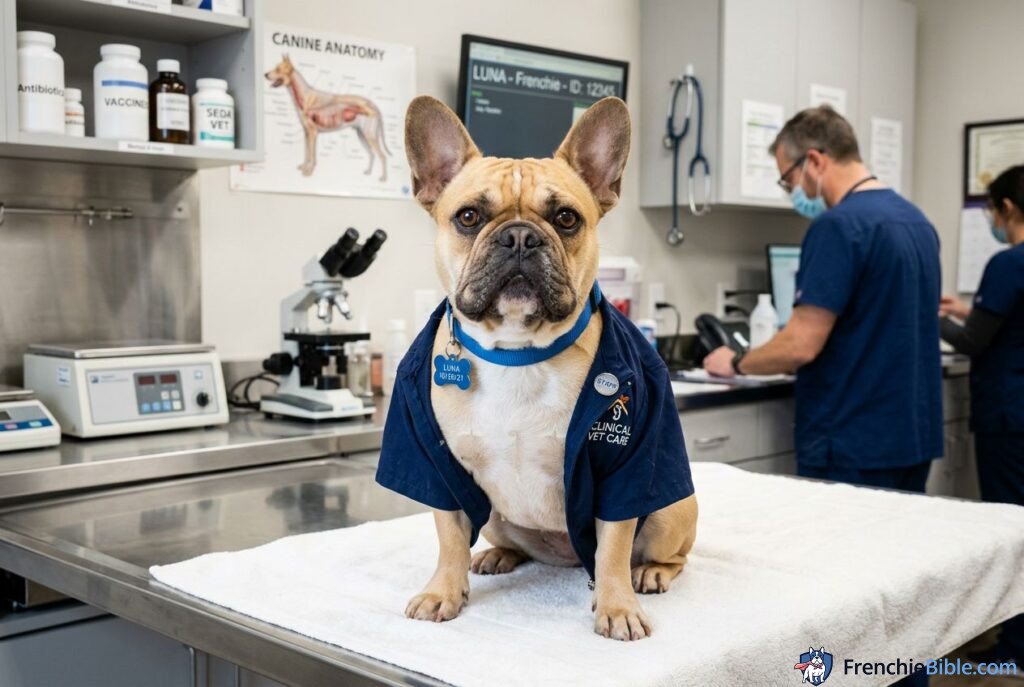
The Unique Dermatological Challenge of French Bulldogs
as a French Bulldog expert and breeder specializing in French Bulldogs and an experienced breeder who has dedicated years to understanding this magnificent breed, I have seen countless Frenchies walk through my breeding program doors suffering from severe dermatological issues. While French Bulldogs are undeniably one of the most charming, affectionate, and charismatic breeds in the world, they are, unfortunately, genetically predisposed to a myriad of complex skin problems. Their iconic wrinkles, short coats, and compact muscular build, coupled with a higher-than-average incidence of both environmental and food allergies, make their skin incredibly sensitive and prone to breakdown.
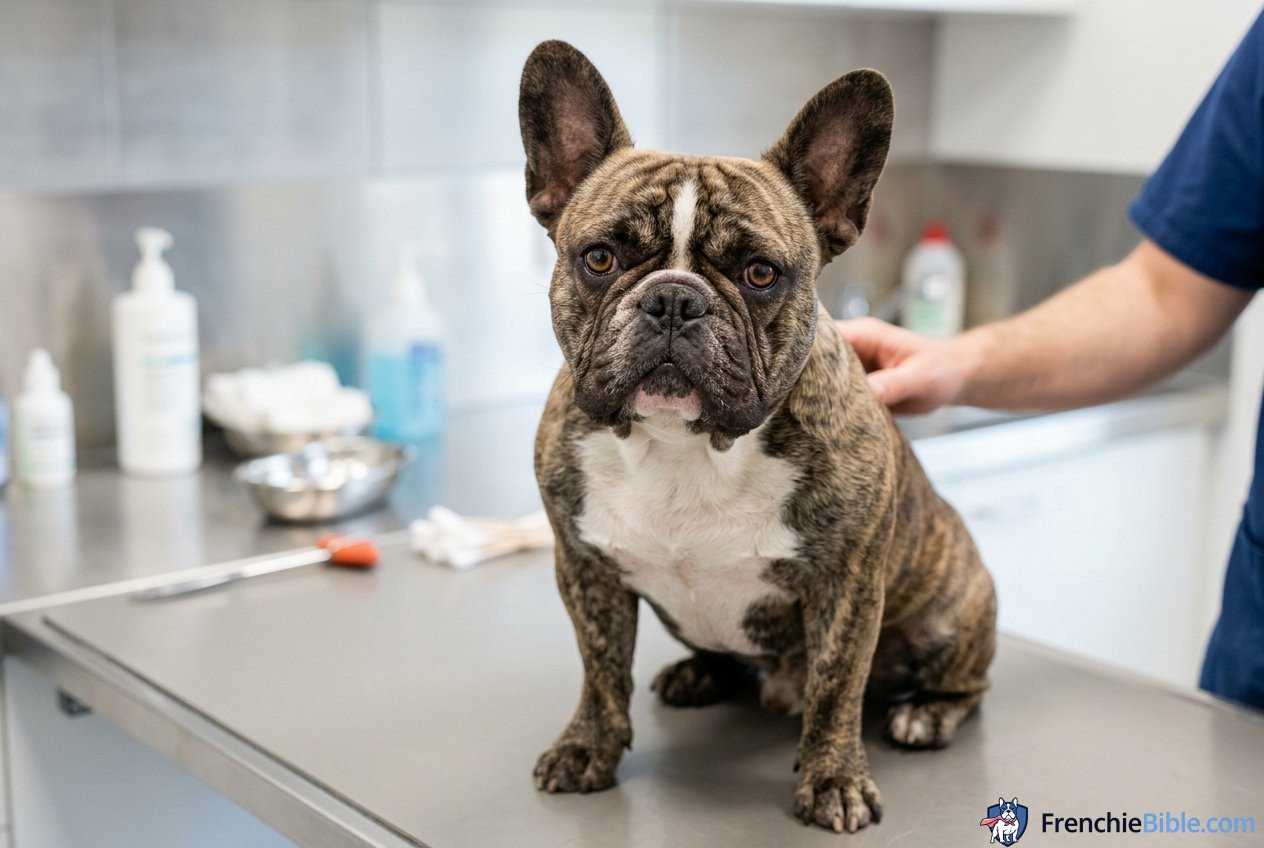
Understanding the specific biological and physiological needs of a French Bulldog’s skin is the absolute first step in providing them with the relief and comfort they deserve. A Frenchie’s skin is their largest organ and acts as the primary barrier against environmental pathogens, allergens, harsh weather conditions, and physical irritants. When this vital barrier is compromised—whether by allergic reactions, poor hygiene, inadequate nutrition, or genetic predispositions—it can quickly lead to secondary bacterial or yeast infections. These secondary infections cause intense, agonizing itching, localized or generalized redness, severe hair loss (alopecia), and a significant decrease in the dog’s overall quality of life.
Related Reading: Training & Behavior | Frenchie Puppy Guide | Best Food for Frenchies
Why Are Frenchies So Prone to Skin Issues? A Deep Dive
To effectively treat a Frenchie’s skin, we must first understand why it fails so frequently. The susceptibility of French Bulldogs to skin diseases is multifaceted, involving a combination of genetics, anatomy, and immune system function:
- Genetic Predisposition to Canine Atopic Dermatitis (CAD): French Bulldogs have a remarkably high prevalence of atopy, which is an inherited predisposition to develop allergic reactions to common environmental substances. These substances (allergens) include tree and weed pollen, dust mites, mold spores, and human or animal dander. When an atopic Frenchie is exposed to these allergens, their immune system overreacts drastically, producing inflammatory mediators that result in severely inflamed, red, and intensely itchy skin. This itching triggers a vicious scratch-itch cycle that damages the skin barrier further.
- Anatomical Skin Folds and Wrinkles: The deep, adorable skin folds on a Frenchie’s face, their tightly curled tail pocket, and the heavy folds on their neck and body create micro-environments that are warm, dark, and often moist. These conditions are the absolute perfect breeding grounds for opportunistic pathogens, specifically bacteria (like Staphylococcus pseudintermedius) and yeast (Malassezia pachydermatis). If these folds are not cleaned and dried meticulously on a regular basis, the friction and trapped moisture quickly develop into skin fold dermatitis, also known as intertrigo.
- Short Coat and Lack of Mechanical Protection: Unlike double-coated breeds (like Huskies or Golden Retrievers) that have a thick undercoat to protect their skin, Frenchies possess a short, fine, single coat. This coat offers minimal physical protection against environmental irritants, harsh UV rays, prickly vegetation, and physical trauma. Allergens can easily penetrate through the thin hair coat to make direct contact with the skin, triggering allergic cascades.
- Adverse Food Reactions (Food Allergies): Many Frenchies suffer from adverse food reactions or true food allergies. Interestingly, contrary to popular belief, most food allergies in dogs are triggered by common animal proteins—such as chicken, beef, dairy, or lamb—rather than grains. These allergies frequently manifest not just as gastrointestinal upset (gas, diarrhea) but primarily as dermatological signs. Classic signs of a food allergy include intensely itchy paws (pedal pruritus), chronic ear infections (otitis externa), and itching around the rear end and perineal area.
- Compromised Epidermal Lipid Barrier: Recent dermatological studies suggest that allergic dogs, including many French Bulldogs, have a defective epidermal lipid barrier. The skin lacks sufficient ceramides and natural oils that act as the “mortar” between the skin cells (the “bricks”). This leaky barrier allows allergens to penetrate more easily and allows moisture to escape, leading to chronically dry, flaky, and reactive skin.
The Science Behind Medicated Shampoos in Veterinary Dermatology
When a French Bulldog presents in my breeding program with an active skin infection or a severe allergy flare-up, topical therapy is considered a primary cornerstone of our comprehensive treatment protocol. In the past, oral antibiotics were handed out freely for skin issues, but due to the rising threat of antibiotic-resistant bacteria (such as MRSP – Methicillin-Resistant Staphylococcus pseudintermedius), veterinarians are heavily leaning into aggressive topical therapies.
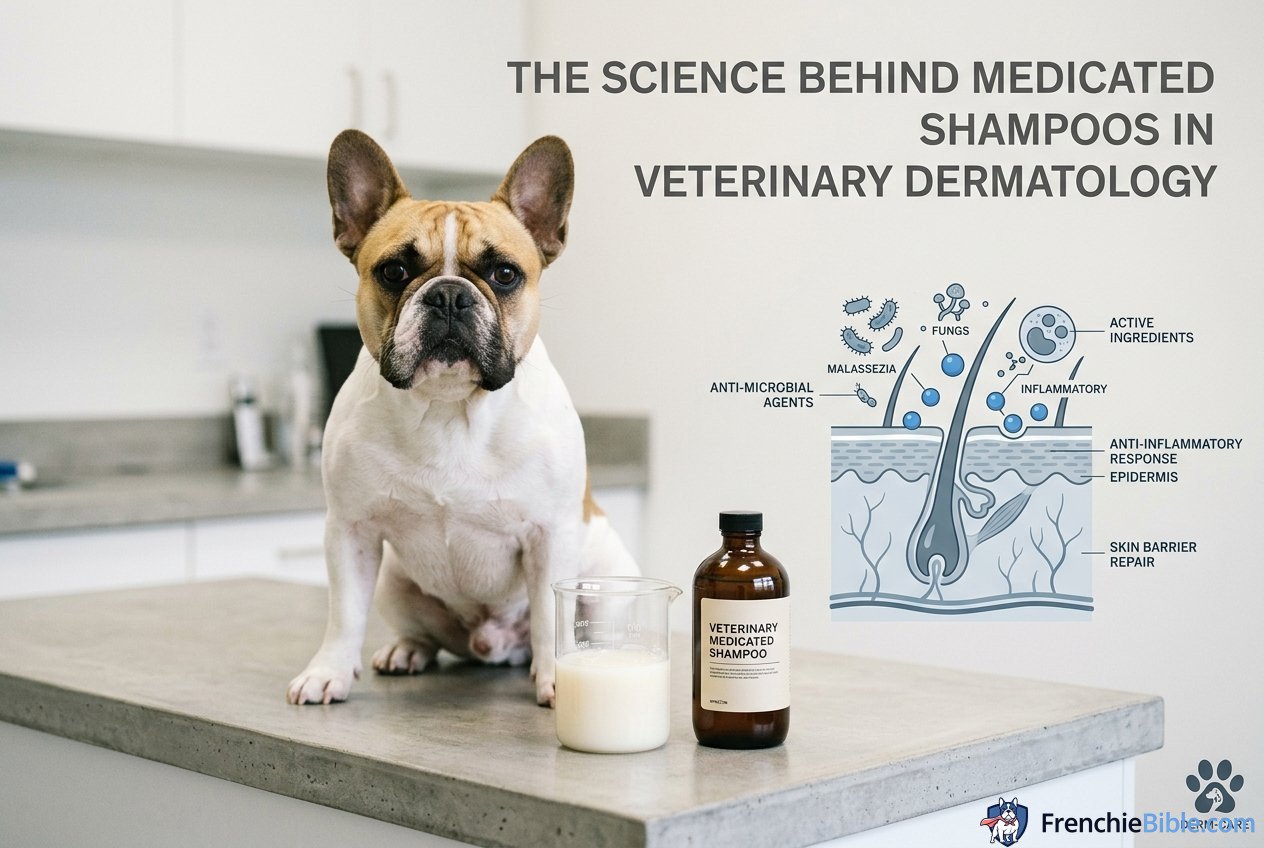
Medicated shampoos are not just about keeping the dog smelling fresh or looking clean; they are active, targeted medical treatments designed to eradicate specific skin pathogens, deeply soothe inflammation, flush out hair follicles, and repair the damaged skin barrier.
To understand which shampoo your dog needs, you must understand the active ingredients frequently utilized in veterinary formulations:
- Chlorhexidine: A highly potent, broad-spectrum antiseptic that is effective against both bacteria and yeast. It binds to the skin and continues to provide antimicrobial action long after the bath is over. It is available in concentrations ranging from 2% to 4%.
- Ketoconazole and Miconazole: These are powerful antifungal agents specifically targeted at eliminating yeast infections and ringworm (dermatophytosis). They work by disrupting the cell membrane of the fungi.
- Salicylic Acid: A keratolytic and keratoplastic agent that helps to soften and shed dead skin cells, unclog blocked hair follicles, and slightly reduce skin pH, making the environment less hospitable to bacteria.
- Pramoxine Hydrochloride: A mild, fast-acting topical anesthetic that numbs the skin, providing immediate, temporary relief from severe itching without the systemic side effects of steroids.
- Colloidal Oatmeal and Aloe Vera: Natural, holistic soothing agents that calm irritated, burning skin, draw in moisture, and provide a protective film over the epidermis.
- Ceramides and Phytosphingosine: Essential lipid molecules that are vital for rebuilding and strengthening the compromised, “leaky” skin barrier seen in allergic dogs.
- TrizEDTA: A unique compound that acts as an antimicrobial enhancer and a biofilm disruptor. It breaks down the protective slime layer that bacteria create to shield themselves from antibiotics and antiseptics.
It is absolutely crucial to match the active ingredients in the medicated shampoo to the specific dermatological issue your Frenchie is experiencing. Using an antifungal shampoo on a dog that only has dry skin will simply dry them out further. Conversely, using a plain oatmeal shampoo on a dog with a raging Staph infection will do nothing to stop the bacteria and may even feed the yeast.
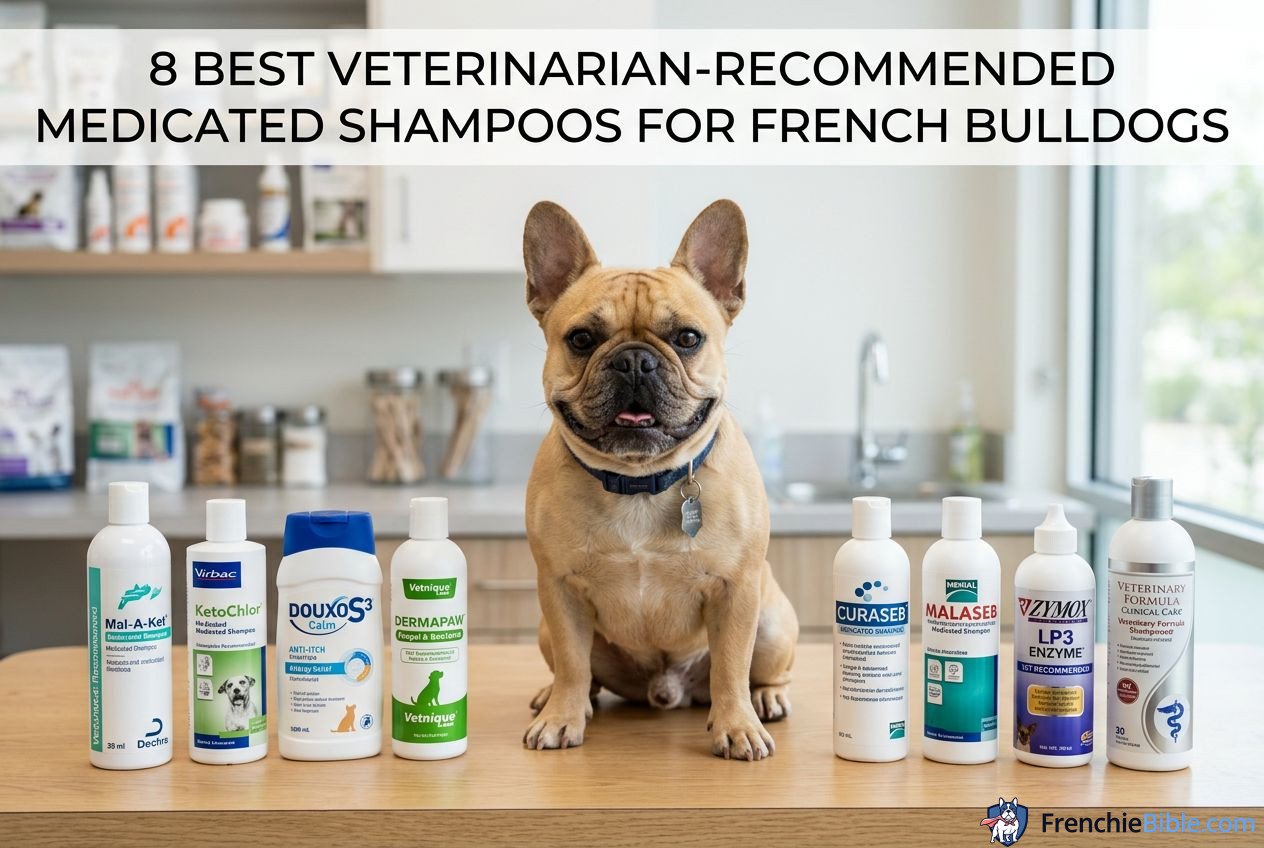
8 Best Veterinarian-Recommended Medicated Shampoos for French Bulldogs
Based on documented clinical efficacy, safety profiles, ingredient quality, and my extensive years of experience treating the specific needs of French Bulldogs, here are the top 8 medicated shampoos I recommend for Frenchies dealing with sensitive skin, allergies, and infections.
1. Douxo S3 PYO Shampoo
Best For: Bacterial Infections (Pyoderma), Yeast Overgrowth, and General Skin Barrier Support
Douxo S3 PYO is widely considered the gold standard in modern veterinary dermatology for treating microbial imbalances on the skin. The entire Douxo S3 line underwent a massive reformulation to include a proprietary, cutting-edge ingredient called Ophytrium. Ophytrium is a purified natural extract derived from the root of the Ophiopogon japonicus plant.
Key Ingredients:
– Chlorhexidine Digluconate (3%): Provides robust, fast-acting antibacterial and antifungal action.
– Ophytrium: A triple-action ingredient that restores the mechanical skin barrier, rebalances the protective microbial flora, and significantly reduces skin irritation and inflammation.
Why I Recommend It for Frenchies:
Frenchies suffering from deep skin fold pyoderma, acne on their chin, or widespread bacterial folliculitis (which looks like little red pimples or crusts on the belly) respond exceptionally well to Douxo S3 PYO. Historically, 3% chlorhexidine shampoos were effective but incredibly harsh, drying out the skin with frequent use. The brilliant addition of Ophytrium ensures the skin remains deeply hydrated and soothed while the chlorhexidine kills the pathogens. It is formulated free from soaps, sulfates, parabens, phthalates, and artificial colorants, making it incredibly safe for a Frenchie’s highly reactive skin. The scent is a hypoallergenic light green tea fragrance that is pleasant, clean, and not overpowering.
Pros:
– Clinically and scientifically proven to reduce bacterial and yeast overgrowth significantly within weeks.
– Actively restores the damaged skin barrier while simultaneously treating the infection.
– Exceptionally gentle and hydrating compared to older, traditional chlorhexidine formulations.
– Excellent for regular maintenance bathing in dogs prone to recurrent infections.
Cons:
– Premium, clinical-grade price point.
– Like most medicated shampoos, it strictly requires a full 10-minute contact time on the skin for maximum efficacy, which can test a dog’s patience.
2. Ketohex Shampoo by VetOne
Best For: Severe Yeast Infections, Ringworm, and Mixed Bacterial/Fungal Infections
When a French Bulldog waddles into the clinic emitting that distinct, pungent “corn chip” or “Frito feet” smell, accompanied by greasy, thickened, darkly pigmented, elephant-like skin (a condition known as lichenification), it is almost certainly a severe Malassezia (yeast) overgrowth. In these severe cases, a combination shampoo is mandatory for aggressive treatment. Ketohex combines a potent antifungal with a reliable antibacterial agent to provide comprehensive therapy.
Key Ingredients:
– Chlorhexidine (2%): Antibacterial to handle secondary bacterial invaders.
– Ketoconazole (1%): A highly potent antifungal that attacks the yeast cell walls.
Why I Recommend It for Frenchies:
Yeast thrives and multiplies rapidly in the warm, humid, dark environments of a Frenchie’s facial wrinkles, armpits, and paws. Ketoconazole is highly effective at eradicating this yeast, while the chlorhexidine handles any secondary bacterial staph infections that almost universally accompany severe yeast overgrowth due to the dog scratching and breaking the skin. This shampoo is highly effective at degreasing the sticky sebum and rapidly removing the offensive malodor associated with yeast dermatitis.
Pros:
– Provides highly effective, dual-action combination therapy.
– Exceptional at degreasing and deodorizing smelly, yeasty skin.
– Clears up intensely red, inflamed paws, armpits, and belly skin rapidly when used consistently.
Cons:
– Can be somewhat drying to the coat and skin if used too frequently over a long period.
– Not intended for everyday use once the primary infection has fully cleared; it should be rotated with a gentler maintenance shampoo.
3. Virbac Epi-Soothe Shampoo
Best For: Dry, Itchy, Irritated Skin without Active Infection
It is crucial to remember that not all skin issues in Frenchies involve an active microbial infection. Very often, they simply have incredibly dry, sensitive, and itchy skin due to environmental allergens (pollen, dust) or harsh, dry winter air. In these specific cases, using a harsh antiseptic shampoo is completely unnecessary and could cause significant further irritation and barrier breakdown. Virbac Epi-Soothe is a soap-free, highly soothing oatmeal shampoo designed meticulously for sensitive, uninfected skin.
Key Ingredients:
– Spherulites (Microcapsules): An exclusive technology that encapsulates active ingredients to ensure the slow, continuous release of soothing agents long after the bath is over.
– Colloidal Oatmeal: A time-tested, natural ingredient that physically soothes burning skin and moisturizes.
– Chitosanide: A natural biopolymer that builds a microscopic protective film on the skin and hair coat, reducing moisture loss.
Why I Recommend It for Frenchies:
Epi-Soothe utilizes advanced Spherulite technology. This means the soothing oatmeal extract is encapsulated and slowly released onto the skin over several days, providing sustained, long-lasting relief from mild to moderate itching. It is incredibly gentle and can be safely used frequently—even daily during peak allergy seasons—to physically wash pollens, grasses, and allergens off the dog’s coat without stripping the skin’s vital natural lipid layer.
Pros:
– Entirely soap-free and exceptionally gentle on reactive skin.
– Provides a long-lasting anti-itch effect due to the patented Spherulite technology.
– Safe enough for frequent, even daily, bathing routines.
– Leaves the short Frenchie coat incredibly soft, shiny, and manageable.
Cons:
– Contains no antimicrobial agents; it will absolutely not treat bacterial or yeast infections.
– The scent is very mild, which may be a drawback for owners who prefer a strong, perfumed fragrance post-bath.
4. Dechra MiconaHex+Triz Shampoo
Best For: Stubborn, Chronic Microbial Infections and Biofilm Disruption
Dechra is a highly respected, scientifically driven name in veterinary medicine, and their MiconaHex+Triz shampoo is an absolute powerhouse for treating chronic, unrelenting skin infections. It combines miconazole and chlorhexidine, but its true secret weapon is the strategic addition of TrizEDTA.
Key Ingredients:
– Miconazole Nitrate (2%): A broad-spectrum antifungal.
– Chlorhexidine Gluconate (2%): A trusted antibacterial.
– TrizEDTA: A powerful antimicrobial enhancer and biofilm disruptor.
– Ceramides: Essential lipids for skin barrier repair and hydration.
Why I Recommend It for Frenchies:
Chronic, recurring ear and skin fold infections in Frenchies are frequently complicated by biofilms. A biofilm is a slimy, protective matrix produced by bacteria that acts like a shield, protecting the bacteria from antibiotics and traditional antiseptics. TrizEDTA effectively breaks down and punctures this biofilm shield, making the chlorhexidine and miconazole significantly more effective at reaching and killing the pathogens. Furthermore, this advanced formulation contains ceramides, which are biologically crucial for repairing the damaged skin barrier in allergic Frenchies, thereby helping to prevent future infections from taking hold.
Pros:
– TrizEDTA effectively dismantles stubborn bacterial biofilms that cause recurring infections.
– Contains ceramides to actively aid in skin barrier restoration.
– Highly effective against both persistent yeast and resistant bacteria.
– Leaves a protective residual barrier that continues to work after rinsing.
Cons:
– Tends to be one of the more expensive medicated shampoos on the market.
– Has a somewhat thick consistency that can sometimes be harder to lather deeply into a dense coat without pre-diluting.
5. Veterinary Formula Clinical Care Antiparasitic & Antiseborrheic Shampoo
Best For: Seborrhea, Mange, Fungal Infections, and Severe Scaling/Flaking
Occasionally, Frenchies suffer from severe seborrhea, a complex dermatological condition where the sebaceous glands overproduce sebum, leading to either intensely greasy, scaly skin (seborrhea oleosa) or severely dry, flaky skin resembling extreme dandruff (seborrhea sicca). This specific shampoo is formulated aggressively to treat these complex, scaling skin disorders.
Key Ingredients:
– Coal Tar: A keratoplastic agent that slows down the rapid growth of skin cells, drastically reducing scaling, crusting, and flaking.
– Salicylic Acid: A keratolytic agent that acts like a chemical exfoliant to help shed thick, dead skin cells.
– Micronized Sulfur: Provides both antifungal and antibacterial properties while helping to control abnormal scaling.
Why I Recommend It for Frenchies:
If a Frenchie presents with thick, waxy crusty patches, severe large-flake dandruff, or is actively recovering from a severe mite infestation (such as Demodectic mange, which is unfortunately common in young, immunocompromised Frenchie puppies), this shampoo is an excellent clinical tool. The keratolytic properties of the salicylic acid actively help break down thick crusts, allowing the therapeutic sulfur and coal tar to penetrate deeply and heal the inflamed skin underneath.
Pros:
– A highly affordable, readily available over-the-counter option that mimics prescription strength.
– Excellent for treating thick, crusty, scaly, and excessively greasy skin conditions.
– Helps significantly alleviate the intense itching and discomfort associated with seborrhea.
Cons:
– Contains coal tar, which possesses a very strong, distinct, medicinal, somewhat chemical scent that lingers.
– Can potentially stain white or light-colored fur if left on the coat for too long.
– Note: It is toxic to cats, so extreme caution must be used in multi-pet households.
6. Davis Pramoxine Anti-Itch Shampoo
Best For: Immediate, Temporary Relief from Severe, Acute Itching
When a Frenchie is actively scratching themselves raw, chewing their paws to the bone, or rubbing their face incessantly on the carpet, they require immediate intervention to prevent severe self-mutilation and secondary bacterial infections. While identifying and treating the underlying systemic cause (allergies, fleas, etc.) is the ultimate goal, providing immediate symptomatic relief is ethically and medically equally important. Davis Pramoxine Anti-Itch Shampoo is engineered precisely for this acute scenario.
Key Ingredients:
– Pramoxine Hydrochloride (1%): A highly effective, fast-acting topical anesthetic agent.
– Colloidal Oatmeal: Provides additional natural, soothing hydration.
Why I Recommend It for Frenchies:
Pramoxine is a remarkable, safe topical anesthetic that essentially numbs the nerve endings in the skin, physically breaking the frantic itch-scratch cycle almost instantly upon application. Unlike topical corticosteroids, pramoxine is non-steroidal and entirely safe for frequent, long-term use without carrying the heavy risks of skin thinning (atrophy), immune suppression, or systemic hormonal side effects. This shampoo is an absolute lifesaver to have in your cabinet during acute allergy flare-ups or sudden insect bites.
Pros:
– Provides rapid, highly effective, albeit temporary, relief from severe, frantic itching.
– Entirely non-steroidal and safe for frequent, repeated use as needed.
– Contains moisture-rich oatmeal to further condition and soothe the irritated epidermis.
Cons:
– The anesthetic relief is strictly temporary (typically lasting anywhere from a few hours to a day).
– It is a symptomatic treatment only; it absolutely does not treat the underlying root cause of the itch (such as a food allergy or a Staph infection).
7. Earthbath Hypo-Allergenic Fragrance-Free Shampoo
Best For: Everyday Maintenance for Ultra-Sensitive, Highly Reactive, Allergy-Prone Skin
For Frenchies that have exceptionally reactive skin and are highly sensitive to synthetic chemicals, artificial fragrances, essential oils, and dyes, a strong medicated shampoo might prove to be too harsh and stripping for weekly or bi-weekly maintenance bathing. Earthbath Hypo-Allergenic stands out as the best, most gentle, non-medicated option available for keeping a highly allergic dog clean without triggering a flare-up.
Key Ingredients:
– Purified Water.
– Renewable Plant-Derived & Gentle Coconut-Based Cleansers.
– Organic Aloe Vera.
Why I Recommend It for Frenchies:
Many atopic Frenchies require frequent, routine bathing specifically to physically remove environmental allergens (such as microscopic tree pollen, weed pollen, and dust mites) from their coat before those allergens can penetrate the skin and trigger an immune response. Using a harsh, stripping shampoo too often will inevitably destroy their fragile lipid barrier. This tearless, entirely fragrance-free formula is as gentle as water. It cleanses effectively without irritating the delicate tissue around the eyes or the sensitive skin in the facial folds, making it absolutely perfect for washing a Frenchie’s face safely.
Pros:
– Completely and genuinely free of all fragrances, parabens, sulfates, phthalates, and artificial dyes.
– A true tearless formula, making it exceptionally safe for use around the sensitive eyes and deep facial wrinkles.
– Environmentally friendly, biodegradable, and strictly cruelty-free.
– An excellent choice for a quick “rinse down” to wash allergens off the coat after a walk through grass.
Cons:
– Has absolutely no medicinal properties; it will not treat bacterial infections, yeast overgrowth, or severe, pathological itching.
– Does not leave a lasting “clean dog” scent due to the intentional lack of fragrances, which some owners miss.
8. Zymox Enzymatic Shampoo
Best For: Mild to Moderate Skin Irritations, Gentle Antimicrobial Action without Harsh Chemicals
Zymox takes a completely revolutionary and different biological approach to treating skin infections. Instead of utilizing traditional, sometimes harsh chemical antiseptics like chlorhexidine or ketoconazole, Zymox harnesses the power of a patented LP3 Enzyme System.
Key Ingredients:
– Lysozyme, Lactoferrin, Lactoperoxidase (The LP3 Enzyme System): Naturally occurring, powerful proteins and enzymes that work synergistically to destroy bacteria, yeast, and certain viruses.
– Vitamin D3: Included to actively support and nourish overall skin health and cellular regeneration.
Why I Recommend It for Frenchies:
Some Frenchies have skin so profoundly compromised and sensitive that even standard, diluted veterinary antiseptics cause severe burning, stinging, and redness. Zymox is incredibly gentle on raw skin. The biological enzymes work selectively by targeting and breaking down the cell walls of harmful microbes without damaging or irritating the surrounding healthy skin cells. It is particularly effective and highly recommended for dogs dealing with chronic, low-grade skin inflammation, mild yeast issues, or recovering from chemical burns. As a bonus, it smells wonderful and leaves the Frenchie’s coat feeling luxuriously soft.
Pros:
– Contains absolutely no harsh chemicals, detergents, or traditional pharmaceutical antibiotics.
– Provides highly effective, targeted enzymatic action against a wide variety of microbes.
– Extremely gentle on inflamed, raw skin, causing zero sting or irritation upon application.
– Features a very pleasant, mild, and clean scent.
Cons:
– It may simply not be potent or aggressive enough to tackle severe, deep-seated, chronic, or highly resistant infections.
– Tends to be slightly more expensive than many traditional over-the-counter shampoo options.
The Art of the Bath: How to Properly Bathe a Frenchie with Sensitive Skin
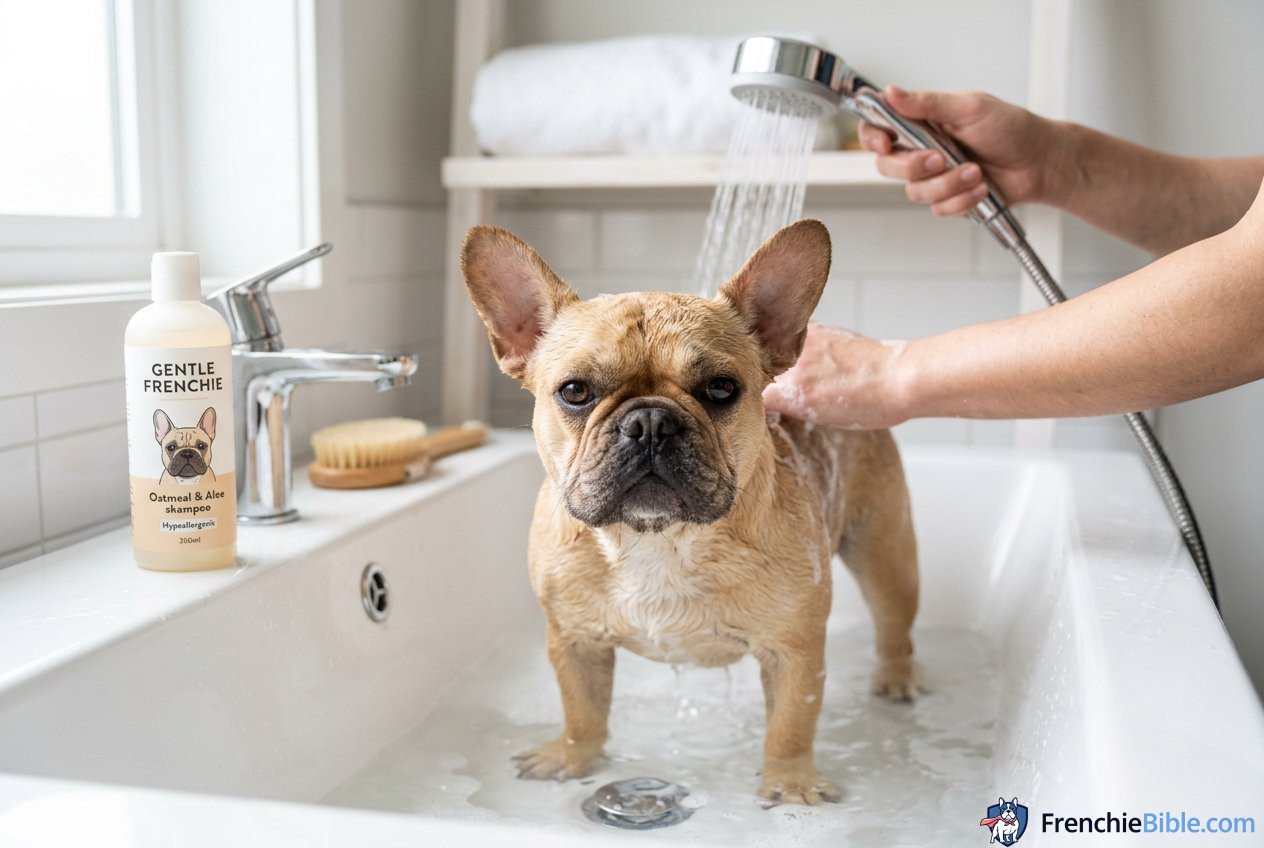
Purchasing the correct, high-quality medicated shampoo is only half the battle. The actual physical execution of the bath is just as critical to the treatment’s success. Many well-meaning owners inadvertently worsen their Frenchie’s skin issues through improper, rushed, or incorrect bathing techniques.
The Veterinarian-Approved Step-by-Step Bathing Protocol
- Pre-Bath Preparation and Calming: Before turning on the water, brush your Frenchie gently with a soft rubber curry brush (like a Kong ZoomGroom) to remove loose hair, dander, and superficial dirt. Place a heavy-duty non-slip mat in the tub or sink to ensure they feel secure and do not panic. Gather all your supplies—the shampoo, multiple clean towels, a soft washcloth, and high-value treats or a lick mat—before you bring the dog into the bathroom.
- Water Temperature is Critical: This is a step where many make a crucial mistake. Always use lukewarm to slightly cool water. Human-temperature hot water dramatically exacerbates itching, increases vasodilation (inflammation) in the skin, and rapidly strips the skin of its natural, protective lipid oils. If your Frenchie is actively having an itchy flare-up, utilizing cool water provides immediate, soothing relief to the inflamed nerve endings.
- Thorough Wetting: Ensure the entire coat is completely saturated with water right down to the skin. Frenchies have a deceptively dense coat despite being short-haired. Water needs to penetrate to the epidermis for the shampoo to work.
- Applying the Shampoo Strategically: If the shampoo is highly concentrated, dilute it slightly in a cup of water to make it easier to spread evenly. Do not just rub it on the fur; vigorously but gently massage the shampoo deeply into the skin using your fingertips. Pay exceptional attention to the high-risk zones: the armpits, the groin area, between the toes on the paws, and deep under the tail pocket—these are the most common hot spots for yeast and bacterial proliferation.
- Handling the Face and Wrinkles Safely: Never pour water over your Frenchie’s head or apply strong medicated shampoo directly onto their face or eyes. Instead, use a damp, soft washcloth with a tiny amount of a tear-free shampoo (such as the Earthbath Hypo-Allergenic) or use veterinarian-prescribed specific wrinkle wipes (like those containing chlorhexidine/ketoconazole) to clean the deep facial folds meticulously and carefully.
- The Critical Contact Time (The Waiting Game): This is the step where most owners fail, rendering the expensive shampoo useless. Medicated shampoos must remain on the skin for a full 5 to 10 minutes to be clinically effective. This waiting period allows the active ingredients (like chlorhexidine or miconazole) time to penetrate the skin barrier, break down biofilms, and actively kill the microbes. To keep your Frenchie distracted and happy during this waiting period, smear a lick mat with dog-safe peanut butter or plain Greek yogurt and stick it to the side of the tub.
- Rinsing—And Rinsing Again: Rinse the dog thoroughly, and then rinse them again. Any residual medicated shampoo left sitting on the skin after the bath will dry and cause severe chemical irritation, contact dermatitis, and further itching. Keep rinsing until the water runs completely, crystal clear, and the coat literally “squeaks” when you run your hands firmly down their back.
- Drying: The Most Important Step for Frenchies: French Bulldogs must be dried exceptionally well. Leaving a Frenchie even slightly damp is an absolute recipe for a rapid yeast infection, especially deep within their folds. Use a highly absorbent microfiber towel to gently blot the moisture away. Do not aggressively scrub or rub back and forth, as this creates micro-abrasions on the sensitive skin. If your dog tolerates it, use a high-velocity dog blow dryer on the lowest heat setting (cool air only) and keep the nozzle moving constantly. Ensure that the armpits, the groin, the tail pocket, and all facial wrinkles are 100% bone dry. If necessary, use a dry cotton pad to absorb any final moisture from the deep folds.
Nutritional Support for Healthy French Bulldog Skin
While topical treatments like medicated shampoos are vital for managing acute flare-ups and infections, true skin health starts from the inside out. As both a veterinarian and a breeder, I cannot stress enough the profound impact that diet has on a Frenchie’s dermatological well-being. The skin is a highly active organ that requires a constant supply of specific nutrients to maintain its barrier function, produce healthy hair, and regulate inflammation.
The Role of Essential Fatty Acids (EFAs)
Omega-3 and Omega-6 fatty acids are critical components of the cell membranes in the skin.
– Omega-6 fatty acids (like Linoleic Acid): These are essential for maintaining the epidermal water barrier. A deficiency in linoleic acid quickly leads to dry, scaly skin, a dull coat, and increased susceptibility to infections. High-quality diets usually contain adequate Omega-6s from sources like chicken fat or sunflower oil.
– Omega-3 fatty acids (EPA and DHA): These are the true heroes for allergic Frenchies. Found abundantly in marine sources like salmon oil, krill oil, and small cold-water fish, Omega-3s possess potent natural anti-inflammatory properties. They work by competing with pro-inflammatory molecules in the body, effectively turning down the “volume” on the immune system’s allergic response. Supplementing an atopic Frenchie with a high-quality, high-dose Omega-3 fish oil is almost universally recommended by veterinary dermatologists.
High-Quality Novel Proteins and Hydrolyzed Diets
If a French Bulldog is suffering from a suspected food allergy, changing their diet is imperative. As mentioned earlier, common proteins like beef, chicken, and dairy are the usual culprits.
– Novel Protein Diets: These involve feeding the dog a protein source they have never been exposed to before, such as venison, duck, rabbit, or kangaroo, paired with a novel carbohydrate like sweet potato or oatmeal.
– Hydrolyzed Protein Diets: For severely allergic dogs, veterinarians often prescribe hydrolyzed diets (like Royal Canin HP, Purina HA, or Hill’s z/d). In these diets, the protein molecules have been broken down (hydrolyzed) into pieces so infinitesimally small that the dog’s immune system literally cannot recognize them as an allergen, preventing an allergic reaction entirely.
Gut Health and the Skin Microbiome
Emerging research highlights the strong connection between the gut microbiome and skin health (the gut-skin axis). A healthy gut lining prevents systemic inflammation. Incorporating a high-quality canine-specific probiotic into your Frenchie’s diet can help balance their gut flora, which in turn supports a stronger, more regulated immune system, potentially reducing the severity of allergic skin reactions.
Frequently Asked Questions (FAQ)
How often should I bathe my French Bulldog?
The frequency of bathing depends entirely on the dog’s specific skin condition. For a perfectly healthy Frenchie without any skin issues, bathing once every 4 to 8 weeks is generally sufficient to keep them clean without stripping their natural oils. However, if your Frenchie has active environmental allergies or a raging skin infection, your veterinarian may prescribe a medicated bath 1 to 3 times a week until the infection is successfully cleared. For long-term environmental allergy management, a weekly bath with a gentle, non-medicated, hypoallergenic shampoo can be incredibly helpful to physically wash pollens and allergens out of the coat.
Can I just use human shampoo or baby shampoo on my Frenchie?
Absolutely not. This is a very common and damaging mistake. Human skin has a significantly different pH level (it is more acidic, sitting around 5.5) than dog skin (which is more neutral, ranging from 7.0 to 7.5). Using human shampoo—even the gentlest baby shampoo—will immediately disrupt the delicate acid mantle of your Frenchie’s skin. This strips the essential lipid oils, dries the skin out severely, and alters the surface pH, making the skin highly susceptible to bacterial and yeast infections, as well as increasing the penetration of environmental allergens. Always use a pH-balanced shampoo formulated strictly for dogs.
Why do my Frenchie’s paws smell like corn chips or old cheese?
That distinct “Frito feet” or “corn chip” smell is a classic, undeniable clinical sign of a yeast infection (Malassezia overgrowth) localized on the paws. Yeast organisms thrive in the warm, moist, dark environments found snugly between the toes. This overgrowth is most often triggered by the dog incessantly licking and chewing their paws due to underlying allergies (usually environmental or food allergies). Using a medicated shampoo that contains Ketoconazole or Miconazole (such as Ketohex or MiconaHex+Triz) specifically to wash and soak the paws for 10 minutes can help rapidly eliminate the yeast and the foul odor.
Are oatmeal shampoos always the best choice for itchy skin?
While oatmeal is highly renowned for being soothing for dry skin and mild, uninfected irritation, it is not always the best choice, particularly if your dog has an active, severe yeast infection. Oatmeal is a carbohydrate. In some dermatological cases, leaving a carbohydrate residue on the skin can inadvertently provide a food source for the yeast organisms, potentially exacerbating the infection. If your dog is intensely itchy due to an active, smelly yeast or bacterial infection, an antimicrobial medicated shampoo is a much more appropriate and effective choice than a plain, non-medicated oatmeal shampoo.
Should I use a conditioner on my French Bulldog after a medicated bath?
If you are required to use a particularly harsh, stripping medicated shampoo (such as one containing coal tar, benzoyl peroxide, or strong salicylic acid for severe seborrhea), following up the bath with a dog-specific, hydrating conditioner, a cream rinse, or a specialized ceramide spray can be highly beneficial to restore vital moisture and lipids to the skin barrier. However, it is important to note that many modern, high-quality medicated shampoos (such as the Douxo S3 line) already contain sophisticated hydrating properties (like Ophytrium) built into the formula and do not necessarily require a separate conditioning step.
When should I stop trying shampoos and take my Frenchie to the vet?
While medicated shampoos are an excellent and necessary topical treatment, they are not a cure-all for severe systemic issues. You must schedule an appointment with your veterinarian immediately if your Frenchie’s skin is oozing pus or blood, has a foul, necrotic odor, shows signs of thick crusting, develops large open sores, or exhibits severe, sudden hair loss. Furthermore, if the itching is so intense that the dog is mutilating itself, keeping you awake at night, or seems lethargic or feverish, veterinary intervention is non-negotiable. Severe skin infections frequently require a multi-modal approach, including oral antibiotics, systemic antifungal medications, or powerful prescription allergy medications (like Apoquel or Cytopoint injections) to get the debilitating condition under control.
Conclusion: A Proactive Approach to Your Frenchie’s Skin Health
Managing a French Bulldog’s sensitive, allergy-prone skin is not a one-time fix; it is a lifelong, ongoing commitment that requires diligent vigilance, the implementation of the right high-quality products, and a strong, communicative partnership with your veterinarian. Medicated shampoos are incredibly powerful, foundational tools in our veterinary dermatological arsenal.
By taking the time to understand the specific, unique needs of your individual Frenchie’s skin and carefully choosing the appropriate shampoo—whether it requires the aggressive biofilm-busting power of MiconaHex+Triz, the barrier-restoring, soothing properties of Douxo S3 PYO, or the gentle, everyday maintenance of Earthbath Hypo-Allergenic—you can dramatically improve their comfort, health, and overall quality of life. Always remember that for an allergic dog, a bath is not just a grooming session; it is a vital medical treatment. Take the time to execute it correctly, ensure adequate contact time for the medication to work, and never, ever forget to dry those adorable wrinkles thoroughly! Your Frenchie will thank you with endless, itch-free cuddles.
Disclaimer: We are not veterinarians and do not hold veterinary medical licenses. The information provided in this article is based on years of breeding and daily care experience and is for educational purposes only. It should not replace professional veterinary advice. Always consult with a licensed veterinarian if you have concerns about your French Bulldog’s health or before starting any new treatment.