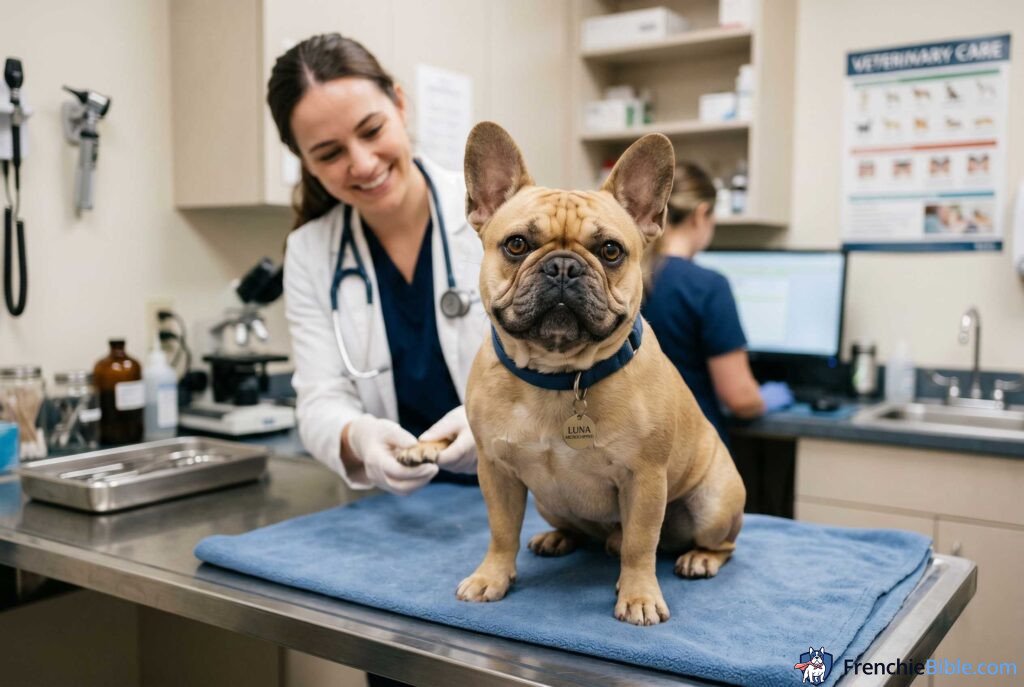
If you are a French Bulldog parent, you are likely intimately familiar with the unique quirks, hilarious personality traits, and specific health challenges of this beloved breed. From their adorable, oversized bat ears to their snorting snoozes and affectionate cuddles, Frenchies are entirely unique companions. However, one of the most frustrating, persistent, and common issues Frenchie owners face is dermatological trouble—specifically, the relentless, snowy flakes of dandruff and persistently dry, irritated, and itchy skin.
You may have already tried every oatmeal shampoo, leave-in conditioner, and moisturizing spray available on the pet store shelves. You might have even resorted to frequent bathing, hoping to wash the flakes away. While topical treatments offer temporary relief and can make your dog smell wonderful, the true secret to banishing dandruff and achieving a gleaming, healthy coat lies far deeper. as a French Bulldog expert and breeder and an experienced breeder who has dedicated years to understanding this specific breed, I have seen thousands of Frenchies struggle with dermatological issues. Time and time again, the most profound, lasting, and permanent transformations occur when we shift our focus from treating the outside to healing from the inside in.
Related Reading: Training & Behavior | Frenchie Puppy Guide | Best Food for Frenchies
In this exhaustive, comprehensive guide, we will explore the critical, undeniable role of internal nutrition in healing your French Bulldog’s dry skin and eliminating dandruff for good. We will delve deep into the science of canine dermatology, uncover the essential macro and micronutrients your dog desperately needs, and outline actionable, step-by-step dietary strategies to transform your Frenchie’s coat from a dull, flaky mess to a soft, shiny, and resilient masterpiece.
Understanding French Bulldog Dandruff and Dry Skin
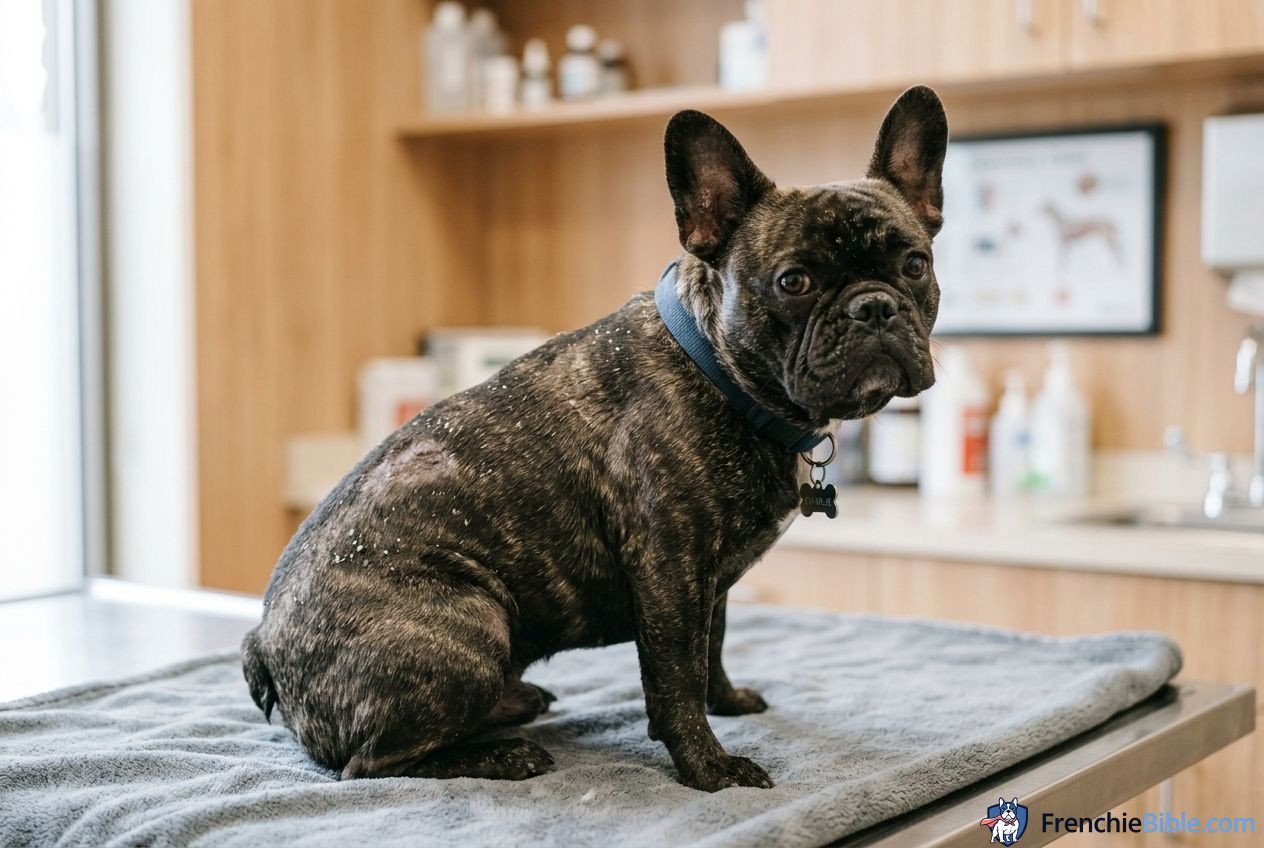
Before we can effectively and permanently treat dandruff, we must first understand exactly what it is, how it forms, and why French Bulldogs, in particular, are so incredibly susceptible to it. Dandruff, medically known in veterinary dermatology as seborrhea, occurs when the sebaceous glands of the skin malfunction, producing either too much or too little sebum (natural oil). In the case of dry dandruff, which we clinically call seborrhea sicca, the skin fundamentally lacks moisture and essential lubricating oils. This deprivation leads to the rapid, abnormal turnover of skin cells, which dry out, die prematurely, and shed as visible white flakes across your dog’s coat and your furniture.
What Causes Dandruff in French Bulldogs?
Frenchies are genetically predisposed to a wide variety of skin conditions. Their beautiful, short coats do not provide much physical protection against environmental irritants like pollen, dust mites, or harsh weather. Furthermore, their skin barrier is often inherently weaker and more prone to compromise than that of double-coated or working breeds. Several compounding factors contribute to the development of dandruff in Frenchies:
- Nutritional Deficiencies and Imbalances: This is by far the most common, yet fortunately, the most easily correctable cause. A lack of essential fatty acids, specific vitamins, and trace minerals directly compromises the skin’s structural integrity.
- Environmental and Food Allergies: Frenchies are notorious allergy sufferers. They are prone to environmental allergies (atopic dermatitis) from grasses and pollens, as well as food allergies. Allergic reactions trigger massive systemic inflammation, which disrupts the skin barrier, leading to profound dryness, flaking, and intense, maddening itching.
- Low Ambient Humidity: During the cold winter months or for those living in arid, dry climates, indoor central heating systems act like a sponge, stripping the ambient moisture from the air and, consequently, from your dog’s skin.
- Over-Bathing or Using Harsh Shampoos: Bathing your Frenchie too frequently, or using human shampoos or pet shampoos with harsh detergents (like sulfates), aggressively strips away the vital, natural oils the skin produces to protect itself.
- Parasites and Opportunistic Infections: External parasites like Cheyletiella mites (often aptly called “walking dandruff”), Demodex mites, and opportunistic yeast (Malassezia) or bacterial (Staph) infections can cause profound flaking, skin irritation, and odor.
- Underlying Endocrine and Medical Conditions: Hormonal imbalances, such as hypothyroidism (underactive thyroid) or Cushing’s disease (hyperadrenocorticism), can present with dry, brittle hair, excessive shedding, and dandruff as their primary clinical symptoms.
- Stress and Anxiety: High cortisol levels resulting from stress, anxiety, or changes in the household can suppress the immune system and negatively impact the skin’s ability to regenerate healthily.
The Frenchie Skin Anatomy and The Science of Sebum
To truly appreciate why internal nutrition is so vital, we must consider the microscopic anatomy of your Frenchie’s skin. The skin is the largest organ of the canine body, serving as the critical first line of defense against pathogens, allergens, and harsh environmental stressors. The outermost layer of the skin, the stratum corneum, acts very much like a brick wall. The flattened, dead skin cells (corneocytes) are the “bricks,” and the complex lipid (fat) matrix surrounding them serves as the “mortar.”
When your dog’s diet lacks the essential nutritional building blocks necessary to create strong, resilient “mortar,” this brick wall becomes weak and porous. Transepidermal water loss (TEWL) increases, meaning moisture escapes easily, leading directly to dry skin. Simultaneously, microscopic environmental allergens penetrate this weakened barrier easily, triggering the immune system and leading to inflammation and itching. By optimizing your Frenchie’s internal nutrition, you are essentially fortifying, repairing, and rebuilding this brick wall from the inside out.
Sebum, the oily substance produced by sebaceous glands, coats the hair shaft and skin surface. It provides a waterproof layer, has natural antimicrobial properties, and keeps the skin supple. Internal nutrition directly dictates the quantity and quality of sebum your Frenchie produces.
The Role of Internal Nutrition in Skin Health
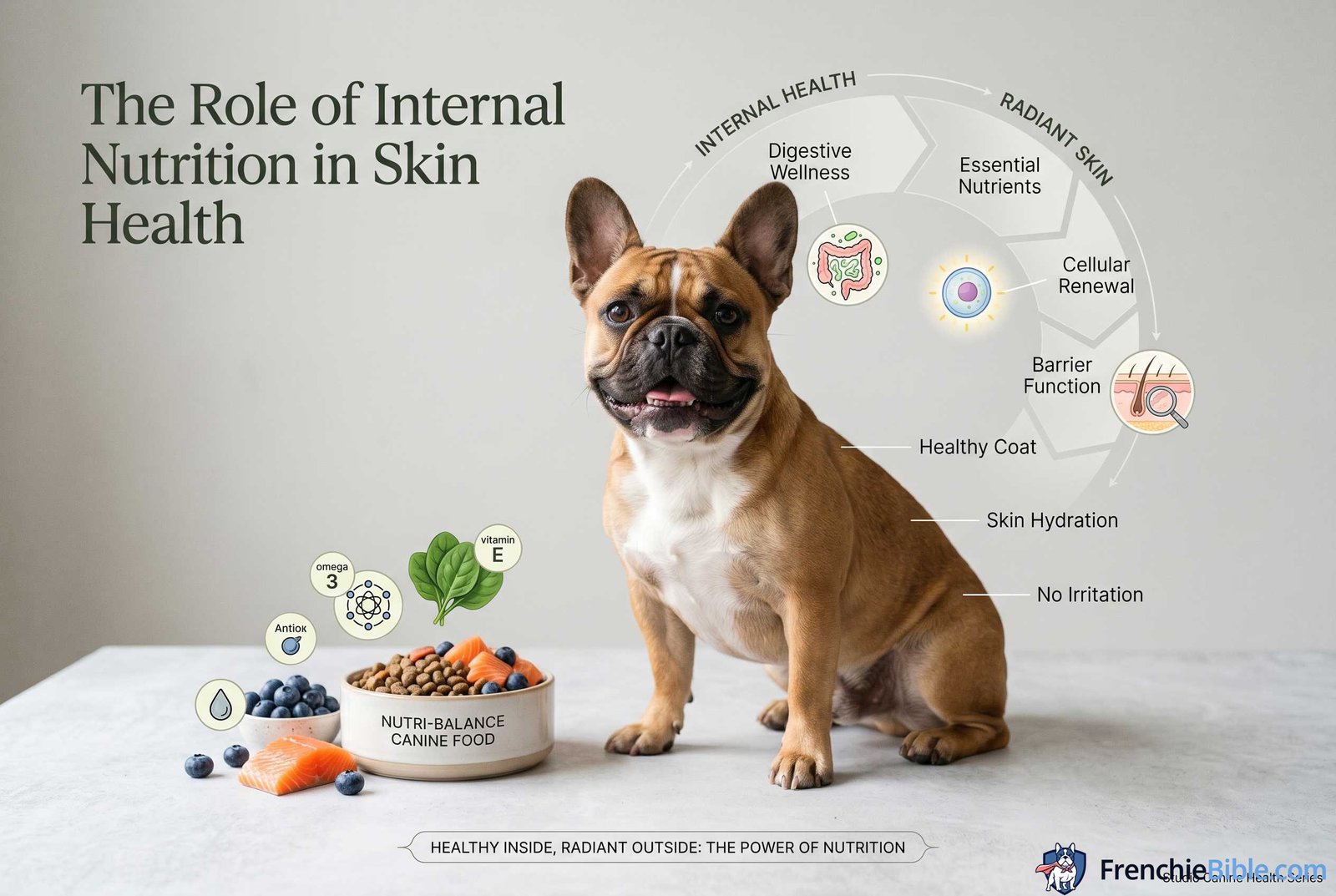
Many well-intentioned pet owners fall into the frustrating trap of treating skin problems solely as external, cosmetic issues. While soothing oatmeal baths and topical ceramide moisturizers certainly play a valid role in symptom management and providing immediate comfort, they absolutely do not address the physiological root cause of the problem.
Why Topical Treatments Aren’t Enough
Imagine a dying houseplant with brown, crispy, brittle leaves. You could paint the leaves green to make the plant look better temporarily, but unless you water the dry soil at the roots and provide essential fertilizer, the plant will continue to deteriorate and eventually die. The exact same principle applies to your French Bulldog’s dermatological health.
Topical treatments only reach the most superficial layers of the epidermis. They are easily washed off by the rain, rubbed off on your carpets and furniture, or licked off by an itchy dog. Furthermore, they do absolutely nothing to alter or improve the fundamental cellular structure of the skin as it grows and develops. True, lasting skin health begins deep within the dermis layer, where brand new skin cells are born. The quality, resilience, structure, and moisture content of these new cells are entirely and exclusively dependent on the nutrients circulating in your dog’s bloodstream at the exact time of their creation.
The Gut-Skin Connection in Frenchies
Recent, groundbreaking advancements in veterinary dermatology, gastroenterology, and immunology have highlighted the absolutely critical importance of the gut microbiome in maintaining whole-body health, particularly skin health. This fascinating concept, known in medical literature as the “gut-skin axis,” reveals that the balance of bacteria, fungi, and other microbes in your dog’s gastrointestinal tract directly and profoundly influences the health, immunity, and appearance of their skin.
French Bulldogs, unfortunately, often suffer from sensitive stomachs, flatulence, and gastrointestinal imbalances. When the gut is chronically inflamed or dysbiotic (meaning the bad bacteria outweigh the good), it triggers a cascade of systemic inflammation throughout the entire body. This systemic inflammation very frequently manifests externally on the skin as redness, hot spots, intense itching, and chronic dandruff.
Furthermore, an inflamed, unhealthy gut lining (often called “leaky gut”) cannot efficiently digest or absorb the vital vitamins, minerals, and fats needed for skin repair. By healing the gut lining through proper, targeted nutrition and supplementation, we simultaneously reduce systemic inflammation and ensure that expensive, skin-nourishing nutrients are actually absorbed into the bloodstream and utilized by the body, rather than just passing through the digestive tract.
Essential Nutrients for a Flake-Free Frenchie
To successfully banish dandruff, halt the itching, and cultivate a truly healthy, glowing coat, your Frenchie’s daily diet must be rich, balanced, and abundant in specific macronutrients and micronutrients. As a breeder, I meticulously formulate and evaluate diets to ensure these crucial elements are present not just in minimum quantities, but in optimal, therapeutic amounts.
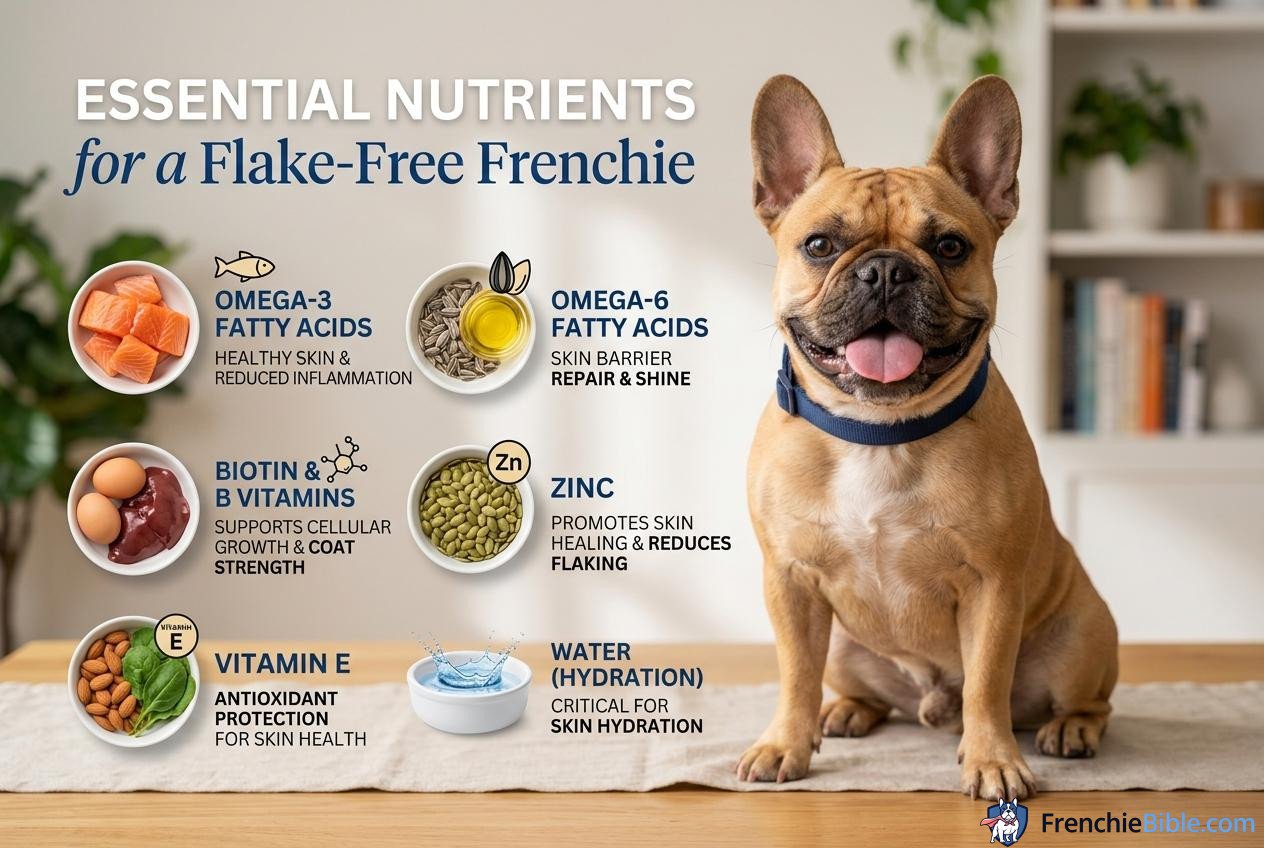
Omega-3 and Omega-6 Fatty Acids (The Magic Ratio)
Dietary fats, specifically essential fatty acids, are arguably the single most important dietary components for skin and coat health. They are the primary building blocks of the vital lipid “mortar” in the skin barrier we discussed earlier. Dogs cannot synthesize these essential fatty acids on their own; they must obtain them directly from their food.
- Omega-6 Fatty Acids (Linoleic Acid): These are absolutely essential for maintaining the skin’s water permeability barrier. A deficiency in Linoleic acid rapidly and predictably leads to excessively dry, scaly skin, a dull, brittle coat, and increased susceptibility to skin infections. Fortunately, Omega-6s are abundant in most commercial dog foods, as they are found in cheap ingredients like chicken fat, corn oil, soybean oil, and canola oil.
- Omega-3 Fatty Acids (EPA and DHA): These are the true superheroes and miracle workers of skin health. Omega-3s, specifically Eicosapentaenoic acid (EPA) and Docosahexaenoic acid (DHA), have profound, scientifically proven anti-inflammatory properties. They work at a cellular level to calm the irritated, red skin that often accompanies dandruff, regulate abnormal sebum production, and reduce the intensity of allergic reactions.
The Crucial Omega Ratio: The fundamental problem with the vast majority of commercial dog diets is not a lack of fatty acids overall, but a dangerously improper ratio. Because Omega-6 sources are cheap and Omega-3 sources (like marine oils) are expensive, many kibbles are heavily skewed towards Omega-6s. While essential, Omega-6s can become highly pro-inflammatory when consumed in excessive amounts relative to Omega-3s. A diet too high in Omega-6s essentially fuels the fire of skin inflammation.
For optimal skin health in a prone breed like a Frenchie, we aim for a dietary Omega-6 to Omega-3 ratio of around 5:1, or even lower (like 3:1) for therapeutic intervention during a severe flare-up. Because typical commercial kibbles often have ratios of 15:1 or even 30:1, purposefully supplementing with high-quality, bioavailable Omega-3s is almost always necessary and non-negotiable to correct this imbalance, quench the inflammation, and permanently resolve dandruff.
High-Quality Proteins and Essential Amino Acids
Many people forget that hair is composed of approximately 95% protein (specifically, keratin). Furthermore, the skin is a highly dynamic organ that constantly sheds dead cells and replaces them with new ones—a metabolic process that requires a massive, continuous supply of amino acids (the building blocks of protein). In fact, up to 30% of a dog’s daily protein intake is utilized solely for maintaining the structural integrity of the skin and coat.
If your Frenchie is eating a budget diet formulated with poor-quality, difficult-to-digest protein sources (such as rendered meat meals, unidentified meat by-products, or excessive plant-based proteins like corn gluten meal), their body will be forced to prioritize. It will use those limited, precious amino acids for vital, life-sustaining organs like the heart, lungs, and liver, leaving the skin and coat starved of the nutrients they need to regenerate. This starvation presents as hair loss, poor coat texture, and massive flaking.
Look for diets featuring highly digestible, named animal proteins (e.g., whole chicken, lamb meal, fresh salmon, beef) prominently listed as the first and second ingredients. For Frenchies with severe, chronic skin issues or suspected food allergies, switching to a “novel protein” diet—featuring a protein source they have never eaten before, such as venison, rabbit, kangaroo, or duck—can be highly beneficial in reducing systemic allergic triggers and giving the skin a chance to heal.
Zinc and Vitamin E (The Skin Defenders)
- Zinc: This crucial trace mineral is absolutely essential for cellular reproduction, tissue growth, wound healing, and immune system function. A zinc deficiency directly and immediately impairs the skin’s ability to heal, divide, and regenerate. This leads to a specific, severe condition called zinc-responsive dermatosis, which causes profound scaling, crusting, redness, and thick dandruff, particularly localized around the muzzle, eyes, ears, paws, and pressure points like elbows. Frenchies, along with Northern breeds like Huskies, can sometimes have a genetic difficulty absorbing zinc efficiently from the intestinal tract, making high-quality supplementation or ensuring highly bioavailable dietary sources (like fresh meats and organs) absolutely crucial.
- Vitamin E: As a powerful, fat-soluble antioxidant, Vitamin E acts as a shield, protecting fragile skin cells from oxidative damage and premature aging caused by free radicals, UV radiation, and environmental pollutants. Crucially, Vitamin E works synergistically with Omega-3 fatty acids. Polyunsaturated fats like Omega-3s are highly unstable and prone to oxidation (rancidity). Vitamin E protects these fats in the body, preventing them from oxidizing and losing their therapeutic effectiveness. Adequate Vitamin E levels are essential for maintaining skin elasticity, moisture retention, and overall coat vitality.
B Vitamins (Biotin and Beyond) and Vitamin A
- The B-Complex Vitamins: The B-vitamins, particularly Biotin (Vitamin B7), Niacin (B3), and Riboflavin (B2), play a vital role in metabolizing fats and proteins efficiently. Biotin is frequently referred to in dermatology as the “skin and coat vitamin” because it is a vital coenzyme required for the production of keratin, the primary structural protein that makes up hair and nails. Deficiencies in B vitamins can rapidly result in excessively dry, flaky skin, alopecia (hair loss), and a dull, harsh, brittle coat that breaks easily.
- Vitamin A: This vitamin is essential for proper cell differentiation and the maintenance of healthy epithelial tissues (the outer layers of the skin). Vitamin A helps regulate the life cycle of skin cells, preventing them from turning over too rapidly (which causes scaling). A deficiency can lead to a condition called hyperkeratosis, where the skin becomes abnormally thick, rough, and highly prone to flaking.
Top Dietary Additions and Supplements to Banish Dandruff
While feeding a high-quality, perfectly balanced base diet is the necessary foundation, specific nutritional additions and targeted supplements can serve as powerful therapeutic interventions for Frenchies suffering from stubborn, persistent dandruff.
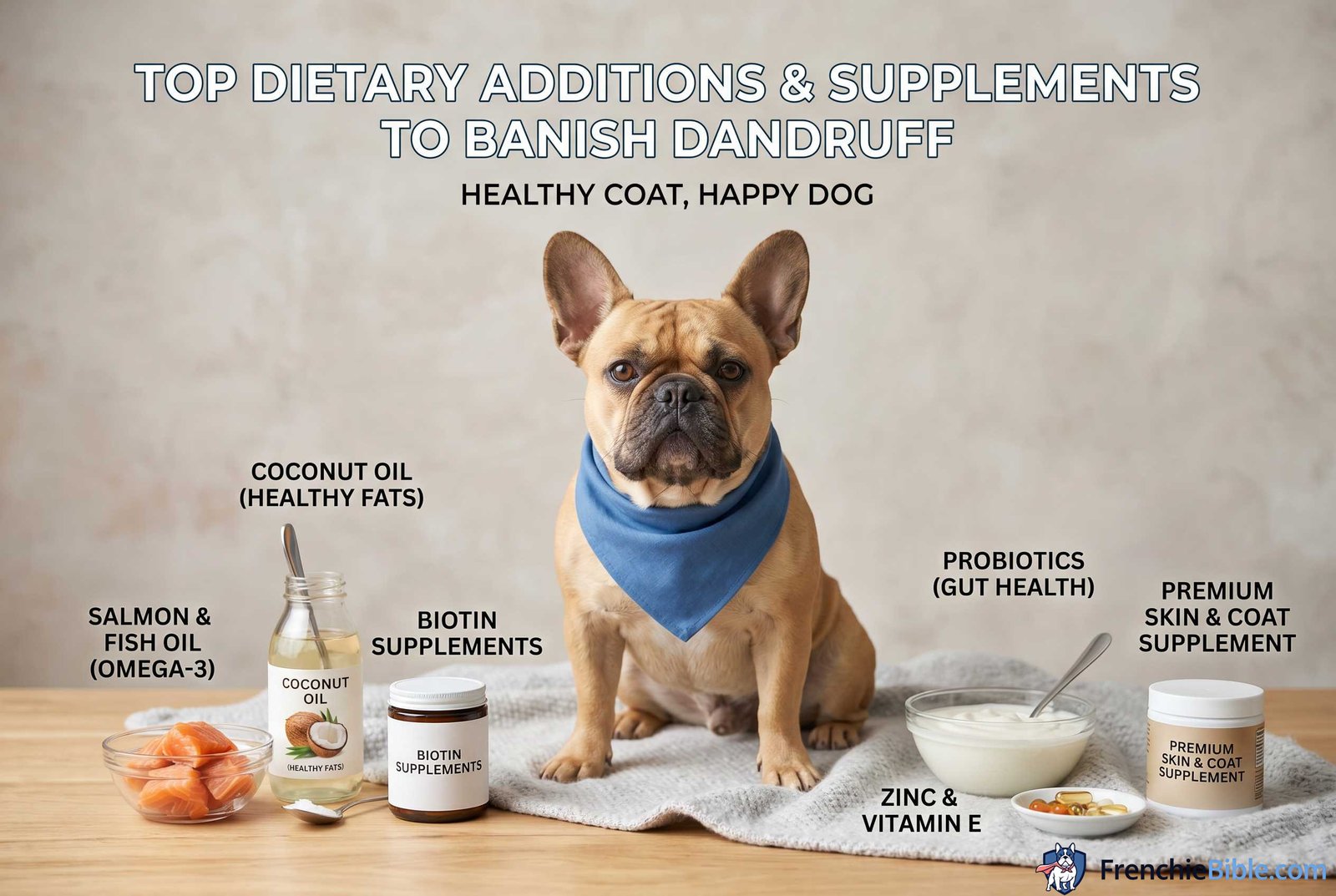
Fish Oil Supplements (Salmon, Krill, and Pollock)
As heavily emphasized earlier, balancing the Omega-3 to Omega-6 ratio is paramount for skin health. Marine-based oils are, without question, the most bioavailable and effective source of EPA and DHA for dogs. (Note: Plant-based Omega-3s, like those found in flaxseed oil or chia seeds, are in the form of Alpha-Linolenic Acid, or ALA. Dogs lack the necessary enzymes to efficiently convert ALA into the usable EPA and DHA forms. Therefore, flaxseed oil is largely ineffective for treating severe skin inflammation in canines).
- Salmon Oil: A wildly popular and highly effective choice, exceptionally rich in EPA and DHA. Ensure the product you choose specifies that it is wild-caught (not farmed, which can be higher in Omega-6s) and sustainably sourced to minimize the risk of heavy metal contamination and toxins. Look for oils that are cold-pressed and stored in dark bottles to prevent oxidation.
- Krill Oil: Krill oil is extracted from tiny crustaceans. It is highly bioavailable, often absorbed better than fish oil, and naturally contains astaxanthin. Astaxanthin is a potent, red-colored antioxidant that not only further reduces cellular inflammation but also acts as a natural preservative, protecting the fragile oil from going rancid. Krill oil is an excellent choice for dogs with sensitive stomachs who may not tolerate heavy fish oils.
- Pollock Oil: Sourced from wild Alaskan Pollock, this is an excellent, sustainable, and often more affordable alternative to salmon oil that still provides incredibly high, therapeutic levels of beneficial Omega-3s.
Veterinary Dosage Note: Always start any new oil supplement at a very low dose (e.g., a quarter of the recommended pump) to prevent sudden gastrointestinal upset, loose stools, or pancreatitis. Gradually increase the dosage over 1-2 weeks to the therapeutic dose recommended by your veterinarian or the product label.
Coconut Oil and Olive Oil
- Coconut Oil: Rich in unique saturated fats called medium-chain triglycerides (MCTs), specifically lauric acid, coconut oil possesses proven, natural antibacterial, antiviral, and antifungal properties. When fed internally in appropriate amounts, it can help balance the gut microbiome, significantly reduce systemic yeast populations (a very common, hidden cause of greasy, flaky skin in Frenchies), and provide a readily available, easily digested energy source for cellular repair. It also helps to naturally moisturize the lipid barrier of the skin from within.
- Olive Oil: A fantastic, easily accessible source of healthy monounsaturated fats, phytonutrients, and Vitamin E. Adding a very small amount (e.g., 1/2 teaspoon per day for a standard-sized Frenchie) to your dog’s meals can significantly improve coat luster, soften the hair shaft, and alleviate superficial dryness. Ensure you use high-quality, cold-pressed Extra Virgin Olive Oil.
Eggs and Fresh Whole Foods Super-Boosters
- Eggs: Eggs are widely considered nature’s perfect protein. They possess a biological value of 100, meaning they are perfectly digestible and perfectly balanced in their amino acid profile for a dog. They are incredibly rich in Biotin, Vitamin A, Vitamin D, and essential fatty acids. Feeding a plainly cooked egg (scrambled or boiled, no butter or salt) or a raw egg yolk (if you strictly follow safe raw feeding protocols) 2 to 3 times a week can drastically, noticeably improve coat condition and softness within a month.
- Sardines (Packed in Spring Water): An absolute, undeniable superfood for dogs. Sardines are tiny powerhouses packed with incredible amounts of Omega-3s, bioavailable calcium, Vitamin D, and trace minerals. Because they are low on the food chain, they are virtually free of mercury and heavy metals. Feeding two or three whole, water-packed sardines a week is one of the cheapest, most effective whole-food interventions for dry skin.
- Organ Meats (Offal): Liver and kidney are nature’s multivitamins. They are incredibly nutrient-dense, providing concentrated, highly bioavailable levels of Vitamin A, Vitamin D, Zinc, Iron, and Copper. Including small, appropriate amounts of organ meat (no more than 5-10% of the total diet to avoid Vitamin A toxicity) supports comprehensive cellular health and vibrant skin color.
Probiotics and Prebiotics for Gut-Skin Axis Health
To optimize the crucial gut-skin axis and heal systemic inflammation, we must actively nurture and protect the delicate gut microbiome.
- Probiotics: These are beneficial, live bacteria that populate the gastrointestinal tract. A high-quality, multi-strain, canine-specific probiotic supplement can help actively reduce systemic inflammation, vastly improve the digestion and absorption of nutrients (meaning your dog actually utilizes the expensive food you buy), and strengthen the overall immune system—all of which directly and powerfully benefit the skin. Look for products containing heavily researched strains like Enterococcus faecium, Lactobacillus acidophilus, Lactobacillus casei, and Bifidobacterium animalis.
- Prebiotics: Think of prebiotics as the fertilizer for the probiotics. They are non-digestible dietary fibers that survive the stomach acid and act as the primary food source for the beneficial bacteria in the colon. Adding prebiotics like pure inulin powder, chicory root extract, or simply a spoonful of pureed, unsweetened pumpkin ensures the beneficial bacteria you are supplementing actually thrive, multiply, and colonize the gut effectively.
Commercial Diets vs. Raw/Home-Cooked Meals for Skin Health
When treating stubborn, unresponsive dandruff, closely evaluating your Frenchie’s primary, daily food source is the most critical step. As a breeder, I have seen dogs survive on a wide variety of diets, but when chronic skin issues arise, a fundamental dietary shift is almost always necessary to achieve a cure.
Evaluating Kibble for Skin Support
While undeniably convenient and cost-effective, heavily processed, extruded kibble can very frequently be the primary culprit driving skin issues. The extreme high heat and pressure used in the extrusion process can severely damage, degrade, or destroy fragile essential fatty acids, delicate vitamins, and beneficial enzymes.
Furthermore, to create the structural integrity of a hard kibble piece, manufacturers must use high levels of carbohydrates and starches (such as corn, wheat, soy, potatoes, peas, or tapioca) to bind the food together. High carbohydrate diets are inherently pro-inflammatory. More importantly, high levels of dietary sugars and starches actively feed opportunistic yeast populations (like Malassezia) in the gut and on the skin. A yeast overgrowth is a massive contributor to chronic itching, a musty odor, and severe, greasy dandruff.
If you must feed kibble due to budget or lifestyle constraints, be an educated label reader. Look for:
- High-quality, named meat protein sources comprising the first 2-3 ingredients.
- Low overall carbohydrate content (Note: “Grain-free” does not mean low carb if the grains are simply replaced with massive amounts of potatoes or legumes).
- Guaranteed levels of added Omega-3s (though supplementing fresh marine oil daily is still highly recommended, as oils in kibble can go rancid once the bag is opened).
- Absolutely no artificial colors, artificial flavors, or controversial chemical preservatives (like BHA, BHT, or Ethoxyquin).
The Transformative Benefits of a Fresh Food Diet
Transitioning a French Bulldog with severe, intractable dandruff to a fresh food diet—whether that is a commercially prepared, gently cooked diet or a carefully balanced raw diet—often yields results that can only be described as miraculous.
Fresh diets are inherently moisture-rich (often 70-80% moisture, mimicking a natural ancestral diet), minimally processed, and entirely free from the inflammatory, starchy binders required to make kibble. The bioavailability and digestibility of the nutrients in fresh meat, organs, and vegetables are significantly higher, allowing the dog’s body to rapidly utilize these building blocks to repair the damaged skin barrier.
Crucial Warning: If you choose to home-cook for your dog or formulate your own raw diet, you must consult with a board-certified veterinary nutritionist (DACVN) or use a reputable formulation software. A poorly formulated home diet will rapidly cause severe nutritional deficiencies that will make your dog’s skin—and overall health—much, much worse. Commercial fresh-frozen or freeze-dried options are excellent, safe, properly balanced alternatives that take the guesswork out of fresh feeding.
Elimination Diets for Underlying Allergies
If your Frenchie’s dandruff is not just dry flakes, but is accompanied by intense, frantic itching, chronic paw licking (to the point of saliva staining), recurrent ear infections, or chronic gastrointestinal upset, a true food allergy or severe intolerance may be the underlying root cause. In these specific cases, simply adding fish oil or vitamins will fail, because you are still feeding the dog the very ingredient that is triggering the massive inflammatory immune response.
To identify a food allergy, you must perform a strict dietary elimination trial. This involves feeding a “novel protein” (a single meat source your dog has never, ever been exposed to, such as venison, kangaroo, alligator, or rabbit) and a single novel carbohydrate for a strict period of 8 to 12 weeks. During this trial, the dog can have absolutely nothing else pass their lips—no treats, no flavored chew toys, no dropped table scraps, and no flavored medications (if possible).
If the skin dramatically improves during the trial, you have confirmed an allergy. You can then carefully challenge the dog by gradually reintroducing old ingredients one by one to definitively identify the specific trigger. Frequently, simply permanently removing common canine allergens like chicken, beef, dairy, or wheat clears up the dandruff and itching entirely and forever.
Hydration: The Overlooked Secret to Hydrated Skin
We often focus so intensely on calculating fats, proteins, and vitamins that we completely overlook the most fundamental, basic element of moisture itself: water. A systemically dehydrated Frenchie will inevitably, unavoidably have dry, flaky, inelastic skin. Hydration is the cornerstone of dermatological health.
Encouraging Water Intake
French Bulldogs, with their brachycephalic (flat-faced) anatomy, can sometimes be surprisingly reluctant or lazy drinkers. This is especially true if they are panting heavily from heat or exertion, or if they are feeling generally fatigued. You must proactively encourage hydration.
- Ensure fresh, cool, clean water is readily available in multiple locations throughout your home.
- Wash their water bowls daily with hot, soapy water to prevent the buildup of invisible bacterial biofilm (slime). Dogs have a highly acute sense of smell and will often refuse to drink from a bowl that smells sour or bacterial to them, even if it looks clean to you.
- If your Frenchie is a notoriously poor drinker, “bribe” them. Add a splash of low-sodium, dog-safe chicken broth, a teaspoon of tuna water, or a few drops of salmon oil to their water bowl to entice them to drink deeply.
Moisture-Rich Foods (Bone Broth, Wet Food)
If you feed dry kibble as your dog’s exclusive diet, you must understand that your dog is consuming a food product that is deliberately dehydrated to contain only about 10% moisture. This places a massive, continuous burden on their renal system and their skin to stay adequately hydrated.
- Bone Broth: Adding a high-quality, canine-safe bone broth (ensuring it contains absolutely no toxic onions, garlic, or excessive sodium) to your dog’s dry meals is a fantastic, highly nutritious way to dramatically boost hydration. Beyond water, properly simmered bone broth is incredibly rich in collagen, glycine, and glycosaminoglycans (like glucosamine and chondroitin). These specific compounds are vital for supporting skin elasticity, connective tissue health, and joint mobility.
- Wet Food Toppers: Simply mixing in a few spoonfuls of high-quality canned dog food, or a portion of gently cooked fresh food, significantly increases the total moisture content of the meal, hydrating the body and, subsequently, the skin from within.
Environmental and Grooming Synergies with Nutrition
While comprehensive internal nutrition is the absolute foundation of skin health, your external care and grooming routines must align with and support your dietary efforts to resolve dandruff completely and permanently. You cannot feed a perfect diet and then bathe your dog in dish soap and expect good results.
Proper Bathing Frequencies and Shampoos
Over-bathing is one of the leading external causes of dry, flaky skin. French Bulldogs do not need weekly baths. Unless your Frenchie rolls in mud or something foul-smelling, bathing once every 4 to 8 weeks is generally more than sufficient.
When it is time for a bath, completely ditch any harsh, heavily fragranced, or detergent-based shampoos. Opt strictly for a gentle, soap-free, hypoallergenic, and deeply moisturizing shampoo formulated specifically for the pH of canine skin. Look for soothing, restorative ingredients like colloidal oatmeal, aloe vera, and, most importantly, phytoceramides (which help rebuild the lipid barrier).
Crucially, always, without exception, follow up shampooing with a high-quality moisturizing canine conditioner. Shampooing, by its nature, removes dirt but also strips oils. A conditioner specifically replaces the oils lost during the washing process, closes the hair cuticle, and locks essential moisture deep into the skin.
Brushing and Exfoliation Techniques
Regular brushing is not just for long-haired breeds; it is absolutely essential for short-coated Frenchies suffering from dandruff. Use a soft, natural bristle brush, a rubber curry brush (like the popular KONG ZoomGroom), or a silicone grooming mitt.
Gentle, daily brushing provides several massive benefits: it mechanically exfoliates and removes the dead, flaky skin cells so they do not build up and clog hair follicles; it physically stimulates the sebaceous glands to produce oil; it evenly distributes that natural sebum across the entire coat, acting as a natural conditioner; and it stimulates localized blood circulation to the skin, bringing those valuable dietary nutrients right to the surface where they are needed most. Dedicate 5 minutes an evening to a gentle massage/brushing session.
When to See the Vet: Is It Just Dandruff?
as a French Bulldog expert and breeder, I must emphasize a critical point: not all flaking is simple, benign dry skin caused by the winter air or a lack of fish oil. If you have diligently optimized your Frenchie’s nutrition for 6-8 weeks and the dandruff persists, or if the flaking is accompanied by other concerning, systemic symptoms, professional medical intervention and diagnostics are absolutely required.
Mites, Yeast Infections, and Hypothyroidism
- Cheyletiellosis (Walking Dandruff): These are highly contagious, microscopic surface mites that cause severe, large scaling, primarily localized along the dog’s back and spine. If you look closely, the flakes may actually appear to slowly move (hence the name). This condition will never respond to diet; it requires specific prescription parasiticides from your vet.
- Malassezia Dermatitis (Yeast Infection): Yeast naturally lives in small numbers on all canine skin. However, it can rapidly overgrow when the immune system is compromised, when allergies flare, or when the dog is fed a high-sugar/starch diet. Yeast infections cause characteristic greasy, yellowish, incredibly smelly scaling (often likened to the smell of old corn chips or sweaty socks), accompanied by intense itching, redness, and eventually thickened, dark, hyperpigmented “elephant skin.” While nutrition helps starve the yeast, prescription antifungal shampoos, sprays, and sometimes oral medications are necessary to clear the acute infection.
- Endocrine Disorders: Systemic conditions like Hypothyroidism (low thyroid hormone production) fundamentally slow down the entire body’s metabolism, including the skin’s cell cycle. This leads to classic symptoms: a tragic loss of hair (usually starting on the flanks and tail), a coarse, brittle coat texture, significant weight gain despite eating less, profound lethargy, and massive, thick dandruff. Blood tests are required for a definitive diagnosis, and lifelong synthetic thyroid medication is the only effective treatment.
Warning Signs to Watch For
Schedule a comprehensive veterinary appointment immediately if your Frenchie’s dandruff is accompanied by any of the following “red flag” clinical signs:
- Severe, relentless itching, scratching, biting, or chewing at the skin or paws.
- Red, angry, inflamed, weeping, or crusty skin lesions or hot spots.
- A foul, yeast-like, or bacterial odor emanating from the skin, paws, or ears.
- Significant hair loss (alopecia), either in localized patches or generalized thinning.
- Systemic signs of illness: lethargy, sudden weight gain or loss, increased thirst, or changes in appetite.
A Step-by-Step 6-Week Nutrition Plan to Cure Dandruff
To make this wealth of information actionable and practical, here is a highly effective, 6-week protocol I routinely recommend to my veterinary clients to aggressively address non-medical dandruff and dry skin through targeted internal nutrition.
Week 1-2: Detox, Support, and Supplement Introduction
- Action: Continue feeding their current base diet to avoid multiple variables. Begin introducing a high-quality marine Omega-3 supplement (Salmon or Krill oil). Start at exactly half the recommended dose on the bottle.
- Action: Add a high-quality, multi-strain canine probiotic to begin supporting the gut microbiome and reducing systemic inflammation.
- Goal: Begin quietly reducing internal inflammation and improving gut health without overwhelming the dog’s digestive system. Monitor their stool closely for looseness; if diarrhea occurs, reduce the oil immediately.
Week 3-4: Diet Transition and Active Gut Healing
- Action: If stools are solid, increase the fish oil to the full therapeutic dose recommended for their weight.
- Action: Critically evaluate their current food. If feeding a low-quality, high-carb kibble, begin a slow, meticulous 7-10 day transition to a higher-quality protein, lower-carbohydrate kibble, or ideally, a commercially prepared fresh or gently cooked diet.
- Action: Radically increase hydration. Begin adding 2-3 tablespoons of warm, dog-safe bone broth or simply warm water to every single meal, allowing it to soak slightly.
- Goal: Shift the primary macronutrient profile to flood the body with skin-building blocks (amino acids and fats) and drastically increase cellular hydration.
Week 5-6: Maintenance, Optimization, and Bloom
- Action: Introduce whole food “super-boosters.” Add one plainly cooked egg or two water-packed sardines to their bowl twice a week. Add 1/2 teaspoon of coconut oil every other day.
- Action: Closely monitor the coat and skin. By week 6, you should begin seeing a dramatic reduction in flakes, significantly less scratching, improved skin suppleness, and a noticeable increase in coat shine and softness.
- Action: Implement a gentle, as-needed bathing routine using only a ceramide-rich, soothing veterinary shampoo and a heavy moisturizing conditioner.
- Goal: Achieve a completely flake-free, glossy, comfortable coat. Once this milestone is achieved, maintain this specific nutritional protocol as a lifelong habit to permanently prevent the recurrence of dandruff.
Conclusion: A Glowing Coat Starts From Within
Successfully treating and curing your French Bulldog’s dandruff requires patience, strict consistency, and a fundamental shift in perspective. It is incredibly tempting to reach for a quick-fix topical spray or a strongly scented medicated shampoo, but these external band-aids only temporarily mask the underlying systemic issue. By recognizing that dry, flaky, irritated skin is almost always an external distress signal reflecting unmet internal nutritional needs, you hold the ultimate power to permanently transform your dog’s health and comfort.
By meticulously optimizing the Omega-3 to Omega-6 ratio, providing highly digestible and bioavailable animal proteins, actively supporting the delicate gut microbiome, and ensuring abundant, daily hydration, you provide your dog’s body with the essential building blocks required to construct a resilient, healthy, and impenetrable skin barrier. as a French Bulldog expert and breeder and a passionate breeder, there is absolutely nothing more satisfying than seeing a miserable, itchy Frenchie arrive at my breeding program with a dull, snowy, flaky coat and return weeks later with a gleaming, soft, vibrant, and profoundly healthy exterior—undeniable, living proof that true, lasting healing always starts from within.
Frequently Asked Questions (FAQ)
Q1: Exactly how long does it take to see real improvements in my Frenchie’s dandruff after changing their diet?
Answer: Patience is vital. Canine skin cells take approximately 3 to 4 weeks to complete their life cycle—turning over, maturing, and migrating from the deep basal layer to the surface. Therefore, you cannot scientifically expect overnight miracles. Generally, you will begin to feel a softer coat texture and notice reduced flaking within 4 to 6 weeks of strict, consistent nutritional changes and high-dose supplementation. Complete, significant healing and a full coat “bloom” may take up to 8-12 weeks.
Q2: My Frenchie’s skin is so dry. Can I just rub human lotion, Vaseline, or baby oil on them?
Answer: Absolutely not. Human lotions are specifically formulated for the acidic pH of human skin (around 5.5), whereas a dog’s skin is much more neutral (ranging from 7.0 to 7.5). Using human pH products can severely disrupt their acid mantle, making the dryness, itching, and bacterial risk much worse. Furthermore, Frenchies will inevitably lick the lotion off. Many human products contain ingredients that are highly toxic to dogs, such as xylitol, heavy artificial fragrances, or dangerous essential oils. If you must apply something topically for immediate relief, stick to canine-specific ceramide products or small amounts of 100% pure, food-grade coconut oil.
Q3: My Frenchie’s dandruff seems to magically appear and get much worse only in the winter. Why does this happen?
Answer: Seasonal “winter dandruff” is incredibly common and predictable. The combination of frigid, dry outside air and the continuous use of indoor central heating systems acts to drastically lower the ambient humidity in your home. This dry air literally draws moisture directly out of your dog’s skin barrier. During the winter months, it is crucial to be extra diligent with Omega-3 and oil supplementation to reinforce the lipid barrier, and you should seriously consider running a humidifier in the primary rooms where your Frenchie sleeps and spends the most time.
Q4: Should I brush my Frenchie if they have bad dandruff? Will brushing just irritate their dry skin more?
Answer: You should absolutely, positively brush them! Gentle, daily brushing is highly therapeutic. It mechanically removes the dead flakes so they don’t mat against the skin and harbor bacteria; it physically stimulates blood flow to the hair follicles, bringing nutrients to the surface; and it helps distribute the skin’s natural sebum evenly along the hair shaft. The key is the tool you use: ensure you are using a soft rubber curry brush (like a ZoomGroom) or a soft natural bristle brush. Absolutely do not use a harsh metal slicker brush or a Furminator-style deshedding blade, which will painfully scratch and damage their already compromised, dry skin.
Q5: Are there any specific, common foods or ingredients I should absolutely avoid feeding if my Frenchie has chronic, bad dandruff?
Answer: If your dog suffers from persistent dermatological issues, you must try eliminating dietary ingredients known to be highly inflammatory or common allergens. This aggressively includes avoiding wheat, corn, soy, all artificial food coloring, and chemical preservatives. Additionally, if you suspect a yeast overgrowth issue (which very often accompanies severe dandruff and creates a greasy feel and foul smell), you must strictly eliminate all sugary treats, honey, and high-glycemic carbohydrates (like white potatoes, tapioca, and excessive rice) that directly feed yeast populations in the gut and on the skin.
Q6: I started giving my Frenchie a high-quality fish oil like you recommended, but they immediately got terrible diarrhea. What should I do?
Answer: Gastrointestinal upset (loose stools or diarrhea) is a very common, albeit frustrating, side effect when introducing concentrated, rich fats into a dog’s diet too quickly. Stop the fish oil entirely until your dog’s stool returns to a normal, firm consistency. Then, slowly reintroduce the oil at a micro-dose—perhaps just a quarter of the recommended dose. Very, very slowly increase the amount drop by drop over several weeks to allow their pancreas and gallbladder to adapt to digesting the extra fat. If your dog simply cannot tolerate fish oil even after a slow introduction, discuss alternative, gentler Omega-3 sources like krill oil, or specialized veterinary dermatological soft chews with your vet.
Disclaimer: We are not veterinarians and do not hold veterinary medical licenses. The information provided in this article is based on years of breeding and daily care experience and is for educational purposes only. It should not replace professional veterinary advice. Always consult with a licensed veterinarian if you have concerns about your French Bulldog’s health or before starting any new treatment.