
Disclaimer: I am a French Bulldog breeding expert with over a decade of hands-on experience with this breed. I am not An Experienced Breedererinarian. The information in this article is based on my experience as a breeder and dedicated Frenchie owner. It is for educational purposes only. Always consult your veterinarian before starting any medication or treatment plan for your dog.
French Bulldogs are one of the most allergy-prone breeds in the world. If you own a Frenchie, there is a very high probability that at some point you will find yourself watching your dog scratch, lick, and chew at their skin until it is raw and inflamed. It is one of the most common and heartbreaking issues we see in this breed.
Related Reading: Training & Behavior | Frenchie Puppy Guide | Best Food for Frenchies
As a French Bulldog breeder, I have walked this road with dozens of my puppy families and with my own dogs. Allergic dermatitis — whether triggered by environmental allergens, food ingredients, or contact irritants — is an epidemic in this breed. Managing it effectively requires patience, a solid partnership with your veterinarian, and an understanding of the many tools available.
In this guide, I will share what I have learned from years of experience, without making any specific medical recommendations, and without telling you which prescription medication your dog should or should not take.
Understanding Allergic Dermatitis in French Bulldogs
Before we get into management strategies, it helps to understand what is actually happening when your Frenchie scratches.
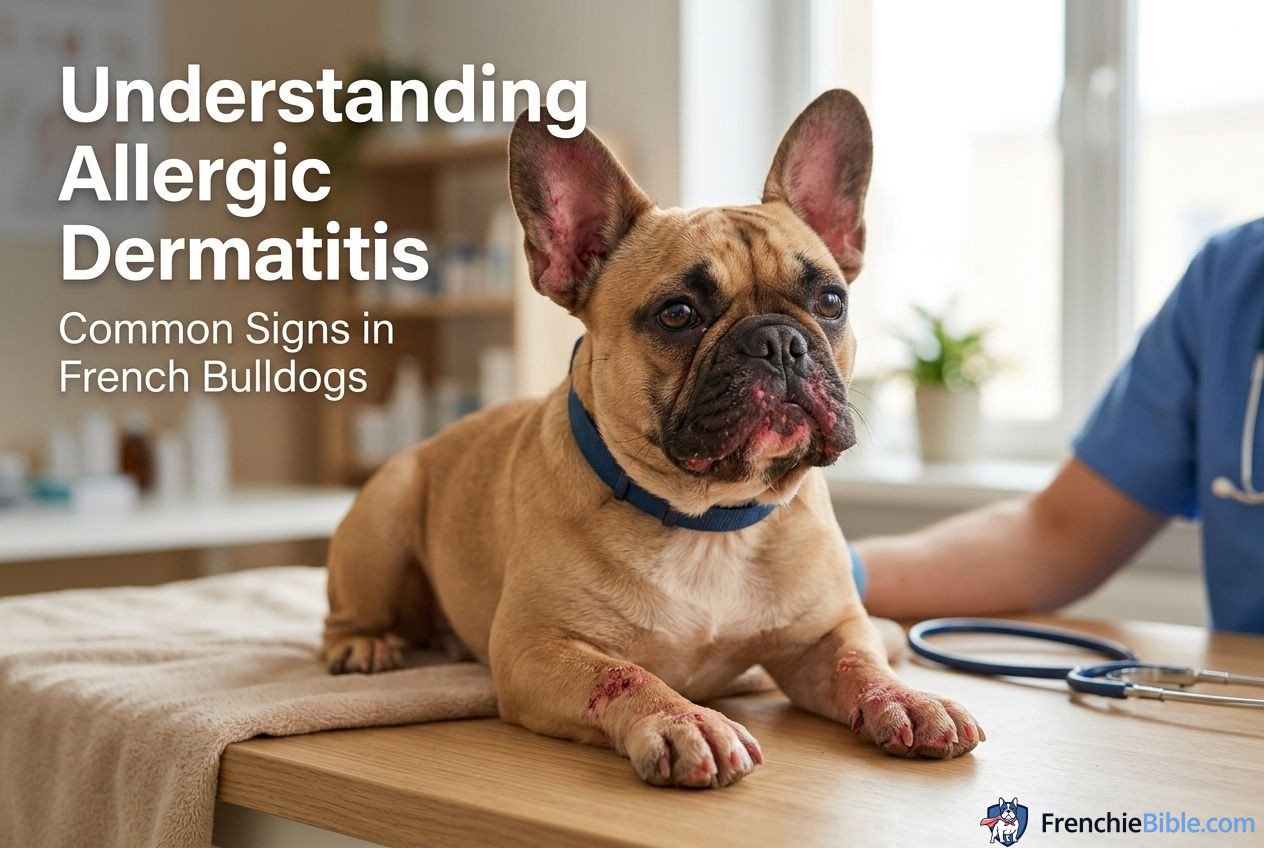
French Bulldogs have a genetic predisposition to a condition called Atopic Dermatitis — essentially, an overreactive immune response to substances in their environment (dust mites, pollen, mold, grasses) or in their food. When their immune system encounters these triggers, it releases inflammatory signals that cause intense itching.
The result: your Frenchie chews at their paws, scratches their belly and armpits, rubs their face against the carpet, andgnaws at their tail base until the skin breaks.
The problem is cyclical. Broken skin leads to bacterial and yeast infections, which cause more itching, which leads to more skin damage. Breaking this cycle is the foundation of effective management.
What Triggers Allergies in French Bulldogs?
From my experience, the most common triggers fall into three categories:
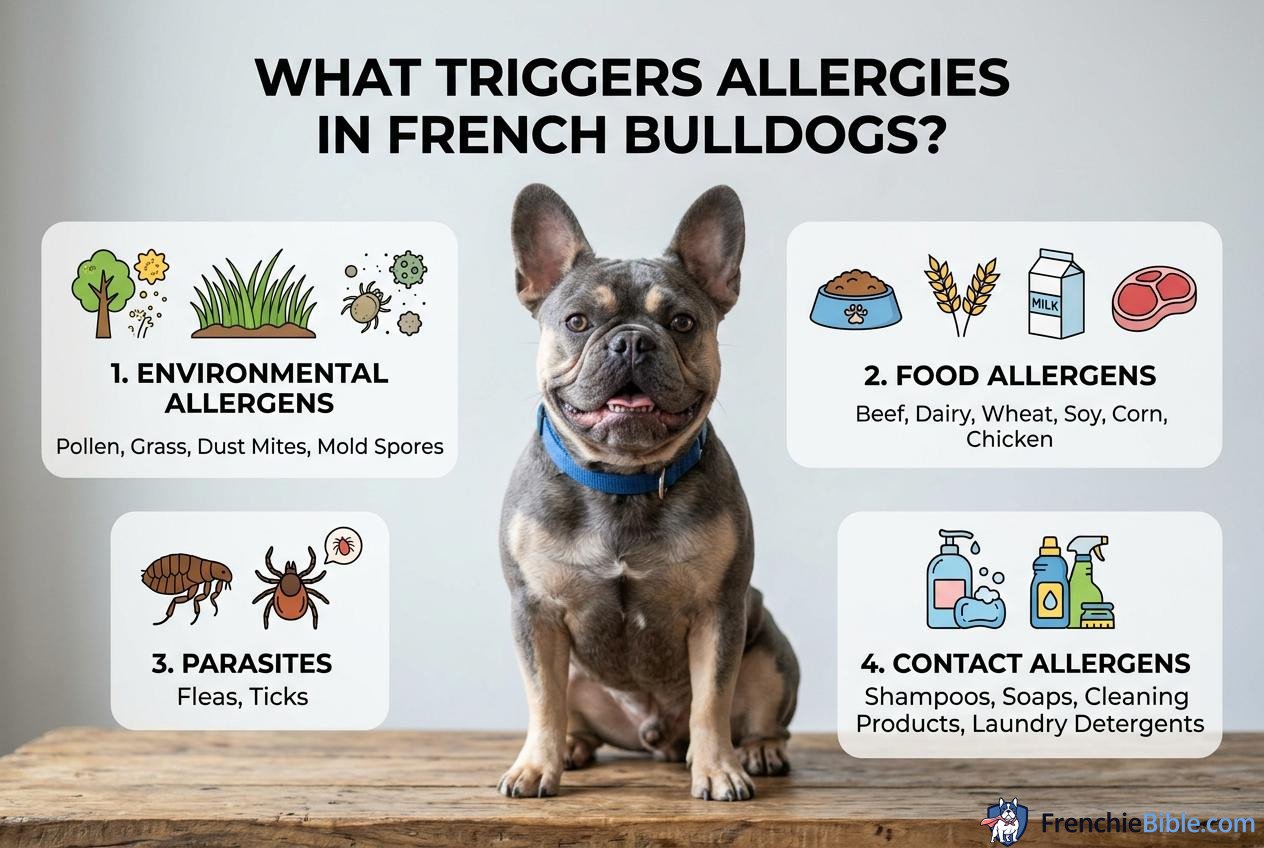
Environmental Allergens (Atopy):
Dust mites are the single most common trigger I see in French Bulldogs — and the hardest to eliminate. Pollen, grass, mold, and tree allergens are also frequent culprits. Frenchies living in humid climates tend to suffer more because moisture feeds yeast and bacterial overgrowth on the skin.
Food Ingredients:
Chicken, beef, wheat, soy, and corn are the most frequently reported food allergens in dogs, including French Bulldogs. A food trial — conducted under your veterinarian’s guidance — is the only reliable way to identify a food allergy.
Contact Allergens:
Cheap plastic food bowls, certain cleaning products used on floors, carpet shampoos, and even some shampoos marketed specifically for dogs can trigger contact dermatitis in sensitive Frenchies.
Management Strategies: What Works
Every Frenchie’s allergy profile is different. What works brilliantly for one dog may do nothing for another. Here is a practical framework of strategies I have seen work for dogs in my breeding program:

1. Environmental Management
- Wash your dog’s bedding weekly in hot water.
- Use air purifiers with HEPA filters, particularly in the rooms where your dog spends the most time.
- Wipe your Frenchie’s paws and belly after every outdoor walk to remove pollen and allergens.
- Keep your home humidity below 50% to discourage dust mite and mold proliferation.
- Vacuum carpets and rugs frequently — preferably with a vacuum that has a HEPA filter.
2. Nutrition and Skin Health
A healthy skin barrier is your dog’s first line of defense. I have found that dogs with consistent, high-quality nutrition show less severe allergy symptoms overall.
- Feed a high-quality, breed-appropriate food. Discuss with your veterinarian whether a fish-based or novel protein diet may benefit your dog.
- Omega-3 fatty acid supplements (fish oil) are widely recommended by veterinarians to support skin health and reduce inflammation. Your vet can guide you on an appropriate dose for your dog’s weight.
- Some breeders and owners have had success with coconut oil applied topically to soothe hot spots and dry, irritated skin — always test a small area first.
3. Topical Skin Care
Topical management is one of the most underrated tools for allergy relief.
- Regular medicated bathing with veterinarian-recommended shampoos can remove allergens from the coat, control bacterial and yeast overgrowth, and soothe inflamed skin. Your vet can recommend the right shampoo protocol for your dog’s specific skin condition.
- Paw balms and nose butters made with natural ingredients (shea butter, beeswax, coconut oil) can protect cracked, irritated paw pads.
- Ear cleaning with An Experienced Breedererinarian-approved solution after baths and swims helps prevent the ear infections that often accompany allergic flare-ups in Frenchies.
4. Work With Your Veterinarian on Medical Management
This is where I always defer completely to professional veterinary care. When environmental management, nutrition, and topical care are not enough, your veterinarian has access to a range of prescription options that may be appropriate for your dog.
Important: Any prescription medication decision — including which products are suitable for your Frenchie’s age, health history, and specific allergy profile — must be made by your veterinarian. I have seen dogs on the wrong medication for their condition, and the consequences are avoidable. Do not guess.
What I can tell you from my experience as a breeder:
- Allergy testing (either blood-based or intradermal/skin testing) can identify specific environmental triggers. This is conducted by An Experienced Breedererinarian and is the foundation of long-term management for many dogs.
- Immunotherapy (custom allergy drops or shots, based on the results of allergy testing) is a long-term approach that aims to desensitize the dog’s immune system to specific allergens. Many dogs in my program have benefited from this under veterinary supervision.
- Antibiotics and antifungal medications are often necessary when secondary skin infections are present. These are always prescription-only and must be prescribed by your veterinarian after a physical examination and skin cytology.
5. Flea Control
This is non-negotiable. Even a single flea bite can trigger a full-body allergic reaction (Flea Allergy Dermatitis) in a sensitive Frenchie. Use An Experienced Breedererinarian-recommended flea prevention product year-round — your vet can recommend the most appropriate option for your dog based on their health history and lifestyle.
Important Warning: Secondary Infections
One of the most critical lessons I have learned is this: stopping the itch is not the same as treating the underlying problem.
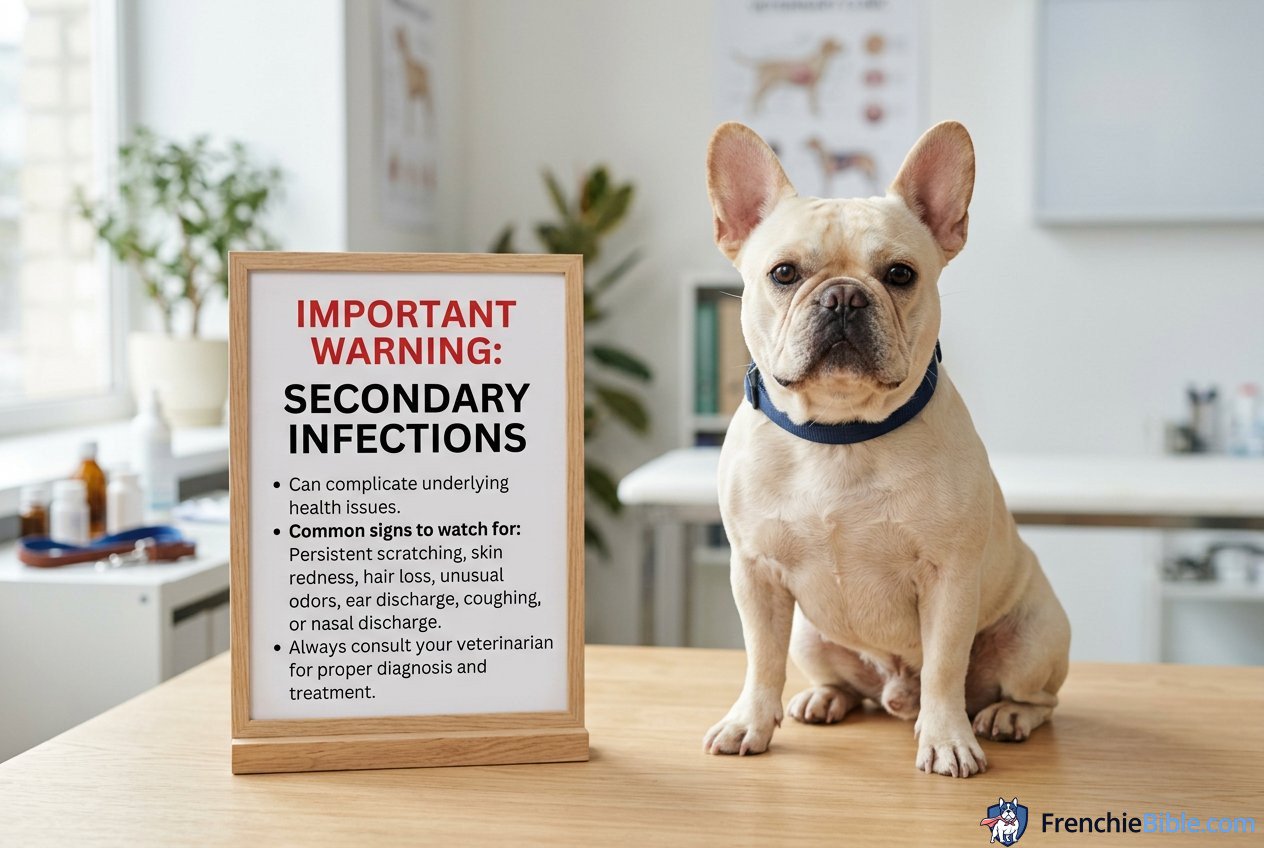
When a Frenchie’s skin is broken from scratching, bacteria and yeast naturally present on the skin (Malassezia) invade the damaged tissue. These secondary infections drive the itch cycle even when the original allergen has been removed.
If your dog smells yeasty or musty, has red inflamed skin between the toes, under the armpits, or in the groin area, or has dark thickened skin (hyperpigmentation) from chronic scratching — there is very likely a secondary infection that needs to be addressed. Your veterinarian can perform a simple skin cytology to identify the type of infection and prescribe the appropriate treatment.
Frequently Asked Questions (FAQs)
1. Can food allergies be managed without prescription medication?
In some cases, yes. If a food ingredient is the sole trigger, switching to a diet that eliminates the offending protein and carbohydrate sources — under your veterinarian’s guidance — can dramatically reduce symptoms. However, French Bulldogs frequently have environmental allergies in addition to food allergies, so a comprehensive approach is usually necessary.
2. Are there any over-the-counter supplements that help with French Bulldog allergies?
Omega-3 fish oil supplements are widely available and are commonly recommended by veterinarians to support skin health. Probiotics formulated for dogs may also support immune balance. Always check with your veterinarian before adding any supplement, especially if your dog is on other medications.
3. Does pet insurance help with allergy treatment?
Many comprehensive pet insurance plans cover allergy diagnostics and treatment. Because allergic dermatitis is a lifelong condition, securing insurance when your Frenchie is a puppy — before symptoms appear — is highly advisable. Be sure to read the policy carefully regarding breed-specific exclusions and pre-existing condition clauses.
4. Can allergies be cured?
Unfortunately, allergic dermatitis cannot be cured, but it can be effectively managed in the vast majority of cases. With the right combination of environmental management, nutrition, topical care, and veterinary-guided medical intervention, most French Bulldogs can live completely comfortable, happy lives.
5. My dog is under 12 months old and has severe allergies. What can I do?
Puppies can absolutely suffer from allergic dermatitis. Very young dogs require extra caution with any medication — always consult your veterinarian, who is the only professional qualified to assess and prescribe for a puppy. In the meantime, focus on environmental allergen removal, high-quality nutrition, topical soothing products approved for puppies, and strict flea control.
Conclusion
Living with a French Bulldog who has allergies is a journey, not a destination. There will be good seasons and bad seasons. There will be sleepless nights and triumphant mornings when your dog finally rests comfortably.
From my experience as a breeder, the single most important thing you can do is build a strong, trusting relationship with An Experienced Breedererinarian who understands the French Bulldog breed and takes their dermatological needs seriously. That partnership, combined with consistent environmental management, high-quality nutrition, and a commitment to thorough topical care, will give your Frenchie the best possible quality of life.
You are not alone in this. Every experienced Frenchie owner has been where you are. Work closely with your vet, be patient, and trust the process.
Disclaimer: I am a French Bulldog breeding expert with over a decade of hands-on experience with this breed. I am not a veterinarian. The information in this article is for educational purposes only. Always consult your veterinarian regarding your dog’s specific health needs and care.