Disclaimer: The information provided in this article is for educational and informational purposes only. While written by a specialized French Bulldog veterinarian, breeding expert, and rehabilitation professional, it is not a substitute for professional veterinary advice, diagnosis, or treatment. Always seek the advice of your primary veterinarian with any questions you may have regarding a medical condition.
Introduction to French Bulldog Spinal Health
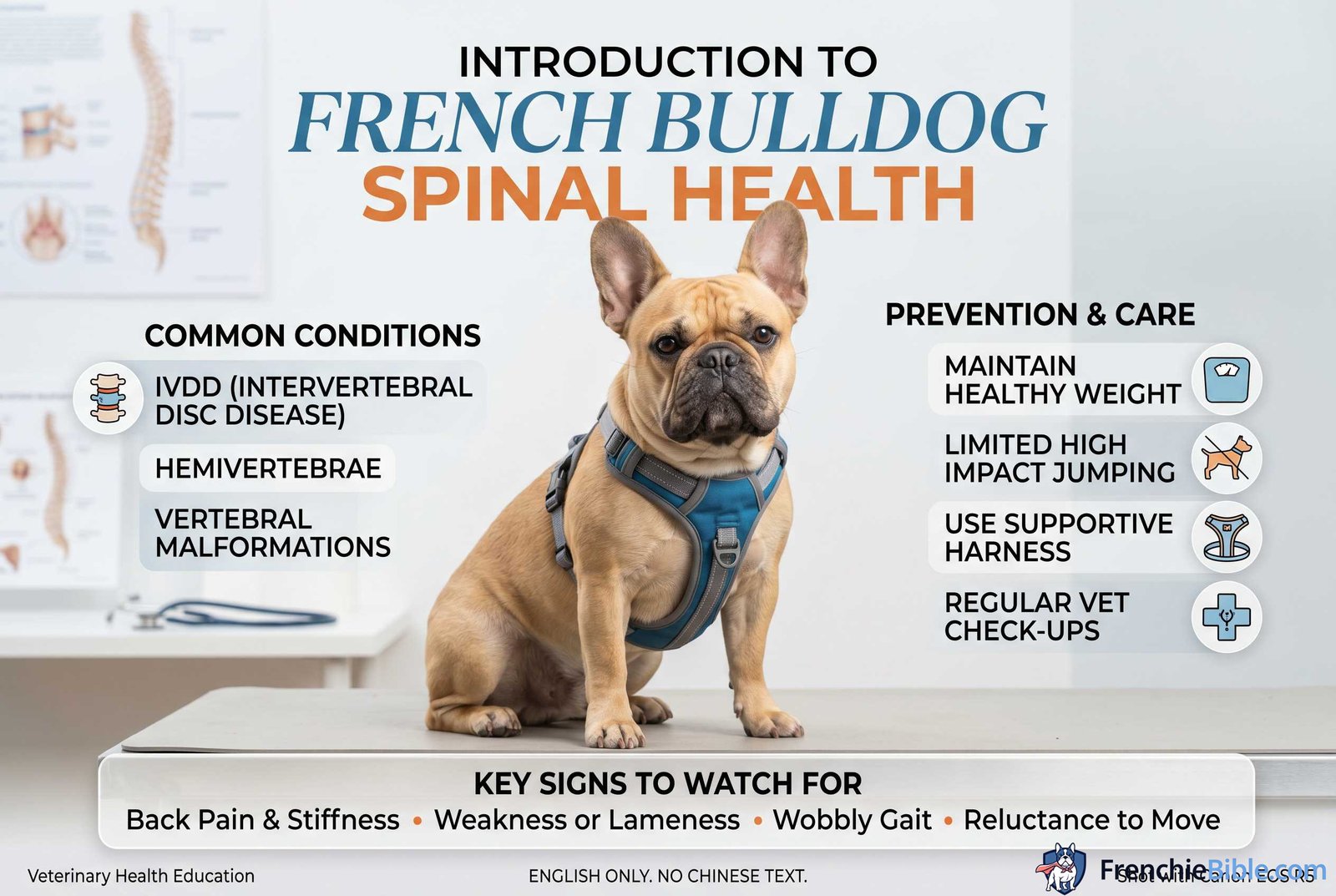
French Bulldogs have taken the world by storm, rapidly becoming one of the most popular and beloved dog breeds globally. Their undeniable charm, affectionate nature, and iconic bat-like ears make them irresistible companions. However, the very characteristics that make them so adorable—their compact, muscular bodies, short legs, and brachycephalic (flat-faced) features—also predispose them to a unique set of health challenges. As a veterinarian who has dedicated decades to the specialized care, breeding, and rehabilitation of French Bulldogs, I can state unequivocally that spinal health is one of the most critical and frequent concerns we face in this breed. Specifically, Intervertebral Disc Disease (IVDD) stands out as a prevalent and potentially devastating condition.
Related Reading: Training & Behavior | Frenchie Puppy Guide | Best Food for Frenchies
For many years, the veterinary approach to severe spinal issues in French Bulldogs was somewhat rigid, relying heavily on surgical intervention followed by strict, prolonged crate rest. In cases where surgery was financially or medically unfeasible, conservative management was employed, often consisting solely of heavy pharmaceutical intervention using Non-Steroidal Anti-Inflammatory Drugs (NSAIDs), corticosteroids, and muscle relaxants. While these traditional methodologies remain essential pillars of veterinary neurology and medicine, the paradigm of rehabilitation has undergone a radical and exciting transformation. Today, we are witnessing the truly miraculous effects of integrative therapies—specifically veterinary acupuncture and canine hydrotherapy—in the treatment, recovery, and long-term management of French Bulldogs suffering from severe spinal conditions.
This exhaustive, in-depth guide is designed to empower French Bulldog owners with knowledge. We will explore the intricate anatomy of the French Bulldog spine, unravel the complex mechanics of IVDD, and dive deep into the science behind how acupuncture and hydrotherapy are fundamentally revolutionizing our approach to spinal rehabilitation. Whether you are currently navigating the terrifying waters of a post-operative Frenchie recovery, managing a dog conservatively, or simply seeking to proactively protect your dog’s future mobility, understanding these cutting-edge therapies is absolutely paramount.
Understanding Intervertebral Disc Disease (IVDD) in French Bulldogs
To fully grasp why acupuncture and hydrotherapy are so remarkably effective, one must first understand the specific enemy we are fighting: Intervertebral Disc Disease (IVDD). This insidious condition is characterized by the premature aging, degeneration, bulging, or catastrophic rupturing of the intervertebral discs—the vital, shock-absorbing cushions strategically located between the bony vertebrae of the spinal column.
The Anatomy of a Frenchie’s Spine
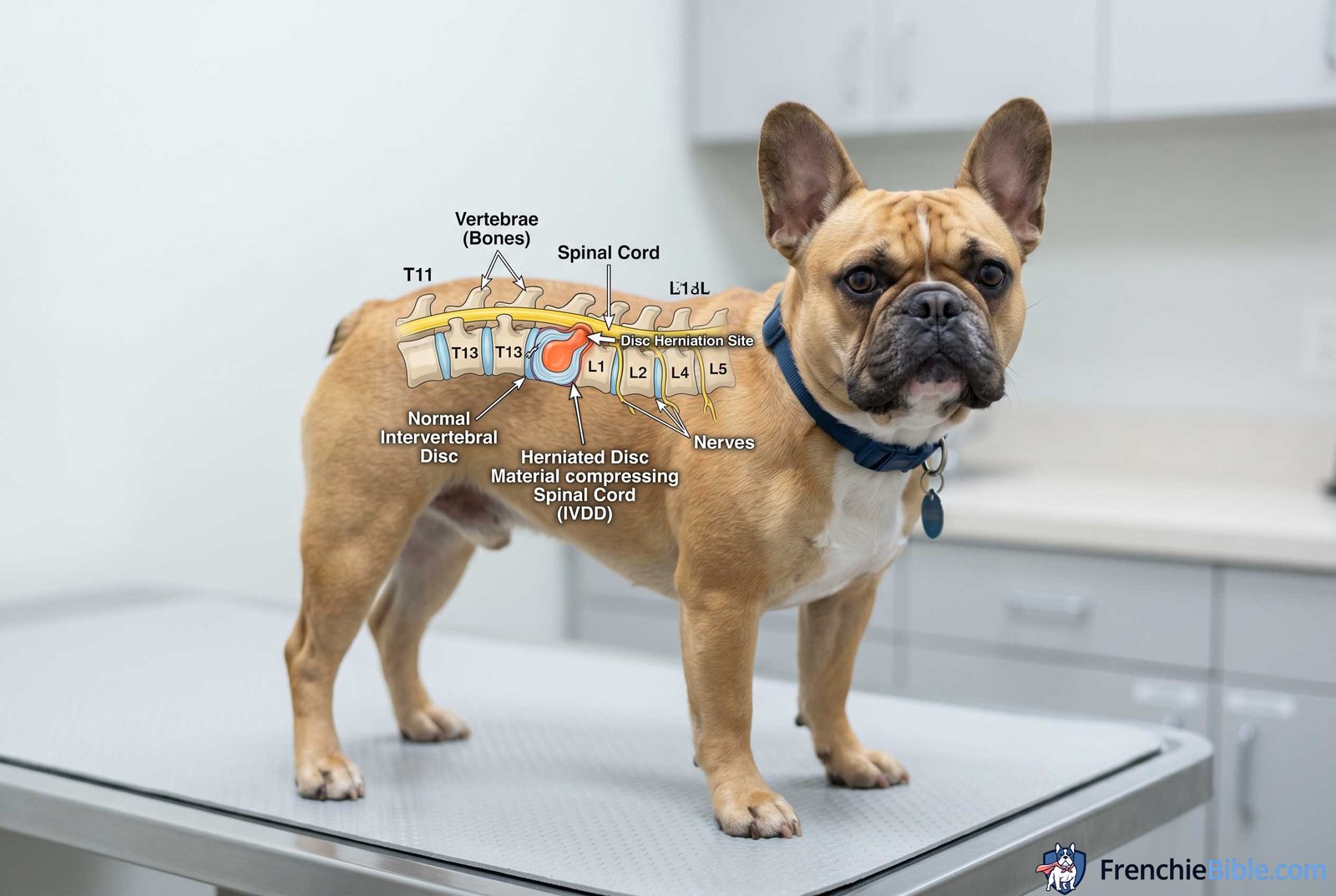
The spine of a French Bulldog is an intricate, highly specialized structure composed of vertebrae (the bony building blocks), intervertebral discs (the cartilaginous cushions), the spinal cord (the crucial bundle of nerves transmitting signals from the brain), and a complex network of surrounding muscles, tendons, and ligaments. French Bulldogs are genetically predisposed to a condition known as chondrodystrophy. This genetic trait affects the normal development of cartilage and bone throughout the body. It is the very trait that gives the Frenchie their characteristic and much-loved short-legged, sturdy appearance. However, this genetic blessing is also a curse, as it means their intervertebral discs are prone to premature calcification, dehydration, and degeneration.
In a normal, non-chondrodystrophic breed, an intervertebral disc is pliable and resilient, much like a jelly doughnut with a tough outer shell (annulus fibrosus) and a soft, gelatinous center (nucleus pulposus). In a French Bulldog, however, these discs can begin to harden, lose their moisture content, and lose their flexibility as early as one to two years of age. When a disc becomes brittle and calcified, it loses its ability to effectively absorb the daily shocks of movement—jumping off a sofa, running in the yard, or even just walking down the street. This rapid degeneration sets the perfect, tragic stage for IVDD.
The Mechanics of Disc Herniation
IVDD typically presents in two distinct forms, though Type I is overwhelmingly the most common, acute, and severe presentation in French Bulldogs:
- Hansen Type I IVDD (Acute Rupture): This form involves a sudden, explosive extrusion of the inner contents of the disc (the calcified nucleus pulposus) tearing through the weakened fibrous outer layer (the annulus fibrosus) and forcefully entering the spinal canal. This sudden herniation acts like a rock hitting a delicate cable; it aggressively compresses the spinal cord, leading to acute, agonizing pain, immediate nerve damage, and frequently, sudden paralysis of the hind limbs.
- Hansen Type II IVDD (Chronic Bulging): This presentation involves a slower, more progressive protrusion or bulging of the intact disc into the spinal canal. While more commonly seen in older, non-chondrodystrophic breeds (like German Shepherds or Labrador Retrievers), it can and does occur in Frenchies. It typically causes chronic, nagging pain and a slow, insidious decline in mobility and coordination over months or years.
When the spinal cord is subjected to compression—whether acute or chronic—the vital neural pathways that transmit sensory information (like pain and touch) and motor commands (movement) between the brain and the rest of the body are violently disrupted. This disruption explains why a French Bulldog with a ruptured disc in their thoracolumbar (mid-back) region may suddenly lose the ability to move their hind legs, feel their paws, or control their bladder and bowels.
Signs and Symptoms of IVDD: Early Detection is Critical
As a veterinary professional, I cannot stress enough that early detection and immediate intervention are the most critical factors in a successful outcome when dealing with spinal issues. French Bulldog owners must act as vigilant observers, constantly monitoring their dogs for both subtle behavioral changes and glaring neurological deficits. The signs of IVDD include:
- Reluctance to Move or Play: A dog that is normally energetic and loves to play fetch may suddenly refuse to walk, balk at going up or down stairs, or hesitate to jump onto their favorite chair.
- Uncharacteristic Vocalization: Crying, yelping, screaming, or whimpering, especially when being picked up, patted on the back, or when making sudden movements.
- Postural Changes (The “Kyphotic” Stance): An arched, hunched back or a tightly tucked abdomen. This posture is an instinctive attempt to splint the painful area of the spine. It is often accompanied by noticeable shivering, panting, or trembling due to intense pain.
- Loss of Coordination (Ataxia): A wobbly, “drunken” gait. You may notice the dog’s hind legs crossing over one another when they walk, or they may seem unusually clumsy.
- Dragging the Hind Limbs (Paresis or Plegia): “Knuckling over” of the paws (walking on the tops of the toes instead of the pads) or completely dragging the back legs behind them without any voluntary movement.
- Loss of Deep Pain Sensation: In severe cases, the dog will not react even if their toes are pinched hard. This indicates a complete block of sensory nerve transmission.
- Incontinence: The sudden loss of bowel or bladder control. The dog may leak urine continuously or drop feces without realizing it. This indicates severe nerve compression affecting the autonomic nervous system.
If you observe any of these symptoms, you must treat the situation as an absolute medical emergency. Strict confinement (crate rest) must be implemented immediately, and you must transport your dog to a veterinarian or emergency neurological clinic without delay. However, once the acute, emergency phase is managed and the spine is stabilized—whether through invasive surgery or intensive medical management—the long, challenging road of rehabilitation begins. This is precisely where the complementary magic of acupuncture and hydrotherapy shines brightest.
The Role of Acupuncture in French Bulldog Rehabilitation
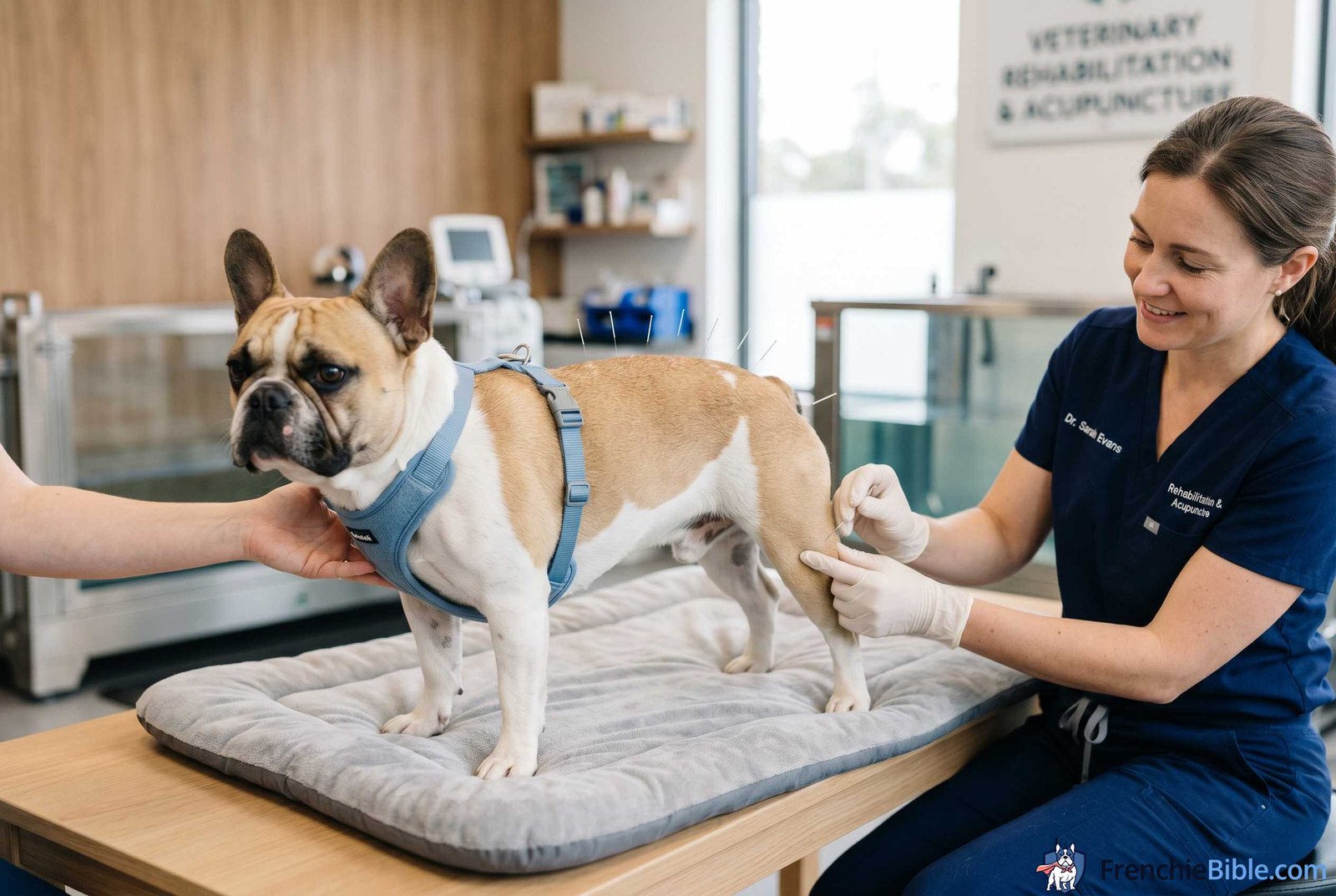
Acupuncture is an ancient, refined healing art originating from Traditional Chinese Medicine (TCM), with a history spanning thousands of years. While it was once viewed with skepticism in Western circles, it has gained immense popularity, rigorous scientific validation, and widespread acceptance in modern Western veterinary medicine. Veterinary acupuncture involves the precise insertion of sterile, ultra-thin, single-use needles into specific, mapped anatomical points on the body to produce a targeted, physiological healing response.
What is Veterinary Acupuncture and How Does it Work?
In the paradigm of Traditional Chinese Medicine, health is viewed as a state of perfect balance in the body’s vital life energy, known as “Qi” (pronounced “chee”). This energy flows continuously through a complex network of pathways called meridians, much like water flowing through a river system. When a dog suffers an injury, trauma, or a disease process like IVDD, the smooth flow of Qi is disrupted, stagnated, or blocked entirely. This blockage manifests clinically as pain, inflammation, and dysfunction. Acupuncture aims to unblock these pathways, restoring the harmonious flow of energy and bringing the body back into a state of homeostasis.
However, we do not need to rely solely on ancient philosophy to understand acupuncture’s efficacy. From a rigorous Western, scientific, and neurological perspective, acupuncture works by potently stimulating the nervous system. The insertion of needles at specific “acupoints” (which anatomical studies have shown typically correlate precisely with locations where major nerves, blood vessels, and lymphatic vessels converge or penetrate muscle fascia) triggers a profound cascade of measurable physiological effects:
- Endogenous Opioid Release: The insertion of the needle stimulates sensory nerve endings, sending impulses to the brain and spinal cord. This triggers the massive release of endorphins, enkephalins, and dynorphins—the body’s natural, highly potent painkillers.
- Microcirculation and Vasodilation: Acupuncture causes local tissue micro-trauma, which stimulates a localized inflammatory response. This leads to vasodilation (widening of blood vessels), dramatically increasing local blood flow. This fresh blood brings oxygen, nutrients, and immune cells to the injured spinal tissues, accelerating the cellular healing process and flushing out metabolic waste products and inflammatory mediators.
- Neuromodulation and Gate Control Theory: Acupuncture effectively modulates the transmission of pain signals ascending the spinal cord to the brain. By stimulating specific nerve fibers (A-beta fibers), acupuncture can “close the gate” to slower, chronic pain signals (C-fibers), providing significant pain relief.
- Nerve Regeneration Stimulation: In cases of spinal cord injury, acupuncture can help “wake up” damaged, dormant nerves. It stimulates the release of neurotrophic factors, which are proteins that promote the survival, development, and function of neurons.
The Specific Benefits of Acupuncture for French Bulldogs with IVDD
As a specialist dealing with complex French Bulldog cases, I advocate for the integration of acupuncture for almost all my patients suffering from spinal issues. The clinical benefits are multifaceted and often life-changing:
- Exceptional Pain Management: Acupuncture is remarkably effective at reducing both acute and chronic pain. Crucially, it achieves this without the negative gastrointestinal, hepatic (liver), or renal (kidney) side effects associated with the long-term administration of powerful pharmaceutical drugs like NSAIDs or synthetic opioids.
- Targeted Reduction of Inflammation: It helps to naturally and systemically decrease neuro-inflammation surrounding the compressed spinal cord and nerve roots.
- Facilitation of Nerve Regeneration: By encouraging the regrowth and repair of damaged neurological pathways, acupuncture can often be the catalyst that restores function in paralyzed limbs.
- Relief of Severe Muscle Spasms: Spinal injuries inevitably cause the surrounding epaxial muscles (the muscles running along the spine) to go into severe, painful spasms as they attempt to stabilize the injured area. Acupuncture acts as a powerful, localized muscle relaxant, releasing these trigger points and providing immediate comfort.
- Overall Improvement in Quality of Life: Dogs undergoing regular acupuncture treatment frequently display improved appetite, deeper and more restful sleep, reduced anxiety, and increased overall vitality.
What to Expect During an Acupuncture Session
Many devoted owners are understandably apprehensive about the idea of a veterinarian sticking needles into their already painful and stressed beloved pet. However, it is vital to understand that the process is incredibly gentle, non-invasive, and remarkably well-tolerated.
The needles used in veterinary acupuncture are solid (not hollow like injection needles), incredibly flexible, and as thin as a human hair. Because they are so fine, they part the tissue rather than cutting it, minimizing discomfort. Most French Bulldogs tolerate the insertion exceptionally well. In fact, due to the massive release of endorphins, many Frenchies find the sessions so deeply relaxing that their eyes droop, their breathing slows, and they actually fall fast asleep on the treatment table!
A typical session lasts anywhere from 20 to 45 minutes. The veterinarian will begin with a thorough physical and energetic assessment, noting areas of heat, cold, muscle tension, or neurological weakness. Based on this assessment, they will strategically place the needles.
In cases of severe IVDD or paralysis, Electroacupuncture is frequently utilized. This advanced technique involves attaching small electrodes to specific acupuncture needles and passing a very mild, pulsating electrical current through them. This is not painful; it feels like a slight tingling or tapping sensation. The electrical pulses mimic the body’s natural nerve action potentials, vigorously stimulating the nerve pathways, encouraging regeneration, and forcing the atrophied muscles to contract, which prevents further muscle wasting.
Depending on the severity of the neurological deficits, sessions may initially be scheduled quite aggressively—often two to three times a week. As the dog shows clinical improvement, the frequency is gradually tapered off to weekly, then bi-weekly, and eventually to a monthly maintenance schedule.
Hydrotherapy: Healing Through the Power of Water
While acupuncture elegantly addresses the neurological, energetic, and pain aspects of spinal rehabilitation, hydrotherapy focuses squarely on the physical, mechanical reconstruction of the dog’s body. Hydrotherapy, or water therapy, ingeniously utilizes the unique physical properties of water to assist in the safe rehabilitation, strengthening, and cardiovascular conditioning of injured dogs.
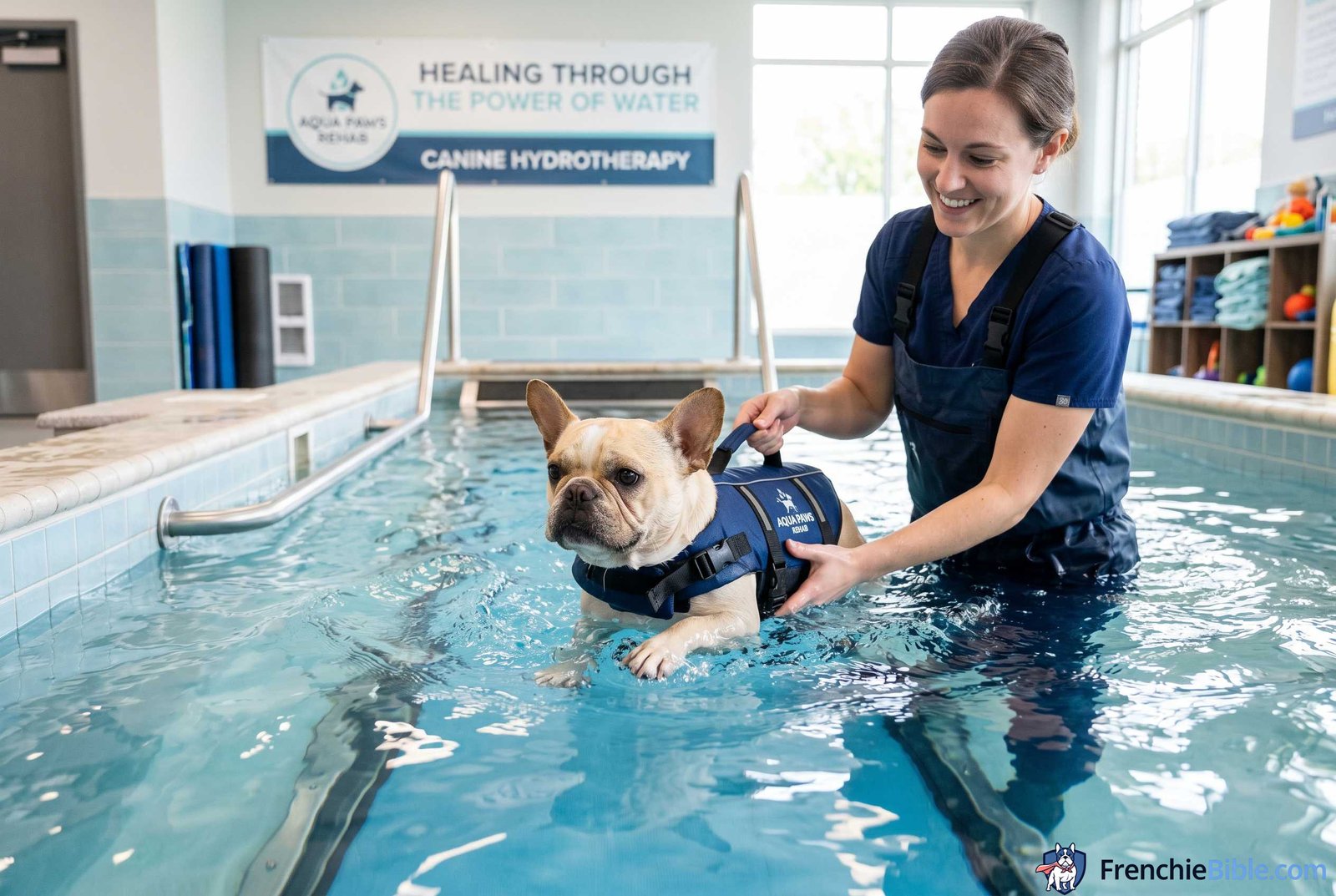
For a French Bulldog whose hindquarter muscles have rapidly atrophied from weeks of mandatory crate rest, or whose limbs remain weak and uncoordinated from nerve damage, hydrotherapy is an absolute game-changer. It provides a safe haven for exercise that is simply impossible on dry land.
Understanding Canine Hydrotherapy and its Physical Properties
Canine hydrotherapy typically utilizes one of two main modalities: swimming in a specialized therapeutic pool, or walking on an enclosed underwater treadmill. For spinal rehabilitation, especially for a top-heavy, brachycephalic, and chondrodystrophic breed like the French Bulldog, the underwater treadmill is universally considered the gold standard of care.
Water provides several unique, therapeutic physical properties that create an ideal environment for safe rehabilitation:
- Buoyancy: This is perhaps the most critical factor. Water’s upward force counteracts the downward pull of gravity, effectively supporting a significant percentage of the dog’s body weight. For a Frenchie with severely weakened hind legs or a healing spine, the buoyancy takes the immense pressure off the fragile intervertebral discs and joints. It allows them to stand upright and practice the complex mechanics of walking in a way they simply cannot achieve on dry land.
- Hydrostatic Pressure: The pressure exerted by the water against the dog’s body is uniform and consistent. This pressure acts like a full-body compression garment. It helps to significantly reduce peripheral swelling and edema in the lower limbs, which is common after surgery or periods of inactivity. Furthermore, the constant pressure provides a gentle, continuous massage to the tissues, relieving pain, stimulating lymphatic drainage, and improving overall cardiovascular circulation.
- Viscosity and Resistance: Water is significantly denser and more viscous than air. Moving a limb through water requires measurably more effort. This provides a safe, low-impact, yet highly effective form of isokinetic resistance training. It allows the dog to build muscle mass and cardiovascular endurance without subjecting their healing spine and joints to damaging concussive impacts.
- Thermal Therapy (Temperature): Therapeutic veterinary pools and underwater treadmills are intentionally kept heated, typically between 85°F and 90°F (29°C – 32°C). This warmth is deeply soothing. It increases peripheral blood flow, relaxes tight, spasming muscles, increases the elasticity of tendons and ligaments, and soothes aching arthritic joints.
Why Underwater Treadmills are Superior to Swimming for French Bulldogs
As a breed expert, I strongly caution against free-swimming for French Bulldogs recovering from IVDD. The underwater treadmill is vastly superior and significantly safer for several crucial reasons:
- Controlled, Biomechanically Correct Movement: The moving belt of the treadmill forces the dog into a rhythmic, controlled walking pattern. This is essential for a process known as “gait re-education.” When a dog has suffered spinal nerve damage, their brain literally forgets how to communicate properly with their legs. The repetitive, forced motion of the treadmill helps to retrain these neural pathways, reminding the brain how to walk correctly. Swimming, conversely, involves a frantic, uncontrolled, “bicycle kicking” motion that does not translate well to normal walking on land.
- Adjustable Weight-Bearing: The brilliance of the underwater treadmill lies in the therapist’s ability to precisely control the water level. By raising the water to the dog’s shoulders, the water supports up to 60-70% of their body weight, allowing a very weak dog to stand. As the dog regains strength and nerve function over weeks of therapy, the therapist gradually lowers the water level, incrementally reintroducing the forces of gravity and requiring the dog to bear more of their own weight. This is progressive resistance training at its finest.
- Safety for Brachycephalic Anatomy: French Bulldogs are notoriously poor swimmers. Their dense, heavy heads, broad chests, short legs, and compromised brachycephalic airways make swimming inherently dangerous and highly stressful. They struggle to keep their noses above water and can easily aspirate (inhale) water into their lungs, leading to pneumonia. In an underwater treadmill, the dog’s feet are always firmly on the floor, and their head remains completely dry and safely above the water line. This drastically reduces stress and anxiety, allowing the dog to focus entirely on their physical therapy.
- Prevention of Spinal Hyperextension: When a dog swims, they naturally arch their neck upward to keep their head above water, and their spine hyperextends (dips downward in the middle). This exact posture puts immense, dangerous stress on the thoracolumbar vertebrae and discs—the exact area most commonly affected by IVDD. The treadmill keeps the spine in a neutral, safe, and supported horizontal alignment.
Combating Muscle Atrophy: The Hydrotherapy Advantage
When a French Bulldog is subjected to the mandatory strict crate rest required following a spinal injury or surgery (often lasting 4 to 8 weeks), profound muscle atrophy occurs with shocking rapidity. Within just a few short weeks, a previously robust and muscular Frenchie can lose significant, noticeable mass in their hindquarters, back, and core.
Hydrotherapy is the most effective weapon against this atrophy. Because the buoyancy of the water protects the spine, the dog can begin exercising and actively rebuilding muscle tissue much sooner than they safely could on land. The resistance of the water ensures that every single step taken on the treadmill is actively building strength. Furthermore, the gentle, controlled movement helps to continuously lubricate the joints with synovial fluid, preventing the stiffness, contractures, and secondary osteoarthritis that inevitably develop from prolonged inactivity.
Integrating Acupuncture and Hydrotherapy: The Ultimate Synergy
The true, undeniable “miracle” in French Bulldog spinal rehabilitation occurs when we stop viewing these therapies in isolation and begin aggressively integrating them. Acupuncture and hydrotherapy are not simply complementary; they are profoundly synergistic. The combined result is exponentially greater than the sum of their individual parts.
A Synergistic Approach to Complete Healing
To visualize this synergy, imagine the rehabilitation process as the complex task of rebuilding a severely damaged house.
The initial veterinary intervention—whether that is a complex spinal surgery (like a hemilaminectomy) or rigorous medical management—is akin to emergency foundation repair. It stops the house from actively collapsing and removes the immediate threat.
Acupuncture is the master electrician. It enters the damaged structure, repairs the frayed and broken wiring (the nervous system), resets the circuit breakers, and restores the flow of power (sensation and motor control) to the rooms that have gone dark. It also silences the blaring fire alarms (the pain signals).
Hydrotherapy is the skilled structural engineer and the framing crew. It utilizes the newly restored electrical signals to begin safely and methodically rebuilding the load-bearing walls and support beams (the muscles, tendons, and core strength) necessary to hold the house up and ensure it can withstand future storms.
When utilized concurrently, acupuncture perfectly primes the dog’s nervous system. By dramatically reducing pain, the dog becomes far more willing and eager to actively participate in physical therapy. By “waking up” damaged nerves, acupuncture ensures that when the dog is subsequently placed into the underwater treadmill, the brain is actually capable of communicating with the weakened legs. The hydrotherapy then provides the safe, buoyant physical environment absolutely necessary for the dog to practice using those newly awakened nerves, repeatedly firing the muscles and building the physical armor required to support their vulnerable spine.
Designing a Comprehensive Rehabilitation Plan
There is no “one size fits all” approach to Frenchie rehab. Every French Bulldog is an individual, and their customized rehabilitation plan must be meticulously tailored to the specific location of their injury, the severity of their neurological deficits, their age, their overall physical condition, and their unique temperament. A comprehensive, gold-standard rehabilitation plan typically unfolds in distinct phases:
- The Initial Assessment: This must be conducted by a veterinarian certified in canine rehabilitation (CCRT or CCRP). They will establish baseline measurements for muscle mass, range of motion, and neurological function.
- The Acute Phase (Weeks 1-3): During the initial weeks following injury or surgery, strict, uncompromising crate rest is the priority. The focus is entirely on pain control, reduction of severe inflammation, and allowing tissues to begin scarring and healing. Acupuncture is heavily utilized during this phase, often multiple times a week. Class IV Cold Laser therapy and very gentle, targeted massage may also be introduced to stimulate cellular healing. Hydrotherapy is strictly avoided during this vulnerable period.
- The Sub-Acute/Re-education Phase (Weeks 3-6): As pain subsides, inflammation decreases, and nerves begin their slow healing process, hydrotherapy (specifically the underwater treadmill) is cautiously introduced. The water level is kept very high to maximize buoyancy and minimize weight-bearing. Sessions are short (often just 3-5 minutes of walking) to prevent exhaustion. Acupuncture continues concurrently, frequently incorporating electroacupuncture to forcefully stimulate muscle contractions in paralyzed or paretic limbs.
- The Strengthening Phase (Weeks 6-12+): As the dog gains strength, stamina, and improved coordination, the water levels in the treadmill are systematically lowered to slowly increase weight-bearing and resistance. Land-based therapeutic exercises (Targeted Therapeutic Exercises or TTE) are gradually introduced. These might include walking over cavaletti poles to improve foot placement, balancing on unstable surfaces (like peanut balls or wobble boards) to rebuild core strength and proprioception, and assisted standing exercises. Acupuncture sessions are typically spaced out to maintenance levels (e.g., every 2-4 weeks) to manage any lingering discomfort and maintain optimal energy flow.
Post-Operative Rehabilitation vs. Conservative Management
When a French Bulldog is diagnosed with IVDD, owners are generally faced with two distinct treatment pathways: surgical intervention or conservative (medical) management. The appropriate choice depends entirely on the clinical severity of the neurological deficits, the speed at which the symptoms appeared (acute vs. chronic), the findings of advanced imaging (MRI or CT scan), and, frankly, the owner’s financial resources and ability to provide intensive aftercare. Crucially, it is important to understand that acupuncture and hydrotherapy play a vital, non-negotiable role regardless of which initial path is chosen.
When Surgery is Necessary (and What Follows)
Spinal surgery (most commonly a hemilaminectomy or a ventral slot procedure) is strongly, urgently recommended—and often the only viable option—for dogs that have rapidly lost the ability to walk, have lost bowel/bladder control, or most critically, have lost “deep pain sensation” in their toes. The loss of deep pain is a dire neurological emergency, and surgery must ideally occur within 12-24 hours for the best chance of recovery. The primary goal of surgery is mechanical: to physically open the spinal canal, remove the extruded, calcified disc material, and immediately relieve the crushing pressure on the spinal cord.
However, surgery is not a magic wand. It is a major, highly invasive procedure. Following surgery, rehabilitation is absolutely critical to success. While the surgeon has successfully removed the physical compression, the spinal cord itself remains bruised, swollen, and damaged.
Post-operative acupuncture accelerates the nerve healing process, provides exceptional pain relief, and reduces post-surgical inflammation. Hydrotherapy is essential to rebuild the stabilizing epaxial muscles that had to be cut or manipulated during the surgical approach, as well as the hindquarter muscles that rapidly atrophied during the recovery period. Rehab ensures the dog regains full functionality and develops the necessary core strength to support their surgically altered, permanently vulnerable spine.
Non-Surgical (Conservative) Management Strategies
Conservative management is often the treatment of choice for dogs presenting with milder symptoms—such as severe spinal pain without significant neurological deficits (they can still walk), or mild weakness (paresis) without total paralysis. It is also the default option when owners cannot afford the high cost of spinal surgery (which often ranges from $6,000 to $10,000+).
Conservative management relies absolutely on strict, uncompromising crate rest for a minimum of 6 to 8 weeks. This total confinement is designed to allow the ruptured annulus fibrosus to scar over and heal naturally, preventing further disc material from extruding. This rest is combined with heavy pharmaceutical management (NSAIDs or corticosteroids, muscle relaxants, and potent pain relievers like Gabapentin).
For dogs undergoing conservative management, acupuncture is the absolute cornerstone of the healing process. It effectively manages the severe, agonizing pain, allowing the dog to rest comfortably without relying entirely on sedating pharmaceuticals. It also encourages the body’s natural healing mechanisms to resorb the extruded disc material. Once the initial 6-8 week crate rest period is completed and the spine is deemed clinically stable by a veterinarian, hydrotherapy is carefully introduced. This is crucial because a conservatively managed dog emerges from crate rest with profound muscle atrophy. They need the safe, buoyant environment of the treadmill to slowly rebuild the withered muscles without putting any concussive stress on the newly scarred, fragile disc.
Home Care and Lifestyle Adjustments: Protecting the Spine for Life
Rehabilitation does not magically end when you walk out of the clinic doors. As a dedicated French Bulldog owner, you must understand that IVDD is a lifelong disease. The lifestyle choices you make at home, and the environment you create, are critical to your dog’s long-term spinal health and are your best defense against preventing heartbreaking recurrences.
Weight Management: The Ultimate Preventative Measure
The single most important, controllable factor in your Frenchie’s spinal health is their body weight. French Bulldogs are notoriously food-motivated and prone to rapid weight gain. Every single extra pound of fat your dog carries places immense, unnecessary biomechanical stress on their already vulnerable intervertebral discs.
A lean Frenchie is a healthy Frenchie. You should be able to easily feel your dog’s ribs without having to press hard through a layer of fat, and they should have a clearly defined “waist” when viewed from above. Work closely with your veterinarian to determine their ideal caloric intake, measure their food precisely with a measuring cup (do not “eyeball” it), and restrict high-calorie treats. Treat weight management as a non-negotiable medical prescription.
Ergonomic Adjustments to Your Home Environment
Your home environment must be systematically adapted to protect your dog’s spine from daily micro-traumas:
- The “No Jumping” Rule: This is an absolute, lifelong rule for any French Bulldog, but especially one with a history of IVDD. Jumping off a sofa, a bed, or out of a car creates massive concussive force on the spine. You must provide sturdy ramps or specialized pet stairs for access to any elevated surfaces, and you must consistently train your dog to use them.
- Implement Non-Slip Flooring: Slippery hardwood, laminate, or tile floors are treacherous hazards for a recovering or weak dog. A sudden slip, splay, or “splits” can easily cause a catastrophic secondary spinal injury. Cover all high-traffic walking areas, especially around their bed and food bowls, with non-slip rugs, yoga mats, or interlocking foam puzzle mats.
- Elevated Feeding Stations: Using elevated food and water bowls reduces the physical strain on the cervical (neck) spine and the thoracic (upper back) spine while the dog is eating and drinking.
- Invest in Orthopedic Bedding: Provide firm, highly supportive orthopedic memory foam beds. Avoid soft, overly plush, or bean-bag style cushions that offer no skeletal support and force the dog to struggle to get up.
- Use a Harness, Never a Collar: A collar puts dangerous pressure on the cervical spine and trachea when the dog pulls. Always use a well-fitted, supportive body harness for walks.
Safe Handling and Lifting Techniques
How you physically interact with and pick up your French Bulldog matters immensely.
- NEVER lift them by their front legs or under their armpits. This forces the entire weight of their lower body to hang unsupported, causing severe hyperextension of the thoracolumbar spine.
- ALWAYS use two hands: place one hand firmly under their chest (just behind the front legs) and use your other hand to fully scoop and support their hindquarters and rump. Keep their spine level and parallel to the floor as you lift them securely against your body.
Conclusion: Empowering Your French Bulldog’s Healing Journey
Receiving a diagnosis of IVDD or another severe spinal issue is a terrifying, overwhelming moment for any devoted French Bulldog owner. The prospect of sudden paralysis, complex and expensive surgeries, and months of grueling recovery is undeniably daunting. However, it is vital to realize that the field of veterinary neurology and rehabilitation has evolved dramatically. We are no longer limited to the bleak, binary choice of high-risk surgery or simplistic, prolonged rest.
The integration of advanced veterinary acupuncture and targeted canine hydrotherapy has ushered in a truly new era of miraculous recoveries. By addressing the profound neurological damage with the ancient, proven wisdom of acupuncture, and meticulously rebuilding physical strength and coordination through the modern, scientific application of hydrotherapy, we can offer our beloved Frenchies a legitimate second chance at a vibrant, active, and pain-free life.
As a specialist and lifelong advocate for this incredible breed, my ultimate goal is to see every French Bulldog thrive. By taking the time to understand their unique, fragile anatomy, by remaining ever-vigilant for the subtle early signs of spinal distress, and by whole-heartedly embracing these powerful, integrative rehabilitative therapies, you have the power to fundamentally alter the course of your dog’s life. You can empower their healing journey, protect their mobility, and ensure they continue to bring boundless joy to your life for many years to come.
Frequently Asked Questions (FAQ)
1. Is acupuncture painful for my French Bulldog?
No, veterinary acupuncture is generally not painful. The needles used are incredibly fine—much thinner than a standard vaccination needle. Most dogs tolerate the initial insertion very well. More importantly, the subsequent release of endorphins and natural painkillers often causes them to relax deeply, and it is very common for them to fall asleep during the treatment.
2. How soon after spinal surgery can my dog start hydrotherapy?
This timeline depends entirely on the specific surgical procedure, your surgeon’s specific protocols, and the dog’s individual rate of healing. Typically, underwater treadmill therapy can begin 2 to 4 weeks post-surgery. The most critical factor is that the surgical incision must be completely healed (to prevent infection) and the spine must be deemed mechanically stable by the veterinarian before entering the water.
3. My Frenchie absolutely hates water and baths. Can they still do hydrotherapy?
Yes, absolutely! The underwater treadmill experience is vastly different from a swimming pool or a slippery bathtub. The dog simply walks into an empty, dry glass tank. Once the doors are sealed, warm water is slowly and quietly pumped in from the bottom. The dog always has their feet firmly on a textured, non-slip ground surface, and their head remains completely dry. This highly controlled environment, combined with positive reinforcement from a trained therapist, usually helps even the most water-averse dogs adapt quickly and comfortably.
4. How many acupuncture sessions will my dog realistically need?
The required number of sessions varies widely based on the severity and chronicity of the condition. For acute, severe spinal injuries, we often recommend an aggressive start of 2-3 sessions per week. As the dog’s neurological function improves and pain decreases, the frequency is tapered. Many dogs with a history of IVDD benefit from long-term, ongoing maintenance sessions every 4-6 weeks to keep their nervous system optimal and manage chronic stiffness.
5. Can hydrotherapy completely replace the need for surgery in severe IVDD cases?
No. Hydrotherapy is a rehabilitation tool, not a surgical replacement. If a dog has a massive disc extrusion causing severe spinal cord compression and loss of deep pain sensation, surgery is physically required to remove the offending material. Hydrotherapy is used after surgery to rehabilitate the muscles and nerves, or as a crucial component of conservative management for dogs with milder cases or those who are not surgical candidates.
6. Are there any serious risks associated with veterinary acupuncture?
When performed by a properly trained and certified veterinary acupuncturist (CVA), the risks are incredibly low. The most common side effect is a mild, temporary lethargy for 24-48 hours post-treatment, which is simply the body responding to the therapy and focusing energy on healing. Very rarely, a needle might cause minor, localized bleeding or bruising at the insertion site.
7. Is there anything I can give my Frenchie (like supplements) to prevent IVDD?
While you cannot change your dog’s chondrodystrophic genetics, you can support their joint and spine health. Keeping them extremely lean is the #1 preventative measure. Joint supplements containing high-quality Glucosamine, Chondroitin, MSM, and Omega-3 fatty acids (fish oil) can help reduce systemic inflammation and support cartilage health, though they will not prevent a disc from rupturing if excessive physical force (like jumping) is applied. Always consult your vet before starting any supplements.
8. What should I do if my Frenchie suddenly stops using their back legs in the middle of the night?
This is an absolute medical emergency. Do not wait until morning to see if they improve. Immediately confine them to a small crate so they cannot drag themselves and cause further spinal cord damage. Carry them (using the safe two-handed lifting technique) to the nearest 24-hour emergency veterinary hospital or specialized veterinary neurology clinic immediately. Time equals spinal cord function.