
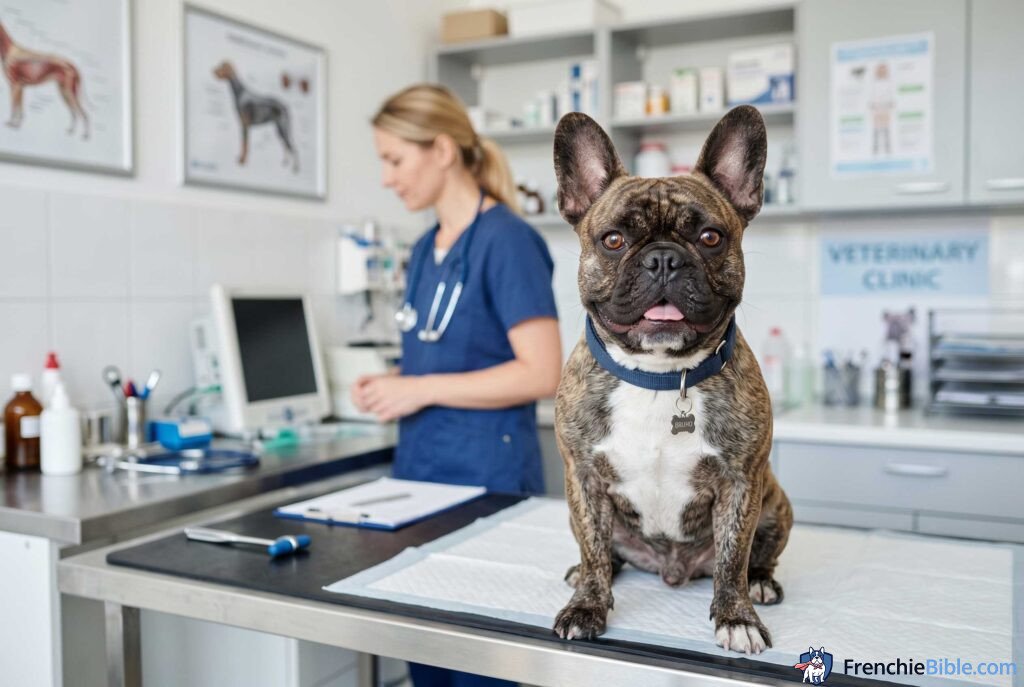
Disclaimer: The information provided in this article is for educational purposes only and is not intended as a substitute for professional veterinary advice, diagnosis, or treatment. Always consult with your veterinarian before starting your French Bulldog on any new supplement regimen, changing their diet, or if you suspect any health or joint issues. Every dog is unique, and a qualified vet can provide personalized recommendations based on your dog’s specific medical history.
If you are the proud parent of a French Bulldog, you already know that these charming, bat-eared companions bring endless joy, laughter, and affection into your life. With their comical personalities and affectionate nature, it is no wonder they are one of the most popular dog breeds in the world. However, beneath that sturdy, muscular exterior lies a unique physical structure that requires specialized care, particularly when it comes to their skeletal and joint health.
Related Reading: Training & Behavior | Frenchie Puppy Guide | Best Food for Frenchies
As a veterinarian and breeder specializing in French Bulldogs, I am frequently asked a critical question by concerned owners: “Does my French Bulldog really need glucosamine and chondroitin supplements?” The short answer is a resounding yes. Given their specific genetic makeup, physical conformation, and predisposition to various joint and spinal issues, proactive joint care is not just an option for Frenchies—it is an absolute necessity.
In this comprehensive guide, we will dive deep into the science behind canine joint health, explore the unique anatomical challenges faced by French Bulldogs, and provide a detailed analysis of how glucosamine and chondroitin can safeguard your furry friend’s mobility. We will also discuss the best supplement formulations, when to start them, and other critical lifestyle adjustments to ensure your Frenchie enjoys a long, active, and pain-free life.
Understanding the French Bulldog’s Unique Anatomy and Joint Risks
To understand why joint supplements are so crucial for French Bulldogs, we first need to look at how these dogs are built. Frenchies are achondroplastic, meaning they are a dwarf breed. This genetic trait gives them their characteristic short legs, compact bodies, and large heads. While this conformation is undeniably adorable, it places a significant amount of stress on their skeletal system, particularly their joints and spine.
Chondrodysplasia in French Bulldogs
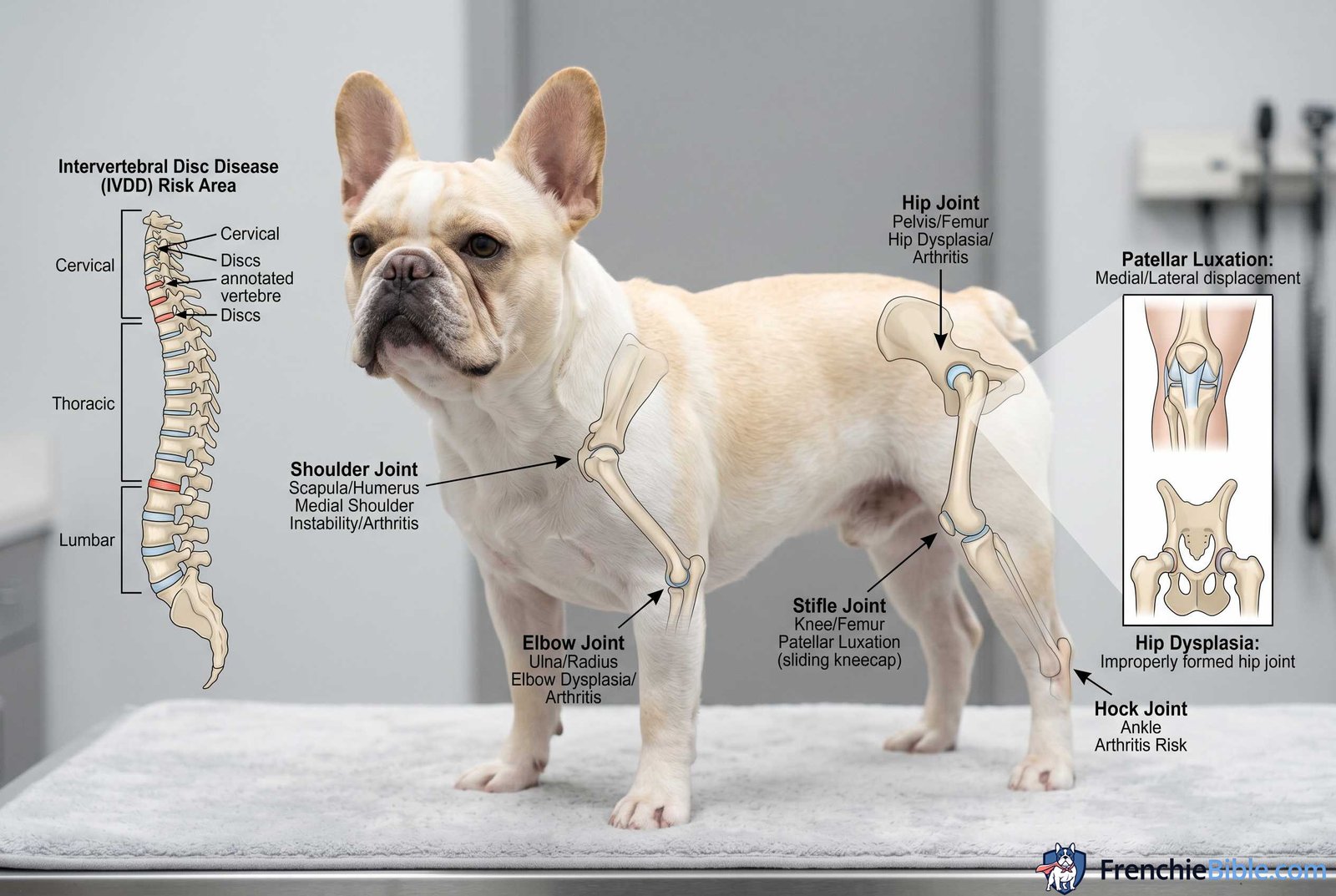
Chondrodysplasia is the genetic condition responsible for the dwarfism seen in French Bulldogs. This condition affects the development of cartilage and bone, leading to the shortened long bones in their legs. Because their limbs are structurally different from those of standard-proportioned dogs, the biomechanics of their movement are altered. This altered biomechanics means that their joints—especially the shoulders, elbows, hips, and knees—experience abnormal wear and tear over time.
Cartilage, the rubbery tissue that cushions the ends of the bones within a joint, relies on a delicate balance of synthesis and degradation. In dogs with chondrodysplasia, this balance is often inherently flawed, making the cartilage more susceptible to breakdown, leading to early-onset osteoarthritis.
Common Joint Issues: Hip Dysplasia, Luxating Patella, and IVDD
French Bulldogs are genetically predisposed to a variety of orthopedic issues, which further underscores the need for joint support:
- Hip Dysplasia: While often associated with larger breeds, hip dysplasia is surprisingly common in French Bulldogs. This condition occurs when the hip joint fails to develop properly, resulting in a loose joint. Over time, the constant friction and abnormal movement lead to cartilage degradation, bone spurs, and painful arthritis.
- Luxating Patella: This is a condition where the kneecap (patella) slips out of its normal groove in the thigh bone. It is prevalent in small breeds, including Frenchies. Repeated luxation can cause significant damage to the cartilage in the knee joint, leading to inflammation and arthritis.
- Intervertebral Disc Disease (IVDD): Perhaps the most severe orthopedic concern for French Bulldogs is IVDD. Their compact spine and the presence of hemivertebrae (malformed vertebrae) make them highly susceptible to disc herniation. While supplements primarily target synovial joints (like hips and knees), supporting the overall health of cartilage and reducing systemic inflammation can indirectly benefit spinal health.
The Impact of Weight on Frenchie Joints
French Bulldogs are famously food-motivated and prone to weight gain. Their stocky build can quickly turn from muscular to obese if their diet and exercise are not carefully managed. Excess weight is the enemy of healthy joints. Every extra pound your Frenchie carries places an exponential amount of stress on their already vulnerable joints. This increased mechanical load accelerates the breakdown of cartilage and exacerbates the pain associated with any underlying orthopedic conditions. Therefore, weight management must go hand-in-hand with any joint supplement regimen.
What Are Glucosamine and Chondroitin?
Glucosamine and chondroitin are often mentioned in the same breath when discussing joint health, both for humans and dogs. But what exactly are these compounds, and how do they work within the canine body? Both are naturally occurring substances found in the healthy cartilage of your French Bulldog.

The Science Behind Glucosamine for Dogs
Glucosamine is an amino sugar that serves as a fundamental building block for the synthesis of glycosaminoglycans (GAGs). GAGs are crucial components of cartilage matrix and synovial fluid (the thick liquid that lubricates joints).
In a healthy, young dog, the body produces ample amounts of glucosamine to maintain cartilage thickness and joint lubrication. However, as a dog ages, or in breeds with abnormal joint wear (like Frenchies), the natural production of glucosamine slows down. This deficit impairs the body’s ability to repair everyday micro-damage to the cartilage, leading to a net loss of cartilage over time.
By supplementing with glucosamine, you are providing your French Bulldog’s body with the raw materials it needs to repair cartilage, stimulate the production of synovial fluid, and improve overall joint lubrication. Furthermore, glucosamine has mild anti-inflammatory properties, which can help reduce the swelling and pain associated with joint disease.
How Chondroitin Protects Canine Joints
Chondroitin sulfate is a complex carbohydrate that is also a major structural component of cartilage. Its primary function is to draw water and nutrients into the cartilage matrix, giving it its sponge-like, shock-absorbing qualities. Without sufficient water retention, cartilage becomes dry, brittle, and prone to cracking under pressure.
In addition to hydrating the cartilage, chondroitin plays a vital protective role. It inhibits the action of destructive enzymes within the joint—specifically, enzymes like collagenase and elastase, which break down cartilage tissue. By neutralizing these enzymes, chondroitin helps preserve the existing cartilage and prevents further degradation.
The Synergistic Effect of Combining Both
While glucosamine and chondroitin are beneficial on their own, they are most effective when used together. They work synergistically to support joint health: glucosamine stimulates the production of new cartilage and joint fluid, while chondroitin hydrates the tissue and protects it from enzymatic destruction. This dual action is why almost all high-quality veterinary joint supplements combine these two powerhouse ingredients.
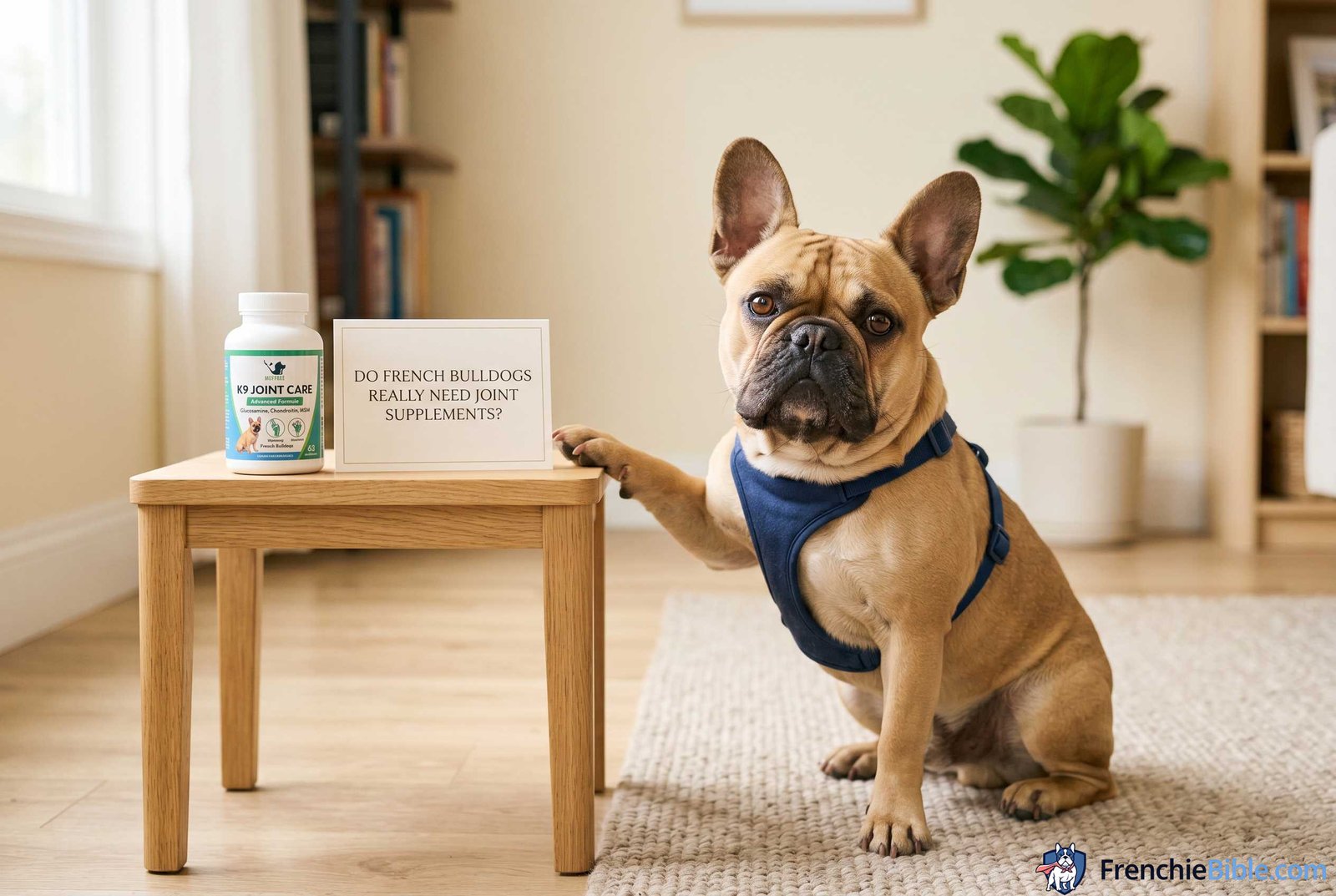
Do French Bulldogs Really Need Joint Supplements?
One of the most common misconceptions among dog owners is that joint supplements are only for senior dogs or dogs that are already limping. For French Bulldogs, waiting until symptoms appear is a missed opportunity for crucial preventative care.
Preventative Care vs. Reactive Treatment
Osteoarthritis is a progressive, degenerative, and ultimately irreversible disease. Once the cartilage is gone, it does not grow back. The goal of veterinary medicine when managing joint disease is to slow the progression, manage pain, and maintain mobility.
Because French Bulldogs are anatomically predisposed to joint stress from day one, preventative care is paramount. By providing glucosamine and chondroitin before the cartilage begins to significantly degrade, you are fortifying the joints against the inevitable wear and tear of their conformation. Reactive treatment—starting supplements only after your dog is diagnosed with arthritis or shows signs of pain—is helpful, but it is fundamentally damage control rather than prevention.
Age Milestones: When to Start Supplementing
As a specialized breeder and veterinarian, my recommendation for French Bulldogs differs from the advice given for standard breeds.
- Puppyhood (8 weeks to 12 months): During this rapid growth phase, the focus should be on a high-quality, balanced diet specifically formulated for puppies to ensure proper bone and joint development. Over-supplementation during this phase can sometimes unbalance calcium/phosphorus ratios. However, some breeders recommend very low-dose, food-based joint support (like green-lipped mussel) as early as 6 months.
- Young Adult (1 to 3 years): This is the ideal time to introduce a high-quality glucosamine and chondroitin supplement. By the time a Frenchie reaches 12 to 18 months, their skeletal growth is complete, and the lifelong stress of their conformation begins to take its toll. Starting supplements now sets a foundation for long-term joint health.
- Adult and Senior (4+ years): If your Frenchie is in this age bracket and is not yet on a joint supplement, start immediately. As they enter their senior years, the natural production of joint-lubricating compounds drastically decreases, making external supplementation essential for maintaining their quality of life.
Signs Your Frenchie Might Be Experiencing Joint Pain
Dogs are stoic creatures, and Frenchies are no exception. They often hide pain until it becomes severe. It is crucial to be observant and watch for subtle signs of joint discomfort:
- Reluctance to jump or climb: Hesitating before getting onto the couch or climbing stairs.
- Bunny hopping: Running with both hind legs moving together, a classic sign of hip dysplasia.
- Stiffness after resting: Appearing stiff or lame when first waking up, which gradually improves as they move around.
- Behavioral changes: Increased irritability, aggression when touched in certain areas, or a sudden disinterest in playing.
- Licking joints: Obsessively licking a specific paw, wrist, or knee to soothe the pain.
- Altered gait: Pacing, waddling more than usual, or shifting weight to their front legs.
If you observe any of these signs, a veterinary consultation is mandatory.
The Benefits of Glucosamine and Chondroitin for French Bulldogs
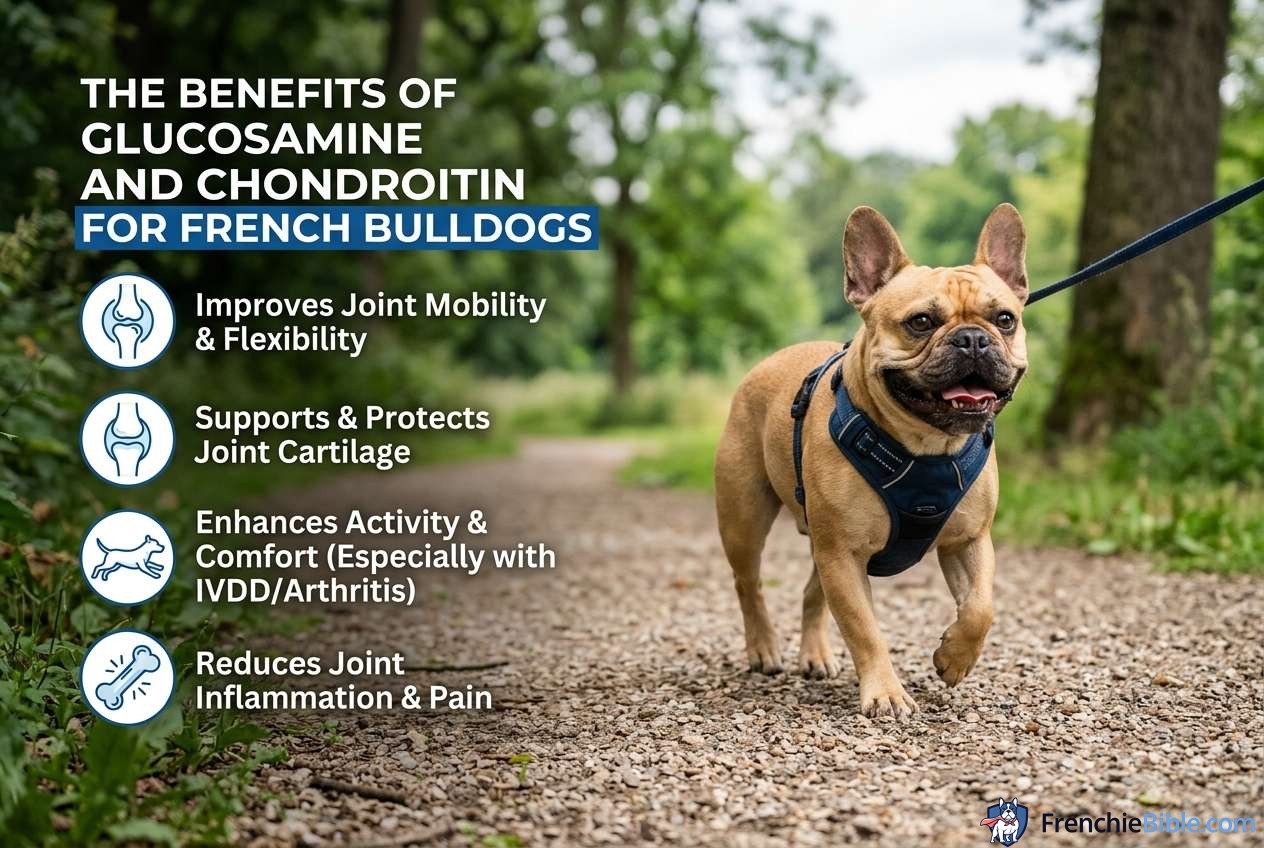
When administered consistently and at the correct dosage, a high-quality joint supplement can profoundly impact your French Bulldog’s life. The benefits extend far beyond just “helping the joints.”
Reducing Inflammation and Pain
Chronic inflammation is a primary driver of joint pain and cartilage degradation. Glucosamine, particularly when combined with other ingredients like MSM (Methylsulfonylmethane) and Omega-3 fatty acids, helps modulate the inflammatory response within the joint capsule. By reducing inflammation, these supplements directly alleviate the pain and discomfort associated with conditions like hip dysplasia or early arthritis, allowing your Frenchie to move more comfortably.
Supporting Cartilage Repair and Maintenance
Every time your French Bulldog runs, jumps, or even walks, micro-trauma occurs within the joints. In a healthy system, the body repairs this damage quickly. Glucosamine provides the essential building blocks (GAGs) required for this continuous repair process. While supplements cannot regenerate lost cartilage, they are highly effective at maintaining the integrity of the cartilage that remains, preventing further thinning and degradation.
Enhancing Mobility and Quality of Life
The ultimate goal of joint supplementation is to preserve your Frenchie’s mobility. A dog that can move without pain is a happier, healthier dog. Maintaining mobility allows your dog to continue participating in daily walks, playing with toys, and engaging with the family—all of which are crucial for their mental and physical well-being. Furthermore, a dog that remains active is less likely to become obese, creating a positive feedback loop for their joint health.
Potentially Delaying the Onset of Osteoarthritis
While genetics play a massive role in whether a French Bulldog will develop osteoarthritis, environmental factors and preventative care can significantly influence when the disease becomes clinically significant. By fortifying the joints early in life with glucosamine and chondroitin, you can potentially push back the onset of debilitating arthritis by years, giving your Frenchie a much longer span of pain-free adulthood.
Best Joint Supplement Ingredients to Look For
Walking down the supplement aisle at a pet store can be overwhelming. Not all joint supplements are created equal. As a veterinarian, I advise my clients to look past the marketing claims and focus on the ingredient list. The best joint supplements for French Bulldogs will contain a synergistic blend of the following compounds:
Glucosamine Hydrochloride (HCl) vs. Glucosamine Sulfate
You will typically see glucosamine in one of two forms: HCl or Sulfate. While both are effective, Glucosamine HCl is generally preferred in veterinary medicine. It is more concentrated, meaning a smaller volume yields a higher dose of active glucosamine. It is also highly bioavailable, ensuring that your dog’s body absorbs and utilizes a significant portion of the supplement.
MSM (Methylsulfonylmethane) as a Crucial Additive
MSM is a naturally occurring sulfur compound that is frequently paired with glucosamine and chondroitin. Sulfur is a key component of connective tissue, including cartilage and ligaments. MSM is renowned for its potent anti-inflammatory properties and its ability to alleviate joint pain. It also acts as an antioxidant, helping to neutralize free radicals that can damage joint tissue. A supplement containing the “Big Three”—Glucosamine, Chondroitin, and MSM—is considered the gold standard for comprehensive joint support.
Omega-3 Fatty Acids (EPA and DHA)
Omega-3 fatty acids, specifically Eicosapentaenoic Acid (EPA) and Docosahexaenoic Acid (DHA) derived from marine sources (like fish oil or krill oil), are incredibly powerful anti-inflammatories. They work by inhibiting the production of inflammatory prostaglandins in the body. While not structurally part of the cartilage like glucosamine, Omega-3s profoundly reduce the inflammation associated with joint disease, leading to significant pain relief. Many premium joint supplements now include Omega-3s, or your vet may recommend a separate fish oil supplement.
Green-Lipped Mussel (GLM)
Sourced from New Zealand, Green-Lipped Mussel is a superfood for joints. It is a rich, natural source of glucosamine, chondroitin, Omega-3 fatty acids, and unique anti-inflammatory compounds. Because these nutrients occur naturally together in the mussel, they are highly bioavailable. GLM is an excellent addition to a Frenchie’s diet, either as a standalone supplement or as a key ingredient in a broader joint care formula.
Hyaluronic Acid (HA)
Hyaluronic acid is a major component of synovial fluid, the thick, viscous liquid that lubricates the joints and acts as a shock absorber. In arthritic joints, the synovial fluid often becomes thin and watery, losing its lubricating properties. Supplementing with HA helps to thicken and replenish the synovial fluid, reducing friction between the bones and improving joint mobility.
How to Choose the Best Supplement for Your Frenchie
With the ingredients in mind, how do you select the specific product that is best for your dog?
Formulations: Chews, Liquids, or Powders?
Joint supplements come in various forms, and the best one is simply the one your Frenchie will consistently consume.
- Soft Chews: These are the most popular option. They are highly palatable, often flavored like meat, and function like a daily treat. However, check the calorie content, as some chews can contribute to weight gain if given in large quantities.
- Liquids: Liquid supplements are highly bioavailable and easy to mix into wet food or kibble. They are an excellent option for picky eaters who might spit out a pill or chew.
- Powders: Powders are often the most cost-effective and can be sprinkled over food. They are great for dogs that eat wet or fresh food, but the powder may settle at the bottom of a dry kibble bowl.
Reading Labels and Understanding Dosages
Do not be fooled by pretty packaging; always read the guaranteed analysis on the back label. Look for the specific milligrams (mg) of active ingredients per serving. A common mistake is buying a cheap supplement that contains only trace amounts of glucosamine, which will have zero clinical effect.
For a typical adult French Bulldog weighing roughly 20-28 pounds, a standard therapeutic dose for maintenance might include around 500mg of Glucosamine, 400mg of Chondroitin, and 300mg of MSM daily. However, always follow the manufacturer’s dosing instructions or your veterinarian’s specific recommendation. Many supplements require a “loading dose” (double the normal amount) for the first 4-6 weeks to build up therapeutic levels in the dog’s system.
Quality Control: The NASC Quality Seal
The pet supplement industry is not as strictly regulated as human pharmaceuticals. To ensure you are buying a safe, effective product that actually contains what the label claims, look for the National Animal Supplement Council (NASC) Quality Seal. The NASC is an industry group that demands stringent quality control, manufacturing standards, and independent auditing from its members. Seeing the NASC seal on a bottle provides a significant level of reassurance regarding the product’s integrity.
Recommended Joint Supplements for French Bulldogs (Veterinarian & Breeder Picks)
Based on clinical experience, ingredient profiles, and palatability for the notoriously stubborn Frenchie palate, here are a few highly recommended categories of joint supplements:
1. Top Pick for Preventative Care: Dasuquin with MSM
Dasuquin (by Nutramax) is consistently the most veterinarian-recommended joint supplement brand. It features a patented, highly absorbable form of glucosamine and chondroitin, along with ASU (Avocado/Soybean Unsaponifiables), which has been clinically shown to protect cartilage. The addition of MSM provides excellent anti-inflammatory support. It is an ideal choice for young adult Frenchies starting their preventative regimen.
2. Best for Senior French Bulldogs or Those with Diagnosed Osteoarthritis: Cosequin Maximum Strength Plus MSM & HA
Also by Nutramax, Cosequin is the gold standard for clinical joint support. The Maximum Strength formula with added Hyaluronic Acid (HA) provides intensive support for joint lubrication and cartilage protection. This is an excellent choice for Frenchies that are already showing signs of stiffness or have been diagnosed with arthritis, hip dysplasia, or luxating patellas.
3. Best Natural/Alternative Support: Antinol or Super Snouts Joint Power (Green Lipped Mussel)
For owners who prefer natural, food-based supplementation, Antinol (a highly concentrated marine lipid extract) or a pure Green-Lipped Mussel powder like Super Snouts Joint Power are phenomenal options. These provide a potent dose of natural anti-inflammatories and joint-supporting compounds without synthetic additives. They are particularly good for Frenchies with sensitive stomachs who cannot tolerate traditional chews.
4. Best Liquid Option: Liquid Health K9 Glucosamine
For the pickiest of Frenchies, Liquid Health offers a potent blend of Glucosamine, Chondroitin, MSM, and Hyaluronic Acid in a liquid format. It is easily absorbed and can be poured directly over their daily meals, ensuring they get their full dose without any fuss.
Integrating Supplements into Your Frenchie’s Diet and Routine
Once you have selected the right supplement, how do you successfully integrate it into your dog’s life?
Step-by-Step Introduction to Avoid Upset Stomachs
French Bulldogs are known for their sensitive digestive systems. Introducing any new food or supplement abruptly can cause diarrhea or vomiting. When starting a joint supplement, begin with half the recommended dose for the first 3-5 days. Monitor your dog’s stool and overall demeanor. If they tolerate it well, gradually increase to the full recommended dose (or the required loading dose). If you are using soft chews, try giving them after a meal rather than on an empty stomach to minimize gastric irritation.
Dietary Considerations and Weight Management
I cannot stress this enough: the best joint supplement in the world will not outwork obesity. If your French Bulldog is overweight, the mechanical stress on their joints will override the benefits of the glucosamine.
Work with your vet to determine your Frenchie’s ideal Body Condition Score (BCS). You should be able to easily feel their ribs without pressing hard, and they should have a visible waistline when viewed from above. If they need to lose weight, transition them to a high-quality, lower-calorie diet, measure their food precisely, and strictly limit high-calorie treats.
Low-Impact Exercises to Complement Joint Health
Exercise is vital for maintaining muscle mass, which supports the joints. However, the type of exercise matters immensely for a French Bulldog.
- Avoid: High-impact activities like repetitive jumping (e.g., catching frisbees), running on hard pavement for long distances, or aggressive stair climbing.
- Encourage: Controlled leash walks on soft surfaces (grass or dirt trails), swimming (with a life vest, as Frenchies are notoriously poor swimmers!), and gentle tug-of-war. The goal is consistent, moderate activity that keeps the joints moving and the muscles strong without causing impact trauma.
Other Ways to Protect Your Frenchie’s Joints
Supplementation is just one pillar of a comprehensive joint health strategy. Environmental management is equally critical.
Environmental Modifications: Ramps, Stairs, and Orthopedic Beds
Jumping on and off furniture is one of the leading causes of acute joint injury and IVDD exacerbation in French Bulldogs.
- Ramps and Stairs: Invest in pet stairs or ramps for any furniture your dog is allowed on (beds, couches). Train them to use these consistently from a young age.
- Orthopedic Beds: Ensure your Frenchie has a high-quality, supportive orthopedic bed. Memory foam beds provide excellent support for aging joints, preventing pressure sores and ensuring they wake up less stiff.
- Non-Slip Flooring: If you have hardwood or tile floors, place area rugs or non-slip runners in high-traffic areas. Slipping and scrambling for traction puts immense strain on a Frenchie’s hips and knees.
Harness vs. Collar: Protecting the Spine
Never walk a French Bulldog on a collar. Collars put dangerous pressure on their delicate tracheas and cervical spines. Always use a well-fitted, Y-shaped harness that distributes the force across their sturdy chest. Protecting the cervical spine is a crucial component of overall skeletal health and IVDD prevention.
Regular Veterinary Check-ups and X-Rays
Routine veterinary care is your first line of defense. During annual exams, your vet will perform a thorough orthopedic evaluation, checking for pain, reduced range of motion, or joint instability. For breeds as prone to issues as Frenchies, I often recommend baseline spinal and hip X-rays around 2 years of age. This allows us to identify any developing issues early and adjust our management strategy before severe symptoms appear.
Frequently Asked Questions (FAQ)
Q: Can I give my Frenchie human joint supplements?
A: It is strongly advised against. While the active ingredients (Glucosamine/Chondroitin) are the same, human supplements are formulated for human metabolism and weight. They may contain inappropriate dosages, artificial sweeteners (like Xylitol, which is highly toxic to dogs), or other additives that can cause severe gastrointestinal distress in your Frenchie. Always use a veterinary-specific formula.
Q: How long does it take for glucosamine to work in dogs?
A: Joint supplements are not immediate painkillers like NSAIDs (Rimadyl, Meloxicam). They work cumulatively by providing the building blocks for joint repair and modulating inflammation over time. You should expect to wait 4 to 6 weeks of consistent, daily dosing (often requiring a higher “loading dose” initially) before noticing a visible improvement in your dog’s mobility and comfort.
Q: Are there any side effects of joint supplements for French bulldogs?
A: Glucosamine and chondroitin are generally considered very safe, with a wide margin of safety. The most common side effects are mild gastrointestinal upset, including gas, soft stools, or occasional vomiting, especially when first introduced. To minimize this, introduce the supplement gradually and give it with food. If your dog has a known allergy to shellfish (as many glucosamine supplements are derived from crustacean shells), look for a plant-based or bovine-derived alternative.
Q: Is it too late to start my 7-year-old Frenchie on supplements?
A: Absolutely not! While it is ideal to start preventative care earlier in life, beginning a joint supplement protocol at any age is beneficial. For a 7-year-old senior Frenchie, supplements can significantly help manage the pain of existing osteoarthritis, improve synovial fluid quality, and enhance their overall quality of life. You are not too late; you are stepping in at a critical time to provide comfort.
Q: Can diet alone provide enough joint support?
A: For a breed with the extreme structural challenges of a French Bulldog, diet alone is rarely sufficient. While feeding a high-quality diet rich in Omega-3s is a great foundation, the levels of glucosamine and chondroitin found naturally in food (even raw diets containing bone and cartilage) are typically not concentrated enough to provide therapeutic joint protection against their genetic predispositions. Dedicated supplementation is necessary.
Conclusion: Proactive Care for a Lifetime of Play
Owning a French Bulldog is a unique privilege, but it comes with the responsibility of understanding and managing their specific health vulnerabilities. Their adorable, compact bodies hide a skeletal system that requires lifelong, proactive support.
Do French Bulldogs need glucosamine and chondroitin? Yes. Waiting until your beloved companion is limping, hesitant to jump, or crying in pain is waiting too long. By introducing a high-quality joint supplement during their young adult years, maintaining a strict, healthy weight, and modifying their environment to prevent injury, you are giving them the greatest gift possible: a life free from chronic pain.
Invest in their joint health today. Discuss the best supplement options with your veterinarian, and commit to a proactive approach. The reward will be a happy, mobile, and comfortable French Bulldog who can continue to be your energetic shadow and loving companion for many years to come.