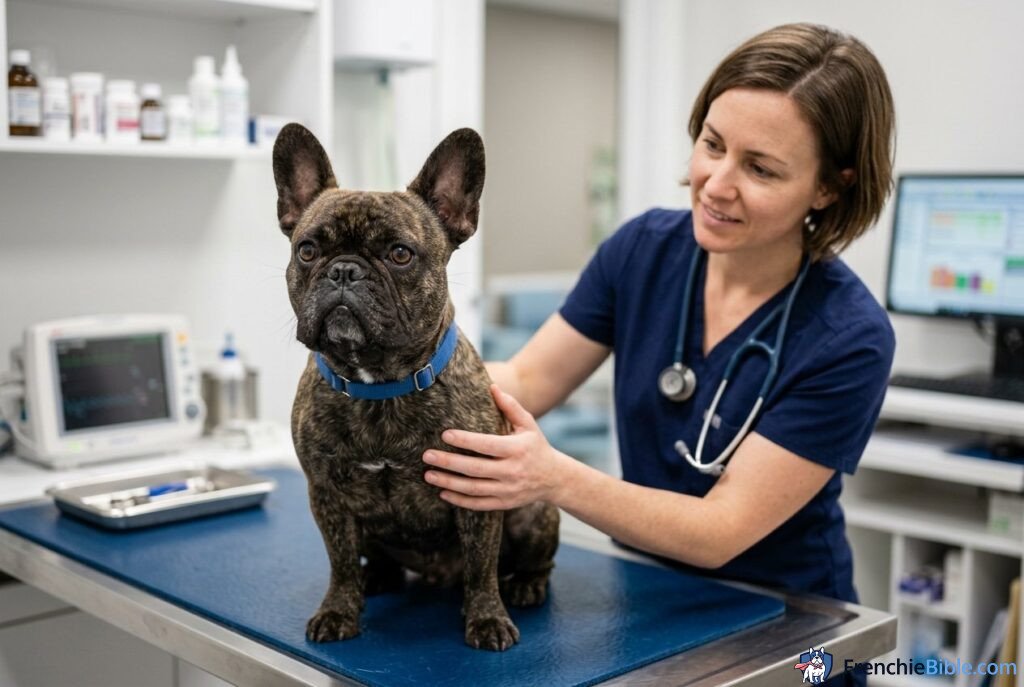
as a French Bulldog expert and breeder and breeding expert, I see hundreds of these charming little dogs every year. While we all adore their signature bat ears, squished faces, and comical personalities, their unique physical traits also predispose them to a variety of dermatological issues. One of the most common—yet frequently misunderstood—problems I treat in my breeding program is canine acne, specifically French Bulldog blackheads (comedones) and chin acne.
Many Frenchie owners panic when they suddenly notice dark spots, red bumps, or crusty patches under their dog’s chin or around their lips. It is easy to mistake these blemishes for dirt, flea dirt, or even a serious skin infection. However, much like human teenagers, French Bulldogs can suffer from clogged pores, bacterial overgrowth, and hormonal breakouts.
Related Reading: Training & Behavior | Frenchie Puppy Guide | Best Food for Frenchies
In this comprehensive, veterinarian-authored guide, we will dive deep into the science behind French Bulldog blackheads and chin acne. We will explore the underlying causes, from genetics to environmental factors, and provide you with a foolproof, 3-step veterinarian-approved guide to cleaning, treating, and preventing chin acne in your beloved Frenchie.
1. Understanding French Bulldog Blackheads and Chin Acne
To effectively treat your French Bulldog’s skin condition, you first need to understand what you are looking at. Canine acne is a localized inflammatory disorder of the lips and muzzle. It is relatively common in short-coated breeds with prominent chins and deep facial folds, such as French Bulldogs, English Bulldogs, Pugs, Boxers, and Doberman Pinschers.
What Are Blackheads (Comedones)?
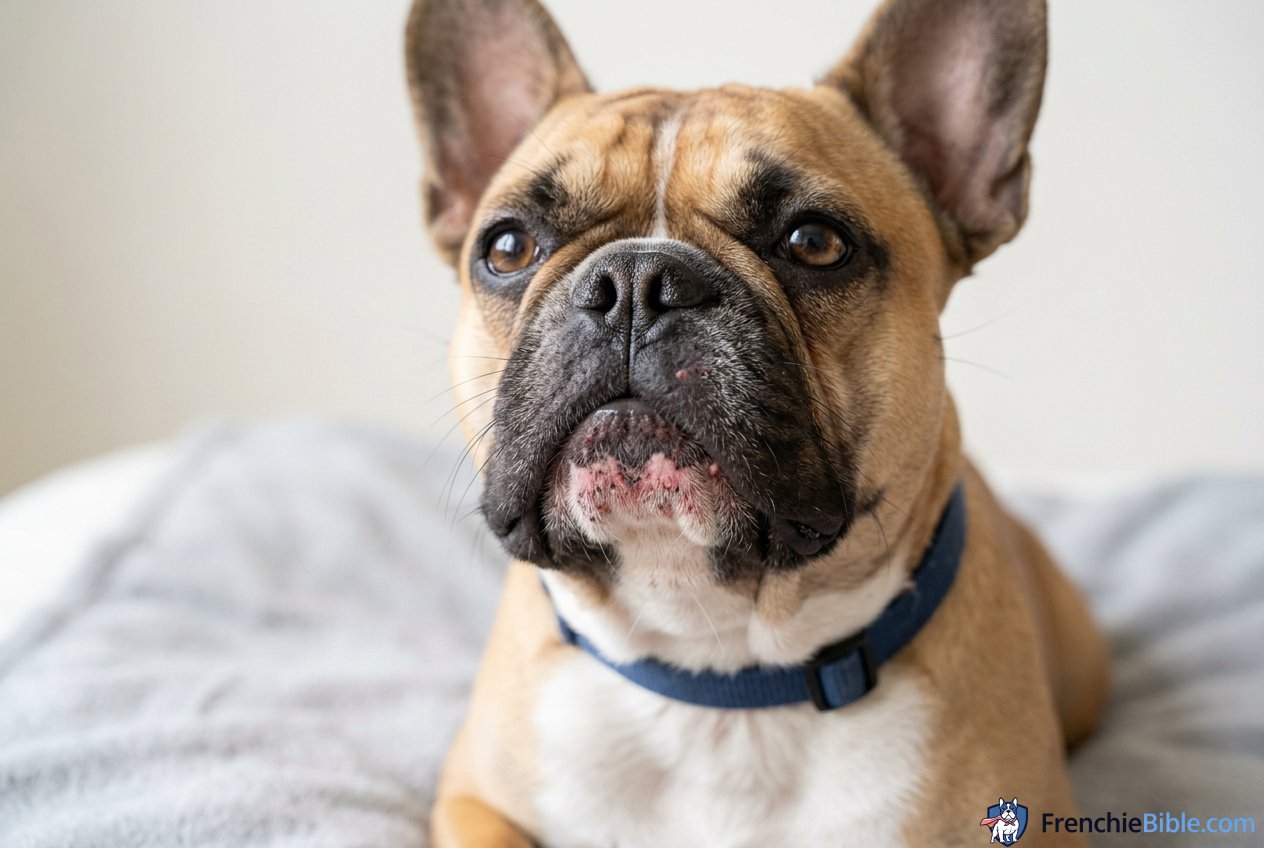
A blackhead, medically known as a comedone, is a hair follicle that has become clogged with a combination of dead skin cells (keratin) and sebum (the natural oil produced by the skin’s sebaceous glands). When this plug of debris is exposed to the air, it oxidizes and turns black, giving the appearance of a dark speck or “dirt” on the skin.
In French Bulldogs, these blackheads are most commonly found on the chin, lower lip, and sometimes within the deep folds around the muzzle. Because Frenchies have short, stiff hairs, the hair follicles can easily become traumatized or blocked, leading to the formation of comedones.
How Does Chin Acne Develop?
The progression of canine acne usually follows a specific pattern:
1. Follicular Plugging: It begins with the simple blackhead (comedone). The hair follicle becomes blocked by excess keratin and sebum.
2. Bacterial Colonization: The blocked follicle creates a perfect, oxygen-deprived environment for naturally occurring skin bacteria (like Staphylococcus pseudintermedius) to multiply rapidly.
3. Folliculitis (Inflammation): As the bacteria multiply, the body’s immune system responds, leading to inflammation of the hair follicle. The blackhead turns into a red, swollen bump (papule) or a pus-filled pimple (pustule).
4. Furunculosis (Rupture): In severe cases, the inflamed hair follicle can rupture beneath the skin’s surface, releasing keratin, bacteria, and sebum into the surrounding tissue. This causes a massive inflammatory response, leading to deep, painful nodules, cysts, and potential scarring.
The Breeding Expert’s Perspective
From a breeding standpoint, it is important to recognize that while genetics play a role in a dog’s overall skin health, canine acne is often exacerbated by the specific structural traits we have bred into the French Bulldog. Their brachycephalic (flat-faced) anatomy means they often rest their chins directly on the ground or on their paws. Their deep facial folds trap moisture, food, and saliva. These anatomical realities mean that Frenchie owners must be exceptionally proactive about skin hygiene compared to owners of longer-snouted breeds.
2. Common Causes of Chin Acne in French Bulldogs
Why is your specific French Bulldog breaking out? The answer is rarely a single factor. Usually, chin acne is the result of a combination of anatomical, environmental, and physiological triggers.
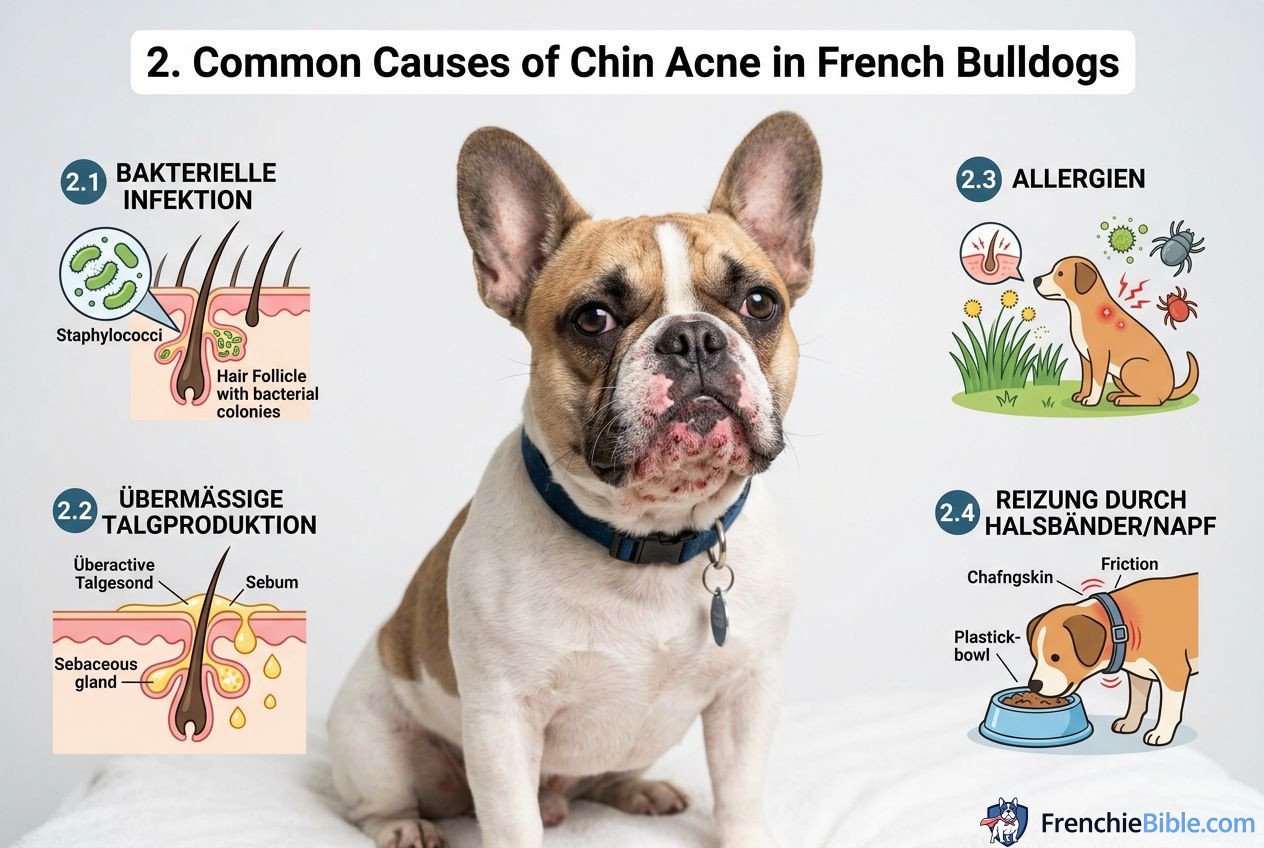
2.1. Plastic Food and Water Bowls (The #1 Culprit)
in my breeding experience, the single most common cause of recurrent chin acne in French Bulldogs is the use of plastic food and water bowls.
Plastic is a porous material. Even with regular washing, microscopic scratches develop on the surface of the plastic. These tiny crevices become breeding grounds for bacteria. When your Frenchie eats or drinks, their chin rubs against the edge and bottom of the bowl, pressing these bacteria directly into their hair follicles. Furthermore, some dogs develop a mild contact dermatitis (allergic reaction) to the plastic itself or the dyes used in it.
2.2. Poor Hygiene in Skin Folds
French Bulldogs are notoriously messy eaters and drinkers. Their flat faces mean they have to push their muzzles deep into their bowls to eat. Consequently, food debris, dog saliva, and water frequently become trapped in the folds around their mouth and under their chin.
Moisture and warmth create a perfect incubator for bacteria and yeast. If these areas are not wiped clean and dried thoroughly on a regular basis, the risk of developing blackheads and acne increases exponentially.
2.3. Hormonal Fluctuations (Puppy Acne)
Just like humans, dogs go through puberty. “Puppy acne” is very common in French Bulldogs between the ages of 5 to 8 months. During this time, hormonal surges stimulate the sebaceous glands to produce excess sebum, leading to clogged pores. Fortunately, hormonal acne is often a passing phase and typically resolves on its own by the time the dog reaches 12 to 18 months of age, provided secondary infections are kept at bay. Spaying or neutering can also help regulate these hormonal fluctuations, though it is not a guaranteed cure for acne.
2.4. Trauma and Friction
Due to their short stature and heavy heads, Frenchies often rest their chins on hard surfaces, chew toys, or carpets. Constant rubbing or friction against the chin can traumatize the short hair follicles, causing them to break or become inflamed. This mechanical trauma is a direct pathway to folliculitis. Dogs that aggressively root around in the dirt or play vigorously with other dogs are also more susceptible.
2.5. Food Allergies and Atopic Dermatitis
French Bulldogs are genetically prone to allergies, including both environmental allergies (atopy) and food sensitivities. An allergic reaction often manifests as skin inflammation. If your dog’s skin is already inflamed and compromised due to an allergy, the skin barrier is weakened, making it much easier for secondary bacterial infections (like acne) to take hold. If your Frenchie’s chin acne is accompanied by itchy paws, recurrent ear infections, or gastrointestinal issues, a food allergy should be strongly suspected.
2.6. Underlying Health Conditions
In rare cases, chronic, non-responsive acne can be a sign of an underlying immune or endocrine disorder, such as hypothyroidism or Cushing’s disease, though these are much less common in young dogs. Demodectic mange (caused by the Demodex mite) can also mimic the appearance of acne, causing hair loss and red bumps on the muzzle.
3. Recognizing the Symptoms: Is It Just Dirt or True Acne?
As an owner, it is crucial to accurately identify the signs of canine acne so you can intervene early before it progresses to a painful infection.
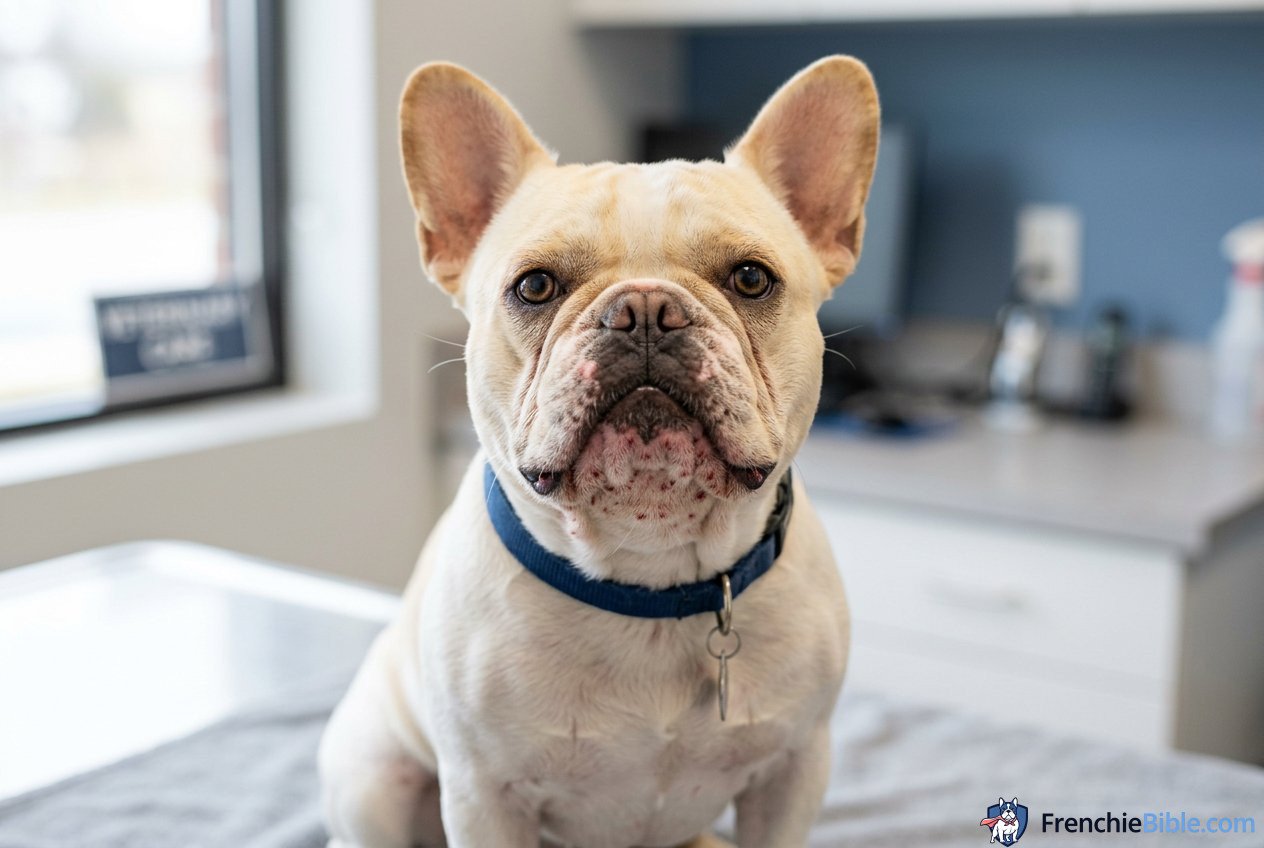
Early Stage (Mild Acne)
- Blackheads (Comedones): Look for tiny, dark dots clustered on the skin of the chin and lower lip. They often look like specks of dirt that will not wash off.
- Whiteheads: Small, closed bumps that have not yet oxidized.
- Slight Redness: Mild erythema (redness) around the affected hair follicles.
- No Pain: At this stage, the dog is usually not bothered by the bumps and shows no signs of discomfort.
Moderate Stage (Inflamed Acne)
- Papules and Pustules: The blackheads evolve into noticeable red, raised bumps (papules) or pimples with visible white/yellow pus heads (pustules).
- Localized Swelling: The chin may look slightly puffy or swollen.
- Mild Discomfort: The dog may occasionally rub their chin on the carpet, furniture, or their paws to relieve itching or mild pain.
- Hair Loss (Alopecia): You may notice thinning hair or small bald patches where the acne is most concentrated.
Severe Stage (Deep Pyoderma / Furunculosis)
- Bleeding and Oozing: The lesions may rupture, oozing pus, blood, or a clear fluid.
- Nodules and Cysts: Large, hard, painful lumps develop under the skin due to ruptured hair follicles.
- Crusting and Scabbing: Thick scabs form over the affected areas.
- Significant Pain: The dog will likely flinch or pull away if you try to touch their chin. They may have difficulty eating or chewing hard toys.
- Lethargy: In extreme cases of deep infection, the dog may act lethargic or develop a mild fever.
Vet Tip: Never assume a crusty, bleeding chin is just a standard “Frenchie thing.” Severe furunculosis requires immediate veterinary intervention to prevent permanent scarring and systemic infection.
4. The Vet’s 3-Step Guide to Cleaning and Treating Frenchie Acne
If your French Bulldog has mild to moderate blackheads or acne, you can often manage it successfully at home using a structured, veterinarian-approved protocol.
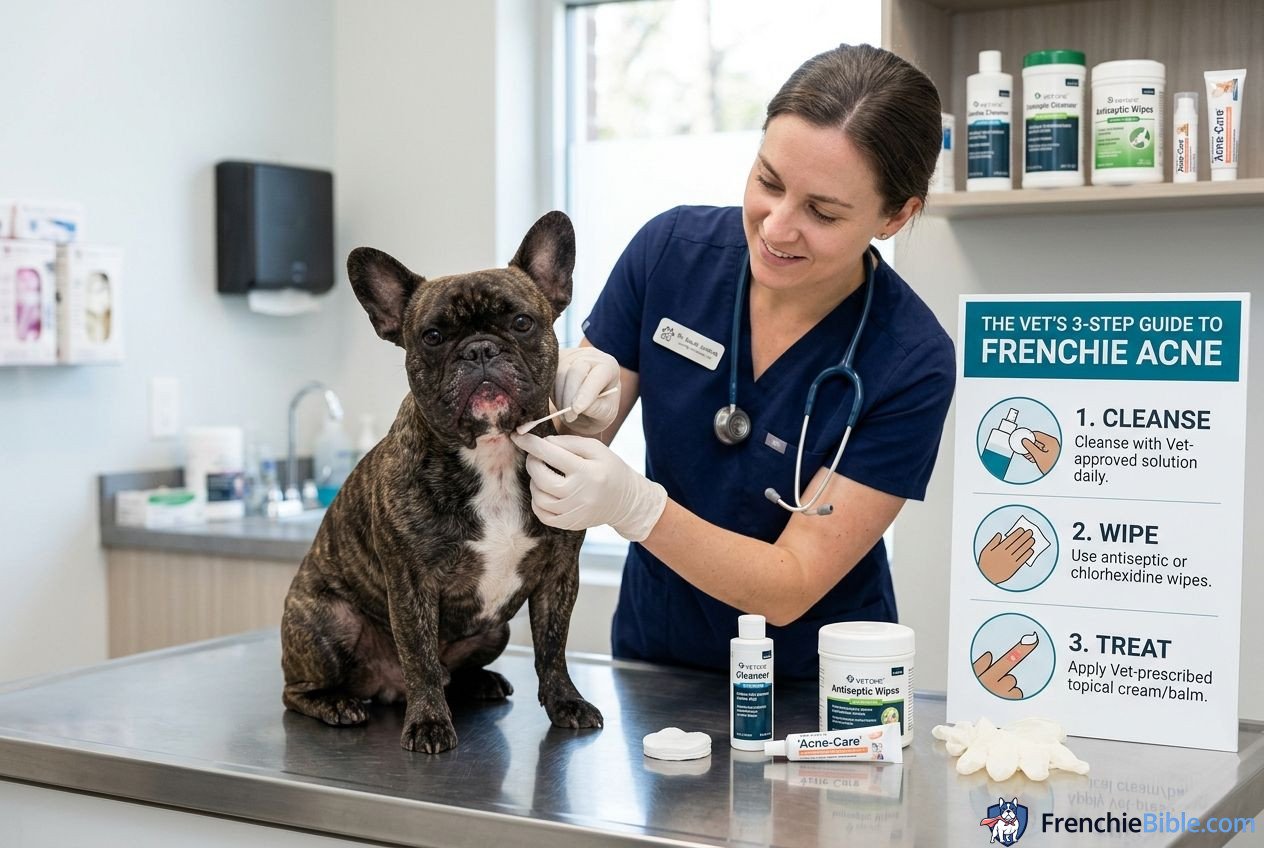
Here is my 3-Step Guide to clearing up your Frenchie’s chin acne.
Step 1: Gentle Cleansing and Exfoliation
The foundation of any acne treatment is keeping the area clean, removing excess oils, and flushing out the hair follicles.
What You Need:
– Chlorhexidine Wipes (2% to 4%): These are antibacterial and antifungal wipes designed specifically for veterinary use. They are excellent for daily maintenance.
– Benzoyl Peroxide Shampoo (2.5% to 5%): Benzoyl peroxide is the gold standard for canine acne. It is follicular flushing (meaning it penetrates deeply into the pores to clean them out), antibacterial, and mildly exfoliating.
– Warm, soft washcloths.
The Routine:
1. Daily Wiping (1-2 times per day): After your Frenchie eats, gently wipe their chin and lip folds with a damp washcloth to remove food debris. Follow this by swiping a chlorhexidine wipe over the affected area. Do not scrub aggressively, as this will further irritate the inflamed hair follicles.
2. Medicated Baths (1-2 times per week): Use the benzoyl peroxide veterinary shampoo exclusively on the chin and muzzle area.
– Wet the chin with warm water.
– Lather a small amount of the shampoo into the affected area.
– Crucial Step: You must leave the shampoo on the skin for 5 to 10 minutes before rinsing. Benzoyl peroxide requires contact time to penetrate the pores and kill bacteria. If you wash it off immediately, it will not work.
– Rinse thoroughly with warm water and pat completely dry.
Warning: Benzoyl peroxide can be drying to the skin. If your Frenchie’s chin becomes excessively dry, flaky, or red, reduce the frequency of the baths and consult your vet. Never use human acne products (like clearasil or salicylic acid pads) without consulting your vet, as they are often far too harsh for a dog’s skin and can be toxic if ingested.
Step 2: Topical Treatments and Infection Control
If cleansing alone is not enough, or if the acne is progressing to the pustule stage, you need to introduce topical treatments to kill the bacteria and soothe inflammation.
Veterinary Prescribed Topicals:
If you visit the clinic, your vet may prescribe:
– Mupirocin (Bactroban) Ointment: An excellent topical antibiotic that penetrates the skin well and is highly effective against staph infections.
– Topical Steroids (e.g., Hydrocortisone cream): Sometimes prescribed for a very short duration (3-5 days) to rapidly reduce severe swelling and itchiness. This should only be used under strict veterinary supervision, as long-term steroid use thins the skin and worsens infections.
Natural and Over-The-Counter Remedies (Use with Caution):
– Witch Hazel: A mild, natural astringent. You can dab a small amount of alcohol-free witch hazel on a cotton ball and apply it to the chin after cleaning. It helps to dry out excess oil and tighten pores.
– Aloe Vera Gel: Pure, unfragranced aloe vera can help soothe red, inflamed skin. Ensure it does not contain any toxic additives (like xylitol) in case your dog licks it.
– Coconut Oil (A Controversial Topic): While coconut oil has mild antibacterial properties and is highly moisturizing, it is also highly comedogenic (it clogs pores). I generally advise against using heavy oils on active blackheads, as it can trap bacteria and worsen the acne.
The Golden Rule: DO NOT POP THE PIMPLES.
As tempting as it may be to squeeze those blackheads or pop the whiteheads, you must resist. Squeezing a dog’s pimple pushes the bacteria and keratin deeper into the hair follicle, often causing the follicle to rupture beneath the skin. This turns a minor blackhead into a deep, painful, scarring cyst (furunculosis).
Step 3: Environmental and Dietary Adjustments
You can clean the chin daily, but if you don’t remove the root cause of the acne, it will keep coming back.
Ditch the Plastic:
Immediately throw away all plastic food and water bowls. Replace them with high-quality stainless steel, ceramic, or glass bowls.
– Stainless steel is non-porous, highly durable, and very easy to sanitize.
– Ensure you wash the bowls with hot, soapy water or run them through the dishwasher every single day. A stainless steel bowl that is never washed will still harbor bacteria.
Keep the Face Dry:
Bacteria thrive in moisture. If your Frenchie is a sloppy drinker, make a habit of keeping a small towel near the water bowl and gently dabbing their chin dry after they take a drink.
Evaluate the Diet:
If the acne is chronic and accompanied by other signs of allergies (ear infections, paw licking), it is time to look at their food.
– Consider transitioning to a high-quality, limited-ingredient diet or a novel protein diet (e.g., venison, duck, or rabbit) to rule out common allergens like chicken, beef, or wheat.
– Omega-3 fatty acid supplements (like high-quality fish oil) are excellent for improving the overall skin barrier function and reducing systemic inflammation. Consult your vet for the correct dosage for your Frenchie’s weight.
5. Advanced Veterinary Treatments: When to See the Vet
While the 3-step home care guide works for the majority of mild cases, some French Bulldogs develop severe, recalcitrant acne that requires professional medical intervention.
You should schedule a veterinary appointment if:
– The acne does not improve after 2-3 weeks of diligent home care.
– The chin is bleeding, oozing pus, or developing large, hard lumps.
– The dog is clearly in pain, rubbing its face obsessively, or refusing to eat.
– The acne is spreading to other parts of the face or body.
What to Expect at the Vet:
1. Skin Cytology or Scraping: The vet will likely take a swab or a small scraping of the affected area and look at it under a microscope. This helps identify if the infection is primarily bacterial, yeast (Malassezia), or if Demodex mites are present.
2. Bacterial Culture: In severe or non-responsive cases, a culture and sensitivity test may be sent to a lab to identify the exact strain of bacteria and determine which antibiotics will be most effective.
3. Systemic Antibiotics: For deep pyoderma (furunculosis), topical treatments are not enough. The dog will need oral antibiotics (such as Cephalexin or Clindamycin) for a prolonged period, typically 3 to 6 weeks. It is crucial to finish the entire course of antibiotics, even if the skin looks better, to prevent the creation of antibiotic-resistant bacteria.
4. Corticosteroids or Apoquel: To rapidly reduce severe pain and inflammation, a short course of oral steroids (like Prednisone) or anti-itch medications like Apoquel or Cytopoint may be administered alongside the antibiotics.
5. Medical Grade Laser Therapy: Some modern veterinary practices offer cold laser therapy, which is highly effective at reducing tissue inflammation and speeding up the healing of severe skin lesions without the side effects of drugs.
6. Long-Term Prevention: Keeping Your Frenchie’s Chin Clear
Once you have successfully cleared up the blackheads and acne, your goal shifts to prevention. Because of their genetics and anatomy, French Bulldogs will always be prone to relapses. Maintaining a clear chin requires lifelong management.
- Maintain Bowl Hygiene: Stick to stainless steel or ceramic, and wash them daily.
- Post-Meal Wipe Downs: Make it a habit to wipe your Frenchie’s face after every meal. Keep a container of chlorhexidine wipes or hypoallergenic baby wipes near their food station.
- Weekly Preventative Washing: Even when the chin looks clear, use the benzoyl peroxide shampoo once a week or once every two weeks as a preventative measure to keep the hair follicles flushed out.
- Regular Dental Care: Believe it or not, heavy tartar buildup and dental disease create a massive bacterial load in the dog’s mouth. When they drool, these bacteria spill onto the chin, contributing to acne. Regular tooth brushing and professional dental cleanings are vital for overall skin health.
- Weight Management: Overweight French Bulldogs have deeper, tighter skin folds around their neck and face, which trap more moisture and bacteria. Keeping your Frenchie at a lean, healthy weight is a crucial part of dermatological care.
7. Frequently Asked Questions (FAQ)
Can I pop my French Bulldog’s blackheads?
No. Absolutely not. Popping canine blackheads or pimples forces the bacteria, oil, and dead skin cells deeper into the hair follicle, causing it to rupture under the skin. This leads to a severe, painful infection (furunculosis) and can result in permanent scarring. Always treat topically and let the body expel the debris naturally.
Is chin acne painful for my Frenchie?
In its early stages (just blackheads), chin acne is usually not painful or itchy. However, once the hair follicles become inflamed, red, and swollen (pustules and nodules), it becomes highly painful and incredibly itchy. You may notice your dog rubbing their face on the carpet to seek relief.
Will my French Bulldog outgrow chin acne?
If the acne is strictly hormonal (“puppy acne”), yes, they will likely outgrow it by the time they are 12 to 18 months old. However, if the acne is caused by plastic bowls, poor fold hygiene, or allergies, it will persist throughout their adulthood until the root cause is addressed.
Are certain coat colors of French Bulldogs more prone to acne?
While the biological mechanism of acne is the same across all colors, acne and blackheads are simply much easier to see on lighter-colored dogs (creams, fawns, and pieds). Some breeding lines of dilute colors (blues and lilacs) are known to have generally more sensitive skin and weakened skin barriers (such as Color Dilution Alopecia), which can make them more susceptible to all types of skin infections, including acne.
Can I use human acne treatments on my dog?
Generally, no. Human acne products often contain high concentrations of salicylic acid, alpha-hydroxy acids, or harsh alcohols that are far too drying and acidic for a dog’s skin pH. Furthermore, dogs lick their lips, and ingesting human acne medication can be toxic. Stick to veterinary-formulated products like chlorhexidine and pet-safe benzoyl peroxide.
How long does it take to clear up canine acne?
With diligent adherence to the 3-step cleaning protocol and environmental changes, mild acne and blackheads should show significant improvement within 2 to 3 weeks. However, severe deep infections requiring oral antibiotics may take 4 to 8 weeks to completely heal.
Conclusion
Finding blackheads or red bumps on your French Bulldog’s chin can be alarming, but it is a very common and manageable condition. By understanding the anatomical and environmental factors that contribute to canine acne—especially the dangers of plastic bowls and the importance of fold hygiene—you can take proactive steps to protect your dog’s skin.
Remember, consistency is key. Stick to the vet-approved 3-step guide of gentle cleansing, appropriate topical treatments, and environmental adjustments. Resist the urge to pop those pimples, and if the condition worsens or appears painful, never hesitate to consult your veterinarian for professional medical care. With a little extra daily maintenance, your Frenchie’s chin will be clear, clean, and healthy in no time.
Author: Dr. [Your Name/Persona], Specialist French Bulldog Veterinarian & Breeding Consultant.
Disclaimer: We are not veterinarians and do not hold veterinary medical licenses. The information provided in this article is based on years of breeding and daily care experience and is for educational purposes only. It should not replace professional veterinary advice. Always consult with a licensed veterinarian if you have concerns about your French Bulldog’s health or before starting any new treatment.