
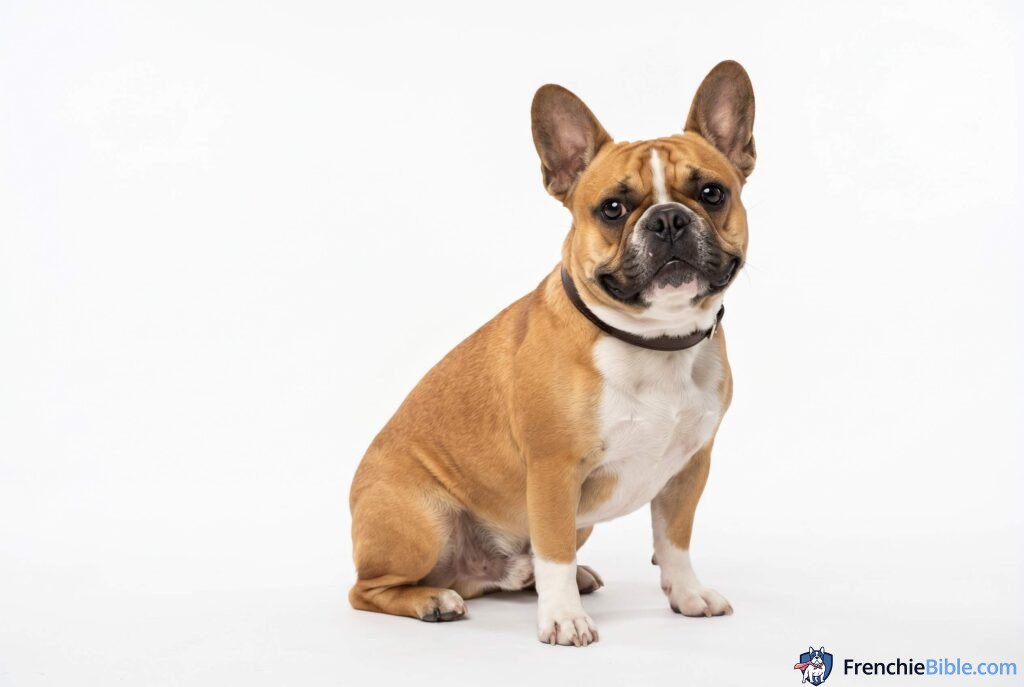
The French Bulldog, affectionately known as the “Frenchie,” is one of the most popular and beloved dog breeds worldwide. Renowned for their bat-like ears, compact muscular bodies, and charming personalities, Frenchies have captured the hearts of millions. However, as their popularity has surged, so too has the demand for “rare” and “exotic” variations of the breed. From blue and lilac coats to fluffy varieties, the market for unique Frenchies seems boundless. Yet, one of the most controversial and polarizing developments in recent years is the emergence of the “hairless french bulldog,” often referred to as the Hairless Frenchie.
This startling variation has sparked intense debate among veterinarians, ethical breeders, and canine welfare advocates. Is the Hairless French Bulldog a naturally occurring genetic mutation that we should embrace, or does it represent a profound loss of breeding ethics driven by human vanity and the pursuit of profit? as a French Bulldog expert and breeder and breeding expert, I aim to delve deep into the genetics, health implications, ethical dilemmas, and overall reality of the Hairless French Bulldog.
Related Reading: Training & Behavior | Frenchie Puppy Guide | Best Food for Frenchies
Introduction to the Hairless Frenchie Phenomenon
To understand the controversy surrounding the Hairless Frenchie, we must first look at the broader context of canine breeding and the human fascination with rarity. For centuries, humans have selectively bred dogs to emphasize specific traits, whether for work, companionship, or aesthetic appeal. In the context of the modern French Bulldog, the shift has moved heavily toward aesthetics.
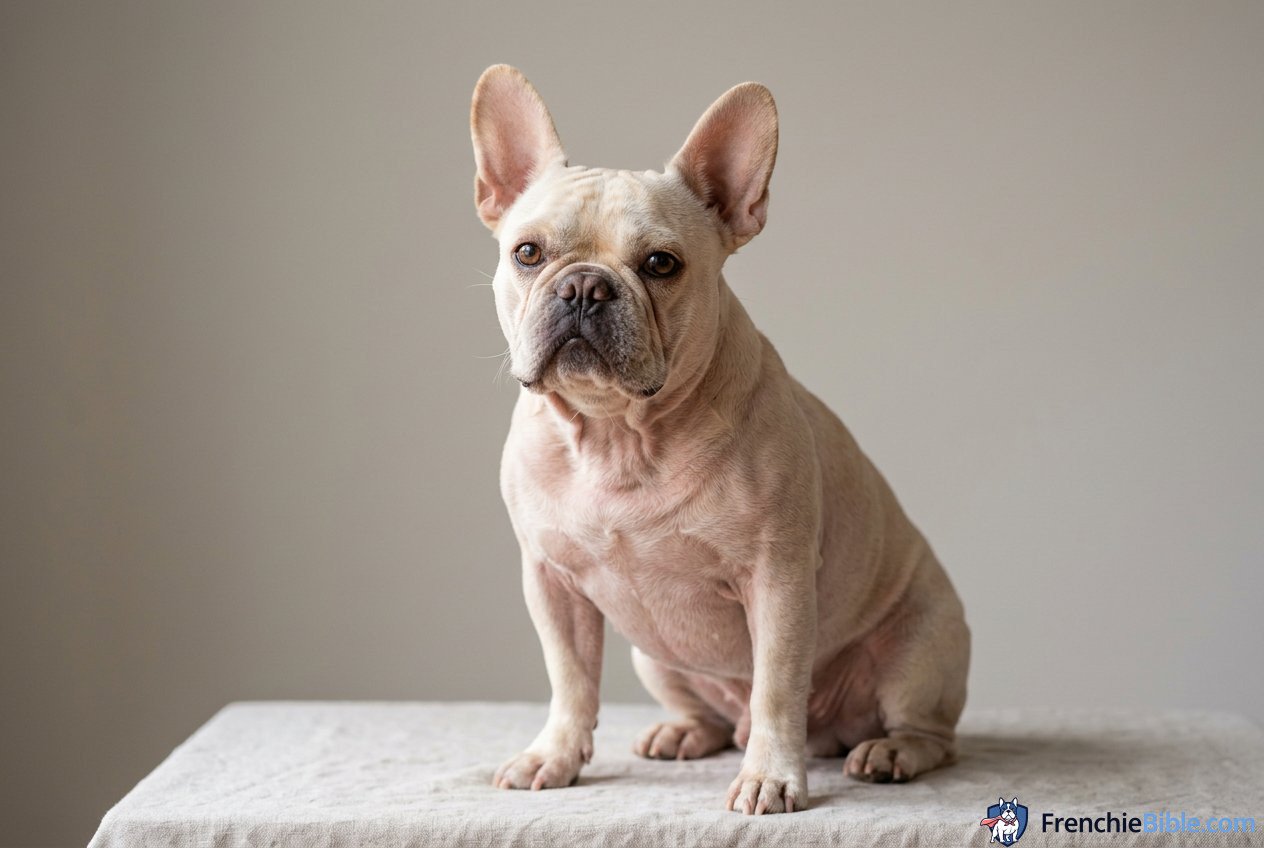
The appearance of a French Bulldog completely devoid of its standard short, smooth coat is a jarring sight for breed purists. The Hairless Frenchie typically presents with smooth, bare skin, sometimes with sparse patches of hair on the head, paws, or tail. Their skin often displays the pigmentation patterns that would normally be seen in their fur—such as pied, brindle, or merle—rendered directly on the skin.
Proponents of this variation argue that they are unique, hypoallergenic (a claim we will examine later), and visually striking. Detractors, however, view them as the ultimate manifestation of “fad breeding”—a practice where breeders prioritize extreme and often detrimental physical traits simply because they can command exorbitant prices in the exotic dog market.
But how did the Hairless Frenchie come to be? Is it a sudden, spontaneous mutation within the purebred French Bulldog gene pool, or is it the result of intentional, undisclosed crossbreeding with naturally hairless breeds? To answer this, we must dive into the complex world of canine genetics.
The Genetics Behind the Hairless French Bulldog
Genetics forms the blueprint of every living creature, dictating everything from eye color to susceptibility to certain diseases. In dogs, the presence or absence of hair is controlled by specific genetic markers. When evaluating the Hairless Frenchie, we must look at the known mutations that cause hairlessness in other canine breeds.
The FOXI3 Gene Mutation
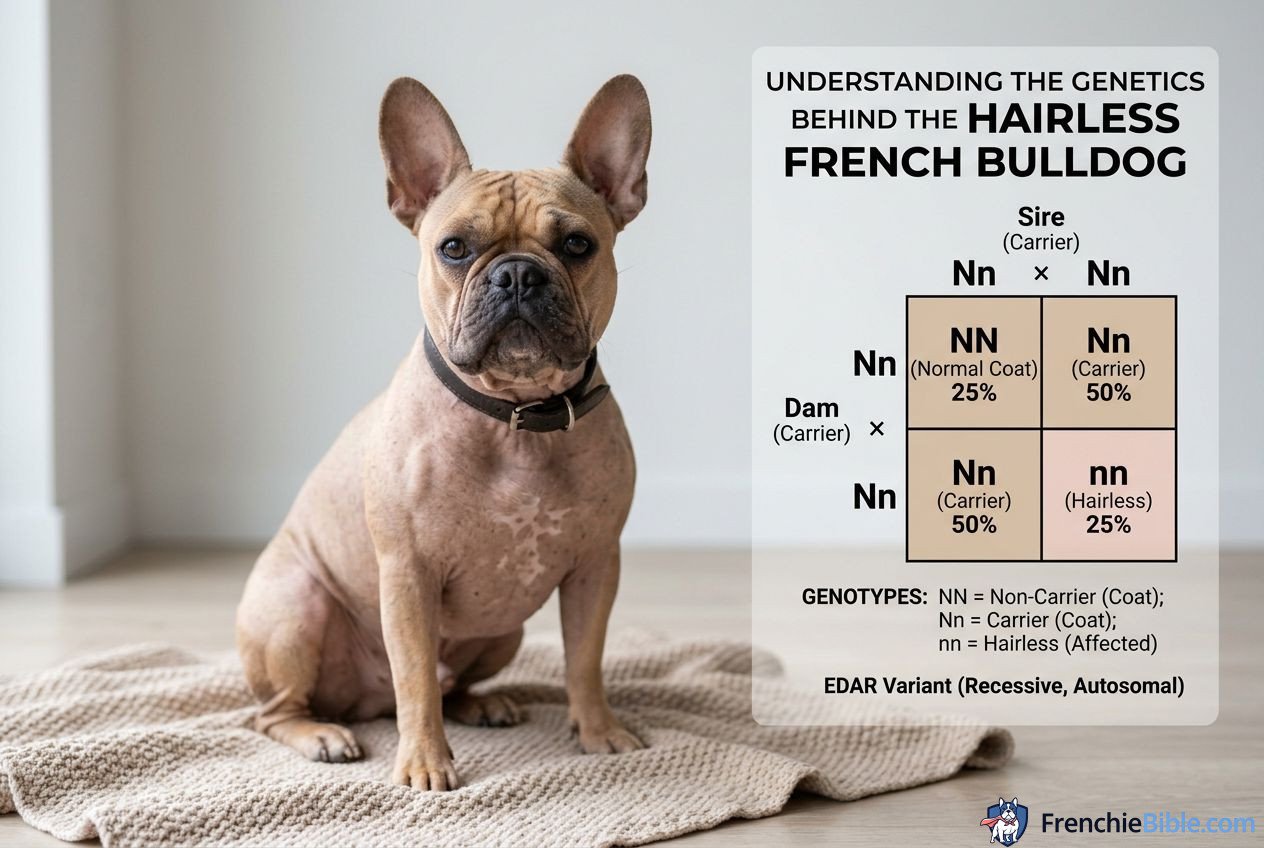
In recognized hairless breeds such as the Chinese Crested, the Mexican Hairless Dog (Xoloitzcuintli), and the Peruvian Inca Orchid (Peruvian Hairless Dog), hairlessness is primarily driven by a mutation in the FOXI3 gene. The FOXI3 gene is a transcription factor critical for the development of hair follicles and teeth.
The mutation that causes hairlessness in these breeds is an autosomal dominant trait. This means that a dog only needs to inherit one copy of the mutated gene (heterozygous) to express the hairless phenotype. Interestingly, this mutation is homozygous lethal in utero. This means that if a puppy inherits two copies of the mutated hairless gene (one from each parent), it will not survive gestation and will be reabsorbed or miscarried. Therefore, all living hairless dogs of these breeds have one copy of the hairless gene and one copy of the normal, coated gene.
When we observe Hairless French Bulldogs, genetic testing has often revealed the presence of the exact same FOXI3 mutation or a similar dominant hairless gene. Since this mutation is not naturally occurring or historically documented within the purebred French Bulldog lineage, its sudden appearance raises significant questions about how it entered the gene pool.
Recessive vs. Dominant Hairless Traits
While the dominant FOXI3 mutation is the most common cause of hairlessness in dogs, there is another type: a recessive hairless mutation. The American Hairless Terrier, for example, owes its lack of coat to a recessive mutation in the SGK3 gene. In this case, a dog must inherit two copies of the mutated gene to be hairless. This type of hairlessness is not typically associated with the severe dental abnormalities seen in the dominant FOXI3 mutation.
However, the majority of Hairless French Bulldogs that have been genetically analyzed show characteristics consistent with the dominant FOXI3 mutation (such as accompanying dental issues), strongly suggesting that the trait was introduced from breeds that carry this specific genetic marker.
Crossbreeding and Introducing the Hairless Trait
From a veterinary and genetic perspective, the sudden emergence of a dominant hairless gene in the French Bulldog population is highly improbable as a spontaneous, naturally occurring mutation. The scientific consensus is that the Hairless Frenchie is the result of intentional crossbreeding (outcrossing).
Unethical breeders seeking to create a “new” and “lucrative” variation likely crossed a French Bulldog with a hairless breed, such as a Chinese Crested or a Xoloitzcuintli. The resulting offspring, carrying the dominant hairless gene, would then be backcrossed to French Bulldogs over several generations. This backcrossing aims to dilute the physical characteristics of the hairless breed while retaining the hairless mutation, eventually producing a dog that looks structurally like a French Bulldog but lacks hair.
While outcrossing can be a legitimate tool in animal breeding (for instance, to introduce genetic diversity or correct a breed-wide health defect, like the Dalmatian-Pointer cross project to eliminate hyperuricosuria), it requires extreme transparency, rigorous health testing, and a clear goal of improving breed health. In the case of the Hairless Frenchie, the outcrossing is done clandestinely, solely for aesthetic novelty and financial gain, introducing a host of severe health vulnerabilities in the process.
Health Implications of the Hairless Gene in Frenchies
as a French Bulldog expert and breeder, my primary concern is always the health and welfare of the animal. The French Bulldog is already a brachycephalic (flat-faced) breed predisposed to a myriad of health issues, including Brachycephalic Obstructive Airway Syndrome (BOAS), spinal anomalies (hemivertebrae), and severe allergies. Introducing the hairless gene compounds these existing vulnerabilities, creating a dog that requires intensive, lifelong medical management.
Skin Conditions and Vulnerabilities
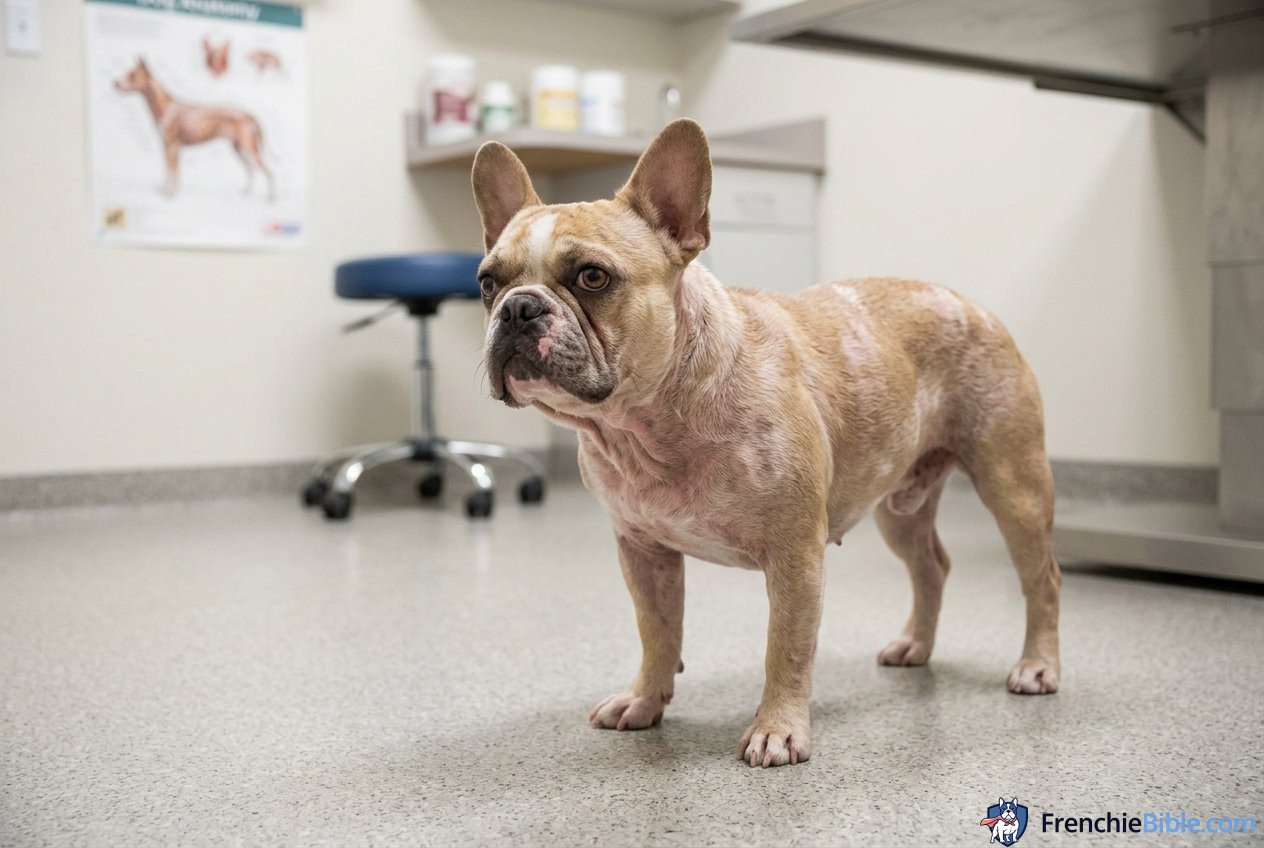
A dog’s coat serves as its primary defense against the environment. It regulates temperature, protects against physical trauma, and shields the skin from harmful ultraviolet (UV) radiation. Stripping a French Bulldog of its coat leaves its skin entirely exposed.
- Sunburn and Skin Cancer: Hairless Frenchies are incredibly susceptible to sunburn. Just like humans, unprotected exposure to the sun can lead to severe burns and significantly increases the risk of skin cancers such as squamous cell carcinoma and melanoma. Owners must apply pet-safe sunscreen diligently whenever the dog is outdoors, a requirement that is often overlooked or inadequately managed.
- Acne and Comedones: The hair follicles in hairless dogs can easily become clogged with sebum, dirt, and dead skin cells, leading to severe outbreaks of acne, blackheads (comedones), and bacterial folliculitis. The skin of a Hairless Frenchie requires frequent bathing with specialized veterinary shampoos, exfoliation, and the application of non-comedogenic moisturizers to prevent painful skin infections.
- Physical Trauma: Without a protective coat, Hairless Frenchies are prone to cuts, scrapes, and abrasions from everyday activities. Playing with other dogs, running through brush, or simply scratching an itch can result in skin damage that may become infected.
Temperature Regulation Issues
Dogs do not sweat through their skin like humans; they rely on panting and their coat to regulate body temperature. A coat acts as insulation, keeping the dog warm in the winter and protecting them from extreme heat in the summer.
Hairless Frenchies lack this vital insulation. They are highly sensitive to cold and require sweaters, coats, and heated environments during cooler months to prevent hypothermia. Conversely, during hot weather, their inability to regulate temperature efficiently, compounded by their brachycephalic airway structure which already makes panting inefficient, puts them at an extreme risk for life-threatening heatstroke.
Dental Abnormalities Associated with Hairlessness
As mentioned earlier, the dominant FOXI3 mutation is a crucial transcription factor for both hair and dental development. Because of this, hairless breeds with this mutation almost universally suffer from severe dental abnormalities. This condition is known as canine ectodermal dysplasia.
Hairless French Bulldogs frequently exhibit missing teeth, misaligned teeth, abnormally shaped teeth (often described as peg-like or tusk-like), and early tooth loss. Furthermore, the enamel on their existing teeth is often thin and prone to rapid decay and fracture. This not only causes the dog significant pain and difficulty eating but also necessitates frequent and expensive veterinary dental procedures, including extractions and specialized periodontal care.
Immune System Concerns
While less documented, there is ongoing veterinary debate regarding the overall immune competence of dogs bred specifically for extreme aesthetic traits. The genetic bottleneck created by breeding for recessive or rare dominant traits often brings along linked genetic defects. Furthermore, chronic skin infections and severe dental disease place a constant burden on the Hairless Frenchie’s immune system, potentially leaving them vulnerable to other systemic illnesses.
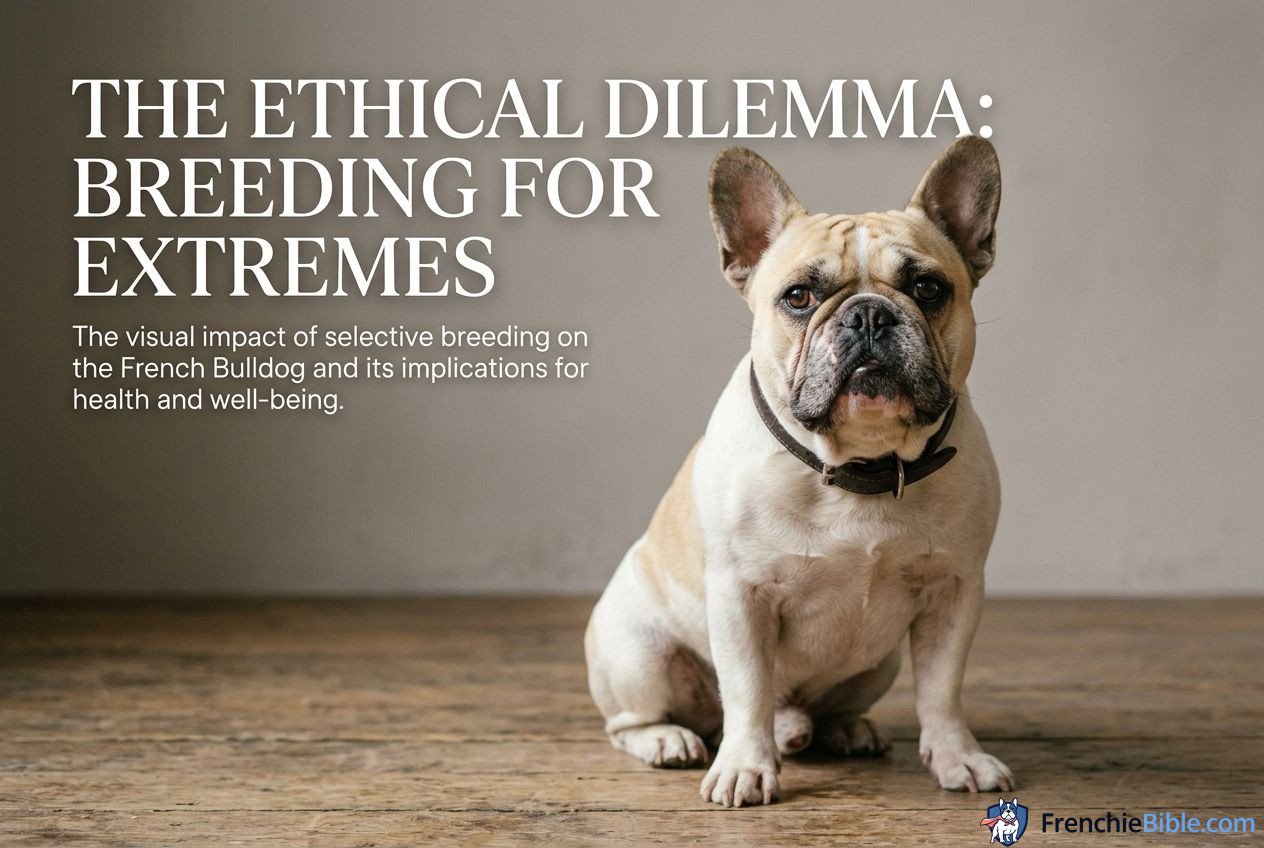
The Ethical Dilemma: Breeding for Extremes
The emergence of the Hairless French Bulldog forces us to confront a profound ethical dilemma: At what point does human preference cross the line into animal cruelty? Breeding practices should fundamentally aim to produce physically and mentally healthy animals. The Hairless Frenchie represents a stark departure from this principle.
The Role of ‘Fad’ Breeding
“Fad breeding” refers to the practice of producing dogs with specific, often extreme, physical traits simply because they are currently popular and command high prices. In the French Bulldog world, we have seen fads for “micro” sizes, extreme brachycephaly (ultra-flat faces), exotic colors (merle, isabella), and now, hairlessness.
Fad breeders treat dogs as commodities or fashion accessories rather than sentient beings. They exploit the public’s desire for uniqueness, often charging tens of thousands of dollars for a Hairless Frenchie puppy. This profit motive completely overrides any consideration for the animal’s long-term health or quality of life.
Compromising Health for Appearance
Breeding a Hairless Frenchie requires intentionally introducing a mutation that causes known, severe health problems (ectodermal dysplasia, skin vulnerability, temperature dysregulation) into a breed that is already struggling with a heavy genetic health burden (BOAS, spinal disease).
From a veterinary standpoint, intentionally breeding an animal that is guaranteed to suffer from dental disease and requires lifelong dermatological intervention is ethically indefensible. We are essentially creating disabled animals for our own visual gratification. The ethical breeder’s mantra should be “health over hype,” a concept that is entirely absent in the creation of the Hairless French Bulldog.
Animal Welfare Perspectives
Animal welfare organizations worldwide have condemned the breeding of Hairless French Bulldogs. The British Veterinary Association (BVA) and other international veterinary bodies have spoken out against extreme breeding practices. The consensus is that breeding for traits that inherently compromise an animal’s welfare, cause suffering, or require intensive, unnatural medical management just to survive comfortably, is a violation of animal welfare principles.
We must ask ourselves: Is it fair to the dog to be born without the ability to protect its skin from the sun, to shiver uncontrollably in mild weather, and to lose its teeth prematurely, all so we can own a “rare” pet? The resounding ethical answer is no.
The True Cost of Owning a Hairless Frenchie
Many prospective owners are drawn to the unique appearance of the Hairless Frenchie without fully comprehending the immense responsibility and financial burden involved in their care. Owning one of these dogs is not simply a matter of having a pet without fur; it is akin to adopting a dog with special medical needs.
Specialized Skincare and Grooming
While they do not require brushing or traditional haircuts, Hairless Frenchies demand intense skincare routines.
- Bathing: They require frequent bathing (often weekly) with specific veterinary-grade, hypoallergenic, and antibacterial shampoos to prevent acne and skin infections.
- Moisturizing: After bathing, their skin must be meticulously moisturized with non-comedogenic lotions to prevent painful drying and cracking.
- Sun Protection: Every time the dog steps outside during daylight, pet-safe sunscreen must be applied to all exposed areas. Alternatively, they must wear UV-protective clothing. Failure to do so risks severe sunburn and skin cancer.
Veterinary Bills and Long-term Care
The veterinary costs associated with a Hairless Frenchie are astronomical compared to a standard French Bulldog.
- Dermatology: Owners should expect frequent visits to veterinary dermatologists to manage chronic skin conditions, acne breakouts, and potential skin lesions.
- Dentistry: Due to the genetic dental abnormalities, these dogs require specialized dental cleanings, frequent extractions, and management of periodontal disease, often requiring general anesthesia.
- Standard Frenchie Health Issues: In addition to the hairless-specific issues, owners must also be prepared to manage the standard French Bulldog health concerns, such as airway surgery (BOAS correction), allergy management, and potential spinal issues.
Lifestyle Adjustments for the Owner
Owning a Hairless Frenchie dictates a significant lifestyle adjustment.
- Temperature Control: The owner’s home must be kept at a strictly controlled temperature.
- Wardrobe: The dog will require a vast wardrobe of high-quality, non-irritating clothing for warmth in the winter and sun protection in the summer.
- Vigilance: Owners must be hyper-vigilant about their dog’s environment, ensuring they do not play too roughly and injure their delicate skin, and constantly monitoring them for signs of overheating or hypothermia.
Are Hairless Frenchies Recognized by Kennel Clubs?
The short answer is no. Major, reputable canine registries worldwide do not recognize the Hairless French Bulldog, nor do they accept the hairless trait in their breed standards.
AKC Standards
The American Kennel Club (AKC) breed standard for the French Bulldog is explicit regarding the coat. It states that the coat must be “moderately fine, brilliant, short and smooth.” Any alteration from this, including a lack of coat, is considered a severe fault or disqualification. The AKC exists to preserve the historical integrity and health of recognized breeds, and the Hairless Frenchie fundamentally violates the established standard.
FCI Standards
The Fédération Cynologique Internationale (FCI), the largest international canine organization, holds a similar stance. Their standard requires a smooth, short coat. Furthermore, the FCI has become increasingly strict regarding health and extreme conformations, making it highly unlikely they would ever accept a trait introduced via crossbreeding that carries inherent health defects like ectodermal dysplasia.
Why They Are Disqualified
Kennel clubs disqualify Hairless Frenchies for two main reasons:
1. Deviation from Breed Type: The hairless trait is not indigenous to the French Bulldog. Recognizing it would mean validating the unethical crossbreeding used to introduce it.
2. Health and Welfare Concerns: Reputable registries are increasingly focusing on breed health. Endorsing a mutation that intrinsically causes dental disease and severe skin vulnerabilities goes against the core mission of promoting healthy, sound dogs.
Therefore, any breeder claiming their Hairless Frenchies are “registered” is likely using a less reputable, “designer dog” registry that allows the registration of mixed breeds and extreme mutations purely for the sake of providing “papers” to justify high prices.
How to Identify Responsible Breeding Practices
Given the controversy and the proliferation of unethical breeders capitalizing on the Hairless Frenchie fad, it is crucial for prospective dog owners to know how to identify a responsible breeder.
Warning Signs of Unethical Breeders
If you are looking for a French Bulldog and encounter a breeder offering hairless varieties, consider it a massive red flag. Other warning signs include:
- Focusing on “Rare” Colors or Traits: Breeders who advertise “exotic,” “rare,” “fluffy,” or “hairless” Frenchies as their primary selling point are prioritizing profit over health.
- Exorbitant Prices: Unethical breeders charge incredibly high prices (often $10,000 to $30,000+) for these “rare” mutations.
- Lack of Health Testing: Fad breeders rarely perform necessary health clearances (like OFA for spine, hips, heart, and genetic panels) because their breeding stock would likely fail.
- Refusal to Allow Home Visits: If a breeder will not let you see where the puppies are raised or meet the mother, they may be running a puppy mill or a substandard breeding facility.
What to Look for in a Responsible Frenchie Breeder
A responsible, ethical French Bulldog breeder will prioritize the following:
- Health and Structure: They breed specifically to improve the health of the French Bulldog, aiming for better airways, sound spines, and an end to extreme brachycephaly.
- Standard Colors and Coats: They adhere to the established breed standard and do not intentionally breed for disqualifying colors or traits like hairlessness.
- Comprehensive Health Testing: They will transparently provide proof of rigorous health testing (OFA, CHIC) for both parent dogs.
- Lifelong Commitment: Ethical breeders interview potential buyers carefully and offer a lifelong return policy if the owner can no longer care for the dog. They are dedicated to the welfare of the puppies they produce for their entire lifespan.
Frequently Asked Questions (FAQ)
Are Hairless French Bulldogs purebred?
No, they are not naturally purebred. The hairless gene does not exist naturally in the purebred French Bulldog lineage. Genetic evidence strongly suggests that the trait was introduced through clandestine crossbreeding with a hairless breed (like a Chinese Crested) several generations ago, followed by backcrossing to French Bulldogs to regain the breed’s physical shape. Therefore, they are technically mixed-breed dogs or “designer mutts.”
How much do Hairless Frenchies cost?
Because unethical breeders market them as “rare” and “exotic,” Hairless Frenchies are often sold for astronomical prices. Prices can range anywhere from $5,000 to upwards of $30,000. This high price tag is purely based on the novelty of the mutation and the greed of the breeder, not on the quality, health, or pedigree of the dog.
Do Hairless French Bulldogs need sunscreen?
Absolutely. The lack of a protective coat means their skin is highly vulnerable to ultraviolet (UV) radiation. Just like humans with fair skin, they can easily get severe sunburns and have a significantly higher risk of developing skin cancer. Pet-safe, non-toxic sunscreen must be applied to all exposed skin whenever they are outdoors during the day, or they must wear UV-protective clothing.
Are Hairless Frenchies hypoallergenic?
This is a common myth. While they do not shed hair like a standard dog, no dog is truly 100% hypoallergenic. Allergies in humans are typically triggered by a protein found in a dog’s dander (dead skin cells), saliva, and urine—not the hair itself. Hairless dogs still produce dander, saliva, and urine. In fact, because their skin is exposed and often prone to flaking or conditions that require frequent bathing, they can still trigger significant allergic reactions in sensitive individuals.
What is the lifespan of a Hairless French Bulldog?
The lifespan of a standard, healthy French Bulldog is typically 10 to 12 years. However, the lifespan of a Hairless Frenchie can be highly variable and potentially compromised. The compounding health issues—including severe dental disease from ectodermal dysplasia, chronic skin infections, risk of skin cancer, and extreme temperature sensitivity—added to the breed’s existing propensity for airway and spinal problems, can significantly impact their quality of life and potentially shorten their lifespan if they do not receive impeccable, intensive veterinary care.
Conclusion: Prioritizing Health Over Hype
as a French Bulldog expert and breeder who has dedicated a career to the health and well-being of dogs, witnessing the rise of the Hairless French Bulldog is deeply disheartening. The creation of this variation represents a severe loss of breeding ethics. It is a stark example of human vanity superseding animal welfare, where a genetic mutation causing known health deficits is intentionally propagated for profit.
The Hairless Frenchie is not a miraculous natural evolution of the breed; it is the result of unethical crossbreeding that sentences the animal to a lifetime of intensive dermatological care, painful dental abnormalities, and severe vulnerability to the elements. They are disqualified by all major ethical kennel clubs for good reason.
If you love the French Bulldog breed, the most impactful thing you can do is to refuse to support the market for “fad” and “exotic” variations. Seek out responsible breeders who dedicate their lives to improving the health, structure, and breathing of the standard French Bulldog. We must collectively shift the focus away from extreme, unnatural aesthetics and return to the fundamental principle of animal breeding: ensuring the health, happiness, and welfare of the dogs we bring into the world. Choosing health over hype is the only ethical path forward for the beloved French Bulldog.
Disclaimer: We are not veterinarians and do not hold veterinary medical licenses. The information provided in this article is based on years of breeding and daily care experience and is for educational purposes only. It should not replace professional veterinary advice. Always consult with a licensed veterinarian if you have concerns about your French Bulldog’s health or before starting any new treatment.