If you are considering bringing a French Bulldog into your home, or if you already share your life with one of these affectionate, bat-eared companions, you have likely asked yourself one highly practical question: do french bulldogs shed a lot? as a French Bulldog expert and breeder and breeding expert dedicated to this wonderful breed for many years, as well as an ensuring dog owners get accurate information online I hear this question daily in my breeding program and see it searched thousands of times a month.
The short, honest answer is yes, they do shed. Despite their short, smooth coats French Bulldogs are not exempt from the natural, biological process of shedding. In fact, many first-time owners are completely caught off guard by the sheer volume of hair these compact, muscular dogs can leave on furniture, clothing, carpets, and floors.
Related Reading: Training & Behavior | Frenchie Puppy Guide | Best Food for Frenchies
The misconception that short-haired dogs do not shed is prevalent and persistent. However, the reality of living with a Frenchie means understanding their specific coat dynamics, recognizing what constitutes normal versus abnormal hair loss from a medical perspective, and, crucially, learning how to manage the dreaded twice-a-year shedding season. This comprehensive survival guide is meticulously designed to equip you with professional insights, highly actionable strategies, and veterinary-approved advice to keep your French Bulldog’s coat vibrantly healthy and your home (mostly) hair-free.
By the end of this 3000+ word deep-dive, you will transform from an overwhelmed Frenchie parent to an educated, proactive owner capable of mastering the shedding cycle. Let us dive into the fascinating, sometimes frustrating world of the French Bulldog coat.
Understanding the French Bulldog Coat: Short Hair Big Surprises
To truly comprehend why and how your Frenchie sheds, we must first look at the microscopic anatomy of their coat and the biology of canine hair growth.
The Anatomy of a Frenchie’s Coat
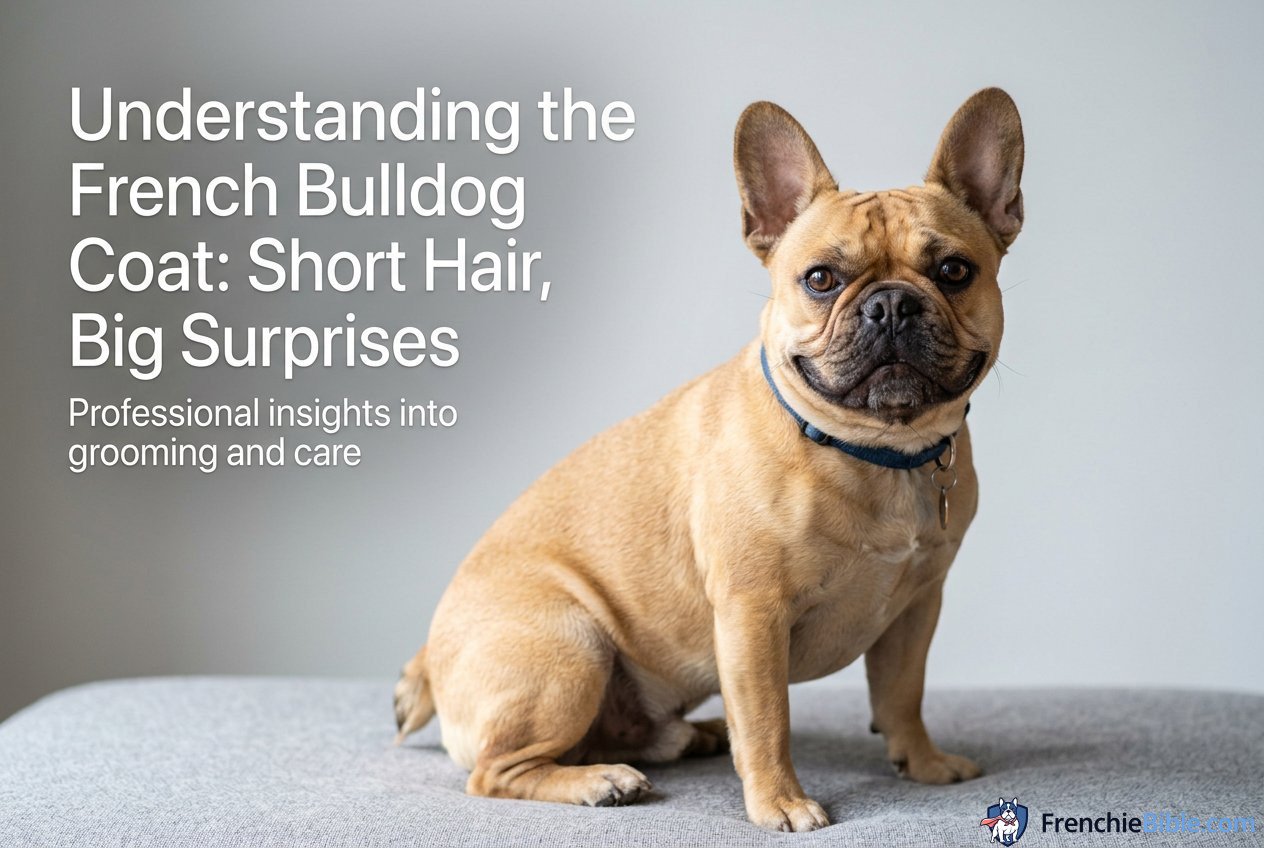
A standard French Bulldog’s coat is typically short, smooth, fine, and brilliant. It lies completely flat against the body, giving them their characteristic sleek and aerodynamic appearance. From a biological standpoint, every single hair on your dog’s body goes through a continuous, four-stage growth cycle:
1. Anagen (Growth Phase): The hair is actively growing from the follicle.
2. Catagen (Transitional Phase): Growth stops, and the hair follicle shrinks.
3. Telogen (Resting Phase): The hair remains dormant in the follicle.
4. Exogen (Shedding Phase): The hair naturally detaches and falls out, making room for a new hair in the anagen phase.
Because Frenchies have physically shorter hair shafts, the total lifecycle of each individual hair is relatively short compared to long-haired breeds like Golden Retrievers Poodles, or Afghan Hounds. This means that while they aren’t dropping long, tumbleweed-like clumps of fur, they are constantly cycling through hairs at a highly rapid pace. These tiny, bristle-like hairs can easily weave their way into the fabric of your couch, the fibers of your carpet, and the threading of your clothes, making them surprisingly stubborn to remove.
Single Coat vs. Double Coat: What Do Frenchies Have?
The official breed standard set by kennel clubs worldwide describes the French Bulldog as having a single, short coat. However, as a breeding expert who has analyzed thousands of pedigrees and examined countless dogs I can tell you that the reality on the ground is slightly more nuanced.
While the vast majority of well-bred Frenchies possess a true single coat—meaning they entirely lack the dense, fluffy, insulating undercoat found in breeds like Siberian Huskies Corgis, or German Shepherds—some French Bulldogs, particularly those bred in colder climates or those with specific overlapping genetic lineages, can actually develop a very slight, sparse undercoat.
A true single-coated Frenchie will shed consistently, yet moderately, year-round. There is no massive undercoat to “blow.” However, if your Frenchie possesses even a minimal underlying layer of fur, you will notice a significant, sometimes shocking, uptick in shedding during seasonal transitions. Regardless of the exact coat type, the sheer density of hair follicles packed tightly onto a French Bulldog’s compact, muscular frame means that there is a substantial amount of hair constantly turning over.
So Do French Bulldogs Actually Shed A Lot? The Honest Truth
Let’s address the elephant in the room: shedding is entirely subjective. What one experienced dog owner considers “a manageable amount” might be horrifying to someone used to living in a pet-free, pristine environment. But statistically and practically speaking, among veterinarians and groomers French Bulldogs are considered moderate to heavy shedders within the specific category of short-haired breeds. They shed more than a Doberman Pinscher, but significantly less than a Labrador Retriever.
The Myth of the “Hypoallergenic” Frenchie
First and foremost, it is critical to dispel a dangerous marketing myth: French Bulldogs are absolutely not hypoallergenic. In truth, no dog is 100% hypoallergenic. However, some breeds produce less dander. Frenchies produce a highly normal, standard amount of dander (microscopic dead skin cells) and shed continuously.
If you or a family member suffers from severe dog allergies, bringing a French Bulldog into the home may trigger severe allergic reactions, asthma attacks, or chronic rhinitis. The allergens are not just in the hair; they are primarily attached to the dander, saliva, and urine, which are then distributed widely around your home via the shed hair acting as a carrier. If allergies are a concern, spending extensive time with an adult Frenchie before committing to ownership is a medical necessity.
How Much Shedding is Normal?
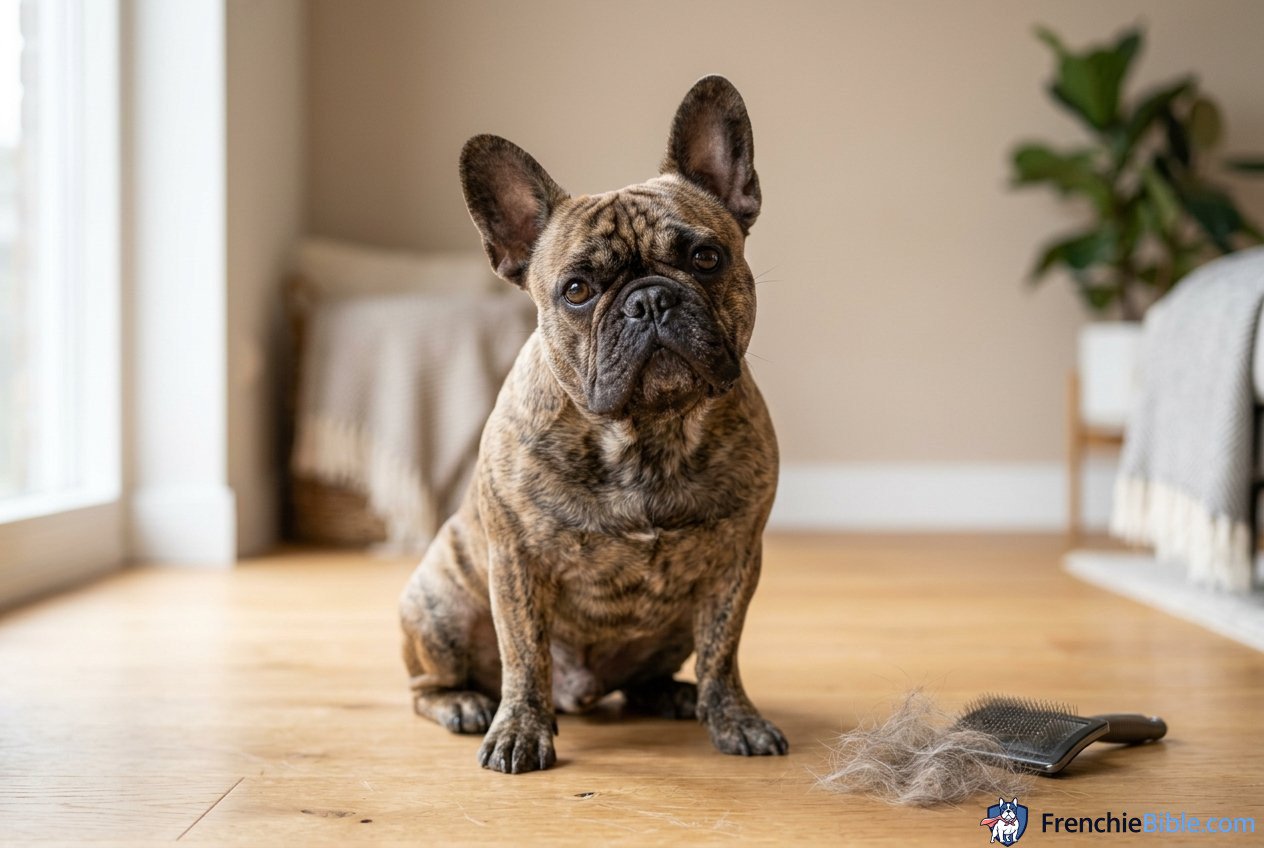
To gauge what is “normal,” we need a baseline. Normal shedding for a healthy Frenchie means you will definitely find hair on your dark-colored clothes after a cuddling session. You will need to vacuum your floors, especially hardwood and tile where hair accumulates in corners, at least two to three times a week. Your dog’s primary bedding will accumulate a visible layer of fur over a week. When you run your hand firmly from their head down to their tail, it is completely normal to come away with a dozen or so hairs on your palm.
However, if your dog is leaving behind thick layers of hair every single time they stand up, if their coat looks visibly thin, or if you can pull out loose clumps of fur with gentle tugs leaving bare skin behind, they have crossed the threshold from normal shedding to excessive shedding, requiring medical or dietary intervention.
The Bi-Annual Blowout: Navigating the Twice-A-Year Shedding Seasons
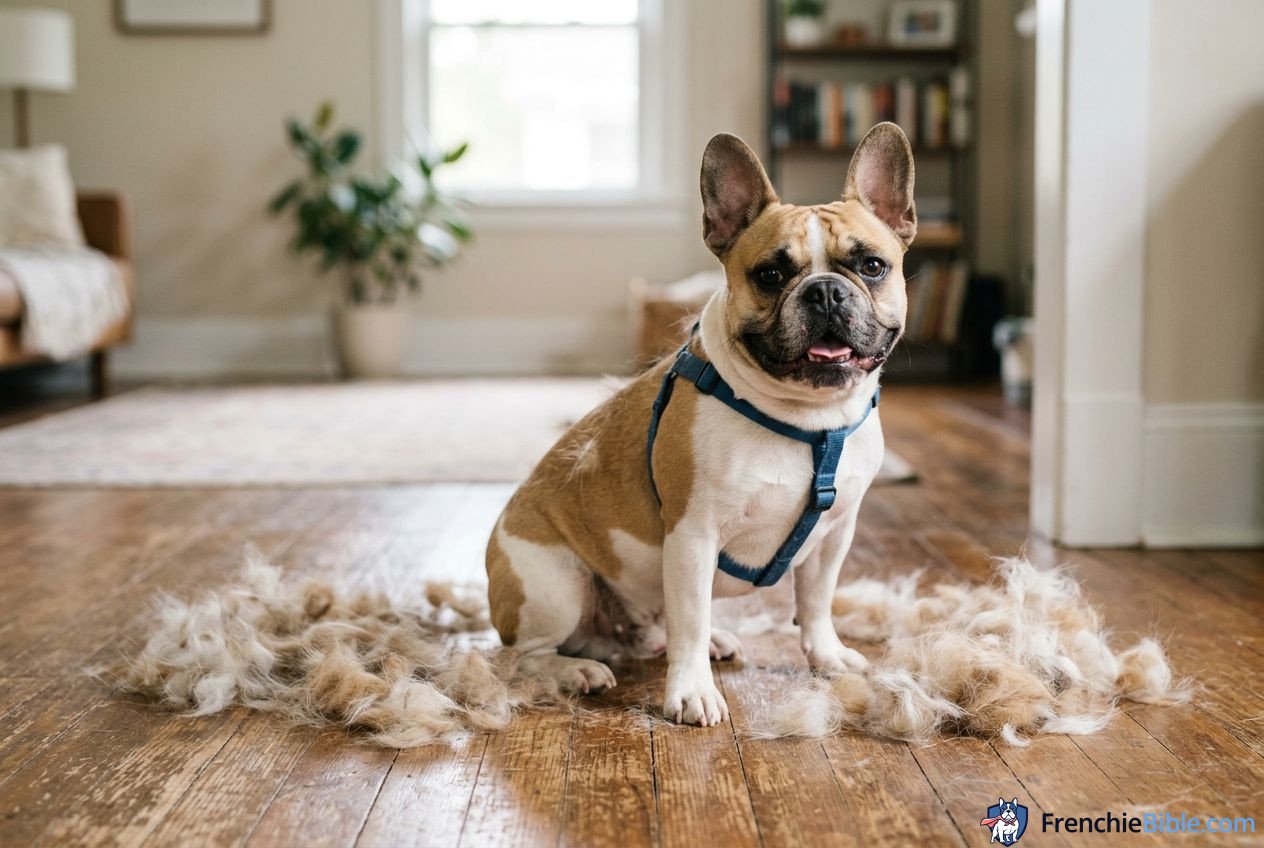
While French Bulldogs undergo a constant, year-round turnover of hair, many owners experience what we refer to in the veterinary and grooming world as “blowing the coat.” This intense phenomenon typically occurs twice a year, driven by environmental cues, specifically changes in daylight hours (known scientifically as photoperiodism) and dramatic temperature fluctuations.
Spring Shedding: Shedding the Winter Coat
As the freezing winter thaws into a warmer spring, the days become noticeably longer. This shift in daylight triggers a biological, hormonal response in your Frenchie’s endocrine system. To prepare for the hot, humid summer months ahead, your dog will aggressively shed their thicker, slightly denser winter coat to make way for a lighter, more breathable summer coat.
This spring blowout is almost always the most dramatic and frustrating shedding period of the year. You may notice severely increased hair loss for anywhere from three to six weeks. During this time, the constant turnover of hair accelerates exponentially, and proactive grooming transitions from a weekly chore to an absolute daily essential to prevent your house from being entirely covered in a layer of fine dog hair.
Autumn Shedding: Preparing for the Cold
Conversely, as the intense heat of summer fades, autumn approaches, and the days grow rapidly shorter, your Frenchie’s body prepares for dropping temperatures and winter chills. They will actively shed their light summer coat to stimulate the rapid growth of a thicker, denser winter coat designed for thermal regulation.
While sometimes slightly less intense than the massive spring blowout, the autumn shedding season still requires a heightened level of attention to grooming and coat care. You will notice the hair they drop in autumn might feel slightly different in texture than the hair dropped in spring.
What Triggers Excessive Shedding in French Bulldogs?
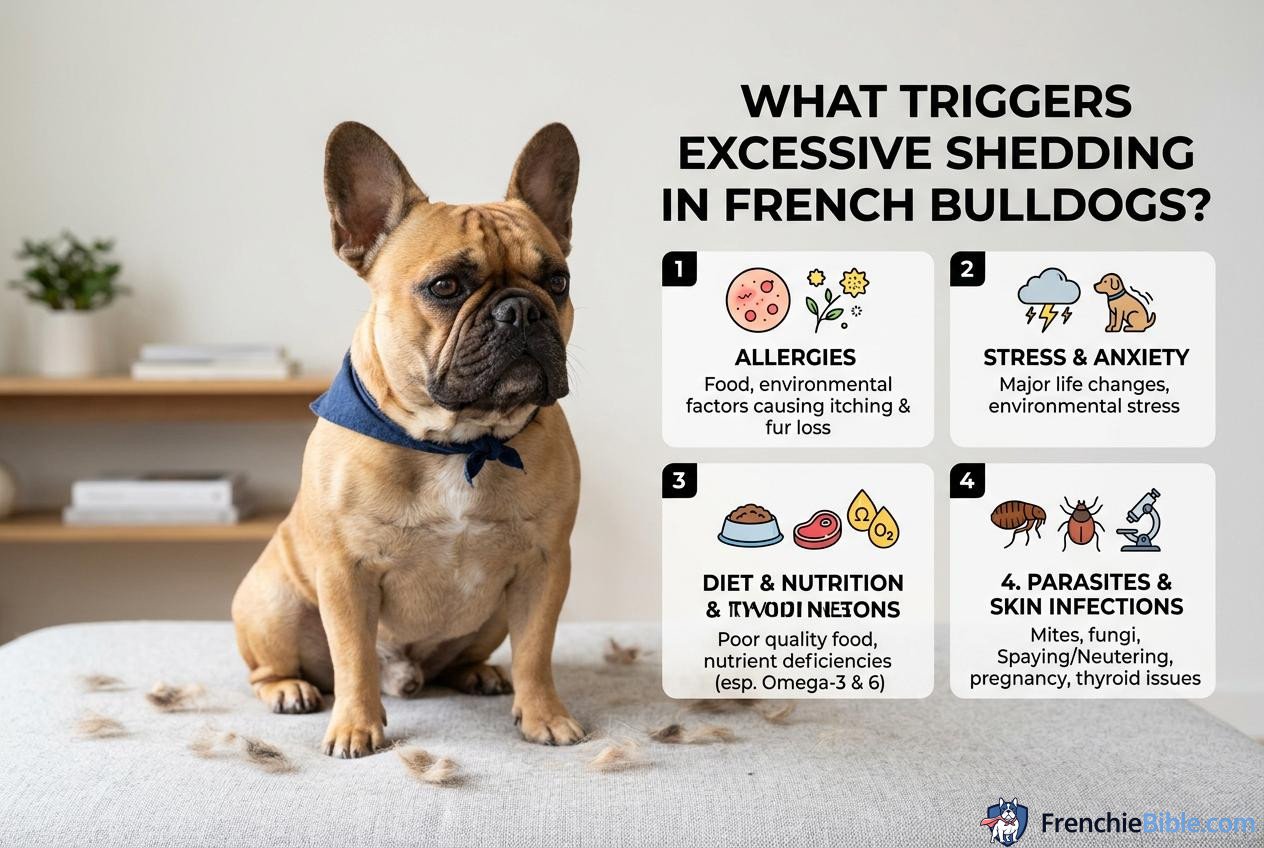
While seasonal bi-annual blowouts and year-round daily turnover are biologically normal, certain internal physiological factors and external environmental stressors can easily push your French Bulldog’s shedding from “normal” to “excessive.” as a French Bulldog expert and breeder, when a distressed client presents a Frenchie with complaints of severe shedding I do not just recommend a brush; I put on my detective hat and immediately investigate the following potential underlying culprits.
Poor Nutrition and Diet Deficiencies
The skin is the largest organ of the canine body, and the coat is its most visible, outward indicator of overall internal health. A Frenchie’s hair is composed almost entirely of protein, specifically keratin. If your dog’s diet is lacking in high-quality, highly bioavailable, easily digestible proteins, their survival-driven body will intelligently prioritize essential organ function (heart, liver, lungs) over non-essential functions like hair growth. This leads to dry, brittle, weak hair that breaks easily and sheds prematurely.
Furthermore, essential fatty acids—specifically Omega-3 and Omega-6—are absolutely crucial for maintaining the skin’s protective lipid barrier. A deficiency in these essential fats results in dry, flaky, itchy skin, dandruff, and consequently, excessive shedding. Commercial diets that are highly processed, extruded at high temperatures, or improperly stored can suffer from severely degraded fat content, leading to a dull, shedding coat.
Allergies: The Silent Shedding Culprit
French Bulldogs are notoriously genetically predisposed to a wide variety of allergies, which are a leading cause of severe skin issues and subsequent massive hair loss.
1. Environmental Allergies (Atopy): Severe allergic reactions to airborne pollen, dust mites, mold spores, and various grasses can cause intense, systemic inflammation of the skin.
2. Food Allergies: Sensitivities to common protein sources like chicken, beef, dairy, or soy can manifest primarily as dermatological issues rather than gastrointestinal ones.
3. Flea Allergy Dermatitis (FAD): An extreme, hypersensitive allergic reaction to the saliva of a single flea bite can cause a dog to chew their hair out in clumps.
When a Frenchie has an allergic reaction, their skin barrier becomes highly inflamed, compromised, and agonizingly itchy. The constant, frantic scratching, licking, rubbing, and chewing traumatize the delicate hair follicles mechanically, leading to massive, patchy hair loss that far exceeds any normal shedding cycle.
Stress and Anxiety
Just like humans can experience significant hair thinning or loss during periods of extreme emotional or physical stress, dogs can easily experience stress-induced shedding. This physiological response is often triggered by sudden, unsettling changes in their environment: a move to a new house, the introduction of a new pet or a human baby, severe separation anxiety when owners return to the office, or even a stressful, terrifying visit to the veterinary clinic.
Stress causes the adrenal glands to release high levels of cortisol and epinephrine. This hormonal spike can literally force a disproportionate, massive number of hair follicles prematurely into the telogen (resting/shedding) phase simultaneously, resulting in a sudden, alarming drop of hair days or weeks after the stressful event.
Skin Infections and Parasites
Bacterial infections (such as staphylococcal pyoderma), fungal infections (like ringworm or severe yeast infections, which are particularly, notoriously common in the dark, moist environments of a Frenchie’s facial wrinkles, armpits, and tail pocket), and parasitic infestations (microscopic mites like Demodex or Sarcoptes) severely damage the delicate skin ecosystem.
These pathological conditions literally destroy hair follicles at the root level, leading to patchy, irregular hair loss, bald spots, and heavy overall shedding. If your dog smells musty, yeasty, or has red, inflamed, crusty skin alongside the shedding, a medical infection is highly likely and requires immediate prescription medication.
Hormonal Imbalances and Health Conditions
Certain serious endocrine disorders can dramatically and visibly alter your dog’s coat texture and shedding volume.
- Hypothyroidism: An underactive thyroid gland slows down the entire metabolic rate, leading to a dull, harsh, brittle coat, weight gain, lethargy, and symmetrical hair loss, often starting on the flanks and tail (rat tail).
- Cushing’s Disease (Hyperadrenocorticism): An overproduction of the stress hormone cortisol by the adrenal glands can cause the skin to become paper-thin, fragile, and the coat to shed excessively, often accompanied by increased thirst, urination, and a pot-bellied appearance.
- Alopecia X: Though slightly less common in Frenchies than in Pomeranians, this complex hormonal imbalance can cause significant, non-itchy coat changes and hair loss.
Using the Wrong Grooming Products
French Bulldogs have naturally sensitive skin with a very specific, delicate pH balance that differs entirely from human skin. Using human shampoos, baby shampoos, harsh dish soaps (often touted incorrectly online as flea killers), or heavily perfumed, cheap pet products can aggressively strip the skin of its natural, protective sebum oils.
This severe drying effect causes the skin to panic and overcompensate by producing excess sebum, leading to a greasy, smelly coat that sheds profusely, or it results in dry, flaky skin where the dehydrated hair simply breaks off and falls out. Always use vet-recommended products.
The Ultimate Survival Guide: How to Manage french bulldog shedding
Now that we have thoroughly explored the why from a medical and biological standpoint, let’s dive into the highly actionable how. It is crucial to accept a fundamental truth: you cannot stop a French Bulldog from shedding—it is biologically impossible and unhealthy to try. However, you can significantly control, manage, and mitigate the loose hair before it ever ends up on your furniture or clothing. Here is your professional, step-by-step survival guide.
Step 1: Master the Art of Brushing
Brushing is your absolute first, most critical, and most highly effective line of defense against shedding. It mechanically removes dead, loose hair from the coat before it falls out naturally into your environment, while simultaneously distributing healthy, natural skin oils across the hair shafts, promoting a brilliant shine.
Best Brushes for French Bulldogs
You do not need to spend hundreds of dollars on a massive array of grooming tools, but you absolutely must invest in the right tools specifically designed for short coats.
- The Rubber Grooming Mitt or Curry Brush: This is the undisputed holy grail for short-haired breeds like the Frenchie. Tools like the Kong ZoomGroom use soft, flexible rubber nubs to gently massage the skin, increase blood circulation to the follicles, loosen embedded dirt, and pull out incredible amounts of dead hair through static attraction without ever irritating their sensitive skin.
- A Soft Bristle Brush: Excellent for a secondary, finishing pass. After using the rubber mitt to bring the loose hair to the surface, the bristle brush acts like a broom to sweep away the loose hair and to add a sleek, polished shine to the coat.
- A Grooming Glove: These are gloves with rubber nodules on the palms. They mimic the action of petting, making them phenomenal for Frenchies who are anxious or fearful of traditional brushes.
- What to Avoid: Under no circumstances should you use undercoat rakes, harsh metal slicker brushes, or sharp deshedding blades (like the popular Furminator) designed for thick, double-coated dogs. These metal tools can easily scrape a Frenchie’s thin skin, cause microscopic abrasions, and lead to painful staph infections.
Brushing Technique and Frequency
- Frequency: During normal, non-transitional times of the year, commit to brushing your Frenchie 2 to 3 times a week. However, during the intense spring and autumn shedding seasons, you must upgrade this routine to daily brushing. Five to ten minutes a day is infinitely better than an hour once a week.
- Technique: Take your dog outside to the yard or balcony if possible to prevent hair from flying around your house. Start with the rubber curry brush. Use gentle, firm, circular motions—going against the natural lay of the hair—to aggressively loosen the dead, trapped fur. Then, follow up with the soft bristle brush, brushing smoothly in the direction of hair growth (from head to tail) to sweep it all away. Always keep these sessions positive, rewarding your dog with high-value treats and enthusiastic praise.
Step 2: The Perfect Bathing Routine
A clean, well-maintained coat naturally sheds less than a dirty, matted coat. However, over-bathing is a cardinal sin in French Bulldog care and a primary cause of dermatological nightmares.
How Often Should You Bathe a Frenchie?
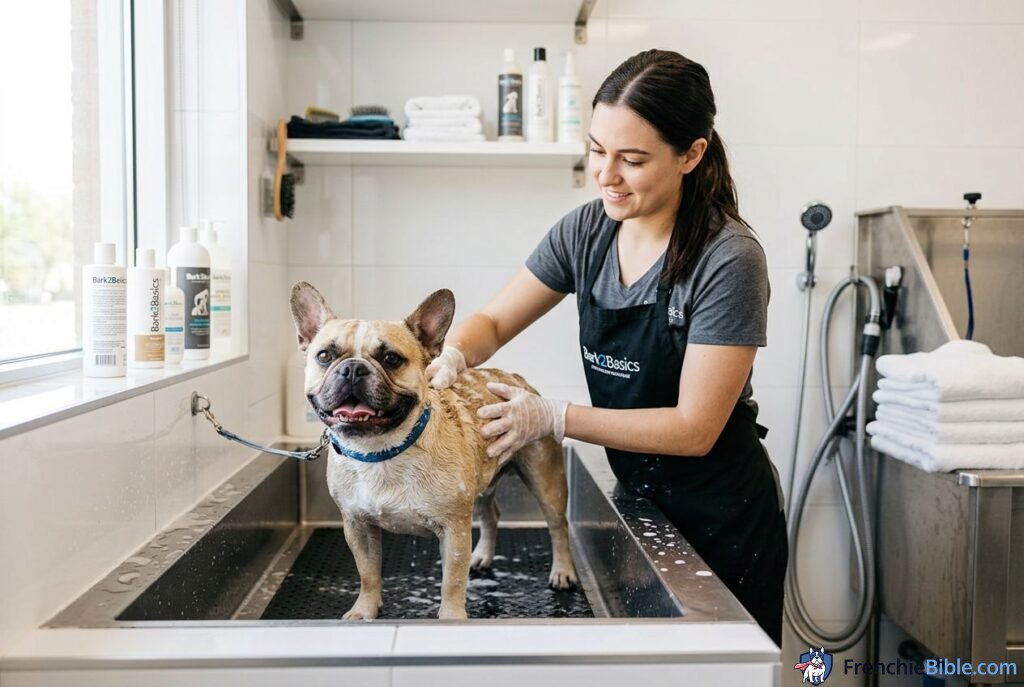
Unless they have physically rolled in something foul, mud, or feces, bathing your healthy Frenchie every 4 to 8 weeks is more than sufficient. Over-bathing violently strips away the essential natural oils the skin produces to protect itself, leading directly to dry, flaky, irritated skin and a paradoxical increase in shedding as the skin desperately tries to repair itself. During a heavy shedding season, one warm (not hot) bath can help loosen the dead hair significantly, but you must always follow up with a thorough, vigorous brushing once they are 100% dry.
Choosing the Right Shampoo
Never compromise on shampoo quality. Always use a premium, high-quality, pH-balanced dog shampoo specifically formulated for sensitive skin.
- Oatmeal-Based Shampoos: Colloidal oatmeal is excellent for naturally soothing sensitive skin, relieving minor itching, and providing gentle, non-greasy moisture.
- Hypoallergenic Formulations: These are devoid of harsh dyes, parabens, and artificial fragrances, making them the absolute best choice for Frenchies prone to contact allergies.
- Deshedding Shampoos and Conditioners: These specialized products contain specific amino acids, proteins, and Omega fatty acids that strengthen the hair follicle and help naturally release the undercoat (if present). While highly helpful, remember they are not magic potions; the mechanical action of scrubbing the shampoo in and vigorously brushing the coat afterward does the real heavy lifting.
- Crucial Step: The Wrinkle Tax: After any bath, or even a walk in the rain, you must thoroughly dry your Frenchie. Pay meticulous, special attention to the deep facial folds, the armpits, and the incredibly tight tail pocket. Trapped moisture in these dark, warm crevices is the primary breeding ground for severe bacterial and yeast infections, which will cause massive, localized hair loss and a horrific odor.
Step 3: Nutrition for a Healthy Coat
As the old veterinary adage goes, “You are what you eat,” and this applies perfectly to your dog’s coat. A glowing, shedding-resistant coat starts in the gut.
The Role of Omega Fatty Acids
The ultimate secret weapon against excessive, unwanted shedding is an optimized, daily intake of Omega-3 and Omega-6 fatty acids. These vital fats nourish the skin barrier from the inside out, dramatically reducing systemic inflammation, keeping the skin supple, and anchoring the hair firmly deep within the follicle.
Look for premium, veterinary-approved dog foods where a high-quality named animal protein (like Salmon Lamb, or Turkey) is the very first ingredient. Ensure that fish oils, flaxseed, or chia seeds are prominently featured on the ingredient list. Avoid foods packed with cheap fillers like corn, wheat, or soy, which provide zero nutritional benefit to the coat and often trigger allergies.
Recommended Supplements for Coat Health
If your dog’s current diet isn’t quite hitting the mark, or if they chronically suffer from dry skin despite good food, consult your vet about adding a targeted dietary supplement.
- Wild Alaskan Salmon Oil or Krill Oil: This is the most highly bioavailable, potent source of Omega-3s (EPA and DHA). Adding a few measured pumps onto their dry kibble daily can miraculously transform a dull, heavily shedding coat into a glossy, incredibly healthy one within just 4 to 6 weeks.
- Vitamin E: Acts as a powerful, natural antioxidant, protecting the skin cells from oxidative damage.
- Probiotics: A healthy gut microbiome directly correlates to healthy skin. Probiotics help reduce immune-mediated inflammation that can cause shedding.
- Warning: Always explicitly consult your veterinarian for the absolutely correct, weight-based dosage before adding any supplements to your dog’s diet, as fat-soluble vitamins (like Vitamin A and D, often found in fish oils) can build up to toxic levels if over-administered.
Step 4: Hydration is Key
This is often overlooked: dehydrated skin is dry skin, and dry skin rapidly sheds hair. A French Bulldog’s body is roughly 60% water. Ensure your Frenchie always has unimpeded access to fresh, clean, cool water.
If your dog is a notoriously poor drinker, you must get creative. Consider adding a splash of warm water or low-sodium, dog-safe bone broth (with absolutely no onions or garlic) to their dry kibble. Alternatively, incorporating a high-quality, species-appropriate wet food into their daily diet is an excellent way to drastically increase their daily moisture intake and improve skin hydration.
Step 5: Household Management and Cleaning Hacks
Even with the absolute best diet, flawless genetics, and a rigorous grooming routine, some hair will inevitably escape. It is a fact of life. Here is how to expertly manage your environment so the hair doesn’t manage you:
- Invest in a Quality Pet Vacuum: A high-powered vacuum specifically engineered for pet hair, preferably equipped with a true HEPA filter to trap dander and allergens, is a non-negotiable must-have. Vacuuming floors, rugs, and fabric furniture regularly is essential. Look for models with specialized rubberized brush rolls that prevent hair tangles.
- Lint Rollers are Your Best Friend: Buy them in bulk. Keep them literally everywhere—by the front door, in the glove compartment of your car, in your office desk, and in the living room. They are the quickest, most effective fix for removing “Frenchie glitter” (hair) from your dark clothes before you leave the house.
- Washable Throws and Furniture Covers: Protect your expensive sofas and chairs by draping them in attractive, easily washable blankets or fitted furniture covers. When shedding season inevitably peaks, simply strip the covers and toss them in the washing machine, rather than spending hours trying to vacuum embedded hairs out of the upholstery.
- Air Purifiers: A high-quality HEPA air purifier placed in the rooms where your dog spends the most time can significantly help capture airborne hair and microscopic dander, vastly reducing allergens and dust in the home.
- The Squeegee Trick: For embedded hair on carpets or fabric car seats, lightly mist the area with water and use a rubber window squeegee. Scrape it firmly across the fabric. The rubber creates static electricity and pulls embedded hair into a neat, easily vacuumable pile. It works like magic.
When to See a veterinarian: Red Flags in Shedding
as a French Bulldog expert and breeder I want to strongly emphasize that while seasonal bi-annual blowouts and daily turnover are perfectly normal, there is a very fine, critical line between standard shedding and pathological hair loss (known medically as alopecia). You should immediately schedule a comprehensive veterinary examination if you notice any of the following alarming red flags:
Bald Spots and Patchy Hair Loss (Alopecia)
Normal canine shedding is always a diffuse, highly even, all-over thinning of the coat. You should never see the skin beneath. If your French Bulldog is developing completely bald patches, symmetrical areas of hair loss on their sides or flanks, or distinct areas where the pink or pigmented skin is fully exposed, this is absolutely not normal shedding. It is highly indicative of severe issues like Demodectic mange mites, fungal ringworm infections, or severe endocrine disorders like Hypothyroidism that require blood testing to diagnose.
Redness Inflammation, and Scabs
Gently part the hair and examine the skin beneath the shedding fur. If the skin is bright red, visibly inflamed, hot to the touch, crusty, flaky, or covered in oozing scabs and sores, your dog is likely suffering from a severe secondary bacterial skin infection (pyoderma) or an acute allergic reaction. The vital skin barrier has been physically compromised and requires immediate medical intervention, almost always in the form of oral antibiotics, medicated shampoos, or systemic anti-inflammatory medications.
Excessive Scratching and Biting
The physiological process of normal shedding should not be a painful, uncomfortable, or intensely itchy process for your dog. If your Frenchie is frantically scratching their sides, obsessively chewing at their paws, constantly rubbing their face or ears against the carpet, or aggressively biting at their flanks alongside the hair loss, this points overwhelmingly to agonizing allergies (environmental, severe food allergies, or flea bites) or a highly contagious ectoparasite infestation. The hair loss here is secondary to the self-trauma caused by the itching.
Frequently Asked Questions (FAQ) About French Bulldog Shedding
As an and vet I track what Frenchie owners are searching for. Here are the definitive, medically accurate answers to the most frequently asked questions on the internet.
Can I shave my French Bulldog to stop the shedding?
Absolutely, unequivocally not. Shaving a short-haired, single-coated breed like a French Bulldog is a terrible, highly detrimental idea. First, it does not magically stop the biological process of shedding; it only means they will shed shorter, sharper, prickly hairs that are even harder to remove from fabrics.
More importantly, a dog’s coat acts as critical insulation. Shaving destroys their coat’s natural ability to regulate body temperature. It makes them highly susceptible to dangerous sunburns, drastically increases the risk of life-threatening heatstroke (which is already a massive, fatal risk for flat-faced, brachycephalic breeds), and makes them vulnerable to hypothermia in cold weather. It also completely exposes their sensitive skin to painful insect bites, thorns, and environmental chemical irritants. Never shave a Frenchie unless medically directed by a surgeon for a procedure.
Do French Bulldog puppies shed more than adults?
Interestingly Frenchie puppies actually shed very little until they reach approximately 4 to 6 months of age. At this precise developmental milestone, they will experience their first major, highly noticeable “blowout” as they rapidly shed their incredibly soft, downy puppy coat to make way for their coarser, denser, more protective adult coat. This specific transition phase can be quite heavy and alarming for new owners, but it is entirely normal and biologically necessary.
Are there specific colors of French Bulldogs that shed less?
No. The actual pigment or color of the coat (whether it is standard fawn, brindle, pied, cream, or fad colors like blue or lilac) has absolutely zero biological bearing on the volume or frequency of shedding. The density of the coat and the individual dog’s complex genetics, nutritional status, and overall health dictate shedding volume, not the color of the hair.
However, it is crucial to note that certain non-standard “fad colors” (specifically blue, lilac, or Isabella) are genetically linked to a devastating condition called Color Dilution Alopecia (CDA). CDA causes severe, progressive, and completely irreversible hair loss and chronic skin infections. But this is a severe disease process, not normal shedding.
How long does the seasonal shedding last?
The intense, bi-annual coat blowouts in spring and autumn typically last anywhere from a highly concentrated 3 weeks to a more prolonged 6 weeks. The exact duration depends heavily on the specific climate you live in, the severity and speed of the seasonal temperature change, whether the dog spends most of its time indoors in climate-controlled environments or outdoors, and crucially, how proactive you are with daily grooming to physically help pull the dead hair out of the coat.
Does neutering or spaying affect my Frenchie’s shedding?
In some cases, yes. Surgically altering a dog fundamentally changes their internal hormonal profile. Some owners and groomers notice that their Frenchie develops a slightly softer, sometimes visibly thicker, and slightly fuzzier coat (often affectionately called “spay coat”) months or years after being spayed or neutered. This slight change in coat texture can theoretically lead to a minor increase in perceived shedding. However, this change is usually minimal, purely cosmetic, and is exponentially far outweighed by the massive, life-saving health benefits of the procedure, including preventing pyometra and certain cancers.
Conclusion: Embracing the Frenchie Fuzz
So, let us return to our initial, burning question: Do French Bulldogs shed a lot? The definitive answer is yes. They are consistent, moderate shedders who will absolutely surprise you with their intense, bi-annual blowouts. as a French Bulldog expert and breeder, breeding expert, and passionate lover of this incredibly unique breed I always tell prospective owners that dealing with a little dog hair on your clothes is simply the small price of admission for the immense joy, daily comedy, unwavering loyalty, and deep affection a Frenchie brings to a home.
By deeply understanding the unique biology of their coat, feeding a premium Omega-rich diet tailored for skin health, adhering to a strict, weekly (or daily, when needed) brushing routine using the correct tools, and keeping a vigilant, watchful eye out for medical red flags, you can easily and successfully manage the shedding.
Arm yourself with a top-tier rubber curry brush, a high-quality HEPA vacuum, a sticky lint roller in every room, and a positive, realistic attitude. You will never eliminate the shedding entirely—it’s part of dog ownership—but by following this comprehensive survival guide, you can conquer the seasonal blowouts, protect your furniture, and keep your French Bulldog looking, feeling, and smelling fantastic all year round. Embrace the “Frenchie fuzz”—it just means they love you.
Disclaimer: We are not veterinarians and do not hold veterinary medical licenses. The information provided in this article is based on years of breeding and daily care experience and is for educational purposes only. It should not replace professional veterinary advice. Always consult with a licensed veterinarian if you have concerns about your French Bulldog’s health or before starting any new treatment.