

As a French Bulldog breeding expert with over a decade of hands-on experience I have seen hundreds of Frenchies grow from tiny, wrinkled puppies into stunning, muscular adults. One of the most common questions I get from both novice and advanced owners is how to maintain that beautiful, velvety coat French Bulldogs are known for. Over the years, if there is one universal truth I have learned, it is this: a French Bulldog’s coat is a direct mirror of their internal health, and nothing influences that more profoundly than the quality of the food they eat.
When you look at a French Bulldog with a dull, dry, or excessively shedding coat, the first place you should investigate is their food bowl. Food quality is not just about keeping them full; it is about providing the essential building blocks for cellular regeneration, skin hydration, and hair follicle health. In this comprehensive guide, we will dive deep into the biological link between what your Frenchie eats and how their coat looks, the specific nutrients required for a dazzling shine, and how you can make actionable dietary changes to transform your dog’s appearance.
Related Reading: Training & Behavior | Grooming & Care | French Bulldog Colors
The Biological Link Between Diet and a French Bulldog’s Coat
To truly understand how food impacts your French Bulldog’s coat, we need to look at the biology of dogs. The skin is the largest organ in a dog’s body, and hair is essentially a protein filament that grows from follicles in the dermis. Maintaining this massive organ system requires an enormous amount of metabolic energy and nutritional resources. In fact, up to 30% of a dog’s daily protein intake goes directly toward maintaining their skin and coat.
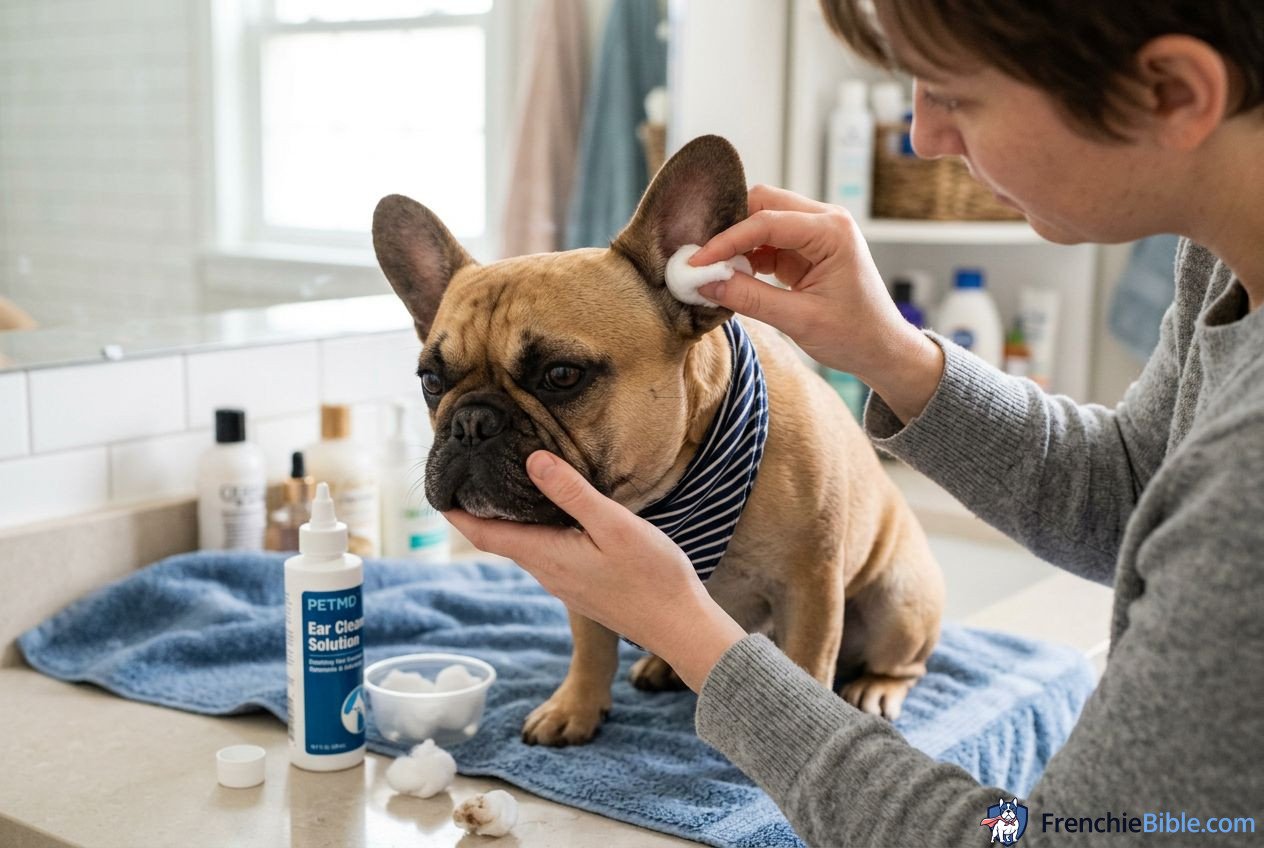
The Anatomy of a Frenchie’s Skin and Hair Follicles
A French Bulldog’s skin consists of several layers: the epidermis (the outer protective layer), the dermis (which houses the hair follicles, sebaceous glands, and blood vessels), and the subcutis (the innermost fat layer). The sebaceous glands are crucial here; they produce sebum, a natural oil that coats each hair shaft, providing that signature glossy shine and protecting the skin from environmental irritants.
When a Frenchie consumes high-quality food, the nutrients are absorbed into the bloodstream and delivered to the dermis. Here, they nourish the hair follicles and fuel the sebaceous glands. If the diet is lacking in essential nutrients, the body instinctively prioritizes vital organs like the heart, liver, and brain, leaving the skin and coat as the last to receive nourishment. This is why a deteriorating coat is often the very first visible sign of poor nutrition.
Why French Bulldogs are Particularly Sensitive to Dietary Changes
French Bulldogs are a unique breed. They are prone to a variety of sensitivities, particularly food allergies and environmental skin irritations. Their short, single-layered coats offer very little protection against the elements, meaning their skin barrier must be incredibly resilient. Furthermore Frenchies have a genetic predisposition to skin issues like dermatitis and interdigital cysts.
Because their skin is already working overtime to protect them, any deficiency in their diet will manifest almost immediately. Poor quality fillers, artificial preservatives, and low-grade proteins common in cheap kibble can trigger inflammatory responses. This inflammation disrupts the normal growth cycle of the hair, leading to increased shedding, dullness, and even changes in pigmentation. Conversely, a diet rich in bioavailable nutrients can fortify the skin barrier, reduce inflammation, and produce a coat that is resilient, deeply colored, and incredibly soft to the touch.
Understanding the Microbiome-Skin Axis in French Bulldogs
Recent scientific studies into canine health have uncovered a fascinating connection known as the gut-skin axis, which refers to the direct relationship between the microbiome in your Frenchie’s gastrointestinal tract and the health of their skin. As a breeder I have observed that French Bulldogs with robust digestive health invariably have the best coats. The good bacteria in the gut help ferment dietary fiber, producing short-chain fatty acids (SCFAs) that act as powerful systemic anti-inflammatories. When your Frenchie is fed a low-quality diet filled with unrecognizable synthetic ingredients or excessive carbohydrates, it negatively alters their gut microbiome. This imbalance, called dysbiosis, can trigger widespread inflammation that inevitably surfaces on the skin, resulting in a dull coat, hot spots, and chronic itching.
Key Nutrients Essential for a Glowing French Bulldog Coat
Not all dog foods are created equal, and simply buying an expensive bag does not guarantee it has the right nutritional profile for a Frenchie’s coat. To achieve that show-ring shine, a French Bulldog’s diet must be rich in specific micro and macronutrients.

Omega-3 and Omega-6 Fatty Acids: The Foundation of Shine
When people ask me for the “secret” to a shiny French Bulldog coat, my answer is always the same: Essential Fatty Acids (EFAs). Dogs cannot synthesize these fatty acids on their own, meaning they must obtain them entirely through their diet.
Omega-6 Fatty Acids (Linoleic Acid): Found in chicken fat, safflower oil, and sunflower oil Omega-6s are critical for cell membrane integrity. They help create a waterproof barrier on the skin, preventing moisture loss. Without enough Omega-6, a Frenchie’s skin becomes dry and flaky, and the hair becomes brittle and prone to breakage.
Omega-3 Fatty Acids (EPA and DHA): Found in fish oil (salmon, sardine, anchovy), flaxseed, and chia seeds Omega-3s are powerful anti-inflammatories. They soothe irritated skin, reduce itching, and promote the production of high-quality sebum. The balance between Omega-3 and Omega-6 is vital. Many commercial dog foods are too high in Omega-6 (due to cheap vegetable oils) and severely lacking in Omega-3. Correcting this imbalance is often the single most effective step in improving coat shine.
High-Quality Proteins: The Building Blocks of Hair
As mentioned earlier, hair is made almost entirely of protein, specifically a protein called keratin. If a French Bulldog is eating a diet based on low-quality, plant-based proteins (like corn gluten or soy) or meat by-products, they simply will not have the building blocks necessary to grow strong, vibrant hair.
High-quality animal proteins—such as whole chicken, beef, lamb, salmon, or turkey—are highly digestible and bioavailable. They provide all the essential amino acids a dog needs. Tyrosine and phenylalanine, for example, are amino acids that are directly responsible for synthesizing melanin, the pigment that gives your Frenchie’s coat its color. A lack of these amino acids can cause a black or brindle coat to fade to a dull, rusty brown. As a breeder I always prioritize foods where named, whole meats are the first two to three ingredients.
Vitamins and Minerals: Zinc Biotin, and Vitamin E
While proteins and fats lay the foundation, vitamins and minerals are the catalysts that make the physiological processes work.
Zinc: This mineral is heavily involved in cellular replication and protein synthesis. A zinc deficiency directly leads to hair loss, dullness, and a condition known as zinc-responsive dermatosis, where the skin becomes thick, crusty, and scaly.
Biotin (Vitamin B7): Often referred to as the “hair and nail vitamin,” biotin is essential for metabolizing fatty acids and proteins. It strengthens the hair shaft, reducing breakage and shedding.
Vitamin E: This is a potent antioxidant that protects skin cells from oxidative stress and free radical damage. It works synergistically with Omega-3 fatty acids to reduce skin inflammation and promote a healthy, shiny coat.
Signs Your French Bulldog’s Food is Subpar
If you are unsure whether your Frenchie’s current diet is serving them well, their coat will provide all the clues you need. Over my 10 years of breeding I have learned to “read” a dog’s coat like a book. Here are the red flags that indicate a nutritional upgrade is necessary.
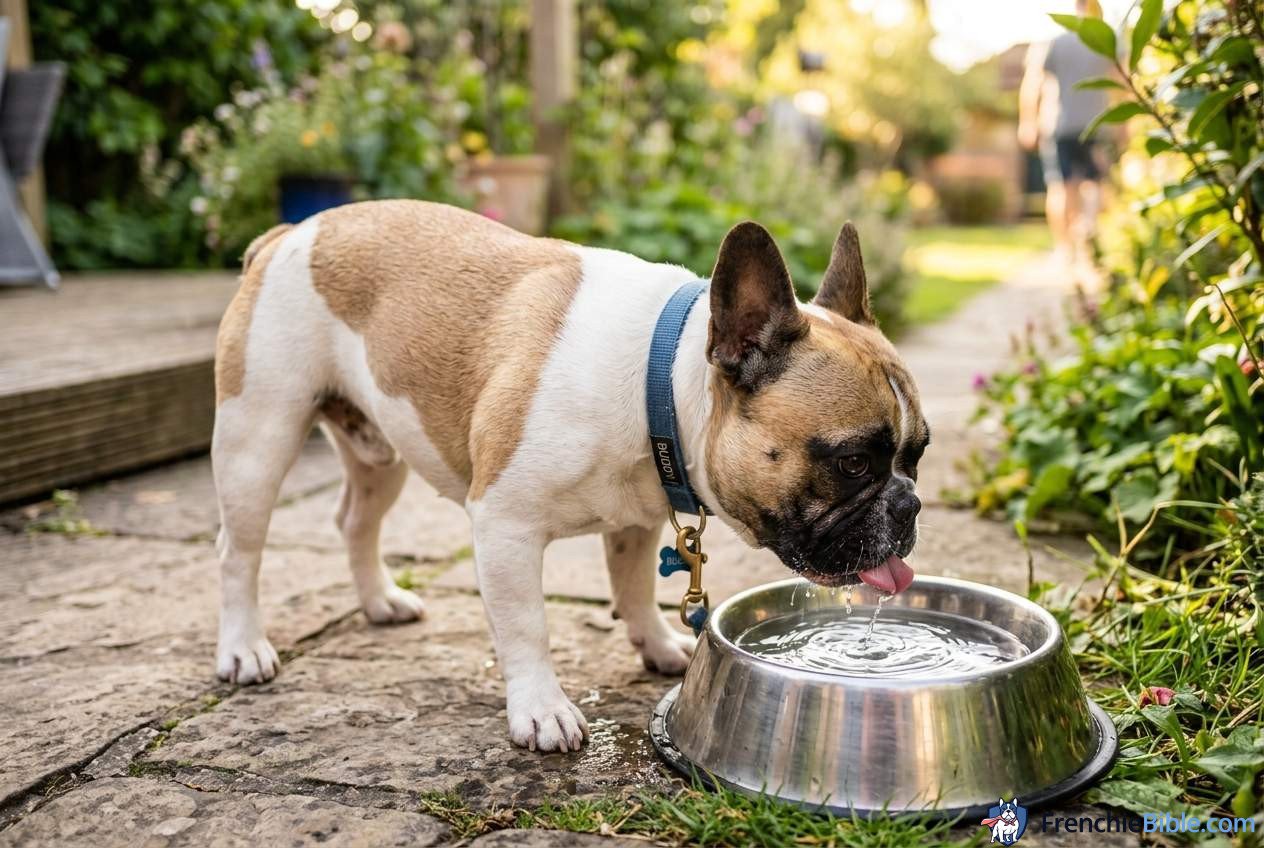
Dull Brittle, or Dry Fur
A healthy Frenchie coat should feel smooth, velvety, and have a natural sheen when they stand in the sunlight. If their coat feels coarse, wiry, or resembles the texture of straw, they are likely suffering from a lack of essential fatty acids or poor protein digestion. Dry fur is often accompanied by dry skin; if you part the hair and see white flakes (dandruff) along their back, it is a clear sign the skin barrier is compromised and lacking moisture.
Excessive Shedding Beyond Normal Seasonal Changes
While French Bulldogs do shed, they are a single-coated breed and should not be leaving massive tumbleweeds of hair around your house year-round. While seasonal “blowing” of the coat occurs in spring and fall, chronic, excessive shedding is a major red flag for poor nutrition. When the hair follicles do not receive adequate protein and vitamins, the hair growth cycle is shortened. The hair dies and falls out much faster than it should, leading to constant, heavy shedding.
Discoloration and Fading Coat Colors
This is a subtle sign that many owners miss. If your Frenchie’s coat is losing its depth of color, it is not just “sun bleaching.” For example, a stark black coat might start looking reddish-brown, or a rich fawn might look washed out and pale. This fading is directly related to a deficiency in the amino acids tyrosine and phenylalanine, as well as minerals like copper, which are necessary for melanin production. Providing a highly digestible, meat-based protein source usually reverses this fading over a few months.
How to Choose the Best Food for Your French Bulldog’s Coat
Navigating the pet food aisle can be overwhelming. As a breeder I advise my puppy families to look past the marketing buzzwords and focus entirely on the ingredient panel and guaranteed analysis.
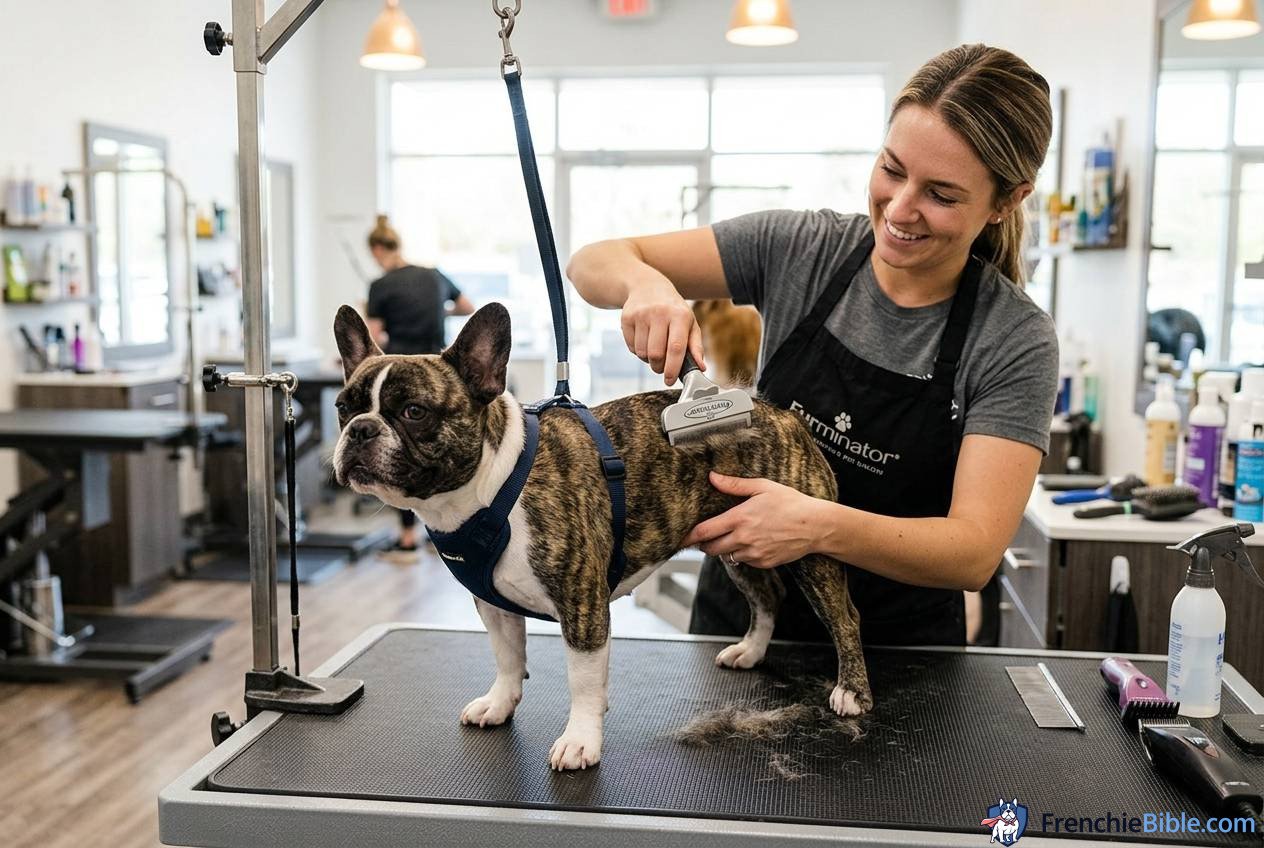
Reading the Label: Identifying High-Quality Ingredients
When selecting food to enhance coat health, the first three ingredients are the most critical. You want to see specific, named meat sources (e.g., “Deboned Salmon” or “Chicken Meal”) rather than vague terms like “Meat By-Products” or “Poultry Fat.”
Avoid foods that rely heavily on corn, wheat, or soy as primary protein sources. While these are cheap for manufacturers, they are poorly digested by dogs and offer very little nutritional value for the skin and coat. Look for the inclusion of specific coat-enhancing ingredients like salmon oil, flaxseed, chia seeds, and chelated minerals (minerals bound to proteins for better absorption, often listed as “Zinc Proteinate”).
The Role of Wet Food Raw Diet, and Kibble in Coat Health
The format of the food also plays a role in coat health, primarily due to moisture content and processing methods.
High-Quality Kibble: Premium kibbles can support a beautiful coat if they are formulated with excellent ingredients. However, the high-heat extrusion process used to make kibble can degrade fragile nutrients like Omega-3 fatty acids. If you feed kibble I highly recommend supplementing with a high-quality, cold-pressed fish oil.
Wet/Canned Food: Wet food has a significantly higher moisture content, which is excellent for overall hydration and skin elasticity. It also tends to have fewer carbohydrates and more meat protein than kibble.
Raw and Fresh Cooked Diets: In my breeding program I have seen the most profound coat transformations when dogs are transitioned to balanced raw or gently cooked fresh diets. These diets use unprocessed, highly bioavailable proteins and naturally occurring fats. Because the ingredients aren’t subjected to extreme heat, the fatty acids and vitamins remain intact. Dogs on these diets consistently display the deepest coat colors and the most brilliant shine.
The Impact of Hydration and Water Quality on Coat Appearance
While we naturally focus heavily on solid food when discussing nutrition, we must not overlook the most critical nutrient of all: water. Proper hydration is fundamental to skin elasticity and a glossy coat. If a French Bulldog does not consume enough water, their skin will become dry and less resilient, eventually leading to a brittle coat that lacks luster. Kibble-fed dogs are especially prone to mild, chronic dehydration since dry food contains almost no moisture. Adding a little warm water or unsalted bone broth to their meals can significantly boost their fluid intake. Furthermore, if you live in an area with highly chlorinated or “hard” tap water, providing filtered water can sometimes resolve persistent dry skin issues that owners incorrectly assume are food allergies.
Troubleshooting Dietary Deficiencies: When Food Isn’t Enough
Sometimes, you might transition your Frenchie to a top-tier diet, yet their coat remains lackluster. This is where experience tells us to look deeper. Some French Bulldogs have underlying issues with malabsorption, meaning their gut cannot properly extract the nutrients from even the best foods. This can be due to a lack of digestive enzymes or underlying gastrointestinal conditions. In such cases, integrating a high-quality canine probiotic and digestive enzyme supplement can unlock the nutritional value of their food. Additionally, if you are making your own home-cooked dog food without a recipe formulated by a veterinary nutritionist, you risk inadvertently starving your dog of essential microminerals, which will absolutely manifest as a degraded, poor-quality coat over time.
Real-World Transformations: From Dull to Dazzling
Improving your French Bulldog’s coat through diet is not magic; it is biology. However, the transformation often feels miraculous. I have worked with rescue Frenchies who came to me with patchy, rough, faded coats. By simply switching them from grocery-store kibble to a diet rich in Omega-3s and high-quality animal proteins, the change is undeniable.
Transitioning Your Frenchie to a High-Quality Diet
When upgrading your Frenchie’s food, it is imperative to do so slowly. French Bulldogs have notoriously sensitive digestive systems. A sudden change in diet, even to a superior food, can cause diarrhea and gastrointestinal upset.
I recommend a 10-to-14-day transition period. Start by mixing 10% of the new food with 90% of the old food. Every couple of days, gradually increase the proportion of the new food while decreasing the old, monitoring your dog’s stool quality closely. A slow transition allows their gut microbiome to adjust to the new protein and fat levels.
Timeline: When to Expect Visible Changes in Coat Gloss
Patience is key. You will not see a shiny coat overnight. Hair grows slowly, and it takes time for the new nutrients to reach the hair follicles and produce new, healthy hair shafts.
Typically, you will start noticing a reduction in skin flakiness and itching within the first 3 to 4 weeks. By weeks 6 to 8, the coat will start feeling softer to the touch. By the 12-week mark, as the old, damaged hair sheds and the new, nutrient-rich hair grows in, you will see the full transformation: a deep, rich color, a velvety texture, and a mirror-like shine.
Common French Bulldog Coat Colors and How Diet Affects Them
While all French Bulldogs benefit from a high-quality diet, different coat colors can sometimes present unique challenges and dietary needs based on their genetic makeup.
Fawn Brindle, and Pied: Specific Dietary Needs for Pigmentation
For traditional colors like fawn, brindle, and pied, maintaining deep pigmentation is the primary goal. Fawn dogs can sometimes look “washed out” if their diet lacks the amino acids needed for melanin production. Brindles require excellent nutrition to keep their black striping stark and distinct against their base coat. For these colors, ensuring the diet has abundant, high-quality, named meat sources (like beef or lamb) is crucial to provide the tyrosine and phenylalanine needed to keep their colors rich and vibrant.
Blue and Lilac: Managing Sensitive Skin Through Nutrition
“Dilute” colors, such as blue, lilac, and Isabella, are incredibly popular but require special attention. The genetic mutation that causes these beautiful dilute colors (the MLPH gene) can also affect the structure of the hair shaft and the health of the hair follicle. Dilute dogs are genetically more predisposed to conditions like Color Dilution Alopecia (CDA), which causes hair thinning and dry, irritated skin.
For blue and lilac Frenchies, prioritizing skin barrier health is non-negotiable. Their diets must be exceptionally high in Omega-3 fatty acids to combat inflammation. I heavily emphasize salmon oil, vitamin E supplementation, and novel proteins (like duck or venison) for these colors to minimize any potential food allergies that could further compromise their already sensitive skin.
FAQs
Can I give my French Bulldog human food for a better coat?
Yes, certain “human foods” are excellent additions to their diet. Plain, unsweetened sardines (packed in water), a spoonful of raw coconut oil, or a raw egg yolk are fantastic, nutrient-dense additions that provide an instant boost of healthy fats and proteins for their coat. Always introduce new foods slowly and ensure they make up no more than 10% of their daily caloric intake.
How long does it take for a diet change to show on my Frenchie’s coat?
Because the hair growth cycle takes time, it generally takes about 6 to 8 weeks to start feeling a significant difference in softness, and a full 12 weeks to see the complete transformation in shine, color depth, and reduced shedding.
Are eggs good for a French Bulldog’s fur?
Absolutely. Eggs are one of the most bioavailable sources of protein available. They are also packed with biotin (Vitamin B7), which is crucial for healthy hair growth. Feeding a raw egg yolk or a plain scrambled egg once or twice a week is an excellent, natural coat supplement.
What is the best supplement for a French bulldog with a dull coat?
If you are already feeding a high-quality diet and still see dullness, a pure, cold-pressed Omega-3 fish oil supplement (like salmon or krill oil) is the best choice. It provides the EPA and DHA required to reduce inflammation and promote sebum production.
Why is my Frenchie shedding so much even with good food?
If your Frenchie is on a premium diet and is still shedding excessively, you must consider other factors. Stress, environmental allergies, harsh shampoos that strip natural oils, or hormonal imbalances (like hypothyroidism) can all cause heavy shedding regardless of diet quality. Regular brushing with a deshedding tool is also required to manually remove dead hair.
Disclaimer: Please note that I am a French Bulldog breeding expert and enthusiast, not a licensed veterinarian. I do not hold any medical qualifications. All the information, advice, and dietary recommendations provided in this article are based strictly on over a decade of personal breeding experience, breed study, and hands-on daily care. This content is intended for educational and informational purposes only and is absolutely not a substitute for professional veterinary advice, diagnosis, or medical treatment. If your French Bulldog is experiencing severe skin issues, hair loss, or underlying health problems, please consult with a qualified, licensed veterinarian immediately.