

As a professional breeder with over a decade of hands-on experience in the French Bulldog community, I’ve seen my fair share of genetic triumphs and heartbreaks. My journey in the canine world has been defined by a commitment to understanding the intricate genetics, behavioral psychology, and specialized care required by these magnificent animals. Recently, a growing trend has caught my attention—and, to be perfectly frank, raised significant alarms within the preservation breeding community. This trend is the rising popularity of the “French Corgi,” a designer mix between a French Bulldog and a Welsh Corgi (typically a Pembroke Welsh Corgi).
While the aesthetic appeal of these dogs is undeniable—those oversized bat ears paired with a foxy face, all set on a low-rider body, is undeniably cute—the biological reality of this pairing is deeply concerning. When you mix two breeds that share a specific genetic mutation for dwarfism, you are not creating “hybrid vigor.” Instead, you are compounding structural vulnerabilities. Specifically, you are creating a dog with a massive, unprecedented risk for Intervertebral Disc Disease (IVDD).
Related Reading: Training & Behavior | Frenchie Puppy Guide | Best Food for Frenchies
In this exhaustive and comprehensive guide, we are going to take a deep, unfiltered look at the French Corgi. We will explore the genetics of chondrodysplasia, the mechanics of IVDD, how to recognize the early warning signs, the rigorous preventative care required, and the complex ethical considerations of breeding such mixes. Whether you are a prospective owner charmed by their appearance or a current owner looking to protect your dog’s spine, this guide is designed to equip you with the advanced knowledge needed to navigate the unique challenges of the French Corgi.
Understanding the French Corgi: The Genetics of Dwarfism
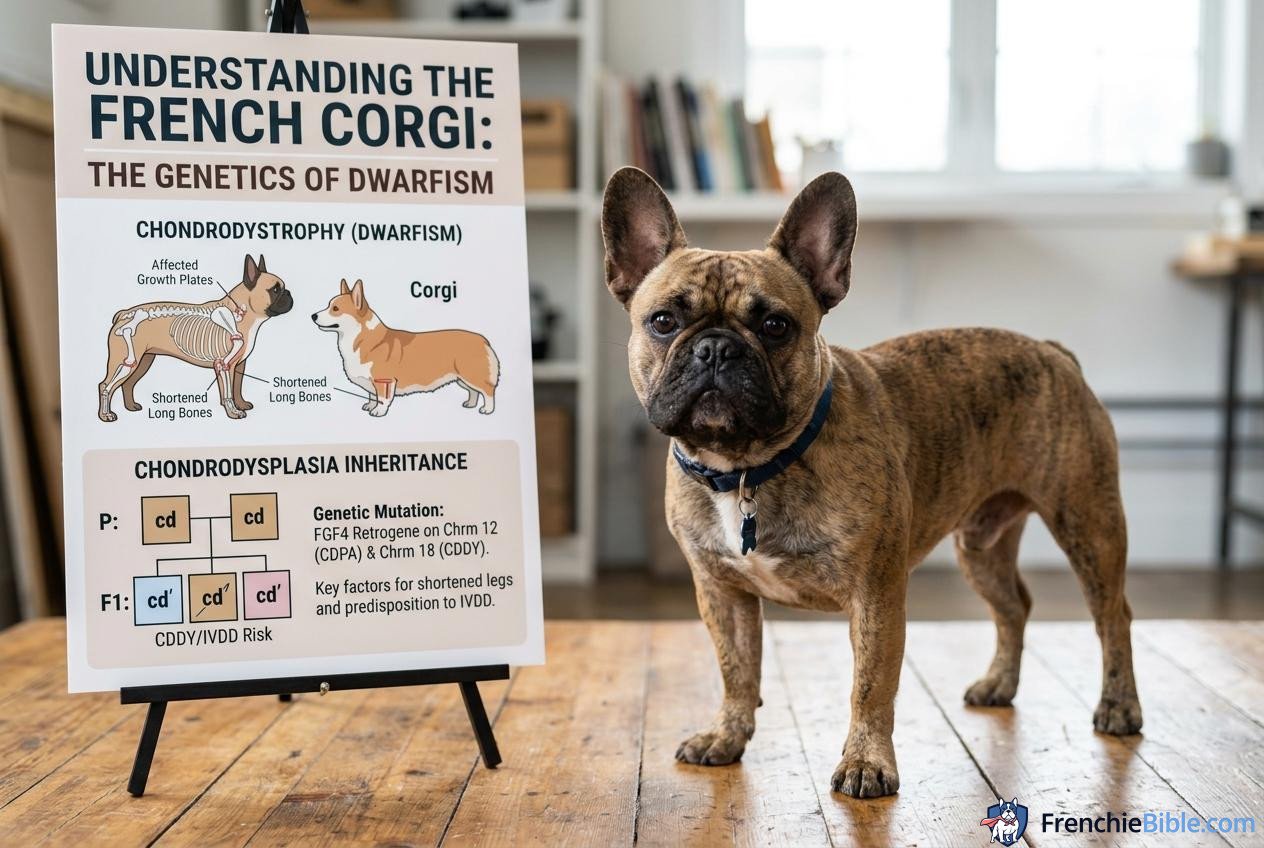
To truly grasp the severe risks associated with the French Corgi, we must first understand the structural blueprints of its parent breeds. Both the French Bulldog and the Welsh Corgi are what we scientifically refer to as “chondrodysplastic” breeds. Chondrodysplasia is a form of genetic dwarfism characterized by a normal-sized torso perched upon disproportionately short, bowed limbs. This is not an accident of nature; it is a trait that has been deliberately selected by humans for specific purposes over generations.
Chondrodysplasia in French Bulldogs
The French Bulldog’s compact, muscular build is a hallmark of the breed. Their short legs are the result of selective breeding over generations to create a companion dog of a specific size and shape, originally derived from toy bulldogs brought to France by English lacemakers during the Industrial Revolution. However, this dwarfism comes with inherent structural challenges.
The Frenchie spine is often subject to anomalies such as hemivertebrae (commonly known as butterfly vertebrae), which can cause curvature of the spine, leading to conditions like kyphosis or scoliosis. Even in the absence of hemivertebrae, the chondrodysplastic genetic mutation inherently alters the development of the cartilage and bone throughout the dog’s body. This genetic coding makes the intervertebral discs fundamentally weaker and more prone to early calcification and rapid degeneration. As a dedicated breeder, screening for spinal health through meticulous radiographic evaluation is one of our most critical, time-consuming, and challenging tasks.
Chondrodysplasia in Corgis
The Welsh Corgi, originally bred for herding cattle in the rugged terrain of Wales, relies on its exceptionally low stature to avoid being kicked by livestock. They are the quintessential “long-backed, short-legged” breed. Their specific form of dwarfism is primarily driven by the CDPA (Chondrodysplasia) and CDDY (Chondrodystrophy) genetic mutations.
The CDDY mutation, in particular, is directly and unequivocally linked to the premature degeneration of intervertebral discs. A Corgi’s abnormally long back acts much like a suspension bridge that is unsupported by adequate structural pillars. This anatomical reality places immense, constant mechanical stress on the middle sections of the spine during everyday movements, from walking to simply turning around.
The Genetic Collision: When Two Dwarf Breeds Mix
The common misconception among the general public—and sadly, a narrative heavily and irresponsibly promoted by some unethical “designer dog” breeders—is that mixing two different breeds automatically results in a healthier dog due to a concept known as “hybrid vigor” (heterosis). However, hybrid vigor only functions correctly when you are mixing dogs with entirely different genetic faults, allowing healthy dominant genes from one breed to mask the recessive faulty genes of the other.
When you intentionally cross a French Bulldog with a Welsh Corgi, you are taking two breeds that share the exact same fundamental structural vulnerability—chondrodysplasia and a severe genetic predisposition to premature disc degeneration—and combining them into a single animal.
The resulting French Corgi often possesses the heavy, incredibly dense, front-loaded musculature typical of a French Bulldog, supported by the extremely short, often significantly bowed legs inherited from the Corgi parentage. Furthermore, this heavy body is stretched over a back that is noticeably longer than a standard Frenchie’s, yet it is forced to carry significantly more core bulk than a standard Corgi’s spine is designed to handle.
From a structural standpoint, it is an anatomical disaster waiting to happen. The biomechanical stress placed on the spine of a French Corgi is exponentially higher than the stress experienced by either parent breed in isolation. By breeding these two together, you are not mitigating risk; you are literally doubling down on the risk of devastating IVDD episodes.
What is IVDD (Intervertebral Disc Disease)?
Intervertebral Disc Disease (IVDD) is arguably the most terrifying and heart-stopping acronym a dog owner can ever hear from their veterinarian. To fully comprehend why the French Corgi is so profoundly susceptible to this condition, we need a brief but detailed lesson in canine spinal anatomy and biomechanics.
The Anatomy of a Dog’s Spine
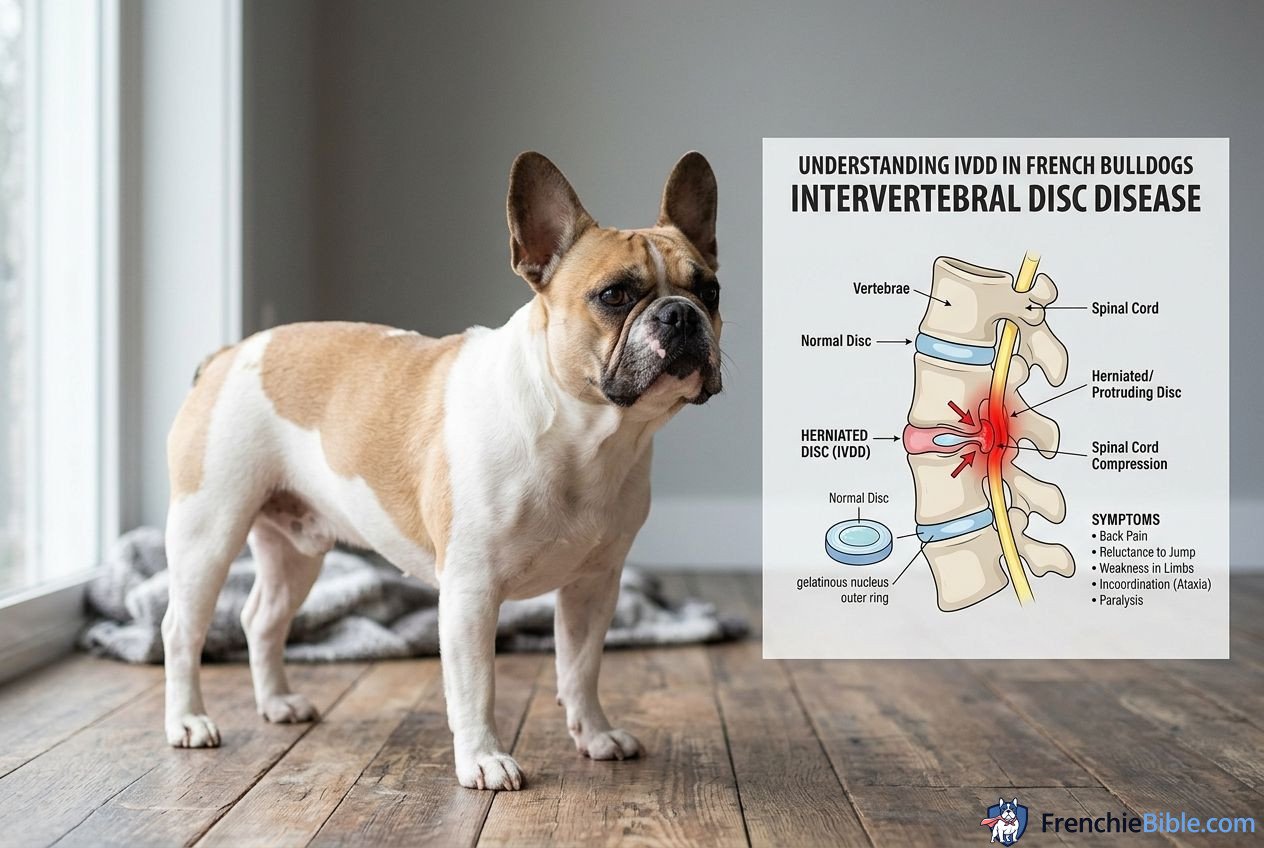
A dog’s spine is a complex, flexible column made up of a series of individual bones called vertebrae. These vertebrae extend from the base of the skull all the way to the tip of the tail. Running safely through the hollow center of these vertebrae is the spinal cord—a delicate, vital bundle of nerves that acts as the primary communication highway, transmitting signals between the brain and every other part of the body.
Acting as crucial shock absorbers between each of these bony vertebrae are the intervertebral discs. To visualize their function, think of these discs like jelly-filled donuts. They possess a tough, fibrous, highly resilient outer layer known as the annulus fibrosus, and a soft, gelatinous, water-rich center known as the nucleus pulposus. Whenever a dog runs, jumps, plays tug, or even just casually walks across the living room, these discs compress and expand, cushioning the bones, preventing them from grinding together, and allowing the spine to flex and bend gracefully.
Type I vs. Type II IVDD
In veterinary medicine, there are two primary classifications of IVDD, but Hansen Type I is the one that aggressively plagues chondrodysplastic dwarf breeds like the French Bulldog, the Welsh Corgi, and, consequently, the French Corgi mix.
Hansen Type I IVDD: This type of disc disease is characterized by the rapid, premature calcification (hardening) of the soft, jelly-like center of the disc (the nucleus pulposus). In a healthy dog, this center remains spongy well into old age. In chondrodysplastic breeds, due to their specific genetics, this jelly begins to dry out, harden, and turn brittle, often within the very first year of the dog’s life.
Because the center of the disc is no longer capable of absorbing shock, the tough outer layer is forced to bear the brunt of everyday impacts. Over time, this causes the outer layer to micro-tear and weaken. Eventually, a sudden, often seemingly innocuous movement—jumping off a low couch, turning sharply to chase a toy, or even just stretching vigorously after a nap—can cause this weakened outer layer to completely rupture.
When the rupture occurs, the hardened, calcified inner material is violently extruded upward directly into the spinal canal. There is no room for expansion in this bony canal, so the extruded material violently smashes into and compresses the delicate spinal cord. This devastating event causes acute, agonizing pain, severe localized inflammation, catastrophic nerve damage, and, frequently, permanent paralysis. Hansen Type I IVDD typically presents abruptly in young to middle-aged dogs, usually between 2 and 6 years of age.
Hansen Type II IVDD: For context, Hansen Type II IVDD is characterized by a slower, much more gradual, chronic bulging of the disc over a long period of time. It is typically seen in older, large-breed dogs (such as German Shepherds, Labrador Retrievers, or Dobermans) and is more akin to the chronic back pain experienced by aging humans. While a French Corgi can theoretically develop Type II later in life, it is the explosive, acute nature of Type I that represents the most significant and immediate threat to their wellbeing.
Why the French Corgi’s Long Back and Short Legs are a Recipe for Disaster
Imagine for a moment holding a long, heavy wooden plank that is supported only at its very furthest ends. If you were to place a heavy, dense weight squarely in the middle of that unsupported plank, it would immediately begin to bow under the pressure, and eventually, it would snap violently. This is a very accurate biomechanical representation of the reality of a French Corgi’s spine in motion.
The heavy, dense, barrel-chested body inherited from the French Bulldog parentage adds significant, unrelenting downward weight to the long, unsupported midsection inherited from the Corgi parentage. Furthermore, the disproportionately short, highly angulated legs of the French Corgi are fundamentally inefficient at absorbing the concussive impact of everyday canine activities.
Every single time a French Corgi jumps down from a single porch step, the shock of that impact travels directly up the short forelimbs, bypasses the shoulders, and is absorbed almost entirely by those fragile, prematurely calcifying discs sitting in the middle of the spine. Their bodily structure is essentially a ticking time bomb. Because of this, owners of French Corgis must be hyper-vigilant and proactive, treating their dog’s spine as if it is made of fragile glass from the very beginning.
Recognizing the Signs: Early Symptoms of IVDD in French Corgis
In my many years of intensely working with and observing Frenchies and dwarf breeds, I cannot stress this singular point enough: when it comes to the spine, time is tissue. If you miss the subtle early warning signs of an impending IVDD flare-up and allow your dog to continue moving normally, a mild disc bulge that could be managed conservatively can rapidly escalate into a catastrophic spinal cord rupture in a matter of mere hours. French Corgi owners must be meticulously trained to notice the absolute slightest deviations in their dog’s normal behavior and posture.
The Subtle First Signs: Stage 1
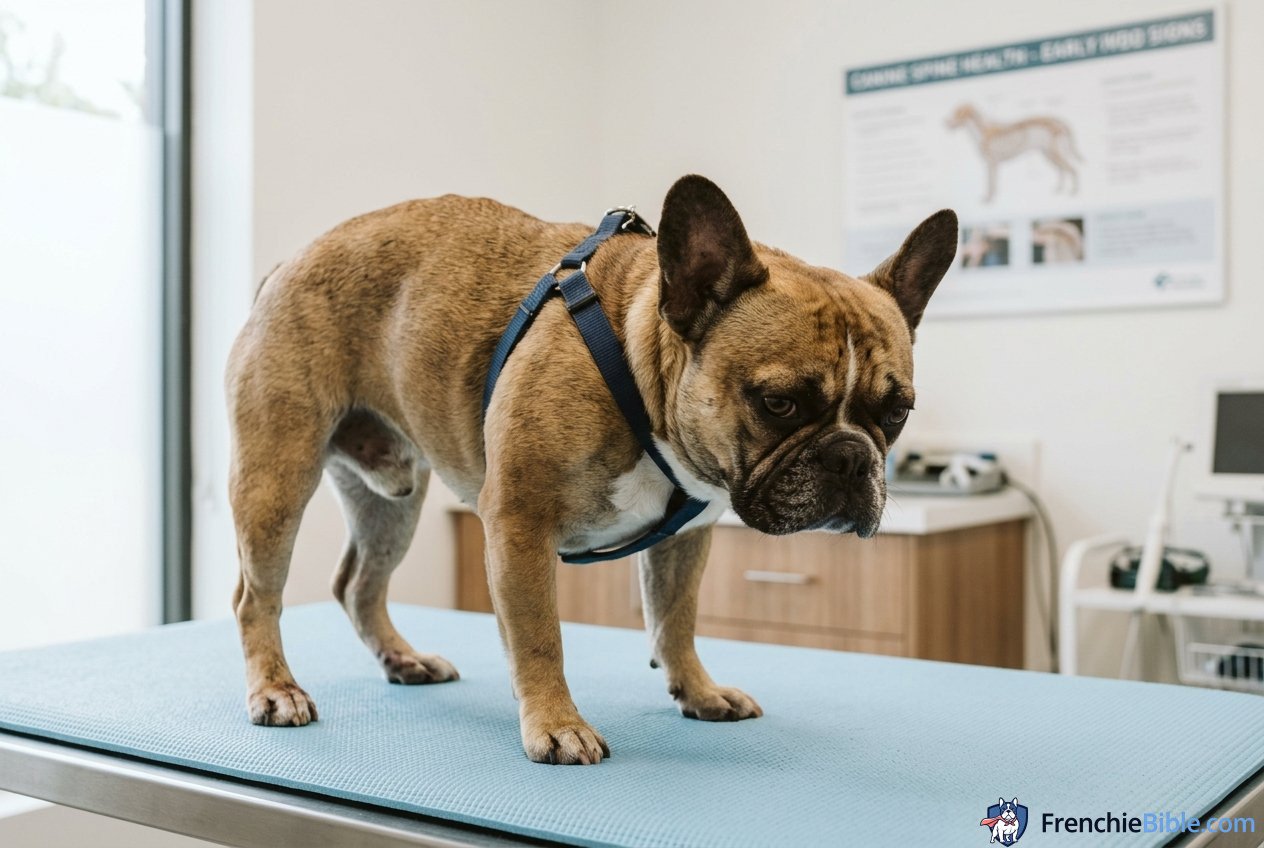
At this initial stage, the disc is actively bulging and pressing against the sensitive nerves surrounding the spinal cord. This causes significant, often localized pain, but the compression is not yet severe enough to interrupt the critical neurological motor signals traveling to the limbs. Dogs are inherently stoic creatures that instinctively hide their pain to avoid appearing vulnerable. Therefore, you must look for the following nuanced signs:
– Reluctance to move: A normally vibrant, active dog suddenly prefers to stay in their bed, refuses to go for their favorite walk, or seems unusually lethargic.
– Refusal to jump: The dog may sit at the base of the couch, the bed, or a small set of stairs, looking up longingly, but completely refusing to attempt the jump they normally make with ease.
– The “Roached” or Hunched Back: This is a classic hallmark of spinal pain. The dog walks with an arched, rigid back, actively tucking their hindquarters and tail sharply underneath their body. This posture is an involuntary mechanism to relieve mechanical pressure on the inflamed spinal segment.
– Head lowering and stiff neck: The dog may walk stiffly with their head held abnormally low, constantly looking at the floor and refusing to turn their head side-to-side. Neck (cervical) disc issues are incredibly common and exceptionally painful in these heavy-headed mixes.
– Unexplained shivering or panting: When the dog is not cold, and the environment is not hot, sudden onset shivering, trembling, or rapid panting is a primary physiological indicator of intense, acute pain in canines.
– Behavioral changes: The dog may suddenly refuse food, become unusually withdrawn, hide under furniture, or act surprisingly aggressive (growling or snapping) when you attempt to touch or pick them up.
Moderate Symptoms: Stages 2 and 3
If the condition progresses to this point, the disc compression has become severe enough to start interfering with the vital neurological signals traveling from the brain down to the back legs. The dog is now experiencing neurological deficits in addition to pain.
– Ataxia (Wobbly gait): The dog’s walking becomes uncoordinated. They may look as though they are intoxicated, swaying their hind end unsteadily from side to side as they attempt to walk.
– Knuckling over (Proprioceptive deficit): This is a critical neurological marker. When walking, the dog forgets or is unable to place their paw flat on the ground. Instead, the paw flips completely over, and they drag the tops of their toes along the surface. You will often hear their nails noticeably scuffing on the pavement or hardwood floors.
– Crossing the back legs: Because they are rapidly losing proprioception (the brain’s inherent sense of where their limbs are located in space), their back legs may inadvertently cross over each other while they are attempting to stand still or walk forward, causing them to trip.
– Vocalizing pain: The pain is no longer something they can hide. The dog may yelp, scream, or cry out sharply when you attempt to pick them up, or even when they try to change positions independently in their bed.
Severe Symptoms: Stages 4 and 5
This stage represents an absolute, life-threatening medical emergency. It requires immediate, aggressive veterinary intervention, and almost universally necessitates emergency spinal surgery to prevent permanent, irreversible damage.
– Partial or Complete Paralysis: The dog loses all ability to move their back legs. They will physically drag their paralyzed hind end behind them by using only their front legs.
– Loss of bladder and bowel control: The dog begins unconsciously leaking urine or dropping feces as they sleep or drag themselves. This occurs because the vital nerve pathways controlling the anal and urinary sphincters have been completely severed or severely compressed by the ruptured disc material.
– Loss of Deep Pain Sensation (DPS): In Stage 5, the most severe and critical stage of IVDD, the spinal cord is so catastrophically compressed that the dog can no longer feel even a hard, experienced breedererinary pinch to their toes with hemostats. This is the ultimate red flag. If a dog loses Deep Pain Sensation, the prognosis for ever walking again—even with immediate, world-class surgery performed within hours—drops dramatically. Once DPS is lost, every single minute is critical.
Preventive Care: Protecting Your French Corgi’s Spine
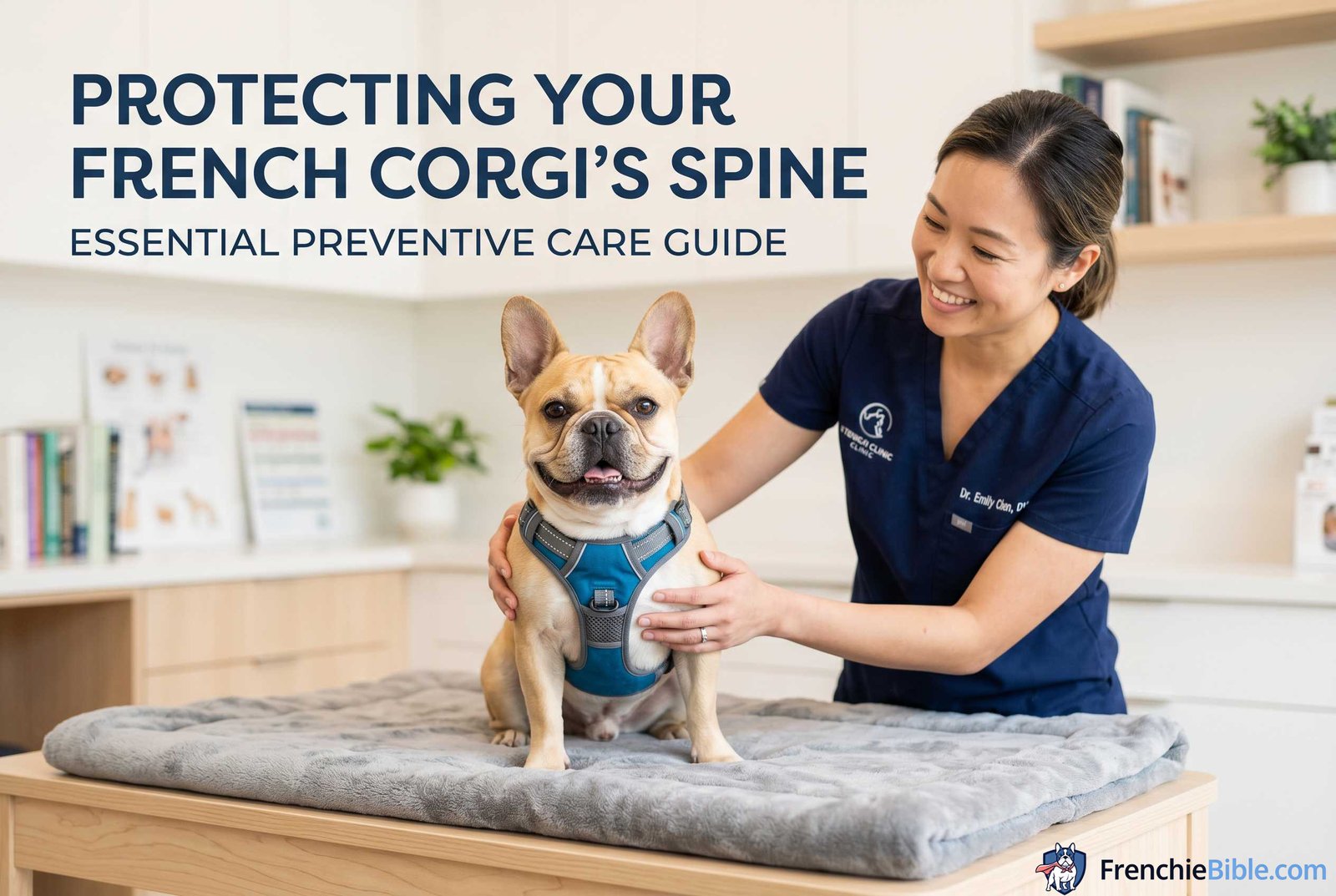
If you choose to bring a French Corgi into your family, you must fully embrace and adopt a lifestyle of extreme, uncompromising spine preservation from the very first day you bring the puppy home. You absolutely cannot wait until the dog is older or starts showing signs of slowing down; their discs are genetically programmed to calcify early. Aggressive prevention is your first, best, and only reliable tool against this disease.
Weight Management: The First Line of Defense
As a dedicated breeder and passionate canine nutrition enthusiast, I find myself constantly battling the pervasive “chunky is cute” mentality that plagues the French Bulldog and Corgi communities. In a French Corgi, every single excess ounce of fat is an active, ongoing physical threat to the integrity of their spinal cord.
The heavier the dog is, the more brutal the mechanical stress placed on the already fragile intervertebral discs with every single step they take. Your French Corgi must be kept incredibly lean. They should have a clearly visible waistline when viewed from directly above, and a distinct, sharp abdominal tuck when viewed from the side. You should be able to easily feel their ribs with light pressure from your fingertips, though you shouldn’t see individual ribs protruding sharply.
If your dog is even slightly overweight, you must consult with your veterinarian to formulate a safe, effective, and immediate calorie-reduction plan. Absolutely do not free-feed your dog under any circumstances. You must measure their high-quality food meticulously using a digital kitchen scale, taking into account all treats and training rewards.
Safe Handling and Lifting Techniques
Never, ever, under any circumstances, pick a French Corgi up by grabbing them behind their front armpits and letting their long, heavy back half dangle unsupported. This action places agonizing, unnatural stress on the exact midpoint of the spine, which is where disc ruptures most frequently occur.
Instead, everyone in your household must learn and strictly utilize the “Football Hold.”
1. Place one arm firmly and securely between the dog’s front legs, fully supporting the weight of their dense chest.
2. Simultaneously, place your other arm around their hindquarters, physically scooping up their rear end and tucking it securely against your torso.
3. As you lift, keep their spine perfectly straight and parallel to the floor. Hold them firmly against your own center of gravity so they feel entirely secure and do not panic or struggle while elevated.
Modifying Your Home Environment
Your living space must be fundamentally transformed into a spine-safe zone. This is non-negotiable for French Corgi owners.
– Absolutely no stairs: If you have stairs leading to different levels of your home, they must be permanently gated off with sturdy baby gates. If your dog needs to go up or down stairs, you must physically carry them using the safe lifting technique described above. Every trip down a staircase is an invitation to disaster.
– Ramps absolutely everywhere: You must purchase and train your dog from early puppyhood to exclusively use ramps to get on and off any furniture they are allowed on, such as the couch or the bed. If your dog stubbornly refuses to use the ramps, they immediately lose all furniture privileges. Jumping down from elevated furniture is unequivocally the number one cause of acute, catastrophic disc ruptures in dwarf breeds.
– Traction control is critical: Hardwood, slick tile, or smooth laminate floors are incredibly dangerous for these dogs. When a dog slips and scrambles for traction, they violently twist their spine abruptly to catch their balance. This rapid torsion can easily rupture a weakened disc. You must strategically cover all active pathways in your home with non-slip rugs, carpet runners, or high-quality yoga mats. If your home has vast expanses of hard flooring, seriously consider applying specialized, dog-safe grip pads to the bottoms of their paws.
– Elevated food and water bowls: Forcing a French Corgi to bend their heavy head sharply down to the floor to eat or drink repeatedly can strain the delicate cervical (neck) spine over time. Utilize raised, ergonomically designed bowls that are specifically adjusted to the exact height of their lower chest.
Exercise: What’s Safe and What’s Dangerous
A physically tired dog is a well-behaved dog, but a French Corgi must be exercised safely, keeping their structural limitations at the forefront of your mind.
– Dangerous Activities: You must absolutely forbid jumping for frisbees or balls, roughhousing or wrestling with larger, more boisterous dogs that might easily knock them over, and intense games of tug-of-war that involve violent, thrashing neck shaking. Participating in agility courses that require jumps, weave poles, or A-frames is strictly forbidden for this mix.
– Safe Activities: Controlled, steady-paced leash walks on flat, even surfaces (like paved trails or manicured grass) are excellent for building the supporting core muscles that help stabilize the spine. Swimming is fantastic, ultra-low-impact exercise that builds incredible core strength without loading the spine at all. However, it must be done with a high-quality canine life jacket, as Frenchie mixes are notoriously terrible, dense swimmers and can drown rapidly. Incorporating scent work, snuffle mats, and complex puzzle toys are phenomenal ways to provide intense mental stimulation and tire them out without any physical risk.
Nutrition for Spinal Health and Joint Support
Diet plays a massive, often underestimated role in maintaining the long-term integrity of connective tissues, preserving cartilage health, and crucially, managing systemic inflammation within the body. From a breeder’s perspective, investing heavily in top-tier nutrition and highly targeted supplementation is non-negotiable when dealing with structurally compromised, high-risk breeds.
The Critical Role of Omega-3 Fatty Acids
Omega-3 fatty acids, specifically EPA (Eicosapentaenoic Acid) and DHA (Docosahexaenoic Acid), are incredibly potent natural anti-inflammatories. Because IVDD and general spinal degeneration inherently involve severe, chronic inflammation around the spinal cord and facet joints, maintaining a daily diet rich in highly bioavailable Omega-3s can significantly help mitigate this everyday inflammatory stress.
I highly recommend investing in a premium, third-party tested, human-grade fish oil, krill oil, or green-lipped mussel supplement. Plant-based Omega-3s (like flaxseed) are poorly converted by dogs and are largely ineffective for this purpose. Ensure liquid oils are stored properly in the refrigerator to prevent rapid oxidation and rancidity.
Glucosamine, Chondroitin, and MSM Supplements
These three compounds are the fundamental building blocks of healthy cartilage and synovial (joint) fluid. While we must be realistic—they absolutely cannot reverse the genetic, premature calcification of the intervertebral discs—they provide absolutely crucial, life-long support to the surrounding facet joints in the spine and the overworked joints in their short, bowed legs (which are highly prone to early-onset arthritis and elbow dysplasia).
– Glucosamine: This amino sugar naturally helps stimulate the ongoing production of cartilage, aiding in joint repair.
– Chondroitin Sulfate: This complex carbohydrate helps cartilage aggressively retain water, keeping it spongy, resilient, and capable of absorbing shock.
– MSM (Methylsulfonylmethane): This naturally occurring organic compound provides essential sulfur, a vital component for building strong joint tissue, and acts as a potent, natural anti-inflammatory pain reliever.
Antioxidants and Anti-inflammatory Diets
Cellular oxidative stress heavily contributes to the rapid degeneration of all bodily tissues, including discs. Feeding a diet inherently rich in whole-food antioxidants can massively support overall cellular health and slow the aging process of the spine.
I strongly advise owners to consider adding fresh, dog-safe berries (such as blueberries or raspberries), steamed leafy greens (like spinach or kale in strict moderation), and targeted supplements like turmeric (specifically the active compound curcumin, carefully paired with a tiny, safe amount of black pepper extract for proper absorption—always consult An Experienced Breedererinary professional on exact dosing) to their daily regimen.
You should fiercely avoid feeding highly processed, low-quality commercial kibbles that rely heavily on inflammatory grains, cheap fillers, and rendered mystery meats. Instead, focus entirely on high-quality, highly digestible, species-appropriate proteins to powerfully support the maintenance of lean muscle mass. A strong, well-developed muscular core acts like an internal corset, crucially helping to stabilize and support the fragile, elongated spine.
The Breeder’s Responsibility: Ethical Considerations of the French Corgi Mix
As an individual deeply entrenched in the world of purebred preservation, ethical breeding practices, and canine welfare, I feel a profound obligation to address the massive elephant in the room: the ethics of deliberately, intentionally breeding the French Corgi mix.
The “Designer Dog” Trend and Its Consequences
The explosive modern surge in the popularity of “designer dogs” often ruthlessly prioritizes unique, Instagram-worthy aesthetics over the long-term health, functionality, and pain-free existence of the animal. Breeding a French Corgi is almost never done with the noble intention of improving the overall health of either the French Bulldog or the Welsh Corgi breed. It is done entirely because the resulting puppies look incredibly unique, are undeniably cute, and can fetch exorbitant prices in the unregulated pet market.
This is a profoundly uncomfortable truth that many are hesitant to discuss. Deliberately taking two separate breeds, both of which are highly documented to suffer from severe, genetically programmed spinal issues, and purposefully combining them borders on deliberate negligence. It aggressively passes a massive, foreseeable emotional and financial burden directly onto the unsuspecting, often uneducated pet owner. These owners are the ones who will likely face devastating, five-figure veterinary bills and endure the immense, traumatic heartbreak of watching their beloved dog scream in pain or suffer permanent paralysis from a catastrophic spinal injury.
Rigorous Health Testing for Both Parent Breeds
If someone is stubbornly determined to breed, or a buyer is dead-set on purchasing a French Corgi, they must aggressively demand to see proof of rigorous, specialized health testing. A standard “vet check” confirming the dog is currently breathing and eating is entirely insufficient.
– Advanced Spinal X-rays: Both the French Bulldog parent and the Welsh Corgi parent must have their entire spines comprehensively radiographed. These X-rays must be formally evaluated by a experienced orthopedic specialist to actively check for existing anomalies, early signs of disc calcification, spondylosis, or the presence of hemivertebrae.
– Comprehensive Genetic DNA Testing: Both parents should be thoroughly DNA tested for the CDPA and CDDY mutations. While we know both breeds inherently carry dwarfism genes, fully understanding the specific genetic makeup of the parents can sometimes help predict the severity of the risk in the offspring. Furthermore, both dogs absolutely must be cleared for other devastating breed-specific issues, primarily DM (Degenerative Myelopathy). DM is a fatal, progressive neurological disease heavily prevalent in Corgis that can initially mimic the symptoms of IVDD by causing progressive hind-end paralysis, but for which there is zero cure.
– OFA Certifications: Standard certifications for hips, elbows, cardiac function, and patellas (knees) should all be formally recorded and verifiable through the Orthopedic Foundation for Animals (OFA).
Why I Advocate for Preservation Breeding Over High-Risk Mixes
True preservation breeders dedicate their entire lives, their financial resources, and their hearts to improving the health and structure of a specific, recognized breed. We meticulously track complex pedigrees spanning decades, we happily run incredibly expensive health panels on every dog, and we routinely make agonizingly difficult decisions to completely exclude beloved dogs from our breeding programs if they do not meet our rigorous, uncompromising health and temperament standards.
Our ultimate, driving goal is to actively minimize genetic disease and significantly improve the longevity and quality of life for future generations. Intentionally mixing two known high-risk breeds, completely without the backing of decades of meticulous pedigree research to verify the structural integrity of the specific lines being used, is nothing short of playing a reckless game of Russian roulette with the puppies’ lives.
I strongly, urgently implore anyone currently considering acquiring a French Corgi to instead seek out an ethical, highly reputable preservation breeder of either a purebred French Bulldog or a purebred Pembroke Welsh Corgi. Find a breeder who is actively, transparently working to screen for and minimize IVDD risks within their carefully established, deeply researched lines.
Navigating an IVDD Crisis: What to Do If Your French Corgi Goes Down
Despite your most neurotic, exhausting efforts and impeccable preventative care, genetics is a powerful force, and it may ultimately win. Your French Corgi may still suffer a devastating IVDD episode. How you react, panic, or mobilize in those first few critical hours will dictate the entire rest of your dog’s life.
Strict Crate Rest: The Non-Negotiable Foundation of Conservative Management
If you notice any of the signs previously mentioned—a hunched back, shivering, wobbliness, or a sudden yelp—you must immediately, without hesitation, confine your dog to a small, rigid crate. Do not “wait and see” if they feel better in an hour. Do not let them walk to the car. Pick them up using the football hold and place them in the crate.
Strict crate rest is the absolute, uncompromising cornerstone of healing a bulging or mildly ruptured disc. The crate you use must be only large enough for the dog to stand up, turn around once, and lie back down comfortably. There must be zero room for pacing, playing, or stretching out fully.
– The Grueling Duration: True strict crate rest typically lasts for an agonizing minimum of 6 to 8 weeks. This means the dog is confined inside the crate 24 hours a day, 7 days a week. They are only allowed out to be physically carried outside to go potty. During potty breaks, they must be kept on a very short leash or a sling to prevent any sudden movements, sniffing, or wandering, and then immediately carried back to the crate.
– The Immense Mental Toll: This protocol is incredibly stressful, heartbreaking, and exhausting for both the dog and the owner. The dog will cry, whine, and beg to be let out. You must remain steadfast. You will need to carefully provide safe, zero-movement mental stimulation, such as freezing high-value foods on lick mats, to keep them from going completely stir-crazy and attempting to dig out of the crate.
Aggressive Medical Management
Conservative management (the non-surgical route) relies entirely on strict crate rest paired seamlessly with aggressive, highly monitored medical management prescribed by An Experienced Breedererinary professional.
– Potent Anti-inflammatories: Powerful Non-Steroidal Anti-Inflammatory Drugs (NSAIDs) or, in some cases, heavy corticosteroids are utilized to radically and rapidly reduce the devastating swelling occurring around the compressed spinal cord. I cannot overstate this: NEVER give a dog human pain medications like ibuprofen, Tylenol, or Advil. They are highly toxic and frequently fatal to dogs.
– Heavy Pain Control: IVDD is considered one of the most excruciatingly painful conditions a dog can experience. Drugs like your veterinarian may recommend a pain or anti-seizure medication (never use without veterinary guidance) (for nerve pain), Amantadine, or heavy opioids are almost always necessary to keep the dog comfortable enough to rest quietly.
– Muscle Relaxants: Medications like Methocarbamol are frequently prescribed to help stop the agonizing, rigid muscle spasms that occur continuously as the body desperately tries to splint and protect the injured portion of the spine.
Emergency Surgical Intervention
If the dog is in uncontrollable, screaming pain that cannot be managed with heavy medication, if their neurological symptoms (like wobbliness) are rapidly progressing within hours, or if they have completely lost the ability to walk (hitting Stage 4 or 5), emergency surgery is usually the only viable option remaining to decompress the dying spinal cord.
The most common and effective surgical procedure is a spinal decompression surgery (discuss with your veterinarian). A highly experienced breedererinary neurologist or board-certified orthopedic surgeon will literally use a drill to remove a portion of the bony vertebra sitting directly over the ruptured disc. This allows them to manually extract the extruded, hardened disc material and instantly relieve the crushing pressure on the spinal cord.
This is a major, intensely invasive, and incredibly expensive surgery. Owners should realistically expect costs ranging from $6,000 to over $12,000 depending on their geographic location, the necessity of an MRI for diagnosis, and the length of the required ICU stay. Furthermore, the surgery is only the beginning; it requires a lengthy, exhausting, and intensive post-operative physical rehabilitation recovery period at home.
Physical Therapy and Professional Rehabilitation
Regardless of whether you manage the IVDD episode conservatively with crate rest or aggressively with a $10,000 surgery, professional physical rehabilitation is absolutely crucial for maximizing recovery and regaining function.
– Cold Laser Therapy: This non-invasive treatment uses specific wavelengths of light to massively reduce cellular inflammation, increase blood flow, and rapidly promote cellular healing deep within the tissues surrounding the damaged spine.
– Veterinary Acupuncture: Many desperate owners and highly trained practitioners find that targeted electro-acupuncture is shockingly effective in restimulating damaged nerve pathways and providing profound natural pain relief.
– Hydrotherapy: Utilizing an underwater treadmill is the gold standard for rehabilitation. It allows the recovering dog to practice the complex mechanics of walking in a warm, buoyant environment that safely supports their body weight. This vastly reduces stress on the healing spine while simultaneously rebuilding severely atrophied leg muscles.
– Passive Range of Motion (PROM): These are specialized, incredibly gentle exercises that a certified rehabilitation therapist will teach you to perform at home multiple times a day. PROM keeps the dog’s joints lubricated and flexible and prevents permanent tendon contracture while they are paralyzed or on extended crate rest.
Life After IVDD: Long-Term Management and Quality of Life
Surviving an IVDD episode irreversibly changes your dog’s life, and your life as an owner, forever. Even if your dog makes what appears to be a miraculous, full recovery and is walking perfectly, their spine will permanently remain a compromised, fragile structure. The strict preventative measures mentioned earlier—absolutely no stairs, mandatory ramp usage, and militant weight management—cease to be suggestions and become absolute, unforgiving, lifelong rules.
However, it is crucial to understand that even dogs who suffer the worst-case scenario and do not regain the ability to walk can still live incredibly happy, profoundly fulfilled, and joyful lives with the right dedicated support from their owners.
Utilizing Mobility Aids
If your French Corgi sadly remains permanently paralyzed in their hindquarters, a custom-fitted canine wheelchair (often called a cart) can miraculously give them their freedom and spirit back. Dogs are incredibly resilient creatures; they do not feel sorry for themselves, and they adapt to wheels remarkably fast.
Seeing a previously paralyzed, depressed dog’s face light up with pure joy as they realize they can run through the grass, chase a ball, and keep up with their family again in their cart is one of the most profoundly beautiful and emotional experiences an owner can have. In addition to a cart, you will absolutely need to invest in a high-quality, full-body lifting harness (such as the “Help ‘Em Up” harness) to safely assist them in navigating around the house, getting up from their bed, and going outside for potty breaks without straining your own back.
Managing Incontinence in Paralyzed Dogs
It is a harsh reality that paralyzed dogs frequently cannot urinate or defecate voluntarily on their own. As a dedicated owner, you will need to be taught by your vet how to manually express their bladder. This must be done 3 to 4 times a day, every single day, for the rest of their life.
Expressing the bladder involves gently but firmly squeezing the bladder through the dog’s abdominal wall until it empties completely. Failure to master this technique or skipping expressions can quickly result in life-threatening urinary tract infections or kidney damage. Additionally, you will need to manage their daily hygiene meticulously. This involves frequent bathing of their hindquarters and using specialized barrier creams to prevent severe urine scald and painful pressure sores on their dragging limbs.
Emotional Support for the Dog (And the Owner!)
Caring for an IVDD-compromised or paralyzed dog is not a sprint; it is an exhausting, multi-year marathon. It is financially draining, physically demanding, and emotionally brutal. You will almost certainly experience severe caregiver burnout at some point.
It is absolutely vital that you proactively seek out support. There are massive, incredibly supportive online communities and non-profit organizations (such as Dodgerslist) dedicated entirely to supporting and educating owners navigating the nightmare of IVDD. Connect with these people. They are the only ones who truly understand the constant hyper-vigilance, the paralyzing fear every time the dog moves slightly wrong, and the overwhelming complexity of the daily care routines. Finally, do not neglect your own mental and physical health while pouring your soul into caring for your disabled dog; you cannot pour from an empty cup.
The French Corgi is undeniably a charismatic, deeply affectionate, and visually striking canine companion. But beneath that impossibly adorable exterior lies a skeletal structure that is fundamentally, genetically at war with itself. As a breeder, my ultimate loyalty and advocacy are always directed toward the health and welfare of the dogs first, above aesthetics and above market trends. I implore anyone even casually considering acquiring this mix to look far past the heavily curated, cute photos on social media. You must seriously, brutally evaluate your emotional resilience and financial readiness to handle a catastrophic spinal injury. If you currently share your life with a French Corgi, love them fiercely, but guard their spine with your life.
Frequently Asked Questions (FAQs) About French Corgis and IVDD
1. Is it absolutely guaranteed that my French Corgi will get IVDD at some point?
No, it is not a 100% absolute guarantee that every single French Corgi bred will suffer a clinical disc rupture during their lifetime. However, because both parent breeds are highly, genetically predisposed to the specific mutation that causes premature disc calcification (Hansen Type I IVDD), the statistical risk is exceptionally, terrifyingly high—magnitudes higher than in normal, non-dwarf breeds. It is by far the safest and most responsible course of action to simply assume they are at extreme risk and strictly manage their lifestyle accordingly from the day they are born.
2. At what specific age does IVDD usually strike French Corgis?
Because they are primarily prone to Hansen Type I IVDD, which involves the early, premature calcification of the discs, devastating clinical symptoms most commonly appear during the prime of their lives, typically between the ages of 2 and 6 years old. However, it is not unheard of for it to happen even earlier in severely affected young dogs, or much later in life as chronic wear and tear takes its toll.
3. Can I completely prevent IVDD by giving my French Corgi the best joint supplements available?
While high-quality supplements like Glucosamine, Chondroitin, and potent Omega-3s are truly excellent for supporting overall joint health and effectively managing systemic inflammation, they absolutely cannot prevent or reverse the underlying genetic calcification of the intervertebral discs. You should view supplements as a highly beneficial supportive measure, not a magical cure or an impenetrable shield against their genetics. Strict lifestyle management (keeping them incredibly lean, enforcing zero jumping rules, and using ramps) is far, far more critical and effective for actual prevention.
4. What is the single most important lifestyle change I can make to protect my French Corgi’s back?
If you can only focus on two things, they must be these absolute rules: keeping them exceptionally lean (an overweight dog suffers exponentially more constant spinal stress) and completely, ruthlessly eliminating all jumping. Do not let them jump on or off any furniture, do not ever let them navigate stairs, and invest the time to teach them to use ramps reliably and exclusively.
5. Realistically, how much does IVDD surgery and recovery typically cost?
The financial cost varies wildly depending on your exact geographic location, the prestige of the specific neurologist or surgeon, and the complex severity of your dog’s case. However, realistically, you should immediately expect the advanced diagnostics (an MRI or CT scan is required) and the highly specialized surgery itself (spinal decompression surgery (discuss with your veterinarian)), combined with the necessary days in a 24-hour veterinary ICU, to range anywhere from $6,000 to well over $12,000. Crucially, this estimate rarely includes the months of expensive post-operative physical therapy that will follow. Securing comprehensive, high-quality pet insurance the day you bring the puppy home is highly, highly recommended for these specific mixes.
Disclaimer: I am a passionate preservation breeder, canine structural enthusiast, and content director with over 10 years of intensive, hands-on experience in the breeding, genetic study, and daily husbandry of French Bulldogs. However, I am absolutely not a licensed veterinarian, and I do not hold any formal medical or veterinary qualifications whatsoever. The extensive information provided within this article is based entirely on my personal experience, deep research within the preservation breeding community, and practical knowledge of breed husbandry. This content is intended strictly for educational and informational purposes only. It must absolutely never be utilized as a substitute for professional veterinary advice, formal diagnosis, or medical treatment. If your dog is exhibiting any signs of pain, neurological distress, wobbliness, or illness, you must seek immediate, emergency medical evaluation from a licensed veterinarian or a experienced neurologist. Always consult directly with your trusted veterinary professional before making any significant changes to your dog’s diet, exercise routine, supplement regimen, or overall healthcare plan.