Disclaimer: The information provided in this article is for educational and informational purposes only. It is based on the experiences of a French Bulldog breeding expert and breed advocate who has worked closely with veterinary rehabilitation specialists over many years. This article is NOT a substitute for professional veterinary advice, diagnosis, or treatment. Always seek the advice of your primary veterinarian with any questions you may have regarding your dog’s medical condition.
Introduction: Spinal Health in French Bulldogs
French Bulldogs have become one of the most popular and beloved dog breeds globally. Their undeniable charm, affectionate nature, and iconic bat-like ears make them irresistible companions. However, the very characteristics that make them so adorable—their compact, muscular bodies, short legs, and brachycephalic features—also predispose them to a unique set of health challenges.
Related Reading: Training & Behavior | Frenchie Puppy Guide | Best Food for Frenchies
As someone who has spent decades immersed in the French Bulldog breeding world, I can tell you that spinal health is one of the most critical and frequent concerns we manage in this breed. Specifically, Intervertebral Disc Disease (IVDD) stands out as a prevalent and potentially devastating condition.
Over the years, through close work with veterinary rehabilitation specialists, I have come to appreciate the powerful role that integrative therapies—specifically acupuncture and canine hydrotherapy—can play in supporting French Bulldogs suffering from spinal conditions. These therapies should always be pursued under the guidance and recommendation of a licensed veterinarian.
This guide is designed to help French Bulldog owners understand these therapies, what they involve, and how they may benefit their dogs—always within a proper veterinary care framework.
Understanding Intervertebral Disc Disease (IVDD) in French Bulldogs
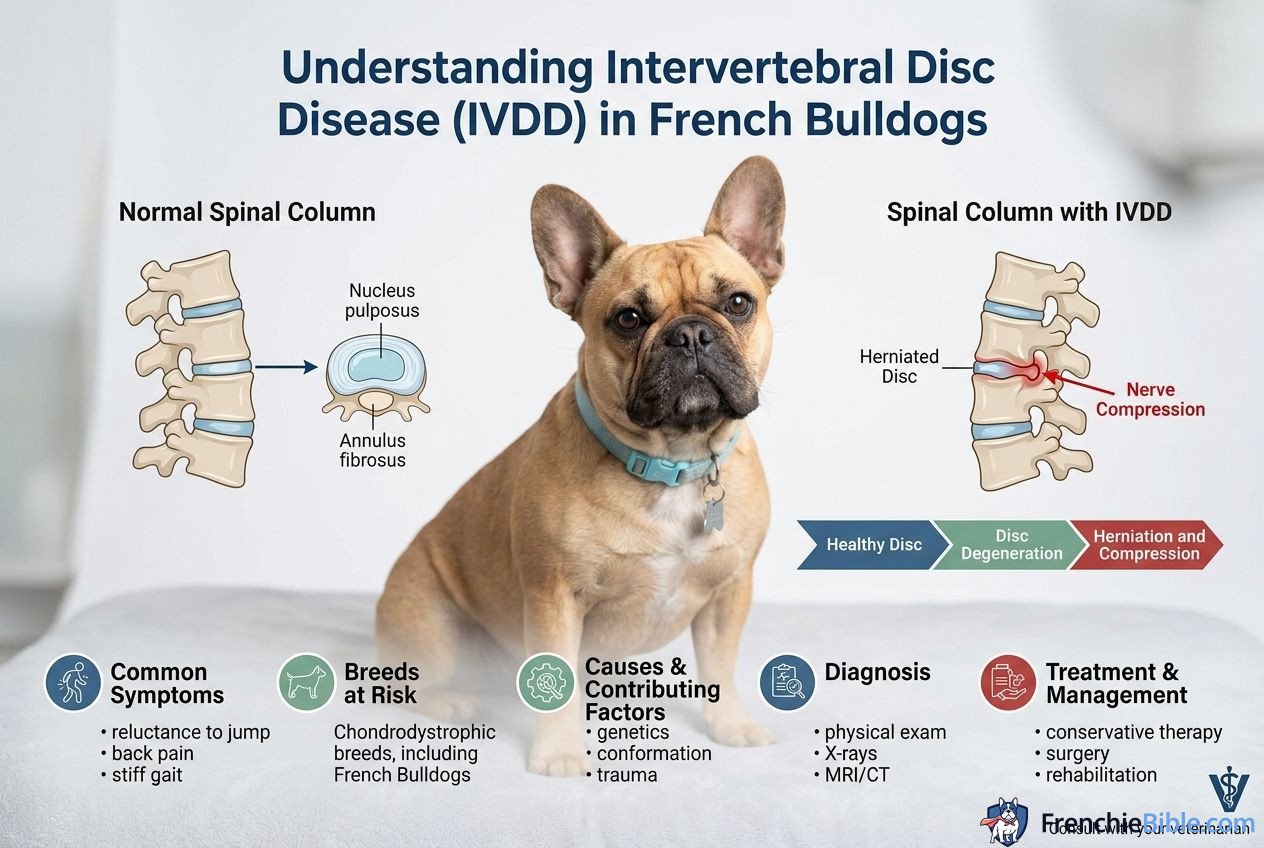
IVDD is a condition involving the premature aging, degeneration, bulging, or rupturing of the intervertebral discs—the vital cushions between the bony vertebrae of the spinal column.
The Anatomy of a Frenchie’s Spine
The spine of a French Bulldog consists of vertebrae (the bony building blocks), intervertebral discs (the cushions), the spinal cord (the bundle of nerves), and a network of surrounding muscles, tendons, and ligaments. French Bulldogs are genetically predisposed to chondrodystrophy. This genetic trait affects the development of cartilage and bone throughout the body. While it gives Frenchies their characteristic short-legged appearance, it also means their intervertebral discs are prone to premature calcification, dehydration, and degeneration.
When a disc becomes brittle, it loses its ability to effectively absorb the daily shocks of movement. This sets the stage for spinal issues.
The Mechanics of Disc Herniation
IVDD typically presents in two forms, though Type I is overwhelmingly the most common in French Bulldogs:
- Hansen Type I IVDD (Acute Rupture): A sudden extrusion of disc material through a weakened fibrous outer layer, forcefully entering the spinal canal. This can lead to acute pain, nerve damage, and frequently, sudden paralysis of the hind limbs.
- Hansen Type II IVDD (Chronic Bulging): A slower, more progressive protrusion of the intact disc into the spinal canal. This typically causes chronic pain and a gradual decline in mobility over time.
When the spinal cord is subjected to compression, the neural pathways that transmit sensory information and motor commands between the brain and the rest of the body are disrupted. This explains why a French Bulldog with a spinal disc issue may lose the ability to move their hind legs, feel their paws, or control their bladder and bowels.
Signs and Symptoms of IVDD: Early Detection is Critical
Early detection and immediate intervention are the most critical factors in a successful outcome. Signs of IVDD include:
- Reluctance to move or play.
- Vocalization—especially when being picked up, patted on the back, or making sudden movements.
- Postural changes (a hunched back or tucked abdomen).
- Loss of coordination (a wobbly, “drunken” gait).
- Dragging the hind limbs.
- Loss of bladder or bowel control.
If you observe any of these symptoms, you must treat the situation as an absolute medical emergency. Contact your veterinarian or emergency clinic immediately.
The Role of Acupuncture in French Bulldog Rehabilitation
Acupuncture is an ancient healing art that has gained significant attention and acceptance in modern veterinary medicine. It involves the insertion of thin, sterile needles into specific points on the body to produce a healing response.
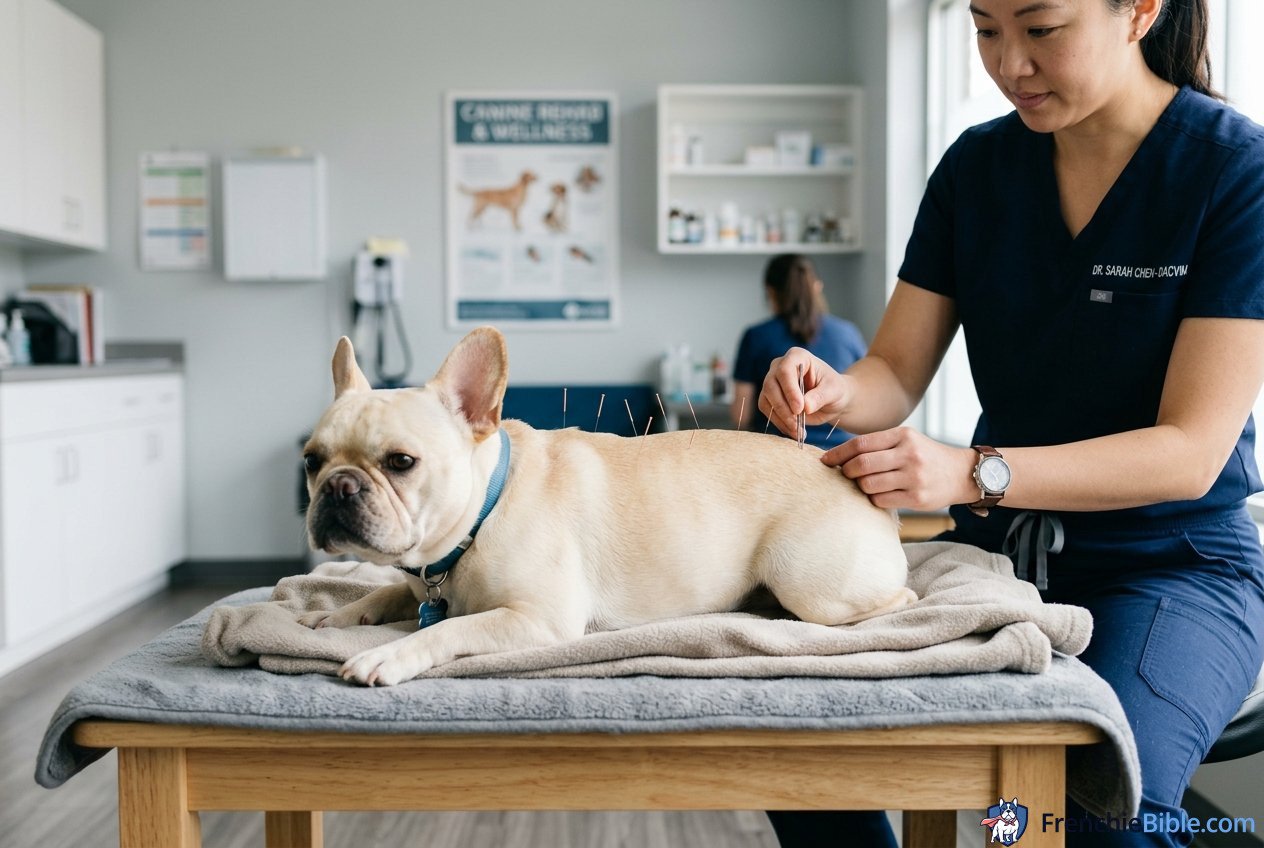
What is Acupuncture and How Does it Work?
Acupuncture has been practiced for thousands of years. In modern veterinary applications, it is used to support pain management, reduce inflammation, and promote overall well-being.
From a Western, scientific perspective, acupuncture works by stimulating the nervous system:
- Nerve Stimulation: The insertion of needles at specific points triggers sensory nerve endings, sending impulses to the brain and spinal cord.
- Increased Circulation: Acupuncture can promote local blood flow, bringing oxygen and nutrients to tissues.
- Pain Modulation: It may help modulate the transmission of pain signals.
- Muscle Relaxation: It can help release tension in surrounding muscles.
The Benefits of Acupuncture for French Bulldogs with Spinal Issues
When used as part of An Experienced Breedererinarian-supervised treatment plan, acupuncture may offer several benefits:
- Pain Management: Acupuncture may help reduce pain levels, potentially allowing for improved comfort during recovery.
- Reduction of Inflammation: It may help decrease inflammation in affected areas.
- Muscle Relaxation: It can help relieve severe muscle spasms that often accompany spinal injuries.
- Overall Well-Being: Many owners report improved quality of life, better appetite, and reduced anxiety in dogs receiving acupuncture.
Important: Acupuncture must be performed by a certified veterinary acupuncturist (a licensed veterinarian who has received additional training in acupuncture). Never attempt acupuncture without professional supervision.
What to Expect During an Acupuncture Session
If your veterinarian recommends acupuncture, here is what you can generally expect:
The session typically lasts 20 to 45 minutes. The veterinarian will begin with an assessment and strategically place the needles. Most dogs tolerate this extremely well. Many become relaxed and some even fall asleep during treatment!
The frequency of sessions depends on your dog’s specific condition and your veterinarian’s assessment. Treatments may start more frequently and then taper to maintenance levels.
Hydrotherapy: Healing Through Water
Hydrotherapy utilizes the unique physical properties of water to assist in safe rehabilitation and physical conditioning of dogs.
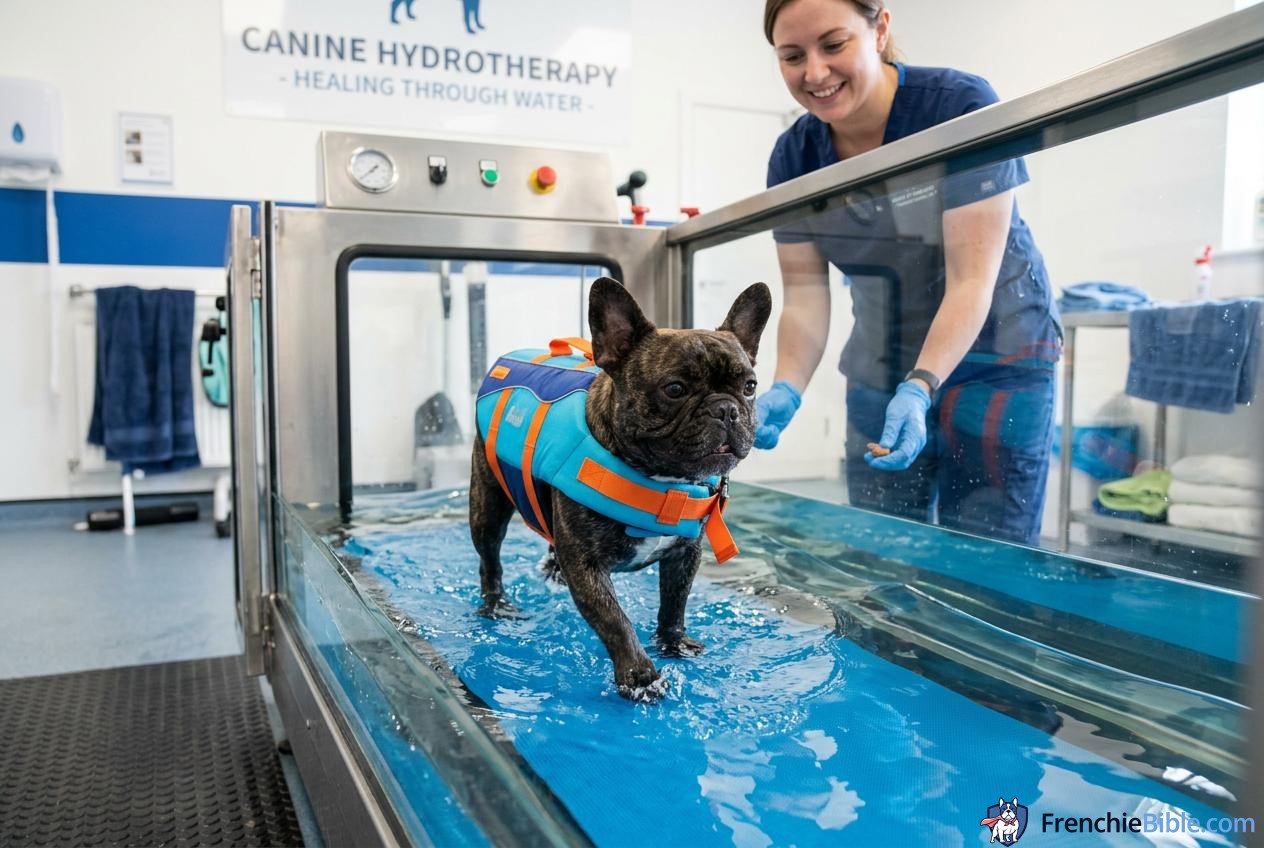
Understanding Canine Hydrotherapy
Canine hydrotherapy typically uses one of two main modalities: swimming in a specialized therapeutic pool, or walking on an enclosed underwater treadmill. For spinal rehabilitation in French Bulldogs, underwater treadmill therapy is often considered highly beneficial.
Water provides several unique therapeutic properties:
- Buoyancy: Water’s upward force counteracts gravity, supporting a significant percentage of the dog’s body weight. This reduces pressure on the spine and joints while still allowing for safe movement.
- Hydrostatic Pressure: The consistent pressure of water against the body can help reduce swelling in the lower limbs.
- Resistance: Moving through water requires more effort than moving through air, providing a safe, low-impact form of strengthening exercise.
- Thermal Therapy: Therapeutic pools are often kept at a warm temperature, which can help relax muscles and soothe aching joints.
Why Underwater Treadmills Can Be Beneficial
From a breeder’s perspective, through years of observing rehab cases with veterinary guidance, the underwater treadmill has shown remarkable benefits for French Bulldogs recovering from spinal issues:
- Controlled Movement: The treadmill provides a controlled environment for safe walking practice.
- Adjustable Weight-Bearing: Water levels can be adjusted to provide more or less support as the dog regains strength.
- Gait Re-education: The repetitive, controlled motion can help dogs relearn proper walking mechanics.
- Muscle Rebuilding: The resistance of water helps rebuild muscle mass that atrophies during crate rest.
Critical safety note: Hydrotherapy should only be conducted by trained professionals in a clinical setting. French Bulldogs have specific anatomical vulnerabilities (their brachycephalic airway) that make professional supervision absolutely essential. Never attempt hydrotherapy without veterinary guidance.
Integrating These Therapies: Working with Your Veterinarian
The true benefit of these therapies comes from their integration into a comprehensive veterinary care plan. Here is how I understand it from working alongside rehabilitation specialists:
The veterinary team provides the primary medical management—diagnostic imaging, medication when appropriate, surgical intervention if needed, and ongoing monitoring.
Acupuncture supports the nervous system and comfort levels during recovery.
Hydrotherapy assists with the physical reconstruction and rebuilding of strength.
These are not alternatives to veterinary care; they are complementary approaches that work alongside professional medical treatment. Always work with your veterinarian to determine whether these therapies are appropriate for your individual dog.
Post-Operative Rehabilitation vs. Conservative Management
When a French Bulldog is diagnosed with IVDD, treatment generally falls into two categories. The appropriate choice depends on the clinical assessment of your dog’s condition by a licensed veterinarian:
When Surgery is Necessary
Spinal surgery is recommended for dogs that have lost the ability to walk, have lost bladder/bowel control, or have severe neurological symptoms. Your veterinary neurologist will determine whether surgery is the right path based on imaging and clinical findings.
Surgery is not a cure-all. Rehabilitation is absolutely critical to success. Post-operative care—including potential acupuncture, hydrotherapy, and physical rehabilitation—should be discussed with your veterinary team.
Non-Surgical (Conservative) Management
Conservative management may be appropriate for dogs with milder symptoms—such as severe spinal pain without significant neurological deficits. This typically involves strict crate rest, veterinary-prescribed medications, and rehabilitation therapies as directed by your veterinarian.
For dogs undergoing conservative management, acupuncture and hydrotherapy can play supportive roles—but only as part of a plan designed by your veterinary team.
Home Care and Lifestyle Adjustments: Protecting the Spine for Life
Rehabilitation does not end when you leave the clinic. As a dedicated French Bulldog owner, you must understand that spinal health requires lifelong management.
Weight Management: The Ultimate Preventative Measure
The single most important, controllable factor in your Frenchie’s spinal health is their body weight. Every extra pound of fat places unnecessary stress on the spine and joints.
A lean Frenchie is a healthy Frenchie. Work with your veterinarian to determine their ideal caloric intake and maintain their weight at an appropriate level.
Environmental Adjustments
Your home environment must be systematically adapted to protect your dog’s spine:
- No Jumping: Provide sturdy ramps for access to furniture, and train your dog to use them consistently.
- Non-Slip Flooring: Cover slippery floors with rugs or mats to prevent slips that could cause spinal injuries.
- Orthopedic Bedding: Provide firm, supportive beds.
- Use a Harness, Never a Collar: Always use a well-fitted harness for walks.
Safe Handling
How you physically interact with and pick up your French Bulldog matters:
- NEVER lift them by their front legs or under their armpits.
- ALWAYS use two hands: support both the chest and hindquarters, keeping their spine level and parallel to the floor.
Conclusion: A Partnership with Your Veterinary Team
Receiving a diagnosis of IVDD or another spinal issue is a terrifying, overwhelming moment for any devoted French Bulldog owner. The prospect of surgery, recovery, and rehabilitation is undeniably daunting.
However, the field of veterinary rehabilitation has evolved dramatically. The integration of acupuncture, hydrotherapy, and targeted rehabilitation has helped many French Bulldogs recover and regain quality of life.
As a breed advocate and breeding expert, my goal is to see every French Bulldog thrive. By understanding their unique, fragile anatomy, by remaining vigilant for the subtle early signs of spinal distress, and by whole-heartedly working with your veterinary team, you can give your beloved Frenchie the best possible care.
Frequently Asked Questions (FAQ)
1. Is acupuncture painful for my French Bulldog?
No. Most dogs tolerate acupuncture very well. The needles are incredibly fine, and many dogs become deeply relaxed during treatment.
2. How soon after spinal surgery can my dog start hydrotherapy?
This depends entirely on the specific surgical procedure and your veterinary surgeon’s recommendations. Hydrotherapy should never begin without explicit veterinary approval.
3. My Frenchie absolutely hates water. Can they still do hydrotherapy?
The underwater treadmill experience is very different from swimming. The dog walks on a textured surface with water rising gradually. Most dogs adapt well with the support of a trained therapist. Discuss your specific concerns with your veterinary team.
4. How many acupuncture sessions will my dog need?
The number of sessions varies based on the condition and your dog’s response. Your veterinarian will recommend an appropriate treatment plan.
5. Can hydrotherapy completely replace the need for surgery in severe IVDD cases?
No. Hydrotherapy is a rehabilitation tool, not a surgical replacement. If your dog requires surgery, that decision must be made by a qualified veterinary neurologist based on imaging and clinical assessment.
6. Are there risks with veterinary acupuncture?
When performed by a properly trained and certified veterinary acupuncturist, the risks are very low. Your veterinarian will discuss any specific concerns.
7. What supplements can support my Frenchie’s joint and spine health?
Always consult your veterinarian before starting any supplements. High-quality Omega-3 fatty acids, Glucosamine, and Chondroitin are commonly discussed for joint support, but your vet is the best person to guide your choices.
8. What should I do if my Frenchie suddenly stops using their back legs?
This is an absolute medical emergency. Confine your dog to a small crate immediately and transport them to the nearest 24-hour emergency veterinary hospital. Do not wait.
This article is based on the experiences of a French Bulldog breeding expert who has worked alongside veterinary rehabilitation professionals for many years. It is NOT veterinary medical advice. Always consult a licensed veterinarian for diagnosis, treatment decisions, and care recommendations for your individual dog.
Disclaimer: I am a French Bulldog breeding expert with over a decade of hands-on experience with this breed. I am not An Experienced Breedererinarian. The information in this article is for educational purposes only. Always consult your veterinarian regarding your dog’s specific health needs and care.
Disclaimer: I am a French Bulldog breeding expert with over a decade of hands-on experience with this breed. I am not a veterinarian. The information in this article is for educational purposes only. Always consult your veterinarian regarding your dog’s specific health needs and care.