

As a French Bulldog breeder and enthusiast with over a decade of experience I have encountered my fair share of challenges when it comes to grooming and routine care. These charming, affectionate, and sometimes incredibly stubborn little dogs have very specific physical and psychological traits. One of the most universally stressful experiences for both Frenchie owners and the dogs themselves is nail trimming. While many French Bulldogs can be conditioned to tolerate or even enjoy having their nails clipped, there is a subset of this breed that exhibits extreme, seemingly insurmountable aggression and panic when their paws are handled.
If you are reading this, you are likely at your wit’s end. You may have tried every treat, every distraction technique, and every specialized tool on the market, only to be met with a thrashing, screaming, and biting Frenchie. It is a heartbreaking and exhausting situation. When all home-based desensitization and training methods have failed, and your French Bulldog’s nails are growing to dangerous lengths, it is time to consider the final, safest option: veterinary sedation.
Related Reading: Training & Behavior | Grooming & Care | French Bulldog Colors
In this comprehensive guide, we will explore the deep-seated reasons behind French Bulldog paw sensitivity, the severe implications of neglecting nail care, the exhaustive list of at-home techniques you should try first, and ultimately, why and how veterinary sedation becomes the necessary last resort for extremely aggressive Frenchies.
Understanding French Bulldog Anxiety and Aggression During Nail Trimming
To address the problem of extreme aggression during nail trims, we must first understand the root cause. French Bulldogs do not act out of malice; their aggression is almost always rooted in profound fear, past trauma, or physical discomfort.
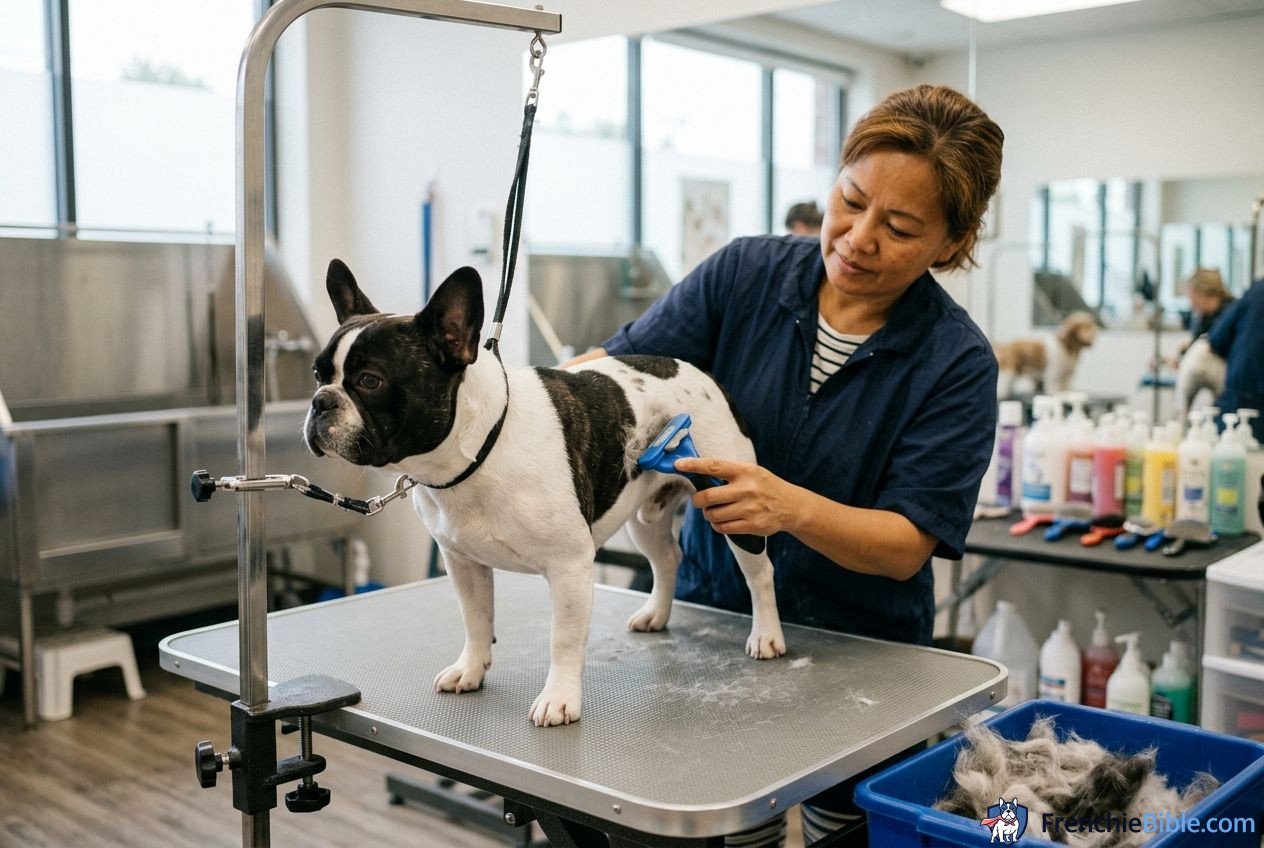
Why Frenchies Hate Having Their Paws Touched
French Bulldogs, like many breeds, have highly sensitive paws. Their paw pads are packed with nerve endings, making them extremely responsive to touch and pressure. For some Frenchies, this sensitivity translates into a deep aversion to having their feet handled. Furthermore French Bulldogs are a brachycephalic (flat-faced) breed. This physical structure often means they have to work harder to breathe, and any situation that causes them stress or requires physical restraint can quickly exacerbate their respiratory effort, leading to a feeling of panic and suffocation. When you combine sensitive paws with a physical predisposition to stress-induced breathing difficulties, you create a perfect storm for nail trimming anxiety.
Additionally, many French Bulldogs have experienced a “quick” incident in the past. The quick is the sensitive blood vessel and nerve that runs through the center of the nail. If a nail is cut too short and the quick is nicked, it causes sharp, sudden pain and significant bleeding. Even a single negative experience like this can be enough to traumatize a Frenchie, leading to lifelong fear and aggression during future nail trimming attempts.
Signs of Extreme Stress and Aggression in French Bulldogs
It is crucial to differentiate between a Frenchie that simply dislikes having its nails trimmed and one that is experiencing extreme stress and displaying true aggression. Mild dislike may present as pulling the paw away, squirming, or mild whining. Extreme stress and aggression, however, are far more severe and dangerous.
Signs of extreme stress and aggression include:
- Vocalizations: High-pitched screaming, deep growling, snarling, and aggressive barking.
- Body Language: Stiffened body, pinned-back ears, dilated pupils, whale eye (showing the whites of their eyes), and lip licking.
- Physical Resistance: Thrashing, alligator-rolling, violently pulling limbs away, and attempting to escape.
- Aggressive Actions: Baring teeth, snapping, lunging, and actually biting with intent to harm.
- Physiological Responses: Excessive panting, drooling, involuntary urination or defecation, and purple or blue gums (indicating extreme oxygen deprivation due to stress and brachycephalic anatomy).
If your Frenchie is displaying these severe signs, forcing the issue is not only dangerous for you but incredibly traumatic and potentially physically harmful to your dog.
The Difference Between Mild Dislike and Extreme Aggression
Understanding this difference is paramount. A dog with mild dislike can often be coaxed through the process with high-value treats (like peanut butter smeared on a lick mat), gentle handling, and patience. A dog exhibiting extreme aggression is operating in a state of “fight or flight.” In this state, they are not capable of learning, reasoning, or accepting treats. Their sole objective is self-preservation from a perceived mortal threat. Attempting to force a highly aggressive Frenchie through a nail trim will only reinforce their fear and make subsequent attempts even more difficult and dangerous.
The Importance of Regular Nail Maintenance for French Bulldogs
Given the extreme stress involved for some dogs, you might wonder if it’s possible to simply let their nails grow. Unfortunately, neglecting nail care is not an option. Regular nail maintenance is a critical component of a French Bulldog’s overall health and well-being.
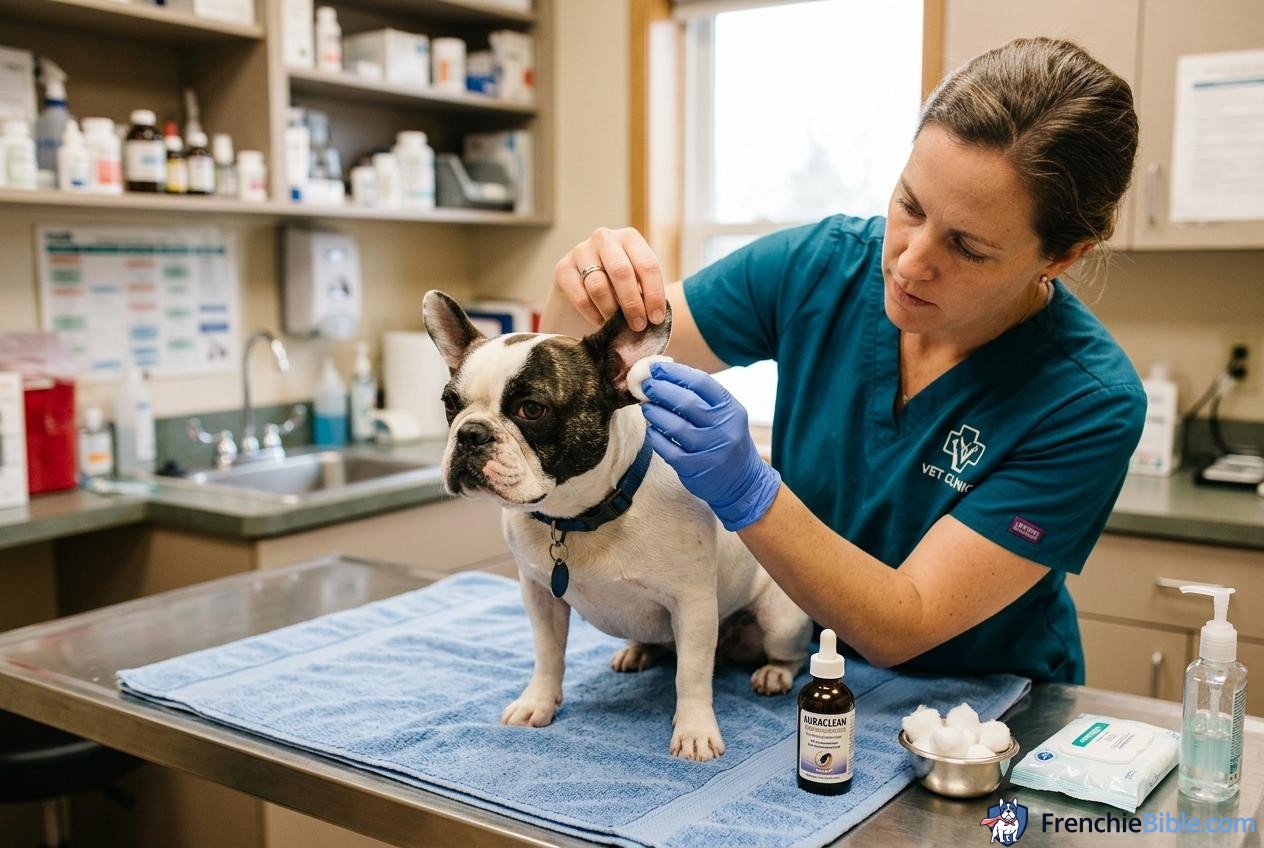
Structural and Joint Health Implications
French Bulldogs have a unique physical structure. They are heavy-boned, compact, and carry a significant portion of their weight on their front limbs. When their nails are too long, it alters the way their paws make contact with the ground. Instead of resting comfortably on their paw pads, the elongated nails force the toes to splay outward or push the foot backward.
This unnatural posture places immense and unnatural stress on the joints, ligaments, and tendons of the toes, pasterns (wrists), elbows, and shoulders. Over time, this chronic misalignment can lead to pain, inflammation, premature arthritis, and severe orthopedic issues. For a breed already prone to joint problems like hip dysplasia and luxating patellas, compromised paw structure due to overgrown nails can be devastating.
The Dangers of Overgrown Quicks
As a dog’s nail grows longer, the quick (the blood vessel and nerve) grows along with it. If you neglect nail trims for months, the quick will extend far down into the nail. This makes it impossible to cut the nail back to a healthy length in a single session without causing severe pain and bleeding. Once the quick has overgrown, bringing the nails back to a proper length becomes a long, tedious process of micro-trimming every few days to encourage the quick to slowly recede. This is why consistent, regular maintenance is far easier than trying to correct severely overgrown nails.
How Long Nails Affect Your Frenchie’s Mobility
Long nails reduce traction on smooth surfaces like hardwood or tile floors. You may notice your Frenchie slipping, sliding, or struggling to stand up. This lack of traction not only makes everyday movement difficult but also increases the risk of acute injuries, such as muscle strains, ligament tears (like a cranial cruciate ligament tear), or spinal injuries if they fall awkwardly. Furthermore, severely overgrown nails can curl back under the paw and puncture the pad, causing excruciating pain and leading to serious infections.
At-Home Desensitization: What to Try Before Resorting to Sedation
Before discussing veterinary sedation, it is essential to emphasize that sedation should always be a last resort. As a responsible French Bulldog owner, you must exhaust all possible at-home training and desensitization methods first. This process requires immense patience, consistency, and time—often taking weeks or even months of daily practice.

The Power of Positive Reinforcement and High-Value Treats
The foundation of any desensitization program is positive reinforcement. You must change your Frenchie’s emotional response to having their paws touched from one of fear to one of positive anticipation. This is achieved using extraordinarily high-value treats—things they rarely get and absolutely love, such as boiled chicken, plain hot dogs, small pieces of cheese, or specialized squeeze tube treats.
Counter-Conditioning Paw Sensitivity
Counter-conditioning involves breaking the nail trimming process down into microscopic, manageable steps and rewarding your dog for tolerating each step without displaying fear or aggression.
- Touch the Paw: Start by simply reaching out and gently touching your Frenchie’s paw for a split second, immediately followed by a high-value treat and praise. Do this repeatedly over several days until your dog anticipates the treat when you reach for their paw.
- Hold the Paw: Progress to gently holding the paw for one second, treating, and releasing. Gradually increase the duration of the hold.
- Introduce the Tool (Sight): Bring the nail clippers or grinder into the room and place them on the floor near your dog. Treat generously simply for being near the tool.
- Introduce the Tool (Touch): Gently touch the clippers or grinder (while turned off) to your dog’s body, then their leg, and finally their paw. Treat heavily for each successful step.
- Simulate the Action: If using clippers, squeeze them near the paw so the dog hears the sound. If using a grinder, turn it on at a distance so they hear the vibration. Treat for calm behavior.
- The First Trim: Only when your dog is completely relaxed with all previous steps should you attempt to clip the very tip of a single nail, or briefly touch the grinder to one nail. Treat, praise extravagantly, and stop for the day.
The key is to move at your dog’s pace. If they show any signs of stress, you have moved too fast and must regress to the previous successful step.
Utilizing Scratch Boards as an Alternative
For some Frenchies who absolutely cannot tolerate clippers or grinders, scratch boards offer a fantastic alternative for managing the front nails. A scratch board is essentially a piece of wood covered in coarse sandpaper. You can train your Frenchie to dig or scratch at the board to earn a treat, naturally filing down their front nails in the process. While this doesn’t solve the issue of the dewclaws or back nails, it can significantly reduce the frequency of stressful nail trimming sessions.
When to Stop and Reassess Your Approach
It is vital to know when your at-home efforts are failing. If you have diligently practiced counter-conditioning for months without progress, or if your dog’s aggression is escalating to the point of biting or extreme panic attacks, you must stop. Continuing to push a deeply terrified dog will only damage your bond and worsen their anxiety. This is the point where you must recognize the need for professional intervention.
When At-Home Methods Fail: Recognizing the Need for Professional Intervention
Accepting that you cannot handle your French Bulldog’s nails at home can feel like a failure, but it is actually a profound act of responsible pet ownership. Recognizing your limits and prioritizing your dog’s physical safety and emotional well-being over your own pride is crucial.
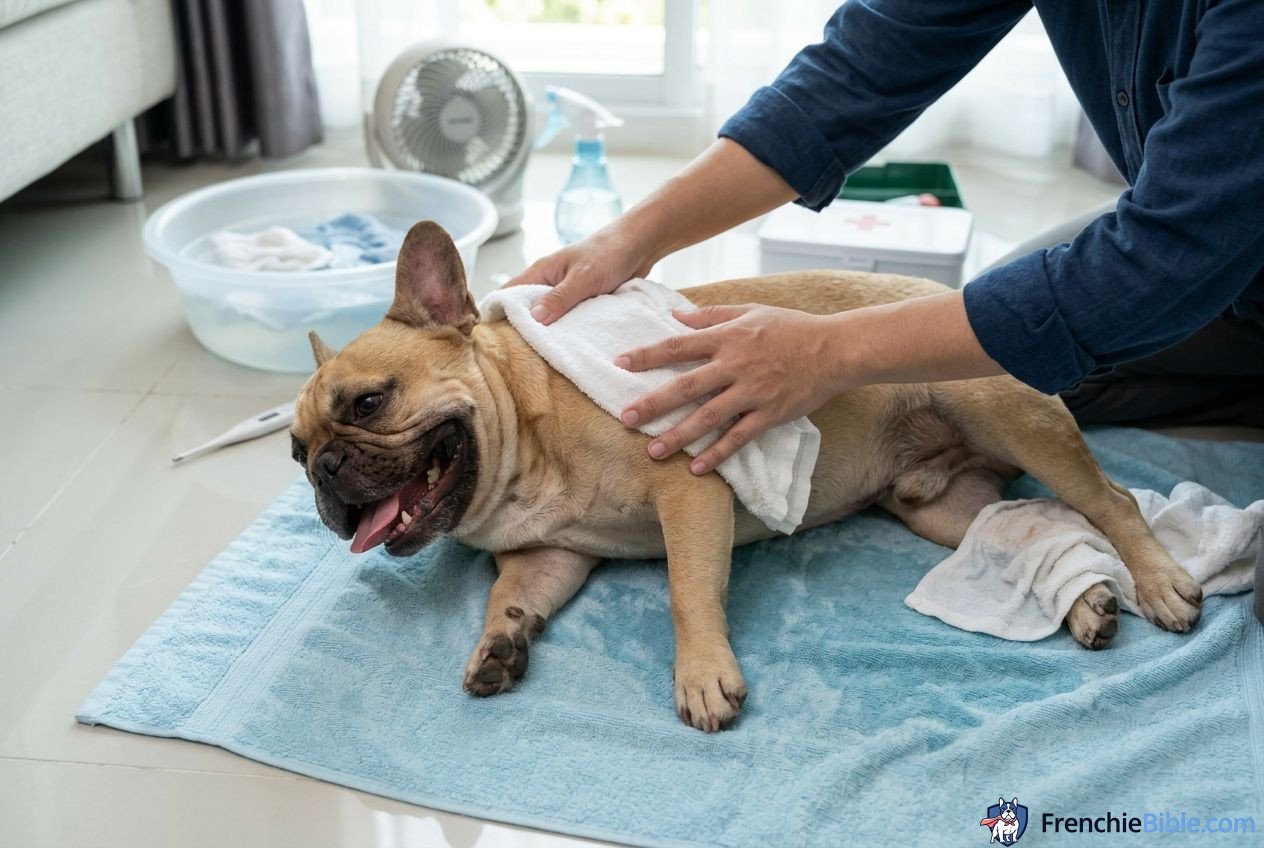
The Risks of Forcing a Nail Trim on a Panicking Frenchie
Forcing a nail trim on a French Bulldog that is in a state of panic is incredibly dangerous. First and foremost, you risk injuring yourself. A terrified dog, regardless of its size, can deliver a severe bite.
More importantly, the risks to your French Bulldog are catastrophic. The physical struggle can lead to torn ligaments, spinal injuries, or pulled muscles. As mentioned earlier Frenchies are brachycephalic. The extreme stress and physical exertion of struggling against restraint can rapidly lead to respiratory distress, hyperthermia (overheating), and in severe cases, sudden cardiovascular collapse or death. The psychological damage is also profound; forcing the issue will cement their terror, making future handling nearly impossible.
Why Restraint Techniques Can Do More Harm Than Good
You may see videos online of dogs suspended in “grooming hammocks” or muzzled and physically pinned down by multiple people for nail trims. While these techniques might work for some resilient dogs, they are highly contraindicated for extremely aggressive and fearful French Bulldogs.
Restraint techniques do not address the underlying fear; they simply prevent the dog from escaping. For a terrified Frenchie, being immobilized while their worst fear is realized is psychological torture. It escalates their panic and can quickly lead to the severe respiratory emergencies associated with their flat-faced anatomy. Muzzles, while sometimes necessary for safety in a clinical setting, can also increase stress and restrict breathing in brachycephalic breeds if not properly fitted and monitored.
Acknowledging When It’s Time to Involve Your Vet
If your French Bulldog screams, thrashes, bites, or turns blue at the mere attempt to trim their nails, and months of patient desensitization have failed, it is time to involve your veterinarian. Do not view this as a defeat; view it as a necessary medical intervention to ensure your dog’s health and safety. Veterinary sedation transforms a traumatic, dangerous ordeal into a calm, controlled, and painless procedure.
Veterinary Sedation: What It Is and How It Works
Veterinary sedation involves administering medication to calm your dog, reduce their anxiety, and lower their level of consciousness, allowing the veterinary team to safely perform procedures like nail trimming, ear cleaning, or minor examinations.
The Difference Between Sedation and General Anesthesia
It is important to understand that sedation for a nail trim is usually not general anesthesia.
- General Anesthesia: The dog is completely unconscious, unable to feel pain, and usually requires an endotracheal tube to assist with breathing. This is necessary for surgeries but is generally considered an excessive risk for a simple nail trim unless the dog is undergoing another surgical procedure simultaneously (like a dental cleaning or spay/neuter).
- Sedation (or Tranquilization): The dog is deeply relaxed, sleepy, and unconcerned with their surroundings. They are breathing on their own and retain their protective airway reflexes. They may still be somewhat aware, but the medication blocks the extreme fear and aggressive response.
Common Sedation Protocols for French Bulldogs
Veterinarians use a variety of medications and combinations of medications for sedation, tailored to the individual dog’s health, age, and level of aggression. For extreme cases, a multimodal approach is often used.
This might involve an oral pre-visit pharmaceutical (PVP) prescribed by your vet to be given at home a few hours before the appointment. Common PVPs include medications prescribed anti-anxiety medications such as trazodone or gabapentin (an anti-anxiety and sedative) or prescribed anti-anxiety medications such as trazodone or gabapentin (for pain and anxiety relief). This takes the edge off the dog’s panic before they even arrive at the clinic.
Once at the clinic, if the oral medication is insufficient, the vet may administer an injectable sedative (intramuscular or intravenous). Common injectable sedatives include Dexmedetomidine Butorphanol, or Midazolam. The specific protocol is determined entirely by the veterinarian based on their professional judgment and the dog’s medical history.
The Pre-Sedation Health Evaluation
Before administering any injectable sedation, a responsible veterinarian will perform a thorough physical examination to ensure your French Bulldog is healthy enough to handle the medication. They will listen to the heart and lungs, check their baseline vital signs, and review their medical history. For older dogs or those with known health issues, bloodwork may be required prior to sedation to ensure their liver and kidneys can safely metabolize the drugs.
The Role of Brachycephalic Airway Syndrome in Sedation Decisions
The fact that your dog is a French Bulldog heavily influences the sedation protocol. Brachycephalic Airway Syndrome (BAS) encompasses anatomical abnormalities like an elongated soft palate, stenotic nares (pinched nostrils), and a narrow trachea, all of which compromise their airway.
Sedatives relax the muscles of the body, including the muscles of the upper airway. In a Frenchie, this relaxation can cause the already narrow airway tissues to collapse, obstructing breathing. Therefore, veterinarians take extreme care when sedating brachycephalic breeds. They select medications that have minimal respiratory depressive effects, carefully monitor oxygen saturation levels throughout the procedure, and are always prepared to secure the airway (intubate) if an emergency arises. This specialized knowledge and capability are exactly why this procedure must be performed in a veterinary setting, not by a groomer or at home.
The Veterinary Sedation Process: What to Expect
Understanding the process can help alleviate your own anxiety about scheduling a sedated nail trim for your beloved Frenchie.
Preparing Your French Bulldog for the Appointment
Your veterinarian will provide specific instructions for the day of the appointment. Typically, this involves fasting your dog. You will likely be asked to withhold food for 8 to 12 hours prior to the sedation. Fasting is crucial because sedatives can cause nausea; if a dog vomits while sedated, their relaxed airway reflexes increase the risk of aspirating (inhaling) the vomit into their lungs, which can cause severe, life-threatening pneumonia. Water is usually allowed until a few hours before the appointment.
If your vet has prescribed an oral pre-visit medication (like appropriate prescription medications), it is critical that you administer it exactly as directed, at the specific time requested, to ensure maximum efficacy upon arrival at the clinic.
The Administration of Sedatives in the Clinic
When you arrive, the veterinary staff will take over. Depending on the dog’s level of aggression, they may take the dog into the treatment area to administer the injectable sedative, or they may administer it while you are holding the dog in the exam room to minimize stress. Once the injection is given, it usually takes 5 to 15 minutes for the dog to become profoundly sedated. They will become wobbly, their head will drop, and they will eventually lie down in a deep, relaxed sleep.
The Nail Trimming Procedure Under Sedation
Once the veterinarian confirms the dog is adequately sedated and their vitals (heart rate, breathing rate, oxygen levels) are stable, the nail trimming begins. Because the dog is relaxed and not fighting, the staff can perform a very thorough and safe trim.
Furthermore, because the dog is not exhibiting a pain response, the veterinary team can safely trim the nails much shorter than you could at home, often taking them back right to the edge of the quick. If the nails are severely overgrown, they may even perform a specialized procedure to intentionally cut back the quick (often using a cauterizing tool to manage bleeding) while the dog is under deeper sedation or anesthesia, resetting the nail length entirely. This is a medical procedure and should never be attempted without veterinary pain management and supervision.
While sedated, the veterinary staff will often take the opportunity to perform other necessary maintenance that the aggressive dog typically resists, such as a thorough ear cleaning, expressing anal glands, or a comprehensive physical exam.
Reversal Agents and the Recovery Phase
One of the significant advantages of certain modern sedatives (like Dexmedetomidine) is that they are “reversible.” Once the nail trim is complete, the veterinarian can administer a reversal agent injection. Within minutes, the effects of the sedative are neutralized, and the dog wakes up, usually feeling slightly groggy but fundamentally normal and without the lingering hangover effects of older tranquilizers.
The veterinary staff will monitor your Frenchie until they are fully awake, able to stand, and have stable vital signs before discharging them into your care.
Post-Sedation Care and Management at Home
Once you bring your Frenchie home, the recovery process continues. While reversed sedatives work quickly, your dog may still feel the aftereffects of the stress and the medication for the rest of the day.
Monitoring Your Frenchie After the Procedure
Keep a close eye on your French Bulldog for the first 12-24 hours. They should be resting comfortably. Monitor their breathing to ensure it is unlabored and steady. Check their gum color; it should be a healthy pink. If you notice excessive lethargy, vomiting, pale or blue gums, or difficulty breathing, contact your veterinarian immediately.
Managing Potential Side Effects
Mild side effects from sedation can include sleepiness, a slight decrease in appetite, or minor gastrointestinal upset. Offer a small, bland meal (like boiled chicken and rice) a few hours after you return home to see if they tolerate it. Ensure they have access to fresh water. Do not force them to eat if they are not interested.
Creating a Calm Environment for Complete Recovery
Your Frenchie has had a big day. Provide a quiet, warm, and comfortable place for them to sleep off the remaining effects of the clinic visit. Keep other pets and young children away to allow them to rest undisturbed. Avoid any strenuous exercise, walks, or excitement for the remainder of the day.
Long-Term Strategies for Managing Extreme Nail Trimming Anxiety
Veterinary sedation is a management tool, not a cure. While it safely addresses the immediate need for nail maintenance, you should still strive to improve your dog’s underlying anxiety over the long term.
Working with a Certified Canine Behaviorist
If your French Bulldog’s aggression is extreme, consider consulting a certified canine behaviorist (not just a standard obedience trainer). A behaviorist can assess the root causes of the anxiety and design a highly specialized, nuanced behavior modification plan tailored to your dog’s specific triggers and thresholds.
Implementing a Long-Term Desensitization Protocol
Even if you rely on sedated trims every few months, you should continue gentle, low-pressure desensitization at home. The goal is no longer to complete a nail trim yourself, but simply to reduce their absolute terror of paw handling. Focus purely on touching the paws and rewarding generously, moving incredibly slowly. Over years, you may reduce their panic from a level 10 to a level 7, which improves their overall quality of life and reduces the amount of sedation medication needed during clinic visits.
The Role of Anti-Anxiety Medications in Training
In severe cases, a behaviorist and veterinarian may recommend a long-term daily anti-anxiety medication (prescribed anti-anxiety medications such as trazodone or gabapentin) to lower your Frenchie’s baseline anxiety levels. This medication does not sedate the dog; rather, it alters their brain chemistry to make them more receptive to counter-conditioning training. Medication alone will not solve the problem, but it can create the necessary mental space for desensitization training to finally be effective.
Maintaining Realistic Expectations for Your Frenchie
As an experienced French Bulldog enthusiast I must stress the importance of realistic expectations. Some dogs are fundamentally hardwired with extreme sensitivity or have endured trauma so severe that they will never allow an unsedated nail trim. That is okay.
Your goal as an owner is not to force your dog into a specific mold of behavior, but to ensure their health, safety, and emotional well-being. If that means scheduling a brief, sedated vet visit three or four times a year to maintain their nails safely and without terror, then you are being an excellent, responsible Frenchie owner. You are choosing the path of least distress and highest safety for your beloved companion.
Frequently Asked Questions (FAQ)
1. Is veterinary sedation safe for my brachycephalic French Bulldog?
While all sedation carries some level of risk, veterinary sedation administered by a qualified professional who understands brachycephalic anatomy is generally very safe. Vets carefully select medications that minimize respiratory depression and meticulously monitor your dog’s vital signs and oxygen levels throughout the procedure. It is significantly safer than forcing a terrified, thrashing Frenchie through a nail trim, which can trigger a life-threatening respiratory crisis.
2. How often can my French Bulldog be sedated for nail trims?
The frequency depends on how quickly your dog’s nails grow and their overall health. Most dogs need a trim every 1-3 months. For healthy adult dogs, routine, light sedation every few months is generally well-tolerated. Your veterinarian will assess your dog’s health and help you determine a safe and appropriate schedule.
3. Will my dog eventually learn to tolerate nail trims if they are sedated every time?
No. Sedation prevents the dog from experiencing the procedure, so they do not learn from it. Sedation is a management tool, not a training technique. To change their emotional response, you must pair sedation with active, ongoing, low-stress desensitization training at home (e.g., practicing just touching the paws with high-value treats).
4. How much does a sedated nail trim cost?
The cost varies significantly depending on your geographic location, the specific veterinary clinic, and the exact medications used. You can expect to pay for the nail trim itself, plus the cost of the sedative drugs, the administration fee, and the monitoring time. It is an investment in your dog’s safety and your peace of mind. Contact your local clinic for a precise estimate.
5. Can my regular groomer sedate my dog?
Absolutely not. The administration of sedatives and anesthetics is a medical procedure that can only be legally and safely performed by a licensed veterinarian. Groomers do not have the training, equipment, or legal authority to manage medications, monitor vital signs under sedation, or respond to potential respiratory emergencies, which are particularly prevalent in French Bulldogs.
Disclaimer: The information provided in this article is based on over a decade of extensive experience in French Bulldog breeding, behavior management, and daily care. I am a passionate breed expert, but I am not a licensed veterinarian. I possess no medical or veterinary qualifications. The contents of this article are for informational and educational purposes only and are intended to share handling and husbandry experiences. This article must never be used as a substitute for professional veterinary advice, diagnosis, or treatment. Always consult with a qualified, licensed veterinarian regarding any medical concerns, behavioral issues, or before making any decisions regarding sedation, medication, or medical procedures for your dog.