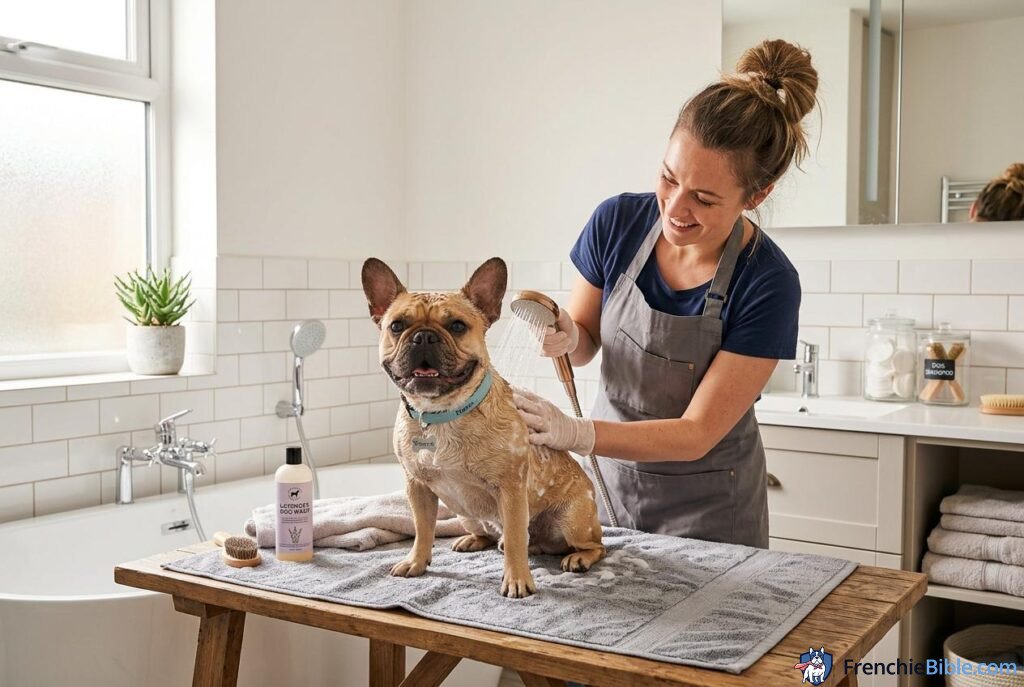
As an experienced French Bulldog breeder with over a decade of hands-on experience, I have seen it all when it comes to the coat and skin health of this beloved breed. French Bulldogs are incredibly affectionate, charming, and utterly devoted companions. However, if there is one thing that nearly every Frenchie owner will struggle with at some point, it is skin issues. Their adorable wrinkles, short coats, and genetic predispositions make them uniquely susceptible to a variety of dermatological problems, ranging from environmental allergies to bacterial and yeast infections.
Choosing the right shampoo for your French Bulldog is not merely a matter of finding a product that smells nice. It is a critical component of their overall healthcare regimen, preventative maintenance, and long-term well-being. Using the wrong shampoo can strip their delicate skin of essential natural oils, disrupt their acid mantle (pH balance), and trigger severe allergic reactions that can lead to chronic itching, hair loss, and secondary skin infections. In this comprehensive, deep-dive guide, we will explore everything you need to know about selecting the perfect shampoo for your French Bulldog. We will analyze popular ingredients like oatmeal and aloe vera, expose the severe dangers of toxic substances like tea tree oil, and provide you with actionable advice to keep your Frenchie’s coat healthy, shiny, and odor-free.
Related Reading: Training & Behavior | Frenchie Puppy Guide | Best Food for Frenchies
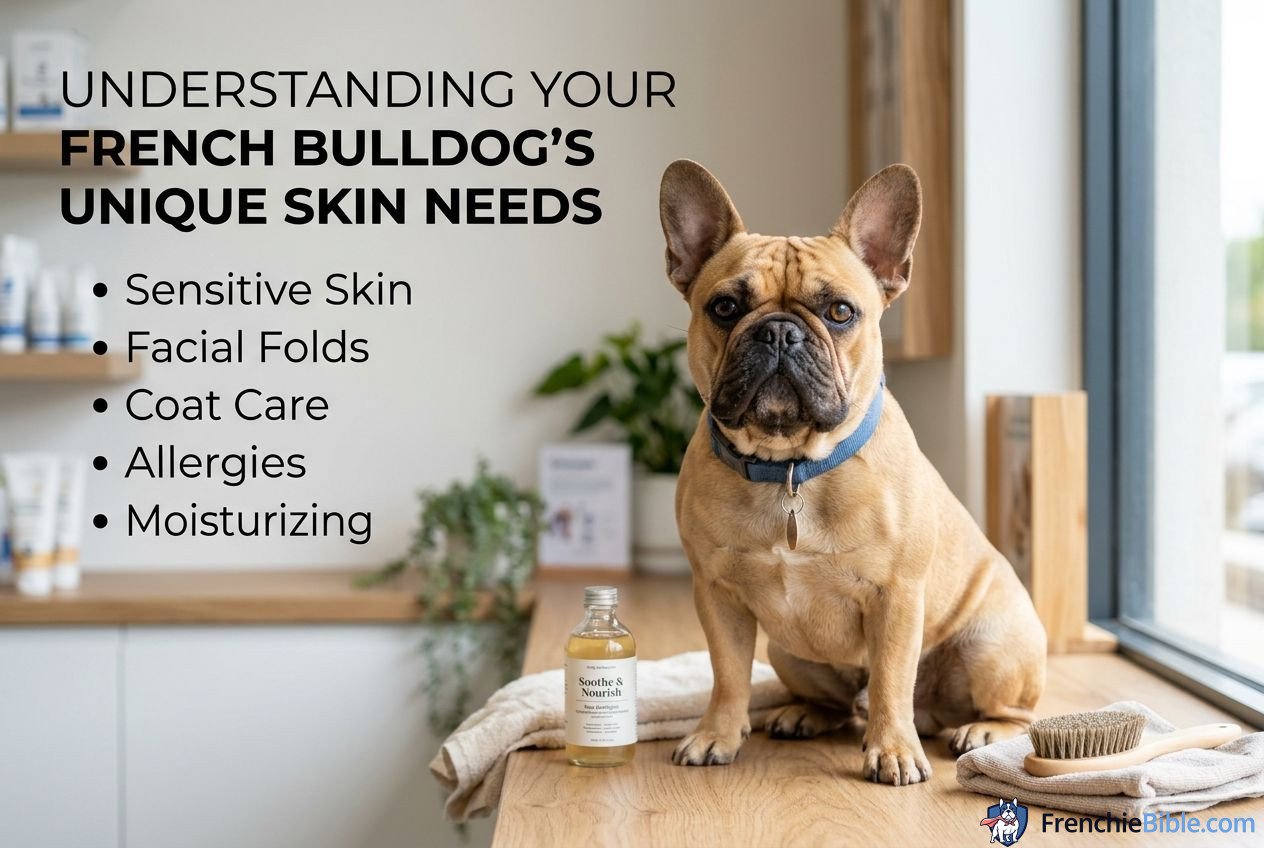
Understanding Your French Bulldog’s Unique Skin Needs
Before we can dive into the specific ingredients you should look for—and avoid—in a dog shampoo, it is absolutely essential to understand the biological reality of your French Bulldog’s skin. Dogs do not have the same skin structure as humans, and Frenchies, in particular, have skin characteristics that set them apart even from other dog breeds.
The Frenchie Skin Barrier: Sensitive and Prone to Allergies
The skin is the body’s largest organ, serving as the primary barrier against environmental pathogens, allergens, and physical irritants. In French Bulldogs, this barrier is notoriously fragile. Genetics play a massive role here. Frenchies are highly predisposed to atopic dermatitis, an inflammatory, chronic skin disease associated with allergies. This condition causes the skin barrier to become compromised, meaning it is less effective at keeping moisture in and keeping irritants (like pollen, dust mites, and mold spores) out.
When the skin barrier is weak, allergens penetrate more easily, triggering an overactive immune response. This leads to the classic Frenchie scratching, paw-licking, face-rubbing, and belly-crawling behaviors. A high-quality shampoo designed for sensitive skin can actually help repair and fortify this skin barrier. Ingredients that provide hydration and soothing properties can close the microscopic gaps in the skin, reducing the penetration of allergens and providing significant relief to an itchy dog. Conversely, harsh shampoos will further degrade the barrier, creating a vicious cycle of itching, scratching, and infection.
Why Human Shampoo is a Big No-No for French Bulldogs
One of the most common and damaging mistakes new French Bulldog owners make is using human shampoo—even baby shampoo—on their dogs. While it might seem convenient and harmless, using human hair care products on a dog is fundamentally detrimental to their dermatological health. The primary reason for this lies in the difference in skin thickness and cellular turnover.
Canine skin is significantly thinner than human skin. A dog’s epidermis (the outermost layer of skin) is only about 3 to 5 cell layers thick, whereas a human’s epidermis is typically 10 to 15 cell layers thick. Because their skin is so thin, it is much more sensitive to the harsh detergents, artificial fragrances, and strong chemical preservatives frequently found in human shampoos. Washing a Frenchie with human shampoo will quickly strip away the natural sebum (oils) that protect their skin, leaving it dry, flaky, and highly vulnerable to microscopic abrasions.
The Importance of pH Balance in Canine Shampoos
The most critical scientific reason to never use human shampoo on a dog is the difference in pH levels. The pH scale measures how acidic or alkaline a substance is, ranging from 0 (highly acidic) to 14 (highly alkaline), with 7 being neutral.
The human skin has an acidic mantle, with a typical pH ranging from 4.5 to 5.5. Therefore, human shampoos are formulated to be acidic to match and maintain this environment. Dogs, however, have a much more neutral skin pH, typically ranging from 6.2 to 7.4. If you use a human shampoo on a French Bulldog, you are applying a highly acidic substance to their neutral skin. This aggressively disrupts their acid mantle, stripping away the protective layer of oils and creating an environment where harmful bacteria, yeast, and parasites can thrive. Over time, the disruption of the pH balance will lead to severe skin irritation, foul odors, and chronic infections. A high-quality dog shampoo must be explicitly formulated and pH-balanced specifically for canines.
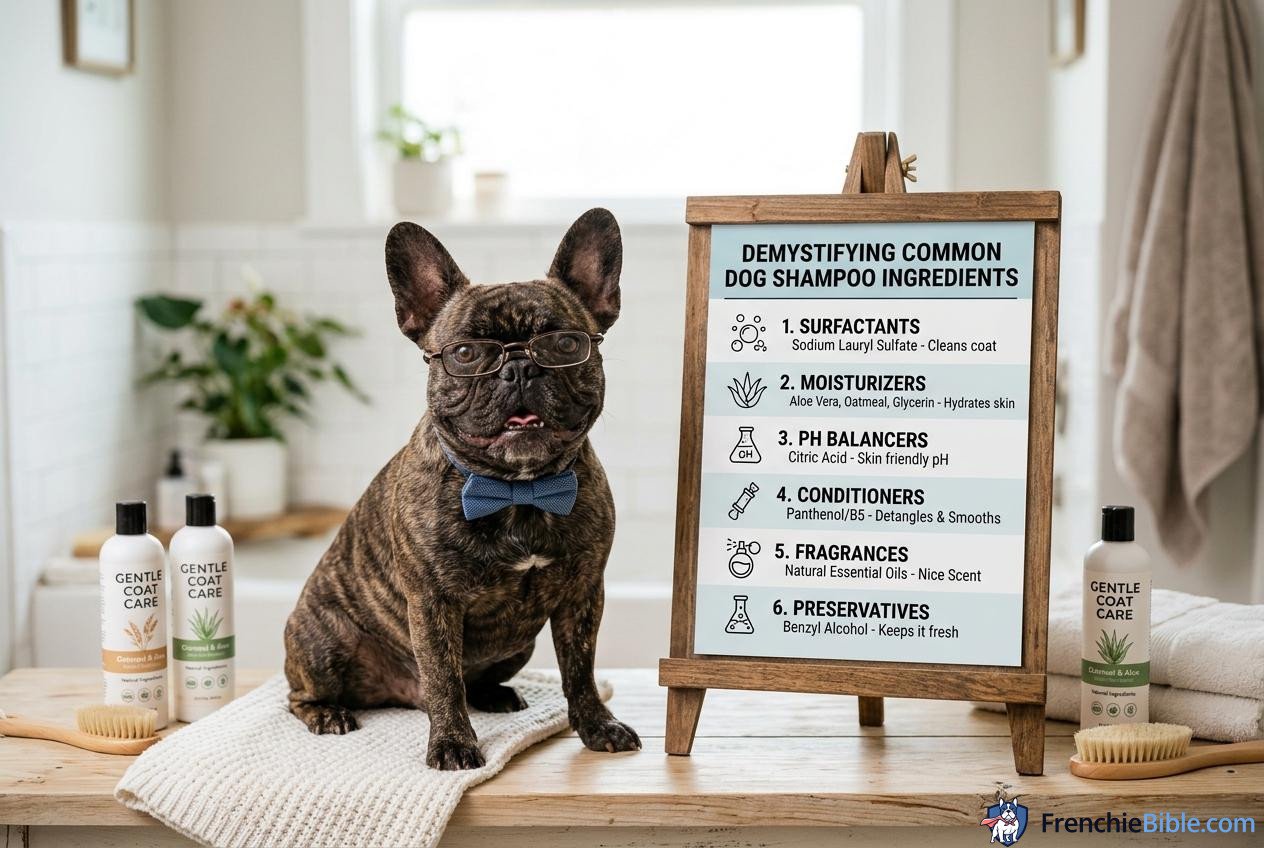
Demystifying Common Dog Shampoo Ingredients
When you walk down the grooming aisle of a pet store or browse online, you will be bombarded with marketing buzzwords like “all-natural,” “soothing,” and “hypoallergenic.” But what do these ingredients actually do, and are they beneficial for your French Bulldog? Let us break down some of the most common and effective positive ingredients found in premium dog shampoos.
Oatmeal: The Soothing Powerhouse for Itchy Frenchies
If there is one holy grail ingredient in the world of dog dermatology, it is colloidal oatmeal. Colloidal oatmeal is not the same as the oatmeal you eat for breakfast; it is oats that have been finely milled and suspended in a liquid so that they can be evenly distributed and absorbed by the skin.
For a French Bulldog suffering from environmental allergies, dry skin, or mild dermatitis, colloidal oatmeal is a miracle worker. It contains specialized compounds called avenanthramides and phenols, which possess potent anti-inflammatory and antioxidant properties. When applied to the skin, colloidal oatmeal creates a protective, breathable film that helps to lock in moisture and prevent transepidermal water loss.
Furthermore, oatmeal acts as a natural buffer, helping to normalize the pH of the skin, which can become elevated (more alkaline) when a dog is suffering from an infection or severe irritation. It binds to the skin and provides immediate, soothing relief from pruritus (itching). If your Frenchie is constantly scratching, a high-quality, pH-balanced oatmeal shampoo is often the first and best line of defense in your grooming arsenal.
Aloe Vera: Nature’s Healing Gel for Irritated Skin
Aloe vera is another superstar ingredient frequently paired with oatmeal in premium dog shampoos. Derived from the fleshy leaves of the aloe plant, this natural gel is packed with over 75 potentially active constituents, including vitamins, enzymes, minerals, sugars, lignin, saponins, salicylic acids, and amino acids.
For French Bulldogs, aloe vera serves multiple critical functions. First, it is intensely hydrating. The mucopolysaccharides in aloe vera help bind moisture to the skin, treating flakiness and dryness. Second, it contains natural anti-inflammatory enzymes, such as bradykinase, which reduce excessive inflammation when applied to the skin topically. This is incredibly beneficial for Frenchies that have hot spots, minor abrasions from scratching, or redness in their skin folds.
Additionally, aloe vera possesses mild antibacterial and antifungal properties, helping to keep the natural flora of the dog’s skin in check. When choosing a shampoo with aloe vera, look for products that list it high on the ingredient list, indicating a significant concentration, rather than just a trace amount added for marketing purposes.
Chamomile and Green Tea Extract: Calming Inflammation
Botanical extracts like chamomile and green tea are excellent additions to a French Bulldog’s grooming routine. Chamomile contains terpenoids and flavonoids, which contribute to its well-documented soothing and anti-inflammatory effects. It is particularly gentle and is often used in puppy shampoos or formulas designed for highly sensitive dogs. Chamomile can help calm angry, red skin and reduce the urge to scratch.
Green tea extract is a powerful antioxidant loaded with polyphenols, particularly epigallocatechin gallate (EGCG). These antioxidants protect the skin cells from oxidative stress and environmental damage. Furthermore, green tea extract has natural astringent properties, meaning it can help to gently cleanse and tighten the pores without over-drying the skin. This can be particularly useful for Frenchies prone to minor oily patches or localized seborrhea.
Coconut Oil: Natural Moisturizer and Detangler
While French Bulldogs have short coats and do not suffer from severe matting like long-haired breeds, they still benefit immensely from natural moisturizing agents like coconut oil. Coconut oil is rich in medium-chain fatty acids, primarily lauric acid, which has been shown to have antimicrobial and antifungal properties.
In a shampoo formulation, coconut oil helps to gently lift dirt and debris from the coat while simultaneously penetrating the hair shaft to provide deep conditioning. It leaves the Frenchie’s coat incredibly soft, glossy, and healthy-looking. Because it mimics the skin’s natural sebum, it helps to restore the lipid barrier that is often compromised in allergy-prone dogs. It also provides a light, pleasant, and natural fragrance without the need for artificial, synthetic perfumes that can trigger allergic reactions.
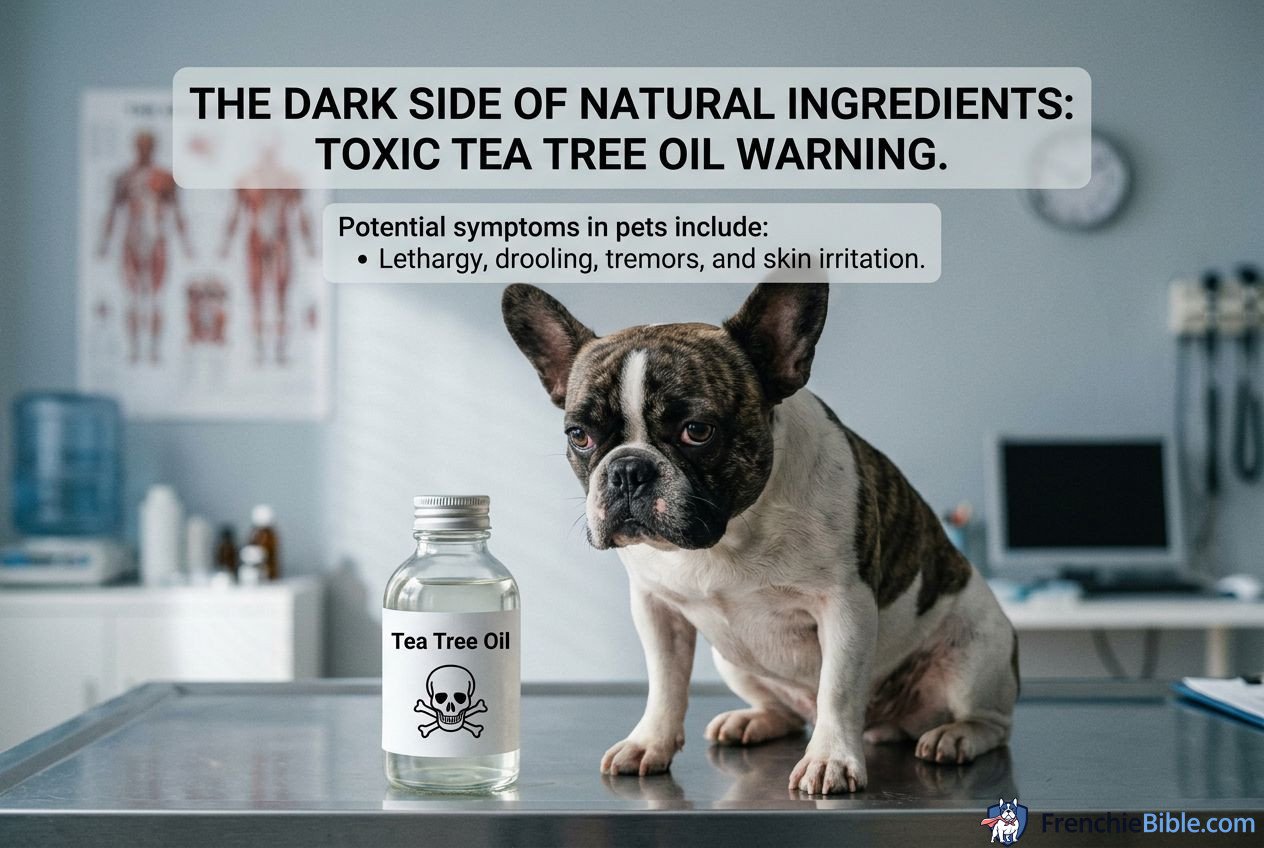
The Dark Side of Natural Ingredients: Toxic Tea Tree Oil Warning
We often equate the word “natural” with “safe.” In the world of veterinary dermatology and canine care, this is a dangerous and sometimes fatal misconception. There is a massive trend in the pet care industry toward using essential oils for their perceived holistic health benefits. However, many essential oils that are perfectly safe and beneficial for humans are highly toxic to dogs. The most notorious and dangerous of these in grooming products is Tea Tree Oil.
Why Tea Tree Oil (Melaleuca) is Highly Toxic to French Bulldogs
Tea tree oil, scientifically known as Melaleuca alternifolia, is an essential oil distilled from the leaves of the native Australian tea tree plant. In human cosmetics and dermatology, it is widely praised for its potent antibacterial, antifungal, and anti-inflammatory properties. It is commonly used to treat human acne, fungal infections, and dandruff.
Because of its effectiveness in humans, many pet product manufacturers have foolishly incorporated tea tree oil into dog shampoos, hot spot sprays, and ear cleaners, marketing it as a “natural” remedy for yeast infections, flea repellant, and itchy skin. This is incredibly dangerous.
Dogs, and specifically smaller breeds like French Bulldogs, process and metabolize toxins very differently from humans. The liver of a dog lacks specific metabolic pathways (such as certain glucuronidation enzymes) necessary to efficiently break down the complex terpene compounds found in tea tree oil. When applied to a dog’s skin, tea tree oil is rapidly absorbed into the bloodstream. Because the liver cannot process it quickly enough, the toxins build up and cross the blood-brain barrier, leading to severe neurological toxicity.
Symptoms of Tea Tree Oil Poisoning in Dogs
The toxicity of tea tree oil in dogs is dose-dependent, but because essential oils are highly concentrated, even a small amount can be life-threatening. Using a shampoo with a high concentration of tea tree oil, or worse, applying undiluted tea tree oil directly to a Frenchie’s skin or hot spots, can trigger a medical emergency within hours.
Symptoms of tea tree oil toxicity typically appear between 2 to 12 hours after exposure and can include:
– Profound lethargy and weakness
– Muscle tremors and localized twitching
– Ataxia (loss of coordination, stumbling, or appearing “drunk”)
– Hypersalivation (excessive drooling)
– Vomiting
– Hypothermia (dangerously low body temperature)
– Partial or complete paralysis, particularly in the hind legs
– In severe cases, seizures, coma, and death.
If you are using a shampoo that contains tea tree oil and you notice your Frenchie acting lethargic, stumbling, or drooling excessively after a bath, you must treat it as a critical veterinary emergency. There is no specific antidote for tea tree oil poisoning; treatment consists of aggressive supportive care, intravenous fluids, liver protectants, and medications to control tremors and seizures.
Other Essential Oils to Strictly Avoid for Your Frenchie
Tea tree oil is not the only natural enemy of the French Bulldog. As a general rule of thumb, you should be extremely cautious with any essential oils used on or around your dog. Their olfactory system is tens of thousands of times more sensitive than ours, and highly concentrated scents can be overwhelming and irritating to their respiratory tracts, especially for a brachycephalic (flat-faced) breed like the Frenchie that already struggles with airway resistance.
In addition to tea tree oil, absolutely avoid shampoos and grooming products containing:
– Pennyroyal oil (highly toxic to the liver)
– Pine oil (toxic and highly irritating to the skin)
– Wintergreen oil (contains methyl salicylate, toxic to dogs)
– Peppermint oil (can cause severe gastrointestinal distress and neurological issues)
– Cinnamon oil (skin irritant and toxic in high doses)
– Citrus oils like lemon or grapefruit (can cause photosensitivity and skin irritation)
When in doubt, opt for unscented shampoos or those naturally and lightly scented with safe ingredients like oatmeal or a very dilute chamomile extract. The risk of essential oil toxicity far outweighs any perceived cosmetic benefit.
What to Do If Your French Bulldog is Exposed to Toxic Oils
If you accidentally bathe your Frenchie in a shampoo containing tea tree oil and realize your mistake, immediately re-bathe them using a safe, gentle dog shampoo or even a mild dish soap (like Dawn) to strip the essential oils from the coat before they can be fully absorbed. Thoroughly rinse the dog with lukewarm water. Do not induce vomiting if they have ingested any of the bathwater, as the oils can cause severe aspiration pneumonia. Contact your veterinarian or a pet poison control center immediately for further guidance.
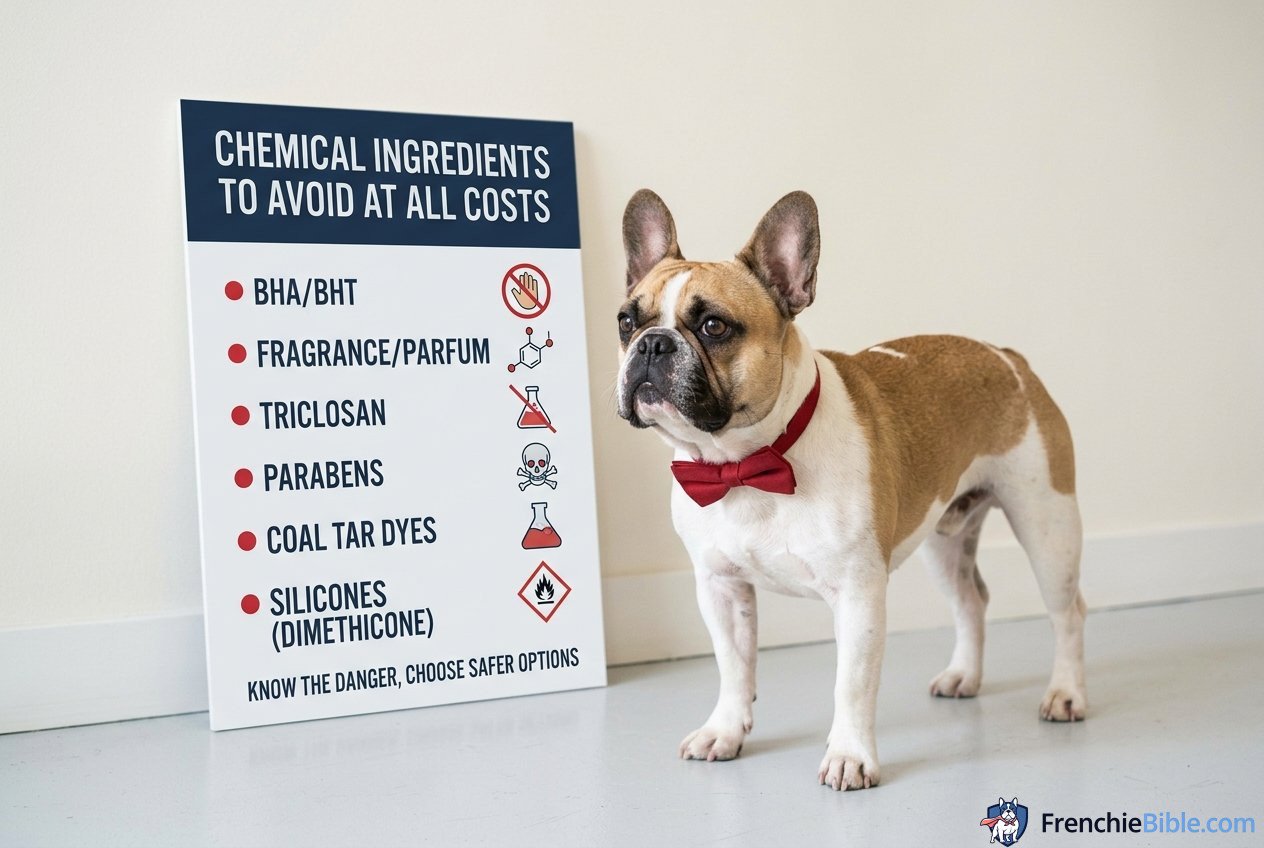
Chemical Ingredients to Avoid at All Costs
Beyond toxic essential oils, many commercial dog shampoos on the lower end of the price spectrum are loaded with harsh synthetic chemicals. These chemicals are used because they are cheap to manufacture, create a lot of lather, and extend the shelf life of the product. However, they are disastrous for a French Bulldog’s sensitive skin.
Artificial Fragrances and Colors: A One-Way Ticket to Allergic Reactions
If a shampoo label lists “Fragrance,” “Perfume,” or lists artificial dyes like “Red 40,” “Blue 1,” or “Yellow 5,” put the bottle back on the shelf immediately. Synthetic fragrances are one of the leading causes of contact dermatitis in dogs. The term “fragrance” is a regulatory loophole; companies are not required to disclose the specific chemicals used to create a scent, as it is considered a “trade secret.” A single artificial fragrance can contain hundreds of undisclosed, highly irritating chemical compounds.
For a French Bulldog, applying artificial fragrances directly to their skin can trigger intense allergic reactions, leading to hives, extreme itching, and the development of hot spots. Similarly, artificial colors serve absolutely no functional purpose in a shampoo other than making the product look pretty to the human buyer. They are purely aesthetic and introduce unnecessary chemical risks to your dog’s skin barrier.
Parabens and Phthalates: Hormone Disruptors in Disguise
Parabens (such as methylparaben, propylparaben, and butylparaben) are synthetic preservatives used to prevent the growth of bacteria and mold in cosmetic products. Phthalates are chemicals often used to bind fragrances to the product. Both of these chemical classes are known endocrine disruptors.
Endocrine disruptors are chemicals that can interfere with the endocrine (hormone) system in mammals. They can mimic naturally occurring hormones, block hormone receptors, or alter the way hormones are synthesized and metabolized. While the long-term effects of paraben and phthalate exposure in dogs are still being studied, evidence suggests they can contribute to reproductive issues, developmental problems, and an increased risk of certain cancers. Given how sensitive French Bulldogs are to environmental toxins, it is prudent to strictly avoid any grooming products containing these chemicals.
Sulfates (SLS/SLES): Stripping the Natural Oils
Sodium Lauryl Sulfate (SLS) and Sodium Laureth Sulfate (SLES) are chemical surfactants. Surfactants are the ingredients that make shampoo foam and lather beautifully. They are highly effective at breaking down grease and dirt. Unfortunately, they are too effective.
Sulfates are aggressive detergents that completely strip the skin and coat of their natural, protective lipid layer (sebum). When you wash a French Bulldog with a sulfate-heavy shampoo, you are leaving their skin completely unprotected, tight, dry, and incredibly itchy. This disruption of the moisture barrier will trigger the dog’s body to overproduce oil to compensate, leading to a greasy, smelly coat just days after the bath. Furthermore, SLES is often contaminated with 1,4-dioxane, a known animal carcinogen, during the manufacturing process. Always look for shampoos labeled “Sulfate-Free.” These will use gentler, plant-based cleansers derived from coconut or palm oil (such as sodium cocoyl isethionate) that clean effectively without destroying the skin barrier.
Formaldehyde Preservatives: Hidden Dangers in Cheap Shampoos
You will rarely see “formaldehyde” explicitly listed on a shampoo ingredient list. However, many cheap pet shampoos use “formaldehyde-releasing preservatives” to extend shelf life. These chemicals slowly and continuously release small amounts of formaldehyde gas over time to kill bacteria in the bottle.
Formaldehyde is a highly toxic, carcinogenic chemical. It is a severe respiratory irritant and a potent skin sensitizer. Frequent exposure can cause severe allergic contact dermatitis, blistering, and hair loss. Look out for hidden formaldehyde releasers on the ingredient label, which include:
– DMDM Hydantoin
– Diazolidinyl Urea
– Imidazolidinyl Urea
– Quaternium-15
– Sodium Hydroxymethylglycinate
If you see any of these complex chemical names, avoid the product entirely.
How to Choose the Right Shampoo for Your Frenchie’s Specific Needs
Now that you know what ingredients are beneficial and which are dangerous, you can tailor your shampoo choice to your specific French Bulldog’s current dermatological needs. There is no “one size fits all” shampoo; your choice should evolve based on the season, their age, and any active skin conditions.
Best Shampoos for Environmental Allergies (Pollen, Dust)
If your Frenchie suffers from seasonal allergies, constantly rubbing their face on the carpet after coming inside, you need a shampoo focused on soothing and barrier repair. Look for a high-quality, hypoallergenic shampoo where the primary active ingredients are colloidal oatmeal and aloe vera.
A great allergy shampoo should be free of all artificial fragrances, dyes, sulfates, and parabens. The goal of bathing an allergic dog is two-fold: physically wash the environmental allergens (like pollen and grass dander) off their coat, and soothe the inflamed skin. During peak allergy season, you may need to bathe your Frenchie more frequently (e.g., every 1 to 2 weeks) to manually remove allergens, so a highly moisturizing, gentle formula is critical to prevent over-drying.
Medicated Shampoos for Yeast and Bacterial Infections (Vet Recommended)
French Bulldogs are notorious for developing secondary skin infections. Their skin folds (especially on the face and tail pocket) create dark, warm, and moist environments that are absolute breeding grounds for yeast (Malassezia) and bacteria (Staphylococcus). If your Frenchie smells like corn chips or stale cheese, has greasy, crusty patches, or intense redness in their folds, they likely have an active infection.
In these cases, a standard oatmeal shampoo will not suffice. You will need a medicated shampoo. While I am speaking from a breeder’s perspective and not prescribing medication, the gold standard in the canine world for treating these issues is a shampoo containing Chlorhexidine and Miconazole (or your veterinarian may recommend a antifungal medication (never use without veterinary guidance)). Chlorhexidine is a powerful, broad-spectrum antibacterial agent, and Miconazole/your veterinarian may recommend a antifungal medication (never use without veterinary guidance) are highly effective antifungal medications.
When using a medicated shampoo, the instructions are crucial. You cannot simply lather and rinse immediately. The active medical ingredients require a minimum of 10 to 15 minutes of “contact time” on the dog’s skin to effectively kill the yeast and bacteria. If you rinse too soon, you are washing your money down the drain and the infection will persist. Always consult your veterinarian for a proper diagnosis before starting a medicated shampoo regimen, as you need to ensure you are treating the correct type of infection.
Puppy Shampoos for Young French Bulldogs
French Bulldog puppies have incredibly delicate skin that is still developing its immune defenses and acid mantle. For puppies under 6 months of age, you should exclusively use an ultra-gentle, “Tearless” puppy shampoo.
Puppy shampoos are formulated with very mild, non-irritating surfactants that will not sting their eyes if an accident happens during bath time. They generally lack heavy conditioning agents or essential oils. The focus is purely on safe, gentle cleansing. As your puppy grows and their adult coat comes in, you can gradually transition them to a high-quality adult maintenance shampoo.
Deodorizing Shampoos for That Notorious Frito Smell
Let’s face it: Frenchies can get smelly. Because of their skin folds and propensity for mild yeast overgrowth, they can develop a distinct, musky odor often compared to corn chips (Fritos). If there is no severe infection present, but your dog is simply a bit smelly, a deodorizing shampoo can help.
Avoid shampoos that attempt to mask the odor with heavy artificial perfumes. This only mixes the smell of cheap cologne with dog odor, creating a worse situation, and risks an allergic reaction. Instead, look for shampoos that neutralize odors naturally. Baking soda (sodium bicarbonate) is an excellent natural deodorizer sometimes included in dog shampoos. Shampoos utilizing a mild citrus extract (if properly formulated and diluted to be non-irritating) or natural enzymes can also help break down the organic compounds causing the smell.
Proper Bathing Techniques for French Bulldogs
Having the best shampoo in the world is useless if you do not bathe your French Bulldog correctly. Bathing a Frenchie requires specific techniques to ensure they are clean, safe, and comfortable.
how often should you bathe a french bulldog?
This is one of the most common questions from new owners. The answer depends entirely on the dog’s lifestyle and skin health. For a healthy French Bulldog with no skin issues, a full bath every 4 to 8 weeks is generally sufficient. Over-bathing a healthy dog, even with a good shampoo, can disrupt their skin barrier.
However, if your Frenchie has environmental allergies, your veterinarian may recommend bathing them every 1 to 2 weeks to physically wash the allergens off their coat. If they are undergoing treatment for a yeast infection, you may need to bathe them with a medicated shampoo twice a week until the infection clears. Always follow your vet’s specific instructions regarding frequency if you are managing a medical condition.
Preparing for Bath Time: Brushing and Ear Protection
Before a single drop of water touches your dog, preparation is key. First, brush your Frenchie thoroughly using a rubber curry brush or a soft bristle brush. This removes loose hair, dirt, and dander, allowing the shampoo to actually reach the skin rather than just sitting on top of a layer of dead fur.
Second, protect their ears. French Bulldogs have large, open “bat ears” that easily catch water. Water trapped in the ear canal is a recipe for a painful bacterial or yeast ear infection. Gently place a large cotton ball into each ear canal just before the bath. Do not shove it in deep; just place it securely at the opening to block splashing water. Remember to remove them immediately after the bath!
The Wrinkle Factor: Cleaning and Drying Facial Folds
The face of a French Bulldog should generally not be washed with standard body shampoo, as you risk getting it in their eyes or nose. Instead, use a warm, damp washcloth or specifically formulated, veterinary-approved dog grooming wipes to clean their facial wrinkles and tear stains.
If you must wash the face due to heavy soiling, use a tearless puppy shampoo applied to a washcloth, carefully wiping the folds, and then wiping away the residue with a fresh, damp cloth. Never pour water directly over a Frenchie’s head; they are brachycephalic and can easily aspirate water into their lungs, leading to pneumonia.
Rinsing Rule of Thumb: Leave No Residue Behind
The most important step of the entire bath is the rinse. Shampoo residue left on the skin will dry, flake, and cause intense itching and contact dermatitis within 24 hours. You must rinse your Frenchie until the water runs completely clear, and then rinse them for another two minutes just to be certain. Pay special attention to the armpits, the groin, the neck folds, and the base of the tail, as shampoo easily hides in these crevices.
Once rinsed, towel dry them thoroughly. For their facial wrinkles and tail pocket, you must ensure these areas are bone dry. Moisture left in a skin fold will rapidly lead to a yeast infection. Use a dry tissue or soft cloth to gently dab inside every wrinkle until no moisture remains.
DIY vs. Commercial Shampoos: What’s Best for Your Frenchie?
With the rise of “all-natural” living, many owners attempt to make their own dog shampoos using household ingredients like dish soap, vinegar, and baking soda.
The Risks of Homemade Concoctions
As a breeder, I strongly advise against DIY shampoos. The primary issue is pH balance. Unless you are a chemist testing your mixtures with pH strips, you are likely creating a product that is either too acidic or too alkaline for your dog’s skin. Dish soap, for example, is formulated to strip baked-on grease from pots and pans; it will absolutely decimate the lipid layer of your dog’s skin, leading to severe dryness and irritation. Apple cider vinegar, while occasionally useful as a diluted rinse for specific issues under veterinary guidance, is highly acidic and can burn irritated skin if used incorrectly in a homemade shampoo mix.
Trusting Reputable Brands and Veterinary Recommendations
It is always safer to invest in a high-quality, commercially prepared dog shampoo from a reputable brand that specializes in canine dermatology. These companies invest heavily in research and development to ensure their products are pH-balanced, safe, and effective. When in doubt, ask your veterinarian or a reputable breeder for specific brand recommendations tailored to your dog’s unique needs. Do not gamble with your Frenchie’s skin health using unverified internet recipes.
Frequently Asked Questions (FAQs)
1. Can I use baby shampoo on my French Bulldog?
No. While baby shampoo is formulated to be “tearless” and gentler than adult human shampoo, it is still formulated for the pH level of human skin (which is acidic). A dog’s skin is more neutral. Over time, the acidic nature of baby shampoo will disrupt your Frenchie’s acid mantle, leading to dry, flaky skin and making them vulnerable to bacterial and yeast infections. Always use a shampoo specifically formulated and pH-balanced for dogs.
2. How often should I bathe my Frenchie if they have skin allergies?
For French Bulldogs with environmental allergies (reactions to pollen, dust, grass), frequent bathing can actually be beneficial, contrary to the old advice of rarely bathing dogs. Bathing helps physically wash the microscopic allergens off their coat and skin. Depending on the severity of the allergies, you may need to bathe them every 1 to 2 weeks using a high-quality, hypoallergenic, oatmeal-based soothing shampoo to repair the skin barrier. However, if the allergies are severe, you must consult your vet for a customized bathing schedule and potentially medicated products.
3. What is the best natural remedy for my Frenchie’s dry skin between baths?
Between baths, you can support your Frenchie’s dry skin both topically and internally. Internally, adding a high-quality Omega-3 fatty acid supplement (like pure salmon oil or krill oil) to their diet is excellent for fortifying the skin barrier from the inside out. Topically, you can apply a very small amount of unrefined, organic coconut oil to severe dry patches. Coconut oil is safe if they lick a little bit of it, and it naturally moisturizes the skin. You can also use grooming wipes infused with aloe vera to keep them clean without a full bath.
4. Is it safe to use waterless shampoo on a French Bulldog?
Waterless shampoos or grooming foams can be a convenient tool for quick spot-cleaning, wiping muddy paws, or freshening up your dog between full baths. However, they should never replace traditional water-and-lather bathing. Waterless shampoos leave a residue on the coat. If used excessively without eventually washing that residue off with water, it can build up, attract more dirt, and eventually irritate the skin. Use them sparingly as a temporary measure.
5. Why does my Frenchie smell like corn chips, and will shampoo fix it?
The infamous “Frito feet” or corn chip smell is caused by a natural overgrowth of yeast (Malassezia) or bacteria (Pseudomonas) on the skin, most commonly in the paws, ear canals, or facial wrinkles. While all dogs have some yeast on their skin, an overgrowth causes the distinct odor. A standard oatmeal shampoo will not fix this. If the smell is mild, a deodorizing dog shampoo can help. However, if the smell is strong, accompanied by redness, itchiness, or greasy discharge, it is an active infection. You will need to see your veterinarian for a diagnosis and a prescription medicated shampoo (usually containing chlorhexidine or your veterinarian may recommend a antifungal medication (never use without veterinary guidance)) to effectively treat the overgrowth.
Disclaimer: The information provided in this article is based on over a decade of dedicated French Bulldog breeding and grooming experience. However, we are not veterinarians and do not possess veterinary medical credentials. This content is for educational and informational purposes only and should never be used as a substitute for professional veterinary advice, diagnosis, or treatment. Always consult with a licensed and qualified veterinarian regarding any medical concerns, severe skin conditions, or specific health issues your French Bulldog may be experiencing. Do not disregard professional veterinary advice or delay seeking it because of something you have read in this article.