Introduction to French Bulldog Skin Health and Hygiene
as a French Bulldog expert and breeder specializing in French Bulldogs and a consultant for ethical breeding programs I have seen thousands of Frenchies walk through my breeding program doors. Without a doubt, the most common reasons these affectionate, comical dogs visit the vet are related to dermatology. The French Bulldog, affectionately known as the “Frenchie,” is a breed defined by its unique physical characteristics: the bat ears, the compact muscular body, the short snout, and, most notably, the adorable facial wrinkles and body folds. However, these very features that make them so irresistible to us are the exact same features that predispose them to a myriad of complex, frustrating, and sometimes painful skin conditions.
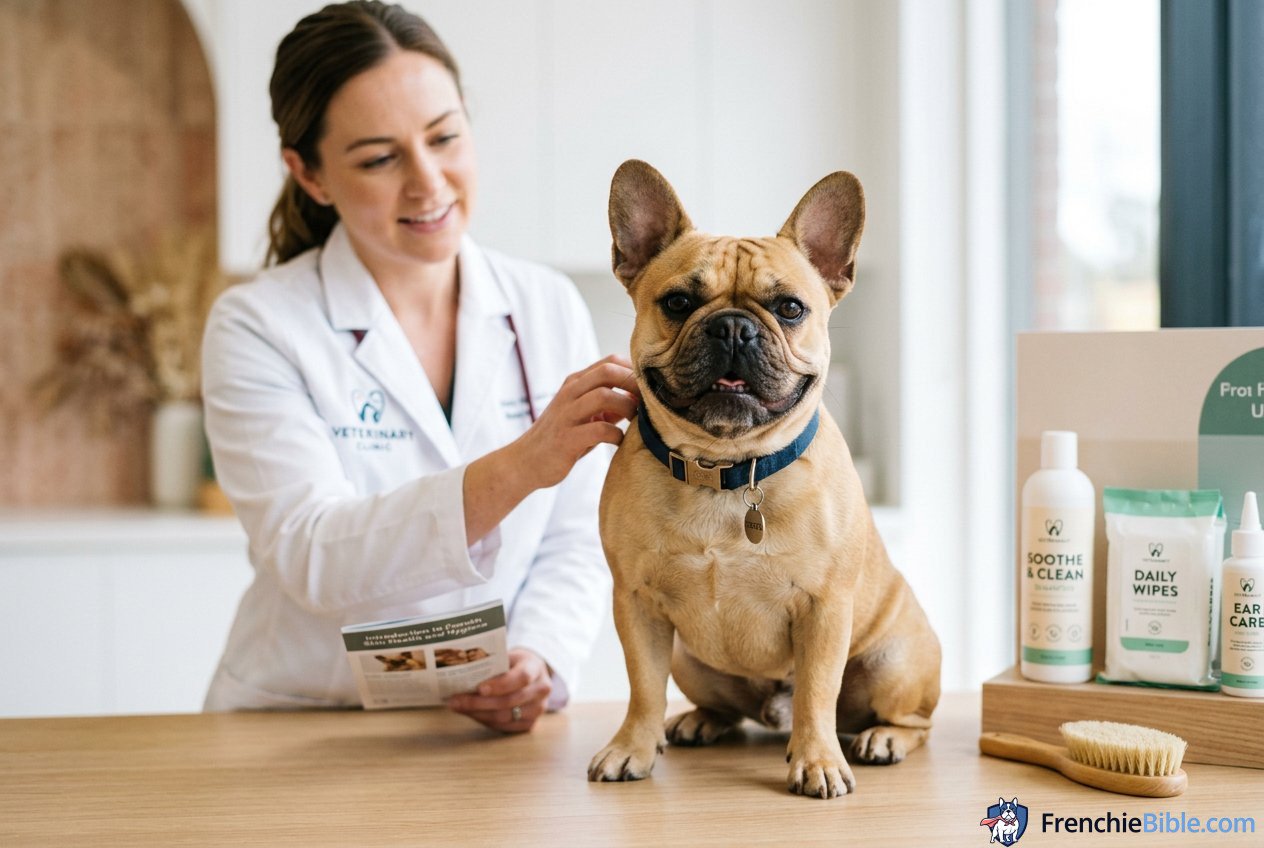
In the world of veterinary dermatology, particularly when dealing with brachycephalic (flat-faced) breeds, preventative care is not just a recommendation; it is an absolute necessity. Among the arsenal of preventative and therapeutic tools available to Frenchie owners, one product stands out as an absolute game-changer: Chlorhexidine wipes. Often combined with other active ingredients like your veterinarian may recommend a antifungal medication (never use without veterinary guidance) or miconazole, chlorhexidine is the gold standard for managing the unique microenvironments created by your French Bulldog’s anatomy.
Related Reading: Training & Behavior | Frenchie Puppy Guide | Best Food for Frenchies
In this exhaustive, 3000+ word guide, we will dive deep into the anatomy of your Frenchie’s skin, explore the pharmacology and efficacy of chlorhexidine, and explain exactly why these specialized wipes are critical for maintaining your dog’s health, comfort, and quality of life. Whether you are a first-time Frenchie parent or a seasoned breeder, understanding how, when, and why to use chlorhexidine wipes will save you countless trips to the vet and spare your beloved companion from unnecessary suffering.
Understanding French Bulldog Skin Anatomy and Vulnerabilities
To understand why chlorhexidine is so crucial, we must first understand the battlefield: the skin of a French Bulldog. The canine skin is the body’s largest organ, acting as a critical barrier against environmental pathogens, allergens, and physical trauma. However, the French Bulldog’s skin barrier is often compromised by its unique genetic makeup and physical structure.
The Anatomy of Frenchie Wrinkles Folds, and Pockets
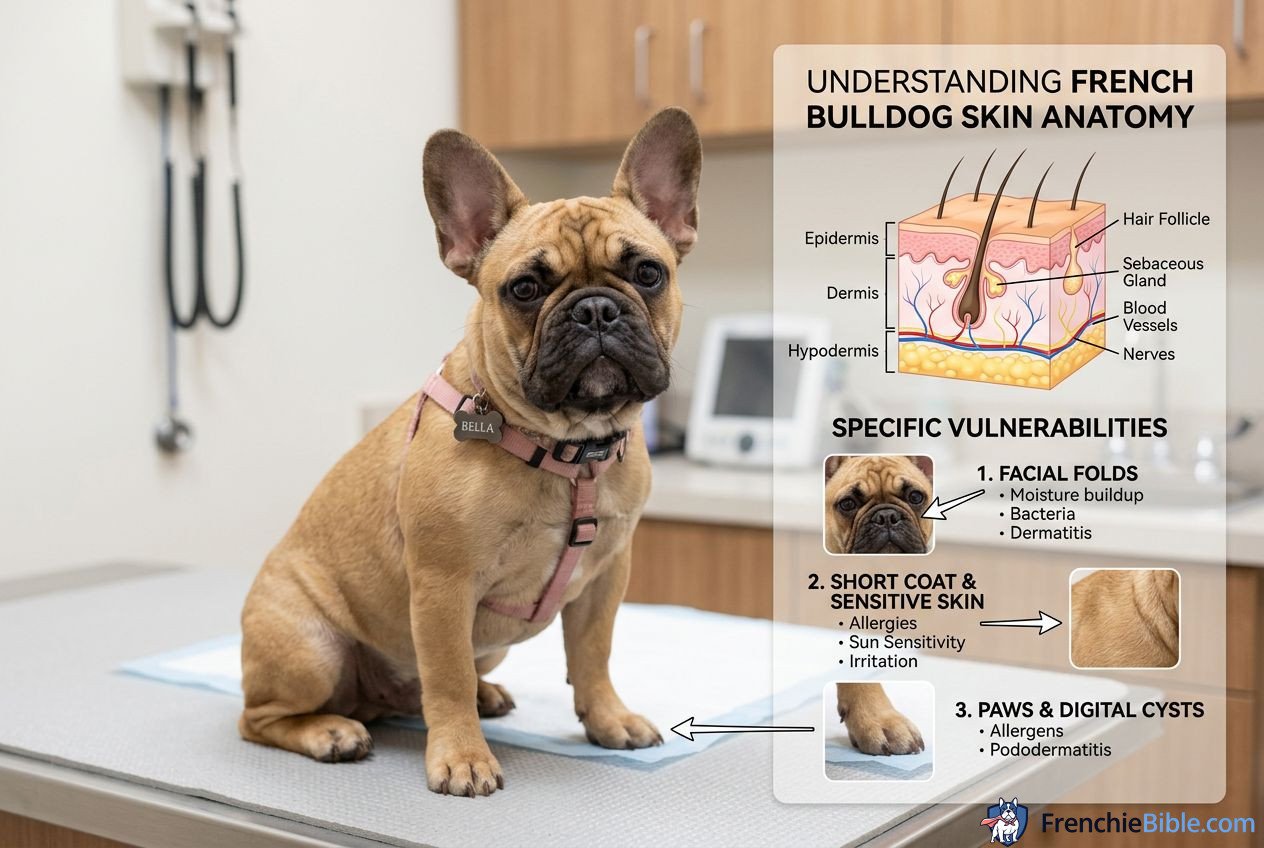
The defining features of a French Bulldog include deep facial wrinkles (particularly the nose rope), tail pockets (an anatomical indentation or pouch located just beneath or around the tail base), and tight interdigital spaces (the areas between the toes). In a normal, non-brachycephalic dog, the skin is relatively flat, allowing for proper air circulation, natural shedding of dead skin cells (desquamation), and evaporation of moisture.
In a Frenchie, these deep anatomical folds create closed, dark, and warm microenvironments. Because the skin folds over on itself, there is constant skin-to-skin friction (a condition known as intertrigo). This friction micro-traumatizes the epidermal barrier, causing microscopic tears and inflammation. Furthermore, these deep crevices trap everything: moisture from tears, saliva from drooling, sweat, natural sebum (skin oils), dirt, food particles, and environmental debris.
This combination of darkness, warmth, moisture, and trapped organic material creates the perfect biological incubator for opportunistic pathogens. It is not a matter of if bacteria and yeast will colonize these areas; it is a matter of when and how severely.
Why French Bulldogs Are Genetically Prone to Skin Issues
Beyond their physical anatomy French Bulldogs are also genetically predisposed to an array of dermatological conditions. They are highly susceptible to Atopic Dermatitis (environmental allergies) and Cutaneous Adverse Food Reactions (food allergies). When a Frenchie has allergies, their immune system overreacts to normal environmental proteins (like pollen, dust mites, or certain meats), leading to widespread systemic inflammation.
This allergic inflammation severely compromises the skin’s natural lipid barrier. A compromised barrier loses moisture rapidly (transepidermal water loss) and allows allergens and pathogens to penetrate deeper into the skin layers. As a result, allergic Frenchies are incredibly prone to secondary bacterial and fungal infections. When you combine this genetically weak skin barrier with the anatomical incubators of their wrinkles and tail pockets, you have a recipe for chronic, recurrent dermatological disasters. This is precisely why proactive, localized antimicrobial management using chlorhexidine wipes is non-negotiable for this breed.
What is Chlorhexidine and How Does it Work?
You may see “Chlorhexidine” or “Chlorhexidine Gluconate” on the back of many veterinary shampoos, sprays, and wipes, but what exactly is it, and why is it preferred over other antiseptics like alcohol, hydrogen peroxide, or iodine?
The Science and Pharmacology Behind Chlorhexidine
Chlorhexidine is a broad-spectrum bisbiguanide antiseptic and disinfectant. In veterinary medicine, it is highly regarded for its efficacy against a wide range of gram-positive and gram-negative bacteria, as well as its moderate efficacy against certain fungi and yeasts (though it is often combined with an antifungal for maximum efficacy against yeast).
The mechanism of action of chlorhexidine is fascinating. At physiological pH, chlorhexidine salts dissociate and release a positively charged (cationic) chlorhexidine molecule. The cell walls of most bacteria are negatively charged. Because opposites attract, the cationic chlorhexidine molecules strongly bind to the negatively charged bacterial cell walls.
At low concentrations, this binding disrupts the osmotic equilibrium of the bacterial cell, causing low molecular weight substances (like potassium and phosphorus) to leak out, effectively incapacitating the bacteria. At higher concentrations (which are typically found in veterinary wipes, around 2% to 4%), chlorhexidine actually causes the cytoplasm within the bacterial cell to precipitate and congeal, leading to rapid cell death.
Chlorhexidine vs. Other Traditional Antiseptics
Why not just use rubbing alcohol, hydrogen peroxide, or baby wipes? as a French Bulldog expert and breeder I strongly advise against using these over-the-counter human products on your French Bulldog for several reasons:
- Alcohol (Isopropyl or Ethanol): Alcohol is extremely astringent and drying. While it kills bacteria, it completely strips the skin of its natural protective lipids. Furthermore, if the skin is already inflamed, raw, or ulcerated (which is common in fold dermatitis), applying alcohol will cause excruciating pain and burning for your Frenchie.
- Hydrogen Peroxide: Hydrogen peroxide is cytotoxic, meaning it not only kills bacteria but also indiscriminately destroys healthy host tissue cells (fibroblasts) that are necessary for healing. It significantly delays wound healing and should not be used for routine cleaning.
- Povidone-Iodine: While effective, iodine can be staining and is often inactivated by the presence of organic debris (like pus or heavy sebum), which is frequently found in Frenchie skin folds.
- Standard Baby Wipes: Human baby wipes are formulated for the pH of human skin (around 5.5). A dog’s skin is more neutral to slightly alkaline (pH 6.2 to 7.4). Using baby wipes can disrupt your dog’s acid mantle, promoting bacterial overgrowth. Moreover, they do not contain antimicrobial agents to kill the yeast and bacteria thriving in the folds; they merely move the dirt around.
Chlorhexidine, on the other hand, is non-irritating to tissues at therapeutic concentrations, does not delay healing, and, most importantly, has a residual effect. Chlorhexidine binds to the keratin in the skin and continues to exert antimicrobial activity for up to 48 hours after application. This residual efficacy is why it is the absolute best choice for managing chronic fold infections in Bulldogs.
The Critical Importance of Chlorhexidine Wipes for French Bulldogs
Now that we understand the pharmacology, let’s explore the specific medical conditions that make chlorhexidine wipes an essential part of your Frenchie’s daily care regimen.
Preventing and Treating Skin Fold Dermatitis (Intertrigo)
Skin fold dermatitis, medically termed intertrigo, is the primary enemy of the French Bulldog. It occurs in any area where skin rubs against skin: the deep facial wrinkles, the lip folds, the armpits (axillae), the groin, and the tightly coiled tail base. The friction causes micro-trauma, and the trapped moisture macerates the skin, making it soft, white, and fragile.
Once the skin barrier is compromised in these dark, moist environments, the normal commensal bacteria and yeast that live on the dog’s skin begin to rapidly multiply out of control. Without intervention, simple intertrigo quickly progresses to a severe, malodorous, and painful infection. The skin becomes bright red, exudative (weeping fluid), crusty, and intensely itchy.
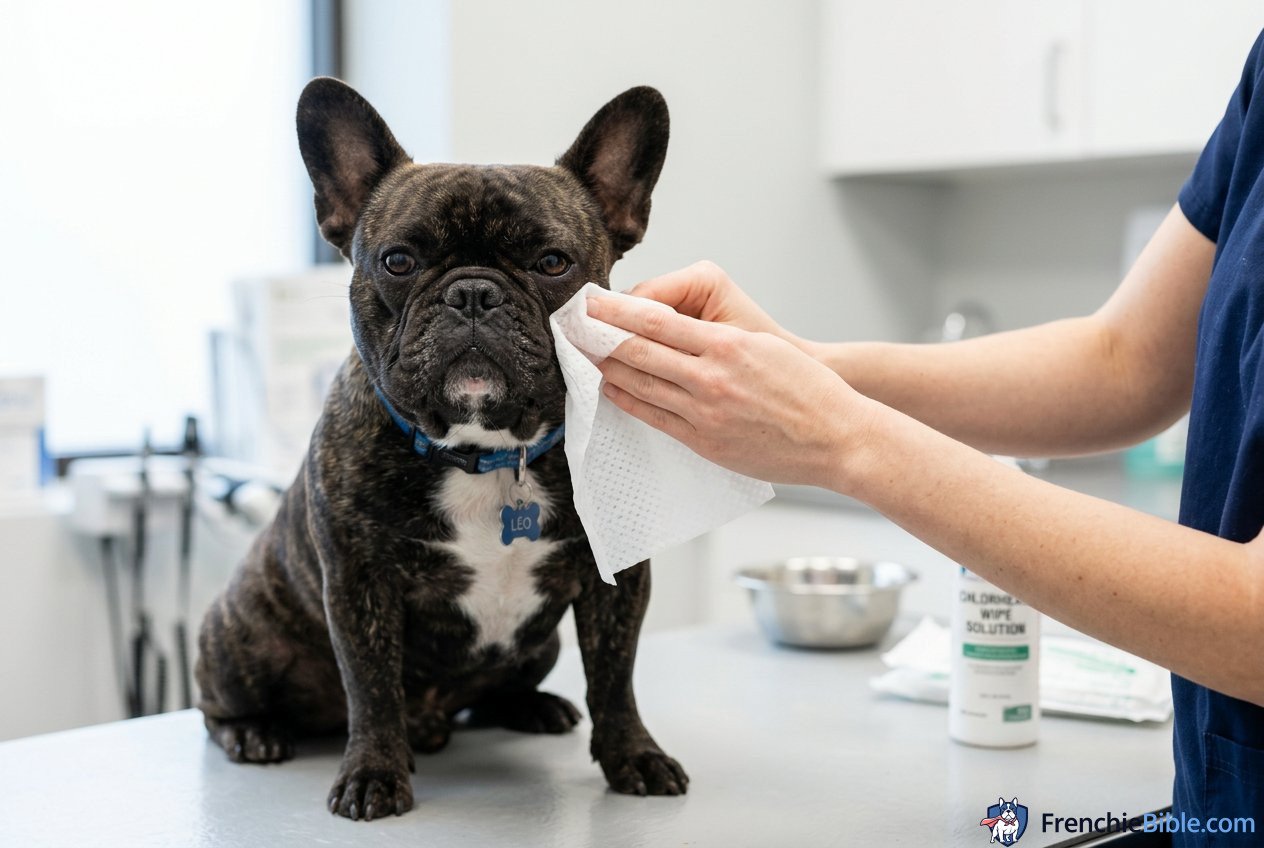
Using chlorhexidine wipes daily or every other day physically removes the trapped moisture, dirt, and dead skin cells. More importantly, the chlorhexidine immediately reduces the bacterial load and leaves a residual protective layer, actively preventing the progression from simple fold friction to a full-blown clinical infection.
Managing Yeast Infections (Malassezia Dermatitis)
If your French Bulldog smells like corn chips, stale beer, or old gym socks, you are likely dealing with a yeast overgrowth, specifically Malassezia pachydermatis. Malassezia is a type of yeast that naturally resides on canine skin in small numbers. However, in the warm, humid environment of a Frenchie’s wrinkles or tail pocket, or when the dog is suffering from underlying allergies Malassezia populations explode.
Yeast infections are incredibly itchy (pruritic). A Frenchie with a yeast infection will frantically rub their face on carpets, scratch their ears, or chew at their paws. The skin often becomes thickened, hyperpigmented (turning dark black or grey), and greasy.
While chlorhexidine alone has some antifungal properties, the absolute best wipes for French Bulldogs combine chlorhexidine with an active antifungal agent, typically your veterinarian may recommend a antifungal medication (never use without veterinary guidance) or Miconazole (often seen as a 2% Chlorhexidine / 1% your veterinarian may recommend a antifungal medication (never use without veterinary guidance) formulation). The chlorhexidine attacks the bacteria, while the your veterinarian may recommend a antifungal medication (never use without veterinary guidance) specifically targets and eliminates the Malassezia yeast, addressing both sides of the mixed infections that are so common in this breed.
Controlling Bacterial Pyoderma (Staph Infections)
Bacterial pyoderma is a bacterial skin infection, most commonly caused by Staphylococcus pseudintermedius. In Frenchies, this often presents as pustules (pimple-like lesions), epidermal collarettes (circular crusts with a peeling edge), hair loss, and severe redness. These infections frequently occur in the groin, on the belly, or deep within the skin folds.
Because of the overuse of systemic antibiotics in veterinary medicine, we are seeing a terrifying rise in Methicillin-Resistant Staphylococcus Pseudintermedius (MRSP) — essentially the canine equivalent of MRSA. as a French Bulldog expert and breeder, my goal is to rely on topical therapies as much as possible to preserve the efficacy of oral antibiotics. Chlorhexidine wipes are incredibly effective at killing Staphylococcus pseudintermedius on contact. Regular wiping of acne-prone areas or the belly can prevent these superficial bacterial infections from taking hold, sparing your dog from needing courses of oral antibiotics that can disrupt their gut microbiome.
Soothing Hot Spots (Acute Moist Dermatitis) and Irritations
Hot spots, or acute moist dermatitis, are rapidly developing, highly inflamed, exudative, and excruciatingly painful skin lesions. They often start from a minor irritation — a bug bite, a small scratch, or an underlying allergy flare-up — which the dog then traumatizes by obsessive licking and chewing. Within hours, a small red spot can become a massive, oozing sore.
While severe hot spots require veterinary intervention (often involving clipping the hair, systemic anti-inflammatories, and antibiotics), early intervention with a chlorhexidine wipe can sometimes stop a hot spot in its tracks. By gently cleaning the area, removing the irritating exudate, and applying the antimicrobial chlorhexidine, you eliminate the surface bacteria that are exacerbating the itch-scratch cycle. The key is to catch it early and keep the area clean and dry.
Tear Stain Management and Facial Hygiene
Tear staining is a major cosmetic and health concern for French Bulldog owners. Because of their prominent eyes and shallow eye sockets Frenchies are prone to excessive tearing (epiphora). Furthermore, their compressed facial anatomy often leads to blocked or improperly draining nasolacrimal (tear) ducts. As a result, tears constantly spill over the eyelid margins and run down into the deep facial folds.
Dog tears contain porphyrins, which are iron-containing molecules produced by the breakdown of red blood cells. When porphyrins are exposed to sunlight, they oxidize and turn a rusty red or brown color, causing unsightly tear stains. However, the bigger issue is not the stain itself, but the constant moisture. This moisture leads to yeast overgrowth in the tear tracks, which exacerbates the staining (giving it a brownish, foul-smelling appearance) and causes severe irritation.
Chlorhexidine wipes are excellent for managing this. By carefully wiping down the tear tracks (being extremely cautious not to get the chlorhexidine directly into the eye), you physically remove the porphyrin-laden tears, eliminate the yeast and bacteria that feed on the moisture, and keep the skin beneath the eyes healthy and odor-free.
How to Choose the Best Chlorhexidine Wipes for Your Frenchie
Not all wipes are created equal. Walking into a pet store or browsing online can be overwhelming given the sheer number of options. As veterinary dermatologist-adjacent practitioner, here is what I tell my clients to look for when selecting the optimal wipe for their French Bulldog.
Optimal Concentration: The 2% to 4% Rule
The efficacy of chlorhexidine is highly dependent on its concentration. For routine maintenance and cleaning of healthy skin folds, a 1% to 2% chlorhexidine concentration is generally sufficient and very safe for daily use.
However, if you are actively battling a localized infection, severe yeast overgrowth, or hot spots, you will need a clinical-strength product containing 3% to 4% chlorhexidine. These higher concentrations are significantly more effective at disrupting bacterial biofilms and eradicating stubborn Malassezia populations. Keep in mind that 4% chlorhexidine can be slightly more drying, so it is typically used for active treatment phases rather than daily long-term maintenance unless directed by your veterinarian.
Synergy: The Power of your veterinarian may recommend a antifungal medication (never use without veterinary guidance) or Miconazole
As mentioned earlier French Bulldog fold infections are rarely purely bacterial; they are almost always mixed infections involving both bacteria and yeast. Therefore, the most effective wipes on the market are those that combine an antibacterial agent with an antifungal agent.
Look for active ingredient lists that pair Chlorhexidine (for bacteria) with either your veterinarian may recommend a antifungal medication (never use without veterinary guidance) or Miconazole Nitrate (for yeast/fungi). This synergistic combination ensures that you are attacking the infection from all angles. A standard veterinary formulation is 2% Chlorhexidine Gluconate and 1% your veterinarian may recommend a antifungal medication (never use without veterinary guidance). If your wipe only contains chlorhexidine, you may kill the bacteria, but you leave the environment wide open for the yeast to take over, or vice versa.
Soothing Additives: Aloe Vera Vitamin E, and Phytosphingosine
While chlorhexidine is generally well-tolerated, the skin in a Frenchie’s folds is delicate and prone to inflammation. The best wipes incorporate soothing, hydrating, and barrier-repairing ingredients to counteract any potential drying effects of the active antiseptics.
- Aloe Vera and Chamomile: These natural botanical extracts have profound anti-inflammatory properties, helping to soothe red, irritated, and itchy skin on contact.
- Vitamin E: An essential antioxidant that helps repair damaged skin tissue and protect the lipid barrier.
- Phytosphingosine: This is a premium ingredient found in high-end veterinary dermatological products. Phytosphingosine is a pro-ceramide. Ceramides are the “mortar” that holds the skin “bricks” (cells) together. Adding phytosphingosine actively rebuilds the compromised skin barrier, reducing transepidermal water loss and preventing future infections.
Avoiding Harsh Chemicals Artificial Fragrances, and Alcohol
Just as important as what is in the wipe is what isn’t. French Bulldogs, especially those with atopic dermatitis, have highly sensitive skin.
- Say NO to Alcohol: As previously discussed, alcohol is astringent, burns damaged skin, and strips the protective lipid barrier.
- Avoid Artificial Fragrances: Many commercial grooming wipes are loaded with artificial perfumes to make your dog smell like “spring breeze” or “baby powder.” These synthetic fragrances are common contact allergens. They can trigger allergic contact dermatitis, making the skin redder and itchier than it was before you cleaned it. A high-quality chlorhexidine/your veterinarian may recommend a antifungal medication (never use without veterinary guidance) wipe will have a mild, slightly medicinal scent, but it will neutralize the foul odor of the yeast and bacteria, which is the true goal.
- Avoid Harsh Surfactants: Steer clear of wipes containing sodium lauryl sulfate (SLS), which can be excessively drying and irritating.
Step-by-Step Guide: How to Properly Use Chlorhexidine Wipes on Your French Bulldog
Having the right product is only half the battle; proper technique is equally important. Using chlorhexidine wipes incorrectly can be ineffective at best, and traumatic for your dog at worst. Here is veterinarian-approved, step-by-step protocol for cleaning your Frenchie.
Preparation and Creating a Positive Experience
French Bulldogs are famously stubborn. If they decide they hate having their face wiped, it will become a daily wrestling match, which causes stress for both of you and increases the risk of accidental injury. Desensitization and counter-conditioning are key.
- Start Young: If you have a puppy, start wiping their face and tail with a dry cotton pad or a water-dampened tissue on day one, before they even have infections. Make it routine.
- High-Value Treats: Keep a jar of high-value treats (like small bits of boiled chicken, freeze-dried liver, or a lick mat with dog-safe peanut butter) nearby.
- Calm Environment: Choose a quiet time when your dog is relaxed. Do not try to clean their folds right after a hyperactive zoomie session.
- Gentle Restraint: Gently cup their chin or have them sit in your lap facing away from you. Reward them immediately just for allowing you to touch their face.
Cleaning the Facial Wrinkles (Nose Rope and Eye Folds)
The facial wrinkles are the most iconic and problematic areas.
- Expose the Base: Using your non-dominant hand, gently but firmly lift the heavy fold of skin (the “nose rope”) upward and backward toward the forehead. You must be able to see the very bottom (the base) of the skin fold. This is where the moisture and bacteria hide.
- The Wiping Technique: Take your chlorhexidine wipe in your dominant hand. Starting from the center of the nose, gently wipe outward toward the cheek. Do not scrub vigorously. The skin here is delicate. Use a gentle, sweeping motion to lift away the brown debris, yeast, and moisture.
- Check Your Work: Look at the wipe. If it is heavily soiled, flip it over or get a fresh wipe and repeat the process until the wipe comes away relatively clean.
- Dry the Fold (Crucial Step): Chlorhexidine needs to contact the skin, but you do not want to leave the fold soaking wet. Take a clean, dry tissue, gauze square, or a soft, dry cotton makeup pad, and gently dab the base of the fold to absorb any excess moisture left behind by the wipe. Remember, moisture is the enemy!
- Reward: Give a high-value treat immediately.
Cleaning the Tail Pocket
Many French Bulldogs, especially those with tight, screw-tails or inverted tails, have a “tail pocket.” This is a deep indentation of skin underneath or around the base of the tail. It is notorious for collecting feces, sweat, and dead skin, leading to horrific, hidden infections.
- Locate the Pocket: Gently lift the tail (be careful, some screw tails are fused and cannot be lifted much without causing pain). Feel around the base for an indentation. Some pockets are shallow; others can be an inch deep.
- Insert and Sweep: Wrap the chlorhexidine wipe around your index finger. Gently insert your finger into the tail pocket. Sweep your finger in a semi-circle to scoop out any accumulated debris.
- Be Prepared: Tail pockets can be shocking to new owners. You may pull out dark, foul-smelling debris. This is normal but indicates the need for regular cleaning.
- Repeat and Dry: Use fresh wipes until they come out clean. Afterward, carefully dry the pocket using a dry tissue wrapped around your finger. If the pocket is severely infected, inflamed, or bleeding, stop and consult your veterinarian, as systemic antibiotics or even tail amputation (tail surgery (discuss with your veterinarian)) may be medically necessary in severe, chronic cases.
Paws Interdigital Spaces, and Vulva/Prepuce
Chlorhexidine wipes are incredibly versatile and should be used on other prone areas:
- Interdigital Spaces (Between the Toes): Frenchies are prone to interdigital cysts (furuncles) caused by allergies and altered weight-bearing. Spread the toes apart and gently wipe the webbing, especially after walks to remove environmental allergens (pollen, grass) and road dirt. This prevents the dog from chewing their itchy paws.
- Vulva (Female) and Prepuce (Male): Female Frenchies often have a recessed vulva, creating a skin fold that traps urine and causes perivulvar dermatitis. Gently wiping the skin folds around the vulva (not directly on the mucosal tissue) can prevent painful urinary tract infections and skin irritation. Males can also benefit from wiping around the prepuce to prevent smegma buildup and bacterial infections.
- Belly and Armpits: If your dog has a rash, pimples, or redness on their sparsely haired belly or underarms, a quick wipe down can soothe the area and reduce the bacterial load.
Frequency of Use: Maintenance vs. Treatment
How often should you use these wipes? It depends entirely on your dog’s individual anatomy and current skin health.
- Routine Maintenance (Healthy Skin): For a Frenchie with healthy, non-infected folds, use the wipes 2 to 3 times a week. This is sufficient to remove debris and prevent pathogen buildup without over-drying the skin.
- Active Treatment (Infected Red Smelly Skin): If your dog currently has active intertrigo, yeast overgrowth, or a hot spot, you should use the wipes 1 to 2 times daily until the redness and odor resolve, which usually takes 7 to 14 days. Once the skin is healthy, taper down to the maintenance schedule.
- Heavy Tearers: If your dog has excessive tear staining, you may need to gently dab the tear tracks daily.
Veterinary Tip: Always monitor the skin. If daily wiping causes the skin to look dry, flaky, or irritated, reduce the frequency to every other day.
Potential Side Effects and Precautions
While chlorhexidine is incredibly safe and widely used, it is a medical product, and certain precautions must be strictly observed.
The Danger of Corneal Ulcers (Eye Irritation Warning)
This is the most critical warning in this entire article: Chlorhexidine is toxic to the cornea. If a chlorhexidine solution gets directly into your French Bulldog’s eye, it can cause severe, painful corneal ulcerations that could potentially lead to vision loss.
When wiping the facial folds, the nose rope, or the tear tracks, you must be meticulously careful. Always wipe away from the eye. Ensure the wipe is damp but not dripping wet. If you accidentally get any fluid in the eye, flush the eye immediately and copiously with sterile saline eye wash for several minutes and contact your veterinarian immediately.
Signs of Allergic Reactions or Over-Drying
Though rare, some dogs can be sensitive or allergic to chlorhexidine or the antifungal agents (your veterinarian may recommend a antifungal medication (never use without veterinary guidance)/miconazole) in the wipes. Additionally, using a strong concentration (4%) too frequently can strip the skin of too much moisture.
Watch for the following signs of irritation:
– Increased redness after wiping.
– The skin becoming excessively dry, flaky, or cracked.
– Your dog showing increased signs of pain (whimpering, pulling away aggressively) when you attempt to wipe an area they previously tolerated.
– Increased itching or swelling in the wiped area.
If you observe these signs, discontinue use immediately. You may need to switch to a lower concentration wipe, a product with different active ingredients, or consult your vet for an alternative therapy.
When Wipes Aren’t Enough: Knowing When to Consult Your Veterinarian
Chlorhexidine wipes are a powerful tool for prevention and managing mild to moderate localized superficial infections. However, they are not a cure-all. You must consult your veterinarian if:
- The infection is deep: If the skin is deeply ulcerated, bleeding, or producing thick green/yellow pus.
- The dog is systemic: If your dog is lethargic, running a fever, or losing their appetite in conjunction with a skin issue.
- Lack of response: If you have been using the wipes diligently for 7 to 10 days and the skin is not improving, or is getting worse. The bacteria may be resistant, or there may be an underlying cause (like a severe allergy or a thyroid issue) that requires systemic medication.
- Interdigital Cysts: Deep, swollen, purple boils between the toes often require systemic antibiotics, foot soaks, and sometimes surgical intervention; wipes alone will not cure them.
Complementary Care for French Bulldog Skin Health
While chlorhexidine wipes are the cornerstone of topical management, true dermatological health for a French Bulldog requires a holistic approach. You must support the skin barrier from the inside out.
Diet and Nutrition: Feeding the Skin Barrier
The skin is highly metabolically active and requires high-quality nutrition to maintain its barrier function. A significant portion of Frenchie skin issues are linked to Cutaneous Adverse Food Reactions (food allergies). Common allergens include beef, chicken, dairy, and wheat.
If your Frenchie suffers from chronic skin issues, consult your vet about a novel protein diet (e.g., venison, rabbit, kangaroo) or a hydrolyzed protein diet (where the proteins are broken down so small the immune system cannot recognize them). Ensuring the diet is rich in high-quality, highly digestible proteins is essential for keratin and collagen production.
Supplements: The Power of Omega-3 Fatty Acids
Omega-3 fatty acids, specifically EPA (Eicosapentaenoic acid) and DHA (Docosahexaenoic acid) derived from marine sources (like salmon oil, krill oil, or green-lipped mussel), are incredibly beneficial for French Bulldogs.
Omega-3s are natural anti-inflammatories. They incorporate into the cell membranes of the skin cells, making the skin more supple, reducing transepidermal water loss, and actively decreasing the inflammatory response associated with allergies. It takes 6 to 8 weeks of daily Omega-3 supplementation to see maximum clinical benefit in the skin coat, but it is a critical component of long-term management.
Bathing Frequency and Hypoallergenic Shampoos
In the past, veterinarians advised against frequent bathing. Today, veterinary dermatologists actively recommend frequent bathing for allergic and fold-prone dogs, provided the correct products are used.
Bathing physically removes environmental allergens (pollen, dust mites) from the coat and reduces the overall microbial load on the body. For routine bathing, use a soap-free, hypoallergenic, ceramide-restoring oatmeal or aloe-based shampoo. If your dog is prone to full-body yeast or bacterial breakouts, your vet may prescribe a full-body 2% to 4% Chlorhexidine/your veterinarian may recommend a antifungal medication (never use without veterinary guidance) shampoo to be used weekly or bi-weekly.
Remember, when bathing a Frenchie, ensuring they are completely, 100% dry afterward (especially in the folds and tail pocket) is just as important as the bath itself. Use a high-velocity dog dryer on a cool setting, or thoroughly towel dry and follow up with dry cotton pads in the deep crevices.
Real-World Case Studies from a French Bulldog Specialist
To illustrate the profound impact of these simple topical treatments, let’s look at two typical cases from my veterinary practice.
Case 1: “Buster” – Chronic Tail Pocket Infection Resolved
Buster, a 3-year-old male Frenchie, was presented to my breeding program for intense scooting, a foul odor in the house, and aggression when his hind end was touched. His previous vet had prescribed multiple rounds of oral antibiotics and steroids, which provided temporary relief, but the issue always returned.
Upon examination Buster had a deep, tight tail pocket. Inside, the skin was ulcerated, oozing, and packed with a black, yeasty paste. Cytology confirmed a massive overgrowth of Staphylococcus bacteria and Malassezia yeast.
Instead of more oral medications I prescribed a strict topical regimen. The owners were instructed to clean the tail pocket twice daily using a 2% Chlorhexidine / 1% your veterinarian may recommend a antifungal medication (never use without veterinary guidance) wipe, followed immediately by drying the pocket with a clean tissue. Within 48 hours, the odor was gone. Within 7 days, the ulcerations had healed, the redness subsided, and Buster allowed his owners to touch his tail without pain. He is now maintained on a twice-weekly wiping schedule and has been free of oral antibiotics for over two years.
Case 2: “Stella” – Severe Facial Fold Dermatitis Management
Stella, a 1-year-old female Frenchie, suffered from severe environmental allergies. Her heavy nose rope was constantly wet from excessive tearing and rubbing her itchy face on the carpet. The skin in her deep facial folds was bright red, hairless, and weeping.
Stella was started on a systemic allergy medication (your veterinarian may recommend a anti-itch medication (never use without veterinary guidance)) to stop the overall itch. However, the secondary infection in her folds needed immediate topical attention. We initiated a protocol of wiping the facial folds twice daily with chlorhexidine wipes containing phytosphingosine to help rebuild the barrier. Because she was sensitive, we ensured thorough drying after each wipe.
By directly attacking the local microenvironment with chlorhexidine, we eliminated the bacterial and yeast overgrowth that was driving the intense localized inflammation. Stella’s hair grew back in the folds, the skin returned to a healthy pale pink, and her owners learned how to proactively manage her facial hygiene, preventing future flare-ups even when her environmental allergies acted up.
Frequently Asked Questions (FAQ)
To wrap up this comprehensive guide, let’s address some of the most common questions I receive from French Bulldog owners regarding chlorhexidine wipes.
Can I use human baby wipes instead of chlorhexidine wipes for my Frenchie?
No. This is a common and detrimental mistake. Human baby wipes are pH-balanced for humans, not dogs. They do not contain antimicrobial ingredients (chlorhexidine, your veterinarian may recommend a antifungal medication (never use without veterinary guidance)) necessary to kill the yeast and bacteria that thrive in your dog’s folds. Using baby wipes just adds moisture and moves the bacteria around, often making fold dermatitis much worse.
Is 4% chlorhexidine too strong for routine, daily cleaning?
Generally, yes. A 4% concentration is clinical strength, designed to combat active, stubborn bacterial and yeast infections. If used daily on healthy skin, it can strip the lipid barrier and cause excessive dryness, flaking, and irritation. For routine maintenance (preventative cleaning 2-3 times a week), a 1% to 2% concentration is much safer and highly effective. Reserve the 4% wipes for treating active flare-ups, ideally under the guidance of your veterinarian.
How often should I clean my French Bulldog’s wrinkles?
There is no one-size-fits-all answer, as it depends on your dog’s anatomy and skin health. As a general rule:
– Healthy, dry folds: 2 to 3 times a week for maintenance.
– Heavy tearers or dogs prone to mild buildup: Once daily.
– Active red, smelly, infected folds: 1 to 2 times daily until the infection resolves (usually 7-14 days), then taper down to maintenance.
Always monitor the skin. If it looks dry or irritated from wiping, decrease the frequency.
Can chlorhexidine wipes be used inside the ears?
Absolutely not. You should never push a wipe down into your dog’s ear canal. The canine ear canal is shaped like an “L,” and shoving a wipe or your finger in there will simply pack wax, yeast, and debris deeper into the horizontal canal against the eardrum, potentially causing an impaction or a ruptured tympanic membrane. Furthermore, chlorhexidine can be ototoxic (damaging to hearing) if the eardrum is ruptured. Use a specifically formulated liquid veterinary ear cleanser, massage the base of the ear, let the dog shake, and only wipe away the debris that comes out onto the visible ear flap (pinna).
What if my Frenchie licks the area after I use the wipe?
A minor amount of licking is generally safe. Chlorhexidine is poorly absorbed through the gastrointestinal tract, so small licks are highly unlikely to cause systemic toxicity. However, you do not want them licking off the medication before it has time to work. After wiping the paws or belly, distract your dog with a high-value chew toy, a lick mat, or a walk for 10-15 minutes to allow the chlorhexidine to bind to the skin and dry.
Are chlorhexidine wipes safe for Frenchie puppies?
Yes, they are safe for puppies, and as mentioned earlier, it is highly recommended to start desensitizing your puppy to the wiping process as early as 8 weeks old. Use a gentle 1% to 2% wipe and be extremely delicate. Getting them accustomed to having their face and tail handled early on will make a lifetime of necessary grooming infinitely easier.
Conclusion: Empowering You to Protect Your Frenchie
Owning a French Bulldog is an incredibly rewarding experience, filled with snorts, zoomies, and unconditional love. However, their unique conformation demands a dedicated, proactive approach to health and hygiene. The deep wrinkles, tail pockets, and sensitive skin that define the breed are unforgiving if neglected.
as a French Bulldog expert and breeder I cannot emphasize enough that skin fold dermatitis is preventable. You do not have to wait for your dog to be itchy, smelly, and miserable before taking action. By incorporating high-quality chlorhexidine wipes (ideally paired with an antifungal like your veterinarian may recommend a antifungal medication (never use without veterinary guidance)) into your routine grooming arsenal, you are actively managing the microenvironments on your dog’s body. You are physically removing the triggers—moisture, debris, and opportunistic pathogens—before they have a chance to initiate the cascade of inflammation and infection.
Remember the golden rules: choose the right concentration, wipe gently but thoroughly, never leave the fold wet, and avoid the eyes at all costs. Armed with the knowledge in this guide and a tub of chlorhexidine wipes, you have the power to keep your French Bulldog comfortable, healthy, and smelling sweet for years to come. Your Frenchie relies on you to reach the places they cannot, and their health and happiness are well worth the effort.
Disclaimer: We are not veterinarians and do not hold veterinary medical licenses. The information provided in this article is based on years of breeding and daily care experience and is for educational purposes only. It should not replace professional veterinary advice. Always consult with a licensed veterinarian if you have concerns about your French Bulldog’s health or before starting any new treatment.