As a French Bulldog breeder with over a decade of hands-on experience I have seen almost every physical quirk and seasonal ailment that can affect this beloved breed. While Frenchies are famous for their comical personalities, sturdy builds, and most notably, their large, upright “bat ears,” those iconic ears are particularly vulnerable to environmental stress. When the harsh winter months roll in, the drop in temperature and humidity can wreak havoc on your dog’s skin, leading to a painful and unsightly condition commonly referred to as ear margin fissures, ear margin dermatosis, or even mild frostbite.
If you have noticed the edges of your French Bulldog’s ears becoming dry, crusty, cracked, or bleeding during the colder months, you are not alone. This is a prevalent issue that many novice and even veteran owners face. However, with the right knowledge, proactive care, and the correct application of soothing ointments, you can heal your dog’s ears and prevent future damage. In this comprehensive guide, we will explore everything you need to know about winter ear care for your French Bulldog, from understanding the underlying causes of ear margin dermatosis to executing the perfect ointment application routine.
Related Reading: Training & Behavior | Grooming & Care | French Bulldog Colors
Understanding Ear Margin Fissures in French Bulldogs
To properly care for your French Bulldog’s ears, it is crucial to understand exactly what is happening to the tissue when it becomes dry and cracked. Ear margin fissures are not just a cosmetic issue; they are painful splits in the skin that can lead to secondary infections if left untreated.

What is Ear Margin Dermatosis?
Ear margin dermatosis (also known as ear margin seborrhea) is a skin condition that specifically affects the edges (margins) of the pinnae (the ear flaps). In French Bulldogs, this condition often presents as a buildup of dry, keratinous material along the outer edges of the ears. The skin becomes thickened, crusty, and scaly. As the condition progresses, the thickened skin loses its elasticity. When the dog shakes its head or scratches its ears, the brittle skin splits, creating painful fissures.
While ear margin dermatosis can technically occur year-round and may have underlying genetic, nutritional, or vascular causes, it is dramatically exacerbated by specific environmental conditions. It is essentially a disruption of the normal skin barrier and the keratinization process, leading to excessive scaling and eventual cracking.
How Winter Weather Exacerbates the Condition
Winter is the perfect storm for skin issues in dogs, just as it is for humans. The combination of freezing outdoor temperatures, biting winds, and dry indoor heating systems strips the moisture directly out of the skin.
For a French Bulldog, those prominent, upright ears are the most exposed parts of their body. They act like radiators, but in the cold, they are rapidly stripped of their natural oils and moisture. The lack of ambient humidity in artificially heated homes further prevents the skin from maintaining a healthy barrier. When the skin on the ear margins becomes excessively dry, it shrinks slightly and becomes tight. Combine this tightness with the natural, vigorous head-shaking that all dogs do, and the result is the mechanical tearing of the skin—the fissures. Furthermore, the extreme cold can cause vasoconstriction (narrowing of the blood vessels) in the extremities, meaning less blood, oxygen, and nutrients are reaching the delicate tissue at the very edge of the ears, hindering the body’s natural healing and moisturizing processes.
Signs and Symptoms of Winter Ear Damage
Catching winter ear damage early is the key to a quick recovery and preventing your dog from experiencing significant discomfort. As an owner, you should be inspecting your Frenchie’s ears daily during the cold months.
Early Warning Signs
The initial stages of ear margin damage are subtle and easily missed if you are not looking closely. You should be on the lookout for:
– Slight Redness or Inflammation: A faint pinkish hue along the very edge of the ear that is not present on the rest of the ear flap.
– Mild Flakiness: Small, white, dandruff-like flakes appearing specifically on the ear margins.
– Rough Texture: When you run your thumb and forefinger gently along the edge of the ear, it should feel smooth and supple like the rest of the ear. If it feels rough, dry, or slightly thickened, this is the beginning of hyperkeratosis (excessive skin production).
– Loss of Hair: You may notice the very fine hairs along the edge of the ear beginning to thin or fall out entirely, leaving the skin completely exposed.
Advanced Stages (Crusting Bleeding Necrosis)
If the early signs are ignored or not properly treated, the condition will progress, causing significant pain and potential long-term damage to the ear structure.
– Thick Crusts: The mild flakiness turns into thick, hardened, grayish or yellowish crusts that cling tightly to the skin. Attempting to pick these crusts off will usually result in pulling healthy tissue and causing bleeding.
– Deep Fissures: The skin will split open, resembling a severe paper cut or a cracked heel in a human. These fissures can be quite deep, reaching the sensitive underlying tissue.
– Bleeding: Because dogs naturally shake their heads, the centrifugal force will repeatedly split the fissures open, leading to active bleeding. It is common for owners to find tiny blood splatters on walls or furniture.
– Signs of Infection: If bacteria enter the open fissures, you may see yellow or green pus, increased swelling, heat radiating from the ear margin, and a foul odor.
– Tissue Necrosis (Rare but Serious): In severe cases of frostbite or prolonged vascular compromise, the tissue at the very tip of the ear may turn black and die (necrosis). This dead tissue will eventually slough off, permanently altering the shape of the ear.
The Anatomy of a Frenchie’s Bat Ears
To truly appreciate why winter care is so vital, we must look at the unique anatomy of the French Bulldog’s ears.

Why French Bulldogs are Highly Susceptible
The French Bulldog’s hallmark “bat ears” are broad at the base, elongated, and rounded at the top, standing perfectly erect. Unlike dogs with drop ears (like Beagles or Spaniels) whose ears are somewhat protected by hanging close to the head and trapping body heat, the Frenchie’s ears are completely exposed to the elements. They catch the wind, the snow, and the freezing air directly.
Furthermore Frenchies have a very thin layer of hair on their ears. There is no thick undercoat or long guard hairs to insulate the skin. The skin itself on the pinnae is exceptionally thin and stretched tightly over the ear cartilage. This lack of insulation and the tightness of the skin mean there is virtually no buffer against environmental extremes.
Blood Circulation in the Ear Tips
The most critical anatomical factor is the vascular supply to the ears. Blood flow is what keeps tissue alive, warm, and capable of repairing itself. The blood vessels in a dog’s ear start at the base and become progressively smaller as they branch out toward the margins and the tips.
By the time the blood reaches the very edge of the ear, it is traveling through microscopic capillaries. In cold weather, a dog’s body naturally prioritizes keeping the core organs warm. To achieve this, it restricts blood flow to the extremities (paws, tail, and ears) through vasoconstriction. For a Frenchie in freezing temperatures, the blood supply to the ear margins is drastically reduced. This lack of warm, nutrient-rich blood is what causes the tissue to dry out so rapidly and makes it incredibly susceptible to frostnip and frostbite.
Proven Ointment Care and Treatment Strategies (Breeder’s Perspective)
When the winter air strikes and you notice the telltale dryness or cracking on your Frenchie’s ears, ointment therapy is your primary line of defense. Over the years I have refined the approach to treating ear margin fissures, focusing on gentle healing, deep moisturization, and environmental protection.
Choosing the Right Salve or Balm
Not all moisturizers are created equal, and using human lotions on dogs is generally a bad idea due to artificial fragrances, toxic ingredients, and improper pH levels. When selecting an ointment for your dog’s ears, you need a product that is:
1. Thick and Occlusive: It needs to form a protective barrier over the skin to lock in moisture and protect against the wind. Thin lotions will simply evaporate or be absorbed too quickly to provide lasting protection.
2. Dog-Safe: Dogs will inevitably scratch their ears and then lick their paws. The ingredients must be non-toxic if ingested in small amounts.
3. Healing and Soothing: Look for natural anti-inflammatory and skin-repairing properties.
I highly recommend specialized canine snout and paw balms, as these are formulated for thick, calloused, or cracked skin and work wonders on ear margins. Organic, natural salves designed for nursing mothers (like natural nipple balms) are also incredibly safe and effective for dog ears.
Step-by-Step Application Guide
Proper application is just as important as the product you choose. Slapping some cream on a dirty, crusty ear will trap bacteria and prevent the ointment from penetrating the skin.
Step 1: Gentle Cleaning (Crucial Step)
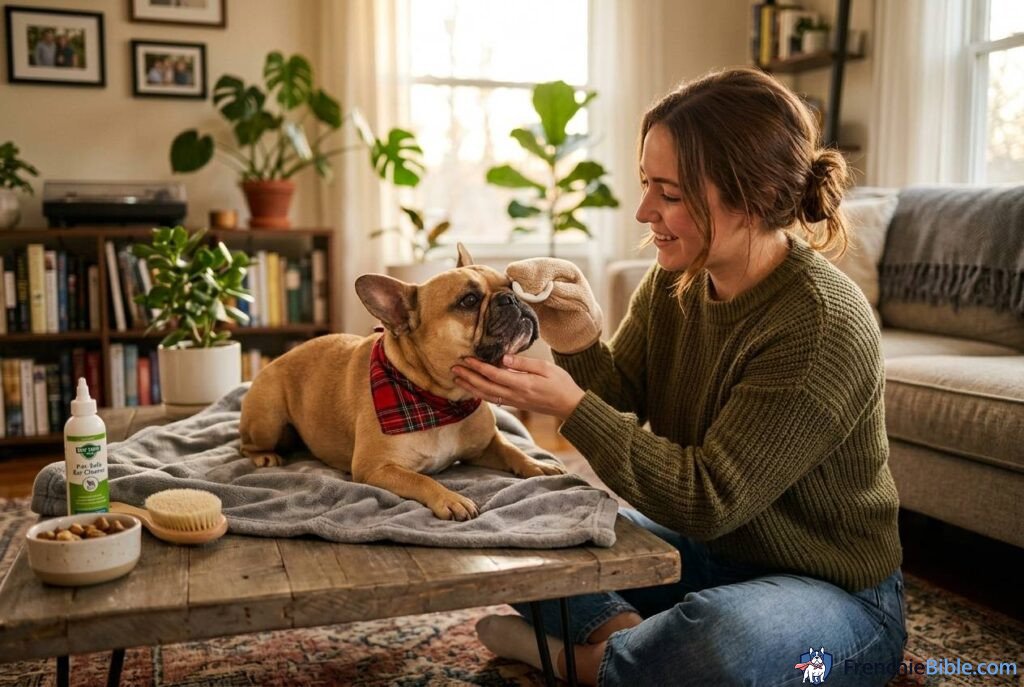
Never apply ointment over thick, hard crusts or dirt. You must soften and gently remove the debris first. Use a soft cotton ball or a makeup removal pad soaked in warm water (not hot) or a canine-specific gentle ear cleansing solution. Hold the warm, damp cotton against the crusty margin for 30 to 60 seconds. The goal is to soften the crust so it gently wipes away. Never scrub, pick, or peel the crusts off forcibly, as this will cause bleeding and pain.
Step 2: Pat Dry
Once the margin is clean and the crusts are gently cleared, use a clean, dry tissue or soft cloth to pat the ear completely dry. Moisture trapped under an occlusive ointment can breed bacteria.
Step 3: Application of the Ointment
Take a small amount of your chosen balm (about the size of a pea for each ear) and warm it slightly between your fingers. Gently massage the ointment along the entire edge of the ear, focusing heavily on the tips and any visible fissures. The massage action helps stimulate blood flow to the area, which aids in healing. Ensure you leave a visible, slightly greasy protective layer on the skin.
Step 4: Distraction
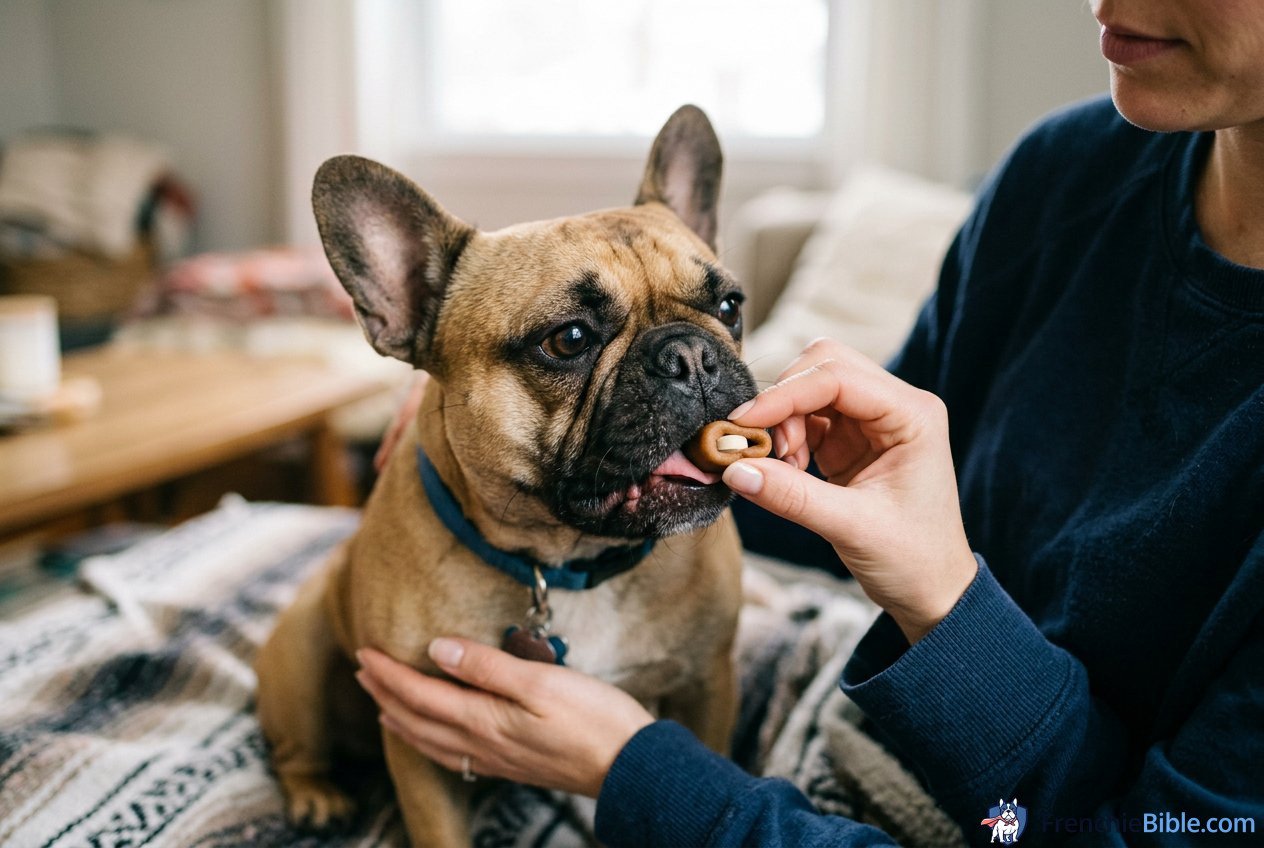
As soon as you apply the ointment, your Frenchie will likely want to shake their head or scratch their ears, which will smear the balm everywhere but where it needs to be. Immediately engage them in an activity. Offer a high-value chew toy, a lick mat covered in peanut butter, or take them for a quick walk (if they are wearing a protective hat). You need to keep them distracted for 10-15 minutes to allow the ointment to sink into the skin.
Frequency: For active, bleeding fissures, you should perform this routine 2 to 3 times a day. For preventative care during cold spells, once a day (preferably before bedtime) is sufficient.
Ingredients to Look For (Shea Butter Calendula Vitamin E)
When shopping for or making a balm, these ingredients are the gold standard for canine skin repair:
– Shea Butter & Cocoa Butter: These provide a thick, deeply moisturizing base that melts upon contact with the skin and forms an excellent protective barrier.
– Coconut Oil: Naturally antibacterial and antifungal, while also providing deep hydration.
– Calendula Extract: Derived from marigolds, calendula is renowned in herbalism for its exceptional skin-healing, anti-inflammatory, and soothing properties. It significantly speeds up the repair of cracked skin.
– Vitamin E (Tocopherol): A powerful antioxidant that promotes cellular repair and helps maintain skin elasticity.
– Beeswax: Adds firmness to the balm, ensuring it stays on the ear rather than melting off immediately, and adds an extra layer of wind protection.
– Hemp Seed Oil or Olive Oil: Excellent carrier oils rich in essential fatty acids that nourish the skin barrier.
Ingredients to Avoid
You must be vigilant about reading labels. Avoid products containing:
– Petroleum Jelly (Vaseline): While it acts as a barrier, it does not actually moisturize the skin and can clog pores. Furthermore, if ingested in large quantities over time, it is not ideal for a dog’s digestive system.
– Essential Oils (Many types): Dogs have highly sensitive noses, and applying strong essential oils right next to their ears can be overwhelming. More importantly, many essential oils (like tea tree, wintergreen, and pine) are highly toxic to dogs. If using a product with essential oils, ensure they are heavily diluted and dog-safe (like a tiny hint of lavender or chamomile).
– Zinc Oxide: Commonly found in human diaper rash creams, zinc is highly toxic to dogs if ingested and can cause severe hemolytic anemia. Never use zinc-based creams on an area a dog can scratch and subsequently lick.
– Hydrocortisone (unless directed): Over-the-counter steroids thin the skin over time. The skin on the ear margin is already too thin; prolonged steroid use will make the fissures worse in the long run.
Preventive Measures for the Cold Months
As the old saying goes, an ounce of prevention is worth a pound of cure. While treating fissures is possible, preventing them from forming in the first place is far better for your Frenchie’s wellbeing.
Protective Gear (Snoods and Hats)
The absolute best way to protect bat ears from the winter cold is to cover them up. Snoods are tubular, knitted, or fleece garments that slide over the dog’s head, covering the neck and holding the ears flat against the head, completely shielding them from the wind and cold.
– Training is required: Most Frenchies initially despise wearing things on their heads. Introduce the snood slowly indoors. Put it on for a few seconds, give high-value treats, and take it off. Gradually increase the duration.
– Materials matter: Choose soft fleece or breathable knits. Ensure the snood is not too tight, as you do not want to further restrict blood flow to the head and ears.
If a snood is not tolerated, there are specialized winter hats for dogs with ear holes, though these still leave the tips somewhat exposed. A snood that folds the ears down is the superior choice for severe weather.
Indoor Humidity Control
The air inside your home during the winter is often drier than the air in a desert, thanks to central heating. This ambient dryness constantly pulls moisture from your dog’s skin.
– Use Humidifiers: Place a cool-mist humidifier in the rooms where your French Bulldog spends the most time (especially where they sleep). Raising the indoor humidity to around 40-50% will make a massive difference in preventing ear margin dermatosis, dry noses, and static electricity in their coats.
– Avoid Direct Heat Sources: Do not let your Frenchie sleep directly in front of a space heater, a roaring fireplace, or an active heating vent. The direct, intense, dry heat will rapidly bake the moisture out of their ear margins.
Dietary Adjustments for Skin Health
Healthy skin starts from the inside out. A diet lacking in essential fatty acids will result in dry, brittle skin that is prone to cracking.
– Omega-3 and Omega-6 Supplements: Adding a high-quality fish oil (like salmon or krill oil) to your Frenchie’s daily meals is one of the best things you can do for their skin and coat. The EPA and DHA in fish oil strengthen the skin barrier, reduce systemic inflammation, and improve skin elasticity.
– Hydration: Ensure your dog is drinking enough water. In the winter, some dogs drink less because they are less active. You can add a splash of low-sodium bone broth to their water bowl to encourage drinking, or add warm water to their kibble.
Differentiating Between Dry Skin Vasculitis, and Frostbite
While winter dryness is the most common culprit for ear margin issues, as an experienced owner, you need to recognize when the problem might be more severe than simple dry skin.
When It’s More Than Just Dry Skin
If you have been diligently applying high-quality balms, using a humidifier, and protecting the ears outdoors, but the fissures are worsening, spreading, or not healing after several weeks, you may be dealing with an underlying medical condition.
Vasculitis: This is an inflammation of the blood vessels. In the ear margins, vasculitis restricts blood flow, causing the tissue to die. It often looks identical to severe ear margin dermatosis initially, but it is typically driven by an immune-mediated response, adverse vaccine reactions, or tick-borne diseases. Vasculitis will not heal with just moisturizers; it requires prescription medications to modulate the immune system and improve blood flow.
Bacterial or Fungal Infections: Fissures are open wounds. If yeast or bacteria take hold in the cracks, the area will become significantly inflamed, weepy, crusty, and smelly. You may also notice your dog shaking their head frantically or scratching aggressively, indicating the infection has moved into the ear canal.
Understanding Ear Tip Necrosis
Ear tip necrosis is the death of the tissue at the very edge of the ear. This is the worst-case scenario and can result from severe, untreated vasculitis or severe frostbite.
– Symptoms: The tissue turns dark purple, gray, or jet black. It feels cold and hard to the touch, and it loses all sensation (the dog will not react if you touch the dead tissue, though the healthy tissue bordering it will be exquisitely painful).
– Outcome: Necrotic tissue cannot be revived. Eventually, a clear line of demarcation will form between the healthy pink tissue and the black dead tissue. The dead tip will eventually slough off (fall off) on its own, leaving the ear with a permanent scalloped or blunted appearance.
– Action Required: If you ever suspect tissue necrosis or see the ear tips turning black, you must seek immediate veterinary intervention to prevent systemic infection and manage the underlying cause.
Long-Term Management of Ear Health
Managing your French Bulldog’s ears is a year-round commitment, but the routines you establish will pay off by keeping your dog comfortable and healthy.
Regular Grooming Routines
Incorporate ear margin inspection into your weekly grooming routine, regardless of the season.
– Feel the edges of the ears for any signs of roughness or thickening.
– Clean the inside of the ear canal with a vet-approved cleaner to prevent yeast buildup, as ear canal infections can cause aggressive head shaking, which in turn causes ear margin fissures.
– Maintain a healthy diet rich in fatty acids year-round, not just in the winter.
Creating a Winter Care Schedule
When the temperature drops below freezing, transition into your winter care protocol:
1. Morning: Quick visual inspection. If going for a walk, put on the snood.
2. Post-Walk: Check ears for snow, ice, or extreme coldness. Gently warm them with your hands if necessary.
3. Evening: Gently clean the ear margins with a warm, damp cotton pad to remove daily dust and soften the skin.
4. Bedtime: Apply the healing balm/ointment to the margins, give a small treat, and ensure the humidifier in the sleeping area is filled and running.
By understanding the delicate nature of a French Bulldog’s bat ears and implementing a proactive, consistent care routine utilizing the right ointments and protective measures, you can ensure your dog stays comfortable, healthy, and fissure-free all winter long.
Frequently Asked Questions (FAQ)
Q1: Can I use human lip balm (like Chapstick) on my Frenchie’s ears?
While in an absolute emergency a plain, unflavored, all-natural beeswax lip balm might provide a temporary barrier, most commercial lip balms contain artificial flavorings, menthol, camphor, or xylitol (which is highly toxic to dogs). It is always safer and more effective to use a balm specifically formulated for dogs or a pure, single-ingredient product like organic shea butter.
Q2: My dog bleeds every time he shakes his head because the scabs fly off. How do I stop this cycle?
This is a common and frustrating cycle. The key is to soften the scabs so they don’t tear the skin when they move. You need to keep the area heavily lubricated with a thick ointment (like a snout balm) at all times. Additionally, you must address why the dog is shaking its head. If they have an inner ear infection or allergies causing the head shaking, the margins will never heal until the underlying itch is resolved. Using a snood indoors temporarily can also hold the ears flat against the head, reducing the centrifugal force of the shaking until the fissures heal.
Q3: How long does it usually take for ear margin fissures to heal?
With diligent, twice-daily cleaning and ointment application, mild dry skin and early hyperkeratosis can improve in a few days. However, deep, bleeding fissures are essentially open wounds on a high-motion area (due to ear movement and head shaking). Deep fissures can take anywhere from 2 to 4 weeks to completely heal and close over. Consistency is key; skipping days will set the healing process back.
Q4: Should I wrap my dog’s ears in bandages to help them heal?
Generally, no. Bandaging bat ears is incredibly difficult to do correctly without restricting blood flow, which is already a problem in this condition. Taping or bandaging the ears tightly can cause further tissue damage or necrosis. Furthermore, covering the ears restricts airflow and creates a warm, moist environment that is a perfect breeding ground for bacterial and yeast infections. Ointment therapy and utilizing a soft, unrestrictive snood for protection are the preferred methods.
Q5: Is ear margin dermatosis hereditary in French Bulldogs?
While the exact genetic mechanism is not perfectly understood, there is a strong breed predisposition. French Bulldogs Dachshunds, and Chihuahuas are disproportionately affected by ear margin dermatosis. This suggests a hereditary component related to their skin barrier function and vascular supply to the extremities. While you cannot change their genetics, you can manage the environmental triggers (like cold and dry air) to keep the condition at bay.
Disclaimer: The information provided in this article is based on over a decade of hands-on experience in French Bulldog breeding, husbandry, and daily care. I am a breeder and an experienced breed enthusiast, but I am not a licensed veterinarian. I possess no medical or veterinary qualifications. The advice, guidance, and treatment strategies discussed herein are for informational and educational purposes only and are designed to assist with routine care and minor grooming issues. This content is absolutely not intended to diagnose, treat, cure, or prevent any medical condition, nor is it a substitute for professional veterinary care. If your dog is experiencing severe pain, bleeding that will not stop, signs of infection (pus, foul odor, severe swelling), tissue blackening (necrosis), or if the condition does not improve with basic care, you must seek the advice of a qualified veterinarian immediately. Always consult with your vet before beginning any new treatment, changing your dog’s diet, or using new topical products, especially if your dog has pre-existing health conditions.