
1. Introduction: The Sleepy Nature of French Bulldogs
If you are a French Bulldog owner, you have likely asked yourself at least once: “Is it normal for my dog to sleep this much?” You might have noticed that your adorable bat-eared companion is essentially a professional napper. They snooze on the couch, they doze off in their crate, they catch a quick forty winks on the floor, and they might even fall asleep sitting up. When you tally up all those hours, it might seem astonishing.
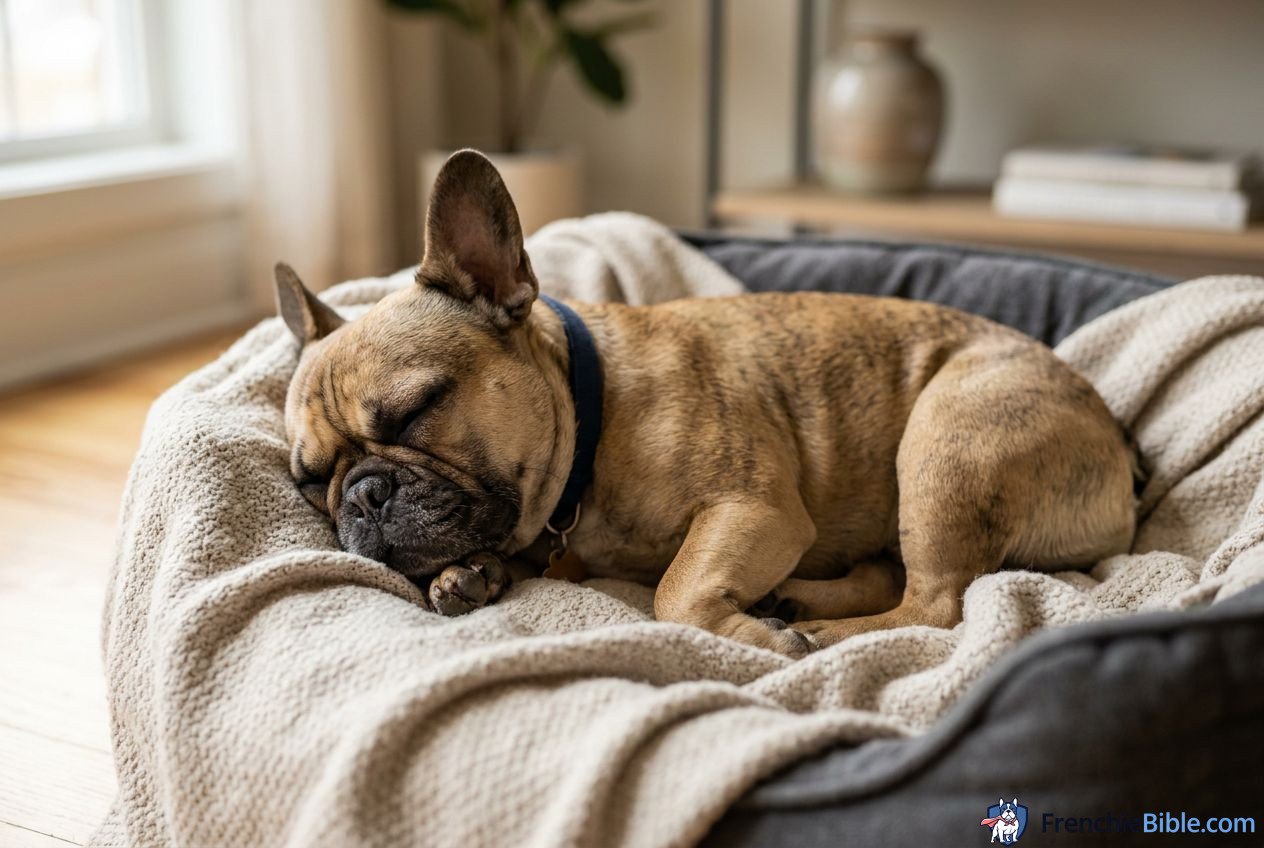
So, let us address the primary question right away: Yes, it is entirely normal for a French Bulldog to sleep anywhere between 14 to 18 hours a day.
Related Reading: Training & Behavior | Frenchie Puppy Guide | Best Food for Frenchies
as a French Bulldog expert and breeder who specializes in this unique and lovable breed, and as a breeder who has spent years studying their physiology and behavior, I often reassure frantic pet parents that their Frenchie’s lethargy is usually just a breed characteristic. French Bulldogs are not high-energy working dogs; they were selectively bred over generations to be lap warmers and indoor companions. Consequently, their biological rhythm is heavily skewed towards rest and recovery rather than prolonged physical exertion.
However, understanding why they sleep so much, distinguishing between healthy sleep and potential medical issues, and knowing how to support their sleep hygiene is crucial for their long-term health and happiness. In this comprehensive guide, we will delve deep into the French Bulldog sleep cycle, explore how their unique anatomy dictates their need for rest, and provide you with actionable advice on creating the perfect sleeping environment for your furry friend.
2. Understanding the French Bulldog Sleep Cycle
To comprehend why your Frenchie sleeps so much, we first need to look at how dogs sleep compared to humans. While humans typically have a monophasic sleep cycle (one long continuous period of sleep at night), dogs have a polyphasic sleep cycle. They take multiple naps throughout the day and night.
The Sleep Stages: NREM and REM
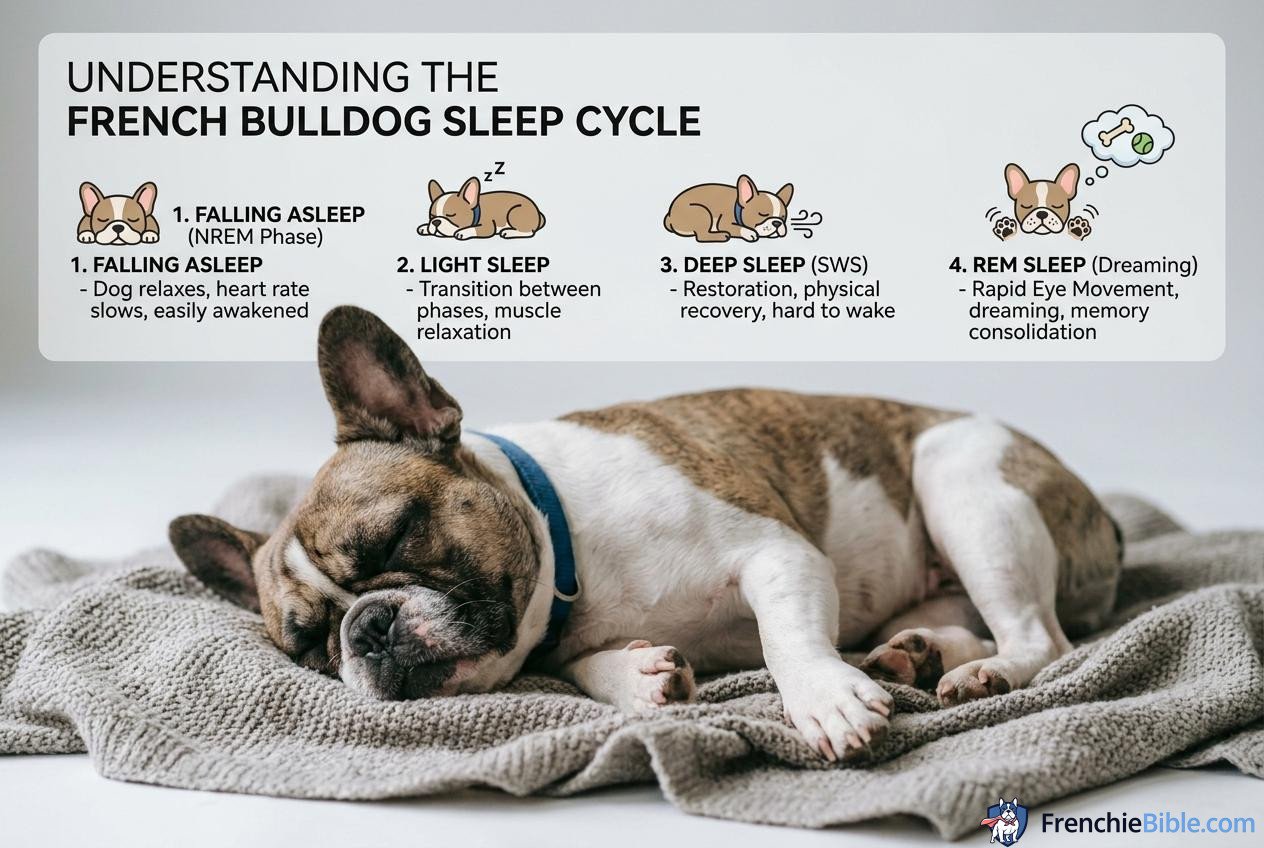
Just like humans, dogs experience different stages of sleep, primarily non-rapid eye movement (NREM) sleep and rapid eye movement (REM) sleep.
- NREM Sleep: When your Frenchie first falls asleep, they enter NREM sleep. This is a light sleep phase where their heart rate slows, blood pressure drops, and brain activity decreases. During this stage, your dog is resting, but they can easily be awakened by a noise or movement. A significant portion of a dog’s sleep time is spent in this light NREM stage.
- REM Sleep: After about 10 to 20 minutes of NREM sleep, your dog will transition into REM sleep. This is the deep, restorative phase of sleep where dreaming occurs. You can usually tell when your Frenchie is in REM sleep because their eyes might roll back or dart around under their closed eyelids, their paws might twitch as if they are running, and they may emit muffled barks, whimpers, or grunts.
Why Dogs Need More Sleep
Humans spend about 25% of their sleep in the restorative REM phase, allowing us to feel rested after 7-8 hours. Dogs, on the other hand, only spend about 10% of their sleep in REM. Because their sleep is constantly interrupted by their environment (instincts tell them to wake up and check their surroundings frequently), they do not get long, continuous blocks of deep REM sleep. To compensate for this lower percentage of REM sleep, dogs need to sleep for significantly longer periods overall.
For a French Bulldog, whose anatomy makes physical activity more taxing, frequent and extended periods of sleep are a biological necessity to ensure their bodies and brains have enough time to repair and rejuvenate.
3. Sleep Needs by Age: Puppies, Adults, and Seniors
The 14-18 hours rule is a general average, but your French Bulldog’s specific sleep requirements will vary drastically depending on their life stage. Let us break down what you can expect as your Frenchie grows from a puppy into their golden years.

The French Bulldog Puppy (0-12 months)
Puppies are the undisputed champions of sleeping. A healthy French Bulldog puppy can sleep anywhere from 18 to 20 hours a day. This excessive sleep is absolutely critical for their development.
During the first year of life, your puppy’s body is working overtime. They are growing rapidly, their immune system is developing, their muscles and bones are forming, and their brain is processing an overwhelming amount of new information about the world. All of this physiological and cognitive development happens primarily while they sleep.
Puppy sleep often comes in the form of “crash naps.” Your Frenchie puppy might be running around like a maniac one minute, playing with toys and biting your ankles, and the next minute, they literally collapse on the floor, fast asleep. Do not be alarmed by this sudden drop in energy; it is a normal part of puppyhood. Ensure they have a quiet, safe place to retreat to when they need to recharge.
The Adult Frenchie (1-7 years)
Once your Frenchie reaches adulthood, their sleep needs will stabilize. An adult French Bulldog typically sleeps between 12 and 14 hours a day, though it is not uncommon for them to sleep up to 16 hours, especially if they are bored or lack stimulation.
During the adult years, you will notice a more structured sleep pattern. They will likely sleep solidly through the night (around 8-10 hours) and supplement the rest of their required sleep with long naps throughout the morning and afternoon. Their awake time will be punctuated by bursts of energy (the famous “zoomies”), followed by periods of lounging.
The Senior French Bulldog (7+ years)
As your French Bulldog enters their senior years, you will notice an increase in their sleep requirements again. Senior Frenchies often sleep 16 to 18 hours or more per day.
Aging brings about a natural slowing of the metabolism. Their energy levels drop, and they tire out much more quickly after short walks or play sessions. Additionally, senior dogs are prone to age-related conditions such as arthritis, joint pain, and cognitive decline, all of which can make them more fatigued. Providing a comfortable, orthopedic bed becomes crucial at this stage to support their aging joints while they rest.
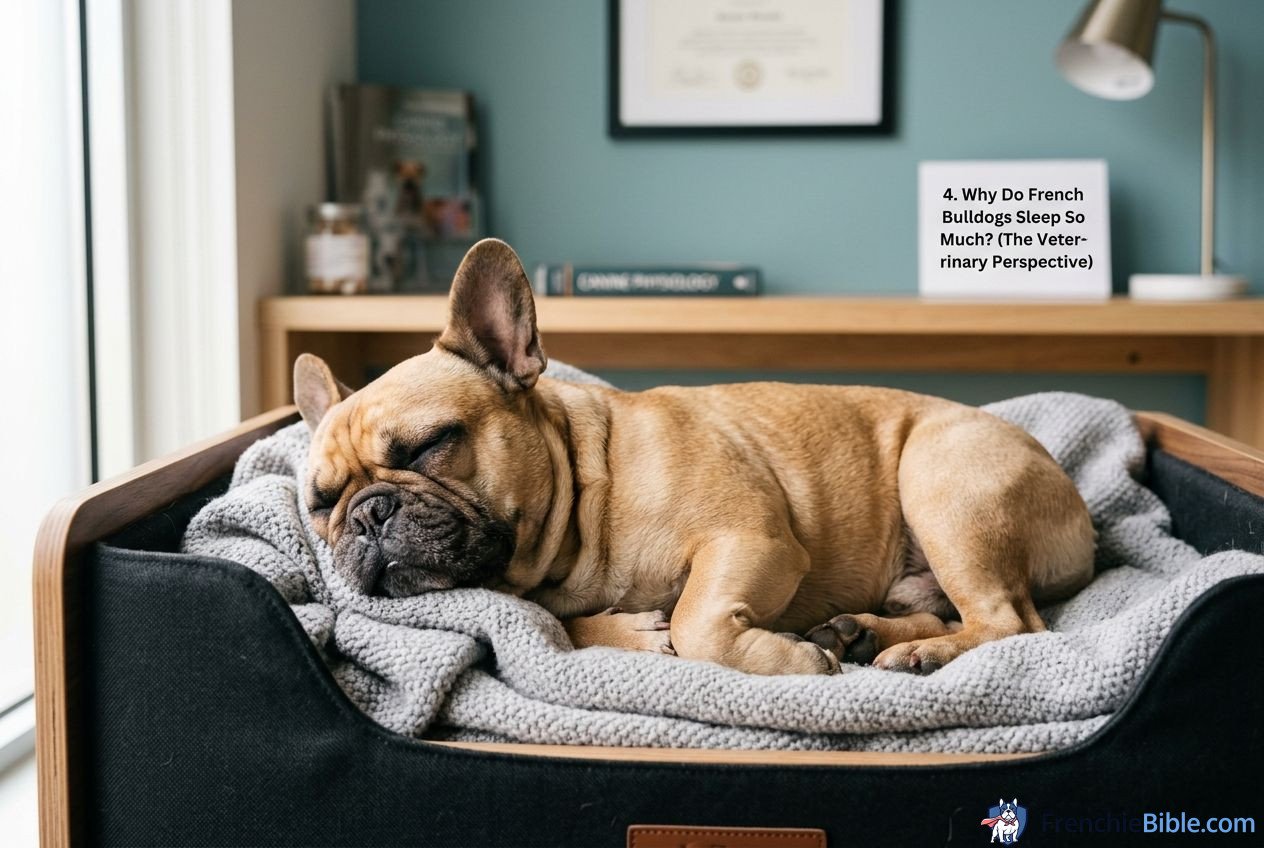
4. Why Do French Bulldogs Sleep So Much? (The Veterinary Perspective)
While all dogs need a significant amount of sleep, French Bulldogs often seem to sleep even more than other breeds of a similar size. Why is this the case? The answer lies in their unique anatomy, breed history, and physiological makeup.
Brachycephalic Anatomy
The most defining physical characteristic of the French Bulldog is their flat face and short snout. They are a “brachycephalic” breed. While this gives them their adorable, squished-face appearance, it also comes with severe anatomical compromises, specifically regarding their respiratory system.
Frenchies have compressed upper airways. They often suffer from elongated soft palates, narrow tracheas, and stenotic nares (pinched nostrils). Because of these structural abnormalities, every breath a French Bulldog takes requires more effort than it would for a dog with a normal-length snout (like a Labrador or a Greyhound).
Simply breathing is a workout for a Frenchie. When they engage in physical activity, even just a brisk walk around the block, they consume a massive amount of energy just trying to oxygenate their bodies. This rapid depletion of energy means they need frequent, extended periods of rest to recover. Their bodies physically demand more sleep to compensate for the continuous strain on their respiratory system.
Breed History and Purpose
Unlike herding dogs (like Border Collies) or working dogs (like Huskies) that were bred for endurance and prolonged physical labor, French Bulldogs were bred strictly for companionship. Their ancestors were the toy-sized Bulldogs of the lace makers in Nottingham, England, who were eventually brought to France. Their sole “job” was to be a small, affectionate lap dog.
Because they were not bred for stamina, they possess a higher ratio of fast-twitch muscle fibers, which are great for short bursts of energy but terrible for endurance. Their genetic code simply does not program them to be active for long periods. They are built for lounging, snuggling, and sleeping.
Temperature Regulation and Overheating
Dogs do not sweat through their skin like humans; they regulate their body temperature primarily through panting. Brachycephalic dogs are notoriously bad at panting efficiently due to their compromised airways. They cannot cool themselves down effectively.
When a Frenchie gets warm, their body’s defense mechanism is to shut down and rest to prevent overheating and heatstroke. In warmer climates or during the summer months, you will notice your Frenchie sleeping even more than usual. This is a survival instinct; staying inactive is the safest way for them to maintain a stable core temperature.
5. Is My Frenchie Sleeping Too Much? Recognizing the Red Flags
While 14-18 hours of sleep is normal, there is a fine line between a relaxed, sleepy Frenchie and a lethargic, sick dog. As an owner, it is your responsibility to distinguish between normal resting behavior and signs of an underlying medical issue.
“Lethargy” is the term veterinarians use to describe an abnormal lack of energy. A lethargic dog isn’t just sleepy; they are weak, unresponsive, and lack the desire to do things they normally enjoy.
How to Tell the Difference: Sleepiness vs. Lethargy
- Normal Sleepiness: Your Frenchie sleeps deeply but wakes up quickly when they hear the food bag rustle, the leash jingle, or the doorbell ring. When awake, they are alert, happy, and willing to play (even if just for a short time).
- Lethargy: Your Frenchie is difficult to rouse. When they do wake up, they seem dazed, weak, or disoriented. They show no interest in food, water, toys, or their favorite humans. They may just want to hide in a dark corner.
Medical Conditions that Cause Excessive Sleeping
If your French Bulldog’s sleep patterns suddenly change, or if their sleep is accompanied by other symptoms, it warrants a prompt veterinary visit. Some common conditions that cause excessive lethargy in Frenchies include:
- Infections and Fevers: Just like when you have the flu, a dog’s body requires extra sleep to fight off bacterial or viral infections. If your dog is sleeping excessively and feels warm to the touch, they may have a fever.
- Hypothyroidism: This is a condition where the thyroid gland is underactive, leading to a slow metabolism. Symptoms include weight gain, hair loss, and extreme lethargy.
- Heart Disease: While less common in young Frenchies, heart murmurs or failing hearts can lead to reduced oxygen circulation, making the dog constantly tired and weak.
- Intervertebral Disc Disease (IVDD): French Bulldogs are genetically predisposed to IVDD, a condition where the discs between the vertebrae bulge or burst. This causes excruciating back pain. A dog suffering from IVDD will often refuse to move and will sleep constantly as a coping mechanism for the pain.
- Toxin Ingestion: If your dog has eaten something poisonous (like chocolate, grapes, xylitol, or certain plants), extreme lethargy is often one of the first signs.
Red Flags to Watch For: If your dog’s excessive sleep is accompanied by vomiting, diarrhea, pale gums, heavy panting while resting, loss of appetite, or signs of pain (whimpering when touched), contact your veterinarian immediately.
6. What If My French Bulldog Isn’t Sleeping Enough?
While we usually worry about them sleeping too much, a French Bulldog that cannot settle down and sleep is also a cause for concern. Sleep deprivation in dogs can lead to a weakened immune system, increased stress, anxiety, and behavioral issues like irritability or aggression.
Causes of Sleep Deprivation
- Environmental Disruptions: Dogs are sensitive to their surroundings. If the house is too noisy, the lights are too bright, or there is constant foot traffic, your dog may be unable to enter deep REM sleep.
- Uncomfortable Temperature: Because Frenchies cannot regulate their body heat well, a room that is too hot or too cold will keep them awake. They will constantly shift positions trying to find a comfortable spot.
- Anxiety and Stress: Separation anxiety, a new pet in the home, moving to a new house, or thunderstorms can cause high stress levels, keeping your dog vigilant and awake.
- Pain or Itching: Skin allergies (which are very common in Frenchies) can cause severe itching that keeps them up all night scratching. Similarly, underlying pain from joints or teeth will prevent restful sleep.
If your Frenchie is pacing, whining, panting excessively at night, or seems unable to get comfortable, you need to investigate the cause.
7. French Bulldog Sleep Apnea: A Closer Look
One of the most critical, yet frequently overlooked, reasons for poor sleep quality in French Bulldogs is Sleep Apnea. This is a direct consequence of Brachycephalic Obstructive Airway Syndrome (BOAS).
What is Sleep Apnea?
Sleep apnea is a disorder where the dog’s breathing repeatedly stops and starts while they sleep. In French Bulldogs, the elongated soft palate in the back of their throat can collapse and block the airway when the muscles relax during sleep.
When the airway is blocked, the oxygen levels in the blood drop. The brain senses this emergency and briefly wakes the dog up just enough to take a gasping breath, disrupting their sleep cycle. This can happen dozens of times an hour, meaning the dog never achieves restorative REM sleep.
Symptoms of Sleep Apnea in Frenchies
- Excessive, loud snoring: While some snoring is normal for the breed, snoring that sounds like struggling, choking, or sawing wood is a red flag.
- Gasping or choking sounds: Waking up suddenly with a snort or a gasp for air.
- Sleeping in strange positions: Dogs with sleep apnea will often try to keep their airways open manually. You might see them sleeping with their head propped up on a toy, a pillow, or the edge of their bed. Some will even sleep with a toy in their mouth to keep their jaws open.
- Daytime exhaustion: Because they aren’t getting quality sleep at night, they will be excessively tired during the day.
Veterinary Intervention
as a French Bulldog expert and breeder, I take sleep apnea very seriously. It puts an immense strain on the heart and lungs and can drastically shorten a dog’s lifespan. If you suspect your Frenchie has sleep apnea, they need a medical evaluation.
Treatment often involves BOAS surgery. This typically includes shortening the elongated soft palate, widening the stenotic nares (nostrils), and sometimes removing everted laryngeal saccules. This surgery can be life-changing, drastically improving their breathing, their sleep quality, and their overall energy levels.
8. How to Create the Perfect Sleep Environment for Your Frenchie
To ensure your French Bulldog gets the 14-18 hours of high-quality sleep they need, you must optimize their sleep environment. A few simple adjustments can make a world of difference.
1. Choosing the Right Bed
Do not just buy the cheapest, fluffiest bed you find. French Bulldogs are prone to joint issues and spinal problems like IVDD. They need support.
- Orthopedic Beds: Invest in a high-quality orthopedic memory foam bed. This will support their spine, relieve pressure on their joints, and prevent stiffness when they wake up.
- Bolster Beds: Frenchies love to rest their heavy heads on elevated surfaces (which also helps keep their airways open). A bed with raised edges or bolsters is usually a big hit.
- Cooling Mats: Have a cooling mat available, especially during the summer. Frenchies run hot, and a cooling mat provides a safe place to regulate their temperature when they sleep.
2. Temperature Control
The ideal sleeping temperature for a French Bulldog is generally cooler than what a human might prefer. Aim for an ambient room temperature between 65°F and 68°F (18°C to 20°C). Ensure their sleeping area is well-ventilated but free from cold drafts. Never place their bed directly next to a radiator, heater, or in direct sunlight.
3. Safe Spaces and Crating
Many Frenchies love their crates; it mimics a den and provides a secure, enclosed space where they feel safe. If you crate train, ensure the crate is large enough for them to stand, turn around, and stretch out fully. Cover the crate with a breathable blanket to block out light and create a dark, cozy cave. If your dog is not crated, ensure they have a designated, quiet corner of the house that is strictly “their” space, away from foot traffic and loud noises.
4. Establishing a Routine
Dogs thrive on routine. Try to keep their feeding times, walk times, and bedtimes consistent. A predictable schedule helps set their internal circadian rhythm. Establish a calming bedtime routine—perhaps a short potty break, a small treat, and some gentle petting before lights out.
9. The Role of Exercise in Promoting Healthy Sleep
It might seem counterintuitive, but a dog that sleeps 18 hours a day still needs exercise. Proper exercise is the key to ensuring that their sleep is deep and restorative, rather than just lazy lounging out of boredom.
Physical Exercise
Because of their physical limitations, Frenchies do not need long runs or intense hikes. Two to three short, low-impact walks of 15-20 minutes a day are usually sufficient for an adult.
- Avoid the heat: Never exercise your Frenchie during the hottest parts of the day. Stick to early mornings and late evenings.
- Watch for fatigue: If your dog starts panting excessively, slowing down, or refusing to walk, stop immediately. Pick them up or let them rest in the shade.
Mental Stimulation
For a French Bulldog, mental exercise is often more tiring than physical exercise. Brain work burns a tremendous amount of energy and leads to highly satisfying sleep.
- Puzzle Toys: Feed them their meals out of Kongs, puzzle boards, or treat-dispensing balls.
- Snuffle Mats: Let them use their nose to forage for kibble hidden in a snuffle mat.
- Training Sessions: Spend 10 minutes a day teaching them a new trick or reinforcing old obedience commands. The concentration required will mentally exhaust them, guaranteeing a solid nap afterward.
10. Strange French Bulldog Sleeping Habits Explained
If you are a new Frenchie owner, their sleeping habits might seem downright bizarre. Here is An Experienced Breedererinarian’s breakdown of why they sleep the way they do.
The “Dead Bug” Pose (Sleeping on their back)
It is highly common to find a Frenchie fast asleep on their back with all four legs sticking straight up in the air. While it looks hilarious, it serves a practical purpose. Dogs have less fur on their bellies, and their paws contain sweat glands. Exposing their belly and paws to the air is the most efficient way for them to cool down quickly. Furthermore, sleeping on their back stretches out their spine and completely relaxes their muscles, indicating they feel 100% safe in their environment.
The “Frog Dog” Splat
This is when they lie flat on their belly with their back legs splayed straight out behind them. Frenchies have uniquely flexible hip joints that allow them to do this comfortably. Similar to the dead bug pose, pressing their hairless belly against cool tile or hardwood floors helps regulate their body temperature.
Burrowing
Many Frenchies love to dig and burrow under blankets, pillows, or even your laundry. This instinct harks back to their ancestors seeking out warm, secure dens. It provides a sense of security and comfort. Just ensure that whatever they are burrowing under is breathable so they don’t accidentally suffocate or overheat.
11. Frequently Asked Questions (FAQ)
Q: Do French Bulldogs snore all the time when they sleep?
A: While most Frenchies will snore or grunt due to their brachycephalic anatomy, it shouldn’t sound like a violent struggle for air. Light snoring is normal; choking, gasping, or pauses in breathing are signs of sleep apnea and require An Experienced Breeder visit.
Q: Should I wake my Frenchie up if they are twitching or having a nightmare?
A: Generally, no. Twitching, muffled barking, and leg kicking mean your dog is in deep REM sleep. Waking them up disrupts this crucial restorative phase. It can also startle them, leading to a defensive snap. Unless they are in physical danger, let sleeping dogs lie.
Q: My Frenchie puppy sleeps all day, is he sick?
A: Puppies need up to 20 hours of sleep for growth and brain development. If the puppy is energetic, eating well, and playing during the 4 hours they are awake, they are likely perfectly healthy. If they are lethargic and won’t eat or play when awake, contact your vet immediately.
Q: Can a Frenchie sleep in my bed with me?
A: Yes, many owners co-sleep with their Frenchies. However, consider a few things: Frenchies are notorious bed hogs, they snore loudly, and jumping off a high human bed can severely injure their fragile backs (always use dog stairs). If you are a light sleeper, you might find their snoring disruptive.
Q: How do I know if my French Bulldog has sleep apnea?
A: Watch them sleep. If they wake up frequently gasping for air, sleep with their head propped up on hard objects to keep their airway open, or seem excessively exhausted during the day despite sleeping 14 hours at night, they likely suffer from sleep apnea. An Experienced Breedererinary evaluation is highly recommended.
12. Conclusion
In conclusion, if your French Bulldog spends 14 to 18 hours a day sleeping, snoring, and dreaming, there is no need to panic. It is perfectly normal for this charming, brachycephalic breed. Their unique anatomy, evolutionary history as companion animals, and poor temperature regulation all combine to make them require significant amounts of rest.
As a French Bulldog parent, your job is not to force them to be more active, but rather to ensure that the sleep they are getting is high quality. Invest in a good orthopedic bed, keep their environment cool, provide mental stimulation to tire out their brains, and always keep a watchful eye on their breathing patterns.
By understanding the intricacies of the French Bulldog sleep cycle and recognizing the subtle differences between normal sleepiness and medical lethargy, you can ensure your beloved bat-pig lives a long, healthy, and wonderfully rested life. Embrace the naps, enjoy the quiet moments, and maybe even join them for a snooze on the couch!
Disclaimer: We are not veterinarians and do not hold veterinary medical licenses. The information provided in this article is based on years of breeding and daily care experience and is for educational purposes only. It should not replace professional veterinary advice. Always consult with a licensed veterinarian if you have concerns about your French Bulldog’s health or before starting any new treatment.