
If you have noticed your French Bulldog developing red bumps, rashes, or pimple-like lesions around their mouth, lips, or chin, you are certainly not alone. Over my decade-long journey as a dedicated French Bulldog breeding expert and enthusiast, I have seen countless owners panic over these sudden facial breakouts. These adorable little bat-eared companions, with their squishy faces and signature wrinkles, are notoriously prone to skin sensitivities. While it is easy to assume that a food allergy or an environmental irritant from the garden is to blame, the actual culprit is often sitting right in front of them, hiding in plain sight: their food and water bowls.
In this comprehensive guide, we are going to dive deep into the world of Frenchie facial skin health. We will explore exactly why your Frenchie is getting lip rashes and canine acne, how the material of their feeding bowls—specifically plastic versus stainless steel—plays a massive role in their dermatological health, and the exact steps you can take today to clear up their skin and prevent future breakouts.
Related Reading: Training & Behavior | Frenchie Puppy Guide | Best Food for Frenchies
Understanding French Bulldog Lip Rashes and Canine Acne
Before we can fix the problem, we need to understand what is happening on your dog’s skin. What exactly are these red bumps?
What is Canine Acne?
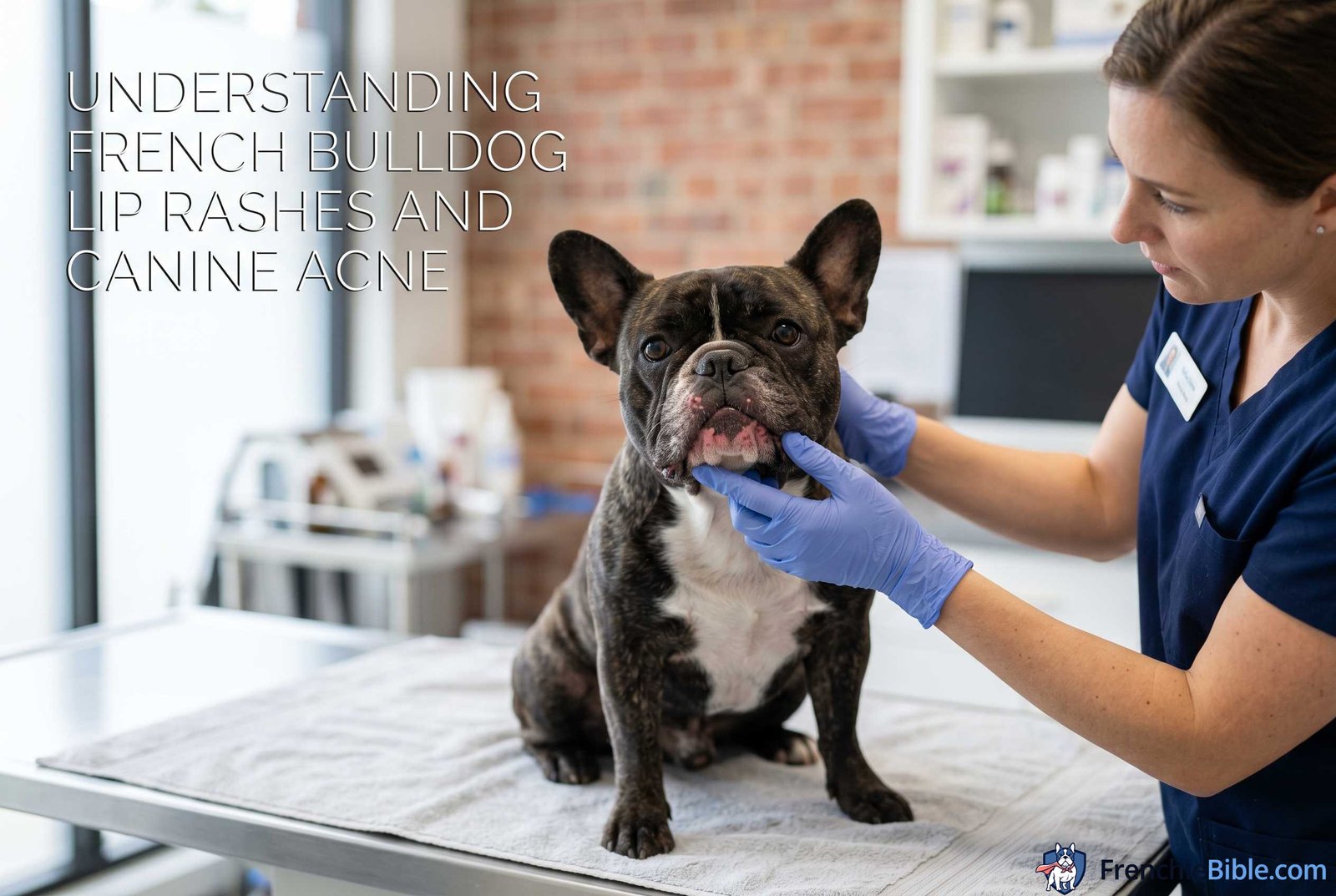
Just like humans, dogs can get acne. Canine acne typically presents as red bumps, blackheads (comedones), or even whitehead-like pustules around the lips, chin, and muzzle. In mild cases, it might just look like a slight redness or a cluster of small bumps that do not seem to bother the dog. In more severe cases, these bumps can become inflamed, infected, swollen, and painful, leading your Frenchie to vigorously rub their face against the carpet or furniture to relieve the itchiness and discomfort.
Why Are French Bulldogs So Prone to Lip Rashes?
French Bulldogs are a brachycephalic (flat-faced) breed. Their unique anatomy makes them exceptionally endearing, but it also creates the perfect storm for skin issues, particularly around the mouth.
- Facial Folds and Wrinkles: The deep wrinkles around a Frenchie’s muzzle and chin trap moisture, drool, food particles, and dirt. This creates a dark, warm, and humid environment—the absolute favorite breeding ground for bacteria and yeast.
- Messy Eaters: Because of their flat faces and underbites, Frenchies tend to push their faces deeply into their bowls to eat and drink. Their chins and lips constantly rub against the bottom and sides of the bowl.
- Genetic Predisposition: Frenchies generally have sensitive skin that is highly reactive to contact irritants, allergens, and friction.
When a dog with sensitive skin, deep moisture-trapping wrinkles, and a messy eating style constantly shoves their face into a bacteria-laden surface, lip rashes and acne are almost inevitable.
The Culprit Hiding in Plain Sight: Your Frenchie’s Food Bowl
You might be feeding your French Bulldog the highest quality, most expensive kibble or raw diet available. You might be wiping their wrinkles diligently. But if you are serving that premium food in the wrong type of bowl, you are fighting a losing battle against lip rashes.
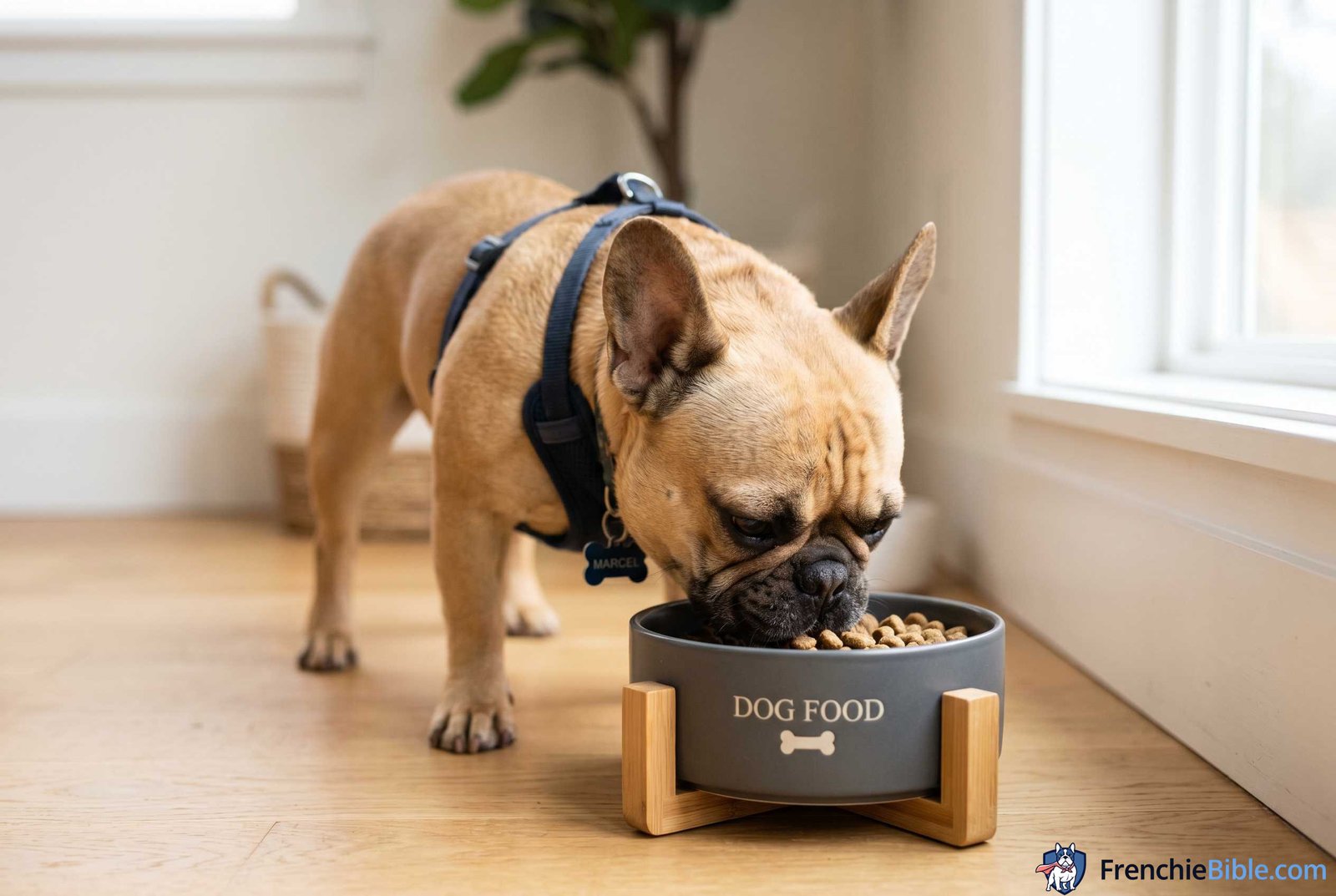
The constant physical contact between your dog’s chin and the bowl is known as friction. When this friction is combined with a material that harbors bacteria or contains irritating chemicals, it leads to a condition called contact dermatitis and bacterial folliculitis (inflammation of the hair follicles).
Let us break down the two most common bowl materials and see how they impact your Frenchie’s skin.
Plastic Food Bowls: A Breeding Ground for Bacteria and Breakouts
If there is one piece of advice I give to every single family that takes home one of my Frenchie puppies, it is this: Throw away your plastic food and water bowls immediately.
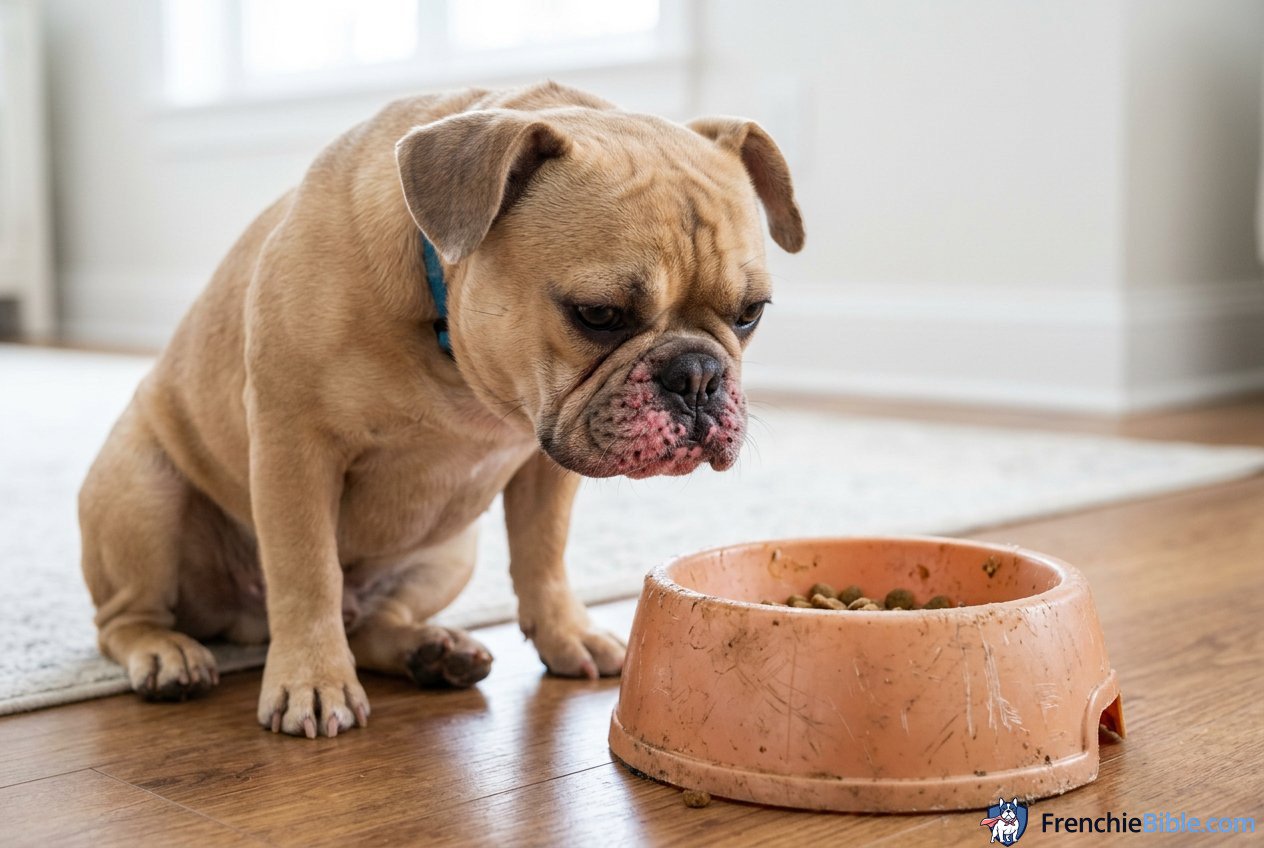
While plastic bowls are cheap, lightweight, come in cute colors, and are available at every pet store, they are an absolute nightmare for a French Bulldog’s skin. Here is exactly why plastic is the leading cause of bowl-induced lip rashes.
1. The Porous Nature of Plastic
Plastic might feel smooth to the touch, but on a microscopic level, it is highly porous. These tiny pores act as microscopic caves where food particles, oils from kibble, dog saliva, and bacteria become deeply embedded. No matter how hard you scrub a plastic bowl with soap and hot water, you cannot completely eradicate the bacteria living inside these microscopic pores. When your Frenchie eats from this bowl, they are pressing their lips and chin directly into a thriving colony of bacteria, day after day.
2. Micro-Scratches Harboring Pathogens
Plastic is a relatively soft material. Over time, normal use—such as your dog’s teeth scraping the bottom, or even the abrasive action of your kitchen sponge during washing—creates thousands of micro-scratches on the surface of the bowl. These scratches become safe havens for harmful bacteria, including staph and E. coli. Furthermore, biofilms (a slimy layer of bacteria) can form within these scratches, making the bowl perpetually unhygienic.
3. Chemical Sensitivities and Contact Allergies
Plastic is a synthetic material made with various chemicals, dyes, and plasticizers (like BPA and phthalates). Many French Bulldogs are inherently allergic or sensitive to these chemicals. When their wet lips and chin maintain prolonged contact with the plastic, it triggers an allergic reaction known as plastic contact dermatitis. This reaction causes the skin to become inflamed, red, raw, and bumpy. Even “BPA-free” plastics can contain other chemical additives that irritate a sensitive Frenchie’s skin.
Real-World Breeding Experience
In my early years of breeding, I had a beautiful litter of puppies that started developing red, pimply chins right around the time they were weaning onto solid food. I analyzed their diet, the laundry detergent I used for their bedding, and the cleaning supplies for the whelping box. Everything was premium and hypoallergenic. The only variable was the large plastic feeding trough I used for the litter. The day I swapped that plastic trough for a large stainless steel pan, the red bumps stopped spreading. Within a week, the puppies’ chins were completely clear. That was the day I permanently banned plastic bowls from my breeding program.
Stainless Steel Food Bowls: The Breeder’s Top Choice for Clear Skin
If plastic is the villain in the story of Frenchie lip acne, stainless steel is undoubtedly the hero. Whenever a client calls me in a panic about red bumps on their Frenchie’s chin, my very first question is, “What kind of bowl are you using?” If the answer is plastic, the solution is almost always a swift transition to stainless steel.

Here is why stainless steel is the gold standard for French Bulldogs and the absolute best defense against lip rashes.
1. Non-Porous and Hygienic
Unlike plastic, high-quality stainless steel is completely non-porous. It does not absorb oils from dog food, it does not retain odors, and most importantly, it does not provide microscopic hiding places for bacteria. Because the surface is entirely smooth, bacteria have nowhere to anchor themselves.
2. Easy to Sanitize
Stainless steel can withstand extremely high temperatures. You can run it through the hottest cycle of your dishwasher or pour boiling water over it to sterilize it completely without worrying about the material melting, warping, or degrading. This level of sanitation ensures that every meal is served on a biologically clean surface.
3. Durability and Scratch Resistance
A good quality stainless steel bowl is incredibly tough. It will not chip, crack, or develop the deep micro-scratches that plague plastic bowls. Even if your Frenchie is an aggressive eater who scrapes their teeth along the bottom, the stainless steel will remain smooth and intact, preventing the formation of bacterial biofilms.
4. Hypoallergenic Properties
Stainless steel is an inert, hypoallergenic metal. It does not leach chemicals, toxins, or dyes into your dog’s food or water. It is exceedingly rare for a dog to have a contact allergy to high-grade stainless steel. By switching to this material, you immediately eliminate the risk of plastic-induced contact dermatitis.
How to Choose the Right Stainless Steel Bowl
Not all stainless steel is created equal. When shopping for your Frenchie, avoid cheap, flimsy metal bowls that you can easily bend with your hands. These are often made of lower-grade alloys that can rust over time. Instead, look for:
– Heavy-duty, food-grade stainless steel (often labeled as 304 or 18/8 grade).
– Bowls with a rubberized, non-slip bottom to prevent the bowl from sliding across the floor as your Frenchie aggressively pushes their face into it.
– Shallow, wide designs that accommodate their flat faces, allowing them to reach their food without having to press their throat against the rim of the bowl.
Ceramic and Glass Bowls: Are They Good Alternatives?
While stainless steel is my top recommendation, some owners prefer the aesthetic of ceramic or glass bowls. Are these safe for French Bulldogs?
Ceramic Bowls
Ceramic bowls can be a good alternative to plastic, as the glaze makes the surface non-porous and relatively easy to clean. However, there are significant caveats.
– Micro-cracks: Over time, the glaze on ceramic bowls can develop microscopic cracks (crazing) that are invisible to the naked eye. Just like the scratches in plastic, these cracks harbor bacteria and cause acne.
– Lead Paint: You must ensure the ceramic bowl is certified food-safe and uses lead-free glaze. Cheap, decorative ceramic bowls imported from overseas may contain toxic lead or other heavy metals in their paint.
– Durability: They are heavy and breakable. A chipped ceramic bowl exposes the porous clay underneath, which is a bacterial sponge and a physical hazard that can cut your dog’s lips.
Glass Bowls
Glass is heavy, completely non-porous, and hypoallergenic. From a purely hygienic standpoint, glass is excellent and will not cause contact dermatitis or bacterial acne. The obvious downside is fragility. A broken glass bowl in the kitchen is a massive hazard to your Frenchie’s paws and mouth. If you choose glass, ensure it is thick, heavy-duty, shatter-resistant tempered glass.
A Comprehensive Guide to Healing and Preventing Lip Rashes in Frenchies
Switching your dog’s bowl is the crucial first step, but if your Frenchie currently has an active breakout of lip rashes or acne, you need to implement a comprehensive care routine to heal the existing bumps and prevent them from returning. Based on years of hands-on experience maintaining the pristine skin of show-quality French Bulldogs, here is my step-by-step protocol.
1. Upgrade the Feeding Station Immediately
If you take nothing else away from this article, let it be this: throw away the plastic bowls today. Replace both the food and water bowls with high-quality, shallow stainless steel bowls. Wash the new bowls thoroughly with hot soapy water before the first use.
2. Implement a Strict Post-Meal Hygiene Routine
Because Frenchies have folds around their mouths, food residue and moisture will inevitably get trapped there, regardless of the bowl material. You must proactively remove this residue.
– Wipe After Every Meal: Keep a pack of unscented, hypoallergenic dog wipes (or baby wipes containing no alcohol or harsh chemicals) near the feeding area. After your Frenchie finishes eating and drinking, gently wipe their chin, lips, and the folds around their mouth to remove any lingering food debris, saliva, and grease.
– Keep it Dry: Moisture is the enemy of Frenchie wrinkles. After wiping away the debris, use a clean, soft, dry tissue or a designated microfiber cloth to gently pat the folds completely dry. Bacteria and yeast thrive in damp environments; keeping the chin dry starves them of the habitat they need to multiply.
3. Regular Bowl Sanitization Protocol
A stainless steel bowl is only hygienic if you actually clean it.
– Wash Daily: The food bowl should be washed after every single meal with hot water and mild dish soap. Do not just refill a dirty bowl. The water bowl should be emptied, washed with soap, and refilled with fresh water at least once a day.
– Deep Clean Weekly: Once a week, run the stainless steel bowls through the hottest sanitizing cycle of your dishwasher, or soak them in a mixture of boiling water and a splash of white vinegar to dissolve any hard water buildup and ensure total sterilization.
4. Soothe Existing Breakouts
If your Frenchie has mild acne (small red bumps that are not oozing or bleeding), you can help soothe the skin at home.
– Chlorhexidine Wipes: For active breakouts, you can use over-the-counter veterinary wipes containing chlorhexidine. Chlorhexidine is a safe, effective antiseptic that cleans the skin and reduces bacterial load. Gently wipe the affected chin area once or twice a day until the bumps subside.
– Avoid Human Acne Products: Never use human acne treatments (like benzoyl peroxide face washes, salicylic acid pads, or alcohol astringents) on your Frenchie. Their skin pH is completely different from ours, and human products will severely burn, dry out, and irritate their delicate facial skin, making the problem exponentially worse.
5. Evaluate Toys and Chews
While food bowls are the primary suspect, evaluate what else your dog is putting in their mouth. Heavily chewed, slobbery plastic toys or old nylon bones can also harbor bacteria and cause friction on the chin. Wash rubber toys frequently in hot soapy water, and discard plastic toys that have become rough, jagged, or heavily deeply gouged.
When to Seek Professional Veterinary Help
The advice provided in this article focuses on environmental management, hygiene, and preventative care based on extensive breeding experience. In the vast majority of cases, ditching plastic bowls and stepping up facial hygiene will resolve mild to moderate lip rashes within a week or two.
However, you must know when the situation has escalated beyond home care. You should immediately consult a licensed veterinarian if you observe any of the following signs:
– The bumps are oozing pus, discharging fluid, or bleeding profusely.
– The chin and lips are severely swollen, hot to the touch, or extremely painful (your dog yelps when you try to clean the area).
– The rash is spreading rapidly to other parts of the face, neck, or body.
– Your dog is lethargic, has a fever, or is refusing to eat due to mouth pain.
– You have switched to stainless steel, implemented a strict cleaning routine for a month, and the acne shows absolutely no signs of improvement.
In these cases, your dog may have a deep-seated bacterial infection requiring prescription oral antibiotics, medicated shampoos, or topical antibiotic ointments that only An Experienced Breedererinarian can prescribe. They may also need to rule out more complex issues like severe systemic allergies, autoimmune skin conditions, or parasitic infections (like Demodex mites) which can mimic the appearance of acne.
Conclusion
Seeing your beloved French Bulldog suffer from uncomfortable lip rashes and acne can be distressing, but the solution is often surprisingly simple. By understanding the porous, bacteria-harboring nature of plastic bowls and making the switch to hygienic, non-porous stainless steel, you are taking a massive step toward protecting your dog’s skin. Couple this environmental change with a dedicated daily routine of wiping and drying those adorable facial folds, and you will set your Frenchie up for a lifetime of clear, healthy, and kissable skin. Remember, a little bit of proactive hygiene goes a long way in keeping your flat-faced companion happy and comfortable!
Frequently Asked Questions (FAQ)
1. How long does it take for Frenchie lip acne to clear up after switching to a stainless steel bowl?
Once you remove the source of the bacteria and irritation (the plastic bowl) and begin a routine of daily washing and chin wiping, you should start to see improvement within 7 to 14 days. Mild redness will fade first, followed by a gradual reduction in the size and number of bumps. If there is no improvement after a month of strict hygiene, consult a professional.
2. I use a slow-feeder bowl because my Frenchie eats too fast. Most of them are plastic. What should I do?
This is a common dilemma! Fortunately, the pet industry has caught up. You can now find excellent slow-feeder inserts made of food-grade silicone that can be placed inside a stainless steel bowl, or you can purchase slow-feeder bowls entirely constructed from stainless steel or ceramic. Avoid the plastic puzzle feeders if your dog struggles with chin breakouts.
3. Is it safe to put coconut oil on my Frenchie’s lip rash?
While coconut oil has some natural antibacterial properties and can be soothing for dry skin, I do not recommend applying it to active, inflamed acne breakouts. Coconut oil is highly comedogenic (it clogs pores). Applying it to already clogged and inflamed hair follicles on the chin can actually trap bacteria inside and make the acne much worse. Stick to keeping the area clean and dry.
4. My Frenchie only gets acne on one side of their mouth. Why is that?
Observe how your Frenchie eats and sleeps. Many dogs favor chewing on one side of their mouth, or they may consistently rub the right side of their face against the side of the bowl while eating. Additionally, if they always sleep on the exact same side with their face pressed into a bed that needs washing, the friction and bacteria will be concentrated on that specific side.
5. Can kibble dust cause lip rashes?
Yes, absolutely. The powdery dust and oil residue at the bottom of a kibble bag can easily stick to your Frenchie’s wet lips and get wedged deep into their wrinkles. This oily residue clogs pores and feeds bacteria. This is why wiping your Frenchie’s face with a damp wipe after every single meal is just as important as the type of bowl you use.
Disclaimer: The information provided in this article is solely based on over 10 years of professional French Bulldog breeding, handling, and daily care experience. I am not An Experienced Breedererinarian, and I do not hold any medical or veterinary qualifications. The advice, tips, and guidelines shared regarding canine skin care and hygiene are for educational and informational purposes only and should never be construed as professional medical advice, diagnosis, or treatment. Every dog is unique, and skin conditions can sometimes be indicative of underlying medical issues. If your dog is experiencing severe, persistent, painful, or worsening skin problems, or if you have any concerns about your pet’s health, you must seek the expertise of a licensed veterinary professional. This content cannot and should not replace a professional veterinary consultation.