
as a French Bulldog expert and breeder and breeder I have seen firsthand the devastating impact that genetic spinal abnormalities can have on these beloved companions. The French Bulldog, with its iconic bat ears, compact body, and charmingly stubby “screw tail,” is currently one of the most popular breeds in the world. However, the very physical traits that make the Frenchie so desirable are inextricably linked to a severe, often hidden genetic condition known as hemivertebrae.
This spinal deformity is the “hidden genetic bomb” of the breed. It lies dormant in the DNA, shaping the dog’s skeleton from the moment of conception, and in many cases, leading to catastrophic neurological consequences later in life. In this extensive guide, we will delve deep into the mechanics, genetics, symptoms, diagnosis, and comprehensive management of hemivertebrae. Our goal is to provide owners, prospective buyers, and breeders with the critical knowledge needed to navigate this complex, emotionally taxing, and heartbreaking condition.
Related Reading: Training & Behavior | Grooming & Care | French Bulldog Colors
Understanding Hemivertebrae in French Bulldogs
What Are Hemivertebrae?
Hemivertebrae (singular: hemivertebra) are congenital malformations of the spine where the bones of the spine (vertebrae) fail to develop normally. In a healthy canine spine, each vertebra is shaped like a spool or a cylinder, stacking neatly upon one another to form a flexible, protective column for the delicate spinal cord.
In a dog with hemivertebrae, one or more of these bones are abnormally shaped, often resembling a wedge, a butterfly, or a triangle due to asymmetrical development. Because these misshapen bones do not fit together properly, they cause the spine to twist, curve, or compress. This abnormal curvature can lead to scoliosis (a sideways curve), kyphosis (a hunchback appearance), or lordosis (a swayback). More importantly, the angular deformity places immense pressure on the spinal cord and the vital nerves branching out from it, leading to pain, neurological deficits, and in worst-case scenarios, permanent paralysis.
The Connection Between the “Screw Tail” and Spinal Deformities
The French Bulldog is classified as a brachycephalic (flat-faced) and chondrodystrophic (dwarf) breed. One of the breed standard requirements is the “screw tail” or naturally short, kinked tail. What many owners do not realize is that the tail is merely an extension of the spine. The genetic mutation that causes the tail bones to fuse and twist into a tight corkscrew also affects the rest of the vertebral column.
The genes responsible for the screw tail are pleiotropic, meaning they have multiple effects on the body. While breeders historically selected for this aesthetic trait at the end of the spine, they inadvertently selected for severe spinal deformities throughout the thoracic (chest) and lumbar (lower back) regions. The screw tail is the visible manifestation of a systemic skeletal abnormality. Where you see a screw tail, you almost inevitably find hemivertebrae hidden further up the back. It is a package deal forged by genetics.
Why Are French Bulldogs So Prone to Hemivertebrae?
The prevalence of hemivertebrae in French Bulldogs is alarmingly high. Veterinary neurological studies suggest that over 80% of French Bulldogs have at least one hemivertebra, though not all will show clinical symptoms. The breed’s predisposition is deeply rooted in its genetic makeup and historical selective breeding practices. The desire for a compact, heavily muscled dog with a short back and a twisted tail has concentrated the genes responsible for vertebral malformations within the closed gene pool. Unlike breeds where spinal issues are rare anomalies, in the Frenchie, abnormal spinal development is essentially the norm.
The Anatomy of a Frenchie’s Spine: Where Things Go Wrong
The Normal Canine Spine vs. The French Bulldog Spine
To truly understand the impact of hemivertebrae, we must compare a normal canine spine to that of a Frenchie. A normal dog’s spine consists of 7 cervical (neck), 13 thoracic (chest), 7 lumbar (lower back), 3 sacral (pelvic), and a variable number of caudal (tail) vertebrae. These bones provide structural support, allow for a wide range of motion, and securely house the spinal cord.
In a French Bulldog, the total number of vertebrae might be normal or slightly reduced, but their shape and alignment are often chaotic. The mid-thoracic region (specifically T7 to T11) is the most common site for hemivertebrae. When multiple abnormal vertebrae cluster in the mid-back, they create a severe angulation or “kink” in the spinal column. This structural weakness severely destabilizes the spine, making it highly susceptible to injury, premature degeneration, and progressive neurological deterioration.
Types of Vertebral Malformations
Veterinary neurologists categorize vertebral anomalies into several specific types based on how the bone failed to form during fetal development:
– Wedge Vertebrae: The bone is thicker on one side (ventral or lateral) than the other, causing the spine to curve toward the thinner side. This is the most common cause of kyphosis in Frenchies.
– Butterfly Vertebrae: The center of the vertebral body fails to fuse during ossification, leaving a cleft that resembles butterfly wings on a ventrodorsal X-ray.
– Block Vertebrae: Two or more vertebrae fuse together inappropriately, reducing spinal flexibility and exponentially increasing the mechanical stress on adjacent, normal spinal segments.
– Transitional Vertebrae: Vertebrae that take on the anatomical characteristics of an adjacent spinal region, often found at the junction of the lumbar spine and the sacrum, leading to localized instability and nerve root compression.
How Hemivertebrae Compress the Spinal Cord
The primary danger of hemivertebrae is not the abnormal bone shape itself, but the resulting biomechanical consequences and the compression of the spinal cord. The spinal canal, the bony tunnel through which the spinal cord runs, becomes narrowed at the site of the deformity. As the puppy grows, the deformity can worsen. The misshapen bones can protrude directly into the canal, or the chronic instability of the spine can cause the ligaments to thicken (hypertrophy) and the intervertebral discs to bulge or herniate, further compressing the delicate neural tissue.
This compression cuts off vital blood supply and physically disrupts the transmission of electrical nerve signals between the brain and the hind limbs, bowel, and bladder. The severity of the clinical symptoms is directly correlated with the degree and duration of this spinal cord compression.
Spotting the Signs: Symptoms of Hemivertebrae in French Bulldogs
The clinical signs of hemivertebrae can range from entirely asymptomatic to catastrophic, sudden-onset paralysis. Because the condition is congenital, symptoms often appear early in life, typically between 3 and 6 months of age during the dog’s most rapid physical growth phase. However, adult dogs can also suddenly develop severe symptoms if the unstable spine suffers minor trauma or if a disc herniates at the site of the chronic deformity.
Early Warning Signs in Puppies
Puppies with severe hemivertebrae may show subtle signs that are easily overlooked by inexperienced owners or mistakenly dismissed as adorable “puppy clumsiness.”
– Bunny Hopping: Instead of a normal alternating gait in the hind legs, the puppy hops with both back legs together simultaneously, similar to a rabbit. This indicates bilateral hind limb weakness.
– Weakness in the Hindquarters: The puppy may tire exceptionally easily, sit down frequently during short walks, or have difficulty standing up on slippery surfaces like tile or hardwood.
– Abnormal Posture: A visibly abnormal curvature of the spine, such as a prominent hunchback (kyphosis) or a noticeable “bump” along the topline.
– Pain upon Handling: The puppy may yelp, cry out, or aggressively pull away when picked up under the belly, when jumping off a low surface, or when the back is gently touched.
Progressive Symptoms in Adult Frenchies
If the spinal compression progresses or remains untreated, the symptoms become more pronounced, debilitating, and difficult to manage.
– Ataxia: An uncoordinated, “drunken” walk. The dog may cross its back legs over one another while walking, sway from side to side, or drag its toes, causing the nails to scuff and bleed down to the quick.
– Muscle Atrophy: Due to lack of normal use and direct nerve damage, the muscles in the hind legs and pelvic region may visibly shrink, giving the dog a top-heavy appearance.
– Changes in Behavior: Increased lethargy, reluctance to jump onto the couch, refusal to climb stairs, trembling, panting, and hiding due to chronic, unrelenting pain.
Neurological Deficits and Paralysis
In the most severe cases, the spinal cord compression becomes critical, causing severe damage to the neural pathways. This represents an absolute veterinary emergency.
– Paresis: Partial paralysis, where the dog retains some voluntary movement in its legs but cannot support its own weight or walk independently.
– Paraplegia: Complete, total paralysis of the hind limbs. The dog drags its back half entirely and loses deep pain sensation in its toes. At this stage, the prognosis for recovery drops precipitously.
Incontinence: A Severe Red Flag
When the spinal cord is severely compressed, the nerve signals controlling the bladder and bowel sphincters are severed. Fecal incontinence (dropping stool without awareness) and urinary incontinence (leaking urine) or retention (inability to urinate, causing the bladder to distend dangerously) are grave neurological signs. If a Frenchie suddenly loses control of its bladder or bowels, immediate emergency neurosurgical intervention is required within 12 to 24 hours to prevent permanent, irreversible damage.
Diagnosing Hemivertebrae: The Veterinary Approach
Diagnosing hemivertebrae requires a systematic combination of clinical neurological assessment and advanced diagnostic imaging. as a French Bulldog expert and breeder, my goal is not simply to identify the deformed bones, but to determine exactly how those bones are interacting with and damaging the spinal cord.
Physical and Neurological Examinations
The diagnostic process begins with a thorough, hands-on neurological exam. The veterinarian will assess the dog’s gait on a non-slip surface, test its spinal reflexes (such as the patellar reflex and withdrawal reflex), and check for conscious proprioception (the dog’s neurological awareness of where its paws are in space, often tested by flipping the paw upside down to see how quickly the dog rights it). The vet will also carefully palpate the spine, applying gentle pressure to locate exact areas of pain, muscle fasciculations (spasms), or structural anomalies.
X-Rays (Radiographs): The First Step in Imaging
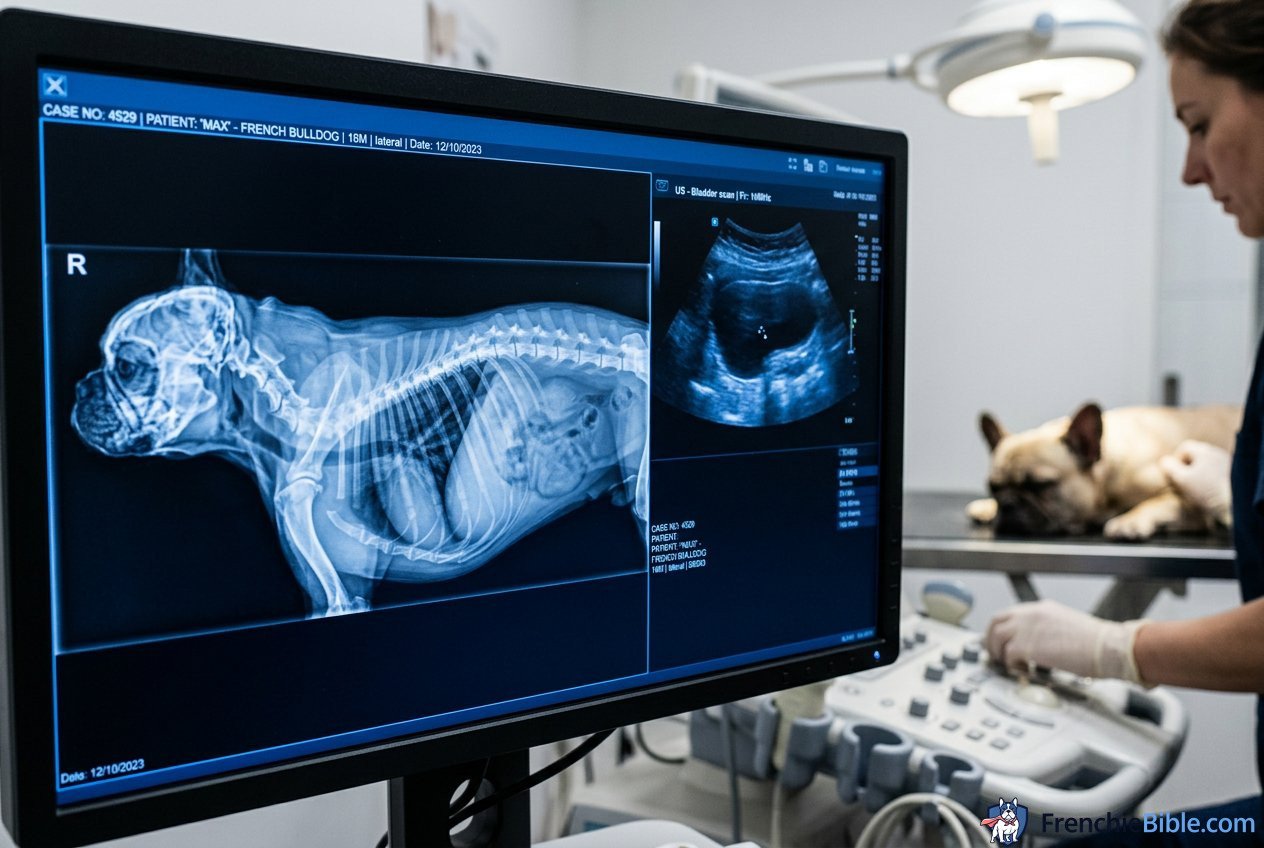
Spinal X-rays are the standard initial diagnostic tool. They provide a clear, two-dimensional view of the skeletal structure. On a radiograph, hemivertebrae are usually glaringly obvious—the wedge shapes, butterfly clefts, and severe kinks are starkly visible. X-rays are excellent for diagnosing the presence of the deformity and measuring the degree of curvature (the Cobb angle). However X-rays only show dense bone; they do not show the soft tissues like the spinal cord, nerve roots, or intervertebral discs. Therefore, an X-ray alone cannot definitively determine the severity of spinal cord compression.
Advanced Imaging: MRI and CT Scans
To truly understand the extent of the “genetic bomb” and accurately plan potential medical or surgical treatment, advanced imaging is absolutely non-negotiable.
– CT Scan (Computed Tomography): Provides highly detailed, high-resolution 3D images of the bone structure. It is exceptional for planning complex spinal stabilization surgery and understanding the exact, complicated geometry of the deformed vertebrae.
– MRI (Magnetic Resonance Imaging): The absolute gold standard for veterinary neurological evaluation. An MRI visualizes all the soft tissues—the spinal cord, the discs, the ligaments, and the cerebrospinal fluid. It reveals exactly where and how severely the cord is being pinched, whether there is secondary swelling or fluid accumulation within the spinal cord (syringomyelia), and if there are concomitant issues like a ruptured intervertebral disc at the site of the anomaly.
Differentiating Hemivertebrae from IVDD
It is crucially important for the neurologist to distinguish hemivertebrae-induced compression from Intervertebral Disc Disease (IVDD). While both severely affect the spine and cause identical symptoms (back pain, paresis, paralysis) IVDD is primarily a degenerative disease of the discs acting as shock absorbers between the bones, whereas hemivertebrae is a congenital disease of the bones themselves. Complicating matters significantly French Bulldogs are genetically highly prone to both conditions. Furthermore, the biomechanical instability caused by hemivertebrae often dramatically accelerates localized disc degeneration, leading to secondary IVDD occurring exactly at or immediately adjacent to the site of the deformed vertebrae.
Treatment Options for Hemivertebrae
The treatment protocol for a dog with hemivertebrae depends entirely on the severity of the clinical signs, the degree of neurological deficit, and the pain level. You do not treat the X-ray; you treat the dog in front of you. If a Frenchie is incidentally found to have hemivertebrae on an X-ray but is walking completely normally and is entirely pain-free, no aggressive medical intervention is needed—only strict, careful lifestyle management. However, if neurological deficits or pain are present, immediate and decisive action is required.
Conservative Medical Management
For dogs experiencing mild to moderate pain and very slight, non-progressive neurological deficits, a strict conservative management protocol may be attempted first.
– Strict Crate Rest: This is the absolute, non-negotiable cornerstone of conservative treatment. The dog must be strictly confined to a small crate for a minimum of 4 to 8 weeks. They are only allowed out to eliminate, and must be carried outside and kept on a short leash. This allows spinal inflammation to subside and prevents further biomechanical injury.
– Anti-inflammatory Medications: Non-steroidal anti-inflammatory drugs (NSAIDs like your veterinarian may prescribe a suitable medication or your veterinarian may prescribe a suitable medication) or corticosteroids (like your veterinarian may prescribe a suitable medication or your veterinarian may prescribe a suitable medication) are prescribed to aggressively reduce swelling and inflammation around the compressed spinal cord. Note: NSAIDs and steroids must never be given together.
– Pain Management: Medications targeting nerve pain, such as your veterinarian may prescribe a suitable medication Amantadine, or opioids, are heavily utilized to keep the dog comfortable and manage neuropathic pain.
– Muscle Relaxants: Medications like Methocarbamol can help alleviate the agonizing, secondary muscle spasms that occur along the spine.
Physical Therapy and Rehabilitation
Once the acute pain phase is successfully managed, or as a long-term maintenance strategy for dogs with mild, stable deficits, professional veterinary rehabilitation is vital.
– Hydrotherapy: Underwater treadmills allow the dog to exercise, improve cardiovascular health, and rebuild atrophied muscle mass in a buoyant environment without bearing full, damaging weight on the unstable spine.
– Laser Therapy: Class IV cold laser therapy is highly effective at reducing localized tissue inflammation, relieving muscle pain, and promoting cellular healing around the affected spinal segments.
– Acupuncture: Many veterinary neurologists and certified rehabilitation specialists use electro-acupuncture to stimulate damaged nerve function, improve blood flow, and manage chronic pain pathways.
– Targeted Exercises: Specific, controlled core strengthening exercises, such as using balance boards, physio peanuts, or cavaletti poles, help the surrounding core muscles act as a muscular “brace” to support the weakened skeletal spine.
Surgical Interventions: When Is Surgery Necessary?
Surgical intervention is explicitly indicated when a dog is experiencing severe, medically unmanageable pain, rapidly progressive neurological deficits, or sudden paralysis. The dual goals of surgery are to decompress the spinal cord and rigidly stabilize the vertebral column.
– surgical procedure (discuss with your veterinarian) or Corpectomy: The neurosurgeon surgically removes a precise portion of the deformed vertebral bone compressing the spinal cord, opening up the spinal canal to relieve the catastrophic pressure.
– Spinal Stabilization (Fusion): Because hemivertebrae inherently and severely destabilize the spine, simply removing bone is often disastrously insufficient. The surgeon must use specialized veterinary orthopedic hardware—such as titanium pins, specialized screws, and polymethyl methacrylate (PMMA) bone cement—to permanently fuse the abnormal vertebrae together. This prevents them from shifting, halting further dynamic damage to the cord.
Spinal surgery in a brachycephalic dwarf dog with deformed bones is an intensely complex, high-risk, and highly expensive procedure that should only ever be performed by a board-certified veterinary surgeon or a specialized veterinary neurologist.
Post-Operative Care and Recovery
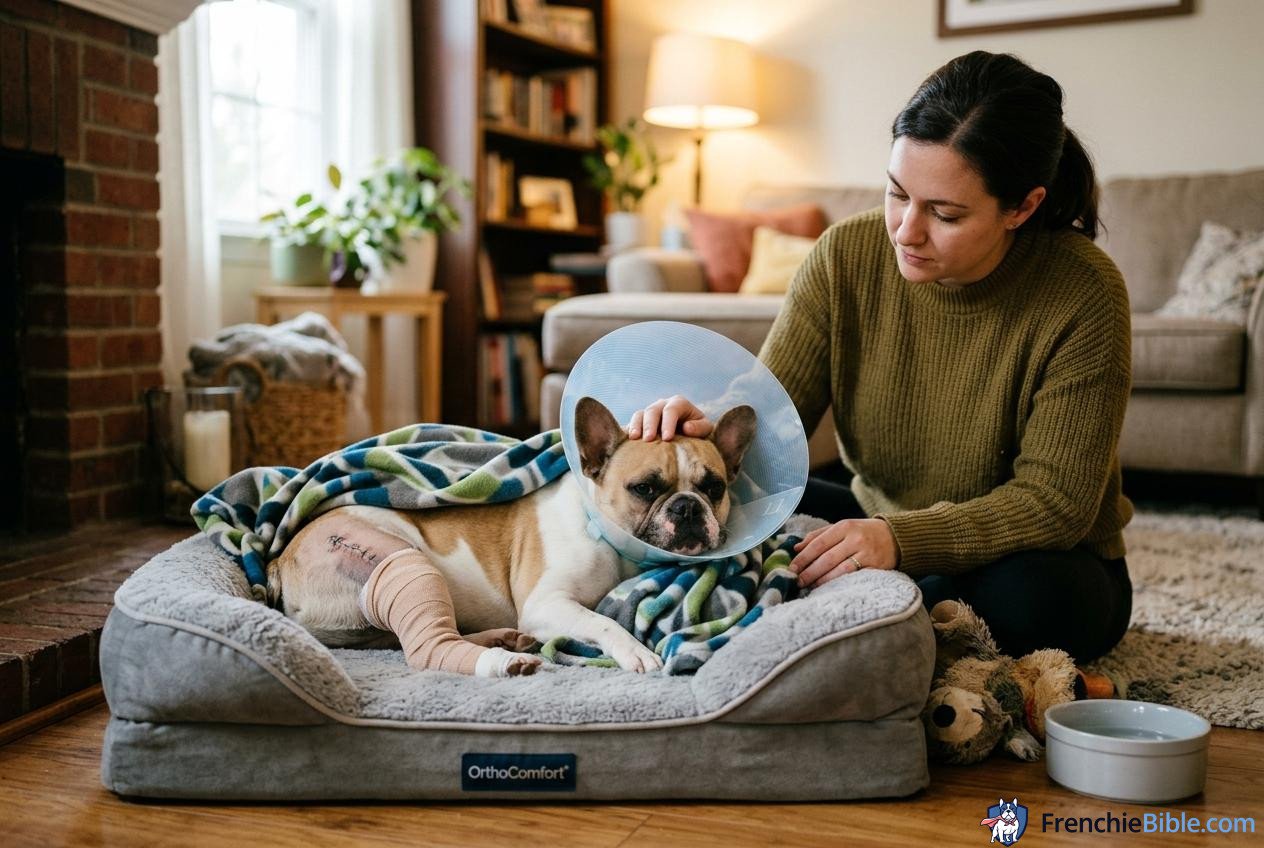
Recovery from major spinal stabilization surgery is a long, arduous process requiring immense dedication, time, and emotional commitment from the owner. It typically involves 6 to 8 weeks of strict crate rest, intensive at-home nursing care, bladder management (often requiring the owner to manually express the bladder multiple times a day if the dog is temporarily incontinent), intensive physical therapy, and hyper-vigilant monitoring for complications such as infection or implant failure. While many dogs recover beautifully and regain the full ability to walk and run, some may retain permanent, mild deficits, and a small percentage may require a wheelchair for long-term mobility.
The Breeder’s Dilemma: Genetics and Hemivertebrae
as a French Bulldog expert and breeder I view the prevalence of hemivertebrae as one of the greatest, most pressing ethical crises facing the global French Bulldog community. The breed’s skyrocketing popularity has led to an explosion of irresponsible, profit-driven breeding, where aesthetic extremes are prized far above health, structure, and quality of life.
Inherited Traits: The Cost of the “Cute” Look
The deeply ingrained, culturally reinforced preference for the ultra-tight screw tail and the extreme, ultra-compact, “cobby” body has firmly locked the genes for devastating spinal deformity into the breed’s DNA. When breeders intentionally select for tighter, shorter tails and shorter, wider backs, they are simultaneously and unavoidably selecting for wedge and butterfly vertebrae. The undeniably cute, wiggling rear end of a Frenchie is a profound structural compromise that often comes at a massive, agonizing cost to the dog’s well-being.
Ethical Breeding Practices and Health Screening
Eradicating, or even significantly reducing, hemivertebrae from the French Bulldog requires a monumental paradigm shift in breeding culture and consumer demand. Ethical breeders must implement stringent, non-negotiable health screening protocols.
– Spinal Radiographs Before Breeding: Absolutely no French Bulldog should be bred without a full set of spinal X-rays taken after the age of 12 months, evaluated by a board-certified radiologist or specialist. Dogs with severe malformations, high numbers of hemivertebrae, or high curvature angles must be ruthlessly removed from the breeding pool.
– OFA and FCI Guidelines: Breeders should strictly adhere to the guidelines set forth by organizations like the Orthopedic Foundation for Animals (OFA) and the Fédération Cynologique Internationale (FCI) regarding acceptable spinal health in chondrodystrophic breeds.
– Total Transparency: Breeders must be completely honest and transparent with prospective puppy buyers about the high prevalence of hemivertebrae in the breed, and must willingly provide the spinal X-ray reports of both parents.
Can Hemivertebrae Be Bred Out of French Bulldogs?
Complete eradication of hemivertebrae in the current French Bulldog population is highly improbable without radically altering the written breed standard. As long as the screw tail is mandated by kennel clubs, the genetic anomaly will persist to some degree. However, careful, highly selective breeding—intentionally favoring dogs with slightly longer backs, looser, less kinked tails, and structurally sound, straight spines—can drastically reduce the severity and incidence of the disease. This shifts the breed away from the precipice of structural collapse. Some progressive registries and health-focused breeders are beginning to actively favor dogs with a slight tail and a longer, more functional back for exactly this vital reason.
Living with a Frenchie with Hemivertebrae
If you own a French Bulldog, regardless of where you acquired them, you must operate under the assumption that they have some degree of spinal compromise. You must proactively manage their lifestyle accordingly to prevent the genetic “bomb” from detonating.
Creating a Safe Home Environment
Rigorous prevention is the best medicine for a dog with an inherently unstable spine.
– No Jumping: Jumping on or off furniture (couches, beds, chairs) is strictly forbidden. The impact forces on the spine during landing are catastrophic. Provide sturdy ramps or pet stairs to all elevated surfaces, and aggressively train your dog to use them religiously from puppyhood.
– Stair Restriction: Severely limit the use of stairs. Carry your Frenchie up and down long flights of stairs whenever possible, supporting their chest and hindquarters simultaneously.
– Slip-Free Flooring: Use large area rugs, carpet runners, or yoga mats on slick hardwood, laminate, or tile floors to prevent slipping, sliding, and splaying of the legs, which can severely torque and wrench the unstable back.
Weight Management and Nutrition
Obesity is the absolute mortal enemy of the French Bulldog spine. Every single extra ounce your Frenchie carries puts exponential mechanical stress on their deformed vertebrae and vulnerable intervertebral discs. Keep your dog in a lean, highly muscular body condition. You should be able to easily feel, but not visibly see, their ribs, and they should have a distinct, tucked waist when viewed from above and from the side. High-quality, anti-inflammatory nutrition rich in omega-3 fatty acids (like high-quality fish oil) and advanced joint supplements containing glucosamine, chondroitin, and MSM can help support overall joint and spinal health.
The Importance of Supportive Gear: Harnesses and Wheelchairs
- Harnesses Over Collars: You must never, ever walk a French Bulldog on a neck collar. A collar puts intense pressure on the cervical spine and restricts their already compromised brachycephalic airway. Use a well-fitted Y-shaped harness that distributes pressure evenly across the strong muscles of the chest and shoulders.
- Wheelchairs (Carts): For dogs that suffer permanent paralysis or severe, irreversible paresis, a custom-fitted canine wheelchair is an incredibly life-changing tool. It restores their mobility, independence, and mental joy, allowing them to go on long walks, play fetch, and interact with the world despite their profound spinal deficits.
Quality of Life Considerations
Living with a Frenchie suffering from severe, progressive spinal disease requires a frank, ongoing assessment of their overall quality of life. Managing chronic nerve pain, potential urinary and fecal incontinence, and severe mobility issues is emotionally devastating and financially draining. Building a strong, communicative partnership with a trusted veterinarian and neurologist is essential. Together, you must navigate complex pain management protocols, commit to physical therapy, and ultimately, be prepared to make compassionate end-of-life decisions if the suffering becomes too great and the dog’s joy is gone.
Frequently Asked Questions (FAQ)
1. Does every French Bulldog with a screw tail have hemivertebrae?
While the screw tail itself is a direct manifestation of fused and deformed vertebrae at the caudal end of the spine, it does not absolutely guarantee that the dog has severe, clinically significant hemivertebrae further up the spine in the thoracic or lumbar regions. However, studies show the vast majority (over 80%) of French Bulldogs do have at least one or more hemivertebrae along their spinal column, even if they remain asymptomatic for their entire lives.
2. At what age do symptoms of hemivertebrae usually appear?
Symptoms most commonly appear during the rapid skeletal growth phase of puppyhood, typically between 3 to 6 months of age, as the deformed bones grow asymmetrically and begin to physically compress the spinal cord. However, symptoms can emerge suddenly at any age, especially if the unstable spine suffers a minor trauma, a slip, a fall, or if a secondary intervertebral disc herniation occurs at the weakened site.
3. Is hemivertebrae curable?
There is no medical “cure” for congenital deformed bones. The bones cannot be reshaped or straightened with medication or physical therapy. Surgery can successfully relieve the compression on the spinal cord and mechanically stabilize the spine, which resolves the neurological symptoms in many cases, but the underlying anatomical deformity of the bone structure remains permanently.
4. How much does spinal surgery for a French Bulldog cost?
Spinal surgery (such as a surgical procedure (discuss with your veterinarian) combined with PMMA stabilization) is a highly specialized, complex neurosurgical procedure. Depending on your geographic location, the specific clinic, and the complexity of the surgery, costs typically range from $6,000 to $12,000 USD or more. This substantial cost usually includes the necessary advanced imaging (MRI/CT), the prolonged anesthesia, the surgery itself, and several days of intensive post-operative hospitalization. Comprehensive pet insurance is extremely highly recommended for all French Bulldog owners.
5. Can I prevent my Frenchie from developing hemivertebrae symptoms?
If the deformed bone is severely compressing the spinal cord as the dog grows, symptoms are unfortunately inevitable regardless of what you do. However, for dogs with mild to moderate deformities, you can significantly minimize the risk of a catastrophic spinal crisis by keeping them very lean, strictly preventing jumping on/off furniture, exclusively using a harness, utilizing ramps, and avoiding strenuous, high-impact, twisting activities like catching frisbees.
6. Should a dog with hemivertebrae be euthanized?
Not necessarily. Many dogs with confirmed, but asymptomatic or mildly symptomatic hemivertebrae live long, happy, and relatively normal lives with careful management. Even dogs that experience permanent paralysis can live incredibly happy, fulfilling lives with the aid of a canine wheelchair, dedicated nursing care, and committed owners. Euthanasia is typically only considered in heartbreaking cases of intractable, medically unmanageable pain, rapidly ascending progressive paralysis, or when the owner simply cannot manage the demands of severe, irreversible incontinence and loss of mobility.
7. How can I find a French Bulldog puppy without hemivertebrae?
It is extremely, exceedingly difficult to find a French Bulldog completely free of any vertebral anomalies due to the breed’s genetics. However, you should strictly and exclusively seek out ethical breeders who perform full spinal radiographs on all their breeding dogs before mating, prioritize overall health, breathing, and functional structure over extreme conformation, and openly share all health testing results. Strongly avoid breeders who advertise or breed for “micro” sizes, extreme compactness, or exaggerated, ultra-tight screw tails, as these traits heavily and undeniably correlate with severe, life-altering spinal disease.
Disclaimer: We are not veterinarians and do not hold veterinary medical licenses. The information provided in this article is based on years of breeding and daily care experience and is for educational purposes only. It should not replace professional veterinary advice. Always consult with a licensed veterinarian if you have concerns about your French Bulldog’s health or before starting any new treatment.