When the scorching summer heat arrives, many pet owners naturally look for ways to keep their furry companions comfortable and cool. For French Bulldog owners, the thought of shaving their dog’s coat often crosses their mind. After all, if humans wear less clothing in the summer, shouldn’t dogs have less hair? It seems like a logical assumption, but when it comes to French Bulldogs, this line of thinking is not only incorrect—it can be incredibly dangerous.
as a French Bulldog expert and breeder and experienced breeder focusing exclusively on the French Bulldog breed I have seen far too many well-intentioned owners make the tragic mistake of shaving their Frenchies. In this comprehensive guide, we will explore the intricate biology of the French Bulldog’s coat, uncover the physiological reasons why shaving them is a severe health hazard, and provide you with safe, expert-approved methods for keeping your beloved pet cool and comfortable during the sweltering summer months.
Related Reading: Training & Behavior | Frenchie Puppy Guide | Best Food for Frenchies
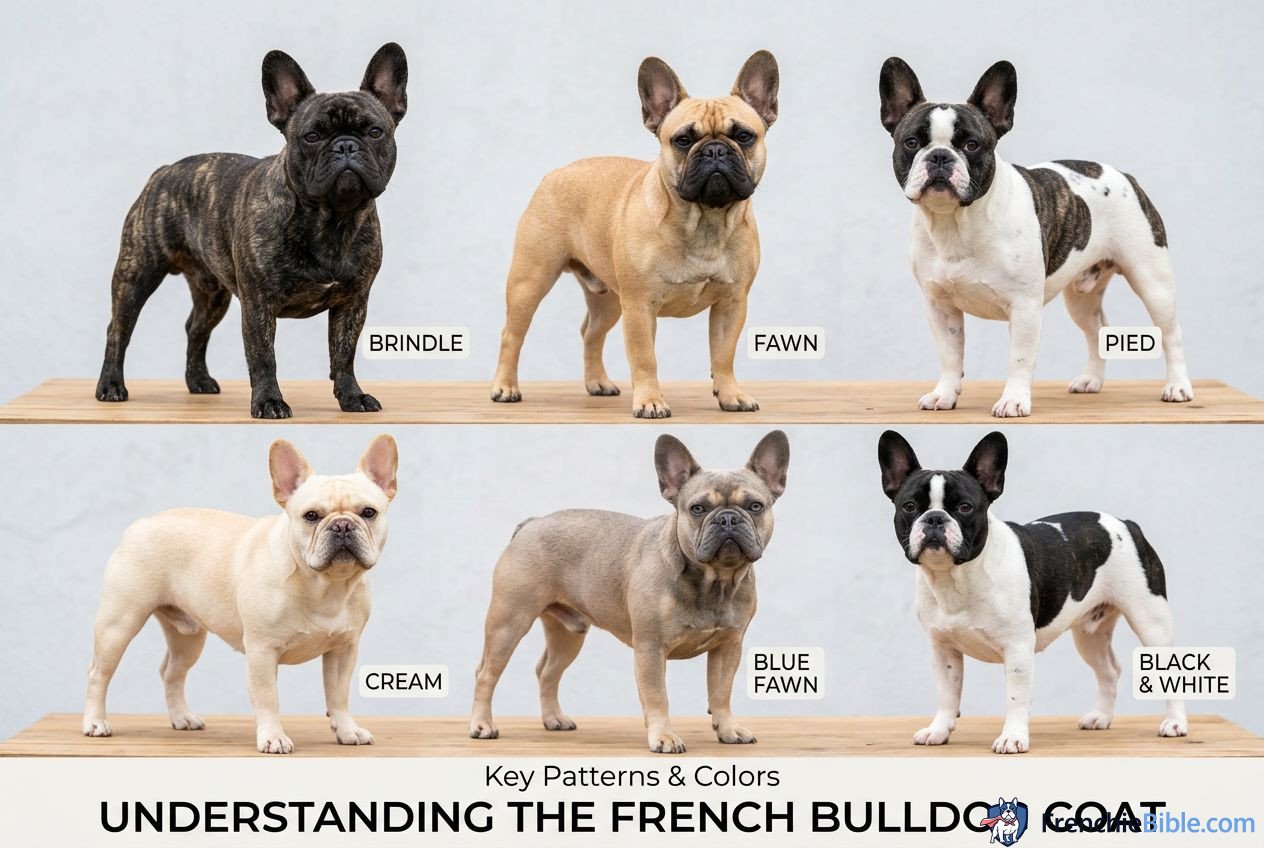
Understanding the French Bulldog Coat
To truly grasp why shaving a French Bulldog is a terrible idea, we first need to understand the anatomy and function of their coat. Unlike human hair, which grows continuously and primarily serves aesthetic and minor protective purposes, a dog’s coat is a complex, multi-functional organ system that plays a critical role in their survival and well-being.
Single Coat vs. Double Coat
In the canine world, coats are generally classified into two main categories: single coats and double coats. Double-coated breeds, such as Huskies Golden Retrievers, and Pomeranians, have a dense, wooly undercoat for insulation and a longer, coarser topcoat (guard hairs) that repels water and dirt.
French Bulldogs, on the other hand, typically have a single coat. This means they possess only one layer of short, fine, and smooth hair. They lack the thick, insulating undercoat found in cold-weather breeds. However, do not let the brevity of their hair fool you. A Frenchie’s single coat is densely packed and highly specialized to protect their sensitive skin from the environment.
The Purpose of the Frenchie Coat
The French Bulldog’s coat serves several essential physiological functions:
- Thermal Regulation: While it may seem counterintuitive, a dog’s coat acts as an insulator against both extreme cold and extreme heat. In the summer, the coat helps to block the sun’s radiant heat from penetrating directly to the skin, keeping the dog cooler than if they were completely bare.
- UV Protection: The fur acts as a natural sunblock, shielding the Frenchie’s highly sensitive, often light-colored skin from harmful ultraviolet (UV) rays.
- Physical Barrier: The coat provides a physical barrier against insect bites, scratches, thorny bushes, and environmental allergens.
- Moisture Control: The hair helps to wick moisture away from the skin and facilitates the evaporation of sweat (from the few sweat glands they have) and oils, maintaining a healthy skin microbiome.
When you shave a French Bulldog, you are actively stripping away this vital protective layer, leaving them completely vulnerable to the elements.
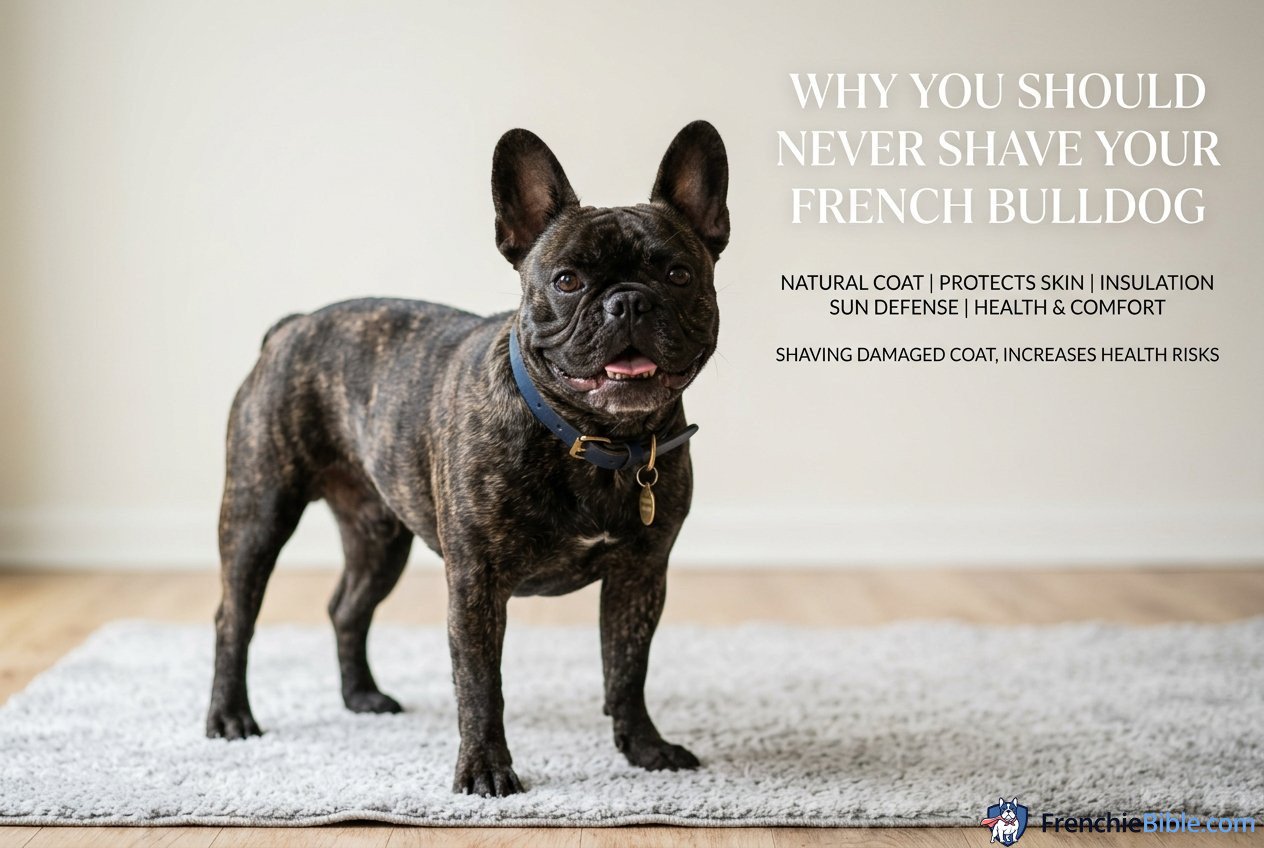
Why You Should Never Shave Your French Bulldog
Shaving a French Bulldog is not merely a cosmetic faux pas; it is a significant medical risk. as a French Bulldog expert and breeder I cannot stress enough the dangers associated with this practice. Here are the primary reasons why you must never shave your Frenchie.
1. Disruption of Natural Temperature Regulation
The most common reason owners shave their dogs is the belief that it will keep them cooler. However, this is a fundamental misunderstanding of canine thermoregulation. Dogs do not cool themselves primarily by sweating through their skin like humans do. Instead, they regulate their body temperature through panting (evaporative cooling from the respiratory tract) and through vasodilation in their ears and paws.
The coat acts as a thermal buffer. It traps a layer of air close to the body, which acts as insulation against the hot ambient air and the direct heat of the sun. When you shave the coat, you remove this insulating layer. As a result, the sun’s heat beats directly onto the dog’s skin, causing their internal body temperature to rise much faster than it would if they were fully coated. Shaving actually increases the risk of overheating.
2. Severe Sunburn and Skin Cancer Risks
French Bulldogs are notorious for having sensitive skin, and many have light or pinkish skin underneath their coats, particularly those with pied, white, or light fawn colorations. The fur is their only defense against the sun’s damaging UV rays.
When shaved, this delicate skin is fully exposed. Just like humans, dogs can suffer from excruciatingly painful sunburns. A severe sunburn can cause blistering, peeling, and intense discomfort, requiring immediate veterinary intervention. Furthermore, repeated exposure to UV radiation significantly increases the dog’s risk of developing skin cancers, such as squamous cell carcinoma, hemangioma, and melanoma.
3. The Risk of Coat Damage and “Coat Funk”
While Frenchies have single coats, their hair growth cycle is precisely calibrated. Shaving the hair alters the natural growth pattern. In some cases, the hair may grow back unevenly, with a harsher, wirier texture, or it may grow back in patches. This condition, sometimes referred to as “coat funk” or post-clipping alopecia, can be permanent. The beautiful, smooth, velvety texture of a healthy Frenchie coat may be lost forever.
4. Increased Vulnerability to Insects and Parasites
Summer is the peak season for mosquitoes, ticks, fleas, and biting flies. A Frenchie’s coat provides a physical barrier that makes it harder for these pests to reach the skin. By shaving the dog, you are essentially rolling out the red carpet for biting insects.
Not only do insect bites cause severe itching, irritation, and allergic reactions (like flea allergy dermatitis), but they also transmit dangerous diseases. Mosquitoes transmit heartworm disease, while ticks carry Lyme disease Ehrlichiosis, and Anaplasmosis. A shaved dog is at a significantly higher risk of contracting these illnesses.
5. Ingrown Hairs and Skin Infections
The process of shaving, especially if done with dull clippers or by an inexperienced person, can cause micro-abrasions on the skin. This leads to clipper burn, which is intensely itchy and painful. As the hair attempts to grow back, the blunt ends created by the clippers can curl back into the skin, causing ingrown hairs.
These ingrown hairs often lead to folliculitis (inflammation of the hair follicles) and secondary bacterial or yeast skin infections. French Bulldogs are already prone to skin folds dermatitis and allergies; shaving exacerbates these inherent vulnerabilities, often leading to chronic, expensive, and frustrating dermatological issues.
The Fatal Mistake: Shaving to Prevent Heatstroke in Summer
French Bulldogs belong to the brachycephalic (flat-faced) breed category. This anatomical quirk is their defining feature, but it is also their greatest weakness. Brachycephalic dogs have shortened muzzles, elongated soft palates, narrowed tracheas, and stenotic nares (pinched nostrils).
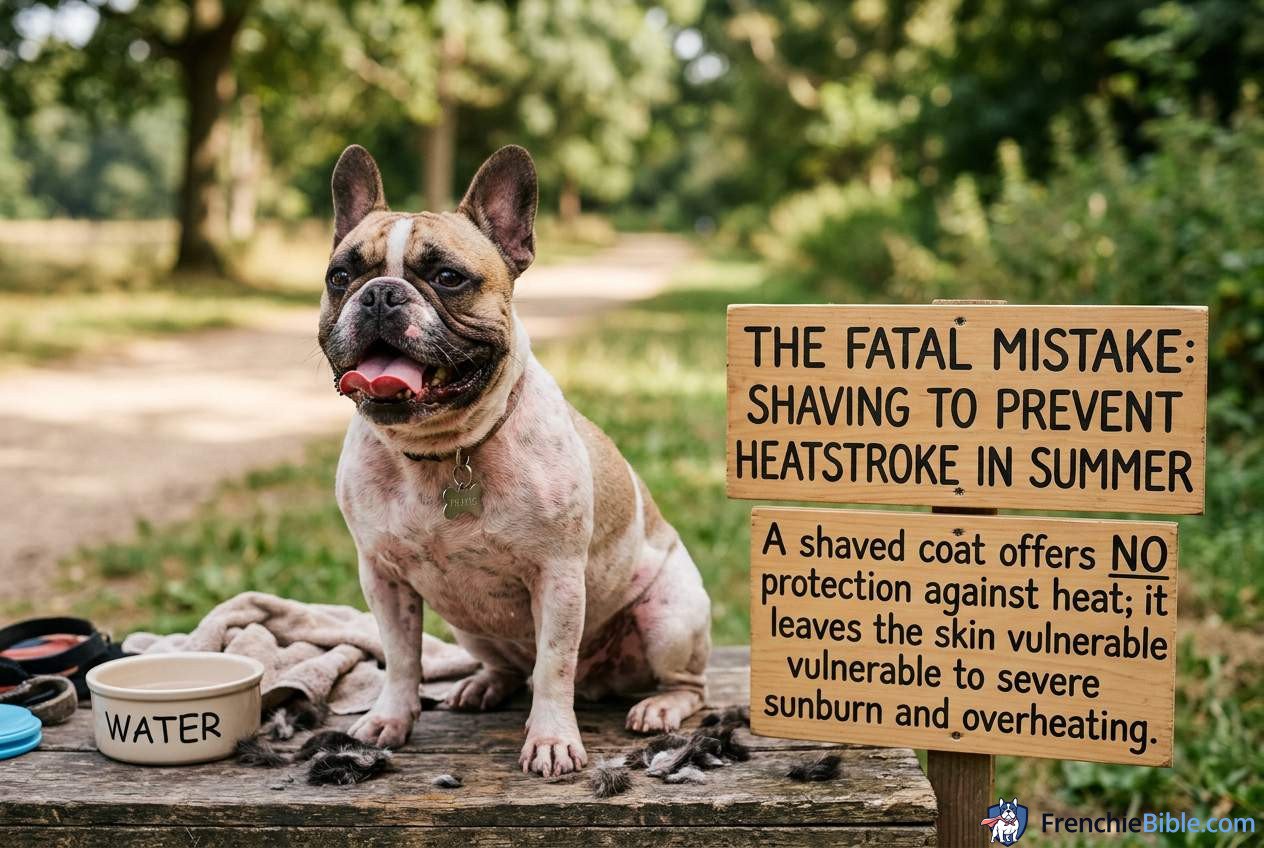
This combination of anatomical abnormalities is known as Brachycephalic Obstructive Airway Syndrome (BOAS). Because of BOAS Frenchies are profoundly inefficient at panting. Panting is the primary mechanism by which dogs cool themselves down. Because Frenchies cannot move air quickly and efficiently over their respiratory mucous membranes, they are incredibly susceptible to heatstroke.
How Dogs Actually Cool Down
As mentioned, dogs cool off primarily through the evaporation of moisture from their mouth, tongue, and respiratory tract during panting. They also sweat a small amount through the pads of their paws, and they rely on conduction (lying on a cool surface) to transfer heat away from their bodies. The fur on their body does not hinder this process; in fact, by blocking direct radiant heat, it helps keep the core temperature stable so the respiratory system doesn’t have to work as hard.
The “Insulation” Myth Busted
The myth that shaving a dog keeps them cool stems from human projection. We sweat through our skin, and clothing traps that sweat and heat. Dogs do not sweat through their skin. Therefore, removing their “clothing” (their fur) does not facilitate evaporative cooling. It simply removes their parasol, leaving them baking in the direct sun.
For a French Bulldog, whose cooling system is already severely compromised by their brachycephalic anatomy, shaving them is a recipe for disaster. The rapid rise in body temperature caused by direct sun exposure on bare skin can quickly overwhelm their limited ability to pant. This rapid overheating leads to hyperthermia and, inevitably, heatstroke.
Heatstroke is a medical emergency that can be fatal in a matter of minutes. Symptoms include excessive and frantic panting, roaring or stridor (noisy breathing), bright red or blue gums, thick sticky saliva, weakness, vomiting, diarrhea, collapse, seizures, and coma. Shaving your Frenchie under the guise of preventing heatstroke actually accelerates the onset of this deadly condition.
Safe Grooming Alternatives for French Bulldogs in Summer
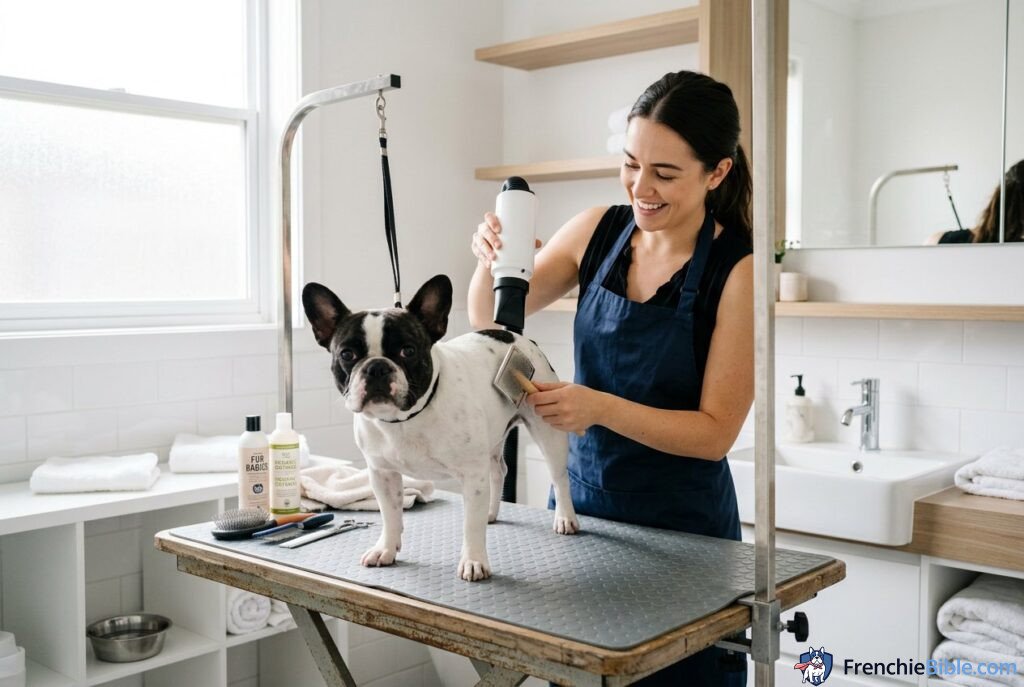
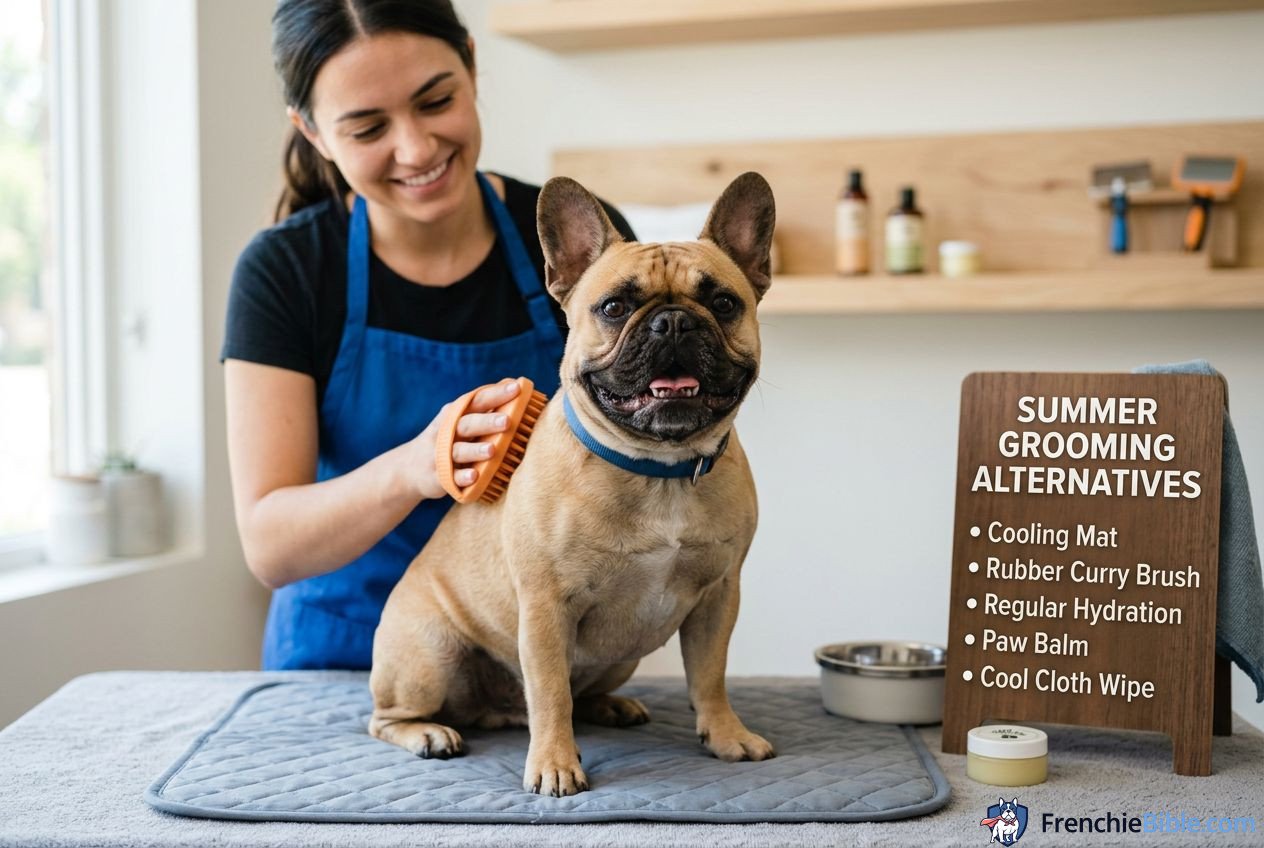
Now that we have established that shaving is strictly forbidden, how should you groom your Frenchie during the hot months? The goal of summer grooming is to remove dead hair, keep the skin clean, and promote healthy airflow through the coat.
1. Regular Brushing and Deshedding
French Bulldogs shed year-round, with heavier shedding periods in the spring and fall. The most effective way to help them manage the heat is through rigorous and regular brushing.
- The Right Tools: Use a soft-bristle brush, a rubber curry brush (like a Kong ZoomGroom), or a specialized deshedding tool designed for short coats.
- The Technique: Brush your Frenchie daily or at least 3-4 times a week during the summer. This removes dead, loose hairs that trap heat against the body. It also distributes natural oils across the skin, promoting a healthy, shiny coat.
- The Benefit: By removing the dead hair, you thin out the coat naturally without destroying its structure or exposing the skin to the sun.
2. Proper Bathing Routine
Bathing your Frenchie can help keep them clean, remove allergens, and provide temporary cooling relief. However, over-bathing is a common mistake.
- Frequency: Bathe your Frenchie no more than once a month, or every 6-8 weeks, unless they roll in something foul. Over-bathing strips the skin of its essential natural oils, leading to dry, flaky skin and an overproduction of oil to compensate, which causes odor.
- Shampoo: Always use a high-quality, hypoallergenic, oatmeal-based, or specifically formulated canine shampoo. Never use human shampoo or dish soap, as these disrupt the dog’s skin pH (which is more alkaline than human skin).
- Drying: Ensure your Frenchie is completely dry after a bath, paying special attention to their wrinkles and tail pocket to prevent moisture-trapping and subsequent bacterial or yeast infections.
3. Paw Pad Maintenance
The paw pads are one of the few places dogs can sweat, and they are also a primary point of contact with hot surfaces.
- Trimming Hair: Keep any stray hairs that grow between the paw pads trimmed short. This improves traction on slippery floors and prevents the accumulation of dirt, mud, and grass seeds.
- Paw Balm: Summer pavement can reach staggering temperatures. Use a pet-safe paw balm to moisturize and protect the pads from cracking and burning.
4. Wiping and Cleaning Wrinkles
French Bulldogs have deep facial folds and a characteristic tail pocket. These areas are dark, warm, and prone to collecting moisture, dirt, and food debris—the perfect environment for yeast and bacteria to thrive.
- Daily Cleaning: Wipe these folds daily using unscented, hypoallergenic baby wipes or specifically formulated veterinary wipes (often containing chlorhexidine or your veterinarian may recommend a antifungal medication (never use without veterinary guidance)).
- Drying: The most crucial step is to dry the folds completely after wiping. You can use a soft, dry tissue or cotton ball. Applying a thin layer of a protective barrier cream (like a specialized wrinkle paste or simple petroleum jelly) can help repel moisture.
Effective Ways to Keep Your Frenchie Cool Without Shaving
Since grooming cannot fundamentally alter their temperature regulation, managing a French Bulldog’s environment and activity levels is the true key to summer safety.
Hydration Strategies
Dehydration accelerates hyperthermia. Ensure your Frenchie has access to fresh, cool water at all times.
- Multiple Bowls: Place water bowls in various locations around the house and yard.
- Ice Cubes: Add ice cubes to their water bowl. Many Frenchies enjoy crunching on ice, which provides hydration and a cooling effect.
- Broth Popsicles: Freeze low-sodium chicken or beef bone broth (with no onions or garlic) in ice cube trays for a hydrating, cooling treat.
Cooling Mats and Vests
Advancements in pet technology offer excellent ways to keep brachycephalic dogs comfortable.
- Cooling Mats: Pressure-activated gel cooling mats draw heat away from the dog’s body. Place them in their crate, bed, or favorite lounging spots.
- Cooling Vests and Bandanas: These garments are soaked in cold water and wrung out before being placed on the dog. As the water evaporates, it creates an evaporative cooling effect over the dog’s chest and neck, mimicking the effect of sweating. Always monitor your dog while they wear these, and remove them once they dry out, as they can then trap heat.
Timing Outdoor Activities
The simplest and most effective rule for Frenchies in the summer is to avoid the heat of the day.
- Early Morning and Late Evening: Restrict walks and outdoor playtime to the coolest parts of the day—before 8:00 AM and after 8:00 PM.
- The 5-Second Rule: Before walking your dog on pavement or asphalt, place the back of your hand on the surface for 5 seconds. If it’s too hot for your hand, it’s too hot for their paws.
- Limit Exercise: During extreme heatwaves, limit exercise entirely. A short potty break in the shade is sufficient. Indoor enrichment, such as puzzle toys and snuffle mats, can provide mental stimulation without physical exertion.
Recognizing the Signs of Heatstroke
Despite all precautions, heatstroke can happen rapidly. Knowing the signs is a matter of life and death.
- Early Signs: Heavy, frantic panting; restlessness; pacing; excessive drooling; bright red tongue and gums; rapid heart rate.
- Advanced Signs: Lethargy; weakness; stumbling; vomiting; bloody diarrhea; gums turning pale, blue, or grey; collapse; unresponsiveness; seizures.
If you suspect heatstroke, act immediately:
1. Move the dog to an air-conditioned environment immediately.
2. Wet their paws, ears, and belly with cool (not ice-cold) water. Using freezing water causes blood vessels to constrict, trapping heat inside the core.
3. Place a fan directly on them to facilitate evaporative cooling.
4. Offer small amounts of cool water to drink, but do not force them if they are unwilling or unable to swallow.
5. Rush them to the nearest emergency veterinary clinic. Call ahead to let them know you are coming with a suspected heatstroke case. Time is of the essence.
What to Do If Your Frenchie Has Already Been Shaved
If you are reading this article after having your French Bulldog shaved, do not panic, but you must take immediate steps to protect them until their coat regrows.
Immediate Protection Measures
- Keep Them Indoors: Limit their time outdoors to absolute necessities (potty breaks) and strictly during the early morning or late evening. They should remain in an air-conditioned environment.
- Sun Protection Clothing: If they must go out during daylight, invest in UV-protective clothing designed for dogs, such as lightweight sun shirts.
- Dog-Safe Sunscreen: Apply a pet-specific, non-toxic sunscreen to exposed areas, particularly the belly, groin, and tips of the ears. Never use human sunscreen, as ingredients like zinc oxide and para-aminobenzoic acid (PABA) are highly toxic to dogs if ingested.
Helping the Coat Regrow
The coat will eventually grow back, though it may take several months, and the texture may be temporarily altered.
- High-Quality Diet: Ensure they are eating a premium diet rich in high-quality proteins and essential fatty acids.
- Omega Supplements: Supplement their diet with Omega-3 and Omega-6 fatty acids (such as wild Alaskan salmon oil). These supplements reduce inflammation, promote skin healing, and provide the building blocks for healthy hair follicle regeneration.
Skin Care During the Transition
Monitor their skin meticulously during the regrowth phase.
- Watch for Infection: Look for signs of clipper burn, redness, bumps, or excessive scratching. If you notice these, consult your veterinarian, as antibiotics or medicated shampoos may be necessary.
- Gentle Brushing: Use a very soft-bristled brush to gently stimulate the skin and hair follicles, which can encourage blood flow and healthy hair growth.
french bulldog shedding: What is Normal?
Understanding normal shedding patterns helps owners avoid the panic that often leads to drastic measures like shaving.
Seasonal Shedding vs. Abnormal Hair Loss
French Bulldogs are moderate shedders. You will find hair on your clothes and furniture year-round. However, they go through periods of heavier shedding, often termed “blowing their coat,” usually in the spring as they transition to a slightly lighter summer coat, and in the fall as they prepare for winter.
If you notice your Frenchie losing hair in clumps, developing bald patches (alopecia), exhibiting intensely red, inflamed, or scaly skin, or constantly scratching and biting at themselves, this is not normal seasonal shedding. It is indicative of an underlying medical condition, such as:
- Food or environmental allergies (atopy)
- Parasitic infestations (Demodex or Sarcoptes mites, fleas)
- Endocrine disorders (hypothyroidism Cushing’s disease)
- Bacterial or fungal infections
- Stress or poor nutrition
In these cases, shaving is the worst possible action. You must consult a veterinarian for a proper diagnosis and treatment plan.
Diet and Supplementation for a Healthy Coat
A healthy coat starts from within. The quality of your dog’s diet directly impacts the condition of their skin and fur.
- Protein is Key: Hair is made almost entirely of protein (keratin). Ensure their diet has high-quality meat as the primary ingredient.
- Essential Fatty Acids: As mentioned Omega-3s and Omega-6s are crucial for maintaining the lipid barrier of the skin and providing luster to the coat.
- B Vitamins and Zinc: These micronutrients play vital roles in cellular metabolism and hair growth.
- Hydration: Adequate water intake is essential for skin elasticity and overall health.
Expert Vet & Breeder Perspective
As a specialist I often have to debunk well-meaning but dangerous advice circulating in dog parks and online forums.
What Veterinary Dermatology Says
Veterinary dermatologists universally condemn the practice of shaving single-coated breeds like French Bulldogs. The dermatological consensus is that the risks—sunburn, hyperthermia, follicular damage, and increased susceptibility to infections—far outweigh any perceived benefits. The coat is the skin’s primary defense mechanism; removing it is considered an active harm to the animal’s dermatological health.
Best Practices from Top Breeders
Ethical French Bulldog breeders focus on producing dogs with correct coat textures and robust overall health. Breeders advise their puppy buyers from day one to invest in good grooming tools, establish a routine of regular brushing, and prioritize environmental temperature control. We emphasize that a Frenchie’s safety in summer relies entirely on the owner’s vigilance in keeping them out of the heat, not on altering the dog’s natural anatomy.
Frequently Asked Questions (FAQ)
To further clarify this critical topic, here are the answers to the most common questions regarding French Bulldogs, shaving, and summer care.
1. Will my Frenchie’s hair grow back normal if I shaved it once?
Usually, yes, but it can take several months. However, there is a risk of “post-clipping alopecia,” where the hair grows back patchy, with a coarser texture, or in severe cases, fails to regrow fully. The risk increases with repeated shavings or if the dog has underlying endocrine issues.
2. Can I give my Frenchie a “puppy cut” or a light trim instead of a full shave?
No. Because French Bulldogs have a single coat of short hair, there is nothing to “trim.” Attempting to cut the hair shorter with scissors or clippers will inevitably expose the skin to UV radiation and disrupt the coat’s natural function. The only acceptable “cutting” is trimming stray hairs around the paw pads and sanitary areas if absolutely necessary for hygiene.
3. My Frenchie seems so hot; isn’t their black fur absorbing heat?
Yes, darker colors absorb more radiant heat from the sun than lighter colors. However, shaving a dark-colored Frenchie does not solve the problem. Shaving removes the insulation, meaning the radiant heat is absorbed directly by the dark skin instead of the fur, causing them to heat up even faster. The solution is to keep them out of the direct sun entirely.
4. What about shaving the belly to help them cool down on cold floors?
Many Frenchies naturally have sparse hair on their bellies. While they do use their hairless abdomens to cool down via conduction when lying on cool tile, actively shaving the belly is unnecessary and exposes that highly sensitive area to sunburn and insect bites when they are outdoors.
5. Do French Bulldogs need to wear clothes in the summer?
Generally, no. Clothes trap heat against the body. The only exceptions are specific cooling vests (which must be wet to function) or UV-protective sun shirts if the dog has very thin hair, alopecia, or is albino/white and must be exposed to the sun for a short period.
6. Can I use human sunscreen on my dog?
Absolutely not. Human sunscreens often contain ingredients like Zinc Oxide and PABA. Dogs lick themselves, and ingesting these compounds causes severe toxicity, leading to vomiting, diarrhea, and potentially fatal red blood cell damage. Only use sunscreen specifically formulated and labeled as safe for dogs.
7. How long can my Frenchie be outside in 85°F (29°C) weather?
For a French Bulldog, 85°F is dangerous territory, especially if it is humid. Time outside should be limited strictly to bathroom breaks (under 5 minutes) in shaded areas. Do not take them for walks in this temperature.
8. My groomer suggested shaving my Frenchie to reduce shedding. Is this okay?
If a groomer suggests shaving a French Bulldog to reduce shedding, you should immediately find a new groomer. Shaving does not stop shedding; it simply makes the shed hairs shorter and pointier, making them harder to remove from fabrics and potentially causing “hair splinters” in the skin. A knowledgeable groomer will recommend a thorough deshedding treatment with appropriate brushes and baths instead.
9. What is the best brush for a French Bulldog?
The best tools are a rubber curry brush (like the Kong ZoomGroom) for massaging the skin and loosening dead hair, followed by a soft-bristled brush to sweep the loose hair away and distribute natural oils. Deshedding blades or rakes (like the Furminator) must be used with extreme caution on short-coated breeds to avoid scraping and damaging the skin.
10. How can I tell if my Frenchie is just hot or experiencing heatstroke?
If your dog is panting but responsive, willing to drink water, and calms down quickly when brought inside, they are likely just hot. If the panting becomes frantic and noisy, they become lethargic, unresponsive, refuse water, or their gums turn dark red or blue, they are experiencing a medical emergency and require immediate veterinary attention. Do not wait to see if they improve.
Conclusion
The impulse to shave a French Bulldog during the summer is rooted in a fundamental misunderstanding of canine physiology. Far from keeping them cool, shaving a Frenchie dismantles their primary defense against heat, ultraviolet radiation, and environmental hazards. It is a dangerous practice that significantly elevates the risk of life-threatening heatstroke, severe sunburn, and chronic dermatological problems.
As a dedicated owner, your responsibility is to manage your Frenchie’s environment, not their anatomy. Rely on diligent brushing, proper hydration, cooling accessories, and strict avoidance of high temperatures to keep your beloved companion safe and comfortable. Protect their coat, and it will protect them. By making informed, scientifically backed decisions, you ensure that your French Bulldog enjoys a happy, healthy, and safe summer season.
Disclaimer: We are not veterinarians and do not hold veterinary medical licenses. The information provided in this article is based on years of breeding and daily care experience and is for educational purposes only. It should not replace professional veterinary advice. Always consult with a licensed veterinarian if you have concerns about your French Bulldog’s health or before starting any new treatment.