

As a French Bulldog breeder with over a decade of dedicated experience I have guided countless families through the chaotic, adorable, and sometimes highly stressful puppy stages. Of all the milestones your Frenchie will reach during their first year of life, few are as notorious—or as fraught with potential hazards—as the teething phase. If you are currently raising a Frenchie puppy, you likely already know what I mean. Your once-sweet, cuddly little potato has suddenly transformed into a relentless “land shark,” driven by an irresistible biological urge to chew on absolutely everything in sight.
While chewed-up slippers or ruined baseboards are frustrating, they are ultimately just property damage. The real concern during the teething phase is the safety of your French Bulldog. Puppies explore their environment with their mouths, and in a modern human home, that exploration can quickly lead them to extremely dangerous items. Electrical cords, toxic houseplants, and hazardous household chemicals are just a few of the everyday items that pose a severe threat to a teething Frenchie.
Related Reading: Training & Behavior | Grooming & Care | French Bulldog Colors
In this comprehensive guide I will share the extensive knowledge I have gathered over my ten years in French Bulldog breeding and care. We will explore the timeline of the teething process, delve deeply into the specific dangers lurking in your home, and, most importantly, provide actionable, proven strategies to completely puppy-proof your living space. My goal is to equip you with the knowledge necessary to keep your Frenchie safe, healthy, and happy as they navigate this challenging developmental stage.
Understanding the French Bulldog Teething Phase
Before we can effectively protect our puppies, we must first understand what they are going through. Teething is not just a behavioral quirk; it is an intense physiological process that involves significant discomfort and an overwhelming instinct to chew in order to relieve that pain.
When Do Frenchies Start Teething? The Timeline
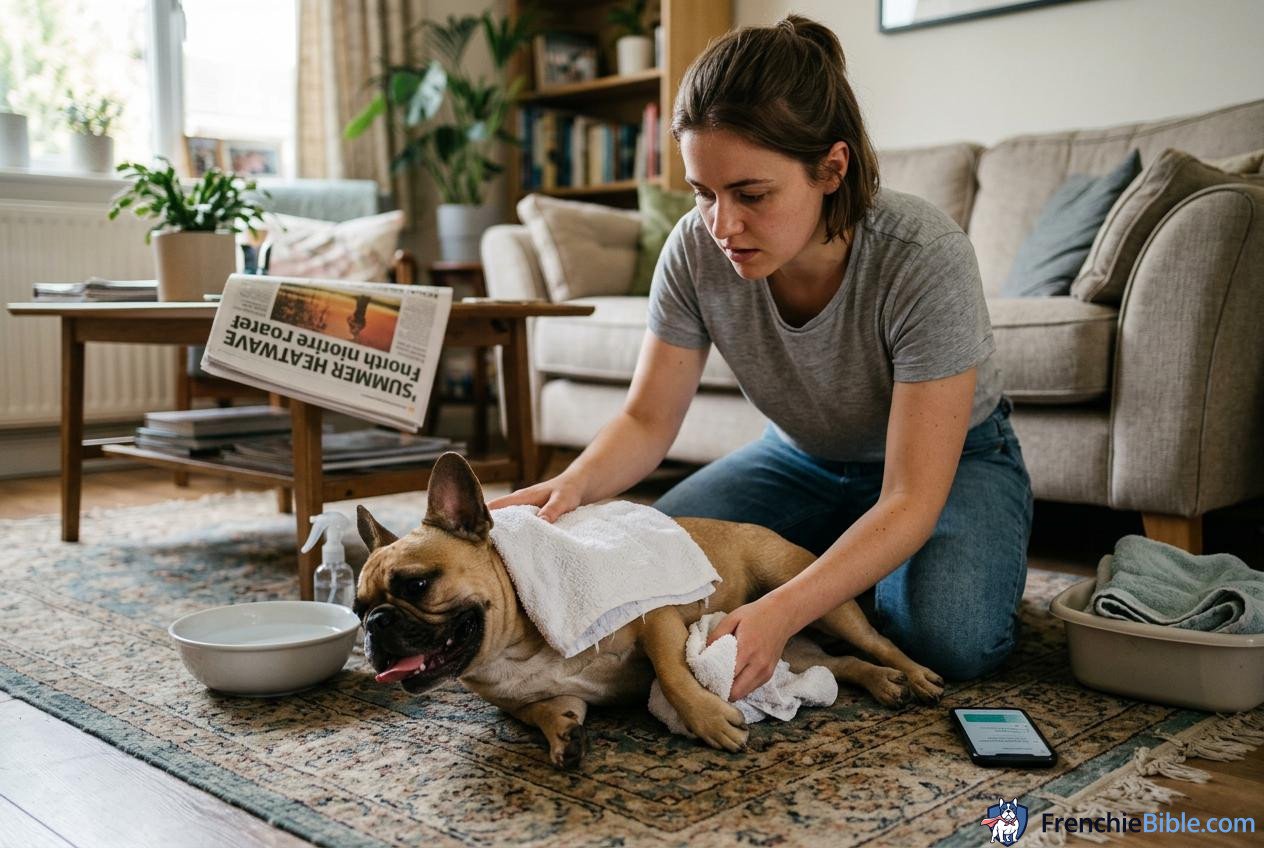
The teething timeline for a French Bulldog generally follows a predictable pattern, though individual puppies may vary slightly. Understanding this timeline will help you anticipate when the chewing urge will be at its peak and when you need to be most vigilant.
- The Arrival of Baby Teeth (2 to 4 Weeks): When French Bulldog puppies are born, they are completely toothless. Around two to four weeks of age, their deciduous teeth, commonly known as milk teeth or baby teeth, begin to erupt through the gums. These teeth are famously sharp, needle-like, and primarily used for learning bite inhibition during play with their littermates. There are exactly 28 baby teeth in total. At this stage, they are usually still with the breeder, transitioning from nursing to soft puppy mash.
- The Teething Begins (12 to 16 Weeks): By the time you bring your puppy home—usually around 8 to 10 weeks of age—they will have a full set of baby teeth. However, the real teething process begins between 12 and 16 weeks (3 to 4 months) of age. This is when the permanent adult teeth start developing in the jawbone and pushing upward, causing the baby teeth to loosen and eventually fall out. This process causes significant pressure and inflammation in the gums, driving the puppy to chew obsessively to relieve the discomfort.
- Peak Teething Phase (4 to 5 Months): The months of four and five are typically the most intense part of the teething phase. The larger molars and premolars are pushing through, which can be particularly painful for the puppy. This is often the time when owners report the most destructive chewing behavior.
- The Final Adult Teeth (6 to 8 Months): By six to eight months of age, the vast majority of French Bulldogs will have lost all 28 of their baby teeth, which are replaced by a complete set of 42 permanent adult teeth. Once all adult teeth have fully erupted and settled into the jaw, the frantic, pain-driven teething phase generally subsides, although some adolescent chewing behavior may persist for a few more months as they explore their environment.
Signs and Symptoms Your Frenchie is Teething
How do you know when the intense teething phase has begun? Your French Bulldog will likely exhibit several noticeable signs and symptoms. Being aware of these indicators allows you to proactively manage their environment and provide appropriate relief.
- Excessive Chewing and Biting: This is the most obvious sign. Your puppy will try to gnaw on furniture, shoes, hands, ankles, rugs, and anything else they can get their mouth around. The chewing provides counter-pressure against the erupting adult teeth, which temporarily numbs the pain in their gums.
- Drooling (Ptyalism): While French Bulldogs are not typically excessive droolers compared to some mastiff breeds, you may notice an increase in saliva production during the teething phase. The inflammation in the gums can stimulate the salivary glands.
- Swollen Red, or Bleeding Gums: If you gently lift your puppy’s lip, you may notice that their gums look red, puffy, and inflamed, particularly in the areas where new teeth are pushing through. It is also completely normal to see small specks of blood on their chew toys or ropes.
- Finding Lost Baby Teeth: You might occasionally find a tiny, hollow-looking baby tooth on the floor, in their bed, or near their food bowl. However, do not be alarmed if you never find a single tooth. Most puppies simply swallow their baby teeth while eating or chewing, which is perfectly safe and natural.
- Changes in Eating Habits: The discomfort in their mouths can sometimes make eating kibble painful. You may notice your puppy hesitating to eat hard food, eating much slower than usual, or even skipping a meal.
- Fussiness Whining, and Irritability: Just like a human infant, a teething puppy is often uncomfortable, achy, and grumpy. They may whine more than usual, have trouble settling down for a nap, or act slightly more reactive.
- Mild Fever or Gastrointestinal Upset: Occasionally, the stress and inflammation of teething can cause a very mild, transient fever or slightly loose stools. However, if your puppy has severe diarrhea, vomiting, or a high fever, you must consult a professional immediately, as these are not normal teething symptoms.
Why the “Land Shark” Phase is So Dangerous
The danger of the teething phase lies in the combination of a puppy’s intense drive to chew and their complete lack of understanding regarding what is safe and what is hazardous. To a teething Frenchie, an electrical cord is just a satisfyingly rubbery chew toy, a toxic plant is a fascinating leafy snack, and a bottle of bleach is an interesting plastic object to gnaw open.
Furthermore French Bulldogs are a brachycephalic (flat-faced) breed. Their unique anatomy means they already face potential respiratory challenges. If they chew on something hazardous, inhale a toxic fume, or swallow a foreign object that obstructs their airway, the situation can escalate to a life-threatening emergency much faster than in a dog with a longer snout.
Because we cannot reason with a puppy or explain the dangers of the modern world to them, the responsibility falls entirely on us as owners to actively manage their environment. This means getting down on our hands and knees to see the world from their perspective and systematically eliminating or blocking access to every conceivable hazard.
Electrical Hazards: Puppy-Proofing Cords and Cables
In our modern, heavily connected lives, electrical cords are ubiquitous. We have power cords for lamps, chargers for smartphones and laptops, thick cables for televisions and entertainment systems, and extension cords running behind furniture. For a teething puppy, these cords are incredibly tempting.
The Hidden Danger of Chewing Wires
The risks associated with a puppy chewing on an electrical cord are severe and multifaceted.
- Electrocution: The most immediate and terrifying danger is electrocution. If a puppy’s sharp teeth pierce the protective rubber or plastic insulation and make contact with the live wires inside, the resulting electrical shock can be fatal. The shock can disrupt the heart’s normal rhythm, causing cardiac arrest.
- Burns: Even if the shock is not fatal, the electricity can cause severe, deep tissue burns in the puppy’s mouth, lips, tongue, and gums. These electrical burns are excruciatingly painful, require extensive treatment, and can cause permanent tissue damage or disfigurement.
- Pulmonary Edema: A lesser-known but equally dangerous consequence of an electrical shock is non-cardiogenic pulmonary edema. The electrical current passing through the body can cause the blood vessels in the lungs to leak fluid, leading to a rapid accumulation of fluid in the air sacs. The puppy literally begins to drown in their own fluids, struggling to breathe. This condition can develop hours after the initial shock and requires immediate, intensive care.
- Foreign Body Obstruction: Aside from the electricity itself, the physical components of the cord pose a risk. If the puppy chews off pieces of the rubber insulation, the copper wire, or the plastic plug casing and swallows them, these materials can cause severe gastrointestinal blockages or perforations.
Practical Ways to Hide and Protect Cords
Puppy-proofing your cords requires a combination of concealment, physical barriers, and deterrents. Here is a comprehensive strategy:
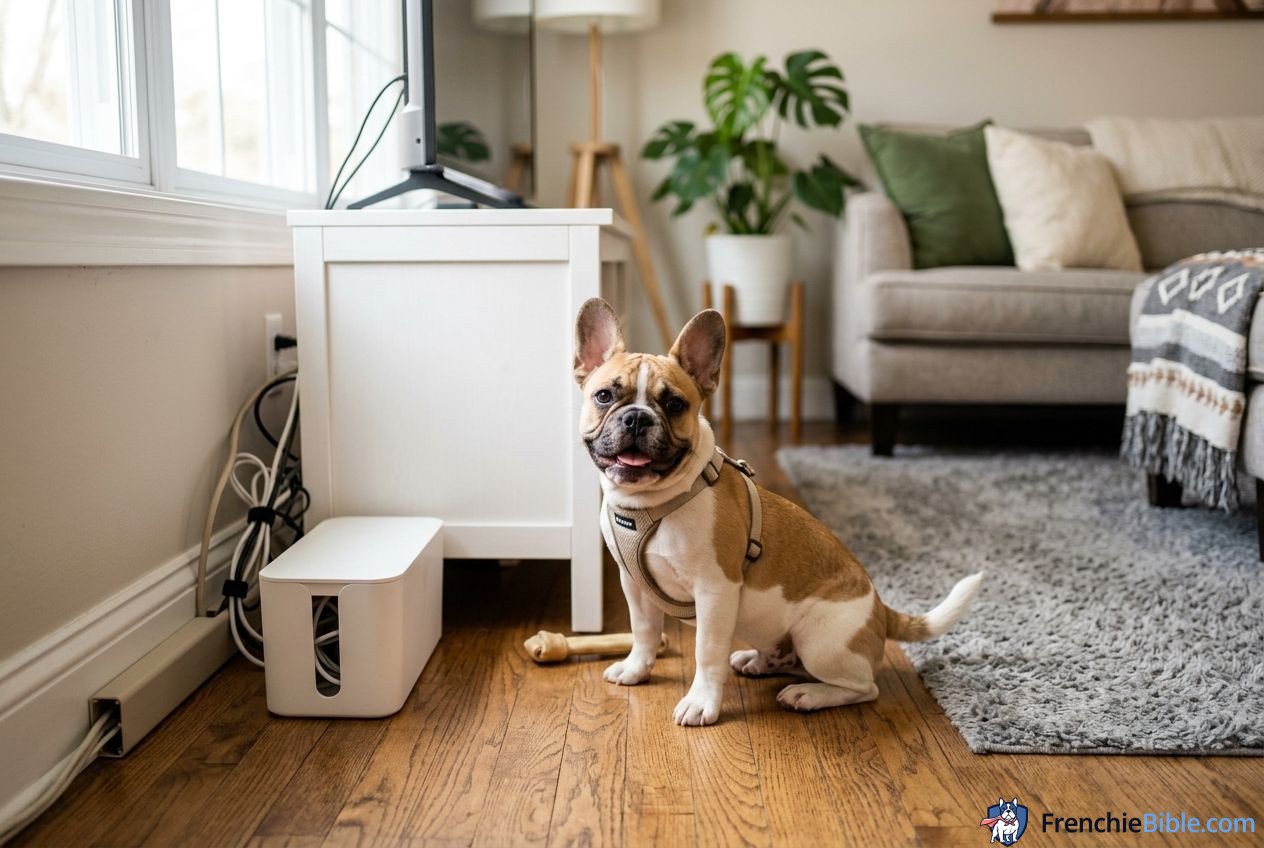
- Cord Concealers and Raceways: One of the most effective solutions is to use rigid plastic or PVC cord concealers, often called raceways or cord covers. These attach to your baseboards or walls (often with adhesive backing) and completely encase the wires. Because they are hard and flat against the wall, puppies cannot get their mouths around them to chew.
- Flexible Spiral Cable Wrap: For areas where you have multiple cords bundled together, such as behind a television stand or a computer desk, use heavy-duty, flexible spiral cable wrap or split wire loom tubing. While this does not make the cords completely inaccessible, the thick, hard plastic is highly unappealing to chew on and adds a tough layer of protection.
- Furniture Blockades: The simplest solution is often the best. Rearrange your furniture to block access to electrical outlets and the cords plugged into them. Push sofas, bookcases, and heavy cabinets flush against the wall so the puppy cannot squeeze behind them to reach the hidden wires.
- Unplug and Store: Get into the strict habit of unplugging appliances and chargers immediately after use. Do not leave your laptop charger trailing across the living room floor. When you are finished charging your phone, unplug the cord and put it away in a drawer or a high cabinet. If a cord is not accessible, it cannot be chewed.
- Cord Shorteners: For appliances that must remain plugged in but have excessively long cords (like a lamp), use cord shorteners, zip ties, or velcro straps to bundle the excess length. Keep the bundled cord elevated off the floor, perhaps taped behind the furniture piece.
- Taste Deterrents (Bitter Apple Spray): As a secondary line of defense, you can treat exposed cords with a specialized, pet-safe taste deterrent, such as Bitter Apple spray or a similar product containing bittering agents like denatonium benzoate. The horrific taste is designed to repel the puppy the moment they take a bite. However, do not rely on this as your primary defense. Some puppies are remarkably tolerant of bitter tastes, or the spray may wear off over time. It should only be used in conjunction with physical barriers.
Providing Safe Chewing Alternatives
The most effective way to stop a puppy from chewing on cords is to provide them with highly attractive, safe alternatives. When they have something better to chew on, the cords lose their appeal.
- Durable Rubber Toys: Invest in heavy-duty rubber chew toys designed specifically for teething puppies (like KONG toys). These are tough enough to withstand sharp puppy teeth without breaking into dangerous shards.
- Freezing Toys for Relief: Cold temperatures naturally numb inflamed gums. You can place rubber toys in the freezer before giving them to your puppy. You can also soak a clean, twisted washcloth in water (or low-sodium chicken broth), freeze it solid, and let the puppy chew on it. Always supervise washcloth chewing to ensure they don’t swallow large pieces of fabric.
- Edible Dental Chews: High-quality, digestible dental chews can provide temporary relief and keep the puppy occupied. Ensure they are size-appropriate and always supervise your Frenchie while they are consuming any edible chew. Avoid overly hard items like cooked bones or hard antlers, which can actually fracture teeth.
Toxic Plants and Indoor Flora
Many people enjoy keeping indoor plants to improve air quality and add a touch of nature to their homes. However, a significant number of common, beautiful houseplants are highly toxic, and in some cases, deadly to dogs. Teething puppies are naturally curious and often explore by taking a bite out of a low-hanging leaf or digging in the potting soil.
Common Houseplants That Are Toxic to Frenchies
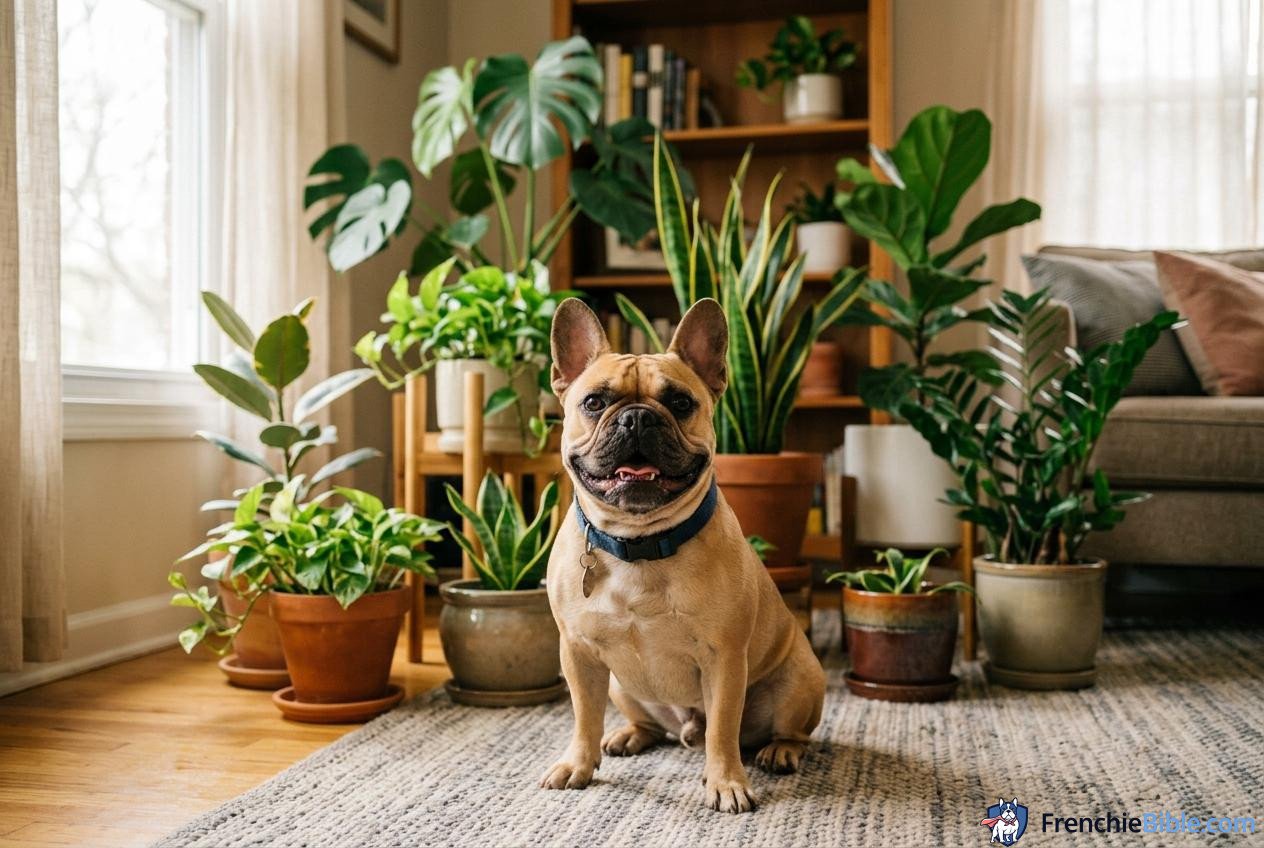
As a Frenchie owner, you must carefully audit every plant in your home. The following are among the most common and dangerous toxic plants. This is not an exhaustive list, but it highlights some of the primary offenders:
- Sago Palm (Cycas revoluta): This is arguably one of the most dangerous plants you can have around a dog. Every part of the Sago Palm is highly toxic, but the seeds (nuts) contain the highest concentration of the toxin cycasin. Ingestion causes severe liver failure, vomiting, diarrhea, seizures, and frequently results in death, even with aggressive treatment. Absolutely no Sago Palms should be anywhere near a French Bulldog.
- Lilies (Lilium and Hemerocallis species): While lilies are notoriously fatal to cats (causing acute kidney failure), they are also toxic to dogs. Ingestion of lilies (Peace Lilies Calla Lilies Easter Lilies, etc.) by a dog typically causes severe gastrointestinal upset, vomiting, diarrhea, and irritation of the mouth and throat.
- Dieffenbachia (Dumb Cane) and Philodendron: These popular, leafy green plants contain insoluble calcium oxalate crystals. When a puppy chews on the leaves or stems, these microscopic, needle-like crystals embed themselves in the tissues of the mouth, tongue, and throat. This causes intense, immediate burning, extreme pain, profuse drooling, and severe swelling. In severe cases, the swelling can become so pronounced that it obstructs the dog’s airway, which is particularly dangerous for a brachycephalic Frenchie.
- Aloe Vera: While the gel inside the leaves is often used topically for minor human burns, the outer edges of the Aloe leaf contain saponins and aloin. If ingested by a dog, these compounds cause vomiting, lethargy, and severe diarrhea.
- Pothos (Devil’s Ivy): Similar to Dieffenbachia Pothos contains calcium oxalate crystals. Chewing on this trailing plant will cause severe oral irritation, swelling of the mouth and tongue, drooling, and difficulty swallowing.
- Tulips Daffodils, and Hyacinths (Spring Bulbs): The toxins in these plants are most highly concentrated in the bulb itself, though the flowers and leaves are also toxic. If a puppy digs up and chews on a bulb, it can cause severe tissue irritation in the mouth and esophagus, intense vomiting, diarrhea, changes in heart rate, and cardiac arrhythmias.
- Oleander: This outdoor shrub is sometimes brought indoors in colder climates. It is exquisitely toxic. It contains cardiac glycosides that directly affect the heart muscle, causing fatal arrhythmias, severe vomiting, and neurological signs.
Safe Alternatives for Plant Lovers
You do not have to give up your love of indoor greenery when you bring a Frenchie puppy home. There are many beautiful, non-toxic plants that are perfectly safe to have around dogs.
- Spider Plant (Chlorophytum comosum): Easy to grow, excellent at purifying the air, and completely non-toxic to dogs.
- Boston Fern (Nephrolepis exaltata): A lush, classic houseplant that poses no threat to your puppy.
- Areca Palm (Dypsis lutescens): Unlike the deadly Sago Palm, the Areca Palm is safe and adds a wonderful tropical feel to a room.
- Calathea (Prayer Plant): Known for its beautifully patterned leaves, this plant is safe for curious sniffers and chewers.
- Peperomia: A diverse genus of small, sturdy plants that are non-toxic and easy to care for.
- Haworthia and Echeveria (Safe Succulents): If you love the look of Aloe but want a safe alternative, many types of succulents, such as Haworthia (which looks similar to a small Aloe) and Echeveria, are non-toxic.
A Crucial Note on Fertilizers and Soil: Even if a plant itself is non-toxic, the soil it sits in might be dangerous. Many commercial potting soils contain fertilizers, perlite, vermiculite, or even cocoa bean mulch (which contains theobromine, the same toxin found in chocolate). Furthermore, puppies often like to dig in the dirt, creating a massive mess and potentially ingesting harmful chemicals or bacteria. Always ensure pots are elevated or covered (e.g., with large, heavy river stones) so the puppy cannot access the soil.
What to Do If Your Puppy Ingests a Plant
Time is of the essence if you suspect your Frenchie has eaten a toxic plant.
- Identify the Plant: Quickly and accurately identify exactly what plant they ate. Take a clear photograph of the plant, focusing on the leaves, stem, and any flowers.
- Estimate the Amount: Try to determine how much of the plant they ingested and which parts (leaves, stems, roots, bulbs).
- Do Not Induce Vomiting Unless Instructed: Never try to force your dog to vomit using home remedies like hydrogen peroxide or salt unless explicitly directed to do so by a professional. Some plant toxins are caustic and can cause severe damage as they come back up the esophagus.
- Contact Professionals Immediately: Call a local emergency animal clinic or a dedicated animal poison control center right away. Provide them with the plant identification, the puppy’s weight, age, and any symptoms they are currently exhibiting. Follow their instructions exactly.
Hazardous Chemicals and Cleaning Supplies
We use a vast array of chemical products to keep our homes clean, eliminate pests, and maintain our vehicles. While these products are necessary for household maintenance, they are highly concentrated poisons to a small puppy. A teething Frenchie is not looking for a snack when they chew on a bleach bottle; they are simply drawn to the texture of the plastic container. If they puncture the bottle, the results can be catastrophic.
Identifying Common Household Toxins
You must conduct a thorough inventory of every room in your house, including the kitchen, bathrooms, laundry room, and garage, to identify potential chemical hazards.
- Bleach Ammonia, and Drain Cleaners (Caustic Chemicals): These are among the most dangerous substances in a home. They are highly alkaline or highly acidic. If a puppy chews open a container or licks up a spill, these chemicals cause immediate, severe chemical burns to the mouth, esophagus, and stomach. Ingestion can cause devastating, irreversible tissue damage, ulceration, and frequently leads to fatal complications.
- Antifreeze (Ethylene Glycol): Antifreeze is uniquely dangerous because it has a sweet taste that dogs find appealing. It is extremely lethal. Even a tiny amount licked off a garage floor can cause acute, irreversible kidney failure. The initial symptoms (drunkenness, lethargy) often quickly progress to severe kidney damage and death.
- Rodenticides (Rat and Mouse Poison): These products are designed to kill, and they do not differentiate between a rat and a puppy. Different types of rodenticides work in different ways—some cause internal bleeding (anticoagulants), some cause swelling of the brain (bromethalin), and others cause kidney failure (cholecalciferol). All are life-threatening emergencies.
- Laundry Detergent Pods: These colorful, squishy pods look remarkably like toys to a puppy. They contain highly concentrated detergents enclosed in a water-soluble membrane. When a puppy bites down on a pod, the membrane dissolves instantly, shooting the concentrated, caustic detergent directly into the mouth, throat, and lungs, causing severe respiratory distress and chemical burns.
- Insecticides and Ant Baits: While generally less lethal than rodenticides, chemical sprays and ant bait stations still contain toxins that can cause significant gastrointestinal upset, tremors, and neurological symptoms in a small puppy.
- Human Medications: While not a cleaning chemical, human medications (both prescription and over-the-counter like ibuprofen, acetaminophen, and antidepressants) are a major cause of puppy poisoning. A dropped pill on the floor or a chewed-open pill bottle can quickly lead to fatal organ failure or seizures.
Secure Storage Solutions
The only foolproof way to protect your puppy from household chemicals is absolute, impenetrable restriction of access.
- High Shelving is Essential: Never store toxic chemicals under the kitchen or bathroom sink, even if you think the doors are heavy. Teething puppies are persistent and can learn to nudge doors open. Move all bleach, drain cleaners, laundry pods, and heavy-duty cleaners to high, sturdy shelves in cabinets that are completely out of reach.
- Install Child-Proof Locks: If you absolutely must store some cleaning supplies in lower cabinets, you must install high-quality, magnetic, or latch-style child-proof locks on those cabinet doors. Do not rely on flimsy plastic sliding locks; a determined Frenchie can often force those open.
- The Garage Must Be Off-Limits: The garage is typically a minefield of toxins, including antifreeze, motor oil, fertilizers, and pesticides. Unless you have meticulously puppy-proofed the entire garage (which is very difficult), it is best to make the garage a completely restricted zone for your puppy. Ensure the door leading to the garage is always securely closed and locked.
- Secure Trash Cans: Puppies will gladly go “dumpster diving” for interesting smells. They can ingest discarded chemical wipes, empty cleaner bottles with residual poison, or toxic food scraps. Invest in heavy, high-quality trash cans with secure, locking lids for the kitchen, bathrooms, and laundry room.
Switching to Pet-Safe Cleaners
While some heavy-duty chemicals are unavoidable, you can significantly reduce the overall toxic load in your home by switching to pet-safe alternatives for daily cleaning tasks.
- Enzymatic Cleaners: For cleaning up puppy accidents (urine or feces), enzymatic cleaners (like Nature’s Miracle) are not only safer but far more effective than bleach or ammonia. They use biological enzymes to completely break down the proteins in the waste, eliminating the odor rather than just masking it, which helps prevent the puppy from re-soiling the area.
- Vinegar and Baking Soda: For general surface cleaning, a simple mixture of white vinegar and water, or a paste made of baking soda and water, is highly effective, cheap, and completely non-toxic to your dog.
- Commercial Pet-Safe Brands: There are now many commercial cleaning brands that formulate their products using plant-based, non-toxic ingredients specifically designed to be safe around pets and children. Look for products that explicitly state they are non-toxic and pet-safe.
General Home Safety Tips During Teething
Beyond the specific hazards of cords, plants, and chemicals, managing a teething French Bulldog requires a holistic approach to home safety and puppy management.
Using Crates and Playpens Effectively
You cannot supervise a puppy 24 hours a day. When you are sleeping, working, or simply need to take a shower, you must have a completely safe, enclosed space for your puppy.
- Crate Training: A properly introduced crate is not a cage; it is a safe den. When you cannot directly supervise your puppy, they should be resting comfortably in their crate. This guarantees they cannot access cords, chemicals, or furniture. Ensure the crate contains only safe, durable chew toys (no soft bedding that can be shredded and swallowed during this phase).
- Exercise Pens (Playpens): If you will be gone for slightly longer periods and want to give the puppy more room to move, a sturdy metal exercise pen set up in a puppy-proofed area (like a kitchen with hard floors) is an excellent solution. You can place their bed, a water bowl, and safe toys inside the pen, ensuring they have a secure environment that restricts access to the rest of the house.
Supervision and Redirection
Active supervision is your greatest tool. When the puppy is out of their crate or pen, you must have your eyes on them.
- The “Umbilical Cord” Method: If you are busy cooking or doing chores but want the puppy out, tether them to your waist using a leash. This keeps them within a six-foot radius of you at all times, preventing them from wandering into a different room and finding a hazard to chew on.
- Redirection is Key: When you catch your puppy chewing on the baseboard, a rug, or the sofa leg, do not just yell at them. They are chewing because they need to chew. Interrupt the behavior with a sharp but calm noise (like “Ah-ah!”), immediately remove them from the inappropriate item, and enthusiastically offer them a highly valuable, safe chew toy. When they take the safe toy, praise them profusely. You are teaching them what is appropriate to chew on, rather than just telling them what not to do.
Toy Rotation to Keep Them Engaged
Puppies get bored easily. If they have the exact same three toys available all day, every day, those toys will quickly lose their appeal, and the baseboards will start looking interesting again.
- Build a Toy Library: Invest in 10 to 15 different, high-quality, safe chew toys of varying textures (hard rubber, softer rubber, nylon, textured bones).
- Rotate Daily: Only leave 3 or 4 toys out at a time. Every day or two, pick up those toys, wash them, and put them away, bringing out a “new” set of 3 or 4 toys from the library. This constant rotation keeps the toys novel and exciting, maintaining the puppy’s interest and directing their chewing energy away from your belongings and toward safe items.
Conclusion
The teething phase is undeniably a challenging period in your French Bulldog’s life, requiring constant vigilance, endless patience, and a significant amount of preventative management. It is a time when your home must be viewed through the lens of a tiny, curious creature driven by an intense need to chew.
By taking the time to thoroughly understand the timeline of teething, meticulously puppy-proofing electrical cords, removing or securing toxic plants, and locking away all hazardous chemicals, you are creating a fortress of safety for your puppy. Remember that this phase, while intense, is temporary. With proactive management, consistent redirection, and a heavy reliance on safe containment like crates and playpens, you and your Frenchie will survive the “land shark” months. Your reward will be a healthy, well-adjusted adult French Bulldog with a beautiful set of permanent teeth, ready to share years of joy and companionship with you.
Frequently Asked Questions (FAQ)
Q1: Is it normal for my teething French Bulldog to sleep more than usual?
Yes, it is quite common. Teething is a physiological stressor that causes inflammation and discomfort. Just like human babies, puppies may require extra sleep to recover from the pain and the energy expended during intense chewing sessions. Ensure they have a quiet, comfortable, and safe place to rest uninterrupted.
Q2: I found a small amount of blood on my puppy’s chew toy. Should I be panicked?
No, a small amount of blood is entirely normal. As the sharp adult teeth push through the gums and the baby teeth fall out, minor bleeding occurs. You may see pink tinges on their ropes or rubber toys. However, if the bleeding is heavy, continuous, or accompanied by severe swelling or a foul odor from the mouth, you should seek professional assessment.
Q3: My Frenchie is trying to chew on the metal bars of their crate. How do I stop this?
Chewing on metal is extremely dangerous as it can fracture or break their developing teeth. First, ensure they have plenty of high-value, safe chew toys inside the crate with them. If the behavior persists, you may need to apply a taste deterrent (like Bitter Apple) directly to the bars they are targeting, or temporarily switch to a hard-sided plastic travel crate that offers fewer chewing opportunities.
Q4: Can I give my teething puppy ice cubes to chew on?
Yes, plain ice cubes are generally a safe and effective way to soothe inflamed gums. The cold temperature provides temporary numbing relief. However, always supervise them. For very small puppies, it is best to offer crushed ice or ice shavings to eliminate any potential choking hazard associated with a large, solid cube.
Q5: How long does the intense “land shark” biting phase usually last?
The most intense, frantic chewing and biting usually peaks between 4 and 5 months of age when the large molars are erupting. By the time they reach 6 to 7 months old, all adult teeth are usually in place, and the severe, pain-driven chewing subsides. Continued chewing after this point is typically related to boredom, lack of exercise, or habit, rather than teething pain, and requires behavioral training.
Disclaimer: Please note that the information provided in this article is based entirely on my ten years of experience in French Bulldog breeding and daily care management. I am not a licensed veterinarian, and I do not possess any formal medical qualifications. The content shared here is intended for informational and educational purposes only and should never be considered a substitute for professional, licensed veterinary advice, diagnosis, or treatment. If your French Bulldog ingests a toxic substance, suffers an electrical shock, or exhibits signs of severe distress or illness, you must seek immediate emergency medical care from a qualified veterinarian.