
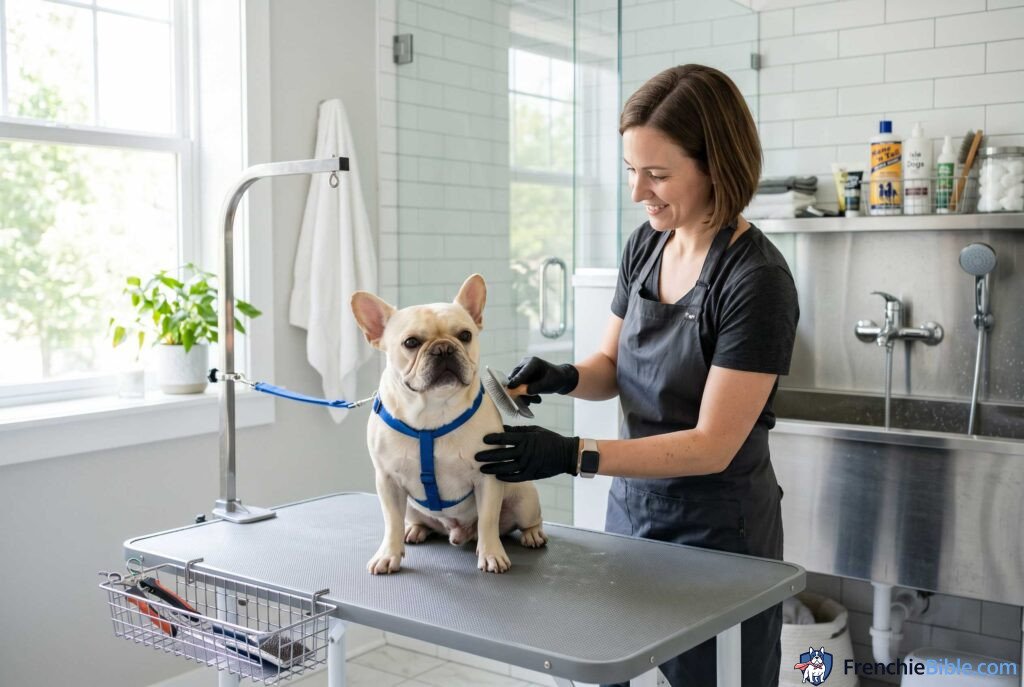
Introduction to the Frenchie Breath Phenomenon
If you share your life with a French Bulldog, you are likely familiar with their irresistible charm, their clownish antics, their affectionate snuggles, and—quite possibly—their less-than-pleasant breath. While Frenchies are known for many delightful quirks, “doggy breath” that clears a room is not a trait you should simply accept as a breed standard. In fact, bad breath, medically known as halitosis, is often the first visible (or rather, smellable) sign of a hidden and potentially severe health issue brewing beneath your dog’s gum line.
as a French Bulldog expert and breeder and seasoned breeder, I have seen thousands of Frenchies come through my breeding program doors. Time and time again, concerned owners complain about their dog’s foul breath, attributing it to “just something dogs have.” I am here to dispel that myth. Healthy dogs do not have revolting breath. When your Frenchie breathes on you and you find yourself turning away in disgust, your dog is sending you an urgent distress signal.
Related Reading: Training & Behavior | Frenchie Puppy Guide | Best Food for Frenchies
In the vast majority of cases, the primary culprit behind this pungent odor is periodontal disease, specifically driven by the relentless accumulation of plaque and tartar on the teeth. However, the unique anatomy of the French Bulldog makes them uniquely susceptible to dental issues, requiring a specialized, proactive approach to oral hygiene.
This comprehensive guide is designed to be your ultimate resource for understanding, preventing, and treating bad breath in French Bulldogs. We will delve deep into the mechanics of tartar formation, the unique challenges of the brachycephalic jaw, what to expect during professional veterinary dental cleanings, and, most importantly, provide an exhaustive, step-by-step tutorial on how to establish a successful daily brushing routine at home. Your Frenchie’s health, longevity, and quality of life depend heavily on the state of their mouth. Let us embark on this journey to ensure your furry companion has a healthy, pain-free, and fresh-smelling smile.
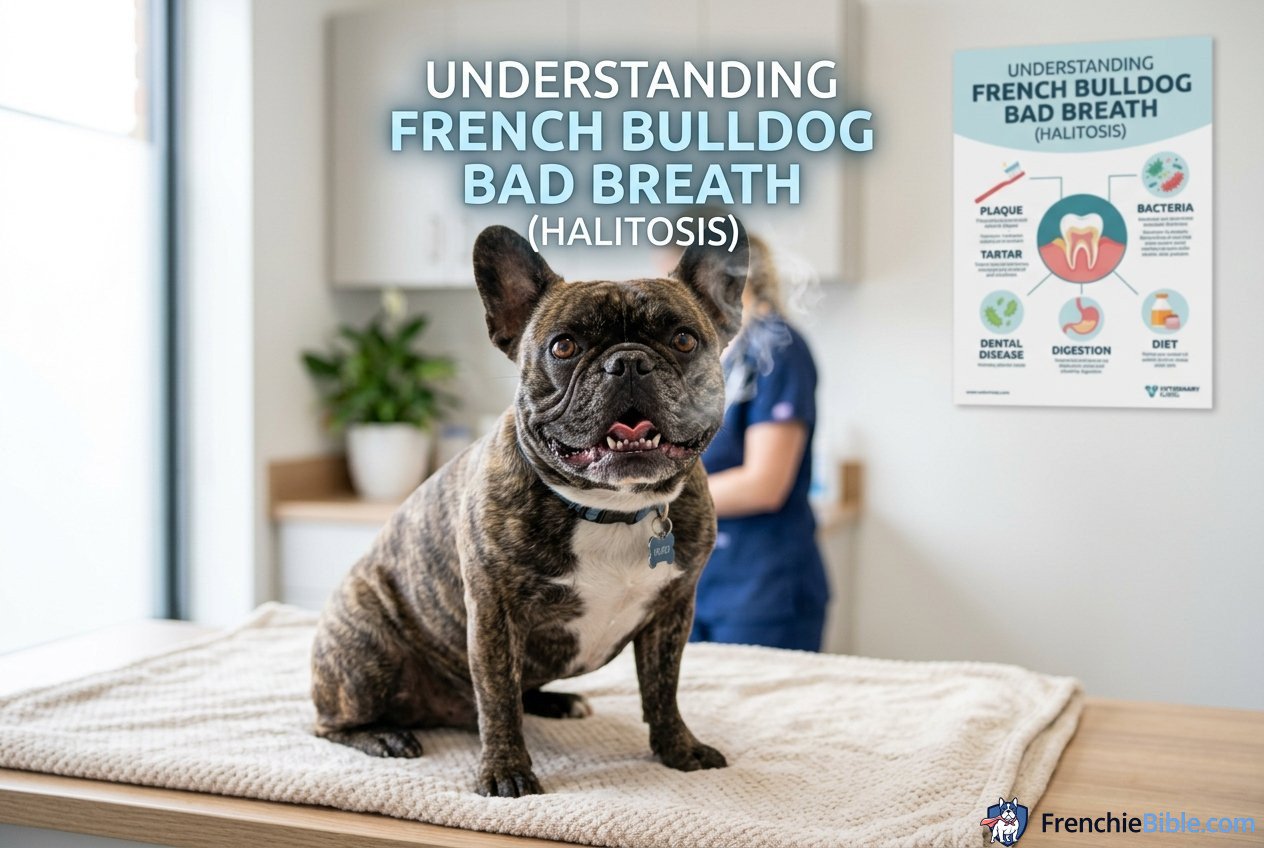
Understanding French Bulldog Bad Breath (Halitosis)
To truly combat your Frenchie’s bad breath, we must first understand what causes it. Bad breath is not an independent disease; it is a clinical symptom. Just as a fever indicates an infection somewhere in the body, halitosis indicates an underlying abnormality, most commonly residing within the oral cavity.
The Unique Anatomy of a Frenchie’s Mouth
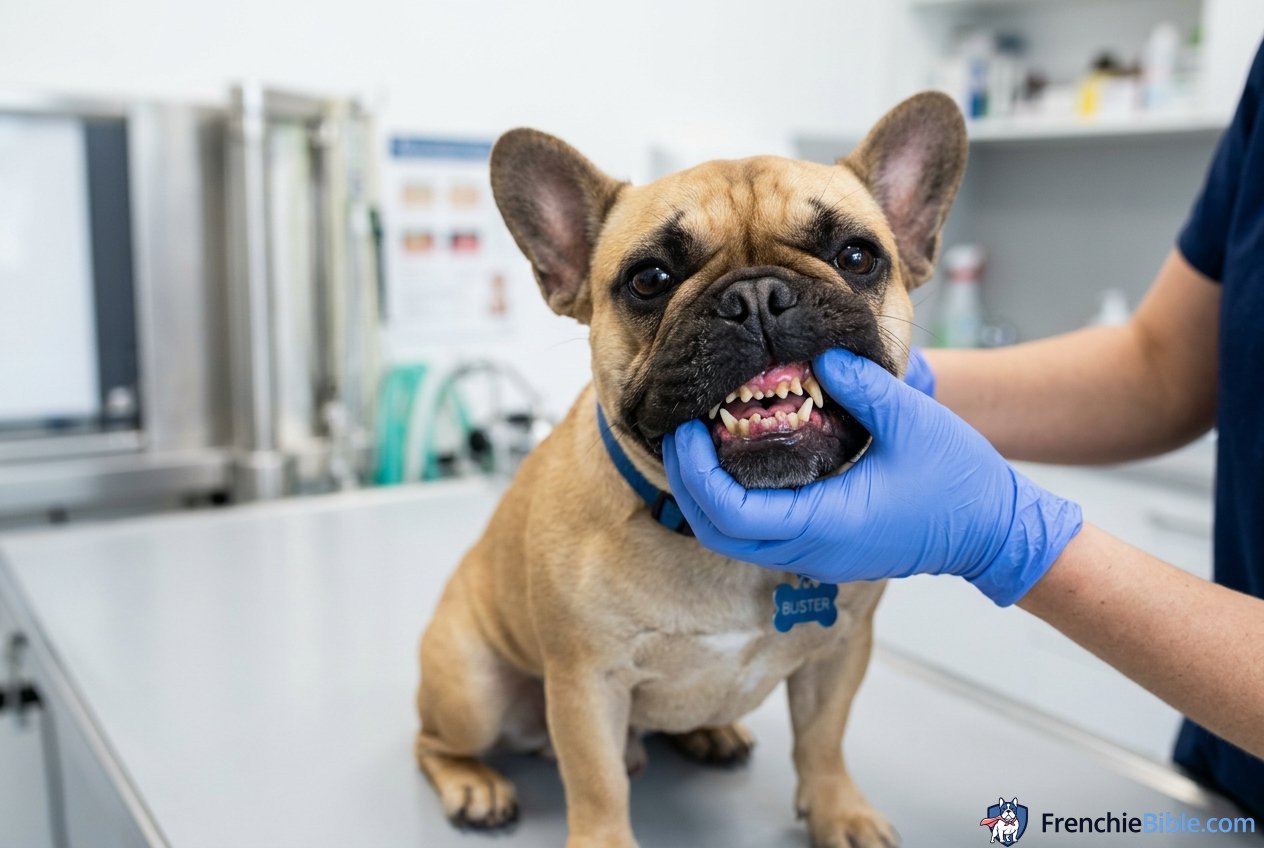
French Bulldogs are a brachycephalic breed. This means they have been bred to have shortened snouts and flat faces. While this gives them their signature adorable look, it creates a logistical nightmare inside their mouths.
A dog typically has 42 permanent adult teeth. In a dog with a standard snout length, like a Labrador or a German Shepherd, these 42 teeth are evenly spaced along the upper and lower jawbones (maxilla and mandible). However, a French Bulldog still has those exact same 42 teeth, but they are crammed into a significantly shortened jaw space.
This anatomical overcrowding leads to several critical issues:
1. Overlapping and Rotation: Teeth are forced to overlap, twist, and grow at abnormal angles.
2. Trapped Debris: The tight spaces between overcrowded teeth act as perfect traps for food particles, hair, and bacteria.
3. Reduced Self-Cleaning: Normally, the mechanical action of chewing and the flow of saliva help naturally clean the teeth. In a crowded brachycephalic mouth, this self-cleaning mechanism is severely compromised.
4. Malocclusion: Frenchies almost always have an underbite (malocclusion), meaning their upper and lower teeth do not align properly. This affects how they chew their food and further contributes to uneven wear and plaque buildup.
Because of this unique and challenging anatomy, a French Bulldog’s mouth is an ideal breeding ground for the very bacteria that cause bad breath and periodontal disease.
The Mechanism of Odor Production
The foul odor you smell when your Frenchie pants in your face is the result of bacterial activity. The mouth is naturally full of bacteria. When food particles remain trapped between the crowded teeth of a Frenchie, these bacteria begin to feed on the sugars and proteins in the food.
As the bacteria metabolize these remnants, they produce volatile sulfur compounds (VSCs), primarily hydrogen sulfide and methyl mercaptan. These are the exact same chemical compounds responsible for the smell of rotten eggs and skunk spray. When these VSCs build up in your dog’s mouth, they are expelled with every exhalation, resulting in what we commonly call “bad breath.”
The Primary Culprit: Plaque and Tartar Accumulation
While there are several potential causes of bad breath, dental disease accounts for over 80% of cases in dogs, and French Bulldogs are at the top of the risk list. The progression of dental disease is a step-by-step process that begins with plaque.
What is Plaque?
Plaque is a soft, sticky, colorless film of bacteria that constantly forms on your dog’s teeth. It begins developing within hours after eating. Plaque is relatively easy to remove with the mechanical action of brushing. This is why daily brushing is so critical—it physically wipes away the plaque before it has a chance to harden.
The Transformation into Tartar (Calculus)
If plaque is not removed within 24 to 48 hours, the minerals present in your dog’s saliva (primarily calcium and phosphorus) begin to bind with the plaque. This calcification process turns the soft plaque into a hard, porous, yellow or brown substance known as tartar or dental calculus.
Once tartar forms, it is impossible to remove with a toothbrush alone. It bonds fiercely to the enamel of the tooth. Tartar has a rough, porous surface, which provides an even better environment for more plaque to attach to, creating a vicious, accelerating cycle of accumulation.
The Hidden Dangers of Periodontal Disease
Tartar accumulation is not just a cosmetic issue, nor is bad breath its only consequence. Tartar buildup pushes against the gum line, leading to inflammation—a condition known as gingivitis. The gums become red, swollen, and prone to bleeding.
If gingivitis is left untreated, the bacteria begin to invade the space beneath the gum line, attacking the periodontal ligaments and the alveolar bone that hold the teeth in place. This advanced stage is called periodontal disease.
Periodontal disease in French Bulldogs can lead to severe complications:
- Chronic Pain: Dental disease is excruciatingly painful, though dogs are masters at hiding pain. A Frenchie with severe dental disease may suffer in silence for years.
- Tooth Loss: As the bone and ligaments are destroyed, teeth become loose and eventually fall out or require surgical extraction.
- Oronasal Fistulas: In severe cases, the infection from an upper tooth root can erode through the bone into the nasal cavity, creating a hole (fistula) between the mouth and the nose, leading to chronic respiratory infections.
- Jaw Fractures: The destruction of the jawbone can weaken it so much that normal chewing can cause the jaw to fracture.
- Systemic Health Risks: The bacteria from the infected gums can enter the bloodstream and travel to major organs. Studies have definitively linked severe periodontal disease to heart valve infections (endocarditis), liver damage, and kidney failure.
When you smell bad breath, you are smelling the active infection and destruction of your dog’s oral tissues. It is a siren warning you to take immediate action.
Other Causes of Bad Breath in French Bulldogs
While plaque and tartar are the usual suspects, a thorough veterinary evaluation must rule out other potential causes of halitosis, especially if your dog’s teeth appear relatively clean.
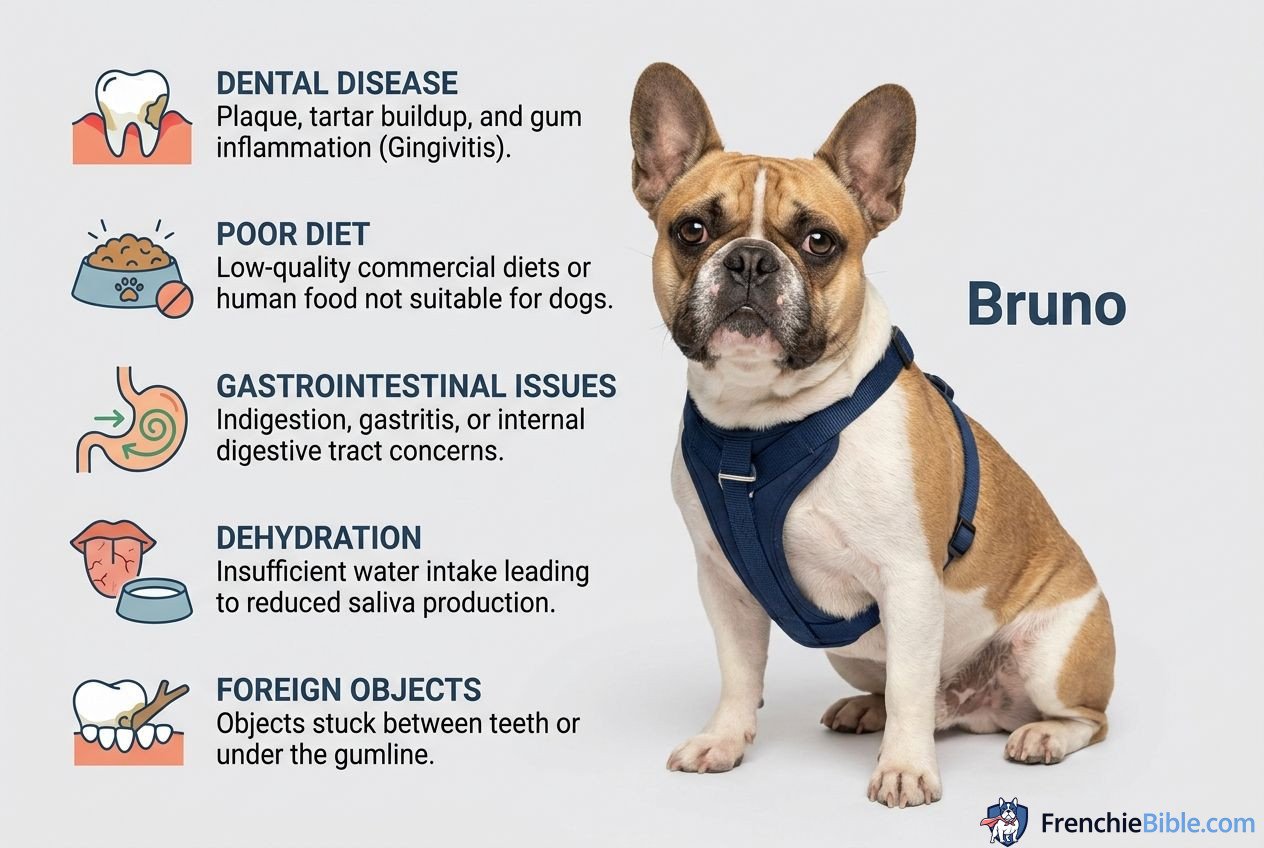
Dietary Factors and Gut Health
What goes in must come out, and sometimes the smell comes out the front end.
- Poor Quality Diet: Diets heavy in fillers, artificial additives, or low-quality proteins can disrupt the gut microbiome, leading to sour-smelling breath originating from the stomach.
- Coprophagia (Eating Poop): Unfortunately, some Frenchies develop the unsavory habit of eating feces (their own or other animals’). This directly and obviously causes terrible breath.
- Food Allergies/Sensitivities: Frenchies are prone to food allergies. Chronic gastrointestinal inflammation from allergies can lead to reflux and bad breath.
Stuck Food and Foreign Objects
Because of their curious nature and tight dental spacing, Frenchies can easily get things wedged in their mouths.
- Trapped Debris: Pieces of sticks, bones, or tough chew toys can break off and become wedged across the roof of the mouth or between teeth.
- Tissue Necrosis: If a foreign object remains lodged, the surrounding tissue can become infected and begin to rot, producing an incredibly foul, putrid odor within days.
Underlying Medical Conditions
Halitosis can be a red flag for serious systemic illnesses.
- Kidney Disease: If the kidneys fail to filter toxins effectively, urea builds up in the blood. This can cause the breath to smell strongly of ammonia or urine.
- Liver Disease: Severe liver failure can produce a distinctly musty, foul odor in the breath known as fetor hepaticus.
- Diabetes Mellitus: Unregulated diabetes can lead to a condition called diabetic ketoacidosis, which imparts a sweet, fruity, or sometimes acetone-like (nail polish remover) smell to the breath.
- Oral Tumors: French Bulldogs can develop benign or malignant masses in the mouth. As these tumors grow, parts of them can become necrotic (dead tissue) and infected, causing severe odor.
- Facial Fold Pyoderma: While not technically bad breath from the mouth, the deep wrinkles on a Frenchie’s face, particularly the rope over the nose, can harbor yeast and bacterial infections. The odor from an infected facial fold is often mistaken for bad breath.
Professional Tartar Cleaning: What to Expect
If your French Bulldog already has hardened yellow or brown tartar on their teeth, a toothbrush will not fix the problem. You must start with a clean slate, which requires a professional veterinary dental scaling and polishing under general anesthesia.
When to See the Vet
You should schedule An Experienced Breedererinary dental exam if you notice any of the following:
- Persistent bad breath
- Visible yellow or brown buildup on the teeth
- Red, swollen, or bleeding gums
- Reluctance to chew hard toys or dry kibble
- Dropping food while eating
- Pawing at the mouth or face
- Swelling under the eyes or along the jaw
The Anesthesia Concern for Brachycephalic Breeds
Many Frenchie owners are terrified of putting their dogs under anesthesia due to their brachycephalic airway syndrome (BAS). While it is true that anesthesia carries a higher risk for flat-faced breeds, avoiding necessary dental care poses a far greater risk to their overall health.
To ensure safety, your veterinarian should perform a pre-anesthetic workup, including:
1. Comprehensive Blood Panel: To check liver and kidney function to ensure the body can metabolize the anesthetic drugs.
2. ECG and Chest X-rays: To evaluate heart and lung health.
3. Customized Anesthetic Protocol: Using safer, modern anesthetics tailored for brachycephalic dogs.
4. Intubation: This is crucial. An endotracheal tube secures the airway and ensures precise oxygen delivery.
5. Continuous Monitoring: Dedicated staff monitoring heart rate, blood pressure, oxygen saturation, and temperature throughout the procedure and during recovery.
The Dental Scaling Procedure (COHAT)
A professional cleaning is properly termed a COHAT: Comprehensive Oral Health Assessment and Treatment.
- Full Mouth Radiographs (X-rays): Over 50% of dental disease occurs below the gum line. X-rays are mandatory to evaluate bone loss, root abscesses, and the health of the jawbone.
- Ultrasonic Scaling: The veterinarian uses an ultrasonic scaler to safely vibrate and shatter the hard tartar off the teeth, both above and below the gum line.
- Subgingival Curettage: Hand instruments are used to carefully scrape away plaque and tartar from the roots beneath the gums.
- Probing: Each tooth is probed to measure the depth of the periodontal pockets. Deep pockets indicate severe disease and may require the tooth to be extracted.
- Extractions (if necessary): If a tooth is hopelessly diseased, painful, or completely loose, it will be surgically extracted.
- Polishing: Scaling leaves microscopic scratches on the enamel. Polishing smooths the surface, making it much harder for new plaque to attach.
Post-Cleaning Care and Recovery
After a dental procedure, especially if extractions were performed, your Frenchie will need some TLC.
- Soft Diet: Feed canned food, softened kibble, or boiled chicken and rice for 7-10 days to allow the gums to heal.
- Pain Management: Your vet will prescribe pain medications and anti-inflammatories. Administer them exactly as directed.
- Antibiotics: May be prescribed if there was significant infection.
- No Hard Chews: Remove all hard toys, bones, and antlers for at least two weeks.
The Daily French Bulldog Brushing Tutorial
Once your Frenchie has a clean, healthy mouth—either because they are a young puppy or they just had a professional COHAT—the responsibility falls on you to maintain it. Daily brushing is the single most effective way to prevent tartar buildup, periodontal disease, and bad breath.
Here is your comprehensive guide to mastering the art of brushing a French Bulldog’s teeth.
Choosing the Right Tools
Do not use human dental products on your dog. Human toothpaste contains fluoride and xylitol, both of which are highly toxic to dogs.
1. The Toothbrush:
- Finger Brushes: These are excellent for beginners. They fit over your index finger and have soft rubber bristles. They allow you to feel exactly where you are rubbing in the crowded Frenchie mouth.
- Pet-Specific Toothbrushes: These have an angled head and softer bristles. For a French Bulldog, choose a small or medium-sized brush to fit comfortably in their limited cheek space.
- Child’s Soft Toothbrush: A soft-bristled baby toothbrush can also work well due to its small size.
2. The Toothpaste:
- Enzymatic Pet Toothpaste: This is non-negotiable. Pet toothpaste is formulated to be swallowed safely. Furthermore, enzymatic toothpaste contains active enzymes (like glucose oxidase and lactoperoxidase) that actively break down the chemical bonds of plaque, even if your mechanical brushing isn’t perfect.
- Flavor Matters: Choose a flavor your dog loves. Poultry, beef, peanut butter, or malt flavors are usually big hits.
Overcoming Resistance: Training Your Frenchie to Love Brushing
If you try to jam a toothbrush into an adult Frenchie’s mouth on day one, you will end up wrestling an angry, snorting little piglet, and you will both hate the experience. Gradual desensitization is the key to success.
Phase 1: The Taste Test (Days 1-3)
- Pick a quiet time when your dog is relaxed.
- Squeeze a pea-sized amount of enzymatic toothpaste onto your clean finger.
- Let your Frenchie lick it off. Praise them enthusiastically.
- Repeat this daily. The goal is to make them view the toothpaste as a high-value treat.
Phase 2: Touching the Muzzle (Days 4-7)
- Put toothpaste on your finger. Let them lick it.
- While they lick, gently lift their upper lip with your other hand. Do not force their mouth open. Just handle the lips and muzzle.
- Praise and release. Keep sessions under 30 seconds.
Phase 3: The Finger Sweep (Days 8-14)
- Apply toothpaste to your finger.
- Lift the lip and gently rub your finger along the outside surfaces of the teeth and gums.
- Focus on the large canine teeth and the carnassial teeth (the big ones in the back), as these accumulate the most tartar.
- Do not worry about the inside surfaces of the teeth; the dog’s rough tongue handles most of the cleaning on the inside.
Phase 4: Introducing the Brush (Days 15+)
- Once they tolerate your finger, transition to the finger brush, and eventually the actual toothbrush.
- Apply the paste to the brush. Let them lick it.
- Lift the lip and gently brush the outside of the teeth at a 45-degree angle to the gum line. Use small, circular motions.
Step-by-Step Brushing Guide for the Experienced Owner
Once your dog is accustomed to the routine, aim for this daily protocol:
- Preparation: Gather your toothbrush and enzymatic paste. Have high-value treats ready for afterward.
- Positioning: Sit on the floor with your Frenchie between your legs or beside you. Make sure you are both comfortable.
- Application: Apply the paste to the brush, pushing it down into the bristles so it doesn’t immediately get licked off.
- The Front (Incisors and Canines): Gently lift the front lip. Brush the small front teeth (incisors) and the large fangs (canines) using up-and-down or circular motions. Be gentle; the gums here are sensitive.
- The Sides and Back (Premolars and Molars): This is the most crucial area. Pull the cheek back gently. You need to reach all the way to the back molars. Brush the outside surfaces in a circular motion, focusing on where the tooth meets the gum line.
- The Underbite: Pay special attention to the lower jaw, especially where the lower incisors meet the upper jaw. Food easily traps here due to the Frenchie’s underbite.
- Duration: Aim for 30 to 60 seconds per side.
- Reward: Immediately reward your dog with praise, play, or a dental-friendly treat. End on a positive note.
Consistency is paramount. Brushing once a week is essentially useless because plaque hardens into tartar within 48 hours. You must brush daily, or at least every other day, to disrupt the plaque cycle.
Complementary At-Home Dental Care Solutions
While nothing replaces daily brushing, several adjunctive therapies can help support your Frenchie’s oral hygiene.
Dental Chews and Toys
The mechanical action of chewing helps scrape soft plaque off the teeth.
- VOHC Approved Chews: Look for the Veterinary Oral Health Council (VOHC) Seal of Acceptance. Products with this seal have clinically proven their efficacy in reducing plaque and tartar.
- Appropriate Sizing: Ensure the chew is appropriately sized for a Frenchie to prevent choking.
- Avoid Hard Objects: Never give your dog hard bones, antlers, cow hooves, or hard nylon toys. A French Bulldog has incredible jaw strength but brittle teeth. Chewing on objects harder than their teeth leads to painful slab fractures of the carnassial teeth, requiring immediate surgical extraction.
Water Additives and Oral Rinses
- Water Additives: These are liquids you add to your dog’s water bowl. They contain enzymes or chlorhexidine that help reduce the bacterial load in the mouth and freshen breath. They are a good supplement but do not replace mechanical brushing.
- Oral Rinses/Gels: Chlorhexidine gels can be squirted along the gum line after brushing to provide a long-lasting antibacterial effect. This is highly recommended for dogs prone to severe gingivitis.
Dietary Adjustments for Oral Health
- Dental Diets: Prescription dental diets (like Hill’s t/d or Purina Pro Plan Dental Health) feature kibbles that are structurally engineered not to shatter immediately upon biting. Instead, the tooth sinks into the kibble, creating a squeegee effect that physically scrubs plaque from the tooth surface.
- Kelp/Seaweed Supplements: Certain specific strains of kelp (like Ascophyllum nodosum found in products like PlaqueOff) are ingested, absorbed into the bloodstream, and secreted in the saliva. They change the composition of the saliva, making it harder for plaque to adhere to the enamel and softening existing tartar.
Preventative Strategies for Long-Term Dental Health
Taking a proactive approach will save your French Bulldog from pain and save you thousands of dollars in veterinary bills.
Routine Veterinary Check-ups
Your Frenchie should have a thorough physical exam every 6 to 12 months. Ensure your vet specifically lifts the lips and examines the back molars. Because Frenchies are prone to so many health issues, combining a dental cleaning with another necessary procedure (like spaying/neutering or airway surgery) can minimize their exposure to anesthesia.
Recognizing Early Signs of Trouble
Do not wait for your dog’s breath to smell like a sewer. Be vigilant and inspect your dog’s mouth weekly. Look for:
- A thin red line along the gums (early gingivitis)
- Slight yellowing near the gum line
- Broken or chipped teeth
- Excessive drooling
- Pus or discharge near the teeth
If you spot any of these signs, book an appointment with your veterinarian immediately.
Frequently Asked Questions (FAQ)
Q: My French Bulldog is only a year old but already has bad breath. Is this normal?
A: It is common, but it is not normal or healthy. French Bulldogs can develop severe dental disease at a very young age due to their crowded mouths. Young dogs also go through teething, and retained baby teeth can trap debris and cause severe odor and infection. Have your vet check for retained deciduous teeth or early-onset periodontal disease.
Q: I tried brushing my Frenchie’s teeth, but he bites the toothbrush and fights me. What should I do?
A: Stop immediately. Forcing the issue will only create deep anxiety and behavioral issues. You need to regress to Phase 1 of the training (The Taste Test). Go incredibly slow. Spend weeks just letting him lick the paste off the brush before you ever attempt to scrub. Utilize positive reinforcement heavily. If necessary, consult a certified dog trainer.
Q: Are raw bones good for cleaning a French Bulldog’s teeth?
A: as a French Bulldog expert and breeder, I strongly advise against raw bones for French Bulldogs. While they can scrape off tartar, the risks far outweigh the benefits. Raw bones carry significant risks of bacterial contamination (Salmonella, E. coli), they can cause severe gastrointestinal blockages, and they frequently cause catastrophic tooth fractures that require expensive surgical intervention. Stick to VOHC-approved dental chews.
Q: How much does a professional dental cleaning cost for a Frenchie?
A: The cost varies wildly depending on your location, the severity of the disease, the number of extractions needed, and the specific anesthetic monitoring required for a brachycephalic dog. Generally, expect a range between $500 to $1,500+. Preventative care is significantly cheaper than treating advanced disease.
Q: Can bad breath in my Frenchie mean they have a stomach issue?
A: Yes. While dental disease is the cause over 80% of the time, gastrointestinal issues like acid reflux, megaesophagus (which Frenchies can be prone to), or food intolerances can cause bad breath. If your dog’s teeth are pristine but the bad breath persists, a full internal medicine workup is required.
Q: How often should my French Bulldog have a professional dental cleaning?
A: This depends entirely on the individual dog, their genetics, and how diligent you are with daily home care. Some Frenchies require a COHAT every 6-12 months, while others with excellent home care might only need one every 2-3 years. Your vet will advise you based on their annual exams.
Conclusion
A French Bulldog’s bad breath is not a quirky breed trait; it is a clear call for help. By understanding the unique anatomical challenges of the brachycephalic mouth, recognizing the destructive progression of plaque and tartar, and committing to a rigorous daily brushing routine, you can protect your beloved companion from chronic pain and systemic illness.
Transforming your Frenchie’s dental health requires patience, consistency, and a partnership with your veterinarian. Start the desensitization process today, invest in high-quality enzymatic toothpaste, and commit to the daily brush. Your reward will be a happier, healthier, and much fresher-smelling French Bulldog, ready to smother you in kisses without clearing the room.
Disclaimer: We are not veterinarians and do not hold veterinary medical licenses. The information provided in this article is based on years of breeding and daily care experience and is for educational purposes only. It should not replace professional veterinary advice. Always consult with a licensed veterinarian if you have concerns about your French Bulldog’s health or before starting any new treatment.