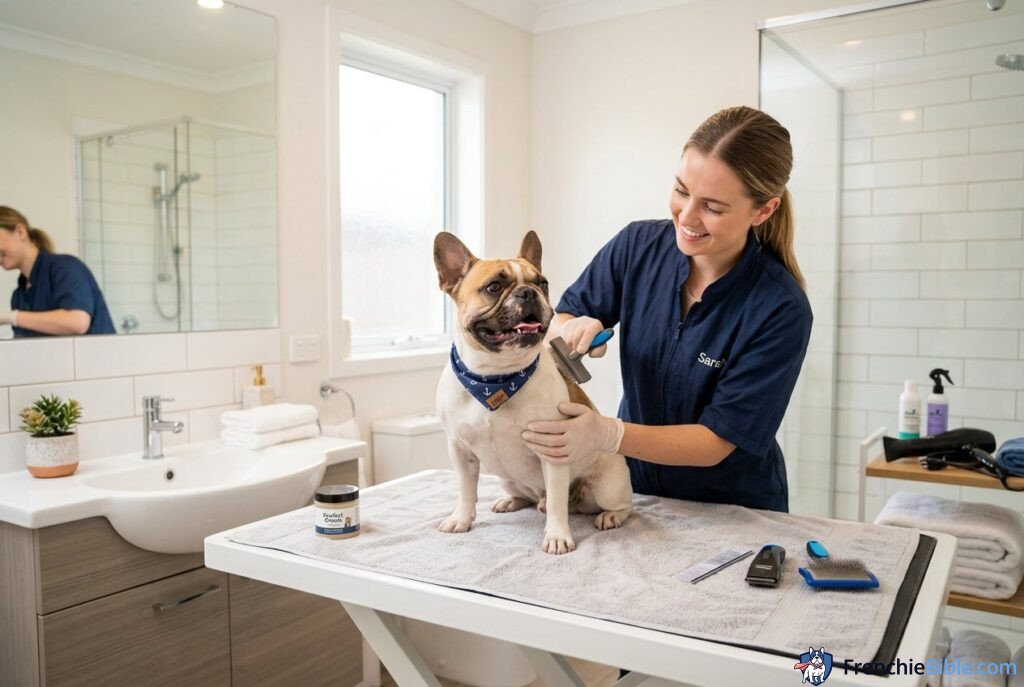
French Bulldogs are undoubtedly one of the most charming, affectionate, and distinctive breeds in the world. With their bat ears, smushed faces, and compact bodies, they easily steal the hearts of dog lovers everywhere. However, behind that adorable exterior lies a complex set of grooming and care needs, particularly when it comes to their skin and coat. One of the most common questions I hear as a French Bulldog expert and breeder and breeder is: “How often should I bathe my French Bulldog?”
It might seem like a simple question, but the answer is surprisingly nuanced. Frenchies have uniquely sensitive skin, prone to allergies, dermatitis, and bacterial infections if not cared for properly. The key to maintaining a healthy coat and preventing dermatological nightmares is striking the perfect balance in your bathing routine. Over-bathing can strip their skin of its natural, protective oils, leading to dryness, irritation, and a weakened skin barrier. Under-bathing, on the other hand, can allow dirt, allergens, and bacteria to accumulate in their signature wrinkles, causing painful and smelly infections.
Related Reading: Training & Behavior | Frenchie Puppy Guide | Best Food for Frenchies
In this comprehensive guide, we will dive deep into the science of the French Bulldog’s skin barrier, explore the ideal bathing frequency, and provide expert tips on how to keep your Frenchie clean, comfortable, and smelling fresh without compromising their dermatological health.
Understanding the French Bulldog Skin Barrier
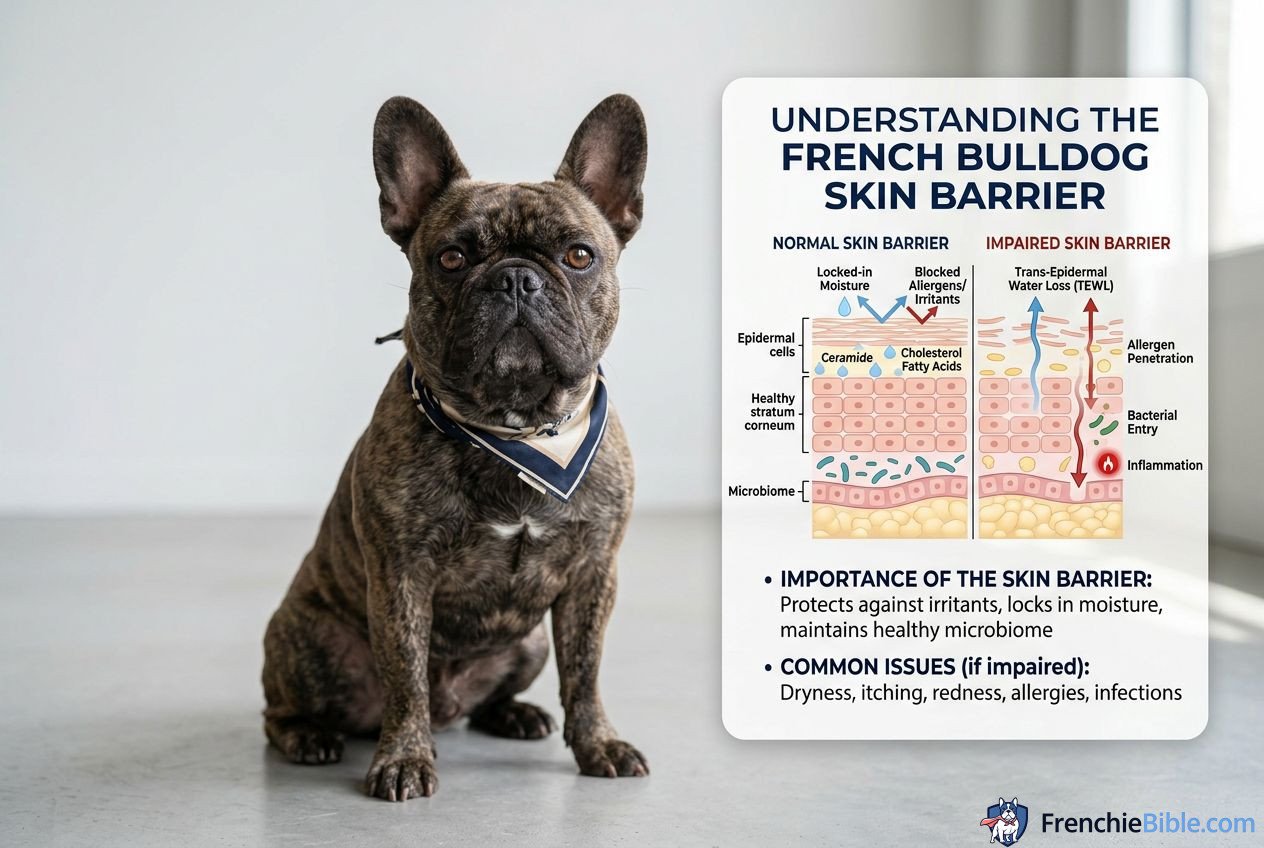
Before we discuss when to bathe your Frenchie, it is crucial to understand why their skin requires such careful attention. The skin is the body’s largest organ and serves as the first line of defense against environmental hazards, including bacteria, viruses, allergens, and UV radiation.
What is the Natural Protective Layer?
A dog’s skin, like ours, has a delicate outer layer known as the stratum corneum, often referred to as the “skin barrier.” This barrier is composed of skin cells (corneocytes) held together by a lipid-rich matrix—think of it as a brick-and-mortar structure. The “bricks” are the cells, and the “mortar” consists of natural oils (sebum) and lipids (ceramides, cholesterol, and fatty acids).
This lipid layer is essential for two main reasons:
1. Moisture Retention: It prevents transepidermal water loss (TEWL), keeping the skin hydrated and supple.
2. Protection Against Invaders: It acts as a physical and chemical shield, preventing environmental allergens, irritants, and pathogens from penetrating the skin.
Why Are French Bulldogs So Prone to Skin Issues?
French Bulldogs are genetically predisposed to a variety of dermatological conditions. Several factors contribute to their sensitive skin:
- Genetics and Allergies: Frenchies are notorious for suffering from Atopic Dermatitis (environmental allergies) and food allergies. When their immune system overreacts to an allergen (like pollen, dust mites, or a specific protein), it causes severe itching and inflammation, compromising the skin barrier.
- Skin Folds and Wrinkles: The adorable wrinkles on a Frenchie’s face, neck, and tail pocket are breeding grounds for yeast and bacteria. These dark, warm, and moist crevices require constant attention to prevent Intertrigo (skin fold dermatitis).
- Short Coat: Their short, single coat provides minimal protection against environmental irritants compared to double-coated breeds.
- Seborrhea: Some Frenchies suffer from seborrhea, a condition that causes the skin to become either overly oily (seborrhea oleosa) or excessively dry and flaky (seborrhea sicca).
Because their skin is already structurally compromised or highly reactive, preserving their natural lipid layer is paramount.
The Golden Rule: how often should you bathe a french bulldog?
As a general rule of thumb for a healthy adult French Bulldog with no underlying skin conditions, you should bathe them every 4 to 8 weeks.
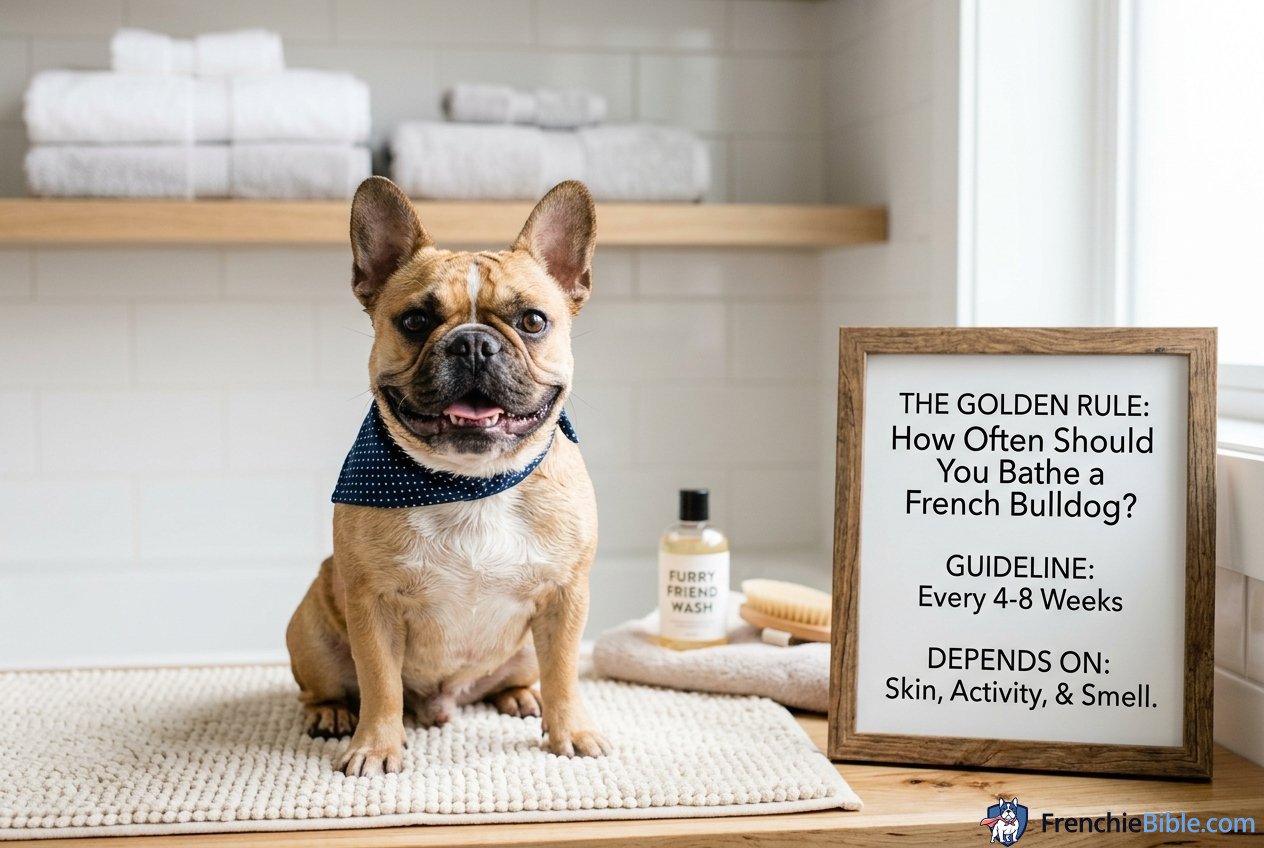
However, “general rules” rarely apply to every single dog. The ideal bathing frequency depends heavily on your individual dog’s lifestyle, health status, and environment. Let’s break down the different scenarios.
Scenario 1: The Healthy Indoor Frenchie
If your French Bulldog spends most of their time indoors, goes for standard walks on paved sidewalks, and doesn’t have a history of allergies or skin infections, bathing them every 6 to 8 weeks is usually sufficient.
- Why? At this interval, you are removing accumulated dirt and dander without aggressively stripping the natural oils from their skin. Their body has enough time to replenish the lipid layer between baths, maintaining a strong and healthy skin barrier.
- Maintenance: Between these full baths, you should rely on targeted spot cleaning (discussed later) to keep them fresh.
Scenario 2: The Active Outdoorsy Frenchie
If your Frenchie loves to roll in the mud, dig in the garden, or frequently visits the dog park, they are going to get dirty much faster. For active dogs, bathing every 4 to 6 weeks may be necessary.
- Why? Leaving heavy dirt, mud, or outdoor debris on their coat can cause matting (even in short hair), trap moisture against the skin, and harbor bacteria. It is better to wash off significant grime than to leave it on.
- Caution: If they get muddy every single day, do not give them a full shampoo bath daily. Instead, simply rinse them thoroughly with lukewarm water to remove the dirt, reserving shampoo for their scheduled bath time.
Scenario 3: The Allergy-Prone or Dermatitis Frenchie
This is where the rules change entirely. If your French Bulldog suffers from environmental allergies, yeast infections, or bacterial pyoderma, your veterinarian will likely prescribe a much more frequent bathing schedule using specialized medicated shampoos.
- Frequency: Dogs undergoing treatment for severe skin conditions may need to be bathed once or even twice a week.
- Why? In these cases, the bath is not just about cleanliness; it is a medical treatment. Medicated shampoos (containing ingredients like chlorhexidine, miconazole, or your veterinarian may recommend a antifungal medication (never use without veterinary guidance)) are designed to physically remove allergens from the coat, kill yeast and bacteria, and soothe inflamed skin.
- Crucial Step: Because frequent bathing will strip the skin barrier, it is absolutely essential to follow up medicated baths with a high-quality, veterinary-grade moisturizing conditioner or ceramide rinse to artificially rebuild the lipid layer.
Scenario 4: French Bulldog Puppies
Puppies have incredibly delicate skin that is still developing its protective barrier. Unless they have rolled in something truly offensive, you should delay their first full bath until they are at least 8 to 12 weeks old.
- Frequency: Once they reach that age, bathe them sparingly—perhaps every 8 to 12 weeks—using an ultra-gentle, tearless puppy shampoo.
- Focus: Focus more on getting them accustomed to the sights, sounds, and sensations of the bathtub (desensitization) rather than achieving a deep clean.
The Dangers of Over-Bathing Your French Bulldog
I cannot stress this enough: Over-bathing is one of the most common mistakes Frenchie owners make. It is natural to want your dog to smell like a bed of roses, but frequent shampooing is highly detrimental to their dermatological health.
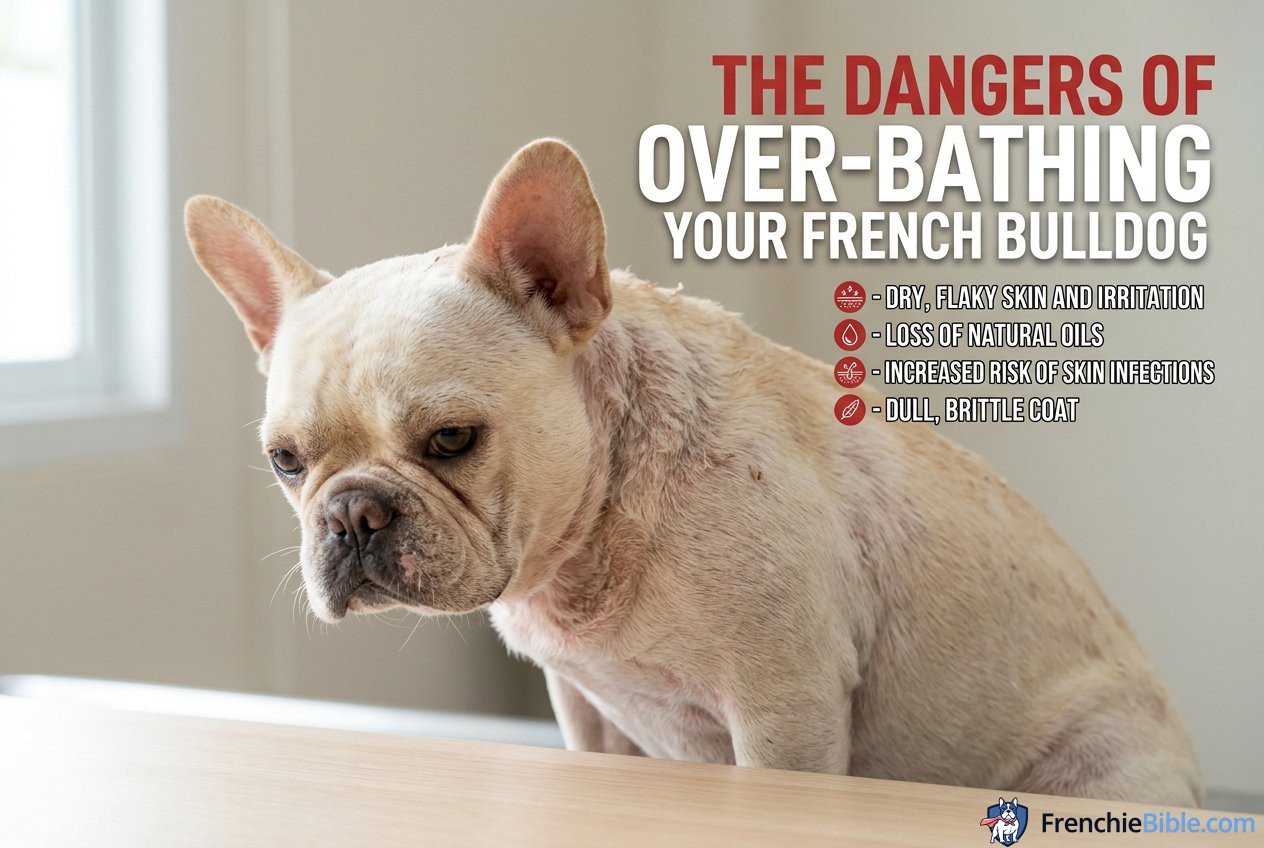
Here is what happens when you bathe your French Bulldog too often (e.g., every week or two weeks without medical necessity):
- Destruction of the Acid Mantle: A dog’s skin pH is slightly more alkaline than a human’s (around 6.2 to 7.4). Frequent washing, especially with incorrect shampoos, disrupts this delicate pH balance, creating an environment where harmful bacteria and yeast can thrive.
- Lipid Depletion: Shampoo contains surfactants designed to bind to dirt and oil and wash them away. When used too frequently, these surfactants completely strip the skin’s natural ceramides and fatty acids.
- Dry Flaky Skin and Pruritus (Itching): Without its protective oils, the skin loses moisture rapidly. This leads to dry, tight, flaky skin that is intensely itchy.
- The Rebound Effect (Oily Smelly Coat): Paradoxically, over-bathing can make your dog smell worse. When the skin is stripped of oil, the sebaceous glands go into overdrive, producing excess sebum to compensate. This overproduction leads to a greasy coat and a strong “doggy odor.”
- Increased Susceptibility to Infections: A compromised skin barrier is essentially an open door for allergens, bacteria (like Staphylococcus), and yeast (like Malassezia), leading to chronic, expensive, and painful skin infections.
Essential Grooming Between Baths: Spot Cleaning is Key
If you are only bathing your Frenchie every 6 to 8 weeks, how do you keep them from smelling like a swamp in the meantime? The secret lies in diligent, daily spot cleaning.
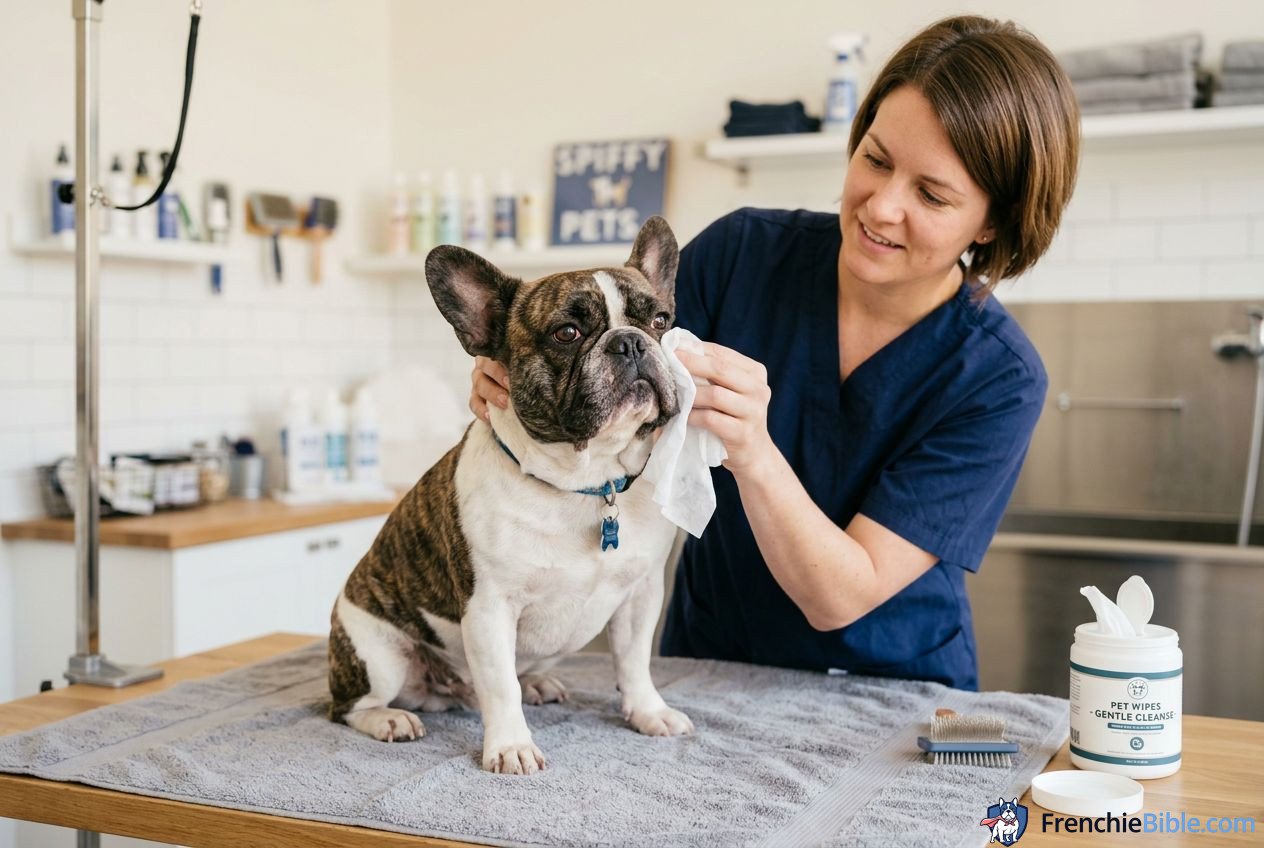
Frenchies are high-maintenance when it comes to targeted hygiene. By focusing on the areas that actually get dirty and smelly, you can drastically reduce the need for full-body baths.
1. Cleaning the Facial Wrinkles
The deep folds around their nose and eyes are the most critical areas to clean. Tears, saliva, and food particles get trapped here, creating a perfect environment for yeast and bacterial growth.
- How Often: Daily. Some Frenchies require it twice a day.
- Method: Use a soft, damp cloth veterinary-approved grooming wipe (unscented and alcohol-free), or specific wrinkle wipes containing chlorhexidine or your veterinarian may recommend a antifungal medication (never use without veterinary guidance) if they are prone to yeast. Gently spread the folds apart and wipe away any debris or moisture.
- Crucial Step: Dry the folds completely. Moisture is the enemy. After wiping, use a clean, dry tissue, cotton ball, or a soft towel to thoroughly dry the inside of every wrinkle. You can also apply a thin layer of a barrier cream or wrinkle paste (often containing zinc oxide) to protect the skin from moisture.
2. Caring for the Tail Pocket
Many French Bulldogs have an inverted tail or a deep “tail pocket” (a crevice just below the tail). This area collects feces, dirt, and dead skin cells, and if ignored, it will become severely infected and incredibly smelly.
- How Often: Check daily, clean at least 2-3 times a week, or after every bowel movement if they are messy.
- Method: Use an unscented baby wipe or a medicated grooming wipe to gently clean inside the pocket. Just like the facial wrinkles, you must dry the area completely afterward.
3. Wiping the Paws
Your Frenchie’s paws touch everything outside—pollen, dirt, lawn chemicals, and road salt. Dogs also absorb allergens through their paws.
- How Often: After every walk.
- Method: Keep a container of dog-safe paw wipes or a damp towel by the door. Gently wipe the top and bottom of each paw, ensuring you get between the toes and around the paw pads. This simple step significantly reduces environmental allergens in your home and prevents paw licking.
4. Brushing the Coat
While Frenchies have short hair, they do shed. Regular brushing distributes natural oils across the skin and removes dead hair, dirt, and dander.
- How Often: 1 to 3 times a week.
- Tools: Use a soft bristle brush, a rubber grooming mitt (like a Hound Glove), or a silicone curry brush. These tools are gentle on their sensitive skin and highly effective at grabbing loose hairs.
5. Cleaning the Ears
Their large, erect bat ears are prone to collecting dust, dirt, and wax.
- How Often: Check weekly, clean every 1-2 weeks.
- Method: Use veterinarian-recommended ear cleaning solution. Apply a few drops into the ear canal, gently massage the base of the ear to loosen debris, and then wipe the outer flap and accessible part of the canal with a cotton ball or soft gauze. Never insert Q-tips into your dog’s ear canal.
The Right Way to Bathe a French Bulldog
When the time finally comes for a full bath, doing it correctly ensures you get them clean without causing stress or skin damage.
Step 1: Gather Your Supplies
Preparation is key. Have everything you need within arm’s reach before the dog gets wet.
- High-Quality Shampoo: This is non-negotiable. Use a hypoallergenic, oatmeal-based, or aloe vera dog shampoo formulated specifically for sensitive skin. NEVER use human shampoo, dish soap, or baby shampoo. Human products are formulated for a different pH and are too acidic for dogs, instantly stripping their lipid layer.
- Conditioner: A hydrating dog conditioner is highly recommended for Frenchies to replenish moisture.
- Non-Slip Mat: Place a rubber mat or a towel at the bottom of the tub or sink to prevent slipping, which can cause anxiety and spinal injuries.
- Warm Water: The water should be lukewarm, not hot. Hot water increases itching and dries out the skin.
- Towels: Have several highly absorbent towels ready.
- Washcloth: For cleaning the face.
- Cotton Balls: To protect the ears.
Step 2: Prep the Dog
- Brush First: Give your Frenchie a thorough brushing to remove loose hair and tangles before getting them wet.
- Protect the Ears: Gently place large cotton balls just inside the ear opening to prevent water from entering the ear canal, which can lead to ear infections. Do not push them down deep.
Step 3: The Bathing Process
- Wet the Coat: Using a handheld showerhead or a cup, wet your dog thoroughly from the neck down. Ensure the water penetrates their dense undercoat down to the skin.
- Apply Shampoo: Lather the shampoo in your hands first, then massage it into their coat. Start at the neck and work your way down the back, chest, belly, and legs. Pay special attention to the armpits, groin, and paws.
- Avoid the Face: Do not pour water or apply shampoo directly to their face or head.
- Massage and Wait: If using a medicated shampoo, follow the veterinarian’s instructions regarding contact time (usually 5 to 10 minutes) before rinsing. For regular shampoo, a gentle 2-3 minute massage is sufficient.
- Rinse Thoroughly (Then Rinse Again): This is the most critical step. Any shampoo residue left on the skin will cause severe irritation, itching, and hot spots. Rinse until the water runs completely clear, and then rinse one more time just to be sure.
- Apply Conditioner: If using a conditioner, apply it, let it sit for the recommended time, and rinse thoroughly.
Step 4: Washing the Face
To clean their delicate face, use a damp washcloth with plain warm water. If their face is particularly dirty, you can use a tiny drop of tearless puppy shampoo on the washcloth. Gently wipe around their eyes, nose, and the outside of their ears. Be incredibly careful not to get water or soap in their eyes or nose.
Step 5: Drying
French Bulldogs must be dried thoroughly to prevent hot spots and fungal infections.
- Towel Dry: Remove the cotton balls from their ears. Vigorously towel dry them to remove as much moisture as possible.
- Wrinkle Check: Take a dry cloth and specifically ensure that all facial folds, the tail pocket, and armpits are bone dry.
- Blow Drying (Optional but Recommended): If your Frenchie tolerates it, use a dog-specific blow dryer (or a human dryer on the lowest, coolest setting). Keep the dryer moving continuously and hold it at least 6-8 inches away from the skin. Ensure they are completely dry down to the skin level, not just the topcoat.
Choosing the Right Products for Your Frenchie
as a French Bulldog expert and breeder I cannot emphasize enough that the products you use dictate the health of your dog’s skin.
What to Look For:
- Hypoallergenic Formulas: Free from harsh chemicals, artificial dyes, and strong synthetic fragrances.
- Oatmeal and Aloe Vera: Excellent natural ingredients for soothing and moisturizing sensitive skin.
- Ceramides and Fatty Acids: Shampoos and conditioners that include these help actively rebuild the skin’s lipid barrier.
- Correct pH: The label should explicitly state that the product is pH-balanced for dogs.
What to Avoid:
- Human Products: Human skin is more acidic (pH ~5.5); dog skin is more neutral (pH ~7.0). Using human shampoo disrupts their acid mantle.
- Sulfates: Harsh detergents (like Sodium Lauryl Sulfate) that aggressively strip natural oils.
- Parabens: Artificial preservatives that can cause allergic reactions.
- Strong Fragrances: “Perfume” or heavily scented shampoos are common triggers for contact dermatitis in Frenchies.
Diet and Supplements: Building the Barrier from the Inside Out
While proper bathing techniques protect the skin barrier from the outside, you must also nourish it from the inside. A dog’s coat is a direct reflection of their internal health and nutrition.
- High-Quality Diet: Feed a premium, well-balanced diet rich in high-quality animal proteins. If your dog suffers from food allergies, consult your vet about a hydrolyzed protein diet or a novel protein diet (like duck, venison, or rabbit).
- Omega-3 Fatty Acids: This is the most important supplement for skin health. Omega-3s (specifically EPA and DHA found in fish oil or krill oil) possess potent anti-inflammatory properties. They help reduce itching, soothe allergies, and improve the lipid barrier of the skin, resulting in a softer, shinier coat.
- Probiotics: A healthy gut microbiome is closely linked to a healthy immune system and healthy skin. Probiotics can help reduce systemic inflammation and manage allergic responses.
Frequently Asked Questions (FAQ)
1. My French Bulldog smells bad just a week after a bath. Should I bathe them again?
No, do not immediately give another full bath. First, identify the source of the odor. In Frenchies, bad smells usually emanate from dirty facial wrinkles, an infected tail pocket, yeast in the ears, or dental disease. Perform targeted spot cleaning in these areas. If the body coat smells musty, it could be a sign of a yeast infection (Malassezia dermatitis), which requires veterinary diagnosis and medicated shampoo, not just more frequent regular bathing.
2. Can I use baby wipes to clean my Frenchie?
You can use unscented, water-based baby wipes (free from alcohol and aloe, which can sometimes irritate dogs if ingested) for quick paw or bum wipes. However, for facial folds and the tail pocket, veterinary-approved grooming wipes or specific wrinkle wipes are safer and more effective, as they are formulated for a dog’s skin pH and often contain antibacterial/antifungal properties.
3. What is a “waterless shampoo,” and is it safe for French Bulldogs?
Waterless shampoos, dry shampoos, or grooming foams can be a useful tool for spot cleaning or freshening up between baths. They help absorb excess oil and dirt. However, they should not replace traditional baths. Overusing them can cause product buildup on the skin, leading to irritation. If you use a waterless shampoo, ensure you brush it out thoroughly.
4. My Frenchie is shedding excessively. Will more baths help?
While a bath can help loosen and remove dead hair, frequent bathing will actually increase shedding by drying out the skin and causing hair follicles to weaken. The best way to manage shedding is through a high-quality diet rich in Omega-3s and regular, diligent brushing (2-3 times a week) to remove dead hair before it falls out.
5. What should I do if my Frenchie gets a rash after a bath?
If your dog develops redness, hives, or excessive itching immediately following a bath, they are likely having an allergic reaction to the shampoo or conditioner. Rinse them immediately with plain, cool water to remove any remaining product. Discontinue using that product and consult your veterinarian. You may need to switch to an ultra-hypoallergenic or prescription formulation.
Conclusion
Maintaining the health of your French Bulldog’s skin and coat requires a delicate balance. By adhering to a bathing schedule of every 4 to 8 weeks, prioritizing daily spot cleaning of their wrinkles and folds, and using high-quality, dog-specific products, you can preserve their natural protective lipid layer. Remember, when it comes to bathing a Frenchie, less is often more. Focus on maintaining their skin barrier from both the outside through proper grooming and the inside through optimal nutrition, and your Frenchie will reward you with a healthy, comfortable, and beautifully shining coat.
Disclaimer: We are not veterinarians and do not hold veterinary medical licenses. The information provided in this article is based on years of breeding and daily care experience and is for educational purposes only. It should not replace professional veterinary advice. Always consult with a licensed veterinarian if you have concerns about your French Bulldog’s health or before starting any new treatment.