As a dedicated French Bulldog breeder with over a decade of hands-on experience I have dedicated my life to understanding the unique nuances of this incredible breed. From their endearingly stubborn personalities to their specific dietary needs Frenchies require a specialized approach to care. One of the most common questions I receive from both novice owners and seasoned Frenchie enthusiasts revolves around grooming—specifically, the use of hair essential oils and plant extracts to achieve that coveted, healthy coat shine.
In an era where natural remedies and aromatherapy are increasingly popular in human households, it is completely understandable that we want to extend these holistic benefits to our furry companions. However, the world of essential oils is fraught with hidden dangers for dogs, particularly for a breed with sensitivities like the French Bulldog. Are hair essential oils safe for French Bulldogs? Which plant essential oils cause liver toxicity?
Related Reading: Training & Behavior | Frenchie Puppy Guide | Best Food for Frenchies
This comprehensive guide will delve deep into the anatomy of your Frenchie’s skin and coat, the metabolic differences between humans and dogs, the severe risks of liver toxicity associated with specific plant oils, and the safest alternatives to keep your Frenchie looking and feeling their absolute best.
The Anatomy of a French Bulldog’s Skin and Coat
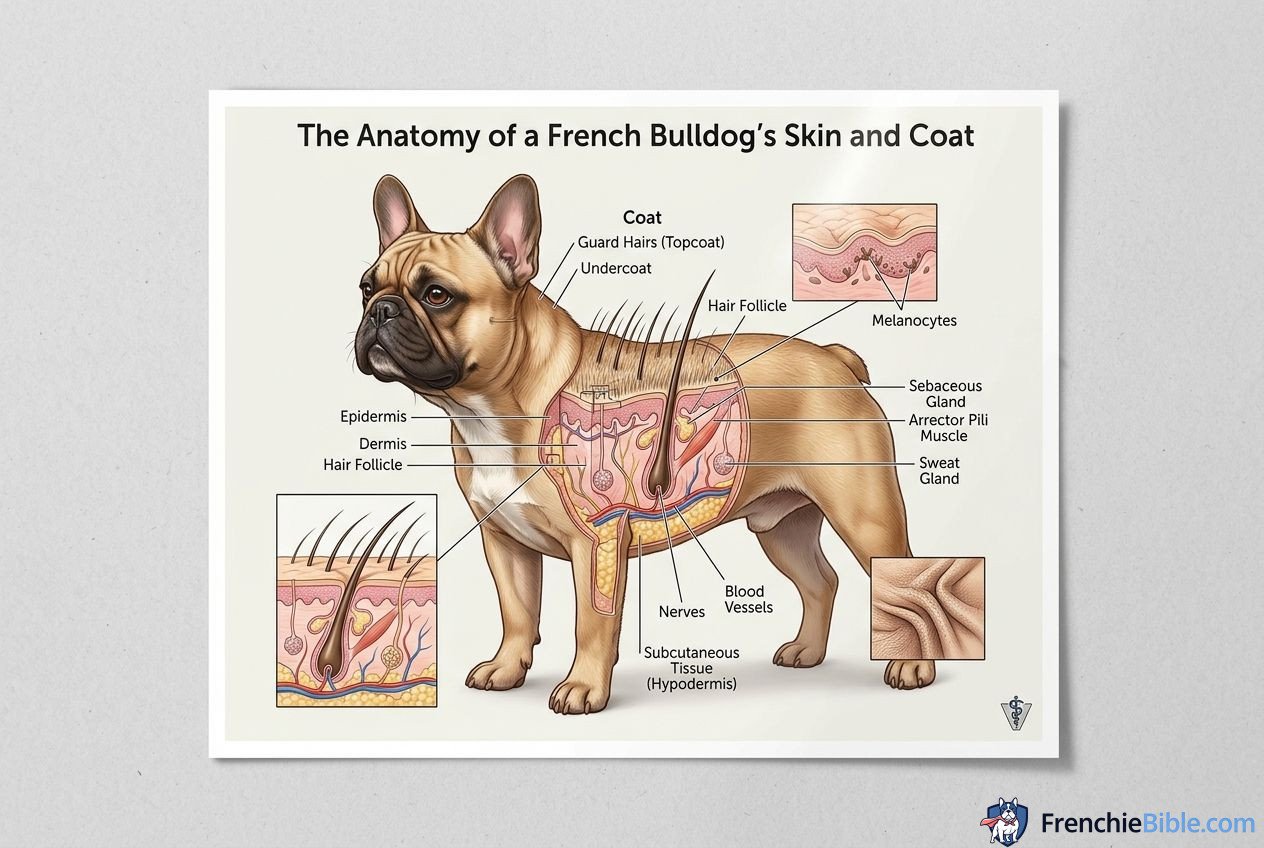
To truly understand how essential oils affect your French Bulldog, we must first look at the biological makeup of their skin and coat. French Bulldogs have a short, smooth, and single-layered coat. While this might suggest that grooming is a breeze, their skin tells a different story.
Why Frenchies Have Sensitive Skin
French Bulldogs are notoriously predisposed to a variety of skin conditions. Their adorable wrinkles and skin folds are prime real estate for moisture accumulation, yeast infections, and bacterial overgrowth if not meticulously cleaned and dried. Furthermore, many Frenchies suffer from environmental allergies (atopy) and food sensitivities, which manifest as itchy, red, and inflamed skin.
Their skin barrier is relatively delicate compared to other breeds. The epidermis of a dog is significantly thinner than that of a human—typically 3 to 5 cell layers thick, compared to our 10 to 15 layers. This means that anything applied topically to your Frenchie’s skin is absorbed into their bloodstream at a much faster rate and in higher concentrations than it would be in a human.
The Allure of Using Oils on Your Frenchie
Given their propensity for dry, itchy skin, many owners seek out topical solutions to provide relief and enhance the coat’s appearance. Hair oils, often marketed for human use to smooth frizz and add shine, seem like an appealing quick fix. Additionally, the pleasant aroma of essential oils is a tempting way to combat the infamous “Frito feet” or general doggy odor.
However, what smells delightful and feels soothing to us can be an overwhelming, highly toxic chemical cocktail for our Frenchies.
Are Hair Essential Oils Safe for French Bulldogs?
The short answer is: generally, no. Most hair essential oils formulated for humans are not safe for French Bulldogs.
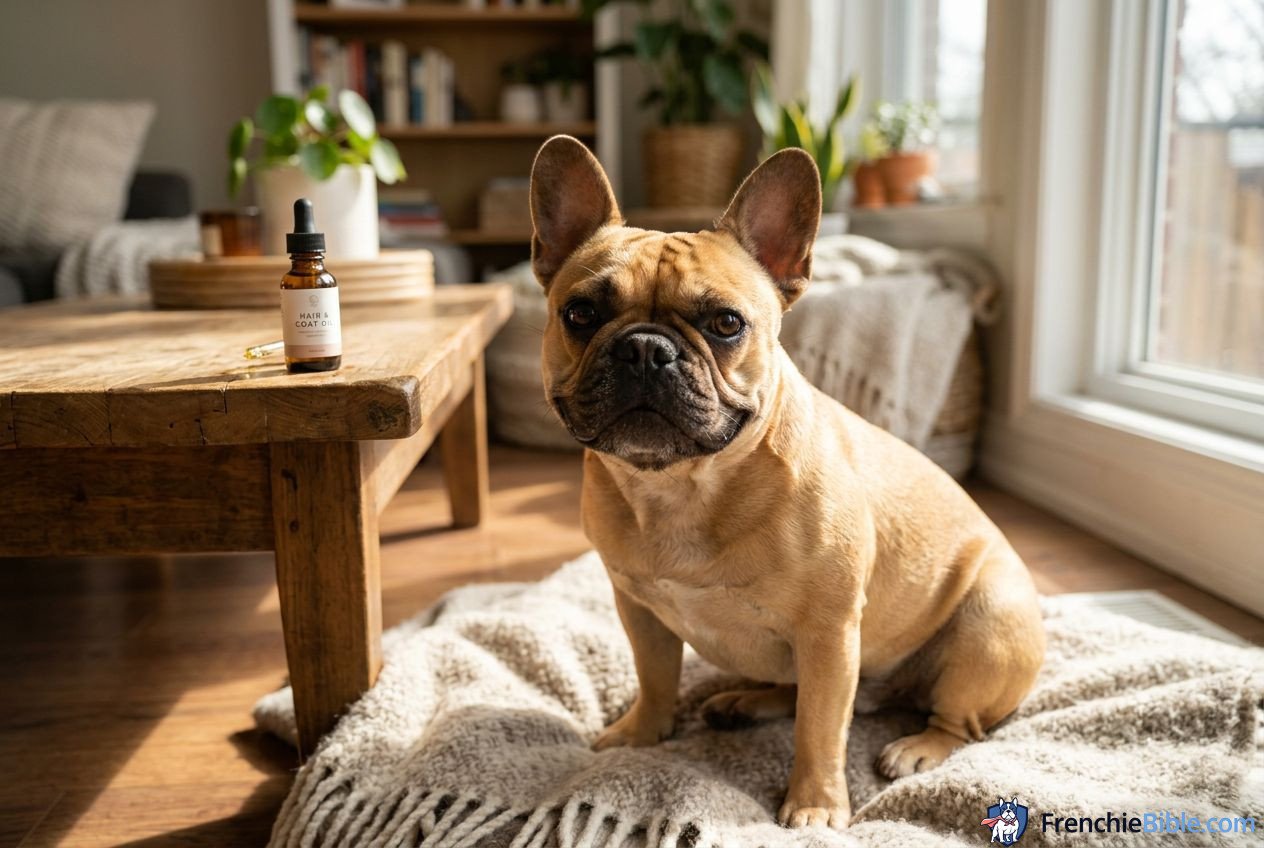
To understand why, we need to break down what these products actually contain and how a dog’s body processes them.
The Difference Between Human Hair Oils and Dog-Safe Oils
Human hair oils (such as Moroccan oil Argan oil blends, or generic anti-frizz serums) are complex cosmetic formulations. They rarely consist of a single, pure ingredient. Instead, they are typically heavily concentrated blends that include:
- Synthetic Fragrances: These are known allergens that can cause severe respiratory distress and skin irritation in dogs.
- Carrier Oils: While some carrier oils like pure coconut or olive oil might be safe in moderation, the ones used in commercial human hair products are often heavily refined or mixed with preservatives.
- Silicones and Dimethicone: These ingredients coat the hair shaft to create artificial shine. While not inherently toxic, they can clog a Frenchie’s pores, exacerbate existing skin conditions, and lead to uncomfortable breakouts.
- Concentrated Essential Oils: This is the most dangerous component. Human products often contain high concentrations of essential oils for scent and perceived therapeutic benefits.
The Hidden Dangers in Common Hair Products
When you apply a human hair oil to your French Bulldog, several dangerous scenarios can unfold. First, the concentrated nature of the product can cause immediate contact dermatitis—a severe allergic skin reaction resulting in redness, hives, intense itching, and hair loss.
Second, dogs are groomers. If you apply a product to their coat, it is highly likely that they will lick it off. Ingesting human hair products introduces a host of toxic chemicals directly into their gastrointestinal tract.
Third, and perhaps most concerning, is the inhalation and dermal absorption of concentrated volatile compounds found in essential oils. A dog’s sense of smell is tens of thousands of times more sensitive than ours. The overwhelming scent of a heavily fragranced hair oil can cause significant respiratory irritation, coughing, sneezing, and even neurological distress in a French Bulldog, a breed already prone to brachycephalic airway syndrome.
How French Bulldogs Absorb Essential Oils
Essential oils are highly volatile, meaning they evaporate rapidly and easily penetrate the skin. When applied topically, the lipid-soluble nature of these oils allows them to pass quickly through the thin canine epidermis and directly into the bloodstream.
Once in the bloodstream, these compounds must be metabolized and eliminated from the body. This heavy lifting is primarily performed by the liver. And this is where the critical physiological differences between humans and dogs become a matter of life and death.
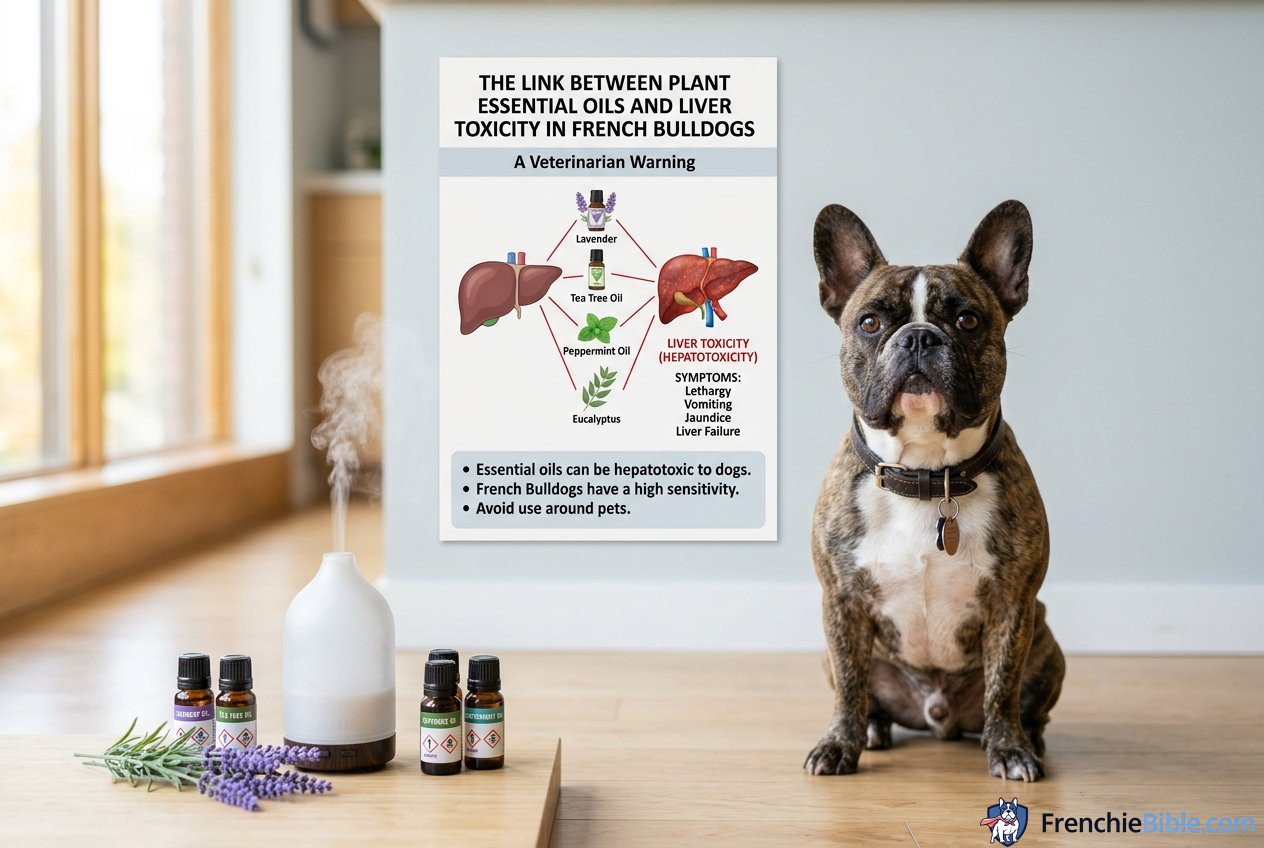
The Link Between Plant Essential Oils and Liver Toxicity in French Bulldogs
Liver toxicity, or hepatotoxicity, is one of the most severe and life-threatening risks associated with exposing your French Bulldog to certain plant essential oils. Over my years of breeding and advising Frenchie owners I cannot stress enough how vital it is to protect your dog’s liver function.
Why the Canine Liver Struggles with Certain Compounds
The liver is the body’s primary detoxification organ. It breaks down toxins, medications, and metabolic byproducts so they can be safely excreted. However, dogs (and cats, even more so) lack specific liver enzymes that humans possess.
Specifically, dogs have a limited ability to metabolize certain complex organic compounds found abundantly in essential oils, such as phenols and ketones. When a French Bulldog is exposed to an essential oil rich in these compounds—whether through topical application, oral ingestion (licking their coat), or even inhalation of strongly diffused oils—their liver becomes rapidly overwhelmed.
Because the liver cannot effectively break down and neutralize these toxins, the compounds accumulate in the liver tissue. This accumulation causes severe, acute inflammation and rapid necrosis (death) of liver cells. In extreme cases, or with prolonged exposure, this leads to acute liver failure, an incredibly painful and often fatal condition.
Symptoms of Liver Toxicity and Essential Oil Poisoning in Frenchies
Recognizing the signs of essential oil toxicity is crucial for early intervention. Because Frenchies are stoic and sometimes exhibit quirky behaviors naturally, subtle signs of distress can easily be missed. If your French Bulldog has been exposed to essential oils, watch closely for the following symptoms:
Early/Mild Symptoms (May occur within hours of exposure):
- Hypersalivation (Excessive Drooling): More than their usual slobber, often accompanied by lip smacking.
- Lethargy and Weakness: A sudden lack of energy, reluctance to play, or difficulty standing.
- Gastrointestinal Distress: Vomiting and diarrhea. The vomit may smell distinctly of the essential oil.
- Redness or Burns on the Skin: If the exposure was topical, particularly around the mouth, nose, or application site.
Severe/Advanced Symptoms (Indicating systemic toxicity or liver involvement):
- Ataxia: Loss of coordination, stumbling, or walking as if intoxicated.
- Muscle Tremors and Twitching: Involuntary muscle movements.
- Respiratory Distress: Labored breathing, wheezing, or unusually fast breathing (exacerbated by their brachycephalic anatomy).
- Jaundice: A yellowing of the gums, the whites of the eyes, and the skin inside the ears. This is a classic and critical sign of severe liver distress.
- Seizures: Uncontrolled neurological electrical activity.
- Collapse and Coma: The body shutting down due to overwhelming toxicity.
What to Do If You Suspect Essential Oil Poisoning
If you suspect your French Bulldog has been exposed to a toxic essential oil, time is of the essence.
- Remove the Source: Immediately move your dog away from the diffused oil, or if it was applied topically, wash the area thoroughly with a mild, dog-safe dish soap (like Dawn) to remove the oil residue. Do NOT use water alone, as oil and water do not mix, and water can actually drive the oil deeper into the skin.
- Do NOT Induce Vomiting: Unless specifically instructed by a professional, never induce vomiting. Some oils are caustic and can cause severe damage to the esophagus and lungs if brought back up.
- Seek Immediate Professional Help: Contact a professional emergency service immediately. Provide them with the exact name of the oil, the concentration, how the exposure occurred, and your dog’s current symptoms.
Toxic Essential Oils to Absolutely Avoid for French Bulldogs
As a breeder I maintain a strict “no-fly zone” for certain plant oils in my home and kennel. The following essential oils are known to be highly toxic to dogs and carry a significant risk of causing liver damage, neurological issues, or severe respiratory distress. This list is not exhaustive, but covers the most common offenders.
Tea Tree Oil (Melaleuca)
Tea tree oil is perhaps the most notorious culprit. It is widely praised in human medicine for its antibacterial and antifungal properties, making it a common ingredient in human shampoos, acne treatments, and natural cleaning products.
However, tea tree oil contains highly concentrated terpenes. Dogs metabolize these terpenes very slowly. Even incredibly diluted amounts (as low as 1-2%) can cause significant toxicity in dogs. Symptoms of tea tree oil poisoning include severe ataxia, muscle tremors, profound weakness, and a dangerously low body temperature (hypothermia). In severe cases, it leads directly to coma and death. Never use tea tree oil on or around a French Bulldog.
Pennyroyal
Pennyroyal oil is sometimes historically (and dangerously) recommended as a natural flea repellent. It is highly toxic to the liver. Pennyroyal contains a compound called pulegone, which is a potent hepatotoxin. Exposure to pennyroyal oil rapidly causes acute liver failure, severe vomiting, diarrhea, and widespread internal hemorrhaging. It is entirely unsafe for dogs in any form or concentration.
Pine and Citrus Oils
Pine oil (commonly found in heavy-duty household cleaners) and citrus oils (like lemon, lime, orange, and grapefruit) are rich in D-limonene and linalool. While these smell incredibly fresh to us, they are strong irritants to a dog’s skin and respiratory tract.
More importantly, these compounds are metabolized in the liver. Prolonged exposure or ingestion can overwhelm the liver’s capacity, leading to liver damage. Furthermore, citrus oils can cause photosensitivity, meaning if applied to your Frenchie’s skin (especially on lighter-colored dogs or areas with sparse hair like the belly), it can cause severe sunburns if they go outside.
Peppermint and Eucalyptus
Both peppermint and eucalyptus oils are incredibly strong and volatile. They are popular for respiratory relief in humans, but for a brachycephalic breed like the French Bulldog, they are a recipe for disaster.
Inhaling these strong scents can trigger bronchospasms and severe airway irritation, making it incredibly difficult for your Frenchie to breathe. Ingestion or topical absorption can lead to gastrointestinal distress, extreme lethargy, and neurological signs like muscle weakness and tremors.
Ylang Ylang and Cinnamon
Ylang Ylang is a popular floral scent in perfumes and diffusers. However, it can cause severe breathing difficulties, weakness, and ataxia in dogs.
Cinnamon oil (and wintergreen oil) is a known severe skin irritant. It can cause chemical burns upon contact. Ingestion or absorption leads to vomiting, diarrhea, changes in heart rate, and potential liver damage due to its high concentration of complex phenols.
Other Notable Mentions
Other essential oils that should be strictly avoided include:
- Anise
- Clove
- Garlic
- Juniper
- Thyme
- Oregano
- Wintergreen
Safe Alternatives for a Shiny Frenchie Coat
Understanding the dangers of essential oils shouldn’t leave you feeling helpless about your Frenchie’s grooming. As a breeder, my primary goal is promoting health from the inside out. A dull, dry coat is often a symptom of an underlying issue, whether nutritional or environmental. Here are the safest, most effective ways to achieve a gleaming coat without risking liver toxicity.
Omega-3 Fatty Acids and Fish Oil Supplements
The absolute best way to improve your French Bulldog’s skin and coat is through nutrition. Omega-3 fatty acids, specifically EPA and DHA, are essential for maintaining a healthy skin barrier and promoting a shiny coat.
I highly recommend incorporating a high-quality, canine-specific fish oil supplement (like salmon oil or sardine oil) into your Frenchie’s daily diet. Omega-3s act as powerful natural anti-inflammatories, helping to soothe itchy skin, reduce allergic reactions, and support joint and heart health. Always choose a product that is distilled to remove heavy metals and specifically dosed for dogs.
Coconut Oil: A Breeder’s Favorite (With Caution)
Pure, unrefined, cold-pressed virgin coconut oil is generally safe for French Bulldogs and can be a wonderful addition to their care routine when used appropriately.
Topical Use: Coconut oil is excellent for soothing dry, crusty noses and rough paw pads. You can massage a tiny amount into these areas. It is generally safe if they lick a little bit off.
Oral Use: Adding a small amount of coconut oil to their food can aid digestion and contribute to a healthy coat.
Caution: Coconut oil is highly caloric and high in saturated fat. Overfeeding can lead to weight gain, gastrointestinal upset (diarrhea), and in susceptible dogs, it can trigger pancreatitis. Start with a very small amount (e.g., 1/4 teaspoon per day) and monitor your dog’s reaction. Never use coconut oil as an all-over body moisturizer, as it will make your dog incredibly greasy and attract dirt.
Proper Bathing and Brushing Techniques
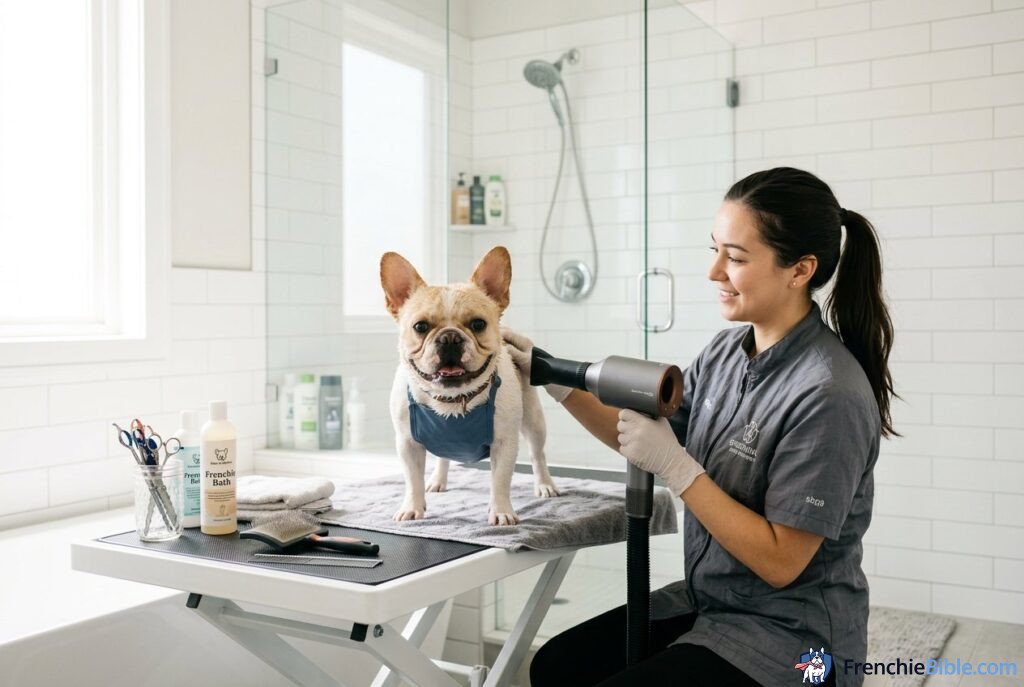
Frequent bathing actually strips the natural, healthy oils from your Frenchie’s skin, leading to a dull coat and increased itchiness. I advise bathing a French Bulldog no more than once a month, unless they have gotten exceptionally dirty.
When you do bathe them, use a high-quality, oatmeal-based, or hypoallergenic shampoo specifically formulated for dogs with sensitive skin. Ensure you rinse the coat exhaustively—leftover shampoo residue is a leading cause of post-bath itching.
Brushing is vital. Using a soft bristle brush or a rubber grooming mitt (like a Kong ZoomGroom) a few times a week stimulates the hair follicles, removes loose hair and dander, and distributes their natural skin oils evenly across the coat. This is the safest, most natural way to enhance shine.
Safe Dog-Specific Grooming Products
If you are looking for a finishing spray or a detangler, skip the human aisle entirely. Look for products specifically formulated by reputable pet care companies. These products are pH-balanced for dogs and use safe, highly diluted ingredients. Ingredients like aloe vera, chamomile extract (in safe, canine-formulated dilutions), and oatmeal are generally soothing and safe.
Always perform a patch test before applying a new grooming product all over your dog. Apply a small amount to a hairless area (like the belly) and wait 24 hours to ensure there is no redness or allergic reaction.
How to Safely Diffuse Essential Oils Around French Bulldogs
If you enjoy using essential oil diffusers for yourself, you must implement strict safety protocols to protect your French Bulldog. While direct application is the most dangerous, inhalation toxicity is a very real threat, especially for a brachycephalic breed.
Ventilation and Escape Routes
Never diffuse essential oils in a small, closed room where your Frenchie is confined. The concentration of volatile compounds in the air can quickly reach toxic levels.
Always ensure the room is well-ventilated with open windows or doors. Crucially, your dog must always have the freedom to leave the room. If a scent is bothering them, their instinct will be to walk away. Never force them to stay in an environment with strong odors.
Passive vs. Active Diffusion
Active diffusers (like ultrasonic diffusers or nebulizers) actively pump micro-droplets of essential oil and water into the air. These droplets can settle on your dog’s fur, which they then ingest during grooming, or be inhaled deeply into their lungs. This is highly risky.
Passive diffusion is significantly safer. This includes using reed diffusers, unlit scented candles (ensure the wax itself is safe), or applying a drop of safe oil to a piece of jewelry you wear. Passive diffusion does not disperse droplets into the air; it merely allows the scent to evaporate naturally, resulting in a much lower concentration.
Observing Your Frenchie’s Reactions
Whenever you introduce a new scent into your home, monitor your French Bulldog closely. Look for subtle signs of discomfort:
- Pacing or restlessness.
- Excessive lip licking or yawning (signs of nausea or stress).
- Sneezing, coughing, or wheezing.
- Watery eyes or a runny nose.
- Leaving the room immediately.
If you notice any of these behaviors, immediately turn off the diffuser, ventilate the area, and take your dog to an area with fresh air.
Frequently Asked Questions (FAQs)
1. Can I use baby oil on my French Bulldog?
No I do not recommend baby oil. Baby oil is primarily mineral oil, which is a petroleum byproduct. While generally non-toxic if a tiny amount is ingested, it coats the skin in a non-breathable barrier, clogging pores and preventing the skin from naturally expelling toxins. It is far better to use a small amount of pure coconut oil for dry spots.
2. Are lavender essential oils safe to diffuse around Frenchies?
Lavender is often touted as one of the “safer” essential oils for dogs, primarily used for its calming properties. However, it must still be used with extreme caution. It should be highly diluted and only diffused in a well-ventilated area where the dog can leave. Never apply undiluted lavender oil directly to a Frenchie’s skin.
3. How long does it take for essential oil poisoning to show in dogs?
The timeline varies wildly depending on the type of oil, the concentration, and the method of exposure (ingestion vs. topical vs. inhalation). Symptoms can appear as rapidly as 30 minutes to a few hours after exposure, or they may take up to 24-48 hours to fully manifest, especially if the liver is slowly accumulating toxins.
4. What is the best natural oil for my Frenchie’s dry nose and paws?
As mentioned, pure, unrefined virgin coconut oil is an excellent, safe choice. Alternatively, organic Shea butter or a high-quality, dog-specific snout/paw balm (often containing a blend of beeswax, shea butter, and safe carrier oils) provides excellent moisture and protection without the risks associated with essential oils.
5. Can I use my own Moroccan argan oil on my French Bulldog?
Absolutely not. Human Moroccan argan oil products are almost never pure argan oil. They are heavily laden with silicones, synthetic fragrances, and artificial preservatives. These ingredients can cause severe skin irritation, and if licked off, can lead to serious gastrointestinal distress and potential toxicity. Stick to canine-specific products or dietary supplements to improve coat health.
Disclaimer: The information provided in this article is solely based on my over 10 years of experience as a French Bulldog breeder and enthusiast. I am not a licensed veterinarian, and I hold no medical qualifications. The content herein is intended for educational and informational purposes regarding general breeding and daily care experiences. It is not intended to be, nor should it be construed as, professional veterinary medical advice, diagnosis, or treatment. Always consult with a licensed, qualified veterinarian regarding any medical concerns, dietary changes, or the introduction of new products to your dog’s routine. Never delay seeking professional medical advice because of something you have read in this article.