Welcome to the wonderful, slightly messy, and incredibly rewarding world of French Bulldog ownership! If you are reading this comprehensive guide, you likely already know that sharing your life, your home, and your heart with a Frenchie means dealing with a lot of unique physical traits. From their iconic bat-like ears to their smushed brachycephalic faces and adorable, squishy wrinkles, every single part of a French Bulldog requires specific, targeted, and routine care.
As a French Bulldog breeder with over a decade of hands-on experience and a deep passion for the breed, I have raised countless litters, guided hundreds of new owners through the puppy stages, and spent thousands of hours meticulously cleaning wrinkles, folds, and ears. Over the years of evaluating litters and mentoring new families, I’ve noticed that one specific area often gets completely overlooked, even by the most diligent and loving owners: the intricate, hidden folds of skin located at the very base of the ears.
Related Reading: Training & Behavior | Frenchie Puppy Guide | Best Food for Frenchies
While a massive amount of attention is rightly given to the facial wrinkles (especially the prominent nose rope) and the inside of the ear canal itself, the exterior folds situated just below the ear opening are prime real estate for dirt, debris, moisture, and yeast to accumulate. Many owners do not even realize these folds exist until they start emitting a funky odor or the dog begins scratching frantically.
This comprehensive, SEO-optimized guide is designed to walk you through absolutely everything you need to know about cleaning these specific ear folds. We will delve deeply into understanding why they get dirty in the first place, the potential risks of ignoring them, how to properly clean them without causing your dog stress, and how to establish an ongoing preventative routine. By the end of this article, you will be equipped with the breeder-tested knowledge needed to keep your French Bulldog comfortable, odor-free, and thriving in their daily life.
To truly appreciate why this specific grooming task is so vital, we must first look at the history and evolution of the breed. French Bulldogs originally descended from the toy-sized Bulldogs beloved by lace makers in Nottingham, England, during the Industrial Revolution. When these workers emigrated to France, they brought their dogs with them. Over decades of selective breeding in Paris, the breed evolved to have the distinct “bat ears” we recognize today, moving away from the “rose ears” of their English cousins. However, they retained the thick, loose skin of their ancestors. This combination—large, upright, rigid ears sitting atop a base of thick, loosely folded skin—creates a unique anatomical microclimate that requires specialized care.
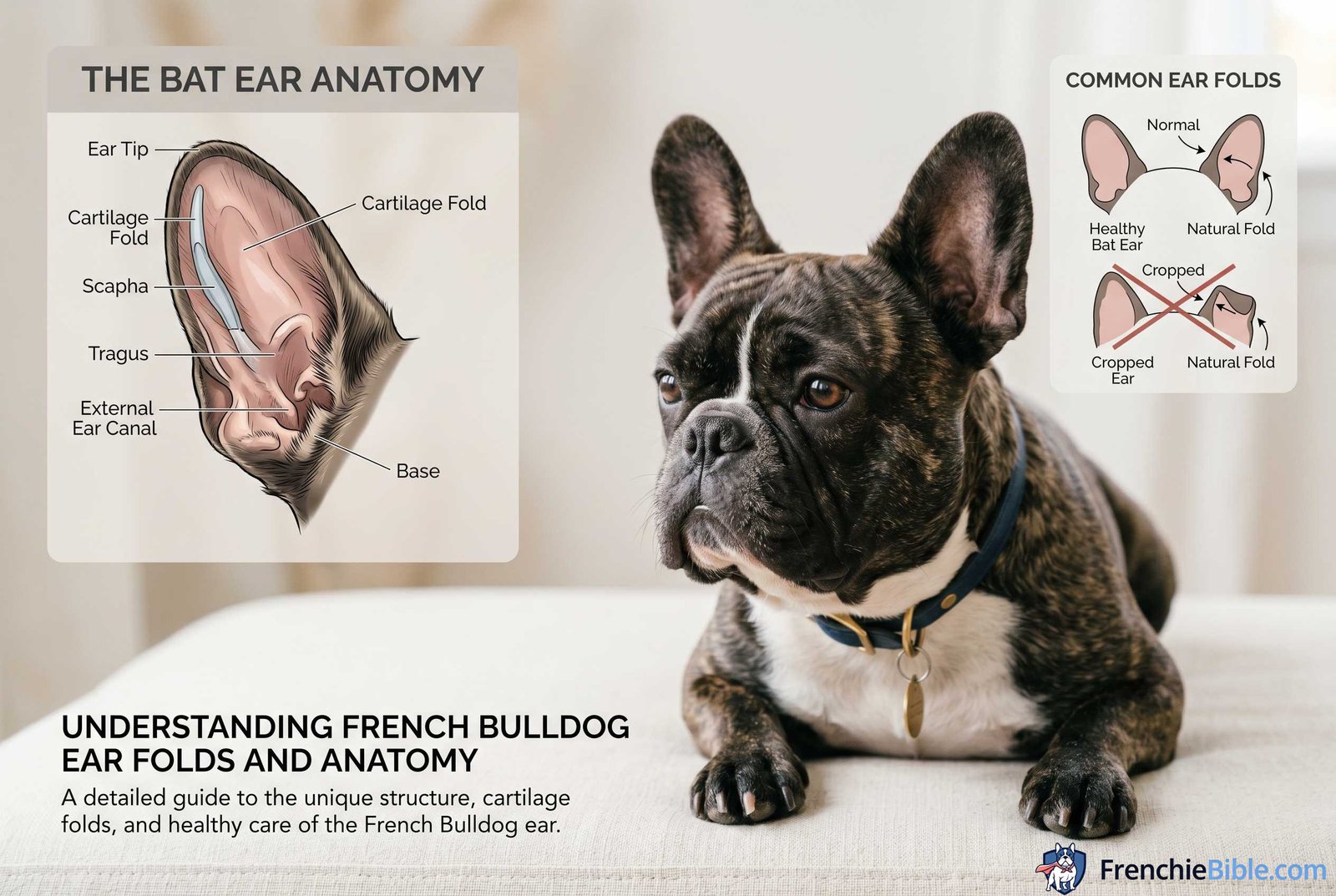
Understanding French Bulldog Ear Folds and Anatomy
To properly care for your dog and prevent long-term issues, you first need to fundamentally understand their unique anatomy. French Bulldogs are a brachycephalic breed. The term “brachycephalic” refers to their shortened snouts and altered, compacted skull shape. Along with this compact bone structure comes an abundance of loose skin. This loose skin is part of what makes them so expressive, charming, and endearing, but it also creates deep crevices that act as magnets for everyday grime.
Why Frenchies Have Wrinkles and Folds
Historically, the bulldog ancestors of our modern Frenchies were bred with loose, thick skin for very specific functional purposes. In their distant past, this loose skin protected vital organs and allowed them to maneuver if grasped by another animal in combat or bull-baiting. While the modern French Bulldog is a pampered companion animal through and through—more likely to fight a stubborn plush toy than a bull—those ancient genetic traits remain heavily pronounced in their DNA.
The skin on their head, neck, and shoulders is particularly loose and pliable. It folds in on itself to create pockets and creases. These folds, while visually adorable, are essentially warm, dark incubators. Because air cannot circulate freely within the deeper crevices of the skin, they do not dry out naturally when the dog sweats, drools, eats, or gets wet from drinking or playing in the damp grass. This fundamental lack of airflow is the root cause of almost every single skin-fold issue in the French Bulldog breed. As a breeder, I constantly remind new owners: if air can’t get to it, moisture will stay in it.
The Anatomy of the Base of the Ear
When we talk about the “base of the ear” in the context of this grooming guide, we are not talking about the ear canal itself (the dark tunnel you look down into when checking for ear mites or inner infections). Instead, we are focusing on the exterior structural base where the thick cartilage of that iconic “bat ear” meets the skull and the neck.
If you call your Frenchie over right now, gently lift their ear flap, and look closely at the front and back of the ear base, you will notice layered folds of skin wrapping around the cartilage structure. Some dogs have minimal folds here, while others have deep, cavernous wrinkles that can swallow a fingertip. These folds act almost like a biological funnel. They catch environmental dust, pollen, loose shed hair, and natural skin oils (sebum).
Compare the Frenchie to a breed with drop ears, like a Beagle or a Labrador. Drop-eared dogs have issues inside the ear canal due to trapped moisture, but their ear base is generally smooth. The Frenchie’s upright ear acts like a satellite dish, catching debris, while the base acts as a collection basin. The thick cartilage requires a robust foundation of skin and muscle to hold it upright, resulting in these complex folds.
Furthermore, a Frenchie’s ears are constantly moving—swiveling independently like radar dishes to catch sounds, flattening against their head in appeasement or fear, or perking up at the exact moment you open a cheese wrapper. Because of this constant articulation, the skin at the base is in a state of constant friction. It is constantly rubbing against itself, which physically pushes debris deeper and deeper into the crevices over time.
Why Dirt Accumulates in These Hidden Spots
Understanding the mechanics of dirt accumulation is the first step in prevention. Dirt and grime build up in the ear base folds for several intersecting reasons:
- Gravity and Shape: The broad, upright shape of the Frenchie’s bat ear catches everything from falling dust to spring pollen. Gravity dictates that debris from the broader part of the ear naturally slides down the cartilage and settles at the absolute lowest point—the base folds.
- Natural Sebum Production: French Bulldogs, like all dogs, produce sebum (natural skin oils) to protect their skin and coat from the elements. However, Frenchies can sometimes have sensitive or overactive sebaceous glands. This sebum acts like a sticky glue inside the fold, trapping dirt, dander, and microscopic debris that would otherwise fall off.
- Moisture Traps and Humidity: Whether it’s from a full bath, a walk in the rain, high summer humidity, or even the dog burying their head in wet grass to roll around, moisture inevitably finds its way into these folds. Once inside, it mixes with the dirt and sebum, creating a thick, sludge-like substance that cannot evaporate due to the lack of airflow.
- Friction and Irritation: The constant movement of the ear creates friction. If there is already a tiny piece of grit or dirt in the fold, this friction causes mild micro-abrasions to the skin. The body’s natural physiological response to this irritation is to produce even more protective oils and immune responses, which ironically perpetuates the cycle of buildup and trapped dirt, creating a localized inflammatory response.
The Risks of Neglecting Ear Fold Hygiene
What happens if you simply ignore these folds and don’t clean them? As a breeder who has rehabilitated rescues and consulted with countless owners facing chronic skin issues, I have seen first-hand how quickly a minor oversight in grooming can escalate into a painful, frustrating problem for the dog. Neglecting the ear folds isn’t just a minor cosmetic issue; it is a significant health, hygiene, and comfort concern that drastically affects your dog’s daily quality of life.
Yeast and Bacterial Infections (Malassezia and Pyoderma)
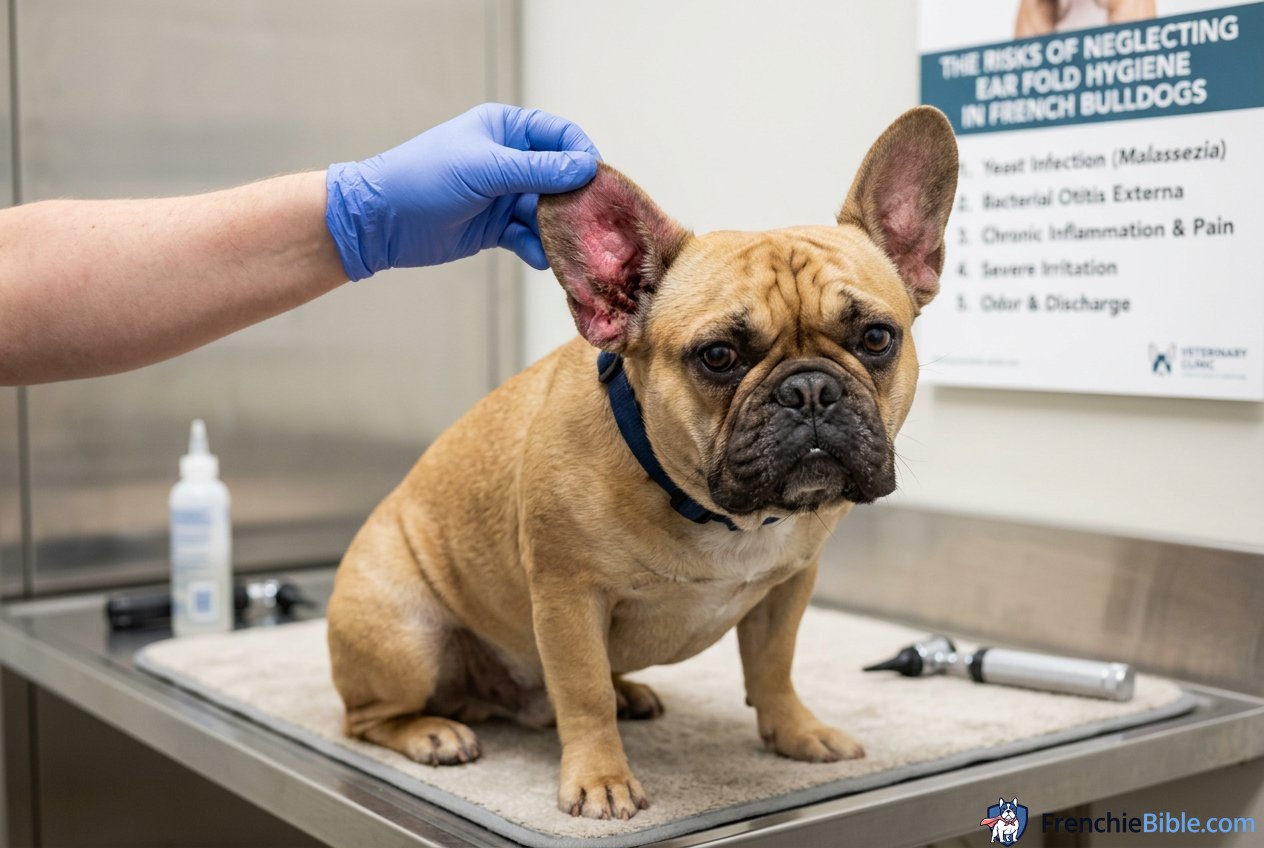
The absolute biggest and most common risk of uncleaned skin folds is a topical skin infection. Malassezia dermatitis (a type of yeast infection naturally found on the skin) and skin fold pyoderma (a bacterial infection, often Staphylococcal) absolutely thrive in the exact environmental conditions present in a dirty, neglected ear fold. These microbes seek out environments that are warm, dark, moist, and severely lacking in oxygen.
On a microscopic level, every dog has a baseline population of yeast and bacteria on their skin. This is the natural, healthy flora. However, when dirt, dead skin cells, and moisture are allowed to sit in the fold for days or weeks, this delicate balance is completely destroyed. Yeast and bad bacteria begin to multiply rapidly, feeding aggressively on the trapped organic debris and sebum.
As an owner, you might first notice a reddish-brown, waxy, thick discharge that looks a bit like used coffee grounds, mud, or dark sludge. In the case of bacterial infections, it might present as a sticky, yellow-greenish film that mats the surrounding fur. The delicate skin underneath this sludge will become bright red, inflamed, raw, and highly sensitive to the touch. This condition is incredibly itchy, irritating, and painful for your Frenchie.
Unpleasant Odors and Severe Discomfort
Long before a full-blown, raw infection takes hold, you will almost certainly notice the smell. A neglected skin fold develops a highly distinct, pungent odor. Owners often describe it as smelling like stale corn chips, old pungent cheese, dirty gym socks, or simply a sweet, rotting, musty smell. This odor is the direct, unavoidable byproduct of bacteria and yeast feeding on the accumulated skin oils and organic debris and releasing gases. No amount of expensive doggy cologne, scented shampoos, or deodorizing sprays will mask it; you absolutely have to remove the source of the bacteria to eliminate the smell.
Furthermore, the buildup causes significant physical discomfort. You might notice your Frenchie aggressively scratching at the side of their head or the base of their ears with their hind legs, often thumping their leg rapidly. They might rub their head obsessively along the carpet, the couch, or your legs. They may also shake their head frequently, mimicking the signs of an inner ear infection. This constant, frantic scratching is dangerous because it can lead to deep micro-abrasions and scratches in the skin. The dog’s dirty toenails introduce new bacteria into these open scratches, which then serve as an open entry point for much more severe, deep-tissue bacterial infections that can spread rapidly.
Potential Hearing and Secondary Health Issues Over Time
While the fold itself is located on the exterior of the ear structure, severe and chronic inflammation of the surrounding tissue can have compounding, devastating effects. If the base of the ear is constantly inflamed, swollen, and hot to the touch, that swelling can physically narrow the opening of the actual ear canal.
When the ear canal narrows due to exterior swelling, it traps normal ear wax and deep debris inside the ear itself. This lack of drainage can easily lead to deep otitis externa (outer ear canal infection) or otitis media (middle ear infection). Over time, chronic, untreated ear infections and constant surrounding inflammation can cause permanent tissue scarring, calcification of the ear canals, and potentially partial or total hearing loss. Taking just five minutes to clean a fold can literally save your dog’s hearing and prevent thousands of dollars in future medical interventions in the long run.
Preparing for the Cleaning Session
Setting yourself and your dog up for absolute success is half the battle. If you rush into the process with cold wipes, a stressed demeanor, and forceful handling, your Frenchie will quickly learn to hate the process. They are incredibly stubborn dogs, and if they decide they don’t like grooming, they will fight you every time. Remember, as a responsible and loving owner, your primary goal is to make grooming a positive, cooperative, and bonding experience.
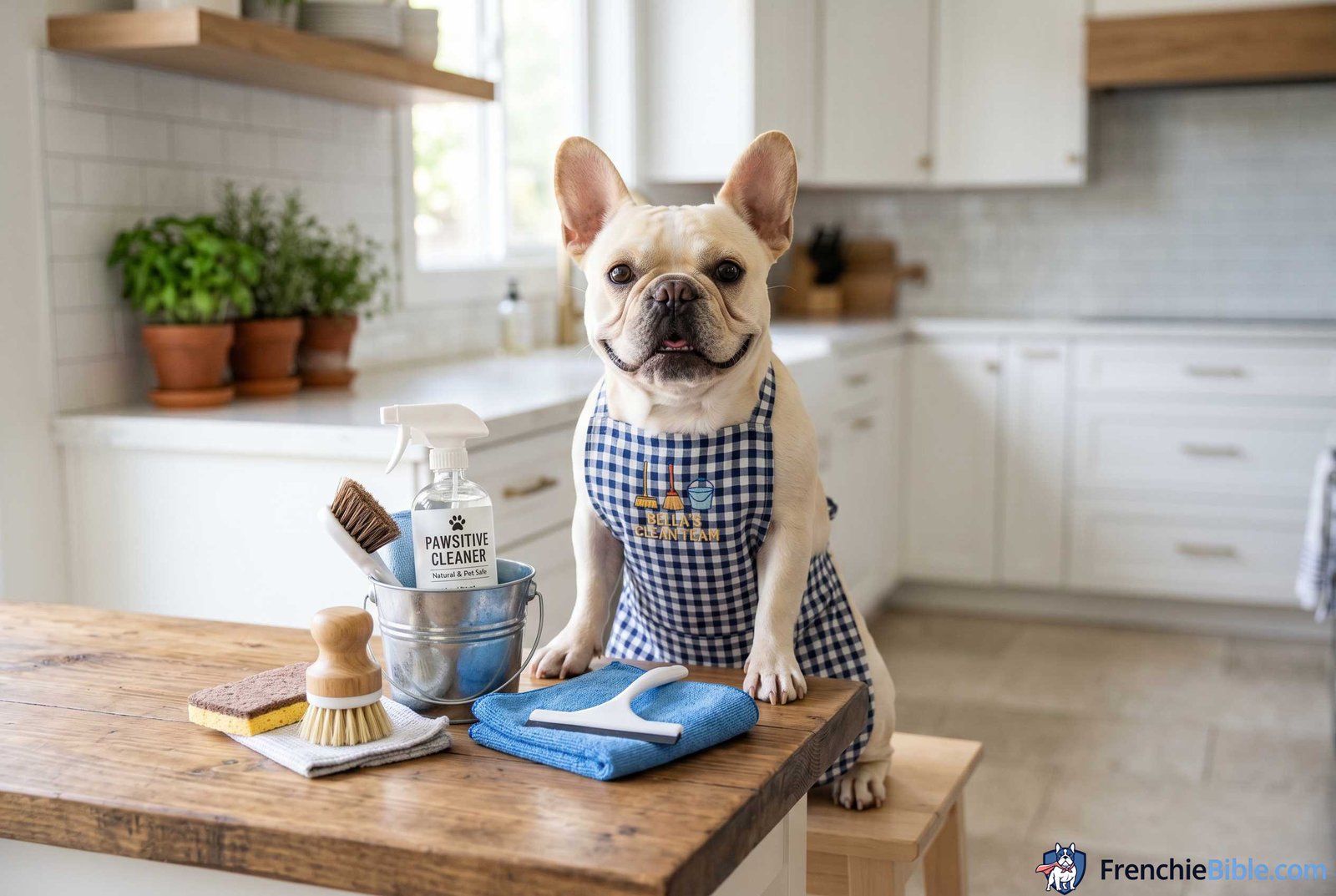
Gathering Your Cleaning Supplies (What to Use and What to Avoid)
Using the exact right products is absolutely crucial. The skin hidden deep in these folds is incredibly delicate, much thinner than the skin on their back, and using harsh chemicals will only strip the natural skin barrier and cause severe irritation.
What You Should Use:
– Unscented, Hypoallergenic Baby Wipes: These are fantastic for everyday, superficial wipe-downs. You must ensure they are 100% alcohol-free and fragrance-free (often labeled as “Water Wipes”). Artificial fragrances are a massive trigger for allergic reactions and contact dermatitis in French Bulldogs.
– Veterinary-Grade Chlorhexidine or your veterinarian may recommend a antifungal medication (never use without veterinary guidance) Wipes: For folds that are already prone to yeast overgrowth or recurrent bacterial issues, these medicated wipes (often available over the counter at premium pet supply stores) are excellent. They clean the physical debris while also actively inhibiting microbial growth on a cellular level.
– Alcohol-Free Witch Hazel: A fantastic, natural astringent that helps clean, soothe, and gently dry the area without the harsh stinging of alcohol. It naturally tightens the pores and reduces inflammation.
– Soft Gauze Pads or Premium Cotton Balls: These are vastly preferred over any kind of stick swab. They are soft, highly absorbent, and perfectly safe for delicate areas.
– Dry, Clean Tissues or a Soft Microfiber Cloth: This is absolutely essential for the final, most crucial drying step.
– High-Value Training Treats: Think boiled chicken breast, small bits of plain cheese, freeze-dried beef liver, or their absolute favorite, irresistible high-value training treats.
What You Must Absolutely Avoid:
– Q-Tips (Cotton Swabs): Never, ever use these in the folds or near the ear canal. A sudden, unexpected jerk of the dog’s head can cause the stick to scratch the delicate skin, or worse, accidentally enter the ear canal and cause severe, permanent damage to the eardrum.
– Products Containing Alcohol: Alcohol dries out the skin far too aggressively. If there are any hidden micro-abrasions from scratching, alcohol will sting terribly, burning the skin and making your dog fear you and the cleaning process forever.
– Hydrogen Peroxide: This is far too harsh for healthy skin cells. It actually destroys new, healing cells and severely delays the healing process if the skin is already mildly irritated.
– Scented Shampoos or Wipes: As mentioned, artificial fragrances are a leading cause of topical skin allergies and immune flare-ups in this breed.
Creating a Calm, Safe Environment for Your Frenchie
Timing and environment are everything in dog grooming. Choose a quiet, low-traffic time of day when your dog is already naturally relaxed, perhaps after a long evening walk when they have burned off their energy, or right before bed when they are sleepy. Do not attempt to clean their folds when they are in high-energy “zoomies” mode, expecting a meal, or when the household is chaotic.
Place them on a comfortable surface where they feel secure but where you have good leverage. For some relaxed dogs, this is simply sitting on their favorite bed on the living room floor. For others, being slightly elevated on a stable grooming table, a sturdy coffee table covered with a non-slip mat, or a couch provides you with better control and visibility. Ensure the room has excellent, bright, direct lighting so you can clearly see deep into the dark crevices of the folds without guessing or probing blindly.
Desensitization Techniques for Anxious or Resistant Dogs
If your Frenchie currently hates having their head or ears touched, you need to completely step back from cleaning and focus purely on desensitization before attempting a deep clean. Forcing them will only escalate their panic and ruin your bond.
- The Touch and Treat: Start by simply touching the outside of their ear flap with one finger for one single second, and immediately giving a high-value treat. Repeat this over several days until they actively look forward to the touch because it means food is coming.
- The Lift: Progress to gently lifting the ear flap up to expose the base, treating immediately, and letting go. Do not wipe yet.
- The Finger Sweep: Gently run a completely dry, bare finger over the base fold, praise enthusiastically in a happy tone, and treat.
- Introducing the Wipe: Introduce the physical wipe. Let them sniff it. Gently touch the wet wipe to their neck or shoulder (away from the sensitive ear), praise, and treat. Let them associate the smell of the wipe with treats.
- The Final Step: Only when they are completely relaxed with all previous steps should you attempt to actually clean the fold. Always pair the cleaning action with continuous, calm praise and a jackpot (a handful) of high-value rewards at the end of the session.
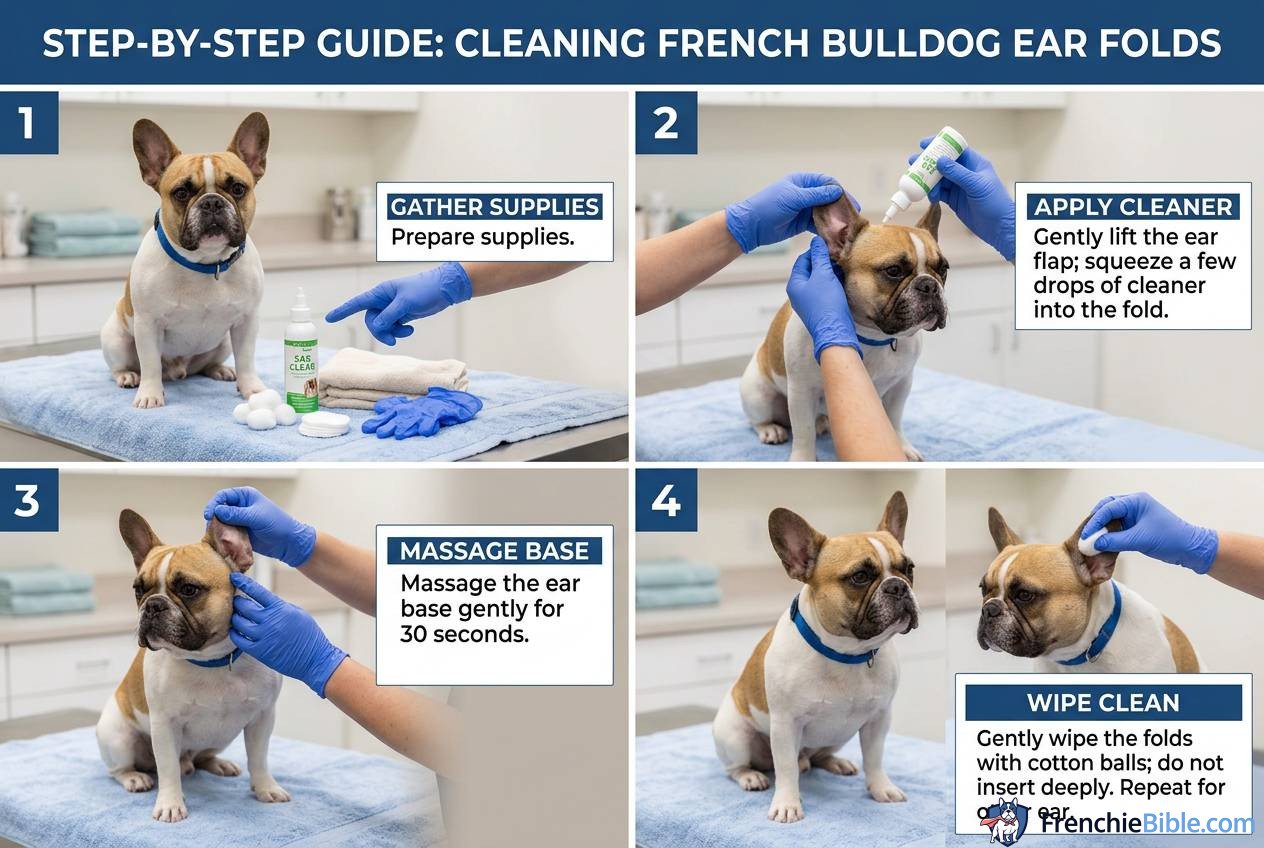
Step-by-Step Guide to Cleaning French Bulldog Ear Folds
Now that you have your supplies and a calm dog, here is the exact, step-by-step protocol I use in my breeding program and teach to all my puppy families. This systematic method ensures thorough, deep cleaning without causing any trauma, pain, or damage to the delicate skin barrier.
Step 1: Initial Inspection and Visual Assessment
Before you apply any moisture, wipes, or solutions, you must assess the current situation. Gently lift the ear flap upward and use your fingers to gently spread the folds at the base apart. Look very closely at the skin hidden inside.
– Is the skin a normal, healthy pale pink (or matching their natural dark skin pigmentation)?
– Is it bright, angry red and visibly inflamed?
– Is there a massive buildup of brown, waxy, foul-smelling gunk?
– Is the skin weeping, bleeding, crusty, or oozing pus?
If the skin is actively bleeding, severely ulcerated, extremely swollen, or oozing green or yellow pus, you must stop immediately. Do not attempt to clean it yourself. This indicates a severe infection that requires professional veterinary assessment, possible skin scrapes, and likely prescription medication. If the fold is merely dirty, slightly pink from friction, or has a standard waxy buildup, you may proceed safely to the next step.
Step 2: Gently Wiping the Outer, Superficial Folds
Take your chosen wipe (a hypoallergenic baby wipe or a medicated chlorhexidine wipe) and wrap it securely around your index finger. Using your free hand, gently but firmly stabilize your dog’s head and lift the ear upward to fully expose the base structure.
Start with the widest, most superficial folds on the outside. Gently swipe your finger along the crease, always moving from the top (near the ear canal opening) downwards toward the neck or cheek. Use a gentle, sweeping “scoop” motion to pull the dirt out and away from the ear base. Never push dirt inward.
Check your wipe after every single swipe. If it comes away heavily soiled with dark brown gunk, discard it and get a completely fresh wipe or reposition your finger to a clean spot on the wipe. Never, ever reuse a dirty section of a wipe on a new part of the skin, as you will simply be spreading concentrated bacteria and yeast around, defeating the entire purpose of cleaning.
Step 3: Getting Deeper (But Proceeding with Gentle Caution!)
Once the superficial, visible dirt is completely gone, it is time to gently pry the deeper, tighter folds open. The skin here is very pliable and elastic, so you can gently stretch it apart with your thumb and forefinger to see the absolute bottom of the “valley.”
Using a fresh wipe over your finger, or a soft gauze pad lightly soaked in alcohol-free witch hazel, gently navigate into these deeper crevices. Do not scrub aggressively! This is the single most common mistake owners make. The friction of aggressive back-and-forth scrubbing will physically tear the microscopic top layer of the skin (the stratum corneum), destroying the skin barrier and guaranteeing massive inflammation by the next morning.
Instead, use a firm but incredibly gentle dabbing, twisting, and sweeping motion. Ensure you systematically clean the folds at the front base of the ear (closest to the cheek and eye) and the back base of the ear (closest to the neck), as sticky dirt accumulates heavily in both areas. Take your time.
Step 4: Drying the Area Thoroughly (The Most Critical Step)
If you only remember one thing from this entire comprehensive guide, let it be this: You must never, under any circumstances, leave the folds wet. This is arguably the most critical step in the entire grooming process. If you perfectly clean the fold, removing all the dirt, but leave it damp from the moisture of the wipe, you have just created the ultimate perfect breeding ground for a massive yeast infection. Yeast absolutely needs moisture to bloom.
Take a completely dry gauze pad, a clean tissue, or a soft, dry microfiber cloth. Wrap it around your finger and gently but meticulously trace the exact same paths and crevices you just cleaned. Press gently into the absolute deepest parts of the fold to absorb all residual moisture and leftover cleaning solution.
Keep repeating this drying process with fresh, dry tissues until the tissue comes away completely bone dry. Feel the skin with your bare finger; if it feels tacky or damp, it is not dry enough.
Step 4.5: Applying Protective Paste (Optional but Recommended for Severe Cases)
For dogs that are incredibly prone to recurrent fold infections, purely drying the area might not be enough to get them through the week. In these specific cases, applying a protective barrier is highly beneficial.
Take a tiny, pea-sized amount of a high-quality, specialized bulldog wrinkle paste. These pastes typically contain natural barrier ingredients like zinc oxide (which soothes and dries) and shea butter. Gently massage this paste into the absolute deepest part of the thoroughly dried fold. The paste acts as a physical, water-repellent barrier. When the dog sweats, drools, or gets wet, the moisture hits the paste and rolls off, rather than soaking into the skin. Remember, less is more; a massive glob of paste will just attract more dirt. You want a thin, invisible layer.
Step 5: The Post-Cleaning Reward
The exact moment you finish the final drying step, immediately throw a “party” for your dog. Offer effusive, high-pitched verbal praise, give them their absolute favorite high-value treat, or engage in their favorite energetic game of tug. This immediate positive reinforcement solidifies in their mind that enduring the slightly annoying cleaning process directly results in the best things in life. This psychological conditioning ensures they will be much more cooperative, calm, and willing the next time you bring out the wipes.
Best Practices for Preventing Dirt and Moisture Buildup
In the complex world of French Bulldog care, cleaning is reactive, but prevention is proactive. As a seasoned breeder, I constantly emphasize to my puppy clients that preventing the dirt and moisture buildup in the first place is the true secret to a happy, healthy, and low-maintenance Frenchie.
Establishing a Consistent Regular Cleaning Routine
Consistency is absolutely everything. You cannot clean the ear folds once every three months when they start to smell and expect them to remain healthy. You need a structured, predictable routine.
– Daily Micro-Maintenance: This doesn’t even require wipes. After every single meal, after they drink heavily from their bowl (Frenchies are notorious messy drinkers), or after they come inside from the rain or wet grass, simply take a dry tissue and quickly wipe any visible moisture away from the ear base and facial wrinkles. This takes ten seconds but prevents hours of future problems.
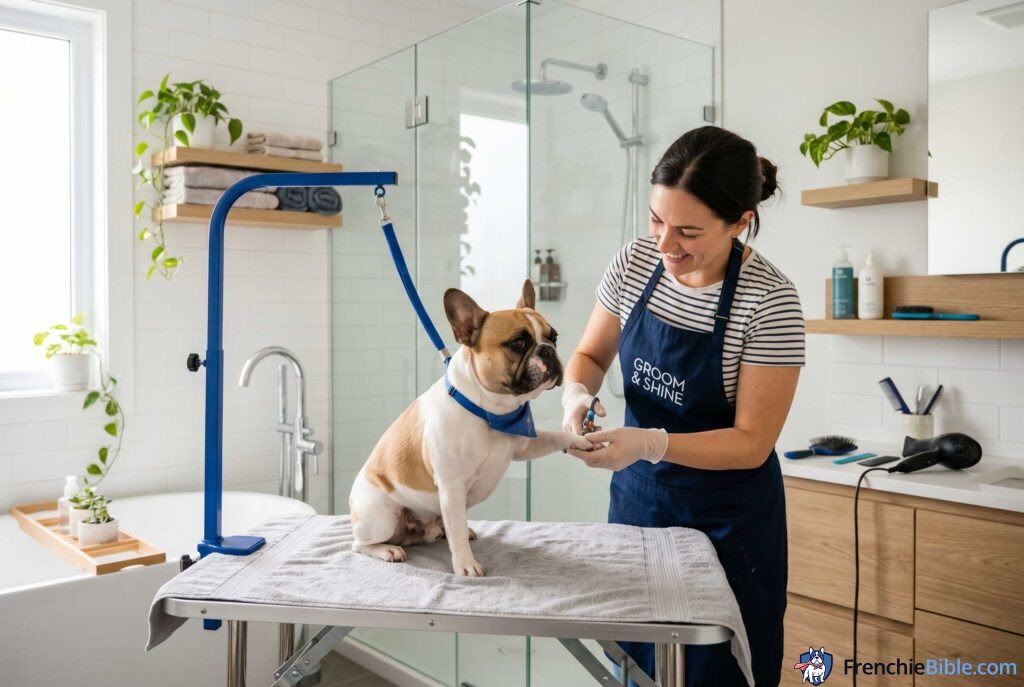
– The Weekly Deep Clean: Dedicate 10 to 15 minutes once or twice a week to perform the full, systematic wet wipe-and-dry routine detailed in the steps above. Make it part of their weekly spa day, perhaps alongside nail trimming and teeth brushing.
By making this a non-negotiable, regular part of their weekly schedule, the dirt buildup never has a chance to become severe, the yeast never has time to bloom, and the cleaning process remains a quick, two-minute painless task rather than a painful, dramatic ordeal.
Dietary Considerations for Internal Skin Health
It is a well-known, foundational fact in the breeding community that what goes into your French Bulldog has a massive, undeniable impact on what comes out of their skin. Diet plays a foundational role in managing systemic sebum production, total body inflammation, and yeast overgrowth.
- High-Quality, Novel Proteins: Ensure their daily diet is built on high-quality, easily digestible animal proteins. Many Frenchies suffer from quiet, low-grade food intolerances to common proteins like chicken or beef, which often manifests as systemically inflamed skin and excessive oil production. Many do incredibly well on novel proteins like duck, venison, salmon, whitefish, or rabbit.
- Omega-3 Fatty Acids: I cannot recommend Omega-3s highly enough. Supplements like high-quality, heavy-metal-free salmon oil, krill oil, or sardine oil are absolutely fantastic for improving the skin barrier function from the inside out. They naturally reduce cellular inflammation and help the skin regulate oil production, meaning significantly less sticky sebum accumulating in the folds.
- Avoid Sugars and Simple Carbohydrates: This is crucial: yeast feeds directly on sugar and starches. If your dog has chronic, recurring yeast infections in their ear folds, paws, or facial wrinkles, you must closely examine their diet. Commercial kibbles that are high in cheap fillers like corn, wheat, soy, or hidden sugars (like molasses or high-fructose corn syrup) literally fuel yeast growth from the gut to the skin. Transitioning to a high-quality, low-carb, or appropriately formulated grain-free diet (always in consultation with nutritional guidelines for heart health) can sometimes completely clear up chronic fold issues from the inside out without changing your cleaning routine.
- Probiotics and Gut Health: The skin microbiome is directly linked to the gut microbiome. Adding a high-quality, multi-strain canine probiotic to their daily meals helps maintain a healthy gut flora, which directly translates to a stronger, more resilient immune system and a better balance of healthy bacteria on the skin surface.
Hydration and Its Role in Skin Elasticity
Proper hydration is rarely discussed in grooming, but it is vital. If your French Bulldog does not drink enough water, their skin loses elasticity and the sebum they produce becomes thicker and more concentrated. Thick, sticky sebum traps dirt much faster than thin, healthy skin oils. Ensure your dog always has access to fresh, clean water. If they are poor drinkers, consider adding a splash of low-sodium bone broth to their water bowl or feeding wet food to increase their overall hydration levels. Plump, hydrated skin is much less prone to micro-tears and irritation.
The Impact of Stress on Skin Issues
French Bulldogs are deeply emotional, sensitive dogs that bond intensely with their owners. Cortisol, the stress hormone, has a direct, detrimental impact on the immune system and skin health. If your dog is stressed—due to moving to a new house, a new baby, a new pet, or even a change in your work schedule—their immune system dips, making them more susceptible to the yeast and bacteria that naturally live in their ear folds. If you notice a sudden flare-up of fold infections during a stressful period, recognize the connection. Try to maintain routines, offer extra comfort, and be extra diligent with your cleaning protocol during these times.
Managing Environmental Allergens and Seasonal Changes
French Bulldogs are notoriously susceptible to environmental allergies (atopy). When a dog is allergic to spring pollen, household dust mites, or fresh grass, their entire skin barrier becomes compromised, itchy, and systemically inflamed.
- If your dog is constantly rubbing their face and the side of their head in the grass on walks, they are physically forcing thousands of microscopic allergens directly into those ear base folds.
- Make it a rigid habit to wipe your dog’s face, ear bases, belly, and paws with a damp, hypoallergenic cloth every single time they come inside from a walk, especially during high pollen seasons in the spring and fall.
- Inside the home, keep your environment meticulously clean. Vacuum regularly with a high-quality HEPA filter, wash their dog bedding frequently in hot water with unscented, hypoallergenic detergent, and strongly consider using HEPA air purifiers in the rooms where they sleep and spend the most time. Reducing the environmental load of allergens significantly reduces the burden on their skin.
When to Seek Professional Help
As a breeder, I empower owners to handle daily husbandry, grooming, and preventative care with confidence. I want you to be the expert on your own dog. However, I also strongly and emphatically emphasize the vital importance of knowing your limits. There is a very fine, distinct line between a dirty ear fold that needs a good cleaning and a serious medical condition that requires professional, qualified intervention.
Recognizing Signs of Severe Infection
You should immediately abandon any home cleaning attempts and contact a professional if you observe any of the following red flag symptoms:
– Severe Erythema (Deep Redness): If the skin inside the fold is raw, actively bleeding, or looks like a severe, angry sunburn that radiates heat.
– Purulent Discharge: Pus of any kind—whether it is bright green, deep yellow, or a thick, opaque white—indicates a severe bacterial infection that will absolutely require prescription topical or oral antibiotics to resolve.
– Extreme, Uncharacteristic Pain: If your normally sweet, tolerant dog vocalizes in pain, yelps, snaps, or panics violently when you try to gently touch the area, they are in significant, acute pain. Do not force them through a grooming session; get them evaluated immediately to relieve their suffering.
– Foul Odor That Returns Instantly: If you thoroughly clean the fold, dry it perfectly, apply paste, and it smells terrible again the very next morning, there is a deep-seated, aggressive infection that over-the-counter wipes cannot and will not resolve.
– Swelling of the Ear Base or Neck: If the tissue surrounding the base of the ear looks visibly puffy, feels hot to the touch, or if the ear flap itself seems thicker or heavier than usual, this indicates severe inflammation that requires anti-inflammatory medication.
Why Chronic Issues Need More Than Just Cleaning
If you find yourself having to aggressively clean infected, yeasty, red folds every single week, and the problem never truly goes away or constantly rebounds, you are only treating a symptom, not the root cause.
Chronic, non-resolving fold infections are almost always secondary to a much larger underlying systemic issue. This could be severe, undiagnosed food allergies, intense environmental atopy, an autoimmune issue, a thyroid imbalance, or a severe immune system deficiency. In these complex cases, no amount of wiping, drying, or over-the-counter creams will cure the problem. You need professional diagnostics—such as skin cytology, skin scrapings, blood panels, or comprehensive allergy testing—to identify and treat the true underlying trigger. Once the root cause is medically managed, the ear folds will naturally clear up and your normal maintenance routine will become effective again.
Frequently Asked Questions (FAQ)
1. Can I safely use human baby wipes to clean my French Bulldog’s ear folds?
Yes, you absolutely can use baby wipes, but with a major, non-negotiable caveat: they MUST be completely unscented, hypoallergenic, and 100% alcohol-free (often labeled as “water wipes” or specifically designed for “sensitive skin”). Scented wipes contain harsh artificial fragrances and chemicals that can cause severe contact dermatitis, and alcohol will aggressively dry out, burn, and irritate the sensitive skin in the folds. For dogs that are naturally prone to yeast or bacterial overgrowth, switching to veterinary-formulated chlorhexidine pet wipes is a much safer and far more effective choice for long-term management.
2. Exactly how often should I clean the folds at the base of my Frenchie’s ears?
For daily preventative maintenance, simply wiping away visible moisture, drool, or environmental debris with a dry, soft cloth is sufficient and takes only seconds. A much more thorough, deep wipe-down using the step-by-step wet-and-dry method detailed above should be done 1 to 2 times a week as part of their regular grooming routine. However, lifestyle absolutely matters: if your dog is actively swimming, playing in the mud, rolling in wet grass daily, or has a proven, documented history of recurrent skin infections, you may need to check and thoroughly clean them every other day to stay ahead of the buildup.
3. Why do my French Bulldog’s ear folds suddenly smell like old cheese or corn chips?
That highly distinct, pungent, and unpleasant odor is the absolute hallmark sign of an overgrowth of yeast (specifically Malassezia) or bacteria. This rapid overgrowth happens when these microbes mix with trapped sweat, sebum (natural skin oil), and dead skin cells that have not been removed. The folds provide a warm, dark, moist environment that is biologically perfect for these microbes to multiply rapidly. If the smell is strong and noticeable from a distance, it is a clear, undeniable sign that a deeper cleaning and a much more rigorous drying routine is needed immediately to prevent a full infection.
4. My Frenchie absolutely hates having their folds cleaned and runs away. What can I do?
Never force the issue by holding them down or pinning them, as this creates intense anxiety, fear, and a massive breakdown of trust between you and your dog. You must start over entirely with positive desensitization training. Touch the area very briefly, give a high-value treat (like real chicken or liver), and stop completely. Gradually, over days or even weeks, build up to holding the ear, then using a dry tissue, and finally using a wet wipe, treating heavily and enthusiastically at every single stage. Extreme patience and positive reinforcement are key. Note: If they are acting aggressively or seem in severe pain when touched, stop immediately, as there may be a hidden, highly painful infection requiring professional veterinary care.
5. Should I put a moisturizing ointment, Vaseline, or cream in the ear folds after I finish cleaning them?
Generally speaking, absolutely not. The primary and most important goal of cleaning these folds is to keep them completely DRY. Adding heavy, oil-based ointments, Vaseline, or even natural products like coconut oil can actually backfire immensely by trapping ambient moisture, sweat, and fresh debris against the skin, creating a much worse, suffocating environment for bacterial and yeast growth. If your dog truly needs a topical product to protect the skin barrier from friction or moisture, opt for a dry wrinkle powder or a specialized, high-quality bulldog wrinkle paste that is specifically formulated to form a dry, breathable, water-repellent moisture barrier.
Disclaimer: The information, techniques, and advice provided in this comprehensive article are solely based on over ten years of extensive, hands-on experience in breeding, raising, mentoring, and caring for French Bulldogs. I am a dedicated breeder and a seasoned owner, NOT a licensed veterinarian. I do not hold any medical or veterinary qualifications whatsoever. The advice, grooming techniques, and product recommendations shared here are intended strictly for educational and informational purposes regarding daily grooming, husbandry, and routine preventative care based on breeder experience. This content is absolutely not intended to diagnose, treat, cure, or prevent any disease, infection, or medical condition, and it should never, under any circumstances, be used as a substitute for professional veterinary advice, diagnosis, or medical treatment. If your dog is exhibiting signs of severe pain, chronic inflammation, bleeding, swelling, or active infection, please consult your licensed veterinarian immediately.