If you have recently welcomed a French Bulldog into your home, you have likely discovered a surprising and somewhat frustrating reality about their coat. While they are a short-haired breed, their shedding can be prolific, and the nature of their hair presents a unique challenge. Unlike the soft, fluffy tumbleweeds produced by long-haired breeds like Golden Retrievers or Pomeranians, French Bulldog hairs are short, coarse, and incredibly stiff. They do not float in the air; instead, they act like tiny, prickly splinters that weave themselves relentlessly into the fabric of your clothes, couches, car seats, and blankets.
As a French Bulldog breeder with over a decade of experience, I have heard countless new and seasoned owners complain about these “hair splinters.” They can ruin a favorite pair of yoga pants, make a cozy fleece jacket unbearable to wear, and turn a pristine fabric sofa into a prickly nightmare. Standard lint rollers often fail to pick them up, and even industrial-strength vacuum cleaners can leave them deeply embedded in the upholstery. The frustration is real, but fortunately, it is not an unsolvable problem.
Related Reading: Training & Behavior | Frenchie Puppy Guide | Best Food for Frenchies
In this comprehensive guide, we will dive deep into the mechanics of the French Bulldog coat, explain why their hair behaves the way it does, and provide you with a definitive arsenal of the most effective tools and techniques for removing these stubborn splinters from your life. Whether you are battling hair on your professional attire, struggling to keep your living room furniture clean, or simply tired of the prickly sensation when you sit down, this article will equip you with the knowledge and practical solutions you need to reclaim your home from Frenchie hair.
Understanding the French Bulldog Coat: Why Are Their Hairs Like Splinters?
To effectively battle the Frenchie hair invasion, it is essential first to understand the enemy. The French Bulldog possesses a single, short, and smooth coat. However, “smooth” refers to the overall appearance, not necessarily the texture of the individual hairs.
The Anatomy of a Frenchie Hair
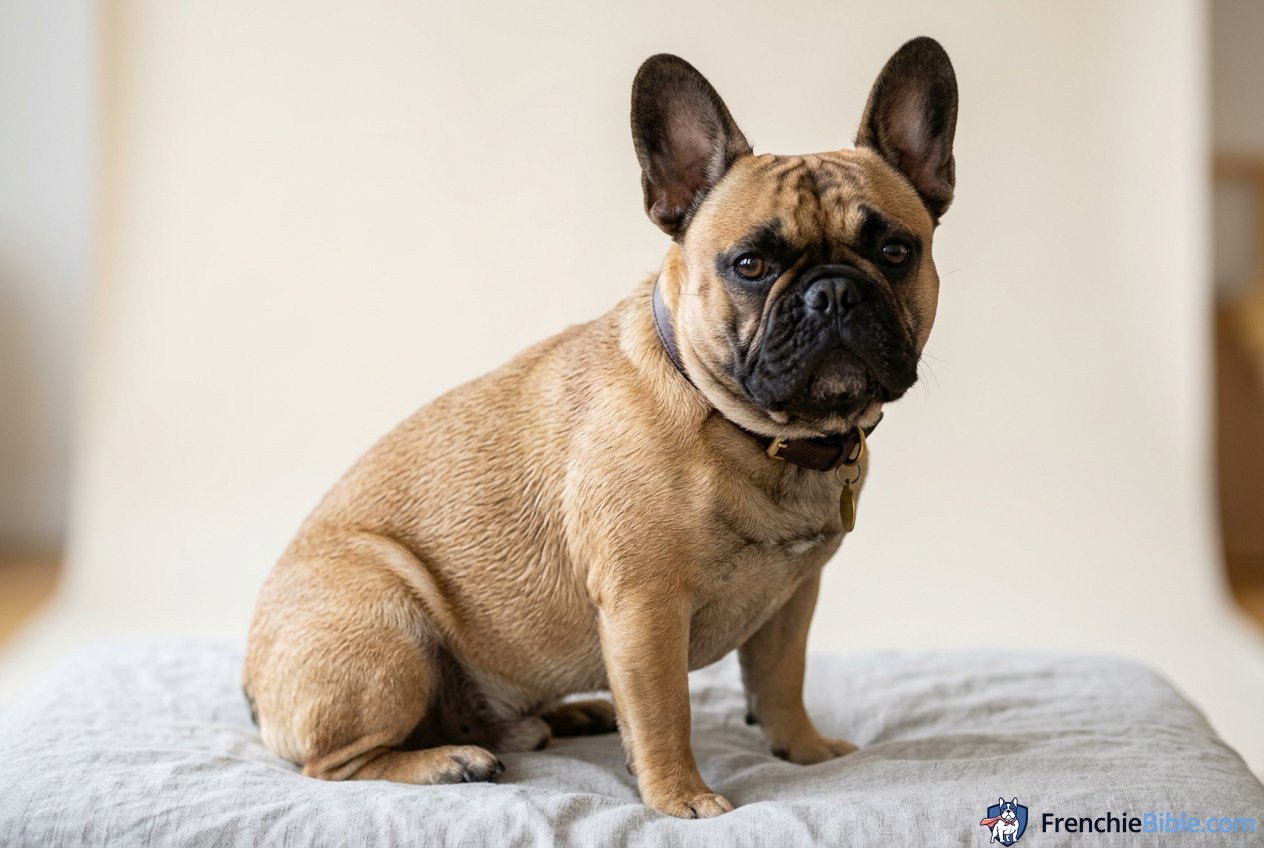
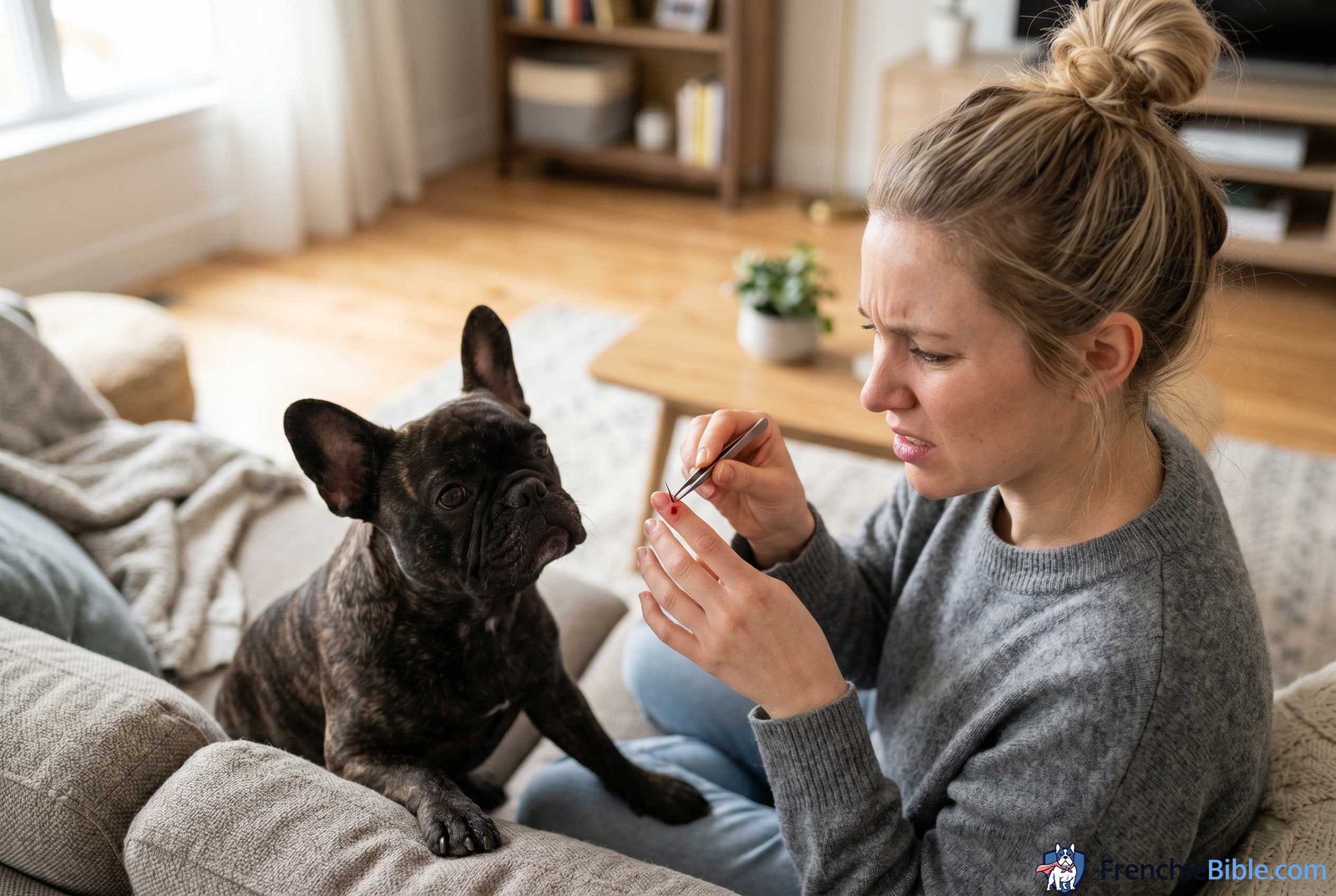
A single French Bulldog hair is relatively thick at the base and tapers to a fine, sharp point at the tip. Because the hair is short, it lacks the flexibility to bend and curve like a longer strand of hair would. When a Frenchie sheds a hair, this stiff, needle-like shaft falls straight down. Due to its rigidity and sharp point, it easily penetrates the weave of various fabrics.
Woven vs. Knit Fabrics: The Penetration Mechanics
The way a Frenchie hair interacts with your clothing depends heavily on the fabric.
– Loosely Woven and Knit Fabrics: Materials like fleece, wool sweaters, soft cotton blends, and loosely woven blankets are the primary victims. The spaces between the threads in these fabrics are large enough for the sharp tip of the hair to enter. Once the hair slides in, the overlapping scales on the hair shaft (the cuticle) act like tiny barbs, anchoring the hair securely within the fabric. This is why you cannot simply brush them off; they are literally woven into the material.
– Tightly Woven Fabrics: Materials like denim, tight nylon, leather, and high-quality canvas are much more resistant. The weave is too tight for the blunt force of a falling hair to penetrate, so the hairs tend to sit on the surface, making them much easier to wipe or roll away.
The Myth of the Non-Shedding Short-Haired Dog
Many first-time owners choose French Bulldogs under the mistaken assumption that short hair equals minimal shedding. This is a profound misconception. Frenchies shed year-round, with heavier shedding periods occurring during the seasonal transitions in spring and fall (often referred to as “blowing their coat”). During these times, the volume of needle-like hairs scattered across your home can increase exponentially. The key difference is that their hair does not clump together; it disperses evenly, embedding itself into every available soft surface.
The Impact of Frenchie Hair Splinters on Daily Life
Living with a Frenchie means accepting that their hair will become a part of your daily routine. However, the specific nature of these hair splinters creates unique annoyances that go beyond simple aesthetics.
The Destruction of Wardrobes
Athletic wear, particularly yoga pants, leggings, and fleece pullovers, are magnets for Frenchie hair. The static electricity generated by wearing these synthetic fabrics actively attracts the loose hairs, which then embed themselves deep into the stretch material. Attempting to pull them out one by one is an exercise in futility. Over time, heavy accumulation can make the garment look permanently dirty and degrade the fabric’s appearance.
The “Prickly” Couch Syndrome
Fabric sofas are the second battleground. When your Frenchie sleeps, rolls, or simply sits on the couch, they leave behind hundreds of tiny splinters. When you later sit on that same spot, especially wearing thin clothing or shorts, the embedded hairs can poke through and irritate your skin. It is an uncomfortable, prickly sensation that can ruin a relaxing evening.
The Laundry Dilemma
Perhaps the most frustrating aspect of Frenchie hair splinters is their resilience in the laundry. Throwing a hair-covered fleece jacket into the washing machine rarely solves the problem. In fact, the agitation of the wash cycle can sometimes drive the hairs deeper into the fabric. The water softens the fabric slightly, allowing the stiff hair to penetrate further. When the garment comes out of the dryer, it may smell clean, but it will still be covered in stubborn, embedded hairs.
Top Highly Effective Tools to Remove French Bulldog Hair from Clothes
When dealing with clothing, you need tools that are aggressive enough to pull out embedded splinters without damaging the fabric itself. Here is a breakdown of the most effective tools for your wardrobe.
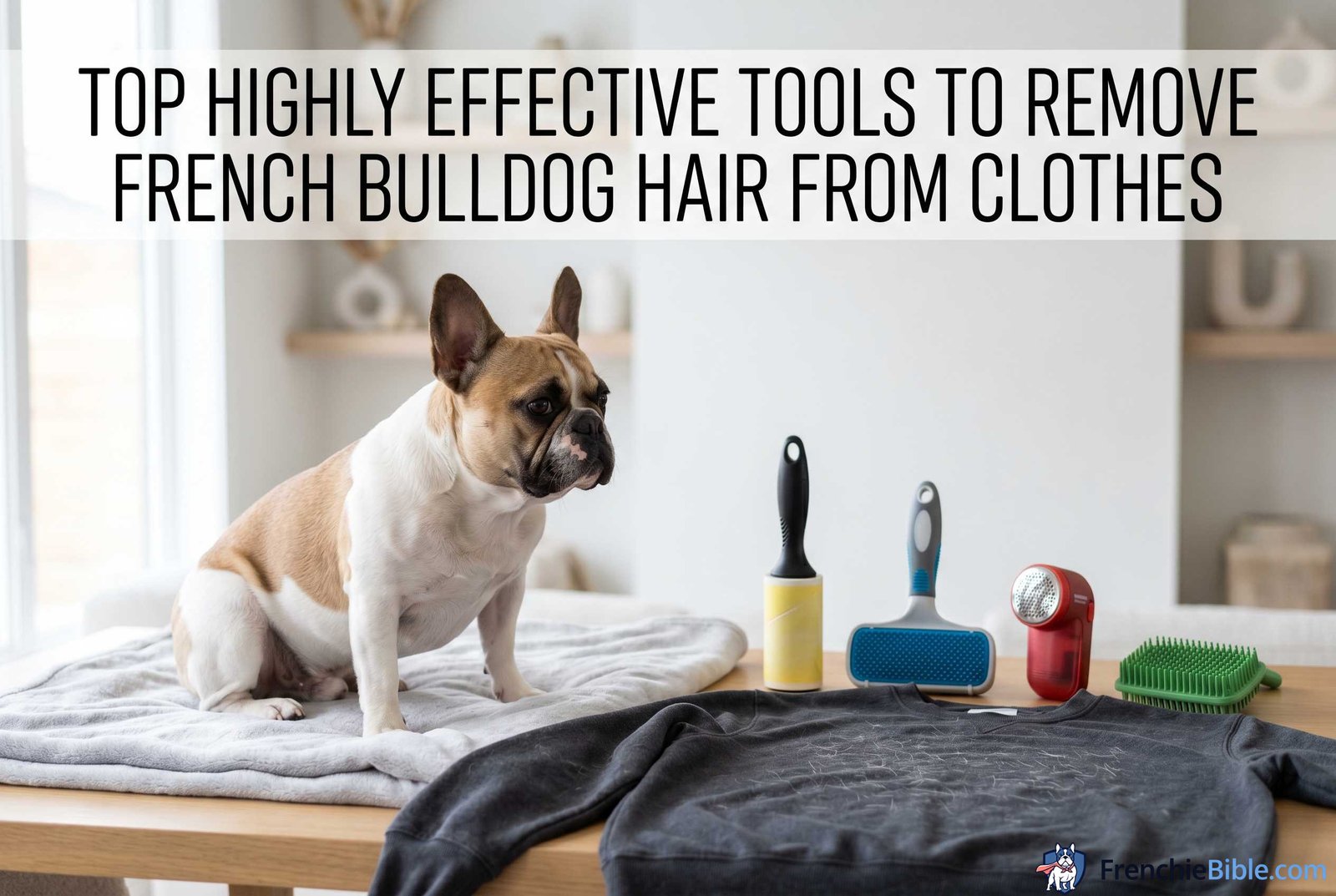
1. Sticky Lint Rollers: The Classic but Flawed Method
Let’s start with the most common tool: the sticky lint roller.
How it works: A roll of adhesive paper picks up loose debris.
The Verdict for Frenchies: Standard, cheap lint rollers from the grocery store are generally ineffective against deeply embedded Frenchie hair. The adhesive is strong enough for surface dust or long, loose hair, but it lacks the necessary grip to pull a barbed splinter out of a tight weave.
The Solution: If you must use a sticky roller, you need to invest in “Pet Hair Extra Sticky” varieties. Brands like Evercare make heavy-duty rollers with significantly stronger adhesive. Even then, you may need to use your other hand to stretch the fabric taut while rolling to expose the embedded hairs to the sticky tape.
2. Rubber Pet Hair Removal Brushes
As a breeder, rubber tools are my absolute go-to for almost every hair-related problem.
How it works: Tools made of natural rubber or silicone utilize friction and static electricity. When you drag the rubber across the fabric, it generates a small static charge that draws the hair out of the weave, while the friction of the rubber grips the hair and pulls it along.
The Verdict for Frenchies: Highly effective. Small, handheld rubber brushes with thick bristles are excellent for clothing. You lay the garment flat on a hard surface, stretch it tight, and brush in short, firm strokes. The rubber grips the stiff hairs and pulls them out, gathering them into a manageable pile that you can then pick up and throw away.
3. Pumice Stones and Fabric Sweepers (The Fur-Zoff)
For heavy-duty fabrics, abrasive tools can work wonders.
How it works: Products like the Fur-Zoff Pet Hair Remover look like an ugly, grey pumice stone. The highly textured, rigid surface catches the tiny hairs and drags them out of the fabric.
The Verdict for Frenchies: These are incredible for sturdy fabrics like denim, heavy coats, canvas bags, and car floor mats. The rough texture easily grabs the stubborn splinters that sticky tape leaves behind.
Caution: Do not use pumice stones or harsh fabric sweepers on delicate materials like silk, fine knits, thin athletic wear, or anything prone to snagging. The abrasive surface will destroy the fabric.
4. Velvet Lint Brushes (Directional Brushes)
These are the traditional red velvet brushes with a directional grain.
How it works: Swiping the brush in one direction against the grain catches the hair in the velvet fibers. Swiping in the opposite direction releases the hair.
The Verdict for Frenchies: These are moderately effective for surface-level hairs and are a good, eco-friendly alternative to disposable sticky rollers for quick touch-ups before leaving the house. However, they often lack the friction needed to pull out deeply woven splinters from fleece or thick knits.
5. The Packing Tape Method (The Last Resort)
When you have an incredibly stubborn patch of hair on a sturdy piece of clothing, and you don’t have a specialty tool, look to your shipping supplies.
How it works: Wrap a piece of heavy-duty clear packing tape or duct tape around your hand, sticky side out. Press firmly onto the fabric and pull away quickly.
The Verdict for Frenchies: The adhesive on packing tape is significantly stronger than standard lint rollers. It can successfully yank out deeply embedded splinters. However, this is time-consuming, wasteful, and the strong adhesive can sometimes leave a sticky residue or damage delicate prints on the clothing. Use this selectively.
Best Tools and Techniques for Removing Frenchie Hair from Sofas and Furniture
Furniture presents a different challenge because you are dealing with large surface areas, different types of upholstery, and the fact that you cannot simply throw your sofa in the washing machine.
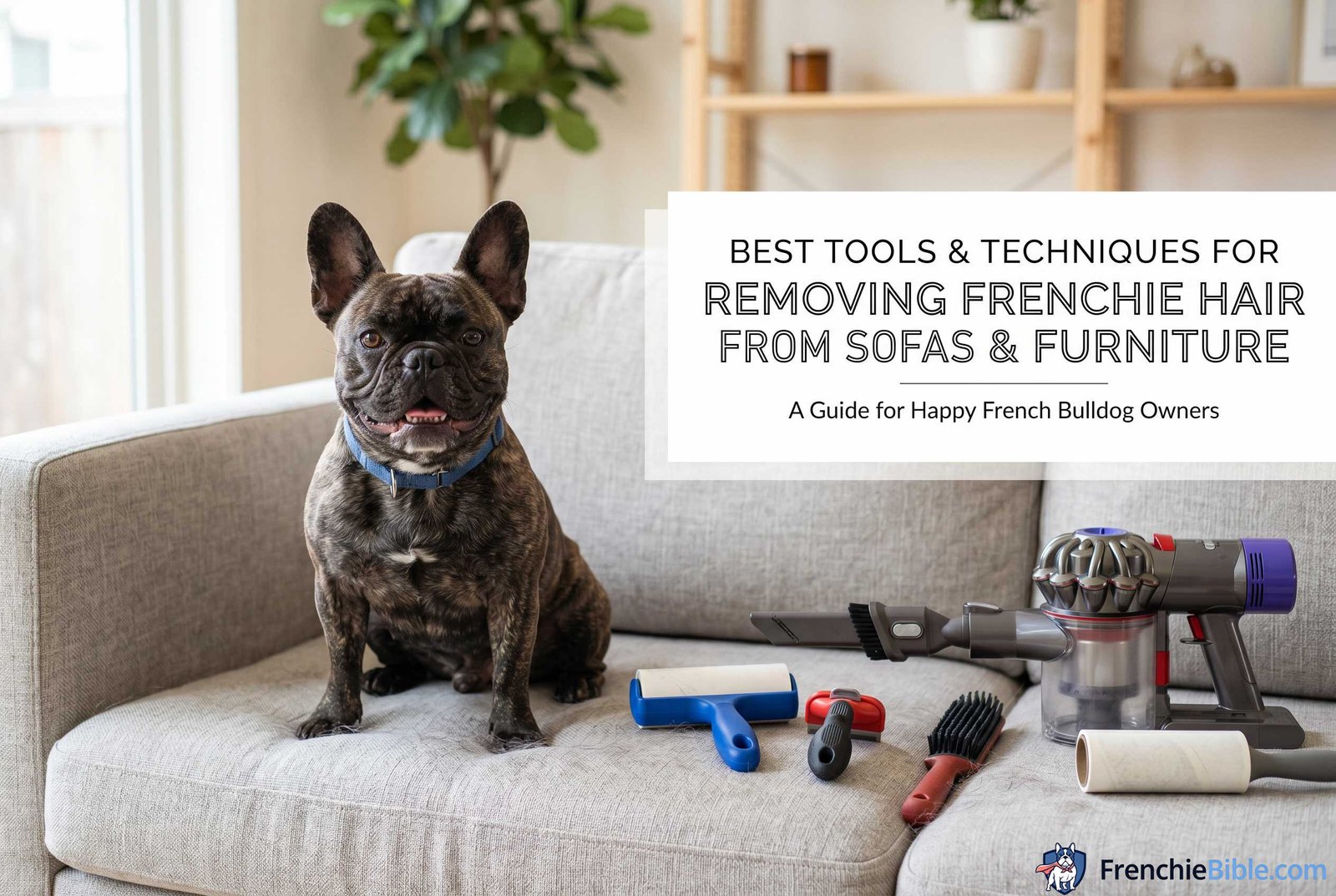
1. The ChomChom Roller (and Similar Reusable Rollers)
Over the last few years, the ChomChom Roller has revolutionized pet hair removal for furniture.
How it works: It looks like a standard lint roller, but instead of sticky tape, it features a patented brush system with directional micro-bristles. By rapidly rolling the device back and forth in short strokes, it creates an electrostatic charge that pulls the hair from the fabric and traps it in a built-in receptacle.
The Verdict for Frenchies: This is arguably the best single tool for removing Frenchie hair from flat fabric surfaces like sofa cushions, bed sheets, and tight-weave blankets. The back-and-forth friction is specifically designed to pull out embedded splinters. It is entirely reusable, requires no batteries, and is highly efficient for daily maintenance.
2. Rubber Squeegees and Window Cleaners
This is an old breeder’s secret that is incredibly effective and astonishingly cheap.
How it works: Just like the rubber brushes for clothes, a standard window squeegee uses a firm rubber blade to create friction.
The Verdict for Frenchies: This is my top recommendation for carpeted stairs, car upholstery, and large, sturdy fabric sofas. You take a clean window squeegee and drag it firmly across the surface. The rubber blade grips the embedded hairs and pulls them to the surface, rolling them into a neat little log of fur that you can easily pick up. It works surprisingly well on the short, stiff hairs that vacuums leave behind.
3. Specialized Pet Hair Vacuums and Motorized Attachments
While a standard floor vacuum with suction only will fail miserably against Frenchie hair on a sofa, motorized tools are a different story.
How it works: You need a handheld vacuum or an upholstery attachment that features a motorized, rotating bristle brush. The suction pulls, while the spinning bristles agitate the fabric and actively dig the splinters out of the weave.
The Verdict for Frenchies: Essential for deep cleaning. Brands like Dyson (with their hair screw tool) or Shark (with motorized pet power brushes) are excellent. The mechanical action of the spinning brush is necessary to un-weave the short hairs from the upholstery fibers. Relying on suction alone will only remove surface dust, leaving the prickly splinters behind.
4. The Damp Rubber Glove Trick
If you need to clean your couch immediately and have zero specialized tools on hand, look under your kitchen sink.
How it works: Put on a standard pair of rubber dishwashing gloves. Lightly dampen the palms with water (do not soak them). Rub your hands firmly over the sofa cushions in sweeping motions.
The Verdict for Frenchies: The combination of rubber friction and slight moisture creates an incredible grip on the hair. The water causes the hairs to clump together slightly, and the rubber drags them out of the fabric. You will be amazed at how much hidden hair you can roll up into a ball using just a damp pair of gloves.
The Laundry Solution: How to Wash Out French Bulldog Hair Splinters
As mentioned earlier, standard washing and drying often fail to remove Frenchie hair splinters. To get your clothes truly hair-free, you need to alter your laundry routine.
Step 1: The Pre-Wash Tumble (Crucial Step)
The biggest mistake owners make is putting hair-covered clothes directly into the washing machine. Water softens the fabric and forces the hairs deeper.
The Solution: Before washing, put the dry, hair-covered clothes into the dryer on a NO HEAT or AIR FLUFF setting for 10-15 minutes. Add a damp microfiber cloth or a couple of wool dryer balls. The tumbling action, combined with the airflow, will shake loose a significant percentage of the embedded hairs, trapping them in the lint filter before water ever touches the fabric.
Step 2: Use a Hair-Catching Washing Machine Additive
While in the wash, you want to prevent loose hairs from redepositing onto other garments.
The Solution: There are specialized laundry products, such as “FurZapper” silicone discs or floating lint mesh bags, designed to catch hair in the wash. For Frenchie hairs, the sticky silicone discs (like FurZapper) tend to work best. They tumble with the clothes and the stiff hairs adhere to the sticky silicone surface, which is then rinsed clean later.
Step 3: White Vinegar in the Rinse Cycle
Fabric softeners can sometimes leave a coating that traps hair.
The Solution: Instead of liquid fabric softener, add 1/2 cup of distilled white vinegar to the rinse cycle compartment. Vinegar is a natural fabric softener. It relaxes the fibers of the clothing, which helps release the grip the fabric has on the tiny hair splinters, allowing them to be flushed away in the final spin. (Don’t worry, the vinegar smell dissipates during drying).
Step 4: Anti-Static Drying
Static electricity is the enemy in the dryer; it causes the remaining hairs to cling desperately to the fabric.
The Solution: Ditch traditional chemical dryer sheets. Instead, use 3-4 XL Wool Dryer Balls. These bounce around, separating the clothes, reducing drying time, and significantly cutting down on static cling, allowing the dryer’s exhaust fan to blow the remaining hairs into the lint trap.
Preventative Measures: Reducing Frenchie Shedding at the Source
The absolute best way to manage Frenchie hair on your clothes and sofas is to catch the hair before it falls off the dog. While you cannot stop a dog from shedding, a rigorous preventative routine will drastically reduce the volume of splinters in your environment.
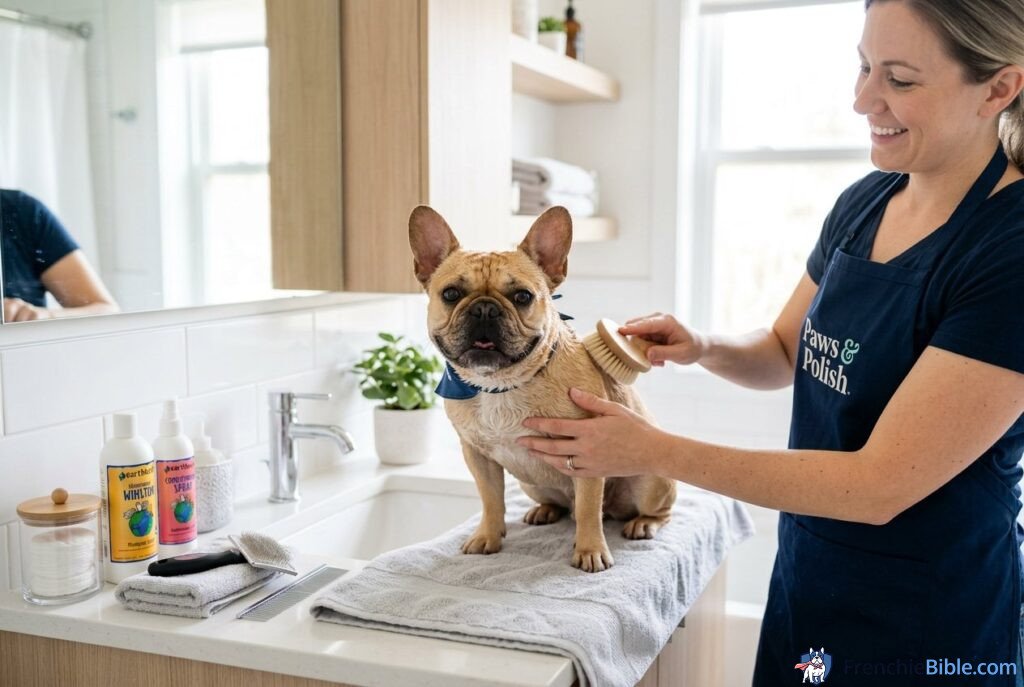
1. The Power of the Rubber Curry Brush
For a French Bulldog, standard bristle brushes or wire slicker brushes are almost entirely useless. They do not penetrate the short coat effectively and can scratch their sensitive skin.
The Breeder’s Choice: You must use a rubber curry brush. The Kong ZoomGroom is the gold standard in the Frenchie community. The thick, flexible rubber cones massage the skin, stimulate natural oil production, and most importantly, act as a magnet for loose hair.
The Routine: Brush your Frenchie outside for 5-10 minutes every single day, or at minimum, every other day. Use firm, circular motions over their entire body to loosen the dead hair, then long sweeping strokes to pull it away. The amount of hair you can remove with a rubber brush in 10 minutes will save you hours of vacuuming your sofa.
2. Shedding Blades and Deshedding Tools
During the heavy shedding seasons (spring and fall), you may need to step up your grooming game.
The Solution: A shedding blade (a looped strip of metal with small, dull teeth) or a specialized deshedding tool (like a Furminator for short hair) can be used cautiously. These tools reach below the topcoat to drag out the dead undercoat (yes, Frenchies have a very fine, minimal undercoat).
Caution: Use these tools gently. Frenchies have a single, thin coat over a lot of loose skin and wrinkles. Pressing too hard with a metal blade can cause brush burn, irritation, or cut their skin. Always use light pressure and pull in the direction of hair growth.
3. Bathing Frequency and Deshedding Shampoos
Regular bathing helps loosen dead hair, but over-bathing can dry out their skin, leading to flaking and more shedding.
The Routine: Bathe your Frenchie roughly once a month, unless they get exceptionally dirty.
The Secret Weapon: During heavy shedding periods, use a high-quality “Deshedding Shampoo and Conditioner” set. These products contain specific proteins and amino acids that help release the undercoat. While the dog is lathered up in the tub, use your rubber curry brush to massage the shampoo in. You will see massive amounts of hair wash down the drain—hair that would have otherwise ended up woven into your yoga pants.
4. Diet and Nutritional Supplements
A dog’s coat health starts from the inside out. A dry, brittle coat will shed more profusely and break more easily, creating sharper splinters.
The Solution: Ensure your Frenchie is eating a high-quality, balanced diet. The most critical supplement for coat health is Omega-3 fatty acids. Adding a high-quality fish oil (like wild Alaskan salmon oil) or krill oil to their daily meals works wonders. Within 4 to 6 weeks, you will notice their coat becomes softer, shinier, and significantly more resilient, leading to less breakage and reduced shedding.
Summary: Winning the War Against Hair Splinters
Living with a French Bulldog is a joy, and dealing with their unique hair is a small price to pay for their immense affection and comical personalities. By understanding the barbed, splinter-like nature of their short coat, you can stop fighting a losing battle with weak sticky rollers and start using the right tools. Arm yourself with rubber brushes, heavy-duty reusable rollers, smart laundry techniques, and a proactive grooming schedule. You will soon find that keeping your clothes and your couch hair-free is not impossible—it just requires a strategic approach.
Frequently Asked Questions (FAQs)
1. Why does my French Bulldog’s hair seem to weave itself into my clothes so tightly?
French Bulldog hairs are short, thick, and very rigid, tapering to a sharp point. When they fall against loosely woven or knit fabrics (like fleece or sweaters), the stiff, sharp end penetrates the spaces between the threads. The microscopic cuticles on the hair shaft act like barbs, anchoring the hair securely within the fabric fibers, making it incredibly difficult to simply brush away.
2. Can a robot vacuum effectively handle French Bulldog hair on carpets and rugs?
Yes, but you must choose the right model. Because Frenchie hair splinters embed themselves into carpet fibers, a robot vacuum relying solely on suction will leave a lot behind. You need a high-end robot vacuum that features aggressive, dual multi-surface rubber brushes (rather than traditional bristle brushes). The rubber extractors agitate the carpet and pull the short hairs out much more effectively without tangling.
3. Are there any specific fabrics or materials that repel Frenchie hair?
Yes. If you want to minimize hair accumulation on your furniture and clothing, opt for tightly woven or sleek materials. Leather, high-quality faux leather (pleather), tight canvas, silk, satin, nylon, and tightly woven denim are highly resistant to Frenchie hair. The hairs simply cannot penetrate the tight surface weave and will slide right off or can be easily wiped away.
4. How often should I brush my Frenchie to minimize the amount of hair on my furniture?
For the best results, you should brush your French Bulldog with a rubber curry brush (like a Kong ZoomGroom) for about 5 to 10 minutes every day, or at least every other day. Consistent, daily brushing captures the loose dead hair before it has a chance to fall off onto your sofa or embed itself into your clothing.
5. Does shaving a French Bulldog stop them from shedding and eliminate the hair splinters?
No. You should absolutely never shave a French Bulldog. Shaving a short-haired, single-coated breed like a Frenchie does not stop shedding; it simply makes the shed hairs shorter, even sharper, and more difficult to remove. Furthermore, a Frenchie’s coat protects them from sunburn, environmental allergens, and helps regulate their body temperature. Shaving them ruins their natural coat structure and puts them at severe risk of skin issues and overheating.
Disclaimer: I am not An Experienced Breedererinarian, and I do not hold any veterinary or medical qualifications. The information provided in this article is based solely on over 10 years of personal experience as a French Bulldog breeder. This content is intended for educational and informational purposes regarding grooming and daily care. It should never be used as a substitute for professional veterinary advice, diagnosis, or treatment. Always consult with your trusted, licensed veterinarian regarding any health or medical concerns you may have for your dog.