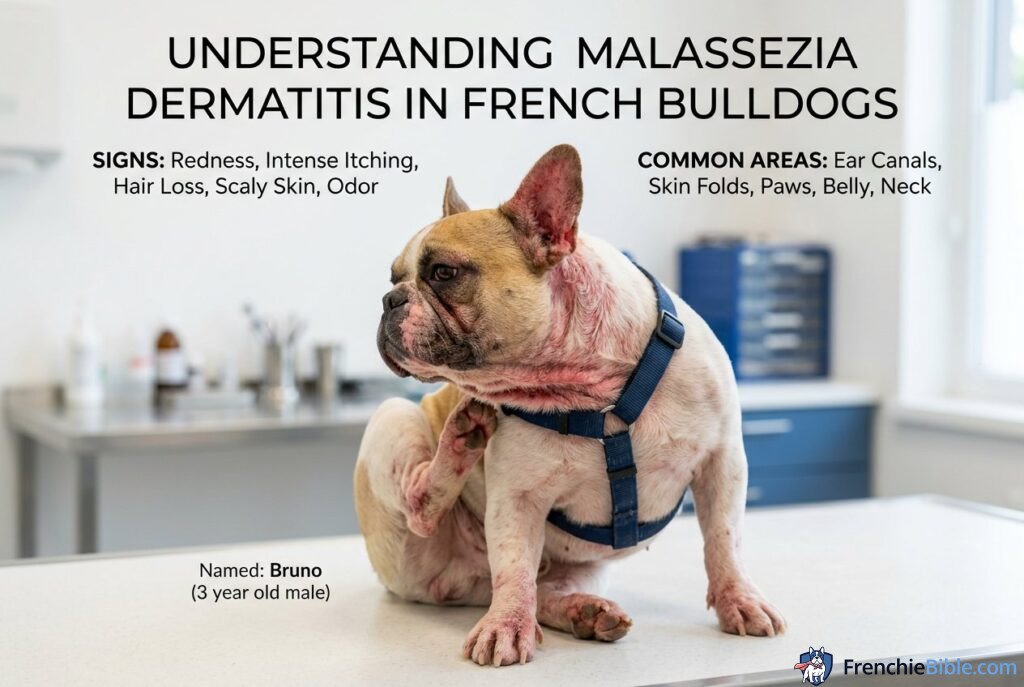
If you share your home with a French Bulldog, you are likely intimately familiar with their adorable quirks, their expressive bat ears, and their affectionate, clownish personalities. However, you might also be familiar with a less charming trait: a distinctive, often overpowering odor that resembles sour milk, stale corn chips (the famous “Frito paws”), or even a musty, mousey smell. Accompanied by intense itching, greasy skin, and dark discoloration, this smell is not just your Frenchie “being a dog.” It is the hallmark sign of a Malassezia yeast overgrowth, a condition that plagues the French Bulldog breed more than almost any other.
as a French Bulldog expert and breeder specializing in French Bulldogs and a breeder dedicated to the health of this wonderful breed, I see Malassezia dermatitis daily. It is a source of immense frustration for owners and severe discomfort for the dogs. In this definitive guide, we will explore everything you need to know about yeast infections in French Bulldogs—from the underlying biological causes and diagnostic processes to advanced treatment protocols, dietary management, and long-term prevention strategies.
Related Reading: Training & Behavior | Frenchie Puppy Guide | Best Food for Frenchies
Understanding Malassezia Dermatitis in French Bulldogs
To effectively combat a yeast infection, you must first understand the enemy. Yeast is not a parasite that your dog “catches” from another dog or the environment; it is already there.
What is Malassezia Pachydermatis?
Malassezia pachydermatis is a species of lipophilic (lipid-loving) yeast that naturally resides on the skin, in the ear canals, and on the mucosal surfaces of all healthy dogs. In a normal, healthy French Bulldog, this yeast exists in a harmonious symbiotic relationship with the dog’s immune system and other resident skin flora (like Staphylococcus bacteria). It feeds on the natural oils (sebum) produced by the skin’s sebaceous glands.
When the skin’s microenvironment is healthy, the immune system keeps the yeast population strictly controlled. However, Malassezia is an opportunistic pathogen. This means that if the skin’s natural barrier is compromised, if the microenvironment changes (becoming warmer and moister), or if the dog’s immune system is distracted or weakened, the yeast seizes the opportunity to multiply rapidly. This uncontrolled proliferation transforms the yeast from a harmless resident into a disease-causing agent, resulting in Malassezia dermatitis (skin infection) or Malassezia otitis (ear infection).
Why the French Bulldog? The Perfect Storm for Yeast
If yeast is present on all dogs, why do French Bulldogs suffer from these infections so disproportionately? The answer lies in the breed’s unique anatomy and genetic predispositions. A Frenchie’s body is essentially a perfect incubator for yeast.
1. The Anatomical Folds and Wrinkles:
French Bulldogs are renowned for their heavy facial wrinkles, deep tail pockets, and tight body folds. Malassezia thrives in dark, warm, and moist environments. The deep crevices of a Frenchie’s facial folds trap heat, moisture from tears and saliva, and skin oils. Oxygen cannot penetrate these tight spaces, creating an anaerobic-like, humid microclimate where yeast populations can explode in a matter of hours. The tail pocket (the inverted space under the base of a tight tail) is particularly notorious for trapping moisture, feces, and dead skin cells, making it a prime breeding ground.
2. Genetic Predisposition to Allergies (Atopy):
This is the most critical factor. French Bulldogs are highly predisposed to atopic dermatitis (environmental allergies) and adverse food reactions. When a Frenchie is allergic to pollen, dust mites, or a protein in their food, their immune system overreacts, leading to systemic inflammation. This allergic inflammation degrades the skin’s epidermal barrier, increasing transepidermal water loss and causing the skin to produce excessive, abnormal oils (seborrhea). The inflamed, compromised, and oily skin is exactly what Malassezia needs to thrive. In my practice, I estimate that over 85% of chronic yeast infections in Frenchies are secondary to underlying untreated allergies.
3. Immune System Factors:
Due to selective breeding, some Frenchies possess local immune deficiencies within their skin. Their skin may not produce enough defensins (natural antimicrobial peptides), allowing the normal flora to grow out of control. Furthermore, the constant state of inflammation from allergies exhausts the local immune defenses, leaving the dog vulnerable to opportunistic yeast.
Signs and Symptoms: Is It Yeast or Something Else?
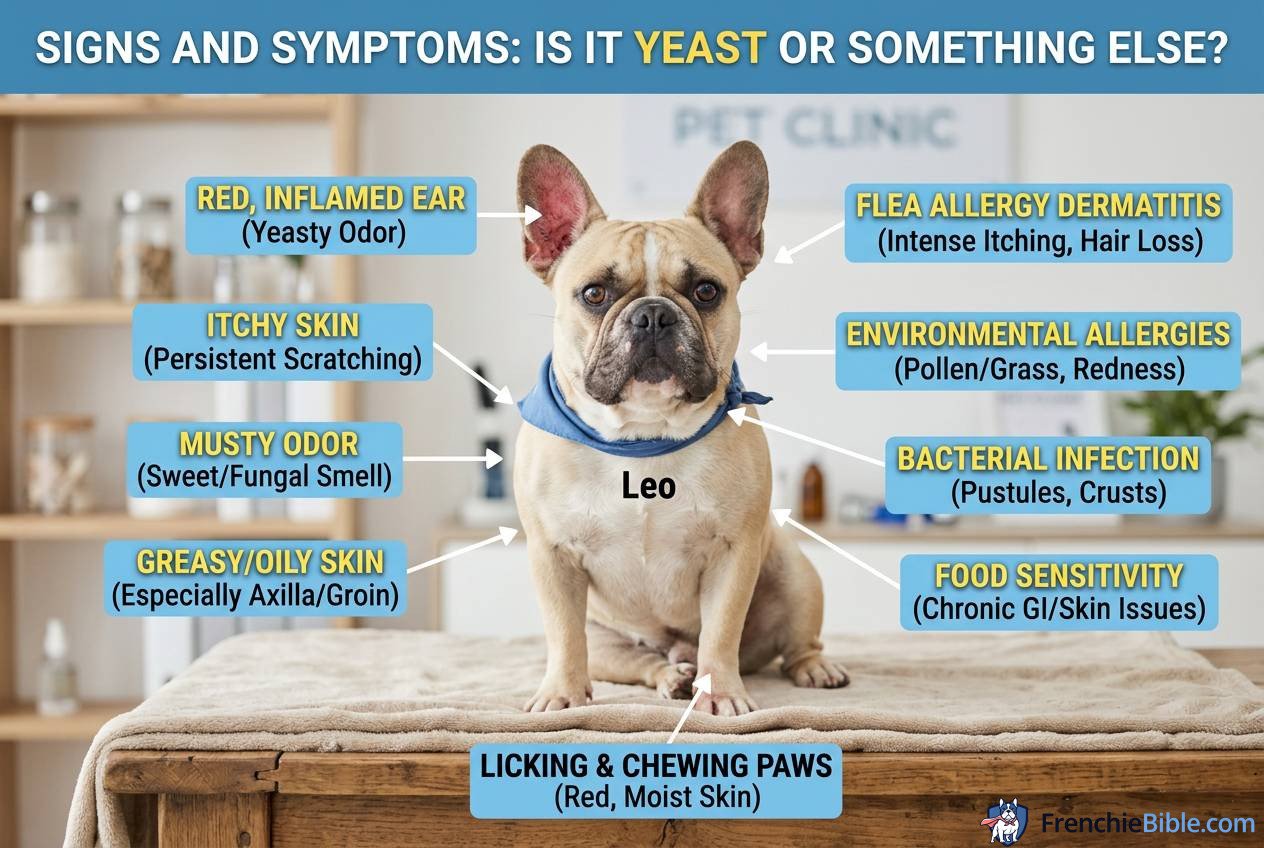
Recognizing a yeast infection early is vital to prevent it from becoming a severe, chronic issue that causes permanent skin changes. The symptoms of Malassezia dermatitis are highly characteristic, engaging multiple senses—particularly smell and sight.
The Distinctive Odor
The most common reason owners bring their Frenchie to my breeding program for a yeast infection is the smell. As Malassezia digests the lipids on your dog’s skin, it releases specific chemical byproducts, primarily short-chain fatty acids and volatile organic compounds.
- The “Fritos” Smell: Commonly noticed on the paws, this stale corn chip odor occurs when yeast mixes with the specific sweat glands located on a dog’s footpads.
- The “Sour” or “Musty” Smell: Often emanating from the ears or facial folds, this smell resembles sour milk, old cheese, or a damp basement.
- The “Mousey” Odor: In severe, generalized infections where the yeast covers large portions of the body, the dog can take on a distinct, sharp “mousey” or unwashed rodent smell.
Bathing the dog often only masks these odors for a day or two before they return, sometimes even stronger.
Visual Clues and Skin Changes
Yeast causes intense inflammation, leading to a cascade of visible changes on the skin:
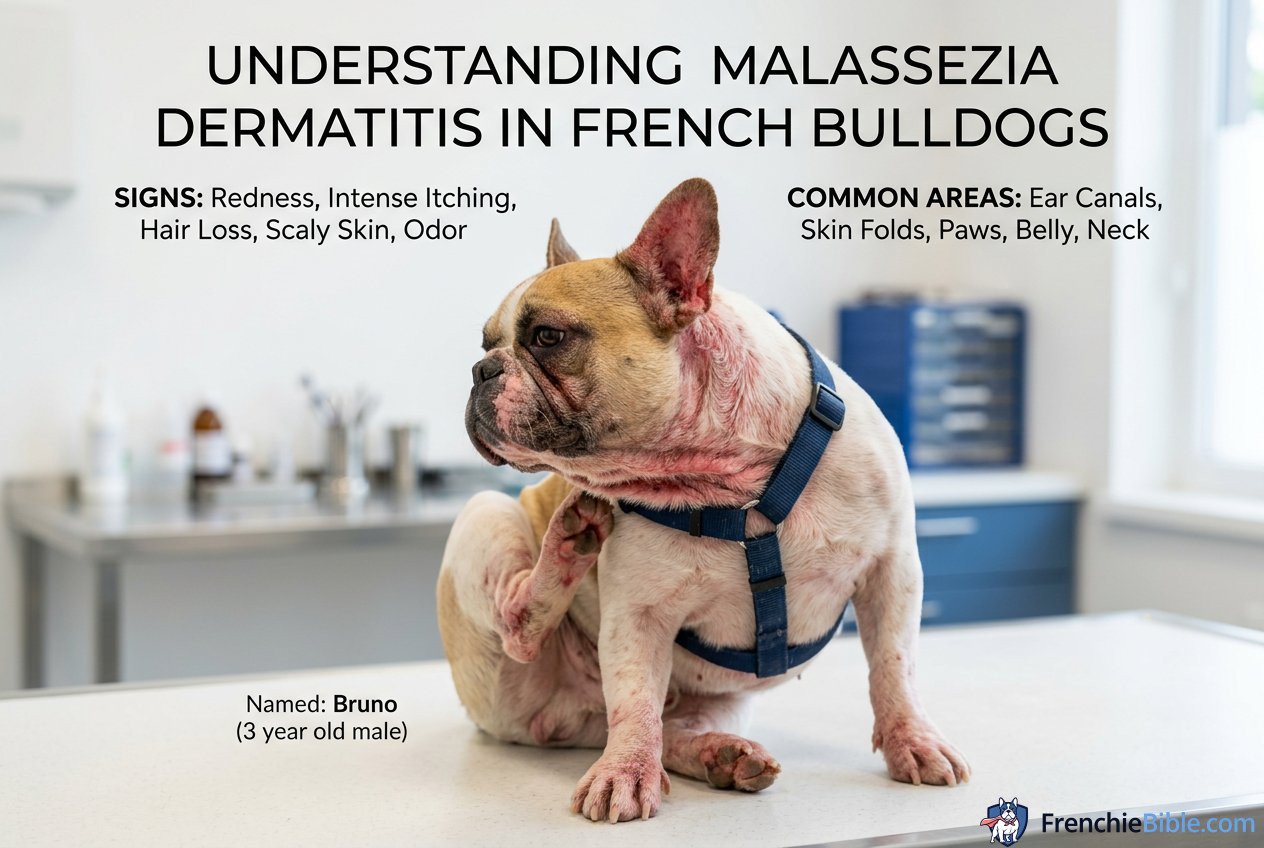
- Erythema (Redness): The skin becomes bright red and angry. You will often notice this first between the toes (interdigital erythema), inside the ear flaps, or deep within the facial folds.
- Hyperpigmentation (Darkening): As the infection becomes chronic, the skin responds to the constant inflammation and scratching by producing excess melanin. The skin turns dark brown or black. If your Frenchie’s belly or armpits were once pink and are now dark grey or black, chronic yeast is a likely culprit.
- Lichenification (Elephant Skin): Chronic trauma from scratching and prolonged yeast infection causes the skin to thicken, harden, and develop exaggerated skin lines, resembling the hide of an elephant.
- Greasy, Crusty Skin (Seborrhea): Yeast infections often trigger an overproduction of skin oils. The coat may feel greasy to the touch, and you may notice a yellowish, waxy crust scaling off the skin, particularly around the ears, neck, and armpits.
- Alopecia (Hair Loss): Constant scratching and inflammation damage the hair follicles, leading to thinning hair or complete bald patches in the affected areas.
- Brown Discharge: In the ears, yeast presents as a thick, dark brown, waxy discharge that resembles coffee grounds. In facial folds, it appears as a rusty-brown paste.
Behavioral Signs
Malassezia dermatitis is intensely pruritic (itchy). The yeast physically irritates the nerve endings in the skin, and dogs can also develop an actual hypersensitivity (allergy) to the yeast organisms themselves.
- Obsessive Paw Licking and Chewing: The dog may lick their paws raw trying to soothe the itch.
- Face Rubbing: Frenchies will rub their faces along carpets, furniture, or your legs to scratch their itchy facial folds.
- Head Shaking and Ear Scratching: A sign of a yeast ear infection.
- Scooting: While often attributed to anal glands, scooting can also be caused by a severe yeast infection in the tail pocket or perianal area.
Primary “Hot Spots” for Yeast in French Bulldogs
While a yeast infection can affect any part of the body (generalized dermatitis), in French Bulldogs, it usually localizes in specific anatomical niches:
1. Interdigital Spaces: The webbing between the toes.
2. Facial Folds & Tear Troughs: The deep wrinkles around the nose and under the eyes.
3. Ear Canals: The vertical and horizontal ear canals.
4. Tail Pocket: The recessed area beneath the tail.
5. Axillae and Inguinal Regions: The armpits and the groin/belly area, where skin rubs against skin.
6. Ventral Neck: The folds of skin under the chin and neck.
The Root Causes: Why is My Frenchie Constantly Yeasty?
Treating the yeast infection without identifying the underlying cause is like bailing water out of a sinking boat without plugging the hole. The yeast will always return. As a specialist, my job is to find the “hole in the boat.”
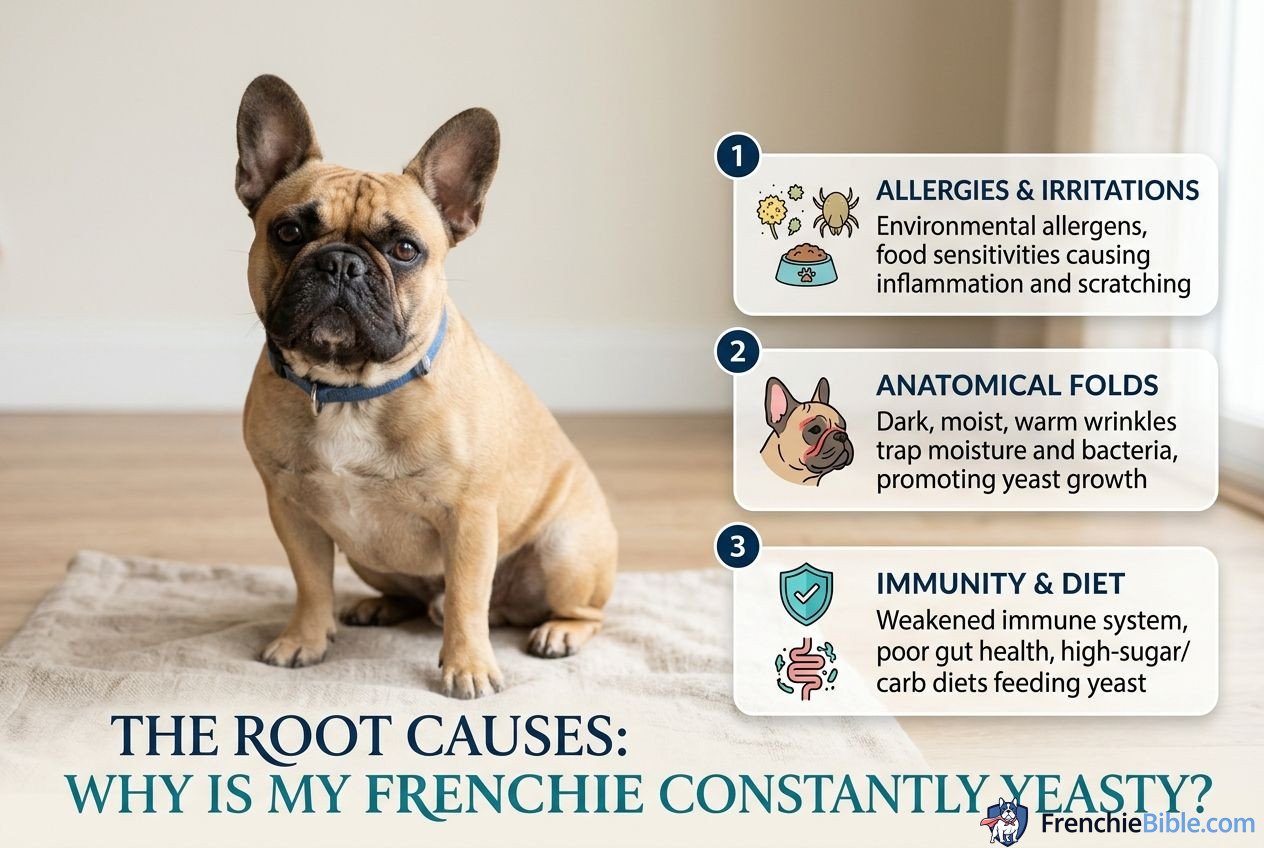
1. The Allergy Connection (Atopic Dermatitis and Food Allergies)
As mentioned, allergies are the number one root cause of yeast infections in French Bulldogs.
- Environmental Allergies (Atopy): Frenchies are highly susceptible to airborne allergens like dust mites, storage mites, pollens (grass, weed, tree), and mold spores. These allergies usually manifest between 1 and 3 years of age. The allergic reaction destroys the skin barrier, allowing yeast to flourish. Atopy is typically seasonal initially but often progresses to a year-round problem.
- Adverse Food Reactions (Food Allergies): While less common than environmental allergies (accounting for about 10-15% of allergic dogs), food allergies can cause identical symptoms. The most common culprits are proteins like chicken, beef, dairy, and eggs. Dogs with food allergies often have year-round symptoms and may also experience gastrointestinal issues (frequent gas, loose stools, vomiting).
2. Endocrine and Hormonal Imbalances
Though less common in young Frenchies, hormonal diseases can alter the skin’s immune function and sebum production, paving the way for yeast.
- Hypothyroidism: An underactive thyroid gland slows the metabolism, causing a dull, thin coat and altering the skin’s lipid barrier, encouraging yeast overgrowth.
- Cushing’s Disease (Hyperadrenocorticism): Overproduction of cortisol suppresses the immune system and causes thinning of the skin, making the dog highly susceptible to secondary infections, including yeast.
3. Anatomical Conformation
We cannot change the way a French Bulldog is built without surgery. Dogs with exceptionally tight tails (screw tails) often have incredibly deep tail pockets that are physically impossible to keep dry and clean without meticulous daily owner intervention. Similarly, excessive facial roping creates environments that yeast loves.
4. Climate and Lifestyle Factors
High humidity and hot weather exacerbate yeast problems. Dogs living in tropical or humid climates struggle more with Malassezia. Additionally, dogs that swim frequently or are bathed but not thoroughly dried are at high risk.
5. Iatrogenic Causes (Medical Treatments)
Sometimes, the medical treatments we use for other conditions can trigger a yeast infection.
- Prolonged Antibiotic Use: Broad-spectrum antibiotics kill the bacteria on the skin. Since bacteria and yeast compete for the same space and resources, eliminating the bacteria removes the competition, allowing yeast populations to explode.
- Immunosuppressive Drugs: Chronic use of high-dose corticosteroids (like your veterinarian may recommend a corticosteroid medication (never use without veterinary guidance)) suppresses the immune system’s ability to fight off the yeast.
The Veterinary Diagnostic Workup: Guessing is Not Diagnosing
When you bring a smelly, itchy Frenchie to An Experienced Breedererinary clinic, a visual inspection is not enough. Bacterial pyoderma (staph infection) can look and smell remarkably similar to a yeast infection, and frequently, dogs have a combination of both (a mixed infection). Treating a bacterial infection with anti-fungals, or vice versa, is ineffective and wastes valuable time.
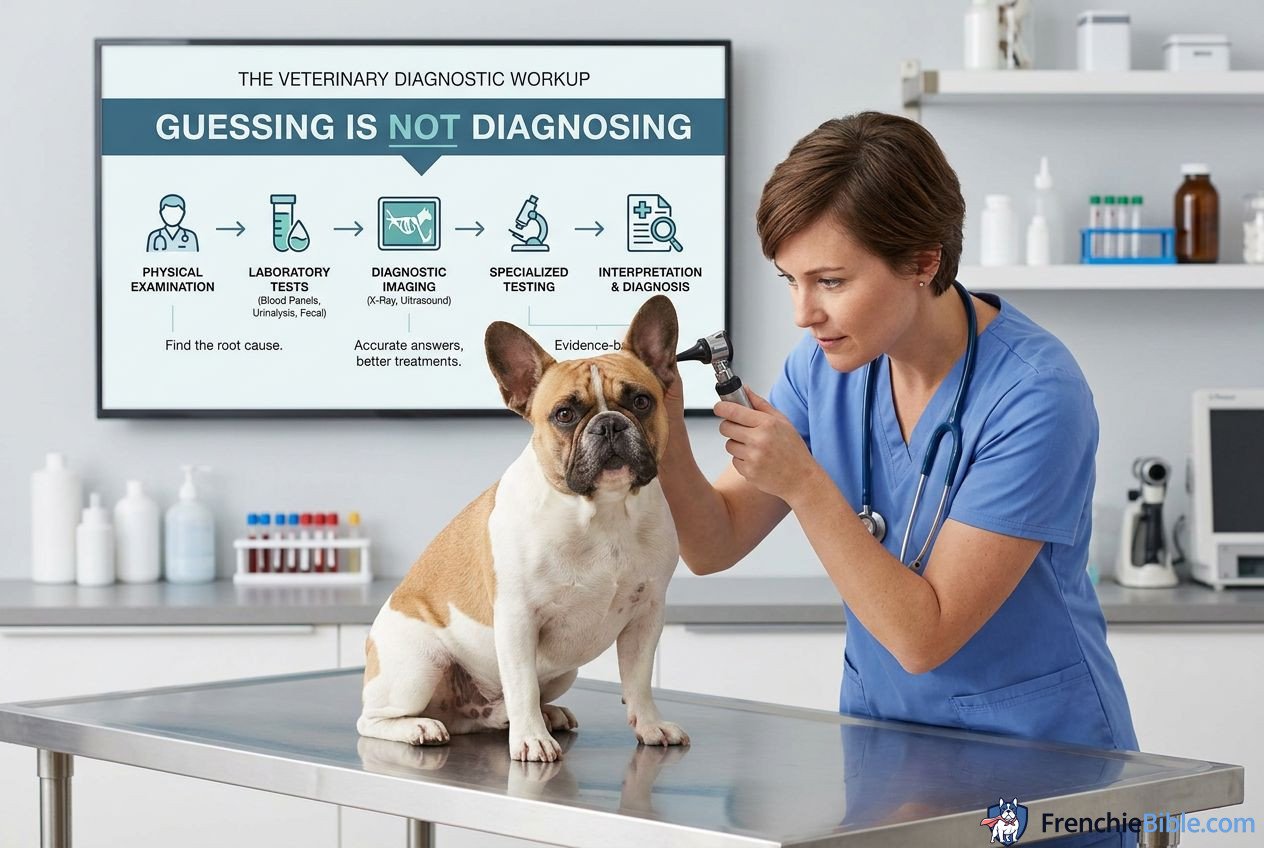
Cytology: The Gold Standard
The most critical diagnostic tool for Malassezia is skin cytology. This is a quick, inexpensive, and painless test performed in the clinic.
- Tape Preparation: The vet presses a piece of clear acetate tape firmly against the affected skin (e.g., the belly or armpit). The tape lifts off the superficial layers of skin cells, oils, bacteria, and yeast.
- Impression Smear: A glass slide is pressed directly against a moist, greasy lesion.
- Skin Scraping: A dull scalpel blade is used to scrape the skin gently to collect material, useful for ruling out mites (like Demodex) while also collecting yeast.
- Ear Swab: A cotton swab is rolled inside the ear canal and then rolled onto a glass slide.
The collected sample is stained using a Diff-Quik stain and examined under a microscope. Malassezia pachydermatis has a highly distinct appearance; it looks like a footprint, a peanut, or a Russian nesting doll due to its unipolar budding pattern. The veterinarian will count the number of yeast organisms per high-power microscopic field. While a few yeast organisms are normal, finding dozens or hundreds confirms a significant overgrowth.
Bacterial Culture and Sensitivity
While yeast is easily identified via cytology, if the vet also sees large numbers of rod-shaped bacteria (like Pseudomonas) or intracellular cocci (like Staphylococcus), they may recommend a bacterial culture. Yeast itself does not typically need to be cultured to be identified or treated, but managing concurrent resistant bacterial infections is crucial for the skin to heal.
Allergy Testing and Elimination Diets
If the yeast is recurrent, diagnostics must pivot to finding the underlying cause.
- Dietary Trial: The only accurate way to diagnose a food allergy is a strict 8-to-12-week elimination diet trial using a prescription hydrolyzed protein diet (where the protein molecules are broken down so small the immune system cannot recognize them) or a novel protein diet (a protein the dog has never eaten before, like rabbit or kangaroo).
- Intradermal or Blood Allergy Testing: If environmental allergies are suspected, these tests identify specific triggers (e.g., oak tree pollen, dust mites) so that allergen-specific immunotherapy (allergy shots or drops) can be formulated.
The Comprehensive Treatment Plan: A Multi-Modal Approach
Treating a french bulldog yeast infection requires a multi-pronged approach. There is no “magic pill.” Successful treatment involves killing the yeast locally, treating severe cases systemically, and managing the underlying immune triggers.
1. Topical Therapy: The Foundation of Treatment
Topical treatment is the most effective way to manage Malassezia dermatitis because it delivers high concentrations of anti-fungal medication directly to the source without the risk of systemic side effects.
Medicated Shampoos:
The most commonly prescribed shampoos contain a synergistic combination of Chlorhexidine (usually 2% to 4%, which has antibacterial and some anti-yeast properties) and an “azole” antifungal like Miconazole or your veterinarian may recommend a antifungal medication (never use without veterinary guidance) (usually 1% to 2%).
- The Crucial Step: For medicated shampoos to work, contact time is mandatory. The shampoo must be lathered onto the skin and left to sit for a minimum of 10 to 15 minutes before rinsing. Rinsing immediately simply washes the medication down the drain.
- Frequency: Initially, bathing is required 2 to 3 times a week. As the infection clears, this can be tapered to once a week, and eventually, to an as-needed maintenance schedule.
Mousses, Wipes, and Sprays:
Bathing a Frenchie three times a week is exhausting. Therefore, topical mousses (foams) and medicated wipes (containing the same active ingredients, like chlorhexidine and your veterinarian may recommend a antifungal medication (never use without veterinary guidance)) are invaluable.
- Wipes: Ideal for cleaning the facial folds, tail pocket, and between the toes daily.
- Mousses: Can be applied to the armpits and groin on “no-bath” days to maintain a hostile environment for the yeast. The mousse is massaged into dry fur and skin and left to dry without rinsing.
Ear Drops (Otic Medications):
If the yeast is in the ears, the vet will prescribe a multi-ingredient ear drop containing an antifungal (like clotrimazole or miconazole), an antibiotic, and a steroid to reduce inflammation and pain. The ear must be thoroughly flushed and cleaned of waxy debris first, or the medication will not penetrate the tissue.
2. Systemic Medications: When Topical Isn’t Enough
If the yeast infection is generalized (covering the whole body), exceptionally severe, chronic, or if the dog is too aggressive/fractious for frequent bathing, oral antifungal medications are necessary.
- your veterinarian may recommend a antifungal medication (never use without veterinary guidance): Historically the most common, but it carries a higher risk of liver toxicity and gastrointestinal upset. It must be given with a fatty meal to ensure absorption.
- Itraconazole: Highly effective and generally safer for the liver than your veterinarian may recommend a antifungal medication (never use without veterinary guidance), though it is more expensive. It has excellent tissue penetration.
- your veterinarian may recommend a antifungal medication (never use without veterinary guidance): Less hepatotoxic than your veterinarian may recommend a antifungal medication (never use without veterinary guidance) and penetrates tissues well. Often used in severe cases.
- your veterinarian may recommend a antifungal medication (never use without veterinary guidance): Originally developed for human nail fungus, it is highly effective against Malassezia in dogs and is often used as a safer alternative to the azoles.
A critical note on systemic antifungals: Because they are metabolized by the liver, An Experienced Breedererinarian should run a baseline liver enzyme blood panel before prescribing them, and monitor liver values if the dog remains on the medication for an extended period.
Oral treatment courses for yeast are notoriously long. A minimum of 21 to 30 days is usually required, and treatment should continue for at least 7 to 10 days after all clinical signs have resolved and follow-up cytology shows zero yeast. Stopping medication too early guarantees a rapid relapse.
3. Managing the Pruritus (Itching)
Yeast infections drive dogs crazy. The constant scratching damages the skin further, leading to secondary bacterial infections. Therefore, breaking the itch-scratch cycle is vital.
- Corticosteroids (your veterinarian may recommend a corticosteroid medication (never use without veterinary guidance), Temaril-P): Provide rapid relief from intense inflammation and itching. However, they suppress the immune system. They are usually only used for a very short duration at the beginning of treatment to provide immediate comfort.
- Oclacitinib (your veterinarian may recommend a anti-itch medication (never use without veterinary guidance)): A highly effective, non-steroidal daily pill that stops the itch signaling pathway in the brain. It works within hours and is excellent for managing the itch associated with underlying allergies while the yeast infection is being treated.
- Lokivetmab (your veterinarian may recommend a anti-itch injection (never use without veterinary guidance)): A biological injection containing monoclonal antibodies that target and neutralize the specific protein (IL-31) that causes itching in dogs. It lasts 4-8 weeks and is very safe as it does not suppress the broader immune system or interact with liver metabolism.
4. Addressing the Underlying Allergy
If the underlying allergy is not managed, the yeast will return the moment anti-fungal medications are stopped.
- If a food allergy is diagnosed via a diet trial, the dog must remain on a strict, appropriate diet for life.
- If environmental allergies are the cause, long-term management with your veterinarian may recommend a anti-itch medication (never use without veterinary guidance), your veterinarian may recommend a anti-itch injection (never use without veterinary guidance), Cyclosporine (Atopica), or Allergen-Specific Immunotherapy (allergy shots/drops) is required.
Diet and Nutrition: Can You “Starve” the Yeast?
The role of diet in managing yeast infections is a topic of intense debate among owners and veterinary dermatologists.
The Anti-Yeast Diet Controversy
You will find endless articles online promoting “anti-yeast diets,” which heavily advocate for feeding zero-carbohydrate, grain-free, raw diets to “starve” the yeast of sugars.
The Veterinary Reality: Malassezia pachydermatis lives on the outside of the dog (the skin surface). It feeds on the lipids and sebum secreted by the dog’s skin glands, not directly on the blood glucose or the carbohydrates in the dog’s stomach. Therefore, changing a dog’s diet to low-carb does not physically “starve” the yeast living on their paws.
However, diet plays a massive indirect role. If a Frenchie is allergic to a protein (like chicken) or a carbohydrate source (like wheat or corn) in their food, eating that food triggers systemic inflammation. That inflammation causes the skin barrier to break down and secrete excessive, abnormal oils—which the yeast does feed on.
Therefore, changing the diet frequently resolves yeast infections—not because the new diet is “low carb,” but because the new diet removes the allergenic trigger.
- Hydrolyzed Diets: (e.g., Royal Canin HP, Hill’s z/d, Purina HA). The proteins are broken down so small the immune system ignores them. Excellent for diagnosing and treating food allergies.
- Novel Protein Diets: (e.g., Venison, Rabbit, Alligator). Using ingredients the dog’s immune system has never encountered.
Supplements to Fortify the Skin Barrier
While diet might not directly starve yeast, targeted supplementation can help rebuild the skin’s defensive barrier:
- Omega-3 Fatty Acids (EPA and DHA): High-quality marine oils (fish oil, krill oil) are potent natural anti-inflammatories. They help reduce skin inflammation and improve the quality of the lipid barrier. Dosing must be high enough to be therapeutic (consult your vet).
- Probiotics and Prebiotics: The gut microbiome plays a massive role in regulating the systemic immune system. A robust, healthy gut microbiome can help calm an overactive allergic immune response, indirectly reducing skin inflammation.
- Skin Barrier Repair Supplements: Products containing ceramides and essential fatty acids can be applied topically (like your veterinarian may recommend a specific topical skin supplement) to help rebuild the mortar between the skin cells.
Home Remedies vs. Professional Care
The internet is rife with home remedies for dog yeast infections. as a French Bulldog expert and breeder, I urge extreme caution.
Apple Cider Vinegar (ACV)
ACV is the most popular home remedy. The theory is that yeast cannot survive in an acidic environment.
- The Pros: A diluted ACV rinse (1 part ACV to 1 part water) can lower the skin’s pH, making it temporarily inhospitable to yeast. It can be useful as a mild preventative rinse on the paws after a walk.
- The Cons: If a dog has an active, severe yeast infection, the skin is deeply inflamed, excoriated (scratched open), and raw. Pouring acid (even diluted ACV) onto raw, broken skin causes excruciating pain. It is akin to pouring lemon juice on a paper cut. Furthermore, ACV is not a potent enough antifungal to cure a severe, established infection. It should only be used as a preventative on healthy, unbroken skin.
Coconut Oil
Coconut oil contains caprylic acid, which has mild antifungal properties in vitro. Some owners apply it topically or feed it.
- The Reality: Feeding coconut oil provides calories and fats but does little to combat a severe skin yeast infection. Applying it topically to a Frenchie can actually worsen the problem. Malassezia is lipophilic (it eats fat). Slathering a greasy dog in more oil can sometimes provide a feast for the yeast, exacerbating the seborrhea.
When to See the Vet Immediately
Do not rely on home remedies if:
- Your Frenchie’s skin is raw, bleeding, or oozing.
- The dog is losing hair in large patches.
- The ears are bright red, painful to the touch, or have a foul discharge.
- The dog is lethargic, depressed, or losing weight.
- The itching is so severe it disrupts the dog’s sleep or your own.
Prevention: Keeping Your French Bulldog Yeast-Free
Once you have successfully treated a yeast infection, your job shifts to meticulous prevention. Because Frenchies are anatomically and genetically predisposed, management is a lifelong commitment.
1. Daily Fold Maintenance (The Golden Rule)
You must clean your Frenchie’s anatomical traps every single day.
- Facial Folds: Wipe deep inside the wrinkles using An Experienced Breedererinary-approved chlorhexidine/your veterinarian may recommend a antifungal medication (never use without veterinary guidance) wipe. Ensure you dry the fold completely afterward with a clean tissue or cotton pad. Moisture left behind breeds yeast.
- Tail Pocket: If your Frenchie has a tight tail, you must use a wipe to clean the pocket beneath it daily. Keep this area meticulously dry. In severe, unmanageable cases where the tail pocket constantly infects, surgical tail amputation (tail surgery (discuss with your veterinarian)) may be medically necessary for the dog’s quality of life.
2. Paw Care
After walking on wet grass or in the rain, dry your Frenchie’s paws thoroughly, paying special attention to the webbing between the toes. If your dog is prone to “Frito paws,” wiping the paws with a medicated wipe every evening is highly effective.
3. Routine Ear Cleaning
Clean the ears every 1 to 2 weeks using An Experienced Breedererinary-approved, drying ear cleanser containing a mild astringent (like salicylic acid) to keep the ear canal dry and free of wax buildup. Do not use Q-tips; use a cotton ball to wipe out the visible debris.
4. Proactive Allergy Management
If your vet diagnoses allergies, stick to the management plan religiously. Do not skip your veterinarian may recommend a anti-itch injection (never use without veterinary guidance) injections, do not stop the your veterinarian may recommend a anti-itch medication (never use without veterinary guidance), and do not feed your food-allergic Frenchie a “tiny piece” of chicken. Controlling the allergy controls the yeast.
5. Judicious Bathing
Bathe your Frenchie every 2 to 4 weeks using a high-quality, hypoallergenic oatmeal or ceramide-building shampoo. If they are prone to yeast, use a maintenance medicated shampoo (like a 2% chlorhexidine) once a month. Always dry your Frenchie completely after a bath. Use a high-velocity dog dryer on a cool setting to blast the water out of their dense undercoat and deep folds. Never let a Frenchie air dry, as the moisture trapped against the skin will invite a yeast bloom.
Frequently Asked Questions (FAQ)
Can I catch a yeast infection from my French bulldog?
No. Malassezia pachydermatis is a species-specific commensal organism. It is highly adapted to canine skin and does not cause infections in healthy humans. While immune-compromised humans should practice good hygiene, you will not catch your dog’s yeast infection.
Why do my Frenchie’s paws smell exactly like Fritos or corn chips?
This specific smell is the signature of Malassezia yeast mixed with the natural bacteria (often Proteus or Pseudomonas) that live on the footpads. As the yeast breaks down the sweat and oils produced by the paw pads, the resulting volatile organic compounds mimic the smell of stale corn chips.
How long does it take to cure a yeast infection?
It requires patience. A mild, localized infection (like just the paws) might clear up with 2 weeks of topical wipes. A severe, generalized infection covering the whole body can take 4 to 8 weeks of intensive topical and systemic therapy. Furthermore, the dark, elephant-like skin (hyperpigmentation and lichenification) can take months to resolve, and in very chronic cases, some skin thickening may be permanent.
Is plain yogurt good for a dog with a yeast infection?
Plain, unsweetened yogurt contains active probiotic cultures which can be beneficial for the dog’s general gut health. However, the amount of probiotics in a spoonful of yogurt is minimal compared to a targeted, high-CFU veterinary probiotic supplement. Furthermore, dairy is a common food allergen for dogs. If your Frenchie’s yeast is triggered by a dairy allergy, feeding yogurt will make the infection significantly worse. Stick to veterinary-formulated probiotic powders.
Can stress trigger yeast overgrowth in Frenchies?
Yes. Chronic stress triggers the release of cortisol, the body’s primary stress hormone. High levels of cortisol naturally suppress the immune system, making it harder for the dog’s body to keep the resident yeast populations in check. Stressors can include moving to a new house, a new baby, boarding at a kennel, or the chronic stress of unmanaged pain or itching.
Conclusion
A yeast infection in a French Bulldog is not a sign of poor hygiene or bad ownership; it is an unfortunate reality of their unique biology. That sour, mousey smell is a biological alarm bell ringing, signaling that the skin’s ecosystem is out of balance.
By understanding that yeast is usually a secondary symptom of a deeper issue—most commonly allergies—you and your veterinarian can move past simply masking the smell and start treating the root cause. With meticulous daily hygiene, a targeted treatment protocol, and a proactive allergy management plan, you can restore your Frenchie’s skin health, banish the “Frito paws,” and ensure your beloved companion lives a comfortable, itch-free, and sweet-smelling life.
Disclaimer: We are not veterinarians and do not hold veterinary medical licenses. The information provided in this article is based on years of breeding and daily care experience and is for educational purposes only. It should not replace professional veterinary advice. Always consult with a licensed veterinarian if you have concerns about your French Bulldog’s health or before starting any new treatment.
Disclaimer: I am a French Bulldog breeding expert with over a decade of hands-on experience with this breed. I am not a veterinarian. The information in this article is for educational purposes only. Always consult your veterinarian regarding your dog’s specific health needs and care.