Introduction: The Trademark “Bat Ears” and Their Hidden Vulnerabilities
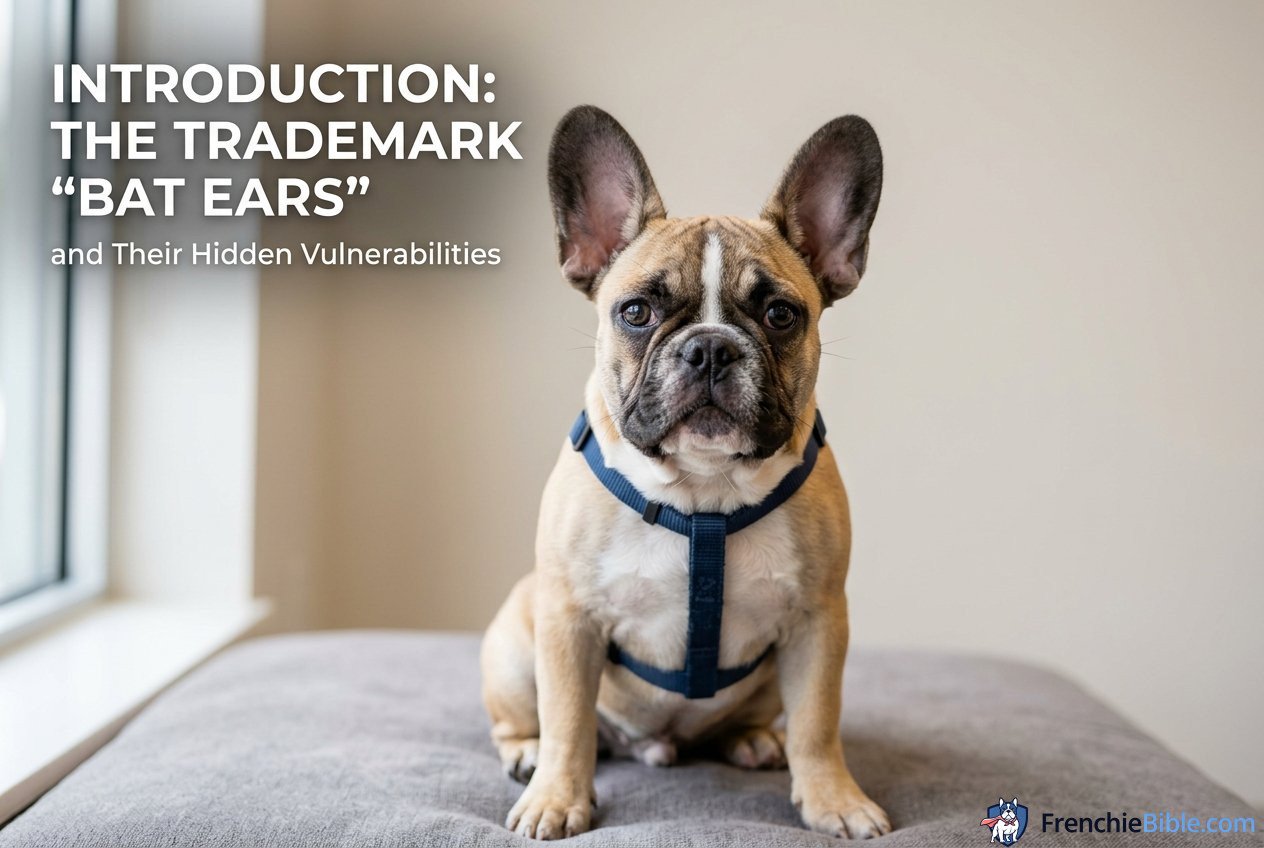
When you picture a French Bulldog, the very first feature that likely comes to your mind is their large, erect, and undeniably charming “bat ears.” These distinctive ears are not just a breed standard; they are highly expressive barometers of your dog’s mood, constantly swiveling, twitching, and adjusting to catch every sound in their environment. For many owners, the ears are the defining characteristic that made them fall in love with the breed. However, the very prominence and structural uniqueness of a Frenchie’s ears make them highly susceptible to a wide variety of dermatological issues, particularly along the delicate outer edges.
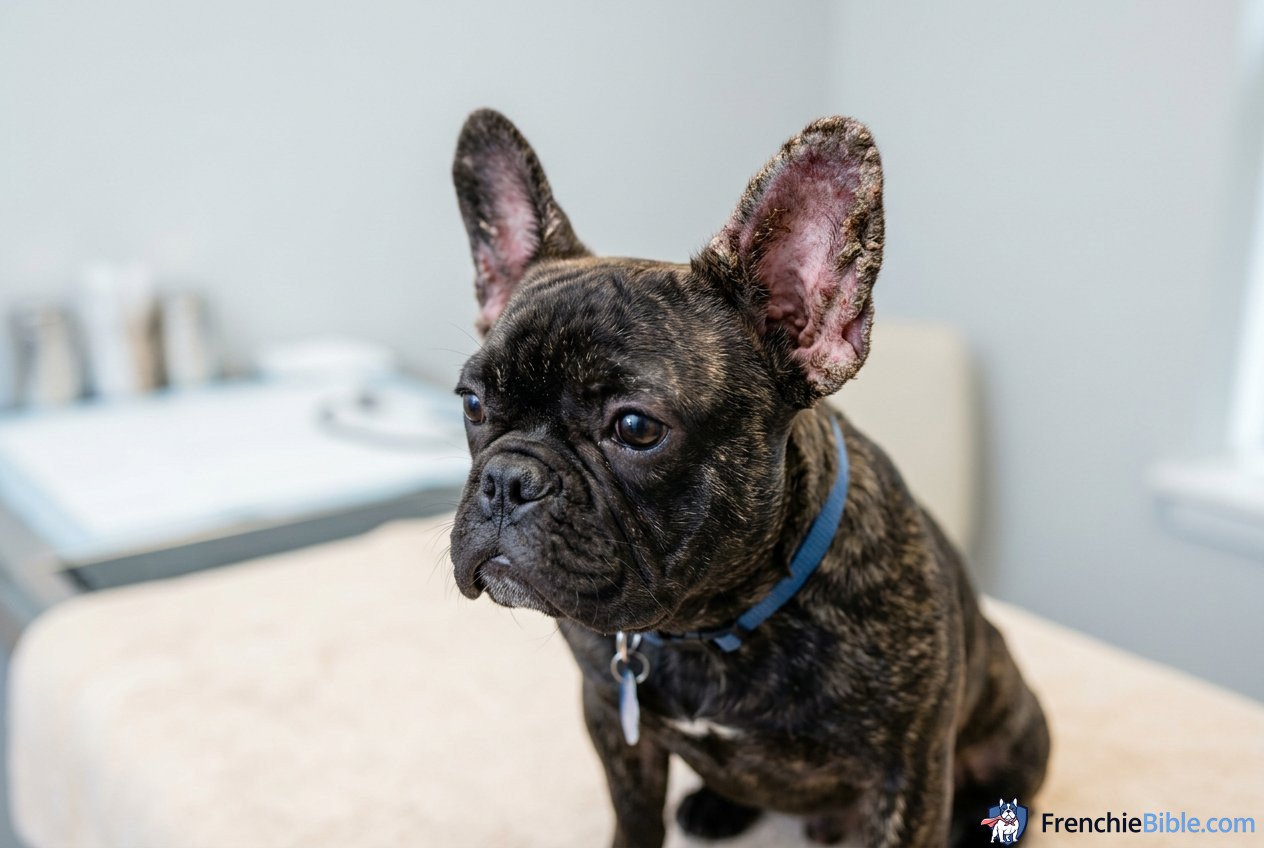
As a French Bulldog specialist, breeder, and veterinary content director, one of the most common, frustrating, and perplexing complaints I hear from devoted owners is: “Why are my Frenchie’s ear edges losing hair? Why are they getting dry, crusty, and scaly?” It almost always starts subtly—a slight thinning of the coat along the outermost curve of the ear, perhaps accompanied by what looks like canine dandruff or fine white dust. But make no mistake: without proper intervention and understanding, this seemingly minor cosmetic issue can escalate into severe crusting, painful fissures, profuse bleeding, and chronic discomfort that severely impacts the dog’s quality of life.
Related Reading: Training & Behavior | Frenchie Puppy Guide | Best Food for Frenchies
The primary culprit behind this specific pattern of dermatological distress is frequently a condition broadly known as Ear Margin Dermatosis (also referred to in veterinary literature as ear margin seborrhea, marginal auricular dermatosis, or vascular dermatopathy). While this condition can affect various breeds of dogs with pendulous or erect ears (such as Dachshunds or Chihuahuas), French Bulldogs, with their upright pinnae and specific genetic predispositions, are particularly vulnerable.
In this comprehensive, deep-dive guide, we will explore the intricate anatomy of your Frenchie’s ears, uncover the myriad root causes of ear margin hair loss and crusting, and outline the most effective, evidence-based diagnostic and treatment protocols available today. Whether you are a first-time owner dealing with a flaky ear tip or an experienced breeder looking to optimize your line’s dermatological health and genetic robustness, understanding ear margin dermatosis is absolutely crucial for maintaining the comfort, health, and well-being of your beloved French Bulldog.
What is Ear Margin Dermatosis in French Bulldogs?
To truly understand the pathology and progression of ear margin dermatosis, we first need to look closely at the unique anatomy of the French Bulldog’s ear, scientifically known as the pinna, and how it differs from other parts of their body.
Understanding the Anatomy of a Frenchie’s Ear
The Frenchie’s “bat ear” is a marvel of biological engineering, but it comes with inherent structural weaknesses. The ear is composed of a rigid but flexible cartilage framework that gives it that characteristic upright posture. This cartilage is covered by a very thin layer of skin on both the inner (concave) and outer (convex) surfaces, alongside a relatively sparse coating of hair.
Crucially, because the skin is tightly adhered directly to the underlying cartilage, there is virtually no subcutaneous fat to act as a cushion, an insulator against cold, or a buffer against physical trauma.
Furthermore, the vascular network—the blood supply—to the edges of the ear (the margins) is inherently compromised compared to other, more central parts of the body. Blood travels up through the base of the ear, supplied by the great auricular artery, and branches out into progressively smaller microscopic vessels (capillaries) as it reaches the periphery. By the time the blood reaches the very edge of that large, erect ear, the circulation is relatively sluggish. This delicate micro-circulation is highly susceptible to disruption from environmental factors (like cold weather), physical trauma, immune complexes, or systemic vascular disease. When the blood flow slows down or stops, the tissue begins to die.
Defining the Condition: More Than Just Dry Skin
Ear margin dermatosis is a descriptive clinical term for a syndrome characterized by defective keratinization (the biological process of skin cell turnover and shedding) and inflammation that is strictly localized to the edges of the pinnae. In a healthy dog, skin cells are constantly dying and shedding invisibly. In a dog with ear margin dermatosis, this process is broken. Instead of normal shedding, the dead skin cells clump together, mixing with excessive sebum (skin oils) to form tight, adherent crusts, plugs, or scales.
It is vital to understand that this condition is not a single, specific disease with one single cure. Rather, it is a clinical presentation or a symptom that can be triggered by a multitude of underlying, sometimes hidden, factors. The hallmark sign is that the lesions strictly follow the margins of the ear, sometimes affecting the very tip, but rarely extending to the inner concave surface or the broader convex back of the ear, unless there is a severe, secondary generalized infection spreading across the whole body.
When the tiny blood vessels supplying the ear margins become inflamed (a condition called vasculitis) or narrowed, the skin tissue at the edge suffers from micro-ischemia (a profound lack of oxygen and vital nutrients). This nutrient starvation leads directly to the death of the hair follicles (causing alopecia, or hair loss) and the abnormal, hyperactive shedding of the epidermis (causing the classic scaling and thick crusting).
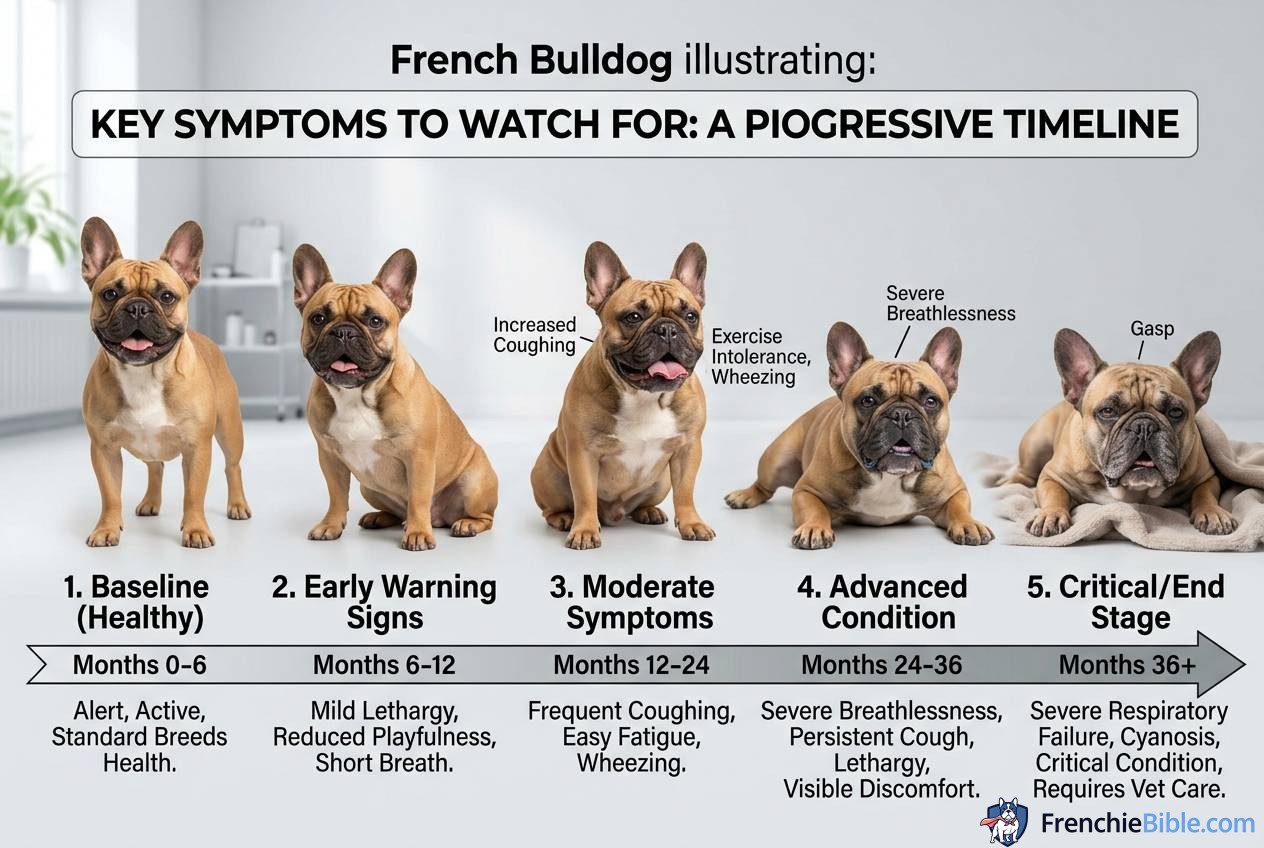
Key Symptoms to Watch For: A Progressive Timeline
Ear margin dermatosis rarely appears overnight in a dramatic fashion. It is typically an insidious, progressive condition that worsens over weeks or months. As a proactive owner or a responsible breeder, recognizing the early, subtle signs can make the difference between a simple, inexpensive topical fix and a long, painful, and costly battle with necrotic tissue. Here is the typical progression of symptoms you must watch for:
Early Stage Signs: The Subtle Beginnings
In the initial stages, the changes can be so subtle that they are easily missed entirely, especially in fawn, cream, or pied Frenchies where skin changes are less visually contrasting against the fur.
- Mild Alopecia (Hair Loss): You may notice the hair along the very edge of the ear looks somewhat thinner or sparser than usual. It may look as though the hair has been slightly shaved or rubbed off.
- Dryness and Flakiness: The skin at the margin may feel rough or papery to the touch, resembling dry human skin or mild dandruff. You might see tiny white flakes if you rub the ear edge.
- Waxy Accumulation and Follicular Casts: Small, grey, brown, or yellowish waxy plugs may develop around the base of the hair shafts right on the ear edge. These are known as follicular casts. If you gently pull a loose hair out, you will see the waxy plug come out attached to the root of the hair.
- Lack of Pruritus (Itching): Crucially, early-stage ear margin dermatosis is usually not itchy or painful. Your Frenchie will likely ignore their ears completely, which is why owners often miss it until it progresses.
Moderate Stage: The Crusting Begins
If left unmanaged, the impaired cell turnover and increasingly compromised circulation lead to much more obvious, visually concerning clinical signs.
- Thick, Adherent Crusts: The light flakiness evolves into thick, tightly adhered crusts that feel like hard scabs. These crusts can run continuously along the entire outer rim of both ears, forming a rigid border.
- Hyperpigmentation: The skin beneath and around the crusts may darken significantly, turning dark brown, black, or dark grey (even in lighter-colored dogs). This is a biological response to chronic inflammation.
- Progressive, Obvious Hair Loss: The alopecia becomes distinct and undeniable, leaving a completely bald, crusty, and unsightly rim around the ear.
- Mild Sensitivity: While still typically not intensely itchy, the ears may become sensitive to the touch. Your dog might pull their head away, pin their ears back, or show mild discomfort when you try to stroke their ears or apply a harness over their head.
Advanced Stage: Pain and Tissue Loss
This is the most severe, painful, and dangerous phase, usually occurring when underlying vascular issues are severe, when necrosis has begun, or when secondary bacterial or fungal infections have deeply penetrated the compromised skin barrier.
- Fissures and Cracking: The thickened, crusty, necrotic skin loses all of its natural elasticity. When the ear moves, the skin splits open, creating deep, painful fissures (cracks) along the ear margin.
- Bleeding and Scabbing: Because Frenchies inherently love to shake their heads (often due to excitement, waking up, or minor inner ear tickles), the fragile, cracked ear tips will whip around, split further, and bleed profusely. It is common for owners to find blood spatters on the walls or furniture. The blood then forms fresh, bloody scabs over the old crusts, creating a thick, messy lesion.
- Necrosis and Sloughing: In extreme cases of ischemic vasculitis (where blood flow is completely blocked), the tissue at the very edge of the ear actually dies (necrosis). A piece of the ear margin may literally turn black, dry up like a raisin, and physically slough off, leaving a permanent, jagged notch or “bite mark” appearance in the ear margin.
- Intense Pain and Behavioral Changes: At this stage, the dog will be highly protective of their head, whining or yelping when the ears are accidentally touched. They may exhibit signs of lethargy, depression, or reluctance to play due to the chronic, throbbing pain in their ear tips.
Uncovering the Root Causes: Why is this Happening to My Frenchie?
as a French Bulldog expert and breeder, I cannot stress this enough: “ear margin dermatosis” is just a symptom—a red flag waving to get your attention. It is not the final diagnosis. Finding the underlying root cause is the holy grail of permanently treating this condition. We must play detective to determine why the blood supply is failing or why the skin barrier is aggressively rebelling. The causes are varied and require careful differentiation.

1. Vascular Compromise and Ischemic Vasculitis
This is arguably the most critical, severe, and complex cause of ear margin lesions in French Bulldogs. Vasculitis is the literal inflammation of the blood vessels. When the tiny capillaries feeding the ear margins become inflamed, their walls swell, restricting blood flow, or they leak inflammatory fluids, causing localized tissue death (ischemia).
- Immune-Mediated Vasculitis: In this scenario, the dog’s own immune system becomes confused and inappropriately attacks the lining of its own blood vessels. This can be triggered by a hyperactive immune response to vaccines (though rare, rabies vaccine-induced ischemic dermatopathy is a well-documented phenomenon that typically presents 1 to 3 months post-vaccination), reactions to certain medications, or it can be a manifestation of an underlying, systemic autoimmune disease like Lupus.
- Infectious Vasculitis: Certain infectious agents, particularly tick-borne diseases like Ehrlichiosis, Anaplasmosis, or Rocky Mountain Spotted Fever, can directly infect and damage blood vessels systemically. Because the ear tips have the most fragile circulation, they are often the first place this systemic vascular damage becomes visible, leading to rapid ear tip necrosis.
2. Environmental Factors: Cold Agglutinin Disease and Frostbite
The prominent, erect nature of the Frenchie’s ear, combined with their lack of fur and fat, makes it a prime target for harsh environmental elements.
- Frostbite: In freezing or sub-zero temperatures, the mammalian body instinctively shunts warm blood away from the extremities to protect the vital core organs (heart, lungs, brain). The thin, uninsulated ear margins of a French Bulldog can very quickly suffer from frostbite if left outside. The water in the tissue freezes, cell walls burst, leading to rapid tissue death, severe crusting, and the eventual sloughing off of the dead ear tips days or weeks later.
- Cold Agglutinin Disease: This is a rare but fascinating autoimmune condition where cold temperatures cause the dog’s red blood cells to physically clump together (agglutinate) inside the tiny capillaries of the ear tips and paws. This clumping acts like a microscopic traffic jam, completely blocking blood flow and causing ischemia and necrosis whenever the dog is exposed to cold air.
3. Parasitic Infections: The Microscopic Invaders
Before we jump to diagnosing a complex, rare autoimmune disease, we must always diligently rule out the common microscopic invaders that love to live on the skin.
- Sarcoptic Mange (Scabies): Sarcoptes scabiei mites have a strong predilection for the ear margins, elbows, and hocks. They physically burrow deep into the skin to lay eggs, causing an intense, maddening, allergic itchiness. A dog with scabies will have extreme crusting on the ear edges and will be scratching them raw constantly. If your Frenchie has crusty ears and is incessantly scratching, scabies is a primary suspect. It is also zoonotic, meaning it is highly contagious to humans and other pets in the household.
- Demodectic Mange (Demodex): Demodex canis mites are normal inhabitants of canine hair follicles, but in dogs with immature or compromised immune systems (like young Frenchie puppies or stressed adults), they can overpopulate. While Demodex typically causes patchy, non-itchy hair loss on the face or paws, a localized Demodex overgrowth can sometimes present squarely on the ear margins, causing localized hair loss, scaling, and crusting.
4. Fungal and Yeast Infections
The skin microbiome is a delicate balance. When it is disrupted, fungi and yeast can take over.
- Dermatophytosis (Ringworm): Ringworm is not a worm; it is a highly contagious fungal infection that feeds aggressively on keratin (the protein in hair and nails). While it most often presents as circular, bald, scaly patches on the body, it can absolutely affect the ear margins, particularly in younger Frenchie puppies with developing immune systems or dogs exposed to infected soil or other animals.
- Malassezia Dermatitis (Yeast): Malassezia pachydermatis is a type of yeast that thrives in warm, moist, inflamed environments. While it is far more common to find yeast infections deep inside the ear canal, a severe yeast overgrowth can “spill out” onto the pinna and the ear margins. This causes a very greasy, yellowish-brown crust, significant hair loss, thickening of the skin (elephant skin), and a highly distinctive, pungent, musky, “Fritos-like” odor.
5. Nutritional Deficiencies and Imbalances
A French Bulldog’s skin and coat are a direct mirror of its internal health, digestive efficiency, and dietary intake.
- Zinc-Responsive Dermatosis: While classically associated with Northern breeds (like Siberian Huskies or Alaskan Malamutes), a genetic inability to properly absorb zinc from the intestines can occasionally manifest in French Bulldogs. Zinc is critical for normal skin cell turnover. A deficiency causes severe crusting, thick scaling, and hair loss primarily around the mucocutaneous junctions (eyes, mouth, nose) and the ear margins.
- Essential Fatty Acid (EFA) Deficiency: Diets that are stored improperly, have gone rancid, or are simply lacking in adequate, bioavailable Omega-3 and Omega-6 fatty acids will result in a dry, dull coat and extremely poor skin barrier function. Without these lipids to seal in moisture, the skin on the extremities dries out, leading to flaking, cracking, and seborrhea along the ears.
6. Allergies (Atopic Dermatitis and Adverse Food Reactions)
French Bulldogs are notoriously one of the most allergy-prone breeds in the canine world. They can be allergic to environmental triggers (pollens, dust mites, molds—known as Atopy) or specific proteins in their food (chicken, beef, dairy).
While allergies typically cause generalized body itching, red paws, and recurrent infections inside the ear canal (otitis externa), the chronic scratching, rubbing, and violent head shaking secondary to these severe allergies physically traumatizes the delicate ear margins. This mechanical trauma strips the hair, breaks the skin, allows secondary bacterial infections to take hold, and results in severe crusting and scarring on the ear edges.
7. Primary Idiopathic Seborrhea
In some cases, after exhaustive testing has definitively ruled out parasites, infections, allergies, vascular diseases, and nutritional deficits, a dog may be diagnosed with primary idiopathic seborrhea. This is essentially a genetic, inherited defect in the fundamental way skin cells are produced and shed. The epidermal cells turnover too quickly, clumping together to form either very greasy (seborrhea oleosa) or very dry (seborrhea sicca) scales. Frenchies diagnosed with this primary genetic condition will require dedicated, lifelong topical management to keep the crusting at bay.
Diagnosing Ear Margin Issues in French Bulldogs
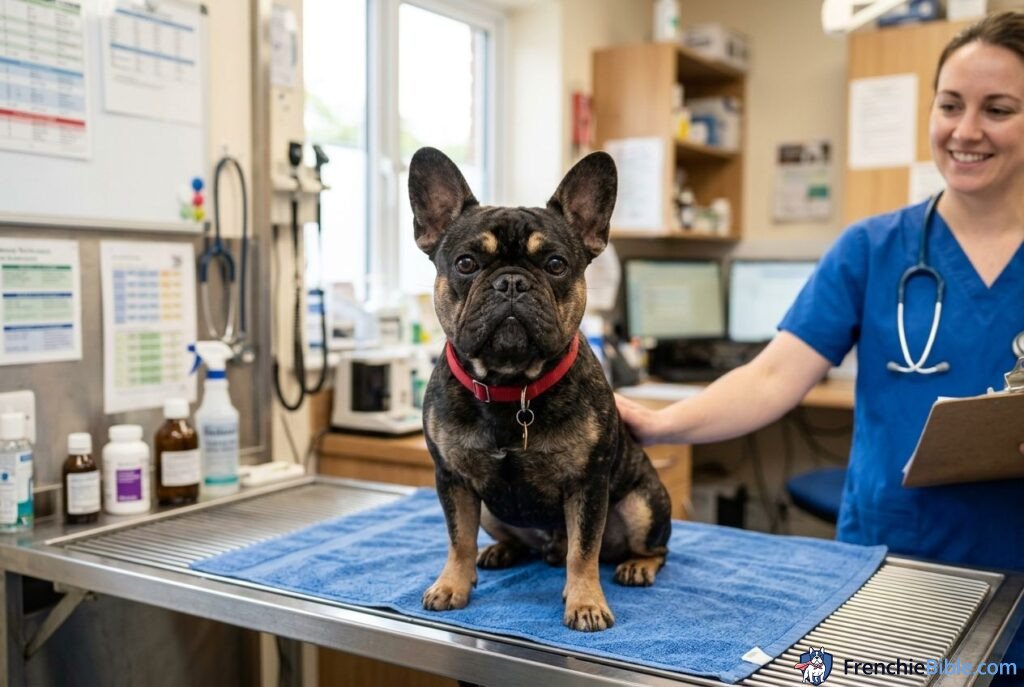
Because the potential causes range from simple dry winter air to life-threatening immune-mediated diseases, a “wait-and-see” approach or blind home remedies are highly ill-advised. A comprehensive, step-by-step diagnostic workup by an experienced veterinarian or a experienced dermatologist is absolutely essential.
The Comprehensive Veterinary Exam and Thorough History
The diagnostic process always begins with a detailed, probing history. Your vet will ask a series of vital questions:
- Exactly when did you first notice the hair loss or crusting? Has it worsened rapidly or slowly?
- Is the dog scratching their ears, rubbing their head on the carpet, or shaking their head? (Differentiating itchy vs. non-itchy causes).
- Have you traveled recently or gone hiking in wooded areas? (Assessing tick exposure risks).
- Are there other dogs, cats, or humans in the house showing any signs of itching or skin lesions? (Checking for contagious agents like Scabies or Ringworm).
- Has the dog been outside in freezing temperatures recently?
- What exact brand and protein source of diet is the dog eating? Are they on any supplements?
- When were their last vaccinations administered? (Checking for vaccine-induced vasculitis).
The physical exam will involve a close, magnified inspection of the crusts, gently checking for hidden fissures, and crucially, an examination of the entire dog. The vet will look for lesions on the paws, tail tip, face, or belly that might indicate a systemic issue rather than a localized ear problem.
Skin Scrapings, Tape Preps, and Cytology
These are the non-invasive, inexpensive, frontline diagnostic tests that should be performed on almost every skin case.
- Skin Scraping: The vet uses a dull scalpel blade coated in mineral oil to scrape the crusts and the very surface of the skin until minor capillary bleeding occurs. The collected material is examined under a microscope to meticulously search for burrowing Sarcoptes mites or follicle-dwelling Demodex mites.
- Skin Cytology (Tape Prep): Pressing a piece of clear acetate tape firmly against the crusts or taking a direct swab allows the vet to collect surface cells. These are stained and examined under high magnification to look for an overgrowth of bacteria (usually Staphylococcus pseudintermedius) or yeast (Malassezia) organisms, which indicate either a primary infection or a secondary infection complicating another disease.
Fungal Cultures and Woods Lamp Examination
To definitively rule out ringworm, the vet may first shine a specialized ultraviolet light (Wood’s lamp) on the ears in a dark room—some specific strains of ringworm will fluoresce a bright apple-green. However, because not all strains glow, the gold standard test is a fungal culture. Hairs and crusts are carefully plucked from the margin and placed onto a specialized fungal culture medium (DTM). The culture is monitored daily for 2 to 3 weeks to see if pathogenic dermatophytes grow.
Blood Panels and Tick-Borne Disease Testing
If the veterinarian strongly suspects vasculitis, systemic disease, or an autoimmune condition, blood work is vital. A comprehensive blood panel (Complete Blood Count and Serum Chemistry) checks overall organ function, red blood cell levels, and white blood cell counts (which can indicate systemic inflammation or infection). Furthermore, a specialized tick panel (such as a 4Dx SNAP test or PCR panel) must be run to rule out infectious causes of blood vessel inflammation like Ehrlichia or Anaplasma.
Skin Biopsy: The Gold Standard for Definitive Diagnosis
If the lesions are extremely severe, actively bleeding, necrotic, spreading rapidly, or simply not responding to initial empirical treatments, a skin biopsy becomes the most important and definitive diagnostic tool available.
Under heavy sedation or general anesthesia, the vet will numb the ear margin and use a small, circular punch biopsy tool (usually 4mm to 6mm) to remove a tiny cylindrical piece of the affected full-thickness tissue. The biopsy site is closed with one or two small sutures.
This tissue sample is preserved in formalin and sent to a experienced breedererinary dermatopathologist. By slicing the tissue incredibly thin and looking at the architecture of the skin layers, blood vessels, and hair follicles under a high-powered microscope, the pathologist can definitively diagnose conditions like ischemic vasculitis, specific immune-mediated diseases, severe follicular dysplasia, or ruling out skin cancers.
Effective Treatment Options: A Multi-Modal, Targeted Approach
Treating ear margin dermatosis in a French Bulldog is rarely a simple, one-size-fits-all endeavor. Because the underlying causes we’ve discussed vary so wildly, the treatment protocol must be explicitly tailored to the definitive diagnosis achieved by your veterinarian. Blindly applying creams without a diagnosis can often make the condition much worse. Treatment generally falls into three broad, often overlapping categories: Topical therapies, Systemic medications, and Environmental/Nutritional management.
Topical Treatments and Localized Therapies
For mild, early-stage cases, primary idiopathic seborrhea, or to soothe and resolve secondary crusting while a systemic drug takes effect, topical treatments are the first line of defense.
- Keratolytic and Keratoplastic Shampoos: Medicated shampoos containing active ingredients like sulfur, salicylic acid, or benzoyl peroxide are excellent for breaking down hardened crusts and normalizing the speed of skin cell turnover. You do not bathe the whole dog; instead, you gently massage the lather specifically into the ear margins, let it sit for a strict 10 to 15 minutes of contact time, and then rinse exceptionally thoroughly.
- Moisturizing Ointments, Emollients, and Ceramides: Once crusts are softened and removed, aggressively hydrating the raw, exposed tissue is crucial. Veterinary-specific ointments, pure petroleum jelly (Vaseline), or advanced topical products containing ceramides (which mimic the skin’s natural lipid layer) help rebuild the broken skin barrier and prevent the ear margins from drying out, contracting, and cracking open again.
- Topical Steroids: For mild, non-infectious inflammation or mild localized allergies, a topical corticosteroid cream, spray, or ointment (specifically prescribed by An Experienced Breeder, not human over-the-counter creams which can be too strong and thin the skin) can rapidly reduce swelling and redness at the ear edge.
- Topical Antimicrobials: If cytology reveals a heavy overgrowth of secondary bacteria or yeast, medicated wipes (containing chlorhexidine or your veterinarian may recommend a antifungal medication (never use without veterinary guidance)) or ointments (like your veterinarian may recommend a topical antibiotic (never use without veterinary guidance) or silver sulfadiazine) will be prescribed to clear the local infection directly at the site.
CRITICAL WARNING: You must never forcefully pick, peel, or pull the dry, hard crusts off your Frenchie’s ears. This is a very common owner mistake. Forcefully removing crusts will pull out healthy hair by the root, tear the delicate underlying skin, cause profuse bleeding, cause severe pain to the dog, and throw open the door to deep, difficult-to-treat secondary bacterial infections. Crusts must always be softened over days with oils, medicated shampoos, or warm water compresses so they slide off naturally without resistance.
Systemic Medications: Treating from the Inside Out
When topical treatments fail, when the lesions are severe and bleeding, or if the underlying cause is definitively diagnosed as systemic (like vasculitis, severe generalized parasites, or deep infections), oral or injectable medications are absolutely required.
- Pentoxifylline: This is often considered a miracle drug for vascular ear margin issues and ischemic dermatopathy. Pentoxifylline is a hemorrheologic agent; it literally improves blood flow by making the red blood cells more flexible and malleable. This allows them to squeeze through narrowed, inflamed, or damaged capillaries to deliver desperately needed oxygen and nutrients to the dying ear margins. It is the absolute cornerstone treatment for ischemic vasculitis, though it can take 4 to 8 weeks to see full effects.
- Oral Corticosteroids or Powerful Immunosuppressants: If a biopsy confirms that an autoimmune disease is actively attacking the blood vessels, powerful, systemic immunosuppressive drugs like oral your veterinarian may recommend a corticosteroid medication (never use without veterinary guidance), Cyclosporine (Atopica), or Azathioprine may be necessary to forcibly suppress the hyperactive immune system and stop the destructive inflammation in its tracks. These require careful blood monitoring by your vet.
- Systemic Antibiotics or Antifungals: Deep bacterial skin infections (deep pyoderma) that have invaded the fissures, or severe, generalized ringworm infections, require long, dedicated courses (often 4 to 8 weeks minimum) of oral antibiotics (like your veterinarian may recommend a antibiotic medication (never use without veterinary guidance), Clindamycin, or Cefpodoxime) or systemic antifungals (like Itraconazole or your veterinarian may recommend a antifungal medication (never use without veterinary guidance)).
- Advanced Antiparasitic Medications: If Sarcoptes (scabies) or Demodex mites are identified on skin scrapes, modern oral medications in the isoxazoline class (such as Bravecto, NexGard, Simparica, or Credelio) are highly effective, safe, and will eradicate the mite populations rapidly, stopping the itch and allowing the ear margins to heal.
Dietary Adjustments and Nutritional Supplements
A strong, resilient skin barrier is built entirely from the inside out. Providing the right building blocks is essential for recovery and prevention.
- High-Quality, Balanced Diet: Ensure your French Bulldog is eating a premium, highly digestible, AAFCO-approved diet suitable for their specific life stage. If food allergies are suspected, your vet may prescribe a strict 8-week trial on a hydrolyzed protein diet (where the proteins are broken down so small the immune system cannot recognize them) or a novel protein diet (like rabbit or venison).
- High-Dose Omega-3 Fatty Acids (Fish Oil): High, therapeutic doses of EPA and DHA derived from high-quality marine sources (like salmon or sardine oil) are incredibly powerful natural anti-inflammatories. They help improve overall blood circulation and physically bolster the lipid barrier of the skin cells, preventing internal moisture from escaping the ear margins.
- Vitamin E: This powerful antioxidant works synergistically with Omega-3 fatty acids to protect vulnerable skin cells from oxidative damage and promote the rapid healing of deeply fissured skin.
- Zinc Supplementation: If a rare zinc-responsive dermatosis is definitively diagnosed via biopsy, lifelong, daily supplementation with a specific, highly bioavailable form of zinc (such as zinc methionine or zinc sulfate) will dramatically resolve the severe crusting and hair loss.
Home Care and Management: Supporting Your Frenchie’s Recovery
Veterinary prescriptions and advanced treatments will only go so far without diligent, gentle, and consistent home care by the devoted owner.
1. The Gentle, Stress-Free Cleaning Routine
If your veterinarian has prescribed a medicated shampoo, a softening mousse, or a hydrating oil, you must create a calm, positive routine. Do not force the issue if the dog is in pain. Use a remarkably soft, warm, damp washcloth or cotton makeup pads to gently apply the product. Do not scrub or rub vigorously. Let the product soak deeply into the crusts for the prescribed amount of time. Afterwards, gently wipe away only the debris and crusts that easily slough off with zero resistance. Apply prescribed veterinary moisturizers immediately after gently patting the ear dry to lock in the hydration. Reward your Frenchie with high-value treats to make the experience positive.
2. Protecting the Ears from Violent Physical Trauma
Violent head shaking is the absolute enemy of healing ear margins. If the tips are cracked, fissured, and bleeding, every single time the dog shakes their head, centrifugal force drives blood forcefully to the ear tips, instantly bursting the fragile healing scabs and reopening the wounds, spraying blood everywhere.
- Treat the Underlying Ear Canal: Very often, the frantic head shaking is actually caused by a painful or itchy infection deep inside the vertical or horizontal ear canal, not the margin itself. Ensure your vet thoroughly checks the ear drums with an otoscope. If the dog has a yeast or bacterial infection deep in the canal, curing that internal infection is the only way to stop the head shaking that is destroying the margins.
- The “Snood” or Head Bandage: In severe, chronic cases where the tips are bleeding daily, you may need to physically bind the ears flat against the dog’s head using a soft, breathable tubular bandage (like a ‘Happy Hoodie’ or a custom-knitted snood). This prevents the ears from flapping violently until the deep fissures have time to granulate and heal. The dog should wear this whenever unsupervised or when they are prone to shaking (like after waking up).
3. Strict Environmental Temperature Control
Given the Frenchie’s known genetic susceptibility to cold-induced vascular issues and their thin ear tissue, environmental management during winter is completely non-negotiable.
- Limit Cold Exposure: Do not ever leave your French Bulldog outside in freezing, sub-zero, or heavily windy, near-freezing temperatures for extended periods. Their ear tips simply do not have the insulation or the robust blood flow to handle it. Bathroom breaks should be quick and supervised.
- Ear Protection: If you must walk your dog in severe cold climates, consider specialized canine headwear that physically covers and insulates the ears. While it can be very difficult to find a hat that fits a Frenchie’s unique, broad head and bat ears, custom snoods can provide essential warmth.
- Indoor Humidifiers: During the winter, indoor heating systems drastically dry out the air in your home. Running a humidifier near where your Frenchie sleeps can help maintain ambient moisture, preventing their skin and ear margins from drying out and cracking.
Prevention Strategies: A Guide for Breeders and Owners
While not every single case of ear margin dermatosis is entirely preventable—especially those driven by complex autoimmune diseases—proactive, educated steps can significantly reduce the incidence, severity, and recurrence of the condition.
For Responsible French Bulldog Breeders
- Ethical, Selective Breeding Practices: Many autoimmune diseases, severe allergies, and primary seborrhea have strong genetic components. Ethical breeders must meticulously track the health of their bloodlines. Any dog that develops severe, idiopathic vasculitis, chronic, incurable ear margin dermatosis, or severe atopy should ideally be removed from the breeding program. Breeding only robust, healthy dogs is the only way to prevent passing these agonizing genetic predispositions to future generations of puppies.
- Optimal Maternal and Puppy Nutrition: Providing pregnant dams, nursing mothers, and weaning puppies with exceptionally high-quality diets rich in essential fatty acids, high-quality proteins, and balanced minerals lays the foundational building blocks for a resilient, highly functioning skin barrier for the rest of the puppy’s life.
- Early Socialization to Handling: Breeders must accustom puppies to having their ears touched, massaged, cleaned, and examined from a very young age (starting at 3-4 weeks). This early conditioning makes future veterinary exams, topical treatments, and ear cleanings much less stressful for both the dog and the future owner.
For Dedicated French Bulldog Owners
- Routine, Weekly Ear Inspections: Make it a non-negotiable weekly habit to examine your Frenchie’s ears thoroughly in a well-lit room. Look deep into the inside canals for redness, brown discharge, or a yeasty odor. Run your fingers gently along the outer margins. Feel for any new roughness, dry flakes, scabs, or thinning hair. Catching the very first stage of dermatosis makes treatment infinitely easier, cheaper, and less painful.
- Maintain Strict Parasite Control: Keep your French Bulldog on a year-round, veterinary-approved flea, tick, and mite prevention protocol (like oral isoxazolines). This single step virtually eliminates the risk of tick-borne infectious vasculitis and agonizing sarcoptic mange.
- Avoid Over-Bathing: Bathing your dog too frequently, especially with harsh, strongly scented, non-veterinary human shampoos (or even dish soap, which some owners mistakenly use), violently strips the skin of its essential natural oils. This weakens the skin’s protective lipid barrier, promoting severe dryness and scaling on vulnerable extremities like the ear tips. Only bathe when dirty, using a gentle, oatmeal or ceramide-based canine shampoo.
- Moisturize Proactively in Winter: During the dry, cold winter months, being proactive can save the ears. Applying a tiny, thin dab of a pet-safe moisturizer, pure shea butter, or Vaseline to the ear margins once or twice a week can act as a physical barrier, helping to prevent windburn, frostnip, and severe dehydration of the delicate tissue.
Frequently Asked Questions (FAQ)
1. Can ear margin dermatosis spread to my other dogs or to my family?
This depends entirely on the root cause diagnosed by your vet. If the crusting and hair loss are caused by a genetic vascular issue, a food allergy, frostbite, or an autoimmune disease, it is absolutely not contagious to anyone. However, if the root cause is determined to be Sarcoptic mange (scabies) or a Ringworm fungal infection, it is highly contagious to other pets in the household and, importantly, zoonotic (contagious to humans). This is exactly why a proper veterinary diagnosis is vital before making assumptions or trying home remedies.
2. Will the hair ever grow back on my Frenchie’s bald ear margins?
In many cases, yes, the prognosis for hair regrowth is good. If the condition is caught relatively early and the underlying cause (like a mite infection, mild vasculitis, or a temporary nutritional deficiency) is successfully treated and eliminated, the hair follicles will recover from their dormant state, and the hair will slowly regrow within a few months. However, if the condition was ignored and progressed to severe necrosis, where the tissue physically died, turned black, and sloughed off, the hair follicles in that specific area are permanently destroyed by scar tissue, and the hair will unfortunately never grow back.
3. Is it safe to put natural coconut oil or olive oil on the crusty ear edges?
While natural oils like coconut or olive oil can act as mild emollients to temporarily soften dry skin, they are not a medical cure. Furthermore, if the crusting is secondary to a severe yeast infection (Malassezia), applying heavy, occlusive oils can sometimes trap moisture against the skin and actually feed the yeast, making the infection significantly worse and harder to treat. It is always safest and most effective to use a medicated or hydrating product specifically recommended by your veterinarian after a proper cytology diagnosis.
4. How long does it take to see actual improvement once veterinary treatment starts?
This timeline varies wildly depending on the diagnosis. If the issue is a simple mite infection treated with an advanced oral isoxazoline medication, you may see the crusting stop and itchiness disappear within 10 to 14 days. However, if you are dealing with severe immune-mediated ischemic vasculitis requiring Pentoxifylline and oral steroids, it can take a frustrating 6 to 12 weeks of consistent, daily medication before the deep fissures finally heal over and the skin begins to look somewhat normal again. Patience, dedication, and strict adherence to the vet’s specific protocol are absolutely required for complex cases.
5. Can stress or anxiety trigger ear margin problems in French Bulldogs?
Stress does not directly or spontaneously cause ear margin dermatosis out of nowhere. However, chronic stress (from moving, a new baby, separation anxiety, or boarding) chronically elevates the dog’s cortisol levels. Elevated cortisol physically suppresses the canine immune system. A suppressed immune system makes the dog far more vulnerable to secondary bacterial or fungal infections overgrowing on the skin, or it may trigger a severe flare-up of an underlying, previously dormant autoimmune condition like vasculitis. Therefore, maintaining a calm, stable, low-stress environment is a crucial part of holistic disease management and prevention.
6. Should I change my dog’s food if their ears get crusty?
Not necessarily, and you shouldn’t do it blindly. While food allergies can contribute to ear issues by causing generalized itching and secondary trauma, simply switching from one over-the-counter brand to another rarely solves a true allergy. If your vet suspects a food allergy is the root cause of the ear margin trauma, they will guide you through a very strict 8-12 week prescription hydrolyzed protein or novel protein diet trial. Switching foods constantly without a plan just confuses the dog’s digestive system and complicates the diagnostic process.
Conclusion
The sight of your French Bulldog’s iconic, expressive bat ears losing their hair, flaking, and developing ugly, painful crusts can be highly distressing for any loving owner. While the medical term “ear margin dermatosis” sounds intimidating and serious, remembering that it is primarily a symptom—a waving red flag from your dog’s body asking for help—is the very first step toward finding a lasting cure.
Whether the underlying culprit is an invasion of microscopic mites, the harsh reality of freezing weather, hidden nutritional gaps, or a complex, invisible immune-mediated vascular disease, modern veterinary dermatology offers a powerful array of effective diagnostic tools and targeted treatments. The ultimate key to preserving those beautiful, characteristic ears is extreme vigilance. By acting immediately at the very first sign of dryness or hair loss, vehemently resisting the urge to pick at the crusts, and partnering closely and patiently with your veterinarian to uncover the exact root cause, you can restore your Frenchie’s comfort, heal their skin, and keep their trademark ears standing proud, healthy, and pain-free for many years to come.
Disclaimer: We are not veterinarians and do not hold veterinary medical licenses. The information provided in this article is based on years of breeding and daily care experience and is for educational purposes only. It should not replace professional veterinary advice. Always consult with a licensed veterinarian if you have concerns about your French Bulldog’s health or before starting any new treatment.
Disclaimer: I am a French Bulldog breeding expert with over a decade of hands-on experience with this breed. I am not An Experienced Breedererinarian. The information in this article is for educational purposes only. Always consult your veterinarian regarding your dog’s specific health needs and care.
Disclaimer: I am a French Bulldog breeding expert with over a decade of hands-on experience with this breed. I am not a veterinarian. The information in this article is for educational purposes only. Always consult your veterinarian regarding your dog’s specific health needs and care.