Introduction: The Battle of the Flat-Faced Companions
In the ever-expanding world of canine companionship, few breeds have captured the hearts of city dwellers, families, and solo owners quite like the French Bulldog and the Pug. as a French Bulldog expert and breeder specializing in brachycephalic (flat-faced) breeds and a dedicated French Bulldog breeder, I encounter prospective dog owners every single day who are torn between these two incredibly charming, affectionate, and distinctive breeds.
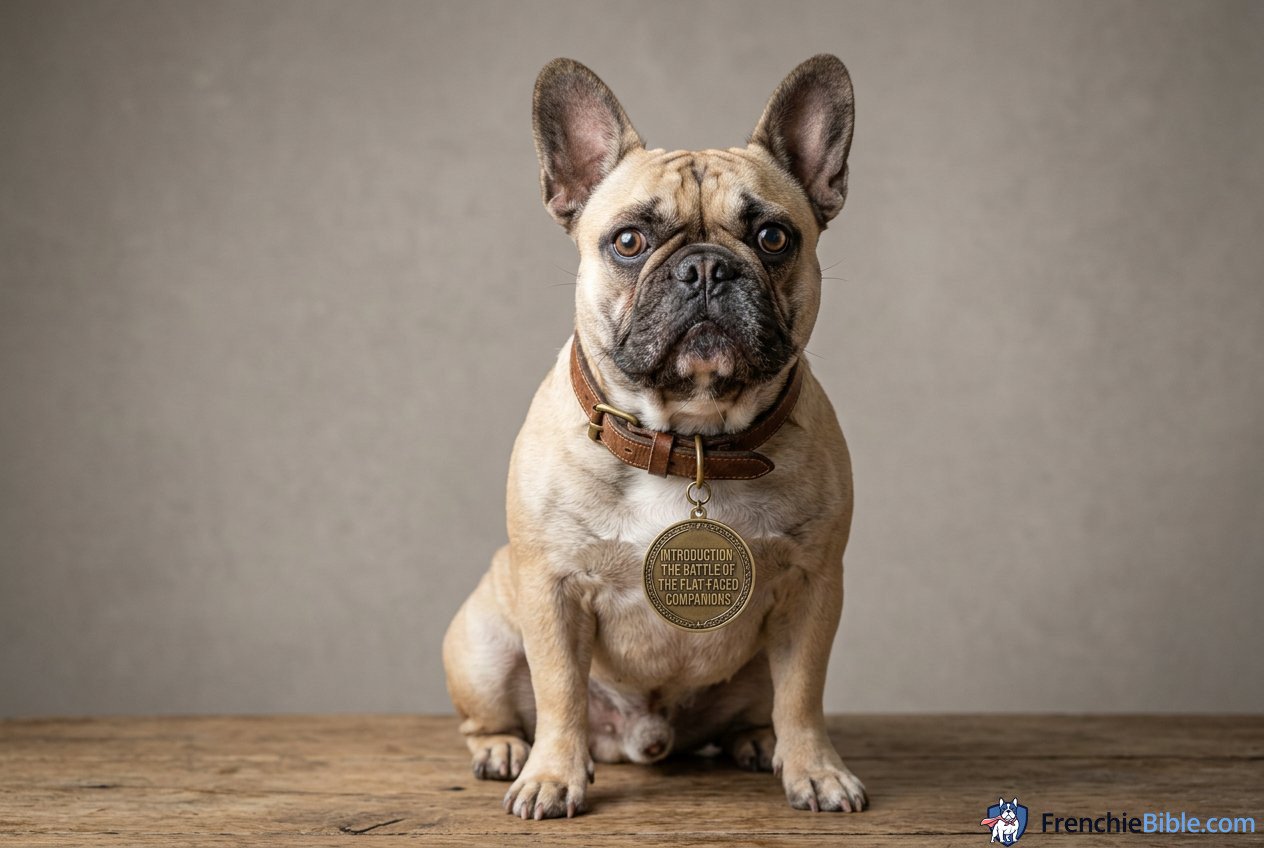
Both the Frenchie and the Pug boast robust personalities packed into compact, sturdy frames. They are renowned for their comical antics, their unwavering devotion to their human counterparts, and their undeniable “cute factor” fueled by their large, expressive eyes and smushed faces. However, beneath their superficial similarities lie profound differences in their historical origins, physical characteristics, temperament, grooming needs, and, perhaps most critically, their specific health profiles.
Related Reading: Training & Behavior | Frenchie Puppy Guide | Best Food for Frenchies
Choosing between a French Bulldog and a Pug is not merely a matter of aesthetic preference; it is a lifestyle decision that requires a deep understanding of what each breed demands. Both breeds are brachycephalic, meaning they share certain anatomical anomalies that predispose them to specific health challenges. Yet, the way these challenges manifest—and the other breed-specific issues they face—can vary significantly.
In this comprehensive, deep-dive guide, we will explore every facet of the French Bulldog and the Pug. From their fascinating histories to their daily care requirements, and from veterinary insights into their health to a detailed breakdown of their behavioral traits, this article aims to provide you with the ultimate comparative analysis. By the end, you will be equipped with the knowledge necessary to determine which of these magnificent flat-faced dogs is the perfect fit for your lifestyle.
Exploring the Historical Origins
Understanding the history of a breed provides invaluable insight into their intrinsic behaviors, physical traits, and the original purpose for which they were bred. While both the Frenchie and the Pug are companion animals today, their journeys to our living rooms could not be more different.

The French Bulldog: A Journey from England to France
The story of the French Bulldog (often affectionately called the “Frenchie”) is a fascinating tale of industrial migration and cultural adoption. Contrary to their name, the French Bulldog actually traces its roots back to England. During the mid-19th century, the Industrial Revolution was rapidly transforming the English landscape. In the city of Nottingham, lace makers kept toy-sized Bulldogs as companions and ratters to keep their cramped workspaces free of vermin. These miniaturized Bulldogs were the ancestors of the modern Frenchie.
As the lace industry became increasingly mechanized, many lace workers found themselves displaced. Seeking new opportunities, a significant number of these artisans migrated to the Normandy region of France, taking their beloved miniature Bulldogs with them. In France, these small dogs quickly captured the attention of the public. They were bred with local terriers and possibly Pugs, which contributed to their compact size and the development of their signature “bat ears”—a trait that the French breeders heavily favored, whereas the English preferred the “rose ear.”
By the late 19th and early 20th centuries, the “Bouledogue Français” had become a symbol of Parisian bohemian life. They were the favored companions of artists, writers, fashion designers, and even ladies of the night. Their unique appearance and charming personalities eventually caught the eye of wealthy Americans traveling in Europe, who brought the breed back to the United States. The Americans were instrumental in standardizing the breed, insisting on the erect bat ears that define the French Bulldog today.
The Pug: The Ancient Royal Companions of China
If the French Bulldog’s history is one of working-class roots and bohemian flair, the Pug’s history is steeped in ancient royalty and imperial mystique. The Pug is one of the oldest known dog breeds, with origins tracing back to China sometime around 400 B.C. They were bred explicitly to be companions to the Chinese emperors and their families.
In ancient China, flat-faced dogs were highly revered. The Pug, along with the Pekingese and the Shih Tzu, enjoyed a life of extreme luxury. They were guarded by soldiers, fed the finest foods, and carefully bred to enhance their distinctive wrinkles. The Chinese placed great importance on these wrinkles, particularly the ones on the Pug’s forehead, which they believed resembled the Chinese character for “prince.”
The Pug remained a closely guarded secret of the Chinese imperial court for centuries. It wasn’t until the 1500s, when Dutch traders from the Dutch East India Company began trading with China, that the Pug made its way to Europe. The breed quickly became a favorite among European royalty. They became the official dog of the House of Orange in the Netherlands after a Pug named Pompey reportedly saved the life of the Prince of Orange by barking to warn him of approaching assassins.
Pugs later arrived in England with William and Mary of Orange when they ascended to the English throne. Throughout the 18th and 19th centuries, Pugs were a staple in royal courts across Europe, favored by figures such as Marie Antoinette and Queen Victoria, who was an avid breeder of Pugs.
Physical Characteristics: Spotting the Differences
While both breeds are small, brachycephalic dogs, a closer look reveals stark anatomical and aesthetic differences. as a French Bulldog expert and breeder, I look beyond the cute faces to understand the biomechanics of their bodies.
The French Bulldog’s Distinctive Build
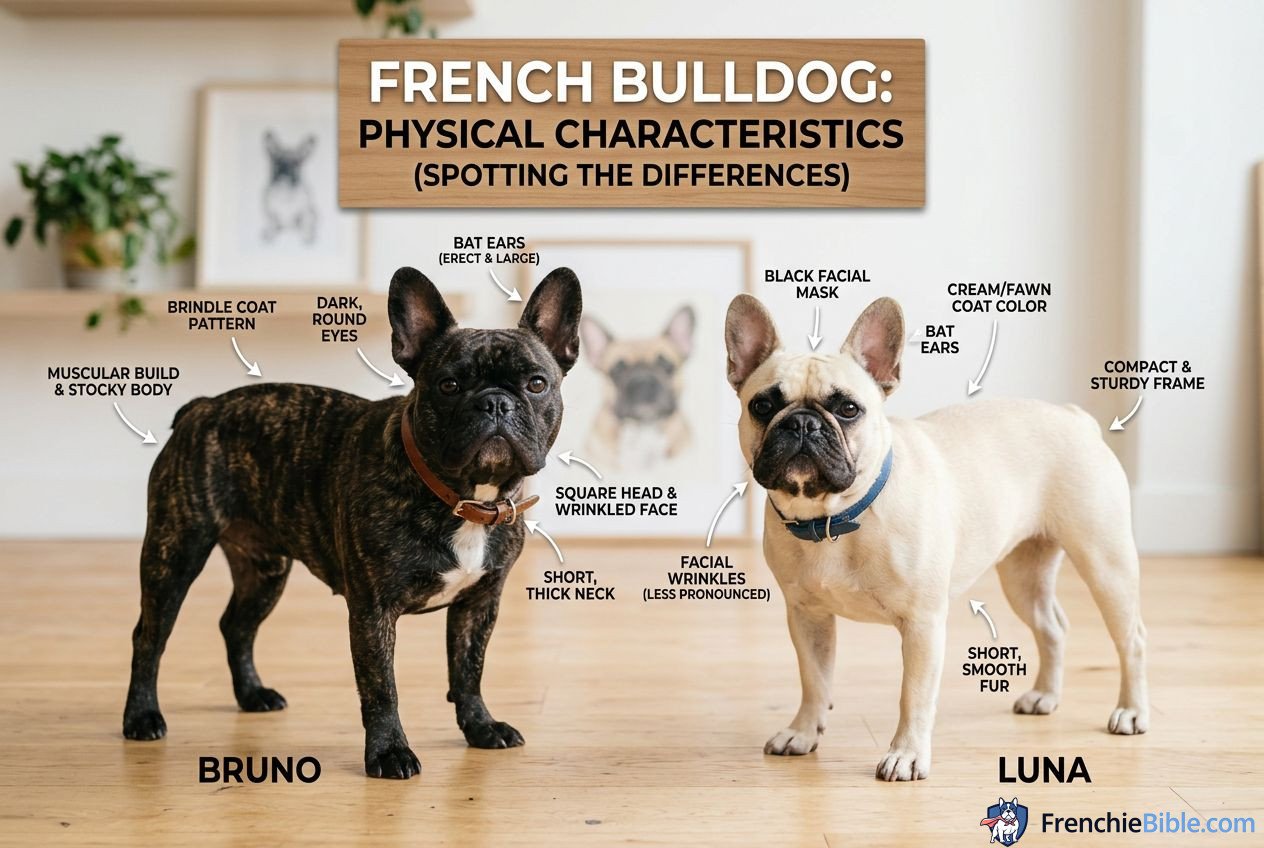
The French Bulldog is a masterclass in muscular density. Despite their small stature (typically weighing between 16 to 28 pounds and standing 11 to 13 inches tall), they are remarkably heavy for their size. When you pick up a Frenchie, you feel a solid, compact block of muscle and bone.
Key Physical Traits:
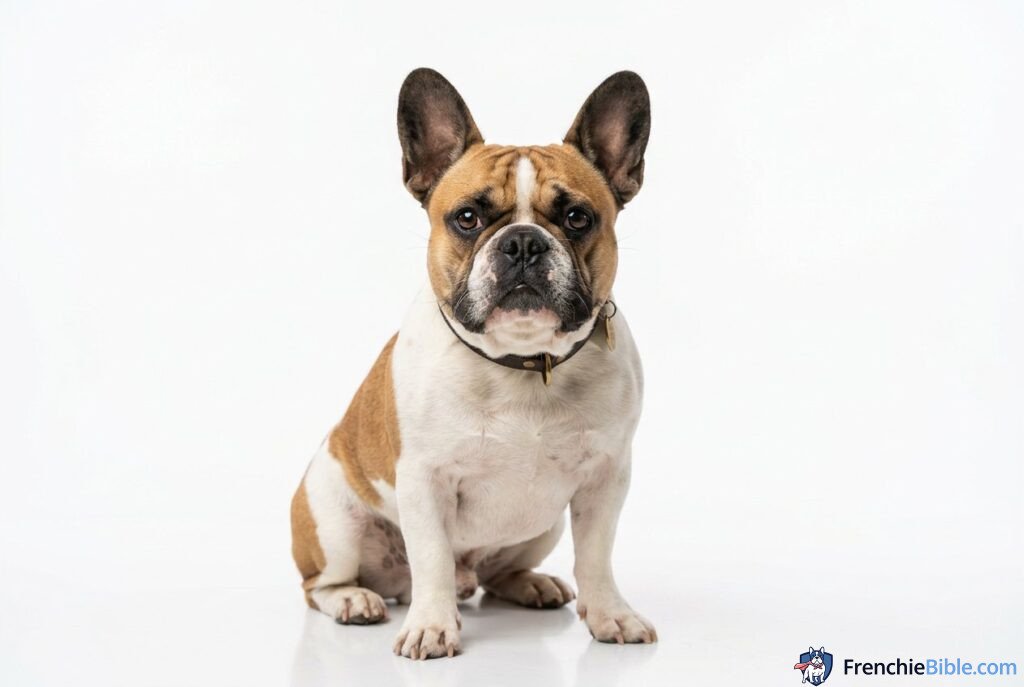
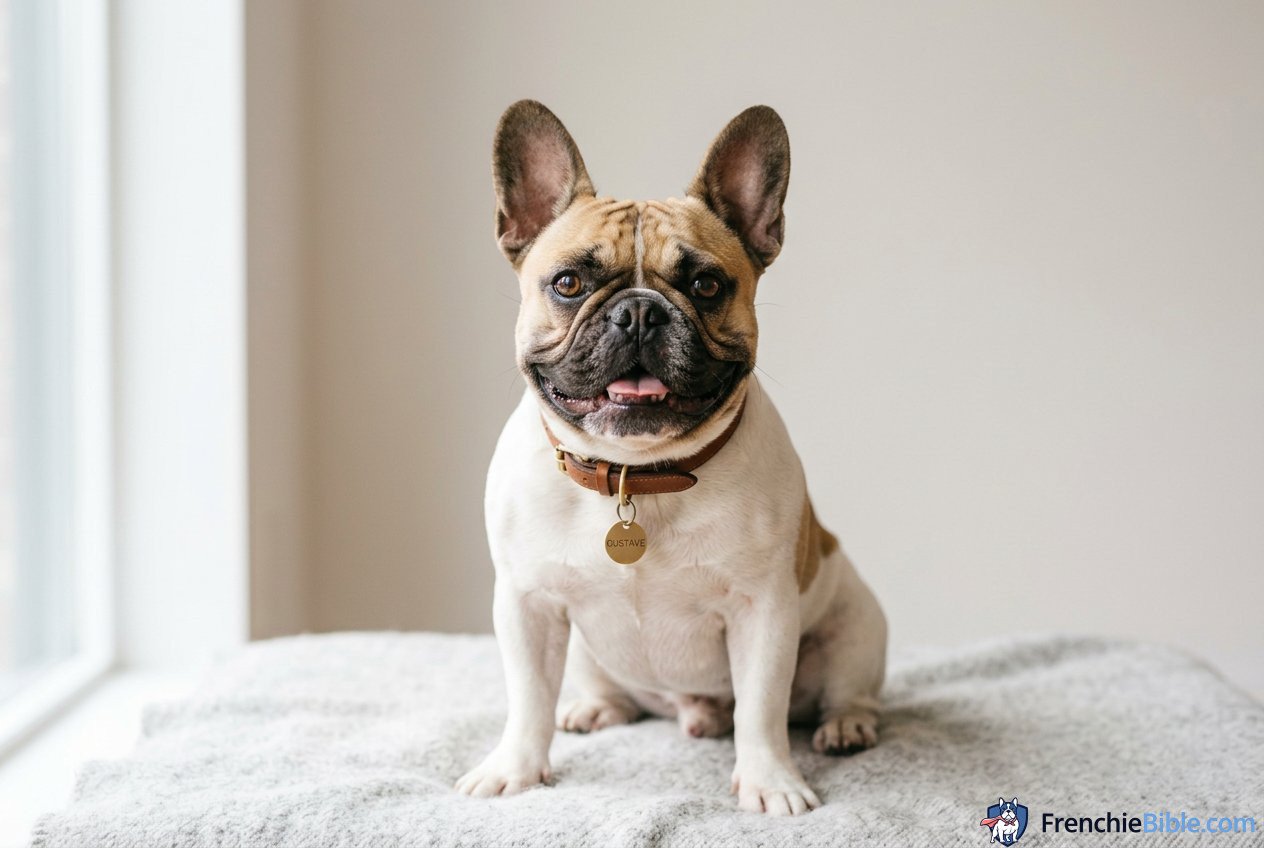
– The Head and Ears: The Frenchie’s head is large and square. Their most defining feature is undoubtedly their “bat ears,” which are broad at the base, elongated, and rounded at the top, standing perfectly erect.
– The Face: They have an extremely short muzzle, a pronounced underbite, and heavy wrinkles above the extremely short nose.
– The Body: The body is compact, deep-chested, and features a distinctive “roach back” (a slight curve over the loins). Their legs are relatively short, stout, and set wide apart, giving them a low center of gravity.
– The Coat: The coat is short, smooth, and fine. They come in a variety of colors, including brindle, fawn, white, and various combinations (though “fad” colors like blue or merle are not recognized by major kennel clubs and are often linked to genetic health issues).
– The Tail: Frenchies have naturally short tails that can be straight or screwed, but they should never be curly or extend past the hock.
The Pug’s Compact and Wrinkled Appearance
The Pug is often described by the Latin phrase “multum in parvo,” meaning “much in little.” They are slightly smaller and lighter than French Bulldogs, typically weighing between 14 to 18 pounds and standing 10 to 13 inches tall, though obesity is a common issue that can push this weight much higher.
Key Physical Traits:
– The Head and Ears: The Pug’s head is massive, round (not square like the Frenchie’s), and covered in deep, prominent wrinkles. Their ears are small, soft like black velvet, and typically fold forward (button ears) or to the side (rose ears).
– The Face: They have a flat, pushed-in face with a very short muzzle and a slight underbite. Their eyes are one of their most prominent features—very large, dark, and slightly protruding, giving them a perpetually soulful expression.
– The Body: The Pug’s body is square and cobby (thick-set). Unlike the Frenchie’s roach back, the Pug has a level topline.
– The Coat: Pugs have a short, glossy coat, but unlike the single-coated Frenchie, fawn Pugs typically have a dense double coat, which makes them prolific shedders. They come primarily in fawn (with a distinct black mask and ears) and solid black.
– The Tail: A Pug’s tail is one of its hallmarks—it curls tightly over the hip, with a double curl being highly prized in the show ring.
Temperament and Personality Traits
Both breeds excel at their primary job: being companion animals. However, their approaches to companionship differ subtly, influenced by their historical roles.
The Affectionate and Comical Frenchie
French Bulldogs are often described as clowns in the bodies of philosophers. They are incredibly affectionate and thrive on human contact. A Frenchie is the type of dog that will insist on sitting on your lap, sleeping in your bed, and following you into the bathroom.
Personality Highlights:
– Loyalty and Attachment: They form intense bonds with their owners. This loyalty is endearing but can sometimes translate into separation anxiety if left alone for extended periods.
– Stubbornness: Frenchies are notoriously stubborn. They are highly intelligent, but they are free-thinkers. If a Frenchie doesn’t see the point of an command, they may simply ignore you. Training requires patience and high-value rewards.
– Playfulness: They have sudden bursts of intense energy, often referred to as “zoomies,” where they will run wildly around the house. However, these bursts are short-lived, and they quickly return to their preferred state of relaxation.
– Vocalization: Frenchies are not known for nuisance barking, making them excellent apartment dogs. However, they are highly communicative through a vast repertoire of snorts, grunts, yodels, and gargles.
The Charming and Loving Pug
Pugs are the epitome of an even-tempered companion dog. They were bred for centuries simply to sit on royal laps and bring joy, and they have perfected this art. They are incredibly charming, deeply loving, and generally get along with everyone—strangers, children, and other pets alike.
Personality Highlights:
– The “Shadow” Dog: Pugs are famously known as “velcro dogs.” Where you go, your Pug will go. They possess an innate need to be near their human at all times.
– Eagerness to Please: Compared to the independent Frenchie, Pugs are generally more eager to please their owners. They are highly food-motivated, which makes them relatively easy to train, though their attention span can be short.
– Comedic Timing: Pugs have a wonderful sense of humor and love to be the center of attention. They will happily perform silly antics to elicit a laugh from their owners.
– Sensitivity: Pugs are highly sensitive to the tone of your voice. Harsh reprimands will crush a Pug’s spirit. They respond best to positive, gentle reinforcement.
Health and Brachycephalic Concerns (Veterinarian Insights)
as a French Bulldog expert and breeder, this is the most critical section of this comparison. Both French Bulldogs and Pugs are brachycephalic, meaning their skulls are shortened, but the soft tissue inside their heads is not reduced proportionally. This leads to a crowding of tissues that can cause severe health issues. Prospective owners MUST be financially and emotionally prepared for the veterinary care these breeds require.
Understanding Brachycephalic Obstructive Airway Syndrome (BOAS)
BOAS is a progressive, lifelong respiratory syndrome that affects both breeds. Due to their shortened muzzles, they struggle to breathe efficiently.
Components of BOAS:
– Stenotic Nares: Pinched or narrow nostrils that restrict airflow. Many Frenchies and Pugs require surgery to widen their nostrils to allow them to breathe comfortably.
– Elongated Soft Palate: The soft tissue at the back of the roof of the mouth is too long and hangs down into the airway, obstructing breathing and causing the loud snoring and snorting characteristic of these breeds.
– Hypoplastic Trachea: A dangerously narrow windpipe.
– Everted Laryngeal Saccules: Small tissue pouches inside the larynx that turn outward and obstruct the airway due to the increased effort required to breathe.
Both breeds are highly susceptible to heatstroke because dogs cool themselves by panting. The compromised airways of Pugs and Frenchies make panting inefficient, meaning they cannot cool down in hot or humid weather. Never leave a Frenchie or Pug outside in the heat, and air conditioning is an absolute necessity.
French Bulldog Specific Health Issues
Beyond BOAS, French Bulldogs, particularly those poorly bred, are prone to a myriad of structural and genetic health issues.
- Spinal Issues: Frenchies are chondrodystrophic (a type of dwarfism affecting the limbs and spine). They are highly prone to Intervertebral Disc Disease (IVDD), a painful condition where the spinal discs degenerate and herniate, potentially causing paralysis. They are also prone to Hemivertebrae (malformed, wedge-shaped vertebrae).
- Allergies and Skin Conditions: Frenchies frequently suffer from environmental allergies (atopy) and food allergies, leading to chronic ear infections, skin fold dermatitis, and intense itching.
- Reproductive Challenges: Due to their narrow hips and large heads, French Bulldogs cannot reproduce naturally. They require artificial insemination to conceive and Caesarean sections (C-sections) to deliver puppies safely. This intense medical intervention is a primary reason why well-bred French Bulldog puppies are so expensive.
- Gastrointestinal Issues: Their anatomy makes them swallow a lot of air when eating or breathing heavily, leading to severe flatulence and a sensitive stomach.
Pug Specific Health Issues
Pugs share the BOAS risks but have their own unique set of severe health vulnerabilities, particularly concerning their eyes and neurology.
- Ocular (Eye) Problems: A Pug’s eyes protrude significantly and have shallow eye sockets. This makes them incredibly vulnerable to injury. They frequently suffer from Corneal Ulcers, Dry Eye (Keratoconjunctivitis Sicca), and Entropion (eyelids rolling inward, causing eyelashes to scratch the cornea). In severe trauma, Pugs are at risk of Proptosis, where the eyeball actually pops out of the socket.
- Pug Dog Encephalitis (PDE): This is a devastating, fatal inflammatory disease of the central nervous system unique to Pugs. It typically strikes young adult Pugs (1-3 years old) and causes seizures, blindness, and coma. There is no cure, though genetic testing is available to identify carriers.
- Orthopedic Issues: Pugs are prone to Hip Dysplasia and Luxating Patellas (slipping kneecaps).
- Obesity: Pugs gain weight incredibly easily. Obesity severely exacerbates BOAS, joint problems, and overall lifespan. Keeping a Pug lean is a constant battle for owners.
Grooming and Maintenance Requirements
While neither breed requires professional haircuts, their grooming needs are far from low-maintenance.
Grooming the French Bulldog
Frenchies are single-coated and shed moderately year-round. Their grooming routine is focused heavily on hygiene.
- Wrinkle Care: The deep folds on a Frenchie’s face must be cleaned daily with a damp cloth or specialized canine wipe, and then thoroughly dried. Moisture trapped in these folds leads to yeast and bacterial infections.
- Tail Pocket: Many Frenchies have a tight “tail pocket” (an indentation under their stubby tail). This area collects dirt, dead skin, and feces. It must be cleaned and dried regularly to prevent severe, painful infections.
- Ears and Nails: Their large bat ears collect dirt and wax and need weekly cleaning. Like all dogs, their nails require regular trimming, but Frenchies often hate having their paws touched, requiring desensitization training early on.
Grooming the Pug
If you are averse to dog hair, a fawn Pug is not for you. Pugs (specifically fawn ones) have a double coat and are notoriously heavy shedders. They “blow” their coat twice a year, but they will leave hair on your furniture and clothes 365 days a year.
- Brushing: Daily brushing with a deshedding tool or rubber curry brush is necessary to manage the hair fallout.
- Wrinkle Care: A Pug’s facial wrinkles are deeper and more complex than a Frenchie’s. The large roll over their nose is particularly prone to trapping debris and must be meticulously cleaned and dried daily to prevent skin fold dermatitis.
- Nails: Pugs are known to have fast-growing nails. Regular grinding or clipping is essential to prevent their toes from splaying.
Exercise Needs and Energy Levels
Both breeds are strictly indoor dogs and are relatively low-energy compared to sporting breeds, but they still require daily exercise to remain healthy and prevent obesity.
Exercising the French Bulldog
Frenchies require about 30 to 45 minutes of exercise per day. This should be broken up into a couple of short walks.
– Activity Style: They enjoy short bursts of play in a fenced yard or playing fetch indoors.
– Water Danger: French Bulldogs cannot swim. Their heavy heads and dense, muscular bodies make them sink like stones. They must always wear a life jacket near water and be strictly supervised around pools.
– Jumping: Due to their risk of IVDD, Frenchies should be discouraged from jumping on and off high furniture. Using dog stairs or ramps is highly recommended.
Exercising the Pug
Pugs also require about 30 to 40 minutes of daily exercise.
– Activity Style: Pugs love leisurely daily walks. Because they are so prone to obesity, a consistent daily walking routine is vital for their cardiovascular health and weight management.
– Harness vs. Collar: For both Pugs and Frenchies, you must never use a neck collar for walking. Any pressure on the neck can cause severe damage to their already compromised tracheas and exacerbate breathing issues. Always use a well-fitted body harness.
Training and Intelligence
Both breeds are intelligent, but their willingness to apply that intelligence varies.
Training the Independent Frenchie
Training a French Bulldog requires patience, a sense of humor, and high-value treats. They are easily bored by repetitive drills. Training sessions should be kept short (5-10 minutes) and highly positive.
– Housebreaking: Frenchies can be notoriously difficult to potty train. Crate training and extreme consistency are required.
– Socialization: Early socialization is critical. Without it, Frenchies can become territorial or overly protective of their owners.
Training the Eager Pug
Pugs are generally easier to train because they are highly motivated by food and deeply desire to please their owners.
– Positive Reinforcement: Pugs are sensitive souls. They respond excellently to clicker training and treat rewards. Harsh tones will cause them to shut down.
– Housebreaking: Pugs can also be challenging to housebreak, partly because they dislike going outside in inclement weather (rain or cold).
Diet and Nutrition Guidelines
Proper nutrition is the cornerstone of health for these delicate breeds.
- Weight Management: This is the paramount dietary concern for both breeds, especially the Pug. An overweight brachycephalic dog will suffer exponentially more from breathing difficulties and joint pain. You must strictly measure their food and factor training treats into their daily caloric intake.
- Kibble Shape: Due to their flat faces, both breeds often struggle to pick up and chew standard kibble. Specialized brachycephalic diets exist with almond-shaped or curved kibbles that are easier for them to grasp.
- Joint and Skin Supplements: as a French Bulldog expert and breeder, I strongly recommend high-quality Omega-3 fatty acid supplements for both breeds to support skin health and reduce inflammation, as well as glucosamine/chondroitin supplements to support their vulnerable joints.
Cost of Ownership and Lifespan
Owning a brachycephalic breed is a significant financial commitment.
- Initial Cost: Well-bred French Bulldogs are incredibly expensive, often ranging from $3,000 to $8,000+, largely due to the necessity of artificial insemination and C-sections. Pugs are generally less expensive to purchase, ranging from $1,500 to $3,000.
- Veterinary Costs: Both breeds require a high veterinary budget. Pet insurance is not optional; it is mandatory for these breeds. Surgeries for BOAS (nares and soft palate) can cost thousands of dollars. An MRI and spinal surgery for a Frenchie with IVDD can exceed $8,000.
- Lifespan: With proper care, a French Bulldog typically lives 10 to 12 years. A Pug generally has a slightly longer lifespan, averaging 12 to 15 years.
Which Breed Fits Your Lifestyle Better?
Choosing between these two incredible breeds comes down to your living situation, your tolerance for grooming/shedding, and your financial readiness.
Choose a French Bulldog If…
- You live in an apartment and prefer a dog that rarely barks.
- You want a sturdier, more muscular dog with a comical, slightly stubborn personality.
- You prefer a dog that sheds less (though they still shed).
- You have the financial means to handle potentially extreme veterinary costs related to spinal or severe airway issues.
- You want a dog that is deeply devoted but maintains a hint of independence.
Choose a Pug If…
- You want an exceptionally affectionate, shadow-like companion who loves everyone.
- You don’t mind heavy, year-round shedding and are committed to daily brushing.
- You want a dog that is generally more eager to please and slightly easier to train.
- You are prepared to be vigilant about eye care and strict weight management.
- You are looking for a breed with a slightly longer average lifespan.
Frequently Asked Questions (FAQ)
Q: Can a French Bulldog or Pug live outside?
A: Absolutely not. Both breeds are highly susceptible to heatstroke and cold. They are indoor companion animals only and must live in climate-controlled environments.
Q: Which breed is better for families with young children?
A: The Pug is generally considered slightly better for households with very young, unpredictable children due to their incredibly even temper and robust patience. However, Frenchies also make excellent family pets if socialized properly. Children must always be taught how to interact gently with dogs, particularly protecting the Pug’s vulnerable eyes.
Q: Do both breeds snore?
A: Yes. Snoring, snorting, and grunting are hallmarks of brachycephalic breeds. While a light snore is normal for them, excessively loud snoring or apnea (stopping breathing while sleeping) is a sign of severe BOAS and requires immediate veterinary attention.
Q: Are French Bulldogs and Pugs good for first-time dog owners?
A: They can be, provided the first-time owner has done exhaustive research. Their sweet temperaments make them accessible, but their complex health needs require a dedicated, financially prepared, and vigilant owner.
Q: How do I find a responsible breeder?
A: Look for breeders affiliated with national breed clubs (like the French Bull Dog Club of America or the Pug Dog Club of America). A responsible breeder will perform extensive health testing (OFA certifications for heart, eyes, patellas, and spine, plus genetic testing) on the parents before breeding. They will never breed dogs with severe BOAS or those requiring airway surgery. Run away from any breeder advertising “rare” colors or miniature sizes, as these are massive red flags for unethical breeding practices.
Author: Dr. [Name withheld], professional. Specialist in Brachycephalic Medicine and.
Disclaimer: We are not veterinarians and do not hold veterinary medical licenses. The information provided in this article is based on years of breeding and daily care experience and is for educational purposes only. It should not replace professional veterinary advice. Always consult with a licensed veterinarian if you have concerns about your French Bulldog’s health or before starting any new treatment.