Disclaimer: The information provided in this comprehensive guide is intended for educational and informational purposes only. While authored from the perspective of a experienced French Bulldog breeder and experienced breeder, it does not constitute, nor should it replace, professional medical advice, diagnosis, or treatment from your local veterinarian. Always consult with a licensed vet before making significant changes to your Frenchie’s healthcare, diet, or exercise routines, particularly if your dog has pre-existing conditions.
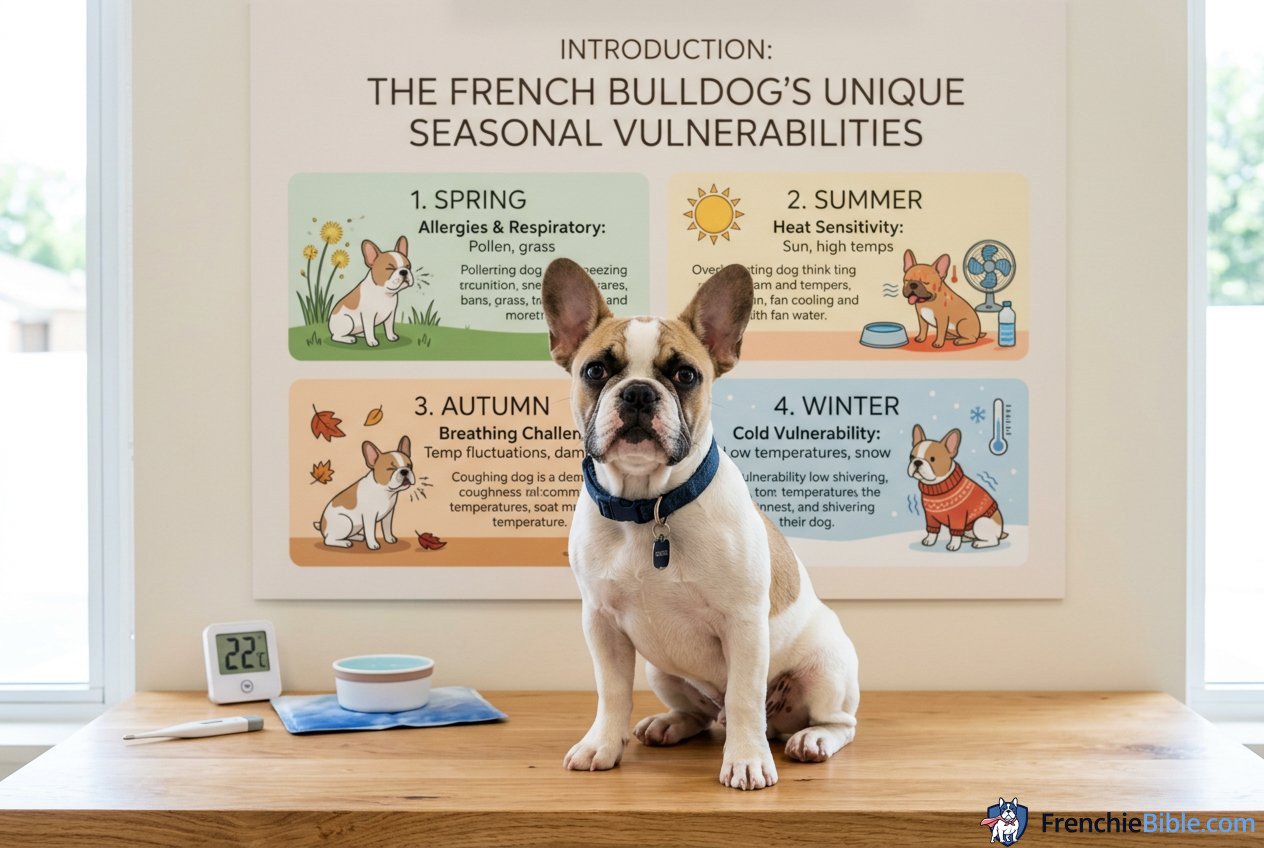
Introduction: The French Bulldog’s Unique Seasonal Vulnerabilities
When it comes to the charming, affectionate, and comical French Bulldog, their distinctive physical traits—most notably their flat faces, compact bodies, and single-layered short coats—make them uniquely susceptible to the extremes of seasonal changes. As a experienced French Bulldog breeder and breeder, I have seen firsthand how the transition from the scorching, bug-infested days of summer to the freezing, dry months of winter can severely impact a Frenchie’s health and well-being if not managed properly.
Related Reading: Training & Behavior | Frenchie Puppy Guide | Best Food for Frenchies
Unlike many other breeds that were developed to withstand harsh outdoor conditions, the French Bulldog is a companion animal through and through. They are indoor dogs that require a meticulously managed environment to thrive. Their physical conformation, specifically their brachycephalic (flat-faced) anatomy, compromises their ability to regulate body temperature efficiently. This physiological limitation means that what might be a mild, pleasant day for a Golden Retriever could be a life-threatening, heat-inducing ordeal for a French Bulldog. Conversely, their lack of a thick undercoat and minimal body fat makes them highly vulnerable to rapid heat loss during the cold winter months.
Understanding these vulnerabilities is the first step in providing “nanny-level” care—a standard of care that anticipates your dog’s needs before they become a problem. This exhaustive guide will walk you through everything you need to know to protect your Frenchie during the blazing heat and bug-heavy months of spring and summer, as well as the frigid, dry conditions of autumn and winter. By adopting a proactive, season-specific approach to your French Bulldog’s care, you can ensure they remain healthy, comfortable, and vibrant all year round.
Why Frenchies Struggle with Temperature Changes (Brachycephalic Airway Syndrome)
To truly appreciate why French Bulldogs need specialized seasonal care, we must first understand the mechanics of their breathing. Frenchies suffer from a condition known as Brachycephalic Obstructive Airway Syndrome (BOAS). Because their skulls have been selectively bred to be short, the soft tissues within their airways have not decreased in size proportionately. This results in elongated soft palates, stenotic nares (narrowed nostrils), everted laryngeal saccules, and often a hypoplastic (narrow) trachea.
Dogs do not sweat through their skin like humans do; their primary mechanism for cooling down is panting. When a dog pants, they draw air rapidly over the moist surfaces of the mouth, tongue, and upper respiratory tract, evaporating moisture and dissipating heat. However, because a French Bulldog’s airway is inherently obstructed and narrow, the simple act of panting requires significantly more effort. When they get hot and begin to pant heavily, the increased turbulence in their airways causes the soft tissues to swell, further narrowing the airway. This creates a dangerous vicious cycle: they get hot, they pant harder, their airway swells, they can’t bring in enough air, they panic, and their temperature skyrockets. This is why Frenchies are at an exceptionally high risk of fatal heatstroke, even in moderately warm temperatures.
The Impact of Seasons on Their Coat, Skin, and Overall Health
Beyond their respiratory challenges, a French Bulldog’s skin and coat are also highly reactive to seasonal shifts. Their short, single coat provides virtually no insulation against the cold and minimal protection against the sun’s UV rays. Furthermore, Frenchies are genetically predisposed to various dermatological issues, including atopic dermatitis (environmental allergies), food allergies, and skin fold pyoderma (infections in their wrinkles).
During the spring and summer, the proliferation of environmental allergens like pollen, mold spores, and grass can trigger intense itching, redness, and secondary bacterial or yeast infections. The high humidity can also cause moisture to become trapped in their facial folds, tail pockets, and interdigital spaces (between the toes), creating the perfect breeding ground for yeast and bacteria. Additionally, the warmer months bring a surge in ectoparasites—fleas, ticks, and mosquitoes—which not only cause skin irritation but also transmit dangerous diseases.
In contrast, the autumn and winter months present a different set of challenges. The drop in temperature and the use of artificial indoor heating drastically reduce humidity levels, leading to dry, flaky skin, brittle coats, and hyperkeratosis (thickening and cracking) of the nose and paw pads. The cold weather also exacerbates joint stiffness in older Frenchies or those suffering from early-onset arthritis or Intervertebral Disc Disease (IVDD). Therefore, a Frenchie’s grooming and skin care routine must be dynamically adjusted as the seasons change.
Spring and Summer Care: Defeating the Heat and Battling Bugs
The arrival of spring and summer brings longer days, blooming flowers, and the opportunity for more outdoor adventures. However, for a French Bulldog owner, it also signals the beginning of a high-alert period. The combination of rising temperatures, increasing humidity, and the explosion of insect populations requires a rigorous, uncompromising approach to your dog’s daily routine.
The Dangers of Heatstroke in French Bulldogs
Heatstroke (hyperthermia) is arguably the most immediate and life-threatening danger a French Bulldog faces during the summer. Heatstroke occurs when a dog’s core body temperature exceeds the normal range (usually above 104°F or 40°C) and their body is no longer able to cool itself down. Because of their BOAS, Frenchies can succumb to heatstroke in a matter of minutes, even in temperatures as low as 75°F (24°C) if the humidity is high or if they are overexerting themselves.
It is crucial to understand that heatstroke in French Bulldogs is often a silent killer. It doesn’t always happen because a dog is left in a hot car (which should absolutely never happen); it frequently occurs during what an owner considers a “normal” walk on a warm day. The humidity plays a massive role here; high humidity impairs the evaporation of moisture from their respiratory tract, rendering panting almost completely ineffective. The thick, muscular build of the French Bulldog also means they generate a significant amount of heat internally when exercising, compounding the external environmental heat.
Recognizing the Early Signs of Overheating
Prevention is always better than cure, but early recognition is the next best thing. As a Frenchie owner, you must become an expert at reading your dog’s body language and respiratory sounds. The early signs of overheating include:
- Excessive, frantic panting: The panting will sound louder, harsher, and more desperate than their normal breathing. It may sound like roaring or rasping.
- A widened, “roaring” mouth: The mouth is pulled far back, and the tongue is fully extended, often curling up at the end or hanging limply to the side.
- Discoloration of the gums and tongue: A healthy Frenchie has pink gums. In the early stages of overheating, the gums may become bright, dark red or injected. As oxygen deprivation sets in, they may turn pale, blue, or purple (cyanosis).
- Thick, ropy saliva: The saliva becomes sticky and frothy, making it even harder for them to clear their airways and breathe effectively.
- Lethargy and reluctance to move: They may suddenly stop walking, lie down in the middle of the path, or seek shade and refuse to get up despite encouragement.
- Uncoordinated movement: Stumbling, weakness in the hind legs, a drunken gait, or collapsing.
- Gastrointestinal distress: Vomiting or diarrhea (sometimes bloody) as the body begins to shut down non-essential functions to divert blood to vital organs.
If you observe any of these signs, you must intervene immediately. Stop all activity, move the dog to a cool, air-conditioned environment, offer cool (not ice-cold) water, and wet their paws, belly, and armpits with cool water. Never submerge an overheating dog in an ice bath, as this causes the surface blood vessels to constrict, trapping the heat inside the core organs. Seek emergency veterinary care immediately, even if the dog seems to recover, as internal organ damage can manifest hours later.
Nanny-Level Summer Cooling Strategies
To safely navigate the summer months, you need to implement proactive, nanny-level cooling strategies that keep your Frenchie comfortable before they even get a chance to overheat.
Safe Exercise Windows
The most critical adjustment in summer is your walking schedule. During the peak heat months, the only safe times to exercise a French Bulldog are early in the morning (before sunrise or shortly after) and late at night (well after the sun has set). The pavement must be cool to the touch. A good rule of thumb is the “seven-second rule”: press the back of your hand against the asphalt; if you cannot comfortably hold it there for seven seconds, it is entirely too hot for your Frenchie’s paws and will burn them, while also radiating immense heat upward toward their short bodies. Limit walks to 10-15 minutes and focus on mental stimulation (like indoor puzzle toys or snuffle mats) rather than physical exertion to tire them out.
Hydration Techniques
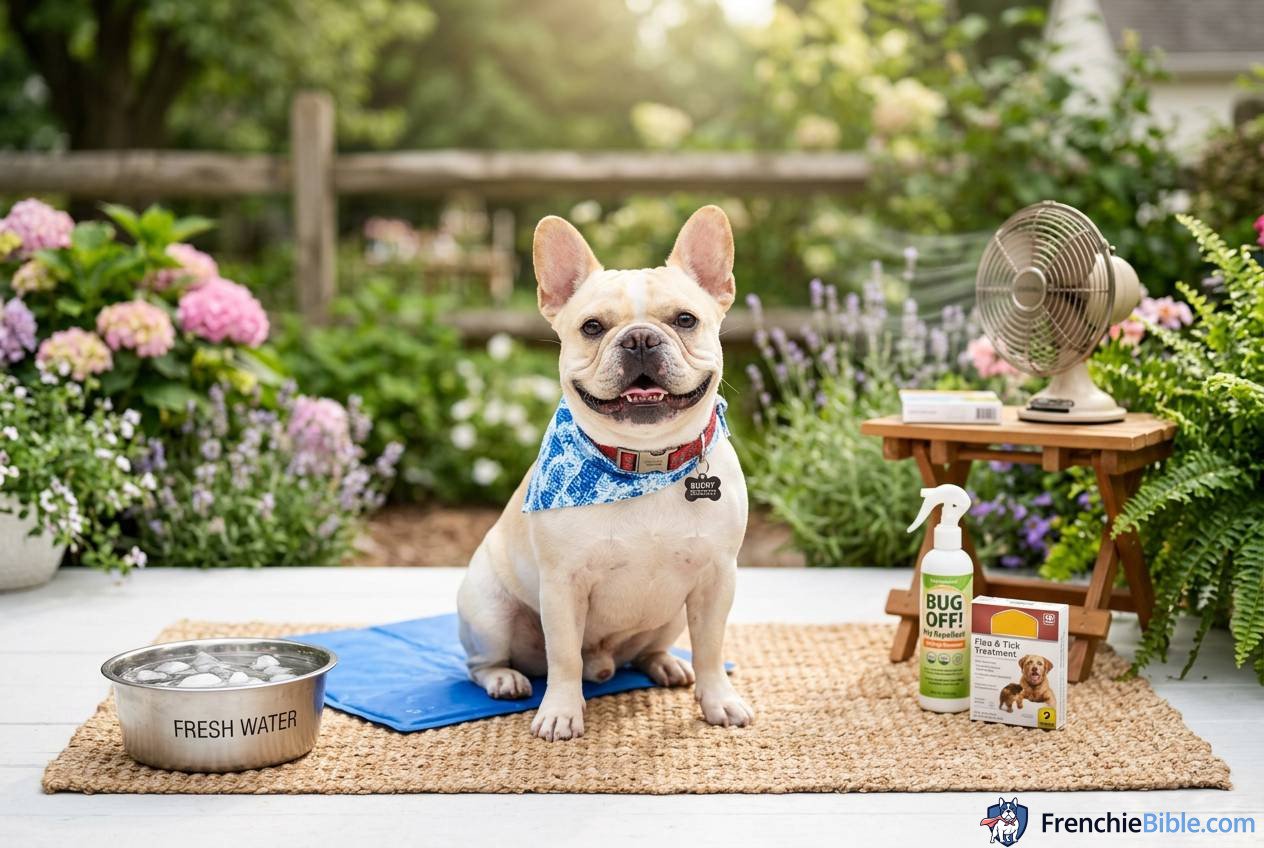
Encouraging your Frenchie to drink enough water can sometimes be challenging. Always have multiple bowls of fresh, cool water available throughout the house. When going outside, even just for a quick potty break, bring a portable water bottle. To increase hydration, consider adding unsalted bone broth to their water, offering dog-safe ice cubes (perhaps frozen with a little bit of pureed watermelon or plain yogurt), or adding moisture to their meals by soaking their kibble or feeding a high-quality wet food. A well-hydrated dog is better equipped to regulate their body temperature.
Cooling Vests and Mats
Technological solutions can be a lifesaver. Cooling vests, which you soak in water and wring out before putting on the dog, work through evaporative cooling. As the water evaporates from the vest, it pulls heat away from the dog’s body. However, note that these vests are less effective in very high humidity. Cooling mats filled with pressure-activated gel are excellent for indoor use, providing a consistently cool surface for your Frenchie to rest on. Always monitor your dog to ensure they don’t chew on or ingest the gel from these mats. Another great option is a cooling bandana around their neck, which helps cool the blood vessels supplying the brain.
Indoor Temperature Management
Your home must be a safe sanctuary. Air conditioning is non-negotiable for a French Bulldog owner. The ambient indoor temperature should ideally be kept between 68°F and 72°F (20°C – 22°C). Utilize fans to keep the air circulating, but remember that fans alone do not cool the air; they only help evaporate moisture. If you leave your Frenchie home alone, ensure the AC is running and that there is a backup plan or temperature monitoring system (like a smart home thermometer that alerts your phone) in case of a power outage. Close curtains and blinds during the hottest parts of the day to block out the sun’s radiant heat.
Comprehensive Bug Prevention for Spring/Summer
As the weather warms up, insects emerge with a vengeance. For a Frenchie, bugs are not just an annoyance; they are vectors for severe diseases and causes of intense allergic reactions.
Fleas and Ticks: Prevention and Treatment
Fleas can cause Flea Allergy Dermatitis (FAD), where even a single flea bite can trigger a massive, full-body allergic reaction, leading to intense scratching, hair loss, and secondary bacterial skin infections. Ticks transmit dangerous pathogens, including Lyme disease, Ehrlichiosis, Anaplasmosis, and Rocky Mountain Spotted Fever.
Prevention must be a year-round effort, but it requires extreme diligence in the spring and summer. With my background in French Bulldog breeding, I strongly recommend utilizing a high-quality, prescription-strength preventative. Oral preventatives (like NexGard, Bravecto, or Simparica) are highly effective and eliminate the risk of topical medications washing off during baths or transferring to humans. If your Frenchie has a history of seizures or severe neurological issues, discuss the safest options with your vet, as some oral flea/tick medications belong to the isoxazoline class, which can occasionally lower the seizure threshold in susceptible dogs. Always perform a thorough “tick check” after any walk in grassy, wooded, or brushy areas, paying close attention to the ears, armpits, groin, under the collar, and between the toes.
Mosquitoes and Heartworm Disease
Mosquitoes are the sole transmitters of heartworm disease, a devastating and potentially fatal condition where foot-long worms live in the dog’s heart and pulmonary arteries. Because Frenchies already have compromised respiratory systems, a heartworm infection is particularly catastrophic for the breed, severely impacting their already limited oxygen exchange capabilities.
Heartworm preventatives (such as Heartgard, Interceptor, or ProHeart injections) are absolutely mandatory. These medications do not prevent mosquitoes from biting; rather, they kill the microscopic heartworm larvae (microfilariae) injected into the dog before they can mature into adults. To reduce mosquito bites, avoid walking your dog near stagnant water, use pet-safe mosquito repellents (do not use human repellents containing DEET, which is highly toxic to dogs), and ensure your home’s window screens are intact. Empty any standing water in your yard to eliminate breeding grounds.
Bees, Wasps, and Allergic Reactions
Frenchies are notoriously curious and have a habit of snapping at flying insects. A sting from a bee or wasp, particularly on the face or inside the mouth, can cause sudden, severe swelling. Due to their BOAS, facial swelling can rapidly compromise their already narrow airway, leading to a life-threatening breathing emergency (anaphylaxis).
If your Frenchie is stung, try to locate and remove the stinger by scraping it with a credit card (do not squeeze it with tweezers, as this can inject more venom). Apply a cold compress to reduce swelling. Contact your veterinarian immediately. It is highly recommended to have a pre-calculated dose of your veterinarian may recommend a antihistamine (never use without veterinary guidance) (your veterinarian may recommend a antihistamine (never use without veterinary guidance)) in your pet first-aid kit, but never administer it without first consulting your vet for the correct dosage based on your dog’s specific weight and medical history.
Natural vs. Chemical Repellents: An Experienced Breeder’s Perspective
Many owners prefer “natural” or holistic approaches to bug prevention, using essential oils like lavender, cedarwood, or neem oil. While these can offer mild, short-term repellency, they are simply not potent enough to rely on as a primary defense against heartworm-carrying mosquitoes or disease-ridden ticks, especially in high-endemic areas. Furthermore, some essential oils can be toxic to dogs if ingested or applied undiluted. Rely on FDA- or EPA-approved veterinary products for the heavy lifting of parasite prevention, and use natural repellents only as an additional, supplementary layer of protection when spending time outdoors.
Summer Skin and Coat Care
The summer heat and humidity play havoc with a Frenchie’s sensitive skin. Their wrinkles, tight tail pockets, and skin folds become prime real estate for yeast and bacterial overgrowth.
Managing Environmental Allergies
Spring and summer are the peak seasons for atopy (environmental allergies). Your Frenchie may start excessively licking their paws, scratching their ears, rubbing their face on the carpet, or developing red, inflamed bellies. To manage this, wipe your dog down with a damp cloth or hypoallergenic pet wipe every time they come inside from a walk. This physically removes pollen, grass, and mold spores from their coat before it can trigger an allergic reaction. Pay special attention to wiping their paws, as they absorb allergens directly through their footpads.
Sun Protection for Light-Colored Frenchies
Frenchies with white, cream, fawn, or pied coats, and those with light-colored or pink noses, are highly susceptible to sunburn and long-term sun damage, which can lead to skin cancer (squamous cell carcinoma) or solar dermatitis. Apply a dog-specific, lick-safe sunscreen to the tips of their ears, their nose, their belly, and any sparse areas of fur if they enjoy sunbathing. Never use human sunscreen containing zinc oxide or para-aminobenzoic acid (PABA), as these are toxic if ingested by your dog. Reapply the sunscreen every few hours if they are outside for extended periods.
Bathing Frequency and Fold Cleaning
During the summer, you may need to increase the frequency of baths to once every 2 to 4 weeks using a soothing, oatmeal-based, or medicated chlorhexidine/miconazole shampoo (as directed by your vet) to wash away allergens and control yeast. More importantly, the facial wrinkles and tail pocket must be cleaned daily. The humidity traps moisture in these tight spaces, leading to painful bacterial and yeast infections (pyoderma). Clean the folds gently with a specialized wrinkle wipe or a damp cloth, and absolutely ensure you dry the folds completely afterward. Moisture is the enemy here. Applying a thin layer of a protective wrinkle balm can help create a barrier against moisture and bacteria.
Autumn and Winter Care: Ultimate Cold Weather Protection
As the oppressive heat of summer fades, autumn brings a brief respite before the harsh reality of winter sets in. While French Bulldogs are relieved from the immediate threat of heatstroke, the cold months introduce a new spectrum of hazards. The transition requires a complete shift in your nanny-level care routine to focus on heat retention, moisture preservation, and safety in freezing environments.
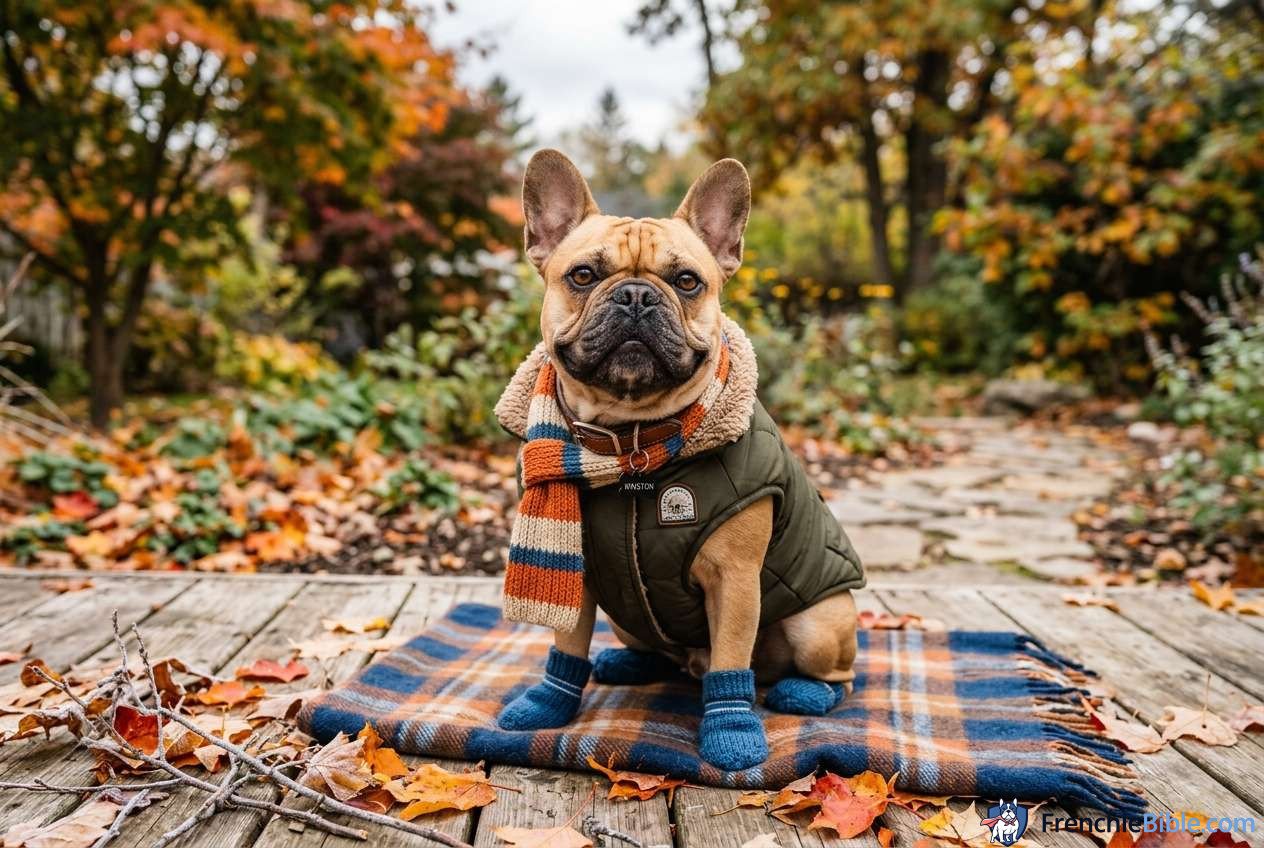
Why Frenchies Are Not Built for the Cold
To put it bluntly, a French Bulldog’s anatomy is completely unsuited for cold climates. They lack the insulating, dense undercoat that breeds like Huskies or Retrievers possess. Their short, single-layer coat allows body heat to escape rapidly. Furthermore, their small, compact stature means they have a high surface-area-to-volume ratio, causing them to lose heat much faster than larger dogs. Their bellies are particularly exposed and sparse of hair, meaning the freezing cold radiating from the snowy or icy ground quickly drops their core body temperature.
Their short snouts also play a detrimental role in winter. In dogs with long muzzles, the nasal passages act as a warming and humidifying chamber for the frigid winter air before it reaches the lungs. A Frenchie’s short airway provides very little space for this warming process, meaning they draw shockingly cold air directly into their lungs. This cold air can irritate their respiratory tract, exacerbate existing BOAS symptoms, trigger coughing spasms, or lead to upper respiratory infections and pneumonia.
Recognizing Signs of Hypothermia and Frostbite
Just as you must watch for heatstroke in the summer, you must be hyper-vigilant for signs of hypothermia (dangerously low body temperature) and frostbite (freezing of the tissues) in the winter. Frenchies are stoic dogs and may not always complain until the situation is severe.
Signs of cold stress and mild hypothermia include:
– Uncontrollable shivering and trembling
– Tucking the tail tightly between the legs
– Lifting paws off the freezing ground repeatedly or refusing to walk
– Hunching the posture and seeking shelter or warmth
– Whining, barking, or exhibiting signs of anxiety
– Cold ears, paws, and tail tip to the touch
As hypothermia progresses to a severe, life-threatening state, the dog’s muscles will become stiff, their breathing and heart rate will slow down dramatically, their gums will turn pale or gray, and they will become profoundly lethargic, unresponsive, and may slip into a coma.
Frostbite typically affects the extremities that have the poorest blood circulation and least hair coverage: the tips of the ears, the tail, the toes, and the scrotum. Frostbitten skin may appear unusually pale, gray, or bluish, and will feel brittle and ice-cold to the touch. As the tissue thaws, it becomes intensely red, swollen, and extremely painful, often blistering and eventually sloughing off. If you suspect hypothermia or frostbite, wrap your Frenchie in warm (not hot) blankets and seek immediate veterinary emergency care. Never use heating pads or hair dryers directly on a frostbitten area, as the tissue is numb and easily burned without the dog realizing it.
Nanny-Level Winter Warming Strategies
To protect your French Bulldog from the elements, you must become their personal outfitter and environmental manager. Their comfort depends entirely on your proactive measures.
The Importance of Frenchie Clothing (Sweaters, Coats, Boots)
For a French Bulldog, winter clothing is not a fashion statement or a cute accessory; it is a critical piece of survival gear. Because of their broad chests, thick necks, muscular shoulders, and narrow waists, standard dog clothing rarely fits a Frenchie properly. You must invest in apparel specifically designed for the French Bulldog physique to prevent chafing and ensure adequate coverage.
- Sweaters and Fleeces: Excellent for indoor use if you keep your home thermostat lower, or for crisp autumn days. They provide a comfortable, breathable layer of insulation. Ensure they are soft and do not irritate the skin, particularly in the armpit area.
- Waterproof Winter Coats: For walking in the snow, freezing rain, or high winds, a heavy-duty, insulated, waterproof coat is essential. The coat should cover the chest and belly as much as possible, as this is where they lose the most heat. A high collar can also help protect their neck and ears.
- Dog Boots: Protective booties serve two vital purposes. First, they insulate the paws from the freezing ground and prevent painful ice balls from accumulating between the toes. Second, they protect the paw pads from toxic chemical de-icers and sharp rock salt used on sidewalks, which can cause severe chemical burns and painful cracking. Training your Frenchie to accept boots takes patience and positive reinforcement, starting indoors for short periods, but it is necessary for safe winter walking.
Managing Indoor Heating and Humidity
While cranking up the furnace keeps you and your Frenchie warm, central heating creates an excessively dry indoor environment. This dry air rapidly strips the moisture from your dog’s skin, leading to severe dandruff, itchiness, static electricity shocks, and a dull, brittle coat. It also dries out their respiratory mucous membranes, making them more susceptible to upper respiratory infections and kennel cough.
To combat this, utilize a humidifier in the rooms where your Frenchie spends the most time, particularly where they sleep. Aim to keep the indoor humidity around 40-50%. Ensure their beds are placed away from drafty windows and doors, but also avoid placing beds directly against hot radiators or heat vents, which can cause overheating or dry out their skin further. Consider a self-warming pet bed that reflects the dog’s own body heat back to them without the need for electricity.
Safe Outdoor Activities in the Snow
While summer requires limiting exercise to avoid the heat, winter requires limiting outdoor exposure to avoid the freezing cold. Walks should be short, brisk, and purposeful—primarily focused on bathroom breaks. If the temperature drops below freezing (32°F / 0°C), limit outdoor time to 10 minutes or less. When snow is deep, a Frenchie has to bound through it, which is physically exhausting and dramatically increases their respiratory rate, pulling more freezing air into their lungs. Clear a path in your yard down to the grass or pavement so they have a safe, easy area to relieve themselves without having to plunge into deep snowdrifts.
Winter Paw and Snout Care
The extreme dryness of winter takes a heavy toll on the specialized keratin structures of the nose and paw pads. Frenchies are highly prone to a condition called hyperkeratosis, where the body produces too much keratin, resulting in a thick, crusty, cracked, and sometimes bleeding nose or paw pads.
Protecting Against Salt and Chemical De-icers
If your dog refuses to wear boots, you must thoroughly wash and dry their paws with warm water immediately after returning from every winter walk to remove toxic salt, antifreeze (which is sweet-tasting and highly lethal if ingested), and chemical de-icers. Do not let them lick their paws until they have been cleaned, as ingesting rock salt can cause severe gastrointestinal distress, mouth burns, and sodium ion toxicosis. Use a specialized paw-washing cup or pet wipes for convenience.
Moisturizing Dry Paws and Noses
To prevent and treat cracking, apply a high-quality, lick-safe nose butter or paw balm daily. Products containing organic shea butter, coconut oil, beeswax, and vitamin E are excellent choices. Apply the balm before a walk to create a protective barrier against the snow, salt, and wind, and apply it again before bedtime so it can absorb deeply into the tissues while the dog sleeps and is less likely to lick it off immediately.
Dietary Adjustments for the Colder Months
Seasonal changes dictate crucial adjustments to your Frenchie’s caloric intake and nutritional supplementation to keep them healthy through the winter.
Managing Calories When Exercise Decreases
Because winter weather drastically reduces the duration and frequency of outdoor walks, your Frenchie’s overall daily energy expenditure will drop significantly. If you continue to feed them the same portion sizes as you did during their highly active summer months, they will rapidly gain weight. Obesity is catastrophic for a French Bulldog, putting immense strain on their joints, spine, and respiratory system, significantly exacerbating BOAS and increasing the risk of Intervertebral Disc Disease (IVDD).
Closely monitor their body condition score—you should be able to feel, but not see, their ribs easily, and they should have a visible waist when viewed from above. Reduce their daily kibble allowance by 10% to 20% during the inactive winter months. If they seem hungry, replace the lost volume with low-calorie, dog-safe vegetables like steamed green beans, carrots, or a spoonful of plain, unsweetened pumpkin puree to keep them feeling full and provide extra fiber.
Supplements for Joint and Skin Health in Winter
The cold, damp weather of late autumn and winter often causes joint stiffness and pain, especially in senior Frenchies or those with a history of IVDD, hip dysplasia, luxating patellas, or arthritis. Incorporating a high-quality joint supplement containing glucosamine, chondroitin, MSM, and green-lipped mussel can help lubricate the joints, repair cartilage, and reduce inflammation. Additionally, supplementing their diet with Omega-3 fatty acids (found in high-quality salmon oil or krill oil) works double duty: it acts as a powerful natural anti-inflammatory for the joints and significantly improves the health and moisture barrier of their dry, flaky winter skin, reducing shedding and itching.
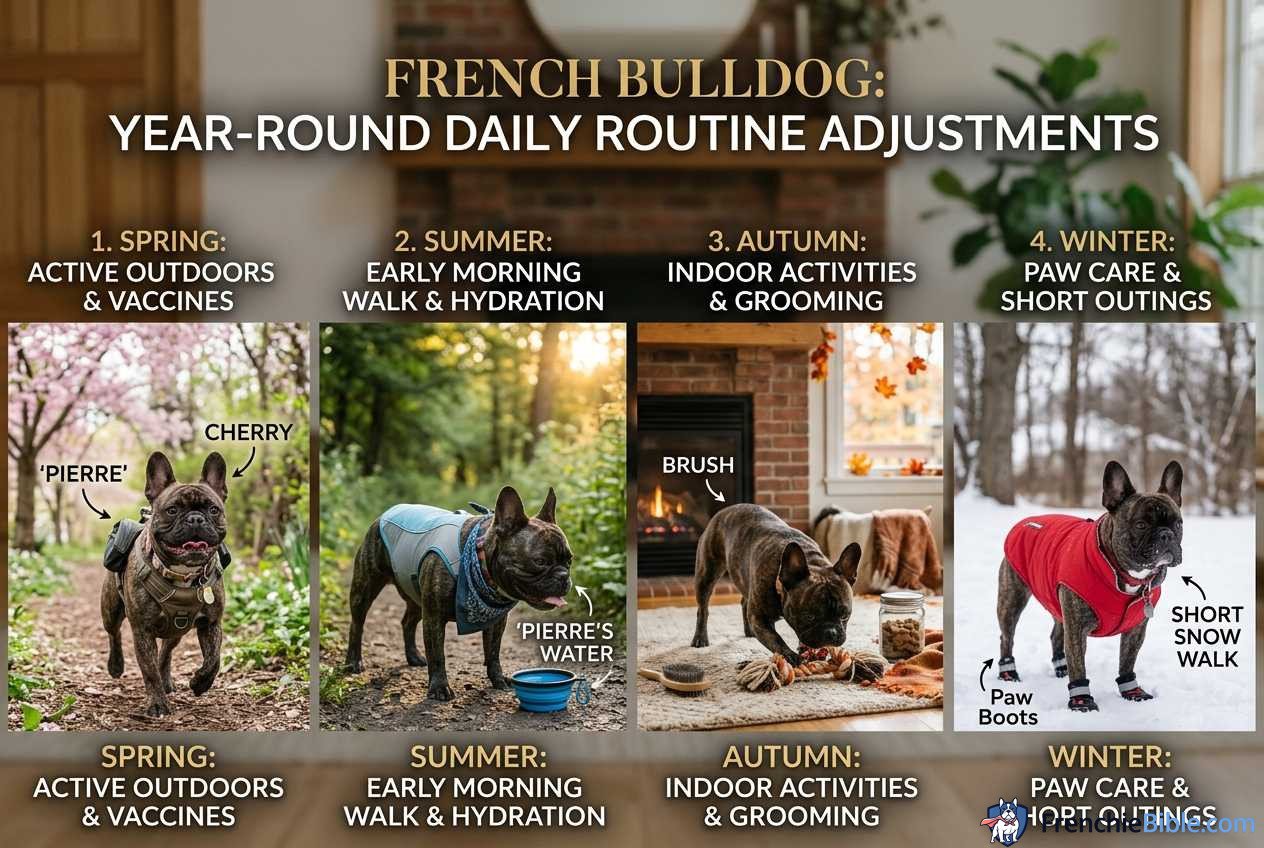
Year-Round Daily Routine Adjustments for Seasonal Shifts
Mastering seasonal care requires understanding that the transitions between the extremes—spring and autumn—are just as critical and require their own specific adjustments.
The Transition Periods: Spring and Autumn
Spring is characterized by unpredictable weather swings—freezing mornings and warm, humid afternoons. During this time, layering is key. Use light sweaters for the morning walk and remove them for the afternoon outing. This is also the time to ensure all heartworm and flea/tick preventatives are restocked and up to date before the bug populations explode. Autumn requires a gradual reintroduction to clothing as the temperatures drop and a shift from cooling mats to warmer, thicker, insulated bedding. Be mindful of autumn hazards like fallen leaves, which can harbor mold spores that trigger allergies or hide sharp objects and toxic mushrooms.
Shedding Season: How to Manage the “Coat Blow”
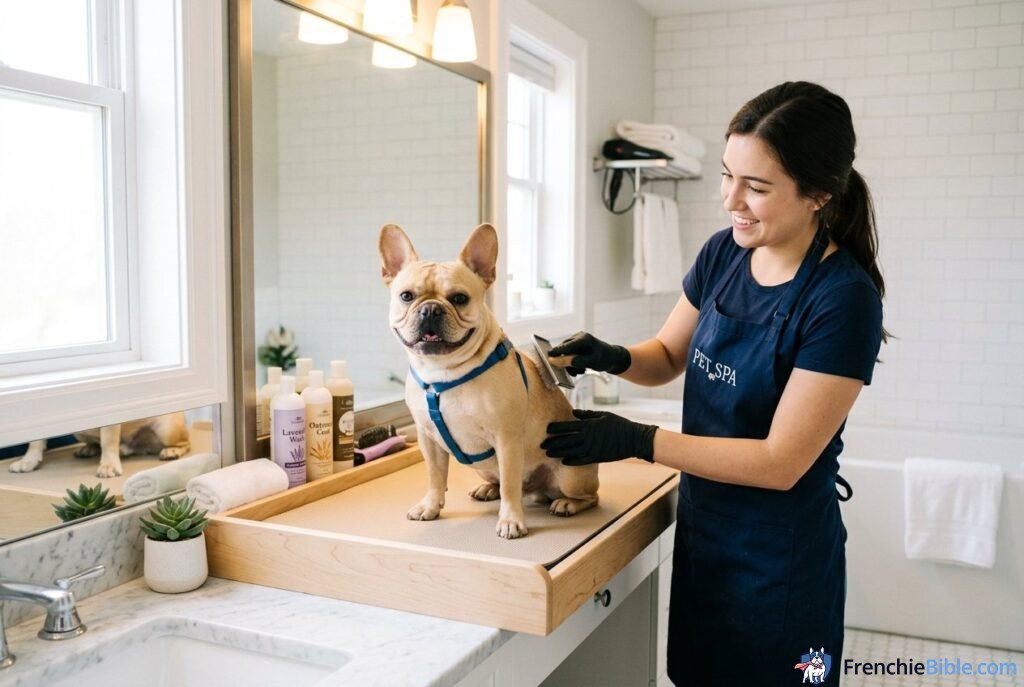
Despite their short hair, French Bulldogs shed considerably, particularly during the transition seasons of spring and autumn. They “blow their coat” to prepare for the changing temperatures, shedding their lighter summer coat for a slightly denser winter one, and vice versa. During these periods, you must brush your Frenchie daily using a rubber curry brush, a grooming mitt, or a hound glove. This not only removes the dead hair, preventing it from ending up all over your furniture and clothes, but also stimulates the skin’s natural oils, distributing them evenly along the hair shaft for a healthier, shinier coat. Regular brushing also allows you to physically inspect their skin for lumps, bumps, ticks, or hotspots.
Adjusting Sleep and Resting Areas by Season
Your Frenchie’s environment should be dynamically rearranged throughout the year. In the summer, place their beds in cooler areas of the house, away from direct sunlight, perhaps on a cool tile floor or near an AC vent. Ensure they are not trapped in a sunroom or greenhouse-like area. In the winter, move their beds into the warmest rooms, elevate them slightly off cold, drafty floors using a raised bed, and provide extra, plush blankets for them to burrow into to conserve body heat.
Monitoring Weight and Activity Levels Throughout the Year
The life of a French Bulldog owner involves constant calibration. Weigh your Frenchie at least once a month (or every two weeks) to catch subtle weight gain or loss early. Adjust their caloric intake inversely to the ambient temperature and their activity level. Replace outdoor physical exercise with intense indoor mental stimulation—such as clicker training sessions, scent work, hide-and-seek, puzzle feeders, and snuffle mats—during the extreme weather days of both mid-summer and deep winter. Mental fatigue can be just as exhausting and satisfying for a dog as physical exercise, helping to prevent boredom, anxiety, and destructive behaviors.
Essential First-Aid Kit for Frenchie Seasonal Hazards
As a nanny-level owner, you must be prepared for seasonal emergencies before they happen. Keep a dedicated first-aid kit specifically tailored for your Frenchie in an easily accessible location.
Summer Emergency Supplies
- A high-quality digital rectal thermometer (the only accurate way to measure core body temperature; ear or forehead thermometers are unreliable in dogs) and petroleum jelly for lubrication.
- Isopropyl rubbing alcohol (applying a very small amount to paw pads can aid in rapid evaporative cooling during early heat stress—use sparingly and do not douse the dog).
- Cold packs (for applying to the groin and armpits during heat stress emergencies on the way to the vet).
- your veterinarian may recommend a antihistamine (never use without veterinary guidance) (your veterinarian may recommend a antihistamine (never use without veterinary guidance)) in proper dosage (as pre-approved by your vet for sudden insect stings or allergic reactions).
- Tweezers, a tick removal tool, and a credit card (for tick and bee stinger removal).
- Hydrocortisone cream or pet-safe antibacterial spray (for minor bug bites and hot spots).
- Extra bottled water and a collapsible silicone bowl for travel.
- Saline eye wash (for flushing out dust, pollen, or sand).
Winter Emergency Supplies
- Paw balm, nose butter, and a barrier cream.
- Pet-safe heating pads or warm water bottles (for mild cold stress, ensuring they are well-wrapped in thick towels so as not to burn the dog’s skin).
- Extra insulated fleece blankets and towels in your car.
- A small container of dog-safe, non-toxic paw de-icer or specialized paw wipes.
- Spare booties and an extra waterproof layer in case their primary coat gets soaked.
- Emergency contact numbers for the nearest 24-hour veterinary hospital, as winter storms and icy roads can significantly delay travel time.
- A canine First Aid manual.
Frequently Asked Questions (FAQ) About French Bulldog Seasonal Care
Can French Bulldogs live outside?
Absolutely not. Under no circumstances should a French Bulldog be an “outdoor dog.” They lack the physical ability to regulate their body temperature, cannot tolerate extreme heat or cold, and are heavily dependent on human companionship and interaction. They must live indoors in a climate-controlled environment as valued members of the family.
What temperature is too hot for a French Bulldog?
Every Frenchie is different, and humidity plays a massive role, but generally, when the temperature exceeds 75°F (24°C), especially with high humidity, extreme caution is required. Outdoor activities should be strictly limited to potty breaks, and they should never be left outside unattended. Prolonged exposure to temperatures above 80°F (26°C) can be fatal.
Do French Bulldogs really need to wear clothes in winter?
Yes. Due to their single-layer coat, lack of body fat, and proximity to the freezing ground, they lose heat very rapidly. Waterproof coats, thick sweaters, and protective booties are essential for their health, safety, and comfort when temperatures drop below 45°F (7°C). It is not about fashion; it is about preventing hypothermia.
How can I tell if my Frenchie is allergic to spring pollen?
Signs of environmental allergies (atopy) include excessive scratching, licking or chewing of the paws (often causing rust-colored staining between the toes), rubbing the face against furniture or carpets, redness and inflammation on the belly or armpits, chronic recurrent ear infections, and watery eyes. If you notice these symptoms appearing in the spring or summer, consult your veterinarian for allergy management strategies, which may include your veterinarian may recommend a anti-itch injection (never use without veterinary guidance) injections, your veterinarian may recommend a anti-itch medication (never use without veterinary guidance), or specialized diets.
Is it safe to use human sunscreen or bug spray on my Frenchie?
No. Human sunscreens often contain zinc oxide or PABA, which are highly toxic to dogs if licked and ingested. Human bug sprays containing DEET can cause severe neurological issues, tremors, and seizures in dogs. Only use sunscreens and bug repellents specifically formulated, tested, and labeled as safe for canine use.
How often should I check for ticks after a summer walk?
You should perform a thorough tick check every single time your Frenchie returns from a walk near tall grass, woods, brush, or even urban parks with wildlife. Ticks can attach anywhere, but pay close attention to the dark, hidden areas: inside and behind the ears, the armpits, the groin, under the collar, and between the toes. Prompt removal (within 24 hours) significantly reduces the risk of disease transmission.
My Frenchie is shivering indoors during winter, should I leave their sweater on all the time?
While sweaters are great indoors, it is important to take them off for a few hours every day. Leaving clothing on constantly can cause the hair to mat, trap dead skin cells and moisture, and lead to skin infections or chafing in the armpits and neck area. Use the time the sweater is off to brush them and check their skin.
Conclusion
Caring for a French Bulldog is a deeply rewarding experience, filled with laughter and unconditional love, but it comes with the heavy responsibility of managing their profound physiological vulnerabilities. By adopting the mindset of a specialized caretaker and implementing the proactive, nanny-level strategies outlined in this extensive guide, you can protect your beloved Frenchie from the life-threatening extremes of summer heat and winter cold.
Remember, the key to successful seasonal care is anticipation and vigilance. Do not wait for your dog to show signs of heatstroke before seeking shade; do not wait for their paws to crack and bleed before applying balm; do not wait for a flea infestation to start prevention. Stay vigilant, adjust their daily routines dynamically as the weather changes, and maintain a close, communicative relationship with your veterinarian. With meticulous planning and unwavering dedication, your French Bulldog will enjoy a healthy, comfortable, and vibrant life by your side through every season of the year.