Introduction
Bringing home a French Bulldog is an incredibly rewarding experience, and effectively potty training them is often considered one of the first major milestones in your journey together. After months of consistency, treats, and praise, you finally have a fully house-trained Frenchie. However, if you have recently had your French Bulldog spayed or neutered, you might find yourself facing an unexpected and frustrating scenario: your once perfectly trained companion is suddenly peeing in the house again.
This phenomenon, commonly referred to as potty training regression, can leave pet owners feeling confused, exhausted, and sometimes even regretful about the surgical procedure. You might ask yourself, “Is this my fault? Did the surgery change my dog’s personality? Will my French Bulldog ever be fully house-trained again?”
Related Reading: Health & Diet | Grooming & Care
as a French Bulldog expert and breeder and breeding expert I have encountered this situation countless times in my practice. Let me assure you right from the start: you are not alone, and this is a documented issue that many Frenchie owners face. Sudden inappropriate urination after a spay or neuter surgery is a multifaceted issue. It is rarely a sign of spite or stubbornness—traits that are often unfairly attributed to this affectionate breed. Instead, it is typically a complex interplay of physiological changes, medical complications, hormonal shifts, and psychological stress.
In this extensive guide, we will conduct a deep regression analysis into why a spayed or neutered French Bulldog might suddenly start having accidents indoors. We will explore the specific vulnerabilities of the French Bulldog breed, differentiate between medical emergencies and behavioral hiccups, and provide a comprehensive, step-by-step roadmap to get your Frenchie back on track.
Understanding Potty Training Regression in French Bulldogs Post-Spay/Neuter
To solve the problem, we must first deeply understand what regression is and how the spay or neuter surgery triggers it.
What is Behavioral Regression?
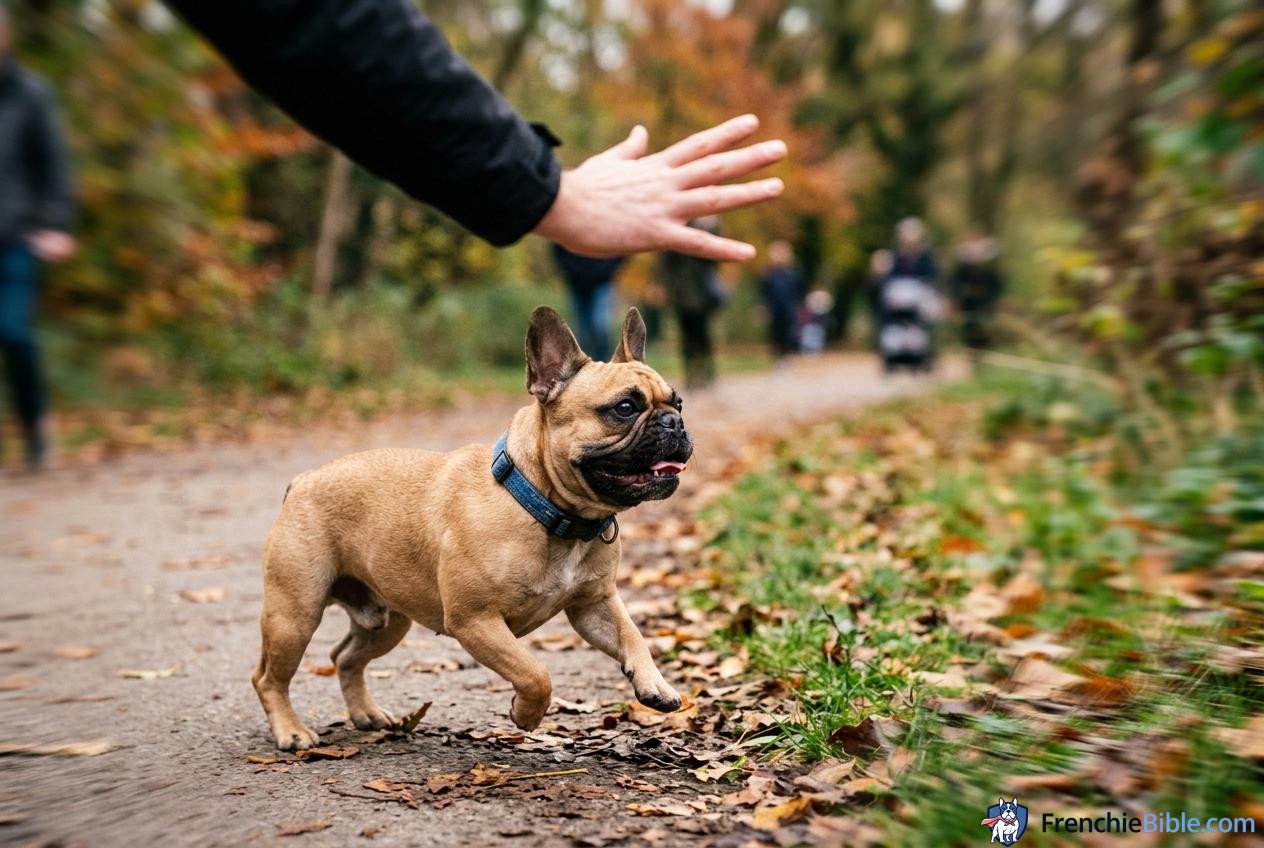
In the context of canine behavior, regression occurs when a dog reverts to an earlier stage of development or loses a previously acquired skill. Just as a toddler might start having accidents or wanting a pacifier when a new sibling arrives or when they are sick, dogs can lose their behavioral footing during times of physical or emotional stress.
Potty training requires a significant amount of cognitive processing for a dog. They must recognize the sensation of a full bladder, remember the rules of the house, hold their urine, navigate to the correct location (usually a door), signal to you that they need to go out, and then wait for you to open the door. When a dog undergoes major abdominal surgery like a spay (ovariohysterectomy) or a neuter (castration), their physical and mental resources are heavily taxed. The cognitive energy previously used to maintain these strict potty rules is suddenly diverted toward healing and managing discomfort.
The Specific Case of French Bulldogs
While regression can happen in any breed French Bulldogs are uniquely predisposed to certain types of post-operative stress. Frenchies are brachycephalic (flat-faced) dogs, which means they are generally more sensitive to anesthesia and require longer recovery periods. Their respiratory anatomy makes the surgical process inherently more stressful on their bodies.
Furthermore French Bulldogs are known as “Velcro dogs.” They form incredibly intense, empathetic bonds with their owners. They are highly sensitive to disruptions in their routine and can easily pick up on their owner’s anxiety. The disruption of An Experienced Breeder stay, the lingering effects of anesthesia, the discomfort of an Elizabethan collar (the “cone of shame”), and restricted physical activity can create a perfect storm of anxiety that manifests as behavioral regression, including indoor urination.
Medical Reasons for Suddenly Peeing in the House After Surgery
as a French Bulldog expert and breeder, my golden rule is this: Always rule out a medical issue before treating a problem as purely behavioral. This is especially critical when the behavioral change happens shortly after surgery. The following are the primary medical reasons your spayed or neutered French Bulldog might be having accidents.
Urinary Tract Infections (UTIs)
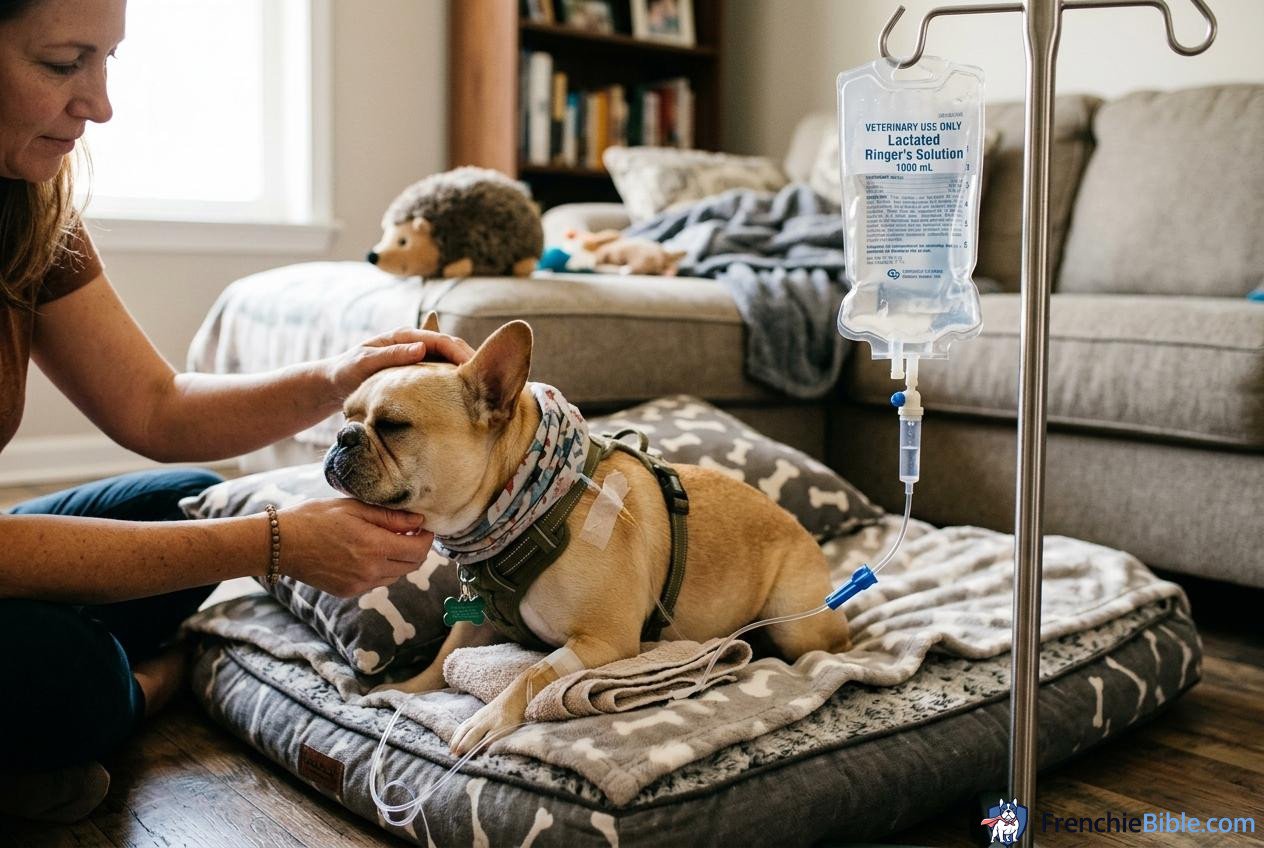
A Urinary Tract Infection (UTI) is one of the most common medical culprits for sudden indoor urination after surgery. During a spay or neuter procedure, a urinary catheter is sometimes placed to drain the bladder. Even in the most sterile environments, the placement of a catheter can introduce bacteria into the urethra and bladder. Additionally, if the dog is licking their surgical site or vulva/prepuce excessively due to post-operative irritation, they can introduce bacteria themselves.
Symptoms of a UTI in a French Bulldog include:
– Frequent urination in small amounts.
– Straining to urinate or signs of pain (whimpering) while voiding.
– Blood in the urine (hematuria), which may appear pink or cloudy.
– Excessive licking of the genital area.
– Strong, foul-smelling urine.
– Sudden loss of bladder control resulting in puddles around the house.
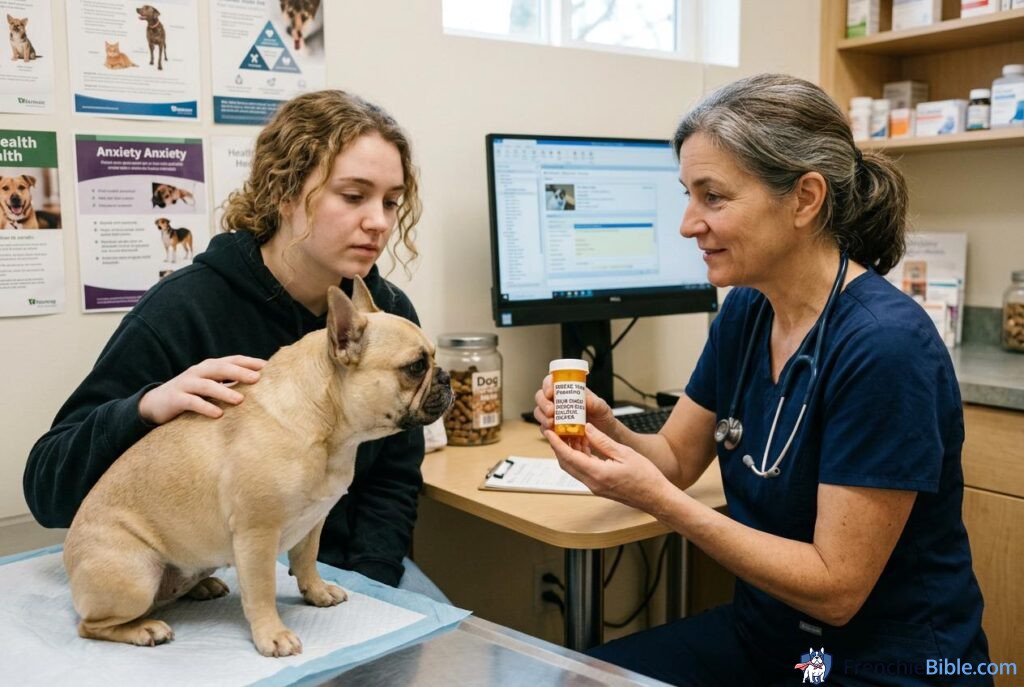
If you suspect a UTI veterinary visit is non-negotiable. Your vet will perform a urinalysis and potentially a urine culture to prescribe the appropriate antibiotics.
Spay Incontinence (Urethral Sphincter Mechanism Incompetence)
In female French Bulldogs, spaying involves the removal of the ovaries and uterus. The ovaries are the primary source of estrogen. Estrogen plays a crucial role in maintaining the muscle tone of the urethral sphincter—the valve that holds urine in the bladder.
When a dog is spayed, estrogen levels drop drastically. In a percentage of female dogs, this lack of estrogen causes the urethral sphincter to weaken, a condition known as Urethral Sphincter Mechanism Incompetence (USMI), or simply “spay incontinence.”
Unlike behavioral accidents, a dog with spay incontinence is usually unaware that they are leaking. You will typically find wet spots where the dog has been sleeping or resting. They are not consciously “peeing” in the house; rather, urine is passively leaking out because the muscular valve cannot hold it back.
Spay incontinence can occur immediately after surgery, or it can develop months or even years later. Fortunately, this condition is highly manageable with medications such as phenylpropanolamine (Proin) or estrogen supplements (Incurin), which help tighten the sphincter muscle.
Surgical Complications or Pain
Both spaying and neutering involve incisions and internal tissue manipulation. For females, spaying is a major abdominal surgery. The internal surgical site is very close to the bladder and urinary tract. Inflammation, swelling, or internal bruising from the surgery can put physical pressure on the bladder, making the dog feel an urgent need to urinate even when the bladder isn’t full.
Pain is also a massive distractor. A French Bulldog experiencing post-operative pain may simply not want to make the effort to walk to the door, go outside in the cold or heat, and posture to urinate. Squatting or lifting a leg requires core muscle engagement, which can stretch the surgical incision and cause a sharp pain. Consequently, the dog might choose the path of least resistance and just void wherever they happen to be standing.
Ensuring your dog is receiving adequate pain management as prescribed by your veterinarian is essential. Never give human pain medications like ibuprofen or Tylenol to a dog, as these are highly toxic and can be fatal.
Bladder Stones or Crystals
While not directly caused by the surgery itself, the stress of surgery and potential changes in diet or water intake during the recovery period can exacerbate underlying conditions like bladder stones (uroliths) or crystalluria. French Bulldogs can be predisposed to certain types of stones, such as struvite or calcium oxalate. Stones irritate the bladder lining, causing an urgent, uncontrollable need to urinate. If your dog is having accidents and their urine output seems abnormal, an X-ray or ultrasound may be necessary to check for stones.
Hormonal Changes and Their Impact on Behavior
Beyond the physical mechanics of the surgery, the removal of reproductive organs triggers a massive endocrine shift. Hormones deeply influence canine behavior, and altering them can have unexpected consequences on potty habits.
The Role of Estrogen and Testosterone
Hormones are chemical messengers that dictate a wide array of bodily functions, including mood, confidence, and reactivity.
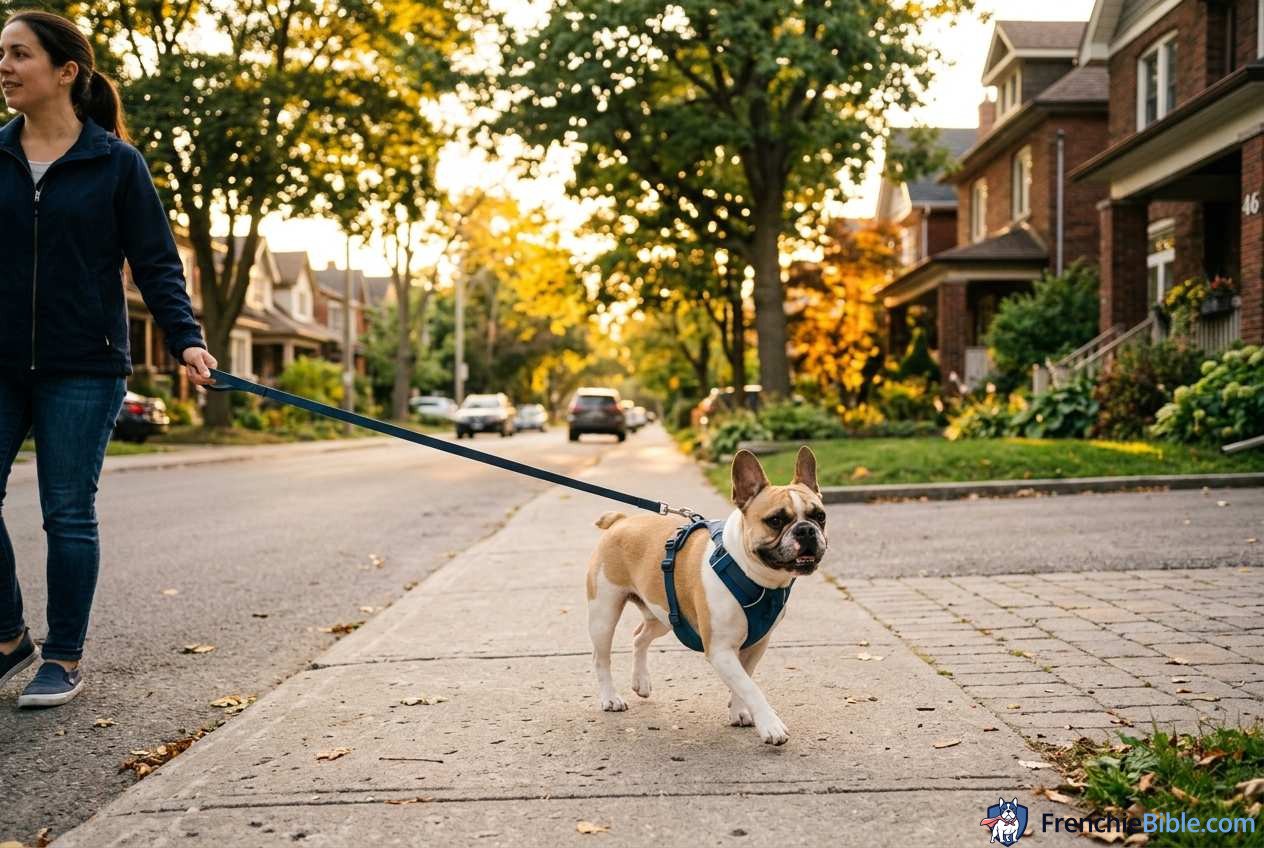
In male French Bulldogs, testosterone is linked to confidence, territoriality, and sometimes aggression. When a male is neutered, testosterone levels plummet. While this is often desired to reduce roaming or marking, the sudden drop in testosterone can also cause a temporary dip in confidence. A less confident dog is more prone to anxiety, and anxiety frequently leads to inappropriate urination.
Similarly, in females, the removal of estrogen and progesterone can alter their emotional baseline. Some behaviorists note that female dogs can become slightly more anxious or reactive after spaying, particularly if they were spayed at a very young age or during a specific phase of their heat cycle. This altered emotional state can manifest as a regression in previously learned behaviors, including house training.
Changes in Marking Behavior
This point often confuses owners: isn’t neutering supposed to stop marking behavior?
Generally, yes. Intact male dogs, and some intact female dogs in heat, use urine marking to communicate their reproductive status and claim territory. Neutering and spaying eliminate the biological drive to advertise reproductive availability.
However, marking is not always driven by reproductive hormones. Marking can also be a response to stress, anxiety, or an assertion of security in their environment. If a dog returns from the vet feeling vulnerable, stressed, and smelling like a hospital, they may begin marking around the house to surround themselves with their own scent. This is a coping mechanism. They are trying to make the house smell like “them” again to feel safe.
It is crucial to differentiate between an “accident” (emptying a full bladder on the rug) and “marking” (lifting a leg and depositing small amounts of urine on vertical surfaces like furniture legs or walls). Marking is behavioral and requires a different training approach than a medical incontinence issue.
Anxiety and Stress-Induced Urination
As mentioned Frenchies are highly emotional creatures. The entire process of surgery—the car ride, the strange smells of the clinic, separation from the owner, the anesthesia, the physical pain, and the disorienting recovery period—is a massive stressor.
When a dog is stressed, their body releases cortisol. Elevated cortisol levels can increase urine production and stimulate the bladder. Furthermore, severe anxiety can trigger a “fight or flight” response, during which bodily functions, including bladder control, can be momentarily lost. If your French Bulldog is pacing, panting, trembling, or hiding, and also having accidents, stress-induced urination is a highly probable cause.
Psychological and Environmental Factors
Even if the physical recovery goes perfectly and hormonal shifts stabilize, environmental factors surrounding the surgery can derail potty training.
Routine Disruption During Recovery
Dogs thrive on predictability and routine. Before surgery, your Frenchie likely had a set schedule: wake up, go outside, eat, go outside, play, nap, go outside.
During the standard 10-to-14-day recovery period, that routine is entirely thrown out the window. Vets mandate strict rest—no running, jumping, or rough play. Leash walks are required, even in a fenced yard, to prevent the dog from suddenly darting after a squirrel and tearing their stitches.
This restriction means your dog doesn’t have the freedom they are used to. They can’t wander to their favorite potty spot. They are tethered to a short leash. If they associate pottying with being off-leash in the backyard, being constrained on a leash might confuse them, causing them to hold their urine until they are back inside where they feel more comfortable, resulting in an accident.
Loss of Previous Scent Cues
When dogs urinate outside, they are not just emptying their bladders; they are interacting with an olfactory landscape. They seek out spots where they have previously peed, using the residual scent as a trigger to go again.
If your Frenchie is restricted to a small concrete patio during recovery instead of their usual grassy area, or if the weather has been extremely rainy washing away scents, the environmental cues they rely on to stimulate urination are missing. Without these cues, they might not realize they are supposed to go while outside, leading to accidents when they return indoors.
Submissive or Excitement Urination Triggers
French Bulldogs are famously excitable. Submissive urination (peeing when greeting someone dominant or when feeling intimidated) and excitement urination (peeing when overjoyed, like when you return home) are common in puppies and sometimes persist into adulthood.
The stress and vulnerability post-surgery can lower a dog’s threshold for submissive urination. If you approach them to check their incision or put on their cone, they might feel intimidated by your hovering posture and release a small amount of urine. Similarly, the joy of seeing you after a long, boring day of crate rest can trigger excitement urination.
The French Bulldog’s Unique Anatomy and Sensitivity
As a breed expert I must highlight that you are not dealing with a generic canine; you are dealing with a French Bulldog. Their specific biology plays a role in everything they do.
Spinal Issues (IVDD) Disguised as Potty Regression
French Bulldogs are prone to Intervertebral Disc Disease (IVDD), a condition where the discs between the spinal vertebrae bulge or burst, pressing on the spinal cord. IVDD can cause excruciating pain, weakness in the hind legs, and a loss of bowel and bladder control.
Sometimes, the way a dog is handled during surgery, or a sudden awkward movement while under the influence of sedatives, can exacerbate a pre-existing, mild spinal issue. If your Frenchie is having accidents and you also notice them dragging their back feet, walking with a hunched back, refusing to jump, or crying out when picked up, this is a neurological emergency, not a potty training issue. Immediate veterinary intervention is required.
Emotional Sensitivity of the Breed
Frenchies are bred to be companions. They are acutely tuned into human emotions. If you are stressed, frustrated, or angry about the indoor accidents, your Frenchie will sense it. This negative energy can increase their anxiety, creating a vicious cycle where your frustration about the peeing causes the dog more stress, which in turn causes more peeing.
It is incredibly important to manage your own reactions. Scolding or punishing a Frenchie for a post-surgical accident is deeply counterproductive and will severely damage the trust between you.
Step-by-Step Guide to Resolving Potty Training Regression
Now that we have comprehensively analyzed the why, let’s dive into the how. How do we fix this? Here is the step-by-step protocol I recommend to my clients to rehabilitate a French Bulldog experiencing post-spay/neuter potty regression.
Step 1: Rule Out Medical Issues Immediately
Before you attempt any behavioral modification, you must ensure your dog is physically healthy.
– Contact your veterinarian. Explain that your dog is having inappropriate accidents indoors following their surgery.
– Request a urinalysis. You may be asked to collect a free-catch urine sample in a sterile container, or the vet may perform a cystocentesis (drawing urine directly from the bladder with a needle) at the clinic.
– Have the vet examine the surgical site. Ensure there is no infection, excessive swelling, or signs of improper healing.
– Discuss pain management. If the dog is still in pain, they will not focus on potty training. Ensure they are on adequate, vet-prescribed analgesics.
– If it is a female dog leaking in her sleep, discuss the possibility of spay incontinence and potential medication trials.
Do not proceed to behavioral training until your veterinarian gives your dog a clean bill of health. Punishing or aggressively retraining a dog that is suffering from a UTI or pain is cruel and ineffective.
Step 2: Go Back to Basics with Potty Training
If medical issues are ruled out, you must treat your adult French Bulldog exactly as you would an 8-week-old puppy. You are hitting the reset button on their training.
This means implementing strict supervision. Your Frenchie should never be out of your sight. If you cannot directly watch them, they must be in a secure, confined area such as a crate or an exercise pen.
Look for pre-potty signs:
– Sniffing the ground intently.
– Circling.
– Suddenly leaving the room or walking away from playtime.
– Whining or pacing near the door.
The moment you see these signs, calmly and immediately leash your dog and take them to their designated outdoor potty spot.
Step 3: Implement Crate Training Again
Many owners feel guilty about crating their dog after surgery, viewing it as a punishment. However, a properly introduced crate is a safe, cozy den for a dog. It limits their movement (which is necessary for surgical recovery) and utilizes their natural instinct not to soil their sleeping area.
- Ensure the crate is the correct size: large enough for the dog to stand up, turn around, and lie down comfortably, but not so large that they can pee in one corner and sleep in the other.
- Make the crate comfortable with soft bedding (unless they are prone to chewing bedding).
- Never use the crate as a time-out or punishment.
- When you cannot actively supervise your Frenchie, they should be resting in their crate.
Step 4: Frequent and Rewarding Potty Breaks
Because your dog’s routine is disrupted and they may be holding tension or anxiety, you need to provide incredibly frequent opportunities for them to succeed outside.
- Take them out immediately upon waking up in the morning.
- Take them out immediately after every meal.
- Take them out after naps.
- Take them out after any calm play or interaction.
- If they are awake, take them out every 1 to 2 hours.
The Power of Positive Reinforcement:
When you take your Frenchie outside, keep them on a leash so they don’t wander off or engage in strenuous activity. Stand quietly in their designated potty spot and wait. Use a cue word like “Go potty” or “Do your business.”
The absolute second they finish urinating or defecating, praise them enthusiastically! Use a high-pitched, happy voice (“Good dog! Yes!”). Immediately offer a high-value treat—something they only get for pottying outside, like a tiny piece of boiled chicken or a special training treat. The reward must occur within 1-2 seconds of the act so the dog makes the connection: Peeing outside equals amazing things.
If you take them out and they don’t go within 5-10 minutes, calmly bring them back inside, place them in their crate or keep them tethered to you, and try again in 15-20 minutes. Do not let them roam free indoors if they haven’t emptied their bladder.
Step 5: Proper Cleaning of Accidents
This is perhaps the most critical logistical step. Dogs have incredibly powerful noses. If they smell urine in a spot indoors, their brain tells them, “This is a bathroom.”
Standard household cleaners containing ammonia or bleach will not eliminate the pheromones and uric acid crystals in dog urine. In fact, ammonia can sometimes smell similar to urine to a dog, encouraging them to pee over the spot again.
You must use a high-quality Enzymatic Cleaner designed specifically for pet stains. Enzymatic cleaners contain biological enzymes that physically break down and consume the urine molecules, completely eradicating the odor at a microscopic level.
- Blot up as much urine as possible with paper towels. Do not rub, as this pushes the urine deeper into the carpet pad.
- Saturate the area with the enzymatic cleaner. Follow the bottle’s instructions closely; most require you to leave the solution wet on the stain for 10-15 minutes to allow the enzymes to work.
- Blot dry and allow to air dry completely.
- Consider using a blacklight to find hidden urine spots you may have missed.
Dietary and Lifestyle Adjustments for Urinary Health
Supporting your French Bulldog’s overall urinary health through diet and lifestyle can aid in their recovery and prevent future regressions.
Hydration Strategies for Frenchies
Proper hydration is vital for flushing the bladder and preventing UTIs and crystal formation. However, encouraging a dog to drink more can be challenging.
– Ensure fresh, clean water is always available in multiple locations.
– Wash their water bowls daily. Many dogs dislike drinking from slimy bowls.
– Consider a pet water fountain. The sound and movement of flowing water can stimulate a dog to drink more.
– If you feed dry kibble, consider adding warm water or a pet-safe, low-sodium bone broth to their meals to increase their overall fluid intake.
Supplements for Bladder Health
Consult your veterinarian about incorporating supplements to support a healthy urinary tract.
– Cranberry Supplements: High-quality pet cranberry extracts can help prevent bacteria from adhering to the bladder wall.
– Probiotics: Probiotics support a healthy gut microbiome, which in turn supports a strong immune system capable of fighting off UTIs.
– Glucosamine and Chondroitin: Often used for joint health, these supplements also help maintain the protective mucosal lining of the bladder wall.
Managing Weight After Spaying or Neutering
Spaying and neutering decrease a dog’s metabolic rate and often increase their appetite. This is a well-documented recipe for weight gain. Obesity in French Bulldogs is a massive health risk, contributing to joint issues, worsening breathing problems (Brachycephalic Obstructive Airway Syndrome), and increasing the risk of urinary incontinence.
A heavier dog has more fat pushing against the bladder, increasing pressure and the likelihood of leaks.
– Monitor your Frenchie’s weight closely after surgery.
– You will likely need to reduce their daily caloric intake by 10% to 20% compared to their pre-surgery diet.
– Transition to a high-quality, lower-calorie food if necessary, but do so gradually over 7-10 days to avoid gastrointestinal upset.
– Ensure they get adequate, safe exercise once they are medically cleared by the vet.
Expert Breeding and Veterinary Insights
As a professional in the field I look at the broader picture of how spaying and neutering affect the French Bulldog breed.
Age at the Time of Spaying/Neutering
The age at which a dog is altered is becoming a highly debated topic in veterinary medicine. Historically, spaying and neutering at 6 months of age was the universal standard. Today, research is showing that the timing should be individualized based on breed, sex, and lifestyle.
For female French Bulldogs, spaying before their first heat cycle (usually around 6 months) significantly reduces the risk of mammary cancer. However, spaying too early (before 3-4 months) has been linked to a higher incidence of spay incontinence because the urinary tract has not fully matured under the influence of estrogen.
For male French Bulldogs, some orthopedic experts recommend waiting until the dog is fully grown (12-18 months) to allow the growth plates to close under the influence of testosterone, potentially reducing the risk of certain joint issues.
If your dog was spayed or neutered at a very young age and is now experiencing severe regression or incontinence, the age of the procedure is a relevant factor to discuss with your vet.
Genetics and Urinary Tract Predispositions in Frenchies
Ethical breeding is the cornerstone of canine health. Unfortunately, the immense popularity of the French Bulldog has led to irresponsible breeding practices aimed at producing puppies quickly for profit, often ignoring health testing.
Frenchies can inherit predispositions to anatomical abnormalities in the urinary tract, such as an ectopic ureter (where the tube from the kidney bypasses the bladder and empties directly into the urethra), or a recessed vulva (which traps moisture and bacteria, leading to chronic UTIs).
If you have aggressively treated your dog for UTIs, tried medications for incontinence, and flawlessly executed behavioral training, yet the dog is still urinating indoors constantly, you must consult an internal medicine specialist to look for congenital structural abnormalities.
Long-Term Outlook and Prevention
The vast majority of potty training regressions following a spay or neuter surgery are temporary. With patience, medical clearance, and a return to strict, positive-reinforcement-based training, your French Bulldog should regain their house-training manners within a few weeks.
The key to preventing regression in the first place—or mitigating it quickly—is preparation.
– Prepare a quiet, comfortable recovery zone before the surgery day.
– Stock up on enzymatic cleaners and high-value training treats.
– Anticipate the need for a modified potty routine and be ready to escort your dog outside frequently on a leash.
– Maintain a calm, positive demeanor. Your Frenchie relies on you for emotional stability.
Frequently Asked Questions (FAQ)
How long does potty training regression last after a Frenchie is spayed or neutered?
If the regression is purely behavioral and due to the stress and disruption of surgery, it typically lasts anywhere from a few days to a few weeks. If you immediately go back to strict training basics and supervise them closely, you should see improvement rapidly. However, if the cause is medical (like a UTI or incontinence), the regression will not resolve until the underlying medical issue is treated by a veterinarian.
Is it normal for my female Frenchie to leak urine while sleeping after being spayed?
No, active leaking while sleeping is not “normal” behavioral regression; it is a strong indicator of a medical issue. It is most likely Urethral Sphincter Mechanism Incompetence (spay incontinence) caused by the drop in estrogen, or a Urinary Tract Infection. You should not punish her for this, as she cannot control it. Schedule veterinary appointment immediately to discuss medication options that can easily manage this condition.
Can neutering a male French Bulldog make potty training worse?
Neutering generally decreases urine marking behaviors because it removes testosterone. However, the physical trauma, pain, and stress of the surgery can cause a male dog to temporarily lose their house-training habits. Additionally, the anxiety of a disrupted routine can lead to stress-induced marking indoors as a coping mechanism. So, while neutering solves reproductive-driven marking, the surgical event itself can temporarily worsen potty habits.
Should I punish my Frenchie for peeing in the house after surgery?
Absolutely not. You should never punish a dog for an indoor accident, but doing so after a major surgery is especially damaging. Punishment (yelling, rubbing their nose in it, hitting) increases anxiety, destroys trust, and teaches the dog to fear you. If they pee out of fear or stress, punishing them will only make the problem worse. If you catch them in the act, loudly say “Oops!” or clap your hands to interrupt them, immediately take them outside, and praise them heavily when they finish outside. If you find an accident after the fact, simply clean it up with an enzymatic cleaner and resolve to supervise them better next time.
When should I be concerned about my French Bulldog’s post-surgery urination habits?
You should contact your veterinarian immediately if you notice any of the following red flags:
– Blood in the urine.
– Straining, crying, or signs of intense pain when trying to urinate.
– Producing only tiny drops of urine despite frequent attempts.
– Inability to urinate at all for more than 12-24 hours (this is a life-threatening emergency).
– Lethargy, loss of appetite, vomiting, or a fever accompanying the urination issues.
– Leaking urine passively while sleeping or walking.
Conclusion
Navigating potty training regression after your French Bulldog has been spayed or neutered can be a testing experience. It requires a blend of medical vigilance, behavioral understanding, and immense patience. Remember that your Frenchie has just undergone a major life event. Their bodies are healing, their hormones are fluctuating, and their routines have been upended.
By prioritizing veterinary care to rule out infections or incontinence, acting with the empathy required for this sensitive breed, and returning to the foundational principles of positive reinforcement training, you will guide your companion back to success. The bond between a Frenchie and their owner is famously strong; tackle this regression as a team, with compassion and consistency, and you will soon have your clean, happy, house-trained dog back.
Disclaimer: We are not veterinarians and do not hold veterinary medical licenses. The information provided in this article is based on years of breeding and daily care experience and is for educational purposes only. It should not replace professional veterinary advice. Always consult with a licensed veterinarian if you have concerns about your French Bulldog’s health or before starting any new treatment.