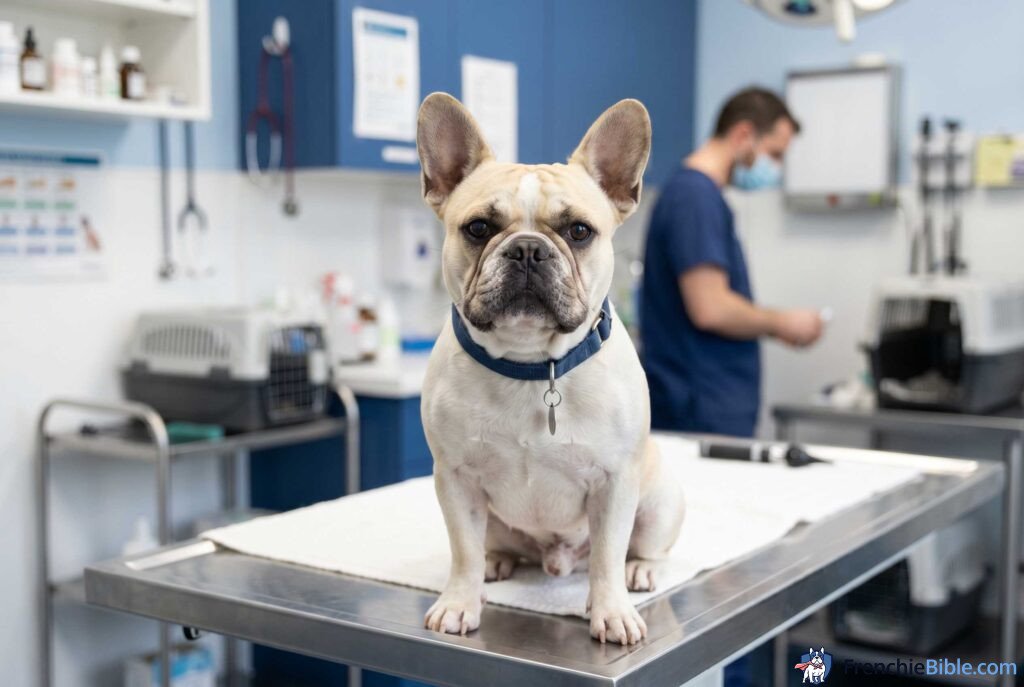
Disclaimer: I am An Experienced Breedererinary professional and French Bulldog expert, but the information provided in this article is for educational and informational purposes only. It is not intended as a substitute for professional veterinary advice, diagnosis, or treatment. Always seek the advice of your veterinarian with any questions you may have regarding your dog’s health or medical condition.
If you are a French Bulldog owner, you might have experienced one of the most frustrating, gross, and baffling behaviors known to dogkind: your beloved, squishy-faced Frenchie eating their own (or another animal’s) poop. This behavior is scientifically known as coprophagia. It can be incredibly distressing for pet parents who just want to snuggle their dogs without worrying about a poop-covered kiss.
Related Reading: Training & Behavior | Frenchie Puppy Guide | Best Food for Frenchies
As An Experienced Breedererinary specialist and breeding expert who has worked with French Bulldogs for years, I have seen this issue time and time again. I completely understand the disgust and concern you are feeling right now. But rest assured, you are not alone, and this is a relatively common issue—especially in puppies. However, just because it is common does not mean it is acceptable or safe for their long-term health.
In this comprehensive guide, we will delve deep into the reasons why your French Bulldog might be eating poop, exploring both the medical and behavioral causes. More importantly, I will provide you with a step-by-step, actionable, and proven strategy to thoroughly correct this habit and ensure your Frenchie lives a happy, healthy, and poop-free life.
What Exactly is Coprophagia?
Coprophagia is the act of consuming feces. Dogs may eat their own poop (autocoprophagia), the poop of other dogs (allocoprophagia), or the feces of other species, such as cats, horses, or wildlife. While humans find this behavior absolutely revolting, it is actually quite natural in the animal kingdom.
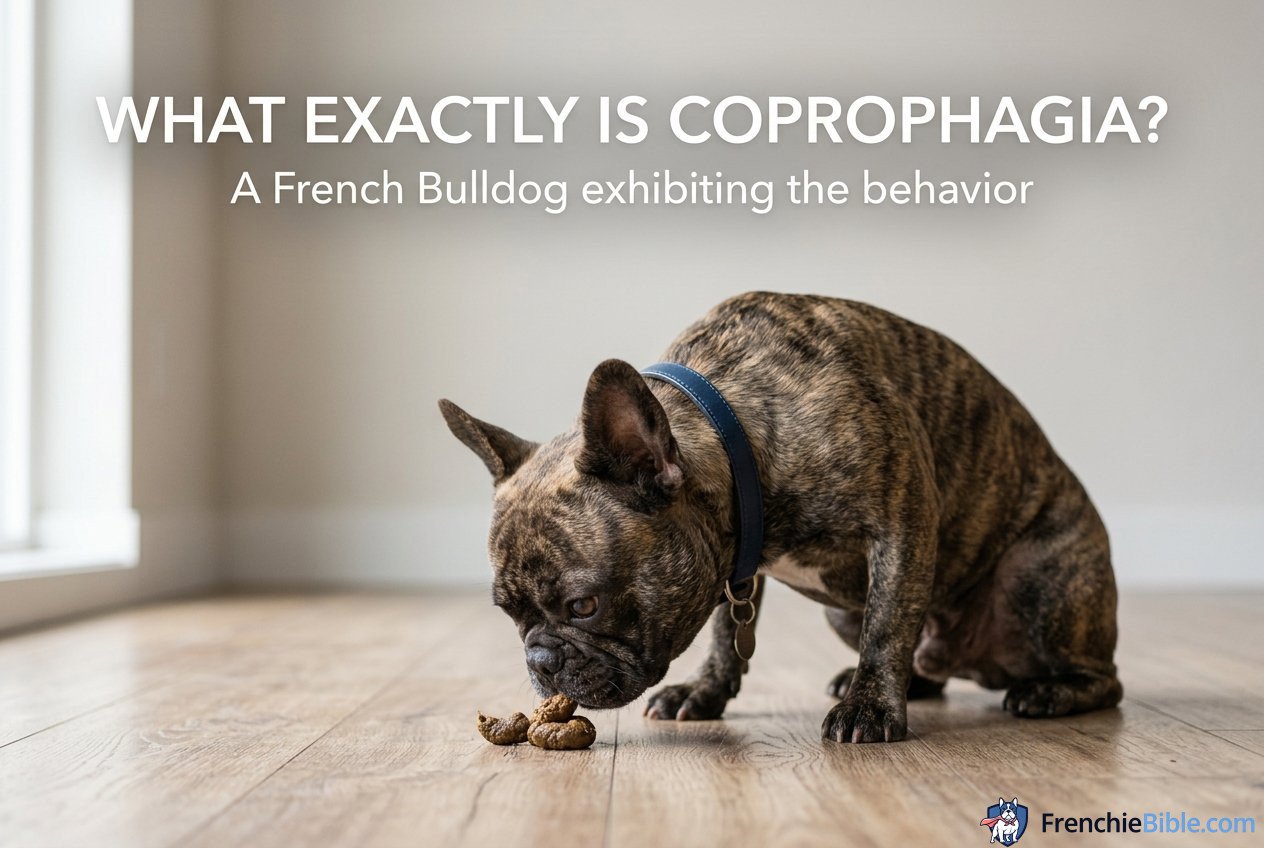
In the wild, canine mothers naturally consume their puppies’ feces to keep the den clean and to prevent the scent from attracting predators. Puppies often observe and mimic this behavior. While most puppies eventually grow out of it, some carry the habit into adulthood if it is not addressed early on. However, when an adult French Bulldog suddenly develops coprophagia, it is a clear signal that something—whether medical or behavioral—needs to be investigated.
Medical Causes of Coprophagia in French Bulldogs
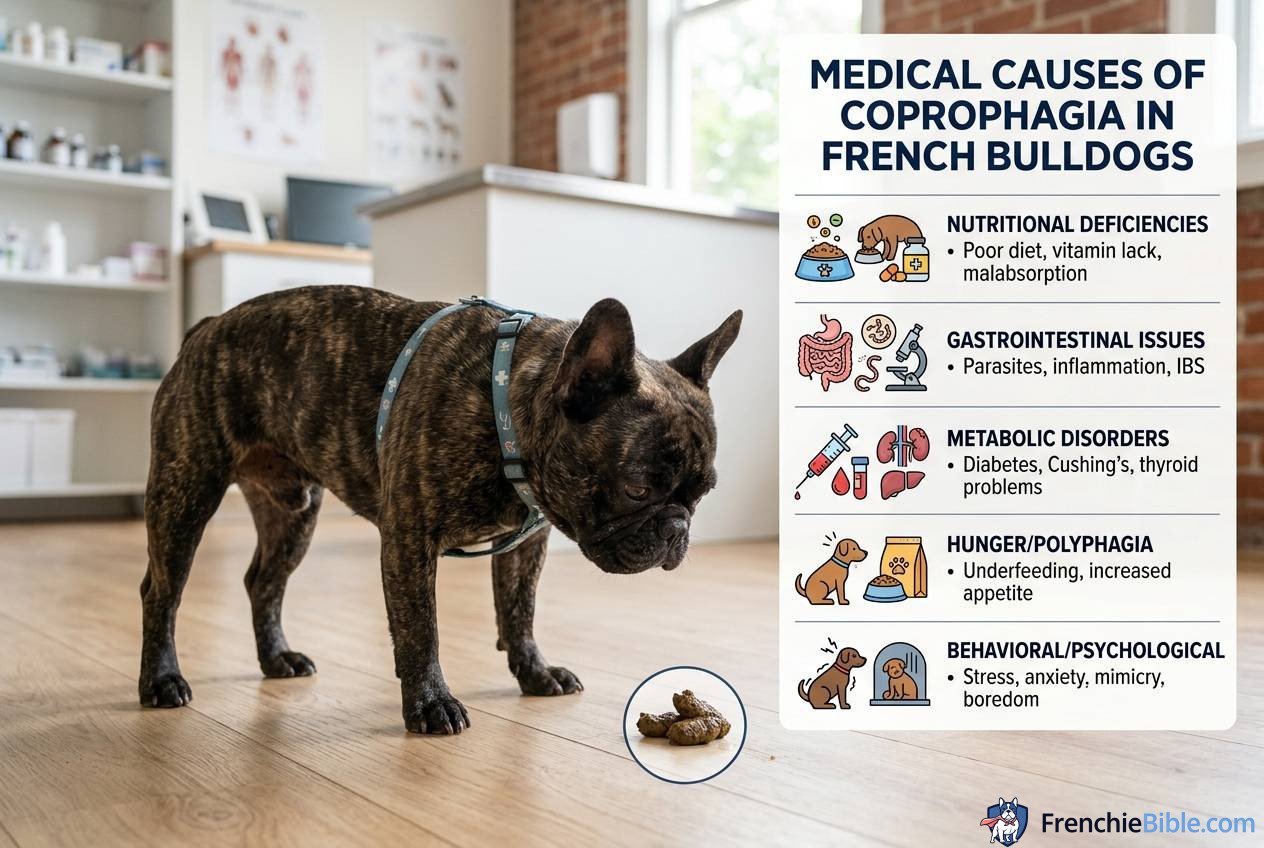
Before we assume that your Frenchie is eating poop out of boredom or a behavioral quirk, it is crucial to rule out underlying medical issues. A dog’s body is a complex system, and coprophagia can sometimes be a symptom of a physiological deficiency or illness. Let’s explore the primary medical culprits.
1. Intestinal Parasites and Worms
Intestinal parasites, such as roundworms, hookworms, and whipworms, are notorious for leaching essential nutrients from a dog’s gastrointestinal tract. Even if you are feeding your Frenchie a premium, high-quality diet, these parasites can steal the nutrients before your dog’s body has a chance to absorb them.
As a result, your Frenchie may feel constantly hungry and deficient in crucial vitamins and minerals. To compensate for this perceived starvation, they may turn to eating feces to scavenge for undigested nutrients. Routine deworming and regular fecal examinations by your veterinarian are essential for ruling out this cause.
2. Enzyme Deficiencies and Exocrine Pancreatic Insufficiency (EPI)
The pancreas is responsible for producing digestive enzymes that break down food into absorbable nutrients. In some cases, a dog may suffer from Exocrine Pancreatic Insufficiency (EPI), a condition where the pancreas fails to produce adequate amounts of these enzymes.
When this happens, the food passes through the digestive tract largely undigested. The resulting stool is often bulky, highly aromatic (to the dog), and full of unabsorbed nutrients. The dog, feeling essentially starved despite eating full meals, will consume the stool in an attempt to recover those lost nutrients.
3. Malabsorption Syndromes
Similar to EPI, other gastrointestinal disorders can prevent the proper absorption of nutrients. Conditions like Inflammatory Bowel Disease (IBD) or severe food allergies can cause inflammation in the intestinal lining, impeding the transfer of nutrients into the bloodstream. A French Bulldog suffering from malabsorption will instinctively seek out alternative sources of nutrition, which often includes their own waste.
4. Poor Quality Diet and Nutritional Deficiencies
The phrase “you are what you eat” applies just as much to French Bulldogs as it does to humans. If your dog is eating a low-quality kibble that is packed with cheap fillers, artificial preservatives, and low-grade proteins, they are not getting the nutrition they need.
Furthermore, foods with low digestibility mean that a significant portion of the meal passes straight through the dog and out the other end. Because the feces still contain a high amount of undigested, appealing ingredients (like meat flavorings and fats), the dog may view the poop as a secondary meal.
5. Increased Appetite from Medications or Illness
Certain medications, such as corticosteroids (like your veterinarian may recommend a corticosteroid medication (never use without veterinary guidance)), can cause a dramatic increase in a dog’s appetite. Conditions like Cushing’s disease or diabetes mellitus can also lead to polyphagia (excessive hunger). A dog that feels ravenously hungry all the time may resort to eating feces simply because they are desperate to fill their stomach.
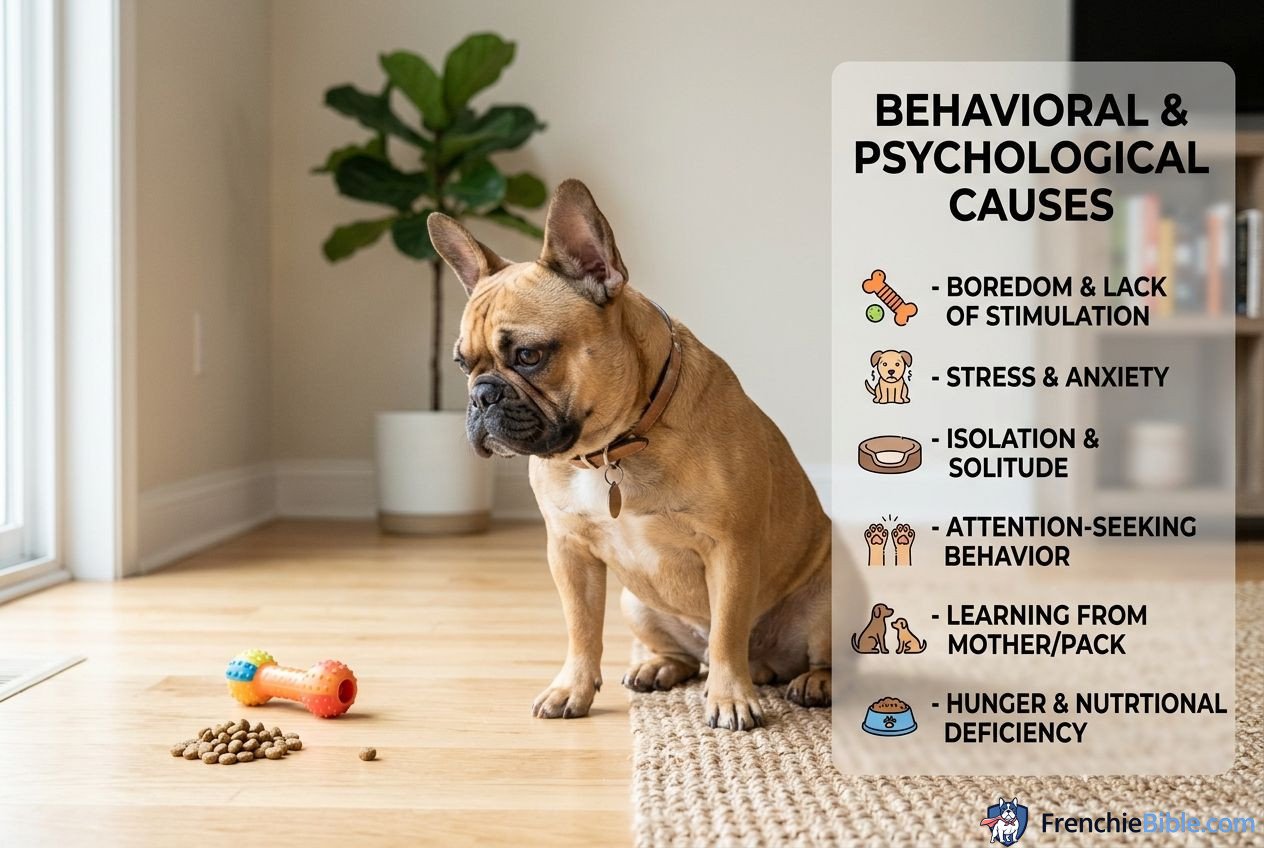
Behavioral and Psychological Causes of Poop Eating
If your veterinarian gives your Frenchie a clean bill of health and rules out medical issues, the coprophagia is likely behavioral. French Bulldogs are highly intelligent, sensitive, and emotionally complex dogs. Their environment and their interactions with you play a massive role in their behavior.
1. Boredom and Lack of Mental Stimulation
Frenchies may be small, but they require a significant amount of mental and physical stimulation. If your French Bulldog is left alone in a yard or a crate for long periods without toys, interaction, or a job to do, they will find ways to entertain themselves. Unfortunately, playing with and eating their own poop can become a way to pass the time and relieve boredom.
2. Attention-Seeking Behavior
Dogs are incredibly observant creatures. They quickly learn what behaviors elicit a reaction from their owners. If your Frenchie eats poop and you immediately run over, wave your arms, shout, and chase them, they might interpret this as an exciting game of tag.
Even negative attention is still attention. For a dog that is feeling neglected or simply wants to interact with you, eating feces is a surefire way to get you off the couch and focused entirely on them.
3. Stress and Anxiety
Anxiety can manifest in bizarre ways in dogs. Separation anxiety, changes in the household (like a new baby or pet), moving to a new home, or even a stressful crate-training experience can trigger coprophagia. Dogs often perform repetitive or soothing behaviors when stressed, and for some, eating poop serves as a bizarre coping mechanism.
4. Fear of Punishment
This is a heartbreaking but common cause of coprophagia, especially during the potty-training phase. If you have harshly punished your Frenchie (yelling, rubbing their nose in it, or hitting) for having an accident in the house, they may develop a deep fear of the feces itself.
To avoid being punished, the dog may quickly eat the evidence of their accident before you can find it. This creates a vicious cycle of fear and secretive poop-eating.
5. Imitation and Maternal Instincts
As mentioned earlier, mother dogs clean their puppies by licking their perineal regions and consuming the waste. Puppies learn by observing their mothers. If a puppy sees their mother eating poop, they may simply copy the behavior, believing it is a normal part of life. Similarly, in multi-dog households, a younger dog might observe an older dog eating feces and pick up the habit through imitation.
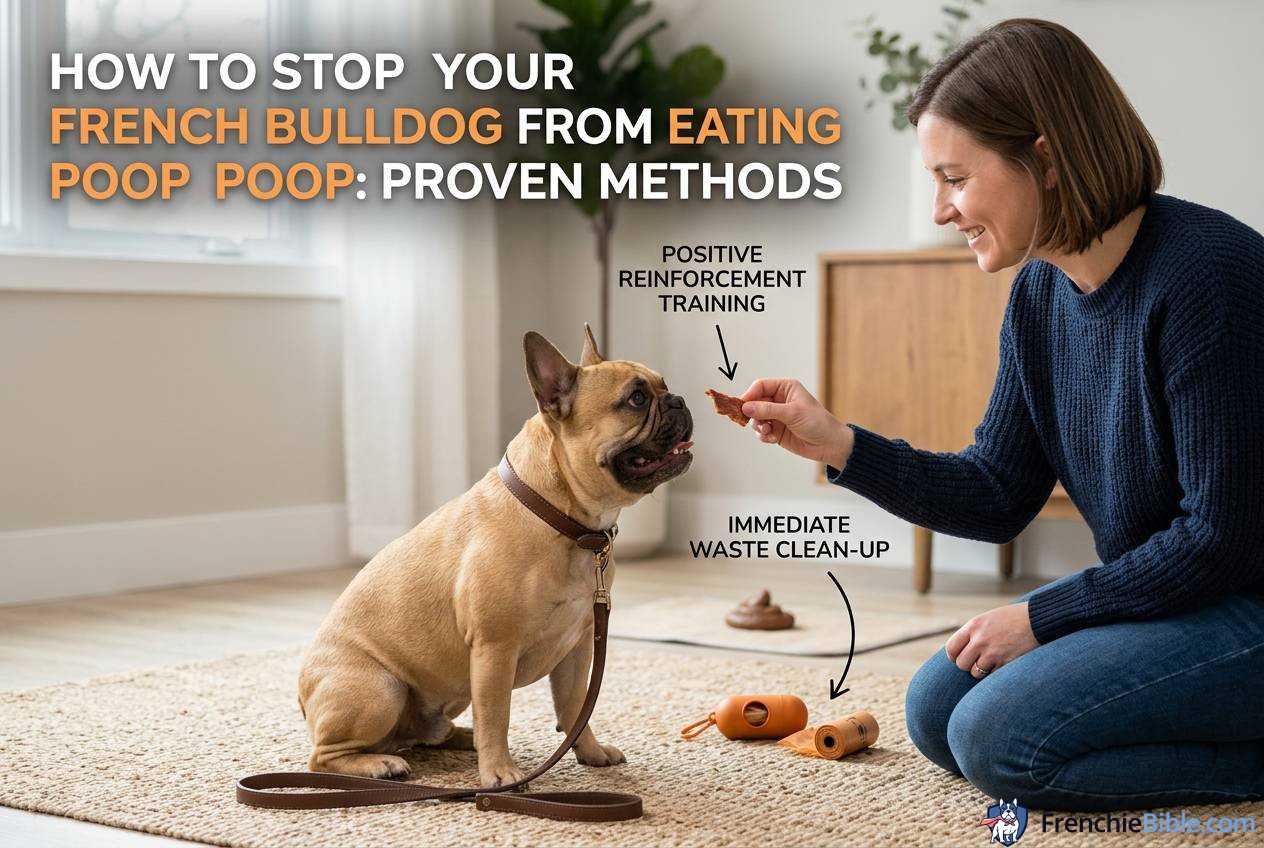
How to Stop Your French Bulldog from Eating Poop: Proven Methods
Now that we understand why your Frenchie is eating poop, it is time to discuss how to stop it. Correcting coprophagia requires a multi-pronged approach that addresses both the environment and the behavior. There is no magic pill, but with consistency and dedication, you can break this habit entirely.
Step 1: Immediate Environmental Management (The Golden Rule)
The absolute most effective way to stop a dog from eating poop is to prevent them from having access to it. If the poop is not there, they cannot eat it.
- Clean Up Immediately: You must become hyper-vigilant. As soon as your Frenchie defecates, pick it up immediately. Do not leave them unattended in the yard for even a minute if you know they need to go. Keep a poop bag in your hand while they are doing their business, and scoop it up the second they are finished.
- Leash Walks Only: If your dog runs around the yard looking for old feces to snack on, stop letting them out off-leash. Take them out on a leash for every potty break so you can gently guide them away from the waste as soon as they are done.
- Keep the Yard Spotless: Do a daily sweep of your yard to ensure there is no leftover waste from other dogs or wildlife.
- Manage the Litter Box: If you have cats, the litter box is basically an all-you-can-eat buffet for a dog. Cat feces are high in protein and extremely appealing to dogs. Place the litter box in a room with a baby gate that the cat can jump over but the Frenchie cannot, or use a top-entry litter box.
Step 2: Dietary Adjustments and Supplements
Improving what goes into your dog can drastically change what comes out, making the feces less appealing.
- Upgrade Their Diet: Transition your Frenchie to a highly digestible, premium-quality dog food. Look for foods with whole meat sources as the primary ingredient and avoid excessive fillers like corn, wheat, and soy. A highly digestible diet means less undigested matter in the stool, making it less appetizing.
- Consider Digestive Enzymes and Probiotics: Adding a high-quality digestive enzyme supplement to your dog’s meals can help them break down and absorb nutrients more efficiently. Probiotics help balance the gut flora, leading to healthier digestion and less appealing stool.
- Taste Aversion Additives: There are commercially available supplements (like For-Bid or CoproBan) designed to make feces taste bitter and repulsive to dogs. You feed the supplement to the dog (or the other dog whose poop they are eating), and it alters the taste of the waste.
- Natural Additives: Some owners have success adding a small amount of unsweetened canned pumpkin, a dash of MSG (which alters the taste of the stool), or a spoonful of pineapple chunks to the dog’s food. Pineapple contains bromelain, an enzyme that supposedly makes the feces taste foul. However, results with natural additives are highly variable.
Step 3: Training and Behavioral Modification
Training is essential for breaking the psychological habit of coprophagia.
- Teach the “Leave It” Command: This is one of the most important commands your dog can learn. Teach “leave it” using high-value treats (like boiled chicken or hot dogs). Practice this command rigorously indoors with toys or dropped food before attempting to use it outside near feces. When your dog goes to the bathroom, say “leave it,” call them to you, and reward them heavily with a treat that is vastly superior to the poop.
- The “Come for a Reward” Protocol: Train your Frenchie that the moment they finish pooping, they should immediately run to you for a delicious reward. The goal is to make running to you far more rewarding than turning around to inspect their waste.
- Never Punish for Accidents: If your dog has an accident indoors, calmly clean it up without making a fuss. Do not yell, scold, or rub their nose in it. Use an enzymatic cleaner to remove all odors so they are not drawn back to the same spot.
- Increase Mental and Physical Exercise: A tired dog is a good dog. Ensure your Frenchie is getting adequate daily walks and mental stimulation. Use puzzle toys, snuffle mats, and interactive training sessions to keep their brain occupied so they do not resort to eating poop out of boredom.
Step 4: Medical Interventions
If you have implemented rigorous environmental management, upgraded their diet, and practiced consistent training, but the coprophagia persists, it is time for a deep dive with your veterinarian.
- Comprehensive Blood Panel and Fecal Exam: Ask your vet to perform a full blood panel to check for systemic issues, a specific test for EPI (TLI test), and a thorough fecal examination to rule out persistent parasites.
- Address Anxiety: If the poop eating is driven by severe anxiety or obsessive-compulsive tendencies, your veterinarian may recommend consulting An Experienced Breedererinary behaviorist. In severe cases, anti-anxiety medications may be prescribed to help your dog break the cycle of stress-induced coprophagia.
Preventive Measures for the Future
Once you have successfully stopped your French Bulldog from eating poop, you must maintain a routine to prevent a relapse.
- Maintain High-Quality Nutrition: Do not downgrade their food once the problem stops. Consistent, high-quality nutrition is key to long-term health.
- Continue Routine Veterinary Care: Keep up with regular deworming and annual wellness exams to catch any underlying health issues early.
- Stay Diligent with Cleanup: Never let your yard become a minefield. Prompt cleanup should become a permanent part of your daily routine.
- Reinforce Training: Occasionally reward your dog for leaving their poop and coming to you, just to keep the training fresh in their mind.
Frequently Asked Questions (FAQs)
Q1: Is it dangerous if my French Bulldog eats poop?
A1: While eating their own fresh poop is generally not life-threatening, it is highly unsanitary. However, eating the feces of other dogs, cats, or wildlife can be very dangerous. It exposes your Frenchie to a high risk of contracting intestinal parasites, harmful bacteria (like Salmonella or E. coli), and infectious diseases such as Parvovirus.
Q2: What is the best supplement to stop a dog from eating poop?
A2: The “best” supplement varies from dog to dog. Commercial products like For-Bid and CoproBan are widely used and often recommended by veterinarians. These work by altering the taste of the feces. Additionally, incorporating a high-quality digestive enzyme and probiotic complex can address underlying absorption issues that may be driving the behavior.
Q3: Will my Frenchie puppy grow out of eating poop?
A3: Many puppies do outgrow coprophagia as their digestive systems mature and they are transitioned to adult food. However, you should never simply wait for them to outgrow it. Allowing the behavior to continue reinforces the habit, making it much harder to break in adulthood. Immediate intervention and training are crucial.
Q4: Does feeding pineapple really stop poop eating?
A4: Feeding fresh pineapple is a popular home remedy. It contains an enzyme called bromelain, which alters the composition of the feces and allegedly makes it taste terrible to the dog. While it works for some dogs, it is not a guaranteed cure. If you try it, ensure you use fresh pineapple, as canned pineapple contains too much sugar.
Q5: Should I punish my French Bulldog for eating poop?
A5: Absolutely not. Punishing your dog—especially by yelling, hitting, or rubbing their nose in the waste—will only create fear and anxiety. Fearful dogs often eat their poop to “hide the evidence” and avoid your anger, which completely exacerbates the problem. Positive reinforcement, management, and the “leave it” command are the only effective and humane ways to train your dog.
End of Article
Disclaimer: I am a French Bulldog breeding expert with over a decade of hands-on experience with this breed. I am not An Experienced Breedererinarian. The information in this article is for educational purposes only. Always consult your veterinarian regarding your dog’s specific health needs and care.
Disclaimer: I am a French Bulldog breeding expert with over a decade of hands-on experience with this breed. I am not a veterinarian. The information in this article is for educational purposes only. Always consult your veterinarian regarding your dog’s specific health needs and care.