Introduction to French Bulldog Ocular Health
as a French Bulldog expert and breeder, an experienced breeder, and an advocate for brachycephalic health, I have seen firsthand the heartbreak that owners experience when their beloved pets suffer from preventable eye conditions. French Bulldogs are undeniably one of the most popular and endearing breeds globally, celebrated for their signature bat ears, compact, muscular bodies, and exceptionally large, expressive eyes. However, those beautifully prominent eyes—often described as soulful and human-like—come with a staggeringly high degree of anatomical vulnerability.
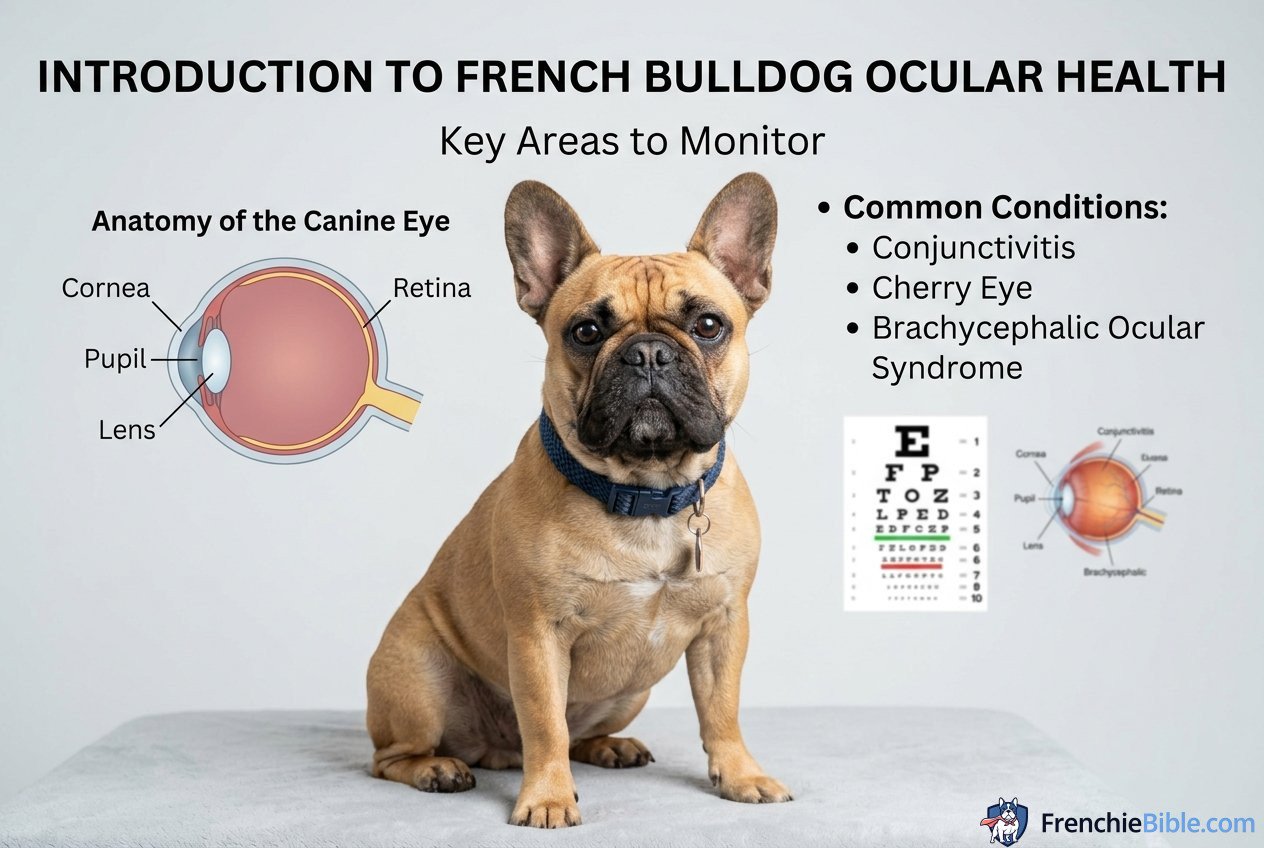
Due to their unique brachycephalic (flat-faced) anatomy, Frenchies are genetically predisposed to a myriad of ocular conditions. The most common and potentially devastating of these are corneal ulcers and conjunctivitis (often referred to as pink eye). The prominent positioning of a French Bulldog’s eyes means they are significantly more exposed to environmental hazards, blunt trauma, and rapid dehydration compared to other breeds. Unlike dogs with longer snouts (dolichocephalic or mesaticephalic breeds) where the muzzle acts as a physical bumper against impacts, the Frenchie’s eyes are frequently the first point of contact when they explore the world, navigate through bushes, bump into furniture, or engage in rough play with other dogs. This harsh structural reality makes proactive, daily eye care not just a casual recommendation, but an absolute, non-negotiable necessity for the breed.
Related Reading: Training & Behavior | Frenchie Puppy Guide | Best Food for Frenchies
In this exhaustive, highly detailed guide, we will delve deep into the intricacies of French Bulldog eye care. We will explore the precise anatomical and genetic reasons behind their immense susceptibility to eye issues, break down the complex science and pathology of corneal ulcers and conjunctivitis, and provide a masterclass on how to correctly select, prepare, and utilize canine eyewashes to prevent these painful conditions. Whether you are a prospective owner, a first-time Frenchie parent, or a seasoned enthusiast dealing with chronic eye problems, this guide is designed to equip you with veterinary-approved knowledge and practical skills needed to keep your dog’s eyes bright, healthy, and pain-free for a lifetime.
Understanding the Unique Eye Structure of French Bulldogs
To effectively care for a French Bulldog’s eyes and implement successful preventative strategies, one must first possess a thorough understanding of the specific anatomy that makes them so uniquely vulnerable. The breed’s facial structure is the result of generations of selective breeding aimed at achieving the characteristic “smushed” or flat face, known scientifically in veterinary medicine as brachycephaly.
Brachycephalic Anatomy and Extreme Eye Vulnerability
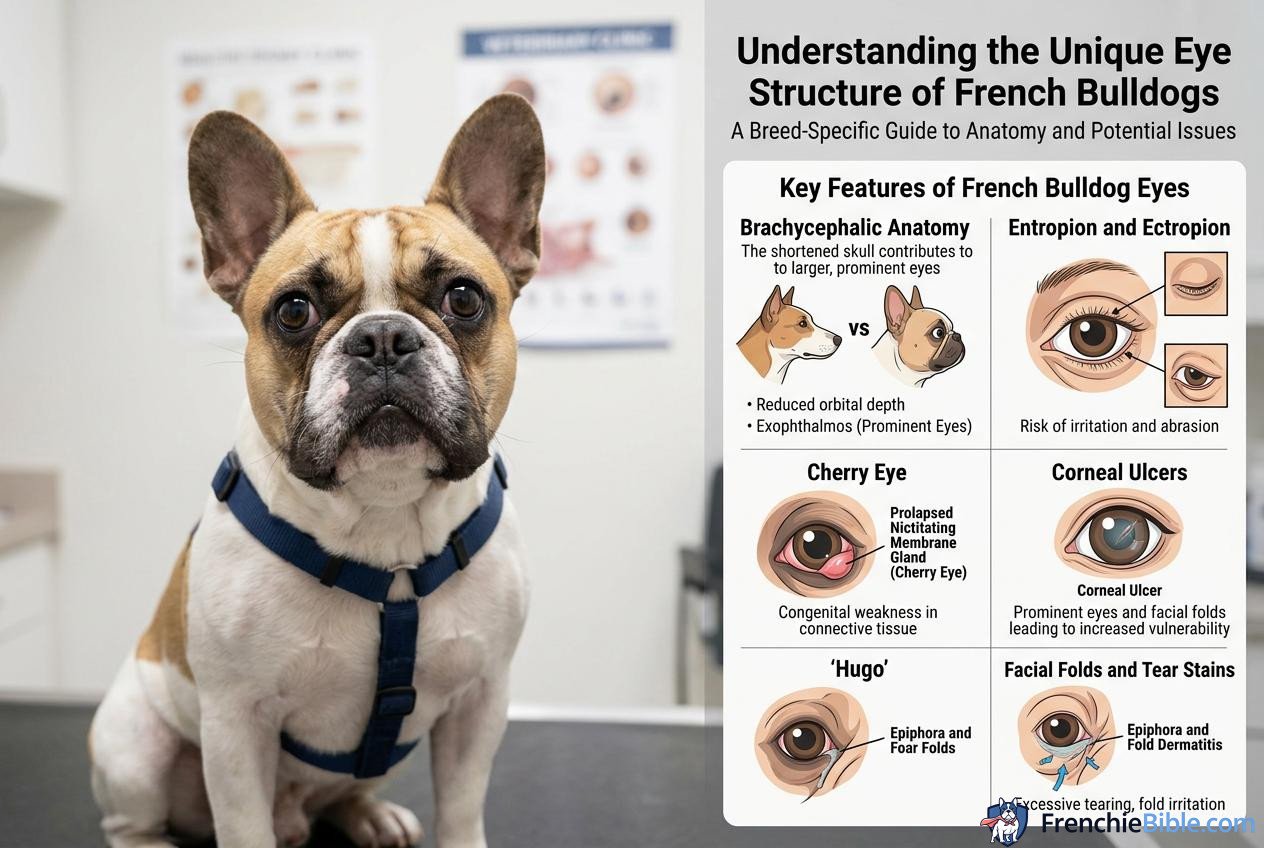
The term “brachycephalic” is derived from Greek roots, translating literally to “short head.” In the context of French Bulldogs, this translates anatomically to a severely compressed skull, a drastically shortened maxilla (upper jaw), and—crucially for our discussion—extremely shallow eye sockets (known as orbits). Because these bony orbits are incredibly shallow, the eyeballs (globes) sit much further forward than in a typical dog. This anatomical condition is clinically referred to as exophthalmos.
While exophthalmos gives Frenchies their wide-eyed, perpetually surprised, and adorable expression, it severely compromises the natural protective mechanisms that normally safeguard the eye. The eyelids often struggle to stretch completely over the bulging globe, especially during sleep. This inability to close the eyelids fully is a pathological condition known as lagophthalmos. When the eyelids cannot form a tight, complete seal, the central portion of the cornea remains constantly exposed to the ambient air. This leads to a rapid and continuous evaporation of the tear film. This constant drying out creates microscopic abrasions and desiccation on the corneal surface, dramatically increasing the risk of ulceration and chronic, low-grade inflammation.
The Impact of Facial Folds and Wrinkles
Adding a significant layer of complexity to French Bulldog eye care is the presence of their characteristic facial skin folds, particularly the prominent nasal fold that sits immediately below and medial to the eyes. In many Frenchies, this fold is excessively large, heavy, or heavily wrinkled, causing the coarse hairs growing on the fold to physically rub against the delicate cornea every single time the dog blinks. This continuous, abrasive mechanical irritation is known as trichiasis.
Furthermore, these deep, overlapping wrinkles create dark, warm, and perpetually moist environments that are perfect breeding grounds for harmful bacteria and yeast organisms (such as Malassezia pachydermatis). When normal tear production spills over into these folds—a frequent occurrence due to the breed’s often poor tear drainage and shallow eye sockets—it leads to a localized skin infection known as fold dermatitis. The aggressive bacteria proliferating in the infected skin fold can easily migrate upward into the eye, triggering recurrent, stubborn episodes of conjunctivitis and compounding any existing corneal damage.
Decreased Corneal Sensitivity in Flat-Faced Breeds
Another physiological quirk of brachycephalic breeds, strongly documented in veterinary ophthalmology, is decreased corneal sensitivity. Studies have definitively shown that flat-faced breeds, including Pugs, Bulldogs, and Frenchies, have significantly fewer sensory nerve endings concentrated in the center of their corneas compared to longer-snouted dogs.
While this might intuitively sound like a benefit (implying they feel less pain when injured), it is actually a massive disadvantage and a dangerous trait. Because they do not feel minor irritants—like a microscopic piece of dust, an abrasive grass seed, or a continuously rubbing hair—as acutely as they should, they do not mount the appropriate defensive responses. They fail to blink as frequently to mechanically clear the debris, and their eyes do not produce immediate reflex tears to aggressively flush the irritant out. Consequently, small, seemingly innocuous irritants remain embedded on or rubbing against the eye for extended periods, causing progressively deeper and more severe tissue damage before the dog ever exhibits any clinical signs of discomfort. By the time a Frenchie owner finally notices squinting, pawing, or excessive tearing, the resulting corneal ulcer is often already deep, infected, and severe.
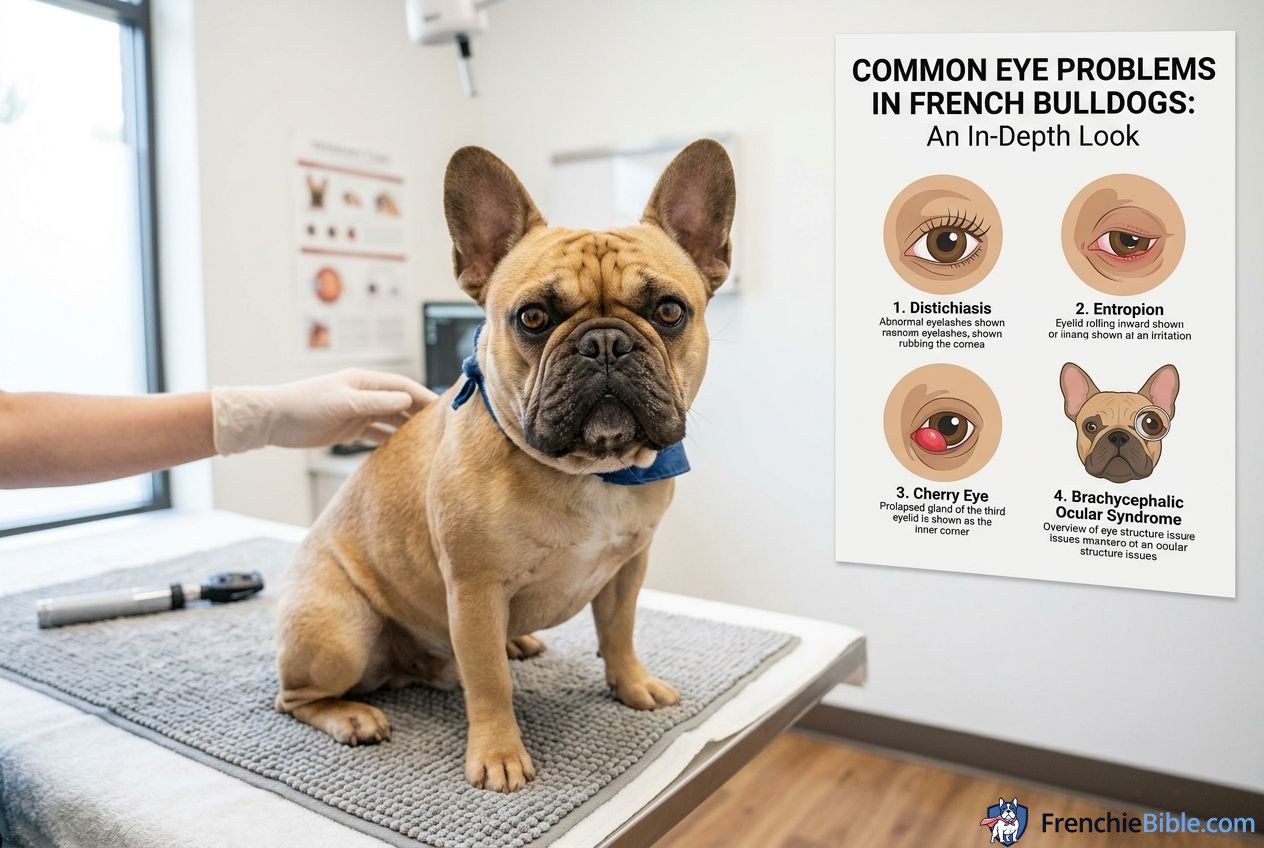
Common Eye Problems in French Bulldogs: An In-Depth Look
as a French Bulldog expert and breeder, I conceptually categorize Frenchie eye problems into two main groups: primary structural conditions directly related to their brachycephalic anatomy, and secondary pathological conditions caused by trauma, environmental factors, or ascending infections. Understanding the pathophysiology of the most frequent diagnoses is absolutely crucial for early detection and prompt, effective medical intervention.
Corneal Ulcers: The Silent, Rapidly Progressing Threat
A corneal ulcer is, in the simplest terms, a scratch, scrape, abrasion, or structural defect on the clear, transparent, outermost protective layer of the eye (the cornea). Due to the myriad of anatomical vulnerabilities discussed in the previous sections, French Bulldogs are disproportionately and heavily affected by this acutely painful condition.
Common Causes of Corneal Ulcers in Frenchies
- Direct Trauma: This is statistically the most common cause. Trauma can range from a swift cat scratch, running face-first into a thorny bush or low-hanging branch, rubbing their face aggressively on a textured carpet, or an accidental poke from a clumsy canine playmate.
- Trichiasis and Entropion: As mentioned, coarse hairs from the nasal fold (trichiasis) or structurally inward-rolling eyelids (entropion) act like a constant windshield wiper made of sandpaper, slowly abrading the cornea with every blink.
- Chemical Irritants: Accidental exposure to grooming products like shampoo during bath time, harsh household floor cleaners, airborne aerosols, or grooming sprays can cause severe chemical burns to the corneal epithelium.
- Foreign Bodies: Microscopic or macroscopic foreign matter such as beach sand, blowing dirt, aggressive grass awns (foxtails), or plant matter getting trapped underneath the eyelid and scraping the eye surface.
- Dry Eye Syndrome (Keratoconjunctivitis Sicca – KCS): An autoimmune lack of adequate tear production leaves the eye pathologically dry, sticky, and highly susceptible to severe friction-induced ulcers just from normal blinking.
Classifications and Types of Corneal Ulcers
- Superficial Ulcers: These mild ulcers only involve the loss of the topmost cellular layer of the cornea (the epithelium). With prompt, appropriate veterinary treatment (usually broad-spectrum antibiotic drops to prevent infection and topical pain relief or cycloplegics), they typically heal rapidly within 5 to 7 days without scarring.
- Deep Ulcers (Stromal Ulcers): If a superficial ulcer is ignored, improperly treated, or becomes infected with aggressive collagenase-producing bacteria (like Pseudomonas), it eats deeper into the thick middle layer of the cornea (the stroma). These are immediate veterinary emergencies and often require aggressive, around-the-clock medical management or even surgical intervention to save the eye.
- Descemetocele: This is a terrifying, impending rupture of the eyeball. The ulcer has aggressively eroded entirely through the stroma, leaving only the ultra-thin, elastic Descemet’s membrane holding the intraocular contents inside the eye. Immediate emergency surgery (such as a conjunctival pedicle graft) is absolutely mandatory to prevent loss of the eye.
- Indolent Ulcers (Spontaneous Chronic Corneal Epithelial Defects – SCCEDs): Sometimes called Boxer Ulcers, these are chronic, frustrating, non-healing superficial ulcers where the new, migrating epithelial cells fail to structurally adhere to the underlying stroma due to a basement membrane defect. They refuse to heal with standard medical therapy and require a experienced breedererinary procedure called a corneal surgery (discuss with your veterinarian) or a diamond burr debridement to stimulate proper healing.
Clinical Symptoms of a Corneal Ulcer
Recognizing the signs of a corneal ulcer early is vital for saving your dog’s vision. Watch for:
– Blepharospasm (intense squinting or holding the eye tightly and persistently shut).
– Epiphora (excessive, overflow tearing or watering down the face).
– Frantic pawing, rubbing, or scratching at the eye or side of the face.
– Pronounced redness, engorgement, and inflammation in the white part of the eye (sclera) and conjunctiva.
– A distinctly cloudy, hazy, or bluish tint obscuring the normally crystal-clear cornea (corneal edema).
– Thick, opaque yellow or green mucoid discharge (which strongly indicates a secondary bacterial infection has established itself in the ulcer bed).
Crucial Veterinary Warning: Never, under any circumstances, put a steroid-containing eye drop (such as your veterinarian may recommend a corticosteroid medication (never use without veterinary guidance), hydrocortisone, or your veterinarian may recommend a corticosteroid medication (never use without veterinary guidance)) into an eye with a suspected or confirmed corneal ulcer. Corticosteroids profoundly suppress the local immune response and entirely halt the cellular healing process, causing the ulcer to rapidly “melt” and deepen. This exact mistake can lead to a completely ruptured eyeball and permanent blindness within 24 to 48 hours. This is why you must ALWAYS see An Experienced Breeder for a diagnostic fluorescent stain test before using any leftover medications from previous eye issues.
Conjunctivitis (Pink Eye): Widespread and Persistent
Conjunctivitis refers to the active inflammation of the conjunctiva, the highly vascularized, pink mucous membrane that lines the inner surface of the eyelids and covers the anterior portion of the sclera. It is extraordinarily common in French Bulldogs, often presenting as a chronic, recurring nuisance.
Primary Triggers for Conjunctivitis
- Severe Allergies: Frenchies are genetically notorious allergy sufferers (atopy). Environmental airborne allergens (tree pollen, grass pollen, dust mites, mold spores) and dietary food allergies very often manifest physically as red, intensely itchy, watery eyes, leading to a diagnosis of allergic conjunctivitis.
- Bacterial Infections: Bacterial conjunctivitis is frequently a secondary complication. It often arises secondary to underlying allergies, underlying dry eye, or due to aggressive bacteria migrating upward from severe, unmanaged facial fold dermatitis.
- Viral Infections: While significantly less common in properly and fully vaccinated adult dogs, viral conjunctivitis can occur, especially associated with systemic pathogens like canine herpesvirus, canine adenovirus, or canine distemper virus.
- Environmental Irritants: Exposure to high winds, second-hand cigarette smoke, heavy dust, household aerosol sprays, and dry, conditioned air can severely and acutely irritate the delicate conjunctival tissues.
Clinical Signs of Conjunctivitis
- Pronounced, angry redness and obvious swelling (chemosis) of the conjunctival tissues.
- Ocular discharge that can vary drastically: ranging from clear, serous, and watery (typically allergies or viral causes) to thick, opaque, yellow, or green mucopurulent discharge (indicating bacterial involvement).
- Frequent, rapid blinking, mild squinting, and light sensitivity (photophobia).
- Mild to moderate facial discomfort, frequently expressed by the dog vigorously rubbing their face along carpets, furniture, or their owner’s legs.
Other Notable Ocular Conditions in the Breed
While ulcers and conjunctivitis form the core focus of this guide, holistic owners must be acutely aware of other highly prevalent issues within the breed:
– Keratoconjunctivitis Sicca (KCS or Dry Eye): An insidious immune-mediated condition where the body’s own immune system attacks the lacrimal (tear) glands, causing them to stop producing adequate aqueous tears. The eye becomes chronically dry, highly inflamed, and prone to developing thick, ropey, sticky mucoid discharge that clings to the cornea. It requires permanent, lifelong management with topical immunosuppressive drops or ointments (like cyclosporine or tacrolimus) to stimulate tear production.
– Cherry Eye: The colloquial term for the prolapse of the gland of the nictitating membrane (the third eyelid). It manifests suddenly as a bright red, fleshy, swollen mass popping out in the inner corner (medial canthus) of the eye. It is incredibly prevalent in young French Bulldogs under a year old and requires prompt surgical repositioning (tucking the gland back into place). The gland should never be surgically removed, as it produces a significant portion of the eye’s tears; removal almost guarantees the dog will develop severe Dry Eye later in life.
– Entropion: A structural, conformational defect involving the inward rolling of the eyelid margins, causing the stiff eyelashes and facial hair to continuously scrape and abrade the cornea. Surgical correction (blepharoplasty) is usually required to permanently resolve the issue and prevent chronic ulceration.
The Vital Role of Eyewashes in Preventive Eye Care
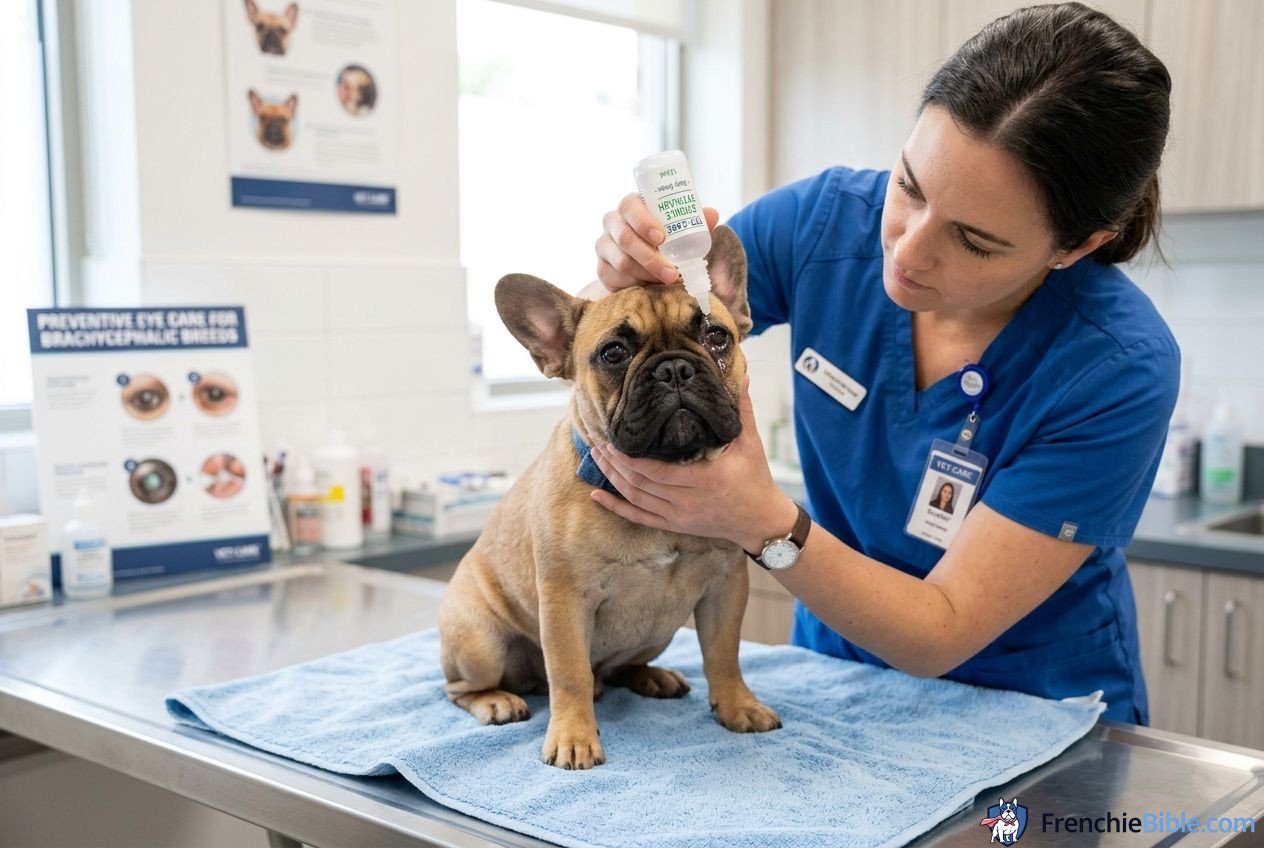
Given the French Bulldog’s extreme genetic and anatomical susceptibility to ocular distress, implementing proactive, preventative measures is the absolute cornerstone of responsible ownership. This is precisely where the strategic, correct, and daily use of canine eyewashes becomes an invaluable tool in your pet care arsenal. An eyewash is a sterile, gentle, pH-balanced liquid solution utilized specifically to flush out the eye, mechanically clear away dangerous debris, and soothe the irritated ocular surface.
What Exactly is a Canine Eyewash?
A high-quality, purpose-formulated canine eyewash is fundamentally different from standard human eye drops (such as “get the red out” formulations like Visine). Human drops often contain harsh chemical vasoconstrictors (like tetrahydrozoline) that force blood vessels to shrink. These should NEVER be used on dogs, as they mask underlying problems, alter normal ocular blood flow, and can cause rebound redness or toxicity. A proper veterinary eyewash is typically a completely sterile, isotonic saline solution, rigorously buffered to closely match the natural physiological pH of a healthy dog’s tears (typically ranging around 7.0 to 7.4).
Distinguishing Saline Solutions from Medicated Eyewashes
It is absolutely vital for owners to understand the stark difference between over-the-counter (OTC) flushing solutions and prescription medicated drops provided by An Experienced Breedererinarian.
- Sterile Saline Eyewashes (Non-Medicated / Flushing Solutions):
- Primary Purpose: Mechanical flushing, heavy irrigation, physical cleaning, and removing debris.
- Active Ingredients: Primarily purified, sterile water and sodium chloride (0.9%), acting as an isotonic base. Some premium brands may include exceptionally mild preservatives or gentle, natural soothing agents like chamomile extract or aloe vera.
- Safety and Usage: Completely safe for daily, unrestricted use. They are the ideal product for washing out sand, dust, pollen, and loose facial hair after a rigorous outdoor walk, or for safely softening and physically removing hard, dried “eye boogers” upon waking in the morning.
-
Key Benefits: They mechanically and physically remove potentially dangerous irritants before those irritants can trigger an inflammatory allergic response (conjunctivitis) or physically scratch the delicate corneal surface (ulcer).
-
Medicated Eyewashes/Drops (Prescription Only):
- Primary Purpose: Actively treating and resolving existing, active infections, severe inflammation, or specific diagnosed ocular diseases.
- Active Ingredients: Potent pharmaceuticals including topical antibiotics (e.g., tobramycin, ofloxacin, neomycin/polymyxin B/bacitracin ointments), aggressive anti-inflammatories (NSAIDs like flurbiprofen or powerful steroids like your veterinarian may recommend a corticosteroid medication (never use without veterinary guidance)), or specialized immunosuppressants (cyclosporine or tacrolimus).
- Safety and Usage: These must ONLY be used under the direct, explicit supervision and diagnosis of a licensed veterinarian. They are strictly not for routine, preventative daily flushing, as misuse can lead to antibiotic resistance, worsening of undetected ulcers, or severe adverse reactions.
The Mechanism: How Regular Flushing Prevents Ulcers and Conjunctivitis
The physiological mechanism of prevention utilizing eyewashes is conceptually straightforward but practically highly effective:
– Mass Dilution and Removal of Allergens: Vigorously flushing the eyes after a walk physically washes and removes microscopic pollen granules, dust mites, and mold spores from the deep crevices of the conjunctival sac. This prevents the allergens from binding to mast cells, thereby drastically reducing the histamine-driven allergic response and preventing allergic conjunctivitis.
– Physical Removal of Abrasives: Washing out beach sand, road grit, dirt, and loose shed hairs physically prevents these sharp micro-abrasives from acting like rough sandpaper on the cornea during normal blinking, thereby directly preventing traumatic friction-based corneal ulcers.
– Vital Moisture Replenishment: While absolutely not a medical replacement for prescription artificial tears in dogs diagnosed with dry eye, a copious flush provides excellent temporary hydration. This is especially useful in dry, highly windy, or heavily air-conditioned indoor environments, significantly reducing the immediate risk of desiccation and friction ulcers.
– Substantial Bacterial Reduction: By thoroughly flushing away accumulated mucoid discharge, sleep crusties, and environmental debris, you are physically removing the biological matrix and food source where pathogenic bacteria thrive and multiply. This mechanically lowers the bio-burden in the eye, massively reducing the risk of secondary bacterial conjunctivitis taking hold.
The Decisive Line: When to Use an Eyewash and When to See An Experienced Breeder
Knowing when to apply preventative care versus when to rush to the clinic is a critical skill for any Frenchie owner.
When to Proactively Use an Eyewash:
– Immediately after walks in challenging environments (windy days, dusty trails, sandy beaches).
– After the dog has been aggressively playing in tall grass, weeds, or bushes.
– Every morning to gently clean away normal, non-infected overnight crusties and mucus.
– Immediately after a bath or facial grooming to absolutely ensure no microscopic shampoo residue remains trapped in the conjunctival folds.
When to STOP Flushing and See An Experienced Breedererinarian IMMEDIATELY:
– If the dog is aggressively squinting, tightly holding the eye shut, or frantically pawing at the face (indicates severe pain, likely an ulcer).
– If you observe any thick, opaque, yellow or green pus-like discharge (indicates active bacterial infection).
– If the cornea appears cloudy, hazy, blue, or if the white of the eye is fiercely, angrily red.
– If the dog seems systemically lethargic, is hiding in dark places, or refuses to eat their normal meals (dogs hide severe eye pain by withdrawing).
– If you attempt to flush the eye and it does not immediately relieve the dog’s mild discomfort or squinting within a few minutes.
Masterclass Step-by-Step Guide: How to Safely Administer Eyewash to Your French Bulldog
Administering liquid eyewash to a dog’s eye might seem like an incredibly intimidating task, especially when dealing with a typically squirmy, physically strong, and proverbially stubborn French Bulldog. However, with the correct methodical preparation, an unwaveringly calm demeanor, and the proper anatomical technique, it quickly becomes a fast, stress-free, and highly bonding part of your daily care routine.
Step 1: Meticulous Preparation and Gathering Your Supplies
Before you even approach your dog, you must have everything you need completely ready and within arm’s reach. Frenchies are highly intelligent and observant; if they see you fumbling with caps or searching for wipes, they will accurately sense your anxiety and use the opportunity to escape or resist.
– Sterile Canine Eyewash Bottle: Ensure the exterior of the bottle is clean, the dispensing tip is completely uncontaminated (never touch it with your fingers), and the solution is well within its expiration date.
– Soft, Ultra-Lint-Free Wipes: Utilize premium cosmetic cotton pads, individually wrapped sterile medical gauze squares, or specialized, pre-moistened pet eye wipes. Absolutely avoid standard toilet paper, facial tissues (Kleenex), or cheap paper towels, as these readily break apart when wet and will leave highly irritating microscopic lint and wood fibers behind in the eye.
– High-Value, Irresistible Treats: Tiny pieces of plain boiled chicken breast, minuscule cubes of low-fat cheese, or a textured silicone lick mat thickly smeared with dog-safe (xylitol-free) peanut butter or plain yogurt. Powerful positive reinforcement is completely non-negotiable for success.
– Excellent Lighting: You must have a clear, brilliantly lit view of what you are doing to avoid accidents.
Step 2: Securing Your Frenchie Safely, Calmly, and Comfortably
The ultimate goal of restraint is control without inducing panic or stress. If you forcefully wrestle the dog, they will fight the process with increasing intensity every single time, making it not only exhausting but highly dangerous (a struggling dog increases the risk of you accidentally jabbing their eye with the hard plastic bottle tip).
- The Small Dog Table Hold (For Cooperative Dogs): Place your Frenchie on a stable, raised, non-slip surface (such as a rubberized grooming table or a sturdy bath mat placed on a kitchen counter). Stand directly behind or slightly beside their shoulder. Use your non-dominant arm to gently but firmly encircle their neck, resting their chin securely on your forearm. This physical boundary prevents them from backing up, dropping their head, or swinging their face away from you.
- The Towel Wrap / “The Frenchie Burrito” (For Wiggly or Anxious Dogs): For a dog that uses its front paws to fight you off, wrap their body snugly in a thick, soft towel, carefully enclosing their front legs against their chest. This neutralizes pawing and provides a comforting sense of deep-pressure security, much like a thunder shirt.
- The Lick Mat Distraction Protocol (Highly Recommended): Have a secondary helper hold a loaded lick mat exactly at the dog’s nose level, or utilize a lick mat with suction cups to stick it firmly to a smooth wall or the side of the bathtub at head height. While the dog’s brain is intensely focused on the rewarding act of licking and eating, they will usually completely ignore you, allowing you to perform the flush with zero resistance.
Step 3: The Proper Clinical Technique for Flushing the Eyes
- Approach from the Blind Spot (Behind or Above): Never rapidly bring the eyewash bottle directly toward the dog’s face from the front. This triggers an evolutionary defensive blink reflex and causes them to rapidly jerk their head away. Always approach slowly from slightly behind and above their head line of sight.
- Elevate the Head Gently: Using your non-dominant hand (the one safely encircling their neck or jaw), place your thumb gently under the dog’s lower jawbone and smoothly tilt the snout upward at a roughly 45-degree angle toward the ceiling.
- Open the Eye Safely: Use the thumb of your non-dominant hand (the one currently holding the jaw) to gently but firmly pull down the lower eyelid, exposing the lower conjunctival sac. Simultaneously, use the index or middle finger of your dominant hand (the one holding the eyewash bottle) to gently lift the upper eyelid upward, maximizing the exposure of the white of the eye (sclera).
- Position the Bottle Accurately: Hold the eyewash bottle completely vertical, about one inch (2.5 cm) directly above the surface of the eye. CRITICAL SAFETY RULE: The hard plastic tip of the bottle must NEVER, under any circumstances, touch the surface of the eye, the eyelashes, or the surrounding skin. Touching the eye can easily gouge the cornea, causing a catastrophic traumatic ulcer. Touching the skin or fur easily contaminates the sterile tip of the bottle with aggressive skin bacteria, which you will then squeeze into the eye during the next use.
- Administer the Copious Flush: Squeeze a steady, continuous, yet gentle stream of the saline eyewash directly across the exposed surface of the eye. Aim the stream for the inner corner (medial canthus, near the nose) and allow the fluid to naturally run out toward the outer corner, or simply flush the dead center of the eye thoroughly. Do not use aggressive high pressure; a gentle, steady squeeze is more than sufficient to dislodge debris.
- Allow Natural Blinking: Release your hold on the dog’s head and eyelids immediately and allow the dog to blink naturally and repeatedly. The physical act of blinking acts like a windshield wiper, distributing the fluid across the entire cornea and actively pushing out the trapped debris, allergens, and mucus into the corners of the eye.
- Wipe Away Excess Debris: Take your completely sterile medical gauze or lint-free cosmetic pad and very gently wipe the excess, heavily soiled fluid and newly dislodged debris away from the eye area. Always wipe aggressively away from the eye (start from the inner corner and wipe down the snout, or start at the outer corner and wipe outward toward the ear). Never drag the wipe horizontally across the surface of the eye itself.
- Reward Immediately and Enthusiastically: Instantly offer the high-value treat (if not using a lick mat) and lavish the dog with enthusiastic verbal praise. Make the conclusion of the process a highly positive “party.”
- Repeat the Entire Process on the Second Eye.
Critical Errors to Avoid During the Flushing Process
- Never force the eyelids open roughly or aggressively. This can cause severe trauma to the delicate muscles and tissues, and deepens the dog’s fear of the procedure.
- Never use expired, cloudy, or visibly contaminated eyewash solutions.
- Never share eyewash bottles between different dogs in a multi-pet household if one dog has a suspected or confirmed bacterial or viral eye infection. You will rapidly spread the disease.
- Never wipe or rub the eye with dry, highly abrasive materials like rough paper towels or heavily textured fabrics.
Establishing a Comprehensive Daily Eye Maintenance Routine for French Bulldogs
To truly master Frenchie ocular care and consistently prevent the occurrence of ulcers and conjunctivitis, the eyewash technique cannot be an isolated event; it must be seamlessly integrated into a comprehensive, holistic, daily maintenance routine. As a professional breeder, I meticulously instruct all my puppy buyers to adopt and follow this exact, rigorous protocol.
The Critical Morning Checks and Cleaning Protocol
The morning is undeniably the most critical time for preventative eye care in brachycephalic breeds. While sleeping deeply, the Frenchie’s eyes frequently do not close fully (lagophthalmos), and their natural basal tear production drops significantly. This combination leads to the heavy accumulation of thick, sometimes hardened “sleep in the eyes,” dried mucus, and crusties deep in the inner corners.
- The Comprehensive Visual Inspection: Begin every day by looking closely at both eyes in bright, clear lighting. Are the eyes perfectly symmetrical? Is one pupil larger or reacting differently than the other? Is there any noticeable redness in the sclera, any cloudiness or blue haze on the cornea, or is the dog exhibiting any excessive squinting or light sensitivity? If anything looks remotely abnormal, instantly skip the routine cleaning and call your veterinarian.
- Safely Softening the Hard Crusties: Absolutely never pick at or attempt to peel off dried, hard eye boogers with your bare fingernails. This is a massive, primary cause of painful micro-trauma to the delicate eyelid margins and the cornea itself. Instead, thoroughly soak a premium cotton pad with your sterile saline eyewash, hold the wet pad gently against the hardened crusty for a full 10-15 seconds to completely soften and rehydrate it, and then gently wipe it away without resistance.
- The Morning Preventative Flush: Apply a few generous drops or a brief stream of eyewash to both eyes to fully clear out any overnight accumulation of household dust, dried mucus, or shed skin cells, effectively refreshing and lubricating the ocular surface for the day ahead.
Managing Tear Stains Properly and Hygienically
Tear staining (often referred to scientifically as porphyrin staining) is a major cosmetic frustration and a potential health hazard in French Bulldogs. Tears naturally contain porphyrins, which are iron-containing molecules produced when the body breaks down red blood cells. When these tears constantly spill over the eyelid onto the face (due to shallow eye sockets, structurally blocked tear ducts, or excessive tearing from chronic irritation), the porphyrins react with sunlight and oxygen, turning a dark reddish-brown and severely staining the fur. Crucially, these tears rapidly pool deep inside the nasal fold.
- The Golden Rule: Keep it Bone Dry: The absolute golden rule of effective tear stain management and fold health is keeping the anatomical area rigorously dry. Aggressive bacteria and opportunistic yeast thrive exponentially in the wet, dark, warm environment of a tear-soaked facial wrinkle.
- Twice Daily Wiping: Use a pet-safe, hypoallergenic eye wipe or a soft cotton pad heavily dampened with saline to thoroughly clean the skin directly beneath the eye and deep inside the crevices of the nasal fold at least twice a day.
- Thorough and Complete Drying: After cleaning the fold, use a clean, dry tissue, a soft microfiber cloth, or a dry cotton pad to completely and utterly dry the fold. Any residual moisture invites infection. Many experienced owners follow drying by applying a tiny, pea-sized amount of An Experienced Breedererinary-approved protective wrinkle paste, or a very thin, careful dusting of a safe, non-talc powder (like a pure cornstarch-based baby powder, applied precisely with a small makeup brush—NEVER shaken haphazardly near the dog’s face) to actively absorb future moisture and create a physical barrier against the caustic tears.
- Evaluate the Diet and Water Quality: Very frequently, excessive tearing and the resulting heavy staining are directly linked to underlying food allergies or poor-quality tap water high in minerals. Switching the dog to a super-premium, highly digestible, limited-ingredient diet and providing only filtered or purified drinking water can often dramatically reduce systemic inflammation and decrease tear production.
Protecting Eyes During Outdoor Walks and Rigorous Playtime
The outside world is essentially a hazardous minefield for a Frenchie’s highly prominent, unprotected eyes.
- Actively Avoid the Danger Zones: When walking or hiking, actively steer your French Bulldog away from dense thorny bushes, areas with tall, dry grass laden with sharp awns or foxtails, and pathways with low-hanging, stiff branches. Their complete lack of protective muzzle projection means a stray branch will strike the fragile eye directly, rather than glancing off a snout.
- The Mandatory Post-Walk Flush: Make it an unbreakable, daily habit to flush your French Bulldog’s eyes copiously with sterile saline immediately upon returning home from every single walk. This process takes less than 30 seconds but is arguably the single most effective intervention available to wash out invisible pollen spores, abrasive dust, and microscopic street grit before it has the opportunity to cause severe allergic conjunctivitis or a grinding traumatic ulcer.
- Investing in Protective Canine Eyewear (Doggles): For energetic Frenchies that absolutely love hanging their heads out of moving car windows, or for dogs residing in exceptionally windy, highly sandy (coastal areas), or intensely sunny, high-altitude environments, premium canine goggles (such as the highly regarded Rex Specs or Doggles brands) are a phenomenal, sight-saving investment. They provide an impenetrable physical barrier against damaging UV rays, high-velocity wind, flying debris, and abrasive sand.
Environmental Management Strategies to Prevent Eye Issues
as a French Bulldog expert and breeder and focused on providing comprehensive, holistic pet health information, I must strongly emphasize that superior eye care extends far beyond managing the dog’s physical body; it fundamentally encompasses rigorously managing and modifying their living environment. Proactively modifying your home environment can significantly and measurably reduce the overall incidence of allergic conjunctivitis and accidental traumatic injuries.
Keeping the Home Rigorously Dust and Allergen-Free
French Bulldogs are notoriously, genetically prone to atopic dermatitis and severe allergies, and indoor, airborne allergens are a massive, primary trigger for chronic red, itchy, weeping eyes.
– Strategic Air Purification: Invest heavily in high-quality, true HEPA (High-Efficiency Particulate Air) air purifiers and place them strategically in the rooms where the dog spends the vast majority of their time (most importantly, the primary bedroom where they sleep, and the main living room). These machines efficiently capture microscopic airborne dust mites, seasonal pollen, pet dander, and fungal mold spores before they can settle in the dog’s eyes.
– Frequent, High-Quality Vacuuming: Utilize a premium vacuum cleaner explicitly equipped with a sealed HEPA filtration system on a daily basis. Pay extreme, meticulous attention to deep-pile carpets, area rugs, and specifically the dog’s plush bedding, as these textiles are absolute magnets for accumulating high loads of environmental allergens.
– Wash All Dog Bedding Regularly: Meticulously wash all dog beds, fleece blankets, and soft plush toys at least once weekly in extremely hot water. Crucially, utilize only a hypoallergenic, completely fragrance-free, and dye-free laundry detergent. Strictly avoid using liquid fabric softeners or dryer sheets, as these products coat fabrics in harsh, artificial chemical perfumes and softening agents that can severely irritate a dog’s delicate eyes and sensitive skin.
– Maintain Optimal Indoor Humidity Levels: During the harsh winter months, central heating systems can aggressively strip moisture from the air, making indoor environments bone-dry. This severely exacerbates existing dry eye symptoms and massively increases the risk of friction-based corneal ulcers because the tear film evaporates too quickly. Utilize a high-quality, cool-mist humidifier to consistently maintain optimal indoor humidity levels between 40% and 50%.
Implementing Safe Grooming Practices Around the Face
A shocking number of severe corneal ulcers are inadvertently caused by well-meaning but uneducated owners during routine at-home grooming sessions.
– Strict Bath Time Protocol: Getting any type of shampoo in a dog’s eye is a chemical burn waiting to happen. Shampoo aggressively strips the vital lipid (oil) layer of the tear film and can severely chemically damage the fragile corneal epithelium. Always, without exception, use a specialized, tearless, ultra-hypoallergenic puppy shampoo when washing anywhere near the face. Better yet, wash the dog’s entire body with the shampoo, and utilize only a clean, warm, damp washcloth (with zero soap) to carefully wipe and clean the face and head. If shampoo ever accidentally gets into the eye, drop everything and flush the eye immediately, continuously, and copiously with sterile saline eyewash for a minimum of 5 full minutes.
– Cautiously Trimming the Facial Folds: If your Frenchie possesses excessively long, coarse hairs growing directly on their nasal fold that actively rub against the surface of the eye (trichiasis), you may need to keep these specific hairs meticulously trimmed. However, absolutely never use sharply pointed scissors anywhere near a squirming dog’s eye! Utilize specialized, blunt-nosed grooming shears, or far preferably, have a professional, certified groomer or your veterinarian perform the delicate trimming. In exceptionally severe cases where trimming is insufficient, An Experienced Breedererinary surgeon may strongly recommend a minor, permanent surgical procedure to resect (remove) the offending portion of the skin fold entirely to save the dog’s vision.
– Rigorous Nail Maintenance: Frenchies are notorious for vigorously rubbing their faces with their front paws when their seasonal allergies flare up and their eyes become itchy. If their front nails are long, jagged, or sharp, they can incredibly easily gouge their own corneas while simply trying to scratch an itch. Meticulously keep their nails trimmed very short and utilize a rotary Dremel tool to expertly grind all the sharp edges completely smooth and rounded.
The Veterinary Ophthalmic Examination: What Owners Should Expect
Understanding what happens during An Experienced Breedererinary eye exam can demystify the process and highlight why home diagnosis is impossible and dangerous. When you bring your Frenchie in with an eye complaint, the veterinarian will likely perform several specific diagnostic tests.
The Fluorescein Stain Test
This is the gold standard for diagnosing corneal ulcers. The veterinarian will place a drop of bright orange/yellow fluorescent dye onto the eye, then flush the excess away with saline. They will then examine the eye in a darkened room using a specialized cobalt blue light. If the outermost layer of the cornea (epithelium) is damaged or scratched, the underlying layer (stroma) will absorb the dye and glow brilliantly neon green under the blue light, clearly revealing the exact size, shape, and depth of the ulcer.
The Schirmer Tear Test (STT)
This test is used to definitively diagnose Keratoconjunctivitis Sicca (Dry Eye). The vet will place a tiny strip of specialized, numbered filter paper just inside the lower eyelid and leave it there for exactly 60 seconds. The moisture from the dog’s tears will wick down the paper. A normal reading for a dog is generally 15mm or higher per minute. Anything significantly lower indicates a pathological lack of tear production, requiring lifelong medication.
Tonometry (Measuring Intraocular Pressure)
Using a specialized, pen-like instrument called a tonometer (like a Tono-Pen or Tonovet), the veterinarian will gently tap the surface of the anesthetized cornea to measure the pressure inside the eyeball (Intraocular Pressure or IOP). This is crucial for diagnosing Glaucoma (abnormally high pressure that destroys the optic nerve and causes blindness rapidly) or severe Uveitis (internal inflammation, which often causes abnormally low pressure).
Holistic and Alternative Approaches to Ocular Health
While traditional veterinary medicine remains the primary pillar of care, many holistic veterinarians and experienced breeders incorporate alternative therapies to support overall ocular health and systemic immune function.
The Supportive Role of Veterinary Acupuncture
Veterinary acupuncture, performed by a certified practitioner (CVA), can be highly beneficial for dogs suffering from chronic, low-grade eye conditions, particularly dry eye (KCS) and severe allergic conjunctivitis. Specific acupuncture points around the face, head, and on the limbs can help stimulate localized blood flow to the eyes, potentially encourage increased natural tear production, and help modulate the systemic immune system to reduce allergic inflammatory responses.
Herbal Eyewashes: A Strong Warning
While the internet is replete with recipes for homemade herbal eyewashes (often utilizing chamomile tea, calendula, or euphrasia/eyebright), these should be approached with extreme caution, and ideally avoided entirely for flushing.
Home-brewed herbal teas are inherently non-sterile. Using them introduces microscopic plant matter, unmeasured active compounds, and potential bacterial or fungal contaminants directly into a highly vulnerable environment. Furthermore, if a dog is already suffering from severe environmental plant allergies, introducing highly concentrated plant extracts directly into the eye can trigger a massive, catastrophic allergic flare-up. Always rely strictly on commercially produced, properly preserved, and 100% sterile veterinary saline solutions for all flushing and irrigation needs.
Nutrition and Targeted Supplements for Optimal Eye Health
While external care, flushing, and environmental management are visibly crucial, internal support through superior, targeted nutrition plays an equally significant role in maintaining the structural integrity of the eye tissues, actively reducing systemic bodily inflammation, and robustly supporting high-quality tear production.
Key Nutrients and Supplements for Ocular Support
A premium, highly digestible diet is the absolute foundation of health. When rigorously evaluating commercial dog foods or considering adding targeted supplements, look specifically for the presence of the following key nutrients:
- Omega-3 Fatty Acids (Specifically EPA and DHA): Found abundantly in high-quality, cold-water marine sources like pure fish oil (salmon, sardine, anchovy) or krill oil, Omega-3s are incredibly powerful, naturally occurring systemic anti-inflammatories. They help significantly reduce the body-wide inflammation intimately associated with severe allergies and chronic conjunctivitis. Furthermore, robust levels of Omega-3s actively support the proper function of the meibomian glands (the tiny glands lining the eyelid margins that produce the crucial lipid/oil layer of the tear film). A healthy lipid layer prevents the watery layer of tears from evaporating too quickly, thus improving overall tear quality and reducing dry eye symptoms.
- Potent Antioxidants (Vitamins C and E): These essential vitamins protect the delicate ocular tissues at a cellular level from devastating oxidative stress and free radical damage caused by lifetime UV sunlight exposure and environmental chemical pollutants. While dogs, unlike humans, can synthesize their own Vitamin C within their liver, targeted oral supplementation can be highly beneficial during times of physiological stress, illness, or aging. Vitamin E works highly synergistically with Omega-3 fatty acids to protect cell membranes.
- Lutein and Zeaxanthin: These are highly specific carotenoids naturally found in high concentrations in dark leafy green vegetables and marigold flowers. They act functionally as “internal sunglasses” for the eye, safely filtering out highly damaging, high-energy blue light and protecting the highly sensitive retina and the lens from long-term oxidative damage. They are excellent supplements for long-term vision preservation and cataract delay.
- Astaxanthin: Widely considered one of the most potent and powerful antioxidants known to science, astaxanthin (derived from microalgae) possesses the unique ability to easily cross the restrictive blood-retina barrier. This allows it to provide profound, direct protection to the internal structures of the eye and significantly reduce inflammatory markers within the ocular fluid.
- Beta-Carotene (The Precursor to Vitamin A): Absolutely essential for maintaining a healthy, clear, properly functioning cornea and supporting excellent low-light (night) vision. It is found abundantly in orange vegetables like carrots, sweet potatoes, and pumpkins.
Vital Consultation Note: You must always consult your primary veterinarian before randomly adding potent supplements to your French Bulldog’s daily diet, especially to ensure correct, safe dosages based on their weight, and to prevent potentially dangerous interactions with any current prescription medications they may be taking.
Recognizing True Emergencies: When Immediate Veterinary Care is Absolutely Crucial
Despite your absolute best, most meticulous efforts with daily saline eyewashes, strict environmental control, and premium targeted nutrition, accidents and sudden illnesses happen. The crucial difference between a minor, easily treatable issue and permanent, irreversible blindness often comes down entirely to the owner’s educated ability to instantly recognize a true ophthalmic emergency.
Eye tissues heal incredibly quickly if treated early and aggressively, but they also deteriorate and necrose with terrifying, blinding speed if ignored or mistreated. Never, ever adopt a casual “wait and see” approach when dealing with a French Bulldog’s eyes.
Red Alert Signs of Severe Corneal Ulcers or Imminent Perforation
If you observe any of the following severe clinical signs, drop absolutely everything and immediately transport your dog to your primary veterinarian or the nearest 24-hour emergency animal hospital:
- Intense, Unrelenting Blepharospasm: The dog is holding the eye completely and tightly clamped shut, burying their face, and aggressively refuses to let you gently open it. This indicates severe, excruciating, blinding pain.
- A Visible Divot, Dent, or Crater: If you carefully look at the surface of the eye from a side or profile angle in good light and see a distinct pit, divot, crater, or rough, uneven patch on the normally perfectly smooth, glassy cornea, a significant ulcer is definitely present.
- A Protruding Clear Bubble (Descemetocele): If you see a small, clear, or darkly pigmented bubble physically protruding or bulging outward from the center of an ulcerated crater, the eye is in imminent, critical danger of catastrophically rupturing within hours. Immediate, specialized emergency surgery is the only option.
- Sudden, Opaque Cloudiness or “Blue Eye”: A rapid, sudden onset of a thick, cloudy, milky, or intensely hazy blue appearance covering the entire cornea indicates severe corneal edema (massive fluid buildup within the corneal tissue). This is often secondary to a very deep, infected ulcer, a sudden spike in intraocular pressure (glaucoma), or severe internal eye inflammation (uveitis).
- Hyphema (Blood in the Eye): The sudden presence of visibly red blood pooled freely inside the front fluid-filled chamber of the eye (behind the clear cornea but in front of the colored iris). This is usually the terrifying result of severe blunt force trauma to the head, or severe systemic bleeding disorders.
- Extreme Lethargy, Hiding, and Loss of Appetite: Dogs, by nature, hide severe pain exceptionally well to avoid showing weakness. If a usually highly food-motivated, energetic Frenchie suddenly refuses their favorite dinner, acts lethargic, and actively hides in dark places (like under the bed or deep in a closet), the level of eye pain they are experiencing is likely overwhelming and systemic.
The Ultimate Warning: Why You Must Never Use Leftover Medications
as a French Bulldog expert and breeder, I cannot possibly stress this point strongly enough: Never, under any circumstances, use old, leftover, prescription eye drops from a previous illness on a new eye issue without explicit veterinary approval and a new examination.
If your dog had a simple allergic flare-up a year ago and the vet prescribed a combination steroid drop (like Neo-Poly-Dex or your veterinarian may recommend a corticosteroid medication (never use without veterinary guidance) Acetate), those specific drops were highly effective and safe only because the vet confirmed the cornea was perfectly intact. However, if your dog currently has a newly formed corneal ulcer (which, remember, you absolutely cannot diagnose at home without a specialized fluorescent dye test at the clinic), putting that exact same steroid drop into the damaged eye will profoundly suppress the local immune system, actively stimulate the production of destructive enzymes (collagenases), and cause the ulcer to rapidly “melt” right through the cornea. What could have easily been a simple, inexpensive, 5-day fix with basic antibiotic drops can swiftly become a completely ruptured, destroyed eyeball requiring expensive surgical removal (enucleation) within 24 to 48 hours, entirely because the owner mistakenly used the wrong leftover drop.
Frequently Asked Questions (FAQ)
To comprehensively wrap up this exhaustive guide, I have compiled and detailed the most common, pressing questions I routinely receive from French Bulldog owners regarding daily eye care and the proper use of eyewashes.
1. Exactly how often should I use a sterile saline eyewash on my healthy French Bulldog?
For routine, preventative maintenance in a healthy dog, using a gentle sterile saline flush once a day (optimally in the morning to clear sleep crusties, or immediately after a long outdoor walk) is perfectly safe and highly recommended to actively clear out accumulated debris and microscopic allergens. However, if the eyes are consistently clear, white, and the dog is primarily an indoor pet, thoroughly flushing 2 to 3 times a week may be sufficient.
2. Can I simply use my own human contact lens solution as an eyewash for my dog to save money?
Absolutely not. While standard, plain sterile saline sold strictly for human wound washing is generally acceptable in an absolute pinch, commercial contact lens solutions frequently contain highly specific enzymatic protein cleaners, harsh chemical disinfectants, and strong preservatives that can be profoundly irritating or directly toxic to a dog’s far more delicate conjunctiva and corneal epithelium. Always stick exclusively to products specifically formulated, pH-balanced, and clearly labeled for veterinary ophthalmic use.
3. My Frenchie currently has thick, goopy, green discharge. Will heavily flushing with an eyewash cure this?
No. Thick, opaque, yellow, or heavily green mucopurulent discharge is the classic, undeniable hallmark of an active bacterial infection (bacterial conjunctivitis) or a severely infected, potentially melting corneal ulcer. While using a saline eyewash can certainly help physically clear the gross gunk away to temporarily improve the dog’s comfort, it possesses zero antibacterial properties and will absolutely not cure the underlying aggressive infection. You must promptly see An Experienced Breedererinarian for diagnosis and appropriate prescription antibiotic drops or ointments.
4. What is the fundamental difference between an eyewash and artificial tears?
An eyewash is a very thin, highly watery, saline-based solution designed specifically to forcefully flush, irrigate, and mechanically wash the eye, physically removing debris. Because it is watery, it evaporates very quickly and provides only highly momentary moisture. In stark contrast, artificial tears (which are lubricating drops or gels, typically containing advanced ingredients like hyaluronic acid, carboxymethylcellulose, or glycerin) are much thicker, more viscous, and are explicitly designed to coat the eye, artificially supplement the natural tear film, and provide long-lasting, durable lubrication. Many advanced Frenchie owners utilize a two-step process: using a watery eyewash first to clean the eye of debris, followed a few minutes later by a drop of thick artificial tears to heavily protect and lubricate it.
5. Are dark tear stains always a definitive sign of an active eye infection?
Not necessarily. Tear stains are, in the vast majority of cases, primarily a cosmetic issue caused by porphyrin pigments in the normal tears oxidizing and turning brown when exposed to air and light on the fur. They frequently occur simply because a Frenchie’s genetically shallow eye sockets mechanically cannot hold normal amounts of tears, causing inevitable spillover. However, a sudden, dramatic, overnight increase in the volume of tearing and staining can absolutely indicate underlying, acute pain, a newly formed ulcer, a painfully ingrown eyelash, or structurally blocked nasolacrimal (tear) ducts, and strongly warrants a thorough veterinary examination to rule out pathology.
6. My Frenchie absolutely hates having their eyes flushed, fights me aggressively, and runs away. What should I do?
Never forcefully wrestle or pin the dog to the point of a violent struggle, as this drastically increases the risk of severe accidental eye injury from the bottle tip and ruins the dog’s trust. You must systematically and slowly desensitize them to the process. Start by simply bringing the closed bottle near their face and rewarding them heavily with extremely high-value treats without ever squeezing any liquid. Do this for days. Gradually progress to gently touching their chin, then gently lifting the eyelid, and eventually administering a single, tiny drop, rewarding heavily at every single micro-step. Utilize a lick mat thickly covered in peanut butter to distract them completely during the process. If they are truly unmanageable or aggressive due to fear, immediately consult a certified, force-free veterinary behaviorist or dog trainer for professional guidance.
7. Is it normal or safe for my Frenchie to sleep deeply with their eyes slightly open, showing the whites?
While it is extremely common and physically “normal” for this specific breed due to their brachycephalic genetics, it is known medically as lagophthalmos, and it is absolutely not “safe” for the long-term health of the eye. Because their eyes are disproportionately large and their eyelids are relatively too short to cover them, they cannot form a tight seal. This dramatically increases their lifetime risk of severe dry eye and chronically painful exposure ulcers. Applying a generous strip of An Experienced Breedererinary-approved, thick lubricating eye ointment (such as Optixcare Eye Lube Plus or a standard, sterile white petrolatum/mineral oil ophthalmic ointment) directly to the eyes right before bedtime can provide a thick, physical, protective barrier against the cornea drying out while they sleep.
8. At exactly what age do French Bulldogs typically develop cherry eye, and can it be prevented?
Cherry eye (the prolapse of the tear-producing gland of the third eyelid) most commonly occurs in young, growing French Bulldogs, typically presenting anywhere between 8 weeks and 1 year of age. Unfortunately, it cannot be prevented, as it occurs due to a congenital, genetic weakness in the connective tissue bands that are supposed to hold the gland firmly in place at the base of the eye. When it pops out, it requires prompt surgical repositioning (tucking and suturing the gland back into its proper anatomical pocket). It should never be amputated or removed.
9. Can underlying food allergies actually cause eye issues like conjunctivitis in Frenchies?
Absolutely, yes. The conjunctiva is a sensitive mucous membrane, biologically very similar to the lining of the nasal passages, the lungs, or the gastrointestinal tract. When an allergic Frenchie consumes a trigger allergen (most commonly proteins like chicken, beef, dairy, or sometimes wheat/soy), the resulting systemic, body-wide allergic response very often manifests physically as highly inflamed, red, itchy, watery eyes, frequently alongside notoriously itchy paws, chronic ear infections, and gastrointestinal upset. A strict, 8 to 12-week prescription hypoallergenic or novel protein diet trial, meticulously overseen by An Experienced Breedererinarian, is the only definitive way to diagnose this link.
10. As an owner at home, how can I definitively tell the difference between a minor, harmless scratch and a deep, dangerous corneal ulcer?
The blunt answer is: you absolutely cannot tell the difference with the naked eye at home. Both a microscopic, superficial scratch and a deep, melting, infected ulcer will cause identical initial signs of severe pain, squinting, redness, and heavy tearing. The only medically accurate way to definitively diagnose the depth, severity, and exact nature of a corneal injury is for a licensed veterinarian to perform a professional fluorescein stain test in a clinical setting. Any sign of acute eye pain in a French Bulldog requires immediate professional diagnosis. Guessing at home costs dogs their vision every single day.
Conclusion: A Commitment to Lifelong Ocular Vigilance
Owning and loving a French Bulldog is an incredibly rewarding, joyful experience, filled with daily laughter, affectionate snorts, and unwavering, unconditional love. However, their highly unique, endearing, and heavily bred appearance demands a significantly heightened level of daily vigilance, education, and proactive, hands-on care from their owners compared to almost any other breed. Their massive, prominent eyes are undeniably their most expressive and captivating feature, but they are also, without question, their most medically vulnerable point.
By deeply understanding the exact anatomical and genetic reasons behind their massive predisposition to corneal ulcers and chronic conjunctivitis, you are already miles ahead in actively preventing them. Consistently implementing a non-negotiable daily routine that includes gentle, meticulous cleaning, the strategic and safe use of sterile saline eyewashes, strict environmental allergen management, and the absolute avoidance of facial trauma will drastically and measurably reduce the likelihood of your dog experiencing costly, agonizing, and potentially blinding veterinary emergencies.
Remember always, as a responsible, educated Frenchie parent, you are the absolute first line of defense for your dog’s vision. Keep your sterile eyewash readily handy, make thorough ocular inspections a positive, ingrained daily habit, and never, ever hesitate to seek immediate professional veterinary care at the very first sign of squinting, abnormal discharge, or redness. With unwavering dedication, preventative action, and the right veterinary knowledge, you can absolutely ensure that your French Bulldog continues to view the world through bright, healthy, and pain-free eyes for their entire lifetime.
Disclaimer: We are not veterinarians and do not hold veterinary medical licenses. The information provided in this article is based on years of breeding and daily care experience and is for educational purposes only. It should not replace professional veterinary advice. Always consult with a licensed veterinarian if you have concerns about your French Bulldog’s health or before starting any new treatment.