
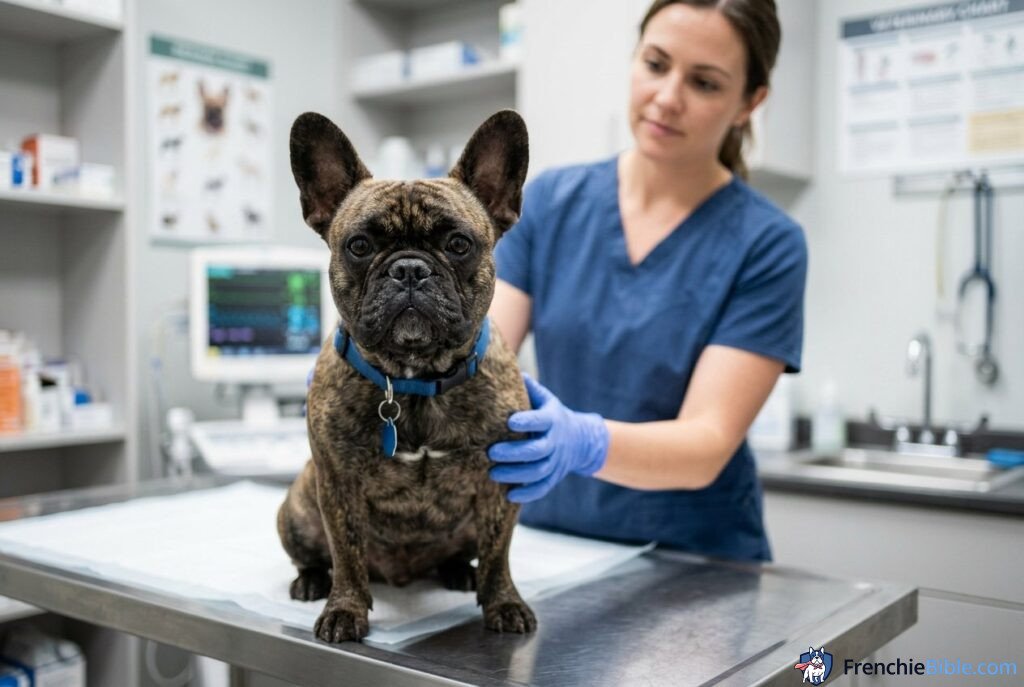
as a French Bulldog expert and breeder and experienced breeding consultant, I have spent years observing the unique physiological and genetic quirks of this beloved breed. While their bat ears and comical personalities win our hearts, their genetic predisposition to a host of health issues often tests our patience and our wallets. Among the most frustrating, chronic, and misunderstood conditions plaguing French Bulldogs are adverse food reactions—commonly known as food allergies.
I have seen countless Frenchie owners walk into my breeding program exhausted, carrying a dog that is endlessly scratching, gnawing at its paws, suffering from chronic, foul-smelling ear infections, or dealing with continuous, unpredictable gastrointestinal distress. Often, these owners have spent thousands of dollars on temporary fixes: steroid injections, antibiotics, medicated shampoos, expensive “boutique” kibbles, and unregulated supplements. Yet, the relief is always fleeting. The itching returns, the diarrhea comes back, and the cycle of frustration continues.
Related Reading: Training & Behavior | Frenchie Puppy Guide | Best Food for Frenchies
If this scenario sounds intimately familiar to you, it is time to pivot away from treating the symptoms and start hunting for the root cause. It is time to talk about the absolute gold standard in veterinary dermatology and gastroenterology for diagnosing and managing food allergies in dogs: The Strict Elimination Diet.
This extensively detailed, 3000+ word guide is specifically tailored for French Bulldog owners. It is designed to walk you through the exact, uncompromising 8-week protocol I utilize in my years of breeding practice to accurately identify and isolate food allergens. We will dive deep into the immunology behind food allergies, demystify the difference between allergies and intolerances, learn how to execute a flawless, mistake-free elimination trial, and discover how to construct a long-term nutritional plan that sets your Frenchie up for a lifetime of health, comfort, and vitality.
1. Introduction: The French Bulldog Allergy Epidemic
Before we can effectively implement an elimination diet, we must first understand why the French Bulldog is so exceptionally susceptible to allergies, and how dietary components play a central, often devastating, role in their immune response.
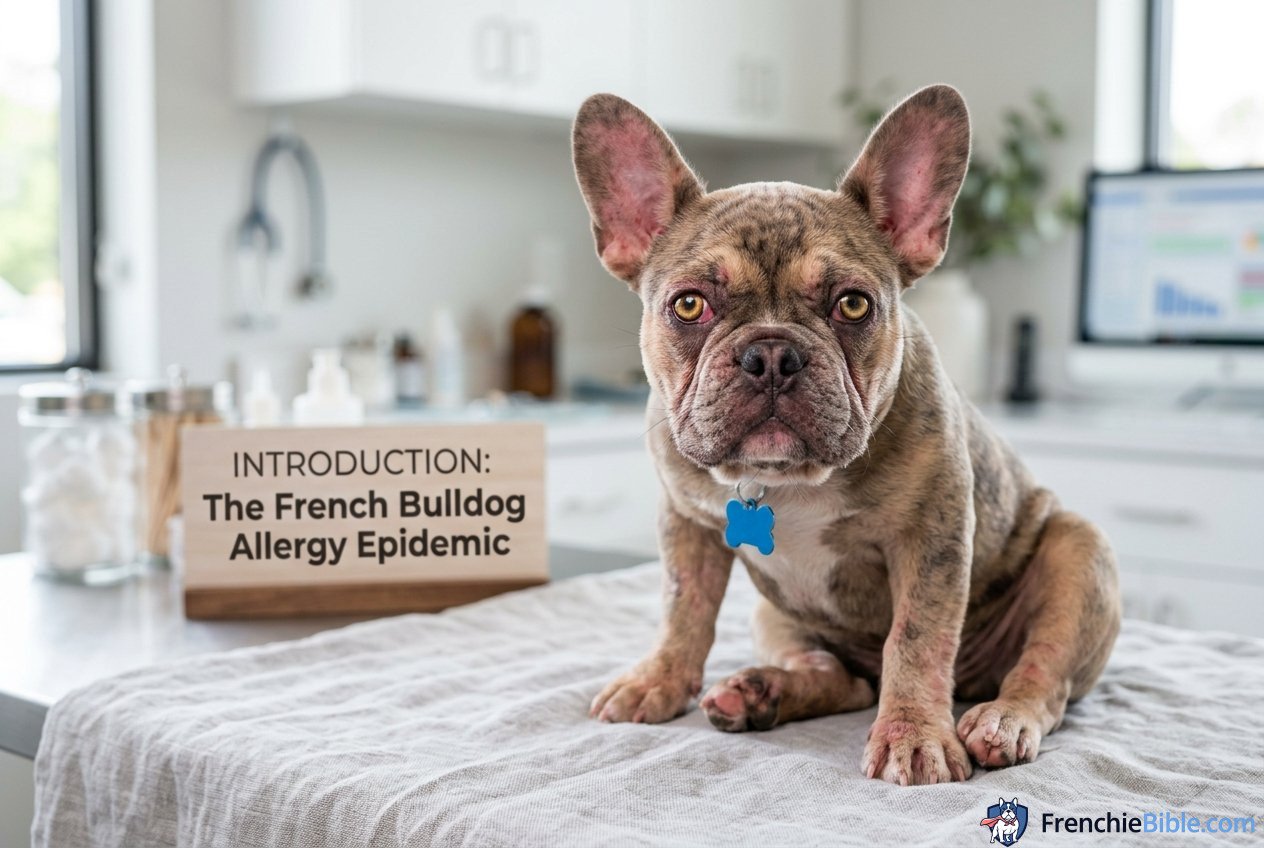
1.1 The Genetic Predisposition and the Immune System
The modern French Bulldog is the product of generations of highly selective breeding focused heavily on specific morphological traits—the brachycephalic (flat) face, the compact body, the lack of a tail. Unfortunately, this intense selection has inadvertently bottlenecked their gene pool, bringing certain immunologic vulnerabilities to the forefront of the breed’s profile. Atopic dermatitis (allergic reactions to environmental factors like pollen, dust mites, and mold) and adverse food reactions are now incredibly common.
To understand a food allergy, you must understand the immune system. In a healthy dog, the gastrointestinal tract and the immune system work in harmony. The digestive system breaks down food into basic amino acids and simple sugars, and the immune system recognizes these microscopic components as harmless, necessary nutrients.
However, in a French Bulldog with a genetic predisposition to food allergies, this system malfunctions. The immune system’s sentinel cells in the gut mistakenly identify a specific, normal dietary protein (most commonly a complex meat protein or, less frequently, a carbohydrate) as a dangerous, invading pathogen.
This misidentification triggers a massive, systemic inflammatory cascade. The body begins producing specific antibodies (IgE) against the food protein. When the dog eats that food again, these antibodies bind to mast cells, causing them to degranulate and release a flood of histamine and other inflammatory mediators into the bloodstream. This internal chemical warfare is what causes the miserable, outward symptoms you see in your dog.
1.2 Distinguishing Food Allergies from Food Intolerances
In veterinary medicine, it is absolutely vital to distinguish between a true food allergy and a food intolerance, as the mechanisms, symptoms, and long-term management strategies differ, even though they are frequently confused by pet owners.
- A True Food Allergy (Hypersensitivity): This is a strictly immunological response. The body’s immune system actively attacks a protein. Because it involves the immune system, the symptoms are primarily, though not exclusively, dermatological (itchy skin, inflamed paws, chronic ear infections). Crucially, because it is an immune response, even a microscopic, trace amount of the offending allergen can trigger a massive, full-blown allergic reaction. This is why cross-contamination in dog food factories is such a significant issue.
- A Food Intolerance: This is a non-immunological digestive response. It means the dog’s digestive tract simply lacks the necessary enzymes or mechanisms to properly break down and process a certain ingredient. The classic human equivalent is lactose intolerance, where the body lacks the lactase enzyme. Symptoms of a food intolerance are almost exclusively gastrointestinal (vomiting, diarrhea, severe flatulence, bloating) and do not involve the skin. The severity of an intolerance is often dose-dependent; a tiny crumb might not cause an issue, but a full bowl will cause diarrhea.
An elimination diet is the only definitive, scientifically proven way to diagnose both conditions, but its primary, most rigorous design is to pinpoint the exact protein triggering an immunological food allergy.
2. Recognizing the Signs: Does Your Frenchie Need an Elimination Diet?
How do you know if the kibble in your dog’s bowl is the actual culprit? Food allergy symptoms in French Bulldogs often brilliantly mimic environmental allergies, making visual diagnosis nearly impossible. However, there are hallmark signs and specific patterns of illness that strongly suggest to a veterinarian that it’s time to initiate a food trial.

2.1 Persistent Dermatological Symptoms (The “Itchy Dog” Syndrome)
The skin is the body’s largest organ and is often the very first place internal, systemic inflammation manifests. If your Frenchie exhibits chronic, non-seasonal itching, food must be suspected. Look for these specific dermatological clues:
- Pododermatitis (Paw Licking and Chewing): This is a classic, almost pathognomonic sign. If your Frenchie obsessively licks or chews their paws until the fur turns a rusty, reddish-brown color (this staining is caused by porphyrins naturally present in dog saliva) or the skin between the paw pads becomes bright red, swollen, and prone to cysts, food allergies are a primary suspect.
- Facial Rubbing and Fold Pyoderma: French Bulldogs frequently drag their faces along the carpet, rub their muzzles vigorously against furniture, or use their paws to scratch their faces. The deep facial wrinkles and tail pockets of a Frenchie are naturally dark, warm, and moist—perfect breeding grounds for yeast and bacteria. However, underlying food allergies cause microscopic skin inflammation that destroys the skin’s natural barrier, allowing these secondary yeast (Malassezia) and bacterial (Staphylococcus) infections to run rampant. If your dog has constant facial fold infections despite regular cleaning, suspect food allergies.
- Ventral Erythema (Belly and Groin Rash): Look at the sparsely haired areas of your dog’s body—the armpits (axillae), the groin (inguinal region), and the lower abdomen. Red, intensely inflamed, and itchy skin in these areas is a strong indicator of allergic dermatitis.
- Perianal Pruritus (The “Scooting” Dog): Scooting their rear end across the floor or engaging in intense, obsessive licking of the perianal area. While this behavior can simply indicate full or impacted anal glands, recurrent anal gland inflammation and chronic anal gland impactions are very frequently driven by the systemic inflammation associated with food allergies causing swelling of the glandular ducts.
2.2 Chronic Gastrointestinal Distress
While Frenchies are notoriously known for having sensitive stomachs, chronic, unrelenting GI issues should never be accepted as “normal for the breed.”
- Severe, Chronic Flatulence: While some occasional gas is expected, room-clearing, constant, sulfurous flatulence indicates abnormal fermentation in the gut, poor digestion, and possible dietary intolerance or allergic inflammation of the bowel walls.
- Abnormal Stool Quality: If your Frenchie rarely has firm, well-formed, easily pick-up-able stools, their diet is highly likely the cause. Chronic soft stools, mucous-coated stools, or intermittent diarrhea are major red flags.
- Intermittent Vomiting: Frequent regurgitation, vomiting yellow bile early in the morning (bilious vomiting syndrome), or throwing up undigested food several hours after eating indicates gastric motility issues often tied to dietary incompatibility.
- Increased Defecation Frequency: A healthy dog typically has 1 to 3 bowel movements per day. Going to the bathroom 4, 5, or 6 times a day can indicate severe malabsorption and accelerated intestinal transit time due to chronic dietary inflammation.
2.3 The “Allergy Triad”: Ears, Paws, and Rear
In veterinary dermatology, we frequently refer to the “Allergy Triad.” If your Frenchie suffers from the simultaneous combination of:
1. Recurrent, stubborn ear infections (otitis externa, particularly bilateral yeast infections),
2. Chronically itchy, inflamed paws, and
3. Recurrent anal gland issues,
There is an exceptionally high, undeniable probability that an adverse food reaction is the foundational root cause driving all three distinct problems.
3. What Exactly is an Elimination Diet?
An elimination diet—referred to formally in veterinary literature as a dietary restriction-provocation trial—is a diagnostic medical tool. It is not simply a trendy feeding method, a new brand of kibble, or a casual attempt to “change things up.”

It is a strict, highly controlled, systematic process of completely removing all currently and previously fed ingredients from the dog’s physiological environment and replacing them with a highly specific, restricted diet consisting of a completely novel (new) protein and carbohydrate source that the dog’s immune system has absolutely no prior memory of encountering.
The physiological goal is to literally “reset” the dog’s immune system by starving it of the specific antigens (proteins) that are triggering the inflammatory cascade. Once the offending proteins are removed, the inflammation subsides, the skin barrier repairs itself, the gut lining heals, and the symptoms resolve.
Once clinical resolution is achieved (the dog stops itching and their stool is perfect), you systematically and purposefully reintroduce the old ingredients one by one (this is called the “Challenge Phase”) to definitively identify the exact molecular culprit causing the immune response.
3.1 The Inconvenient Truth: Why Blood and Saliva Allergy Tests Are Worthless
as a French Bulldog expert and breeder, one of the most common questions I get from exhausted owners is, “Doc, can’t we just draw some blood or swab their cheek and send it to a lab for an allergy test?”
My professional, science-backed answer is a resounding, definitive no. You must save your money.
As of the current veterinary dermatological and immunological scientific consensus, commercial blood (IgE/IgG serum) and saliva tests for diagnosing canine food allergies are notoriously, dangerously inaccurate. Peer-reviewed studies have repeatedly shown that these tests have unacceptably high rates of false positives (identifying a safe food as an allergen) and false negatives (identifying a dangerous food as safe).
In controlled studies, these commercial tests have reported that plain tap water and stuffed animal fur were highly allergenic to dogs. Conversely, I have seen dogs test completely “safe” for chicken on a blood test, only to have that same dog go into severe anaphylactic shock or develop raw, bleeding hot spots within hours of eating a piece of boiled chicken breast.
These tests measure circulating antibodies or localized inflammatory markers that simply do not correlate accurately with the complex, localized immune response happening in the dog’s gut or skin. The only gold standard, definitively proven, academically accepted diagnostic method for food allergies in dogs is a strictly controlled 8-week elimination diet trial followed by dietary provocation. Do not waste your financial resources on commercial allergy testing kits; invest that money, time, and emotional effort into executing a proper, flawless food trial.
4. The Ironclad, Non-Negotiable Rules of the Elimination Diet
Before embarking on this 8-week journey, you must accept a fundamental truth: an elimination diet requires 100.0% compliance. A score of 99% is a failing grade.

Because we are dealing with an immunological response, a single crumb of an allergen, a dropped piece of cheese, or one flavored medication pill is enough to completely reactivate the immune cascade, causing massive inflammation and instantly ruining weeks of hard work and progress. You must treat the trial diet as a strict medical prescription.
Here are the non-negotiable rules you must enforce for the next 8 to 12 weeks:
- Zero Commercial Treats: No commercial dog biscuits, no dental chews (Greenies, Whimzees, etc.), no bully sticks, no pig ears, no rawhide, no yak cheese chews. Nothing. If you absolutely must use treats for training or reward purposes, you have only two options: Use a portion of their allotted daily trial kibble as treats, or use a pure, single-ingredient freeze-dried treat that perfectly matches the trial protein (e.g., if you are doing a strict rabbit diet, you may only use 100% freeze-dried rabbit lung or liver, provided it is verified to be processed in a facility with no cross-contamination).
- Absolute Zero Table Scraps: Absolutely no human food can pass your dog’s lips. No dropping a piece of cheese while cooking, no letting them lick the yogurt spoon, no “just a little bit of plain chicken breast,” no sharing pizza crusts.
- Audit All Medications and Supplements: This is the most common point of failure. You must meticulously audit every single pill, powder, and liquid your dog ingests.
- Heartworm Preventatives: Monthly preventatives (like Heartgard Plus, Tri-Heart) are almost always made with real beef or pork protein to make them palatable. You must consult your veterinarian to switch to an unflavored topical preventative (like Revolution or Advantage Multi) or a non-flavored pill (like Interceptor, though you must verify the specific formulation) for the duration of the trial.
- Flea/Tick Preventatives: Nexgard, Simparica, and Bravecto chews are highly flavored (usually beef or pork liver). Switch to topical equivalents.
- Joint Supplements/Probiotics: Most joint chews (Cosequin, Dasuquin) and probiotic powders contain poultry liver flavoring, beef digest, or fish meal. Stop all non-essential oral supplements during the trial.
- Beware of Flavored Toothpaste: Stop using poultry, malt, or beef-flavored enzymatic dog toothpaste immediately. You must use a specifically formulated hypoallergenic or unflavored option, or simply brush their teeth with warm water temporarily to maintain mechanical plaque removal without introducing allergens.
- Control the Immediate Environment: You must practice rigorous environmental management. Ensure your Frenchie absolutely cannot access the cat’s food or litter box (cat feces contain undigested proteins). They must not have access to other dogs’ food bowls in the house. On walks, you must be hyper-vigilant to prevent them from scavenging discarded food, garbage, or animal carcasses. Keep the kitchen garbage securely locked away.
- Total Family Alignment: Every single person residing in or visiting the household—spouses, children, grandparents, roommates, dog walkers, and guests—must be strictly briefed on the critical importance of these rules. One well-meaning grandmother slipping the dog a piece of turkey under the table at week 6 will invalidate the entire diagnostic process.
5. Choosing Your Weapon: Novel Protein vs. Hydrolyzed Protein Diets
You have two scientifically valid paths when selecting the specific food used for your 8-week trial: a Novel Protein Diet or a Hydrolyzed Protein Diet.
5.1 Option 1: The Novel Protein Diet
A novel protein is defined as a specific meat or carbohydrate source that your French Bulldog has never ingested before in their entire life. Because the dog’s immune system has absolutely no prior exposure or memory of this specific protein structure, it cannot theoretically mount an allergic attack against it.
In North America and Europe, the most common canine food allergens mirror the most common ingredients used in commercial dog foods over the last 50 years: Beef, Dairy, Chicken, Wheat, Soy, and Lamb. (Yes, lamb is no longer considered “hypoallergenic” as it has been heavily utilized in dog food since the 1990s).
Examples of True Novel Proteins:
- Venison (Deer)
- Rabbit
- Kangaroo
- Duck (Must be used with extreme caution. Due to phylogenetic similarities, dogs highly allergic to chicken often cross-react to duck and turkey).
- Alligator
- Ostrich
- Pork (Only valid if the dog has never had pork-based treats, bacon, or pork-flavored medications).
The Reality and Risks of Novel Proteins:
While the concept is sound, executing a novel protein trial using Over-The-Counter (OTC) commercial dog food is incredibly risky and frequently fails.
Why? Cross-contamination.
Pet food manufacturing plants use massive vats and extruders to produce thousands of tons of food. A commercial pet food company may run a batch of “Limited Ingredient Salmon” kibble immediately after running a 10-ton batch of “Chicken and Rice” kibble through the exact same machinery.
Peer-reviewed veterinary studies using DNA testing have repeatedly found that over 70% of OTC “limited ingredient” or “hypoallergenic” diets contain significant, undeclared trace amounts of proteins (usually chicken, beef, or soy) not listed on the ingredient label. For a highly allergic Frenchie, this microscopic cross-contamination is enough to keep the allergic reaction raging, causing you to falsely conclude the trial failed.
Therefore, if you choose the Novel Protein route, you must use a strict veterinary prescription novel protein diet (such as Royal Canin Selected Protein PR/PD, or Hill’s Prescription Diet d/d) because these veterinary diets are manufactured on dedicated, sanitized lines with rigorous DNA testing to guarantee zero cross-contamination. Alternatively, you can feed a precisely formulated home-cooked diet under the strict supervision of a veterinary nutritionist.
5.2 Option 2: The Hydrolyzed Protein Diet (The Gold Standard)
as a French Bulldog expert and breeder handling complex dermatology cases, the Hydrolyzed Protein diet is my preferred, most reliable method for conducting an elimination trial.
A hydrolyzed diet takes a conventional, highly allergenic protein source (like chicken feathers, chicken liver, or soy) and uses a complex chemical process involving water and enzymes to essentially pre-digest it. This process breaks the long, complex protein chains down into microscopic, individual amino acid fragments (measured in daltons).
These resulting fragments are so incredibly small that they bypass the immune system’s detection capabilities. The immune system’s sentinels literally cannot recognize these tiny fragments as the original allergenic protein, and therefore, they do not trigger an inflammatory response. The immune system is effectively “blindfolded.”
Top Tier Examples of Hydrolyzed Diets:
- Royal Canin Ultamino: The protein source is broken down so extensively (to the amino acid level) that it is virtually impossible for a dog to react to it. It is the ultimate diagnostic tool.
- Royal Canin Hydrolyzed Protein (HP): Uses hydrolyzed soy.
- Hill’s Prescription Diet z/d: Uses highly hydrolyzed chicken liver.
- Purina Pro Plan Veterinary Diets HA: Uses hydrolyzed vegetarian protein sources.
Pros of Hydrolyzed Diets:
- The most scientifically reliable way to guarantee absolute zero allergic immunological response.
- Eliminates the stressful need to hunt through your dog’s history to find a bizarre, obscure meat source they have never eaten.
- Manufactured under the strictest pharmaceutical-grade conditions on dedicated lines to absolutely guarantee zero cross-contamination.
Cons of Hydrolyzed Diets:
- Strictly requires a veterinary prescription.
- They are significantly more expensive than standard commercial diets.
- Due to the enzymatic breakdown process, they can have a bitter or unusual taste. Some stubborn Frenchies may initially refuse to eat them, requiring a slow, patient transition.
6. The 8-Week Elimination Diet Protocol: Step-by-Step Execution
Commit to this precise timeline. Healing a chronically inflamed gut lining and calming a hyperactive, enraged immune system is a biological process that takes significant time. Epidermal (skin) cells take roughly 21 to 30 days to completely turn over and regenerate from the basal layer to the surface. Therefore, you physiologically cannot see instant dermatological results. Patience, strict adherence, and meticulous record-keeping are your greatest tools.
6.1 Week 1: The Critical Transition Phase
Do not ever switch your French Bulldog’s food “cold turkey.” Brachycephalic breeds, and Frenchies in particular, are known for having highly sensitive gastrointestinal tracts. A sudden, abrupt change in macronutrient profiles will almost certainly induce osmotic diarrhea and GI upset. This will confuse the results of your trial—is the diarrhea from an allergy to the new food, or just from the sudden switch?
Follow this strict 7-day transition protocol:
- Days 1-2: 75% Old Food / 25% New Trial Diet
- Days 3-4: 50% Old Food / 50% New Trial Diet
- Days 5-6: 25% Old Food / 75% New Trial Diet
- Day 7 onwards: 100% New Trial Diet.
The trial officially begins on Day 7 when the dog is consuming exclusively the new diet.
Veterinary Troubleshooting Tip: If your Frenchie acts like a typical stubborn bulldog and refuses the new hydrolyzed food, do not panic and do not ruin the trial by adding tasty toppers like broth or cheese. Instead, try warming the wet/canned version of the prescription diet slightly in the microwave (check for hot spots) to enhance the olfactory profile (smell is a primary driver of canine appetite). Alternatively, soak the dry kibble in warm water for 15 minutes before serving to create a gravy-like consistency.
6.2 Weeks 2 to 6: The Strict Trial Period (The Waiting Game)
This is the psychological crux of the trial. For the next five weeks, your dog’s entire world of intake consists of nothing but the prescribed diet and fresh water.
What You Must Monitor During Weeks 2-6:
You must become an objective scientist. Keep a daily written or digital journal. Note the following parameters every evening on a strict scale of 1 to 10 (1 being perfectly normal, 10 being severe distress):
- Pruritus Score: Intensity and frequency of scratching the body, chewing paws, or rubbing the face.
- Erythema Score: Visual redness and inflammation of the paw pads, inner ear flaps (pinnae), belly, and groin.
- Fecal Scoring: Quality of the stool using a standard fecal chart (firmness, volume, frequency, presence of mucus or blood).
- GI Symptoms: Frequency of flatulence, burping, or regurgitation.
The Biological Timeline of Healing:
- Weeks 2-3: Do not expect a miracle cure for the skin yet. However, if your dog suffered from primary gastrointestinal symptoms (diarrhea, gas), you should begin to see marked improvement here. Stools should begin to firm up and become more regular, and the room-clearing gas should significantly diminish as the gut inflammation subsides.
- Weeks 4-5: The skin cells are finally turning over. You should begin noticing a gradual, undeniable reduction in the intensity of the itching (pruritus). The skin of the belly and paws should start transitioning from angry, bright red to a calmer, pale pink. If your dog had recurrent ear infections, the ears (provided they were properly treated topically by your vet initially) should remain clean, odor-free, and non-inflamed.
- Week 6: By the culmination of week 6, if an immunological food allergy was indeed the primary culprit driving the clinical signs, you should observe an 80% to 100% resolution of your Frenchie’s symptoms. The dog should be comfortable, sleeping through the night without scratching, and producing perfect stools.
Crucial Clinical Caveat: If you reach the absolute end of week 6, have maintained 100% strict compliance, and there is absolutely zero improvement in the dog’s itching or skin condition, it is highly scientifically probable that your Frenchie does not have a food allergy. They likely suffer from Atopic Dermatitis (environmental allergies to pollens, dust mites, etc.), or a combination of complex diseases. At this juncture, you must consult your veterinary dermatologist to discuss intradermal allergy testing for environmental factors and the implementation of advanced systemic immunomodulatory medications like Apoquel (oclacitinib) or Cytopoint (lokivetmab injections).
6.3 Week 7: The Challenge Phase (The Moment of Diagnostic Truth)
Many owners reach week 6, see their dog finally cured, and refuse to proceed further. They are terrified of causing a relapse and choose to keep the dog on the expensive prescription diet forever.
While keeping them on a hydrolyzed diet long-term is medically safe, it is extremely expensive, limits your dog’s future treatment options (if they develop other diseases requiring specific diets), and fundamentally means you have only proven the dog has a food allergy, but you haven’t diagnosed what they are allergic to. To complete the medical diagnosis, you must perform the Provocation/Challenge Phase.
How to Execute the Challenge:
1. Maintain the dog strictly on the safe elimination diet as the foundational caloric base.
2. Introduce one pure, single, specific ingredient at a time. The most logical place to start is the primary protein source they were eating before the trial began (e.g., Chicken).
3. Add a small amount (about a tablespoon for a Frenchie) of pure, plain, boiled chicken breast (no skin, no bones, no seasoning) to their daily trial diet. Do this every day for up to 14 days.
Watching for the Immunological Reaction:
If your dog’s immune system is indeed allergic to chicken, the reintroduction of the antigen will cause the symptoms (itching, red paws, facial rubbing, or explosive diarrhea) to return with a vengeance. This reaction usually occurs rapidly, within 24 to 72 hours, but can sometimes take up to 7-10 days of continuous feeding to trigger the threshold.
- If a severe reaction occurs: Stop feeding the chicken immediately. You have now definitively, medically diagnosed a chicken allergy. Return the dog strictly to 100% elimination diet. You must wait for the symptoms to completely resolve again (this “washout period” usually takes 1 to 2 weeks) before testing anything else.
- If NO reaction occurs after 14 days of continuous chicken feeding: Congratulations, chicken is scientifically proven to be safe! You can officially add it to their lifelong “approved” list.
6.4 Week 8 and Beyond: Continued Provocation and Long-Term Nutritional Planning
Once the dog is completely stable and symptom-free again following the first challenge (whether it was a pass or fail), you methodically move on to testing the next suspect ingredient.
The Systematic Testing Sequence:
You must test one single ingredient at a time, allowing a full 7-14 days per ingredient, with a mandatory “washout” period on the strict elimination diet between any failed challenges to allow the immune system to calm down.
A standard veterinary challenge sequence to identify common allergens looks like this:
1. Chicken (Boiled breast)
2. Beef (Boiled lean ground beef)
3. Dairy (A spoonful of plain, unflavored Greek yogurt or low-fat cottage cheese)
4. Wheat (Plain cooked pasta or plain white bread)
5. Eggs (Boiled or scrambled, no oil)
6. Soy (Tofu)
7. Lamb
Building the Lifetime Blueprint:
Through this meticulous, patient, scientific process, you will eventually create two definitive, lifelong lists for your French Bulldog: The “Safe List” and The “Toxic List.”
Once you know exactly, at a molecular level, what your Frenchie can and cannot tolerate, you can confidently and safely transition them off the expensive prescription diagnostic diet. You can now navigate the pet store with confidence, selecting a high-quality commercial diet—or formulating a balanced home-cooked diet with a nutritionist—that relies exclusively on ingredients from their “Safe List.”
7. The Most Common Pitfalls That Ruin Elimination Diets
as a French Bulldog expert and breeder, I see elimination diets fail in my breeding program constantly. I can assure you, it is almost never a failure of the physiological concept of the diet; it is almost always user error or a breakdown in compliance. Avoid these disastrous traps:
- The “Limited Ingredient” OTC Trap: The single biggest mistake is going to a big-box pet store, buying a bag of “Grain-Free Salmon and Sweet Potato” kibble, and assuming you are doing an elimination diet. As discussed in Section 5, over-the-counter foods are heavily contaminated during the manufacturing process. A bag of salmon kibble may contain enough microscopic chicken fat from the previous manufacturing run to keep your highly allergic Frenchie itching endlessly. You must use pharmaceutical-grade veterinary prescription diets or tightly controlled, pure home-cooked meals for the diagnostic phase.
- The Empathy Cheat: Giving in to those sad, big Frenchie eyes. “It’s just one tiny piece of crust,” or “Just one french fry won’t hurt.” In an immunological trial, a crumb is the same as a steak. The immune system detects the antigen and fires the cannons, completely resetting the 8-week inflammatory clock. You must be strong.
- Impatience and Premature Abandonment: Stopping the trial at week 3 or 4 because “it’s not working, he’s still itching.” Dermal healing is slow. The inflammation deep in the skin layers takes a minimum of a month to clear out. Some severe, chronic cases require 10 to 12 weeks on the strict diet before absolute, full resolution is visually apparent. Stick to the absolute minimum 8-week timeline.
- The Hidden Pill Allergen: Completely forgetting that the monthly heartworm chewable or the daily joint supplement tastes like beef because it is made with actual beef or pork liver digest. This is a massive, incredibly common source of continuous allergen exposure.
- Changing Multiple Variables Simultaneously: Starting an elimination diet on the exact same day you start a powerful new anti-itch medication (like Apoquel) or begin bathing the dog with a new prescription chlorhexidine shampoo. Fast forward four weeks: the dog is 100% better. But why? Was it the food, the expensive pills, or the shampoo? You have no idea, rendering the diagnostic diet useless. You must change one physiological variable at a time to get clear scientific data.
8. When to Seek the Expertise of a Board-Certified Veterinary Nutritionist
While a highly dedicated owner can successfully manage a standard hydrolyzed food trial under the guidance of a knowledgeable primary care veterinarian, there are specific scenarios where bringing in a Board-Certified Veterinary Nutritionist (DACVN) is not just helpful, but medically necessary for the safety of your French Bulldog:
- Executing Home-Cooked Trials: If you philosophically refuse to use processed prescription kibble or canned food and insist on cooking a novel protein diet (like Kangaroo, Quinoa, and Safflower oil) yourself, you absolutely must have a DACVN formulate the recipe. Long-term (more than 4 weeks) feeding of unbalanced home diets—often lacking essential trace minerals like zinc, copper, or the correct calcium/phosphorus ratio—can cause irreversible, fatal heart conditions (like dilated cardiomyopathy), severe bone density loss, and devastating neurological issues. A recipe you found on a popular blog is not a medically safe long-term diet.
- The “Allergic to Everything” Dog: If your Frenchie fails the challenge phase for almost every single protein and carbohydrate you test, leaving them with nothing safe to eat commercially, a veterinary nutritionist can help formulate highly customized, ultra-restricted, biochemically balanced diets to maintain long-term nutritional adequacy without triggering the immune system.
- Growing Puppies: The nutritional requirements of a growing puppy are vastly different and significantly more rigid than an adult dog. They require precise, strict calcium-to-phosphorus ratios for proper bone development. Placing a 4-month-old, actively growing Frenchie puppy on an unbalanced, restricted elimination diet can cause permanent, crippling skeletal deformities. Always consult a specialist before significantly altering a puppy’s nutritional intake.
9. Frequently Asked Questions (FAQs) About Frenchie Elimination Diets
Q: Can I just feed a raw meat diet instead of doing a complicated elimination diet?
A: Absolutely not. This is a dangerous misconception. A raw diet is not inherently hypoallergenic. The physical state of the protein (raw vs. cooked) does not change its basic molecular structure enough to evade the immune system. If your French Bulldog’s immune system is allergic to chicken protein, they will be violently allergic to raw chicken just as much as baked chicken. Furthermore, raw diets carry immense, scientifically documented risks of severe bacterial contamination (Salmonella, Listeria, E. coli), which is especially dangerous to introduce into the gut of a dog already suffering from severe gastrointestinal inflammation and a compromised immune barrier.
Q: My Frenchie’s expensive blood allergy test stated they are highly allergic to venison, but they have literally never eaten venison in their life. How is that scientifically possible?
A: This perfectly highlights the severe inaccuracy and unreliability of serum (blood) and saliva allergy testing in veterinary medicine. These tests frequently generate massive false positives due to a phenomenon called cross-reactivity. The antibodies in the blood test are reacting to a protein structure that looks similar to venison, perhaps a completely harmless environmental pollen or a different dietary protein. This is precisely why board-certified dermatologists rely exclusively on the elimination diet—it measures the actual, real-world clinical response of the dog’s body, not a flawed laboratory antibody assay.
Q: Are expensive grain-free diets better for French Bulldogs with skin allergies?
A: This is perhaps the most pervasive and harmful myth in pet nutrition. True, documented grain allergies (allergies specifically to wheat, corn, or rice) are actually exceptionally rare in dogs, accounting for less than 5% of all food allergy cases. The vast, overwhelming majority (over 85%) of canine food allergies are reactions to complex animal meat proteins: Beef, Dairy, and Chicken. Switching a scratching Frenchie from a “Chicken and Rice” kibble to a boutique “Grain-Free Chicken and Pea” kibble will do absolutely zero to stop the allergic reaction, because the chicken allergen is still present. Furthermore, the FDA is currently heavily investigating boutique grain-free diets that rely heavily on legumes (peas, lentils, chickpeas) for a strong potential link to causing Dilated Cardiomyopathy (DCM), a fatal heart disease.
Q: Can a dog suddenly, out of nowhere, develop a severe food allergy to a food they’ve happily eaten for years?
A: Yes, absolutely. In fact, this is the most common clinical presentation. Food allergies are rarely instantaneous. They typically develop slowly over months or years as the dog’s immune system is repeatedly, constantly exposed to the exact same protein molecule day after day. The immune system slowly becomes sensitized until it finally hits a threshold and begins attacking. It is incredibly common for a 4-year-old Frenchie to suddenly develop blistering hot spots and chronic diarrhea from the exact same brand of chicken kibble they have safely eaten since they were an 8-week-old puppy.
Q: Let’s be honest, how much is this elimination diet process going to cost me?
A: The upfront diagnostic phase—the 8 to 12 weeks of strict feeding—can be a financial shock. Veterinary prescription hydrolyzed diets are significantly more expensive than standard pet store kibble. A large bag can easily cost over $100. However, you must consider this a vital medical investment. Finding the true, specific allergen through an elimination diet will save you tens of thousands of dollars over the dog’s lifetime by completely eliminating the constant, desperate veterinary visits, the endless rounds of costly antibiotics for secondary skin and ear infections, the expensive monthly anti-itch injections (Cytopoint), and the chronic use of immune-suppressing steroids that damage the liver over time.
10. Conclusion: Taking Back Control of Your Frenchie’s Health
Diagnosing and effectively managing a food allergy in a French Bulldog is not a quick fix, and it is not an overnight process. It is a rigorous scientific undertaking that requires unwavering diligence, strict discipline, mental fortitude, and immense patience from the entire family.
The 8-week elimination diet is demanding, frustrating, and tedious. However, it is also the most deeply rewarding medical journey you can undertake with your dog. By systematically, scientifically identifying and completely eliminating the offending allergens from their environment, you are not just putting a temporary band-aid on their symptoms; you are fundamentally curing the underlying biological cause of your dog’s intense suffering.
as a French Bulldog expert and breeder and a passionate advocate for the French Bulldog breed, I promise you that the significant effort is absolutely worth it. Watching a Frenchie transition from a miserable, exhausted, chronically inflamed, and itchy state into a happy, comfortable, vibrant, and energetic dog—simply by meticulously changing what goes into their food bowl—is one of the most profoundly satisfying transformations in veterinary medicine.
Commit to the process. Enforce the ironclad rules. Trust the science. If you do, you have the power to give your French Bulldog the ultimate gift: a long, comfortable, completely itch-free life.
Disclaimer: We are not veterinarians and do not hold veterinary medical licenses. The information provided in this article is based on years of breeding and daily care experience and is for educational purposes only. It should not replace professional veterinary advice. Always consult with a licensed veterinarian if you have concerns about your French Bulldog’s health or before starting any new treatment.