Introduction
as a French Bulldog expert and breeder and breeding expert, I often encounter distressed owners bringing in their beloved Frenchies suffering from relentless scratching, red, inflamed skin, and hair loss. French Bulldogs are undeniably one of the most endearing and popular breeds worldwide, known for their affectionate nature and iconic bat ears. However, their unique physical characteristics and genetic makeup also make them highly susceptible to a variety of dermatological issues.
When your Frenchie is suffering from skin irritation, it can be heartbreaking to watch. The constant itching not only affects their quality of life but can also lead to secondary bacterial and fungal infections. In the quest for relief, many owners seek out natural, gentle, and holistic approaches to soothe their dog’s irritated skin before resorting to heavy medications like corticosteroids or antibiotics. Two of the most commonly discussed natural remedies in the canine wellness community are coconut oil and oatmeal baths.
Related Reading: Training & Behavior | Frenchie Puppy Guide | Best Food for Frenchies
But do they actually work? Are they safe for your Frenchie’s sensitive skin? And what is the scientific basis behind these popular home remedies?
In this comprehensive guide, we will delve deep into the science, the practical applications, and the potential pitfalls of using coconut oil and oatmeal baths for your French Bulldog’s skin. We will explore how these natural treatments can be integrated into a holistic skin care regimen, when they are appropriate, and when it’s absolutely crucial to seek professional medical intervention. Whether you’re dealing with seasonal allergies, environmental sensitivities, or occasional dry skin, this article will equip you with the knowledge to make informed decisions about your Frenchie’s dermatological health.
Understanding French Bulldog Skin Issues
To fully appreciate how natural remedies can help, it is essential first to understand why French Bulldogs are so prone to skin problems. Their charming physical attributes often come with hidden health costs.
Why Are French Bulldogs Prone to Skin Problems?
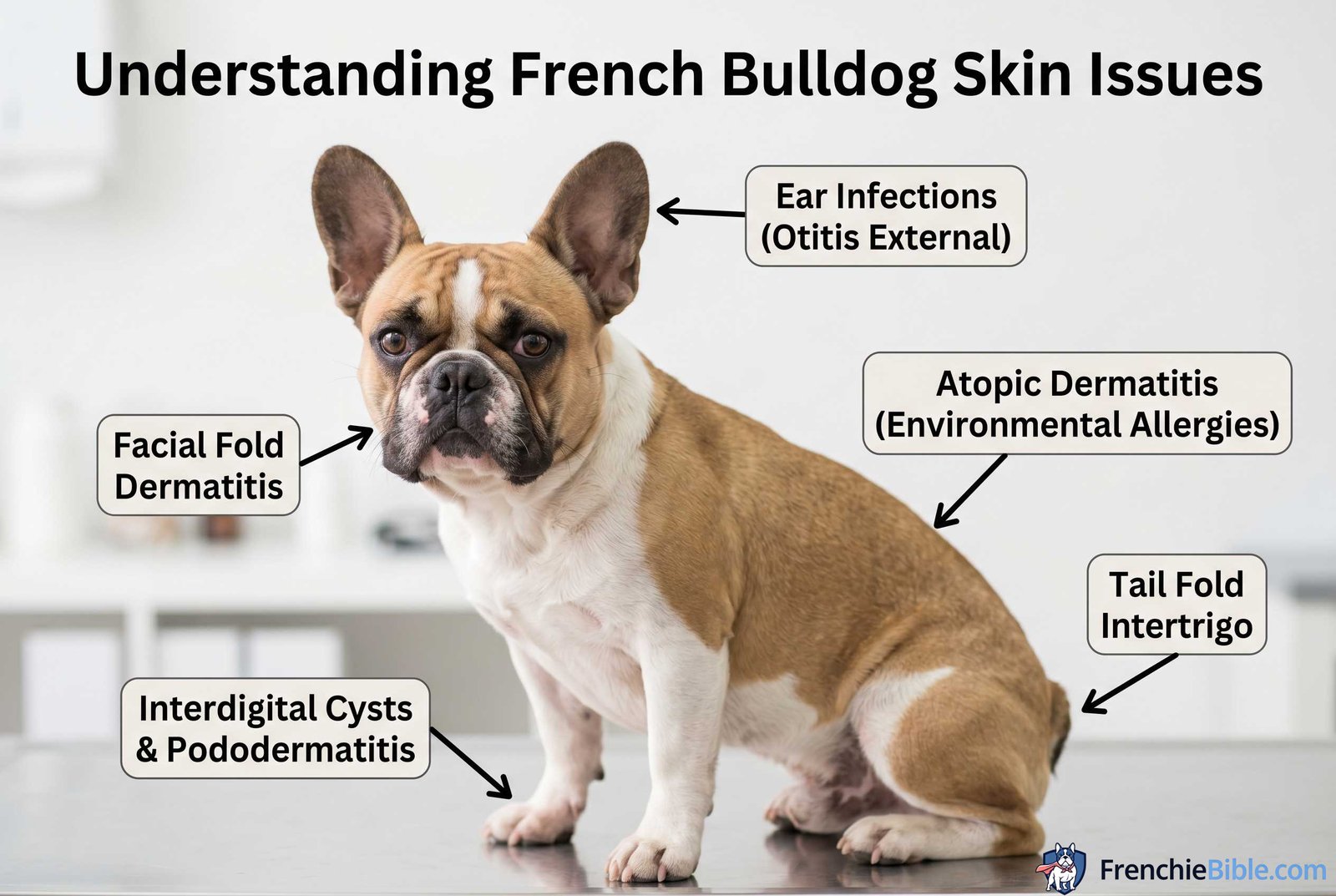
The French Bulldog’s predisposition to skin issues stems from a combination of genetic factors, anatomical structure, and immune system characteristics.
- Skin Folds and Wrinkles: The adorable wrinkles that define the French Bulldog’s face, neck, and tail base are prime real estate for skin problems. These deep folds trap moisture, dirt, debris, and heat, creating a perfect incubator for bacteria and yeast (like Malassezia) to thrive. This condition, known as skin fold dermatitis or intertrigo, is incredibly common and requires diligent, daily cleaning.
- Genetic Predisposition to Atopic Dermatitis: Frenchies have a high genetic susceptibility to atopic dermatitis, which is an inflammatory, chronic skin disease associated with allergies. Their immune systems can overreact to common environmental allergens such as pollen, dust mites, mold spores, and dander.
- Food Allergies and Intolerances: While less common than environmental allergies, food allergies are a significant cause of skin issues in Frenchies. Common culprits include beef, chicken, dairy, and wheat. A food allergy often manifests as relentless itching, particularly around the paws, face, and ears, along with gastrointestinal upset.
- Short Coat: Their short, single-layer coat offers little protection against environmental irritants, harsh weather conditions, and UV radiation. This makes their skin more vulnerable to contact dermatitis (from things like grass, cleaning chemicals, or certain fabrics) and sunburn.
- Compromised Skin Barrier: Many allergic dogs have a defective epidermal barrier. Think of the skin as a brick wall; the skin cells are the bricks, and the lipids (fats) are the mortar. In allergic dogs, the “mortar” is weak or missing, allowing moisture to escape (leading to dry skin) and allergens to penetrate more easily.
Common Signs of Skin Allergies and Irritation
Recognizing the early signs of skin distress is crucial for preventing more severe complications. Watch out for these symptoms:
- Pruritus (Excessive Itching): This is the hallmark sign. Your Frenchie may scratch, bite, lick, or rub their body against furniture constantly.
- Erythema (Redness): Inflamed, red skin, particularly on the belly, paws, ears, groin, and armpits.
- Paw Licking and Chewing: Often a sign of environmental or food allergies, leading to brown saliva stains on the paws.
- Alopecia (Hair Loss): Patchy or widespread hair loss due to constant scratching and inflammation.
- Skin Odor: A strong, musty, or “Frito-like” smell often indicates a yeast infection.
- Hot Spots: Acute, moist, red, and highly irritated lesions that appear suddenly and spread rapidly.
- Hives or Bumps: Small, raised bumps on the skin.
- Crusts, Scabs, and Flaking: Secondary signs of trauma from scratching or underlying infection.
The Science Behind Coconut Oil for French Bulldog Skin
Coconut oil has surged in popularity as a “cure-all” in both human and pet wellness spaces. Derived from the meat of mature coconuts, this tropical oil boasts a unique composition that provides several dermatological benefits. But let’s separate the hype from the science.
What Makes Coconut Oil Effective?
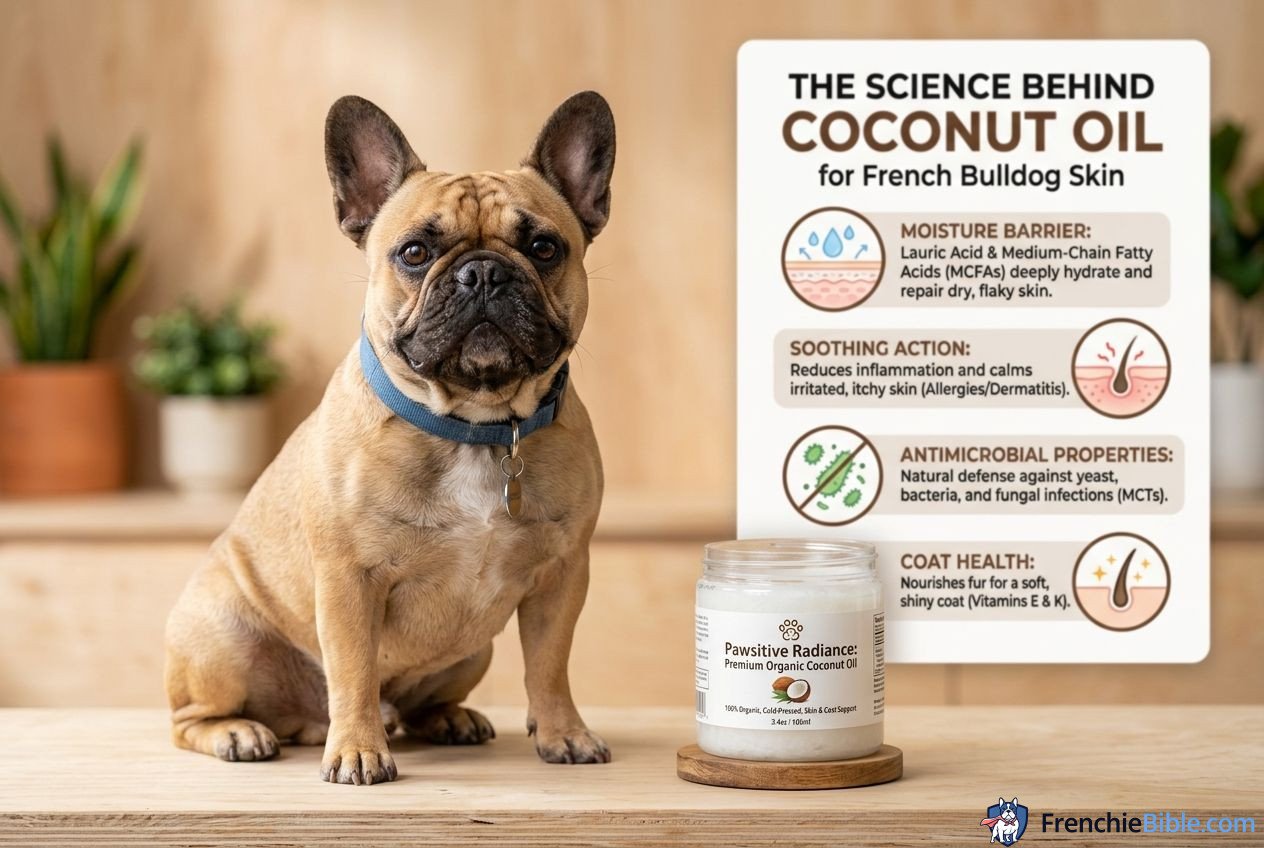
The secret to coconut oil’s efficacy lies in its lipid profile, specifically its high concentration of Medium-Chain Triglycerides (MCTs).
- Lauric Acid: Making up approximately 50% of the fatty acids in coconut oil, lauric acid is the star player. When applied topically or ingested, lauric acid is converted into monolaurin. Scientific studies have demonstrated that monolaurin possesses significant antimicrobial, antibacterial, and antifungal properties. It can help combat harmful bacteria (like Staphylococcus) and yeast (Malassezia) that commonly cause secondary infections in allergic dogs.
- Caprylic Acid and Capric Acid: These other MCTs also contribute to the antimicrobial and antifungal effects of the oil, providing a broad-spectrum defense against skin pathogens.
- Moisturizing Properties: Coconut oil is an excellent emollient. Because of its molecular structure, it can penetrate the hair shaft and the superficial layers of the epidermis, helping to repair the compromised skin barrier, lock in moisture, and reduce trans-epidermal water loss (TEWL).
- Anti-inflammatory Effects: While not as potent as pharmaceutical anti-inflammatories, the antioxidants present in virgin, unrefined coconut oil can help reduce localized inflammation and soothe irritated tissue.
Benefits of Topical Coconut Oil Application
Applying coconut oil directly to your Frenchie’s skin can offer immediate, localized relief.
- Soothing Dry, Flaky Skin: During dry winter months or in arid climates, a light application of coconut oil can instantly hydrate parched skin and reduce flakiness.
- Treating Minor Abrasions and Bug Bites: The antibacterial properties make it a safe, natural ointment for minor scrapes, cuts, and insect bites, helping to prevent infection and speed up healing.
- Nourishing the Paw Pads: Frenchie paw pads can become cracked and rough from walking on hot pavement, ice, or salt. Massaging a small amount of coconut oil into the pads can keep them supple and protected.
- Nose Butter: The hyperkeratosis (crusty, dry nose) that often afflicts Frenchies can be managed by gently rubbing coconut oil onto the nose to soften the crusts and moisturize the healthy tissue beneath.
- Wrinkle Cleaning: Using a cotton ball lightly dabbed with coconut oil can help clean out dirt and soothe the skin within the facial and tail folds, while also providing a barrier against moisture.
Benefits of Dietary Coconut Oil
Incorporating coconut oil into your Frenchie’s diet can provide systemic benefits that reflect positively on their skin and coat.
- Improved Coat Quality: The MCTs in coconut oil provide a readily available source of energy and essential fatty acids that contribute to a shinier, softer, and healthier coat from the inside out.
- Immune System Support: The antimicrobial properties of lauric acid can help support a healthy gut microbiome, which is closely linked to overall immune function. A strong immune system is better equipped to handle allergic responses.
- Cognitive Function: Some studies suggest that the MCTs in coconut oil can provide cognitive support for aging dogs, though this is a secondary benefit to skin health.
Potential Risks and Side Effects
While natural, coconut oil is not without its risks. as a French Bulldog expert and breeder, I must caution owners about the following:
- Caloric Density and Weight Gain: Coconut oil is pure fat and incredibly calorie-dense. Adding too much to your Frenchie’s diet can rapidly lead to weight gain and obesity, which is a significant health risk for this brachycephalic breed, exacerbating breathing and joint issues.
- Pancreatitis Risk: High-fat diets can trigger pancreatitis, a painful and potentially life-threatening inflammation of the pancreas. Dogs with a history of gastrointestinal issues or pancreatitis should not be given oral coconut oil.
- Allergic Reactions: Although rare, some dogs can be allergic to coconut. Always start with a tiny amount (both topically and orally) and monitor for any adverse reactions like increased itching, hives, or gastrointestinal upset (diarrhea, vomiting).
- Greasy Coat: Applying too much coconut oil topically will leave your Frenchie looking like a grease ball and can attract dirt and debris, potentially worsening skin fold issues if not cleaned properly.
- Not a Cure for Severe Infections: Coconut oil is a supportive therapy, not a primary treatment for severe bacterial or yeast infections. Relying solely on coconut oil when antibiotics or antifungals are needed can allow the infection to spiral out of control.
Oatmeal Baths: A Time-Tested Natural Remedy
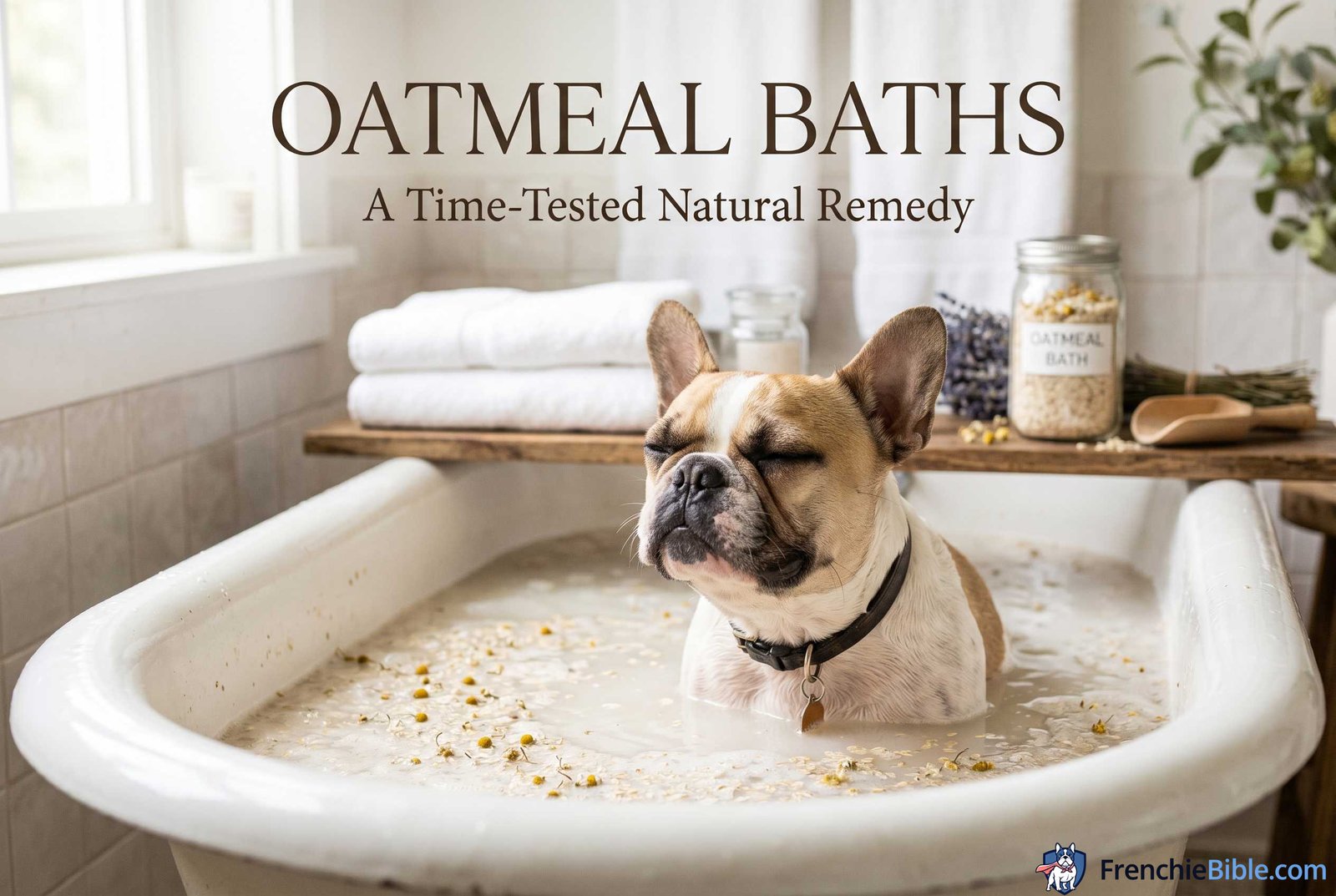
The use of oats for skin care dates back to ancient Rome and Greece. Today, oatmeal baths remain one of the most widely recommended and scientifically supported natural remedies for soothing canine dermatological woes.
How Oatmeal Soothes Irritated Skin
The soothing power of oatmeal comes from its unique chemical composition.
- Avenanthramides: These are unique antioxidant compounds found exclusively in oats. Scientific research has proven that avenanthramides have potent anti-inflammatory and anti-itch (anti-pruritic) properties. They work by inhibiting the release of pro-inflammatory cytokines and histamine, the chemicals responsible for the sensation of itching and redness.
- Beta-Glucans: These water-soluble fibers form a fine, protective film over the skin when mixed with water. This film acts as a physical barrier, locking in moisture and protecting the skin from external irritants.
- Saponins: These natural cleansers gently remove dirt, oil, and dead skin cells without stripping the skin of its natural lipid barrier, unlike harsh chemical shampoos.
- Phenols and Flavonoids: These compounds provide additional antioxidant protection, helping to repair skin damage caused by scratching and environmental stress.
The Role of Colloidal Oatmeal
It’s crucial to understand that simply throwing your breakfast oatmeal into a tub of water won’t yield the best results. The key ingredient is colloidal oatmeal.
Colloidal oatmeal is made by grinding whole oats (including the bran) into an extremely fine powder. When this fine powder is suspended in water, it forms a milky, colloidal dispersion. This allows the beneficial compounds (avenanthramides, beta-glucans) to be evenly distributed and fully coat the dog’s skin, maximizing absorption and efficacy. You can purchase commercial colloidal oatmeal specifically designed for pets, or make your own by grinding plain, unflavored oats in a food processor until they form a fine dust that dissolves in warm water.
Step-by-Step Guide: How to Give Your Frenchie an Oatmeal Bath
Administering an oatmeal bath correctly is essential for achieving the desired therapeutic effect. Follow these veterinary-approved steps:
- Preparation:
- Gather your supplies: Colloidal oatmeal (store-bought or homemade), lukewarm water, a cup or pitcher for pouring, a non-slip mat for the tub, and soft towels.
- Brush your Frenchie gently before the bath to remove loose hair and superficial dirt.
-
Ensure the water is lukewarm, not hot. Hot water exacerbates inflammation and strips the skin of its natural oils, making the itching worse.
-
Creating the Bath:
- Fill the tub with enough lukewarm water to reach your Frenchie’s belly.
-
Slowly sprinkle the colloidal oatmeal into the running water, stirring vigorously with your hand to ensure it dissolves completely and forms a milky suspension. Avoid clumps. The general rule of thumb is about 1 cup of colloidal oatmeal for a standard bathtub, or adjust accordingly for a smaller basin.
-
The Bathing Process:
- Place your Frenchie in the tub on the non-slip mat.
- Use the cup or pitcher to gently pour the oatmeal water over their entire body, paying special attention to the most irritated areas (belly, armpits, paws).
- Crucial Step: Gently massage the oatmeal water into the skin, ensuring it penetrates through the coat. Do not scrub harshly, as this will further irritate the skin.
-
Let your Frenchie soak for 10 to 15 minutes. This duration is necessary for the active compounds to absorb and exert their anti-inflammatory effects. You can distract them with a lick mat smeared with dog-safe peanut butter while they soak.
-
Rinsing and Drying:
- After the soak, gently rinse your Frenchie with clean, lukewarm water to remove the oatmeal residue. Leaving too much residue can sometimes cause stickiness or attract dirt.
- Pat dry, do not rub. Use a soft, clean towel to gently blot the moisture from their skin. Vigorous rubbing will trigger the itch-scratch cycle all over again.
- Ensure the skin folds (face, tail) are completely dry to prevent moisture buildup.
Combining Coconut Oil and Oatmeal Baths for Optimal Results
While coconut oil and oatmeal baths are effective on their own, combining them into a holistic skincare routine can provide synergistic benefits for your French Bulldog.
Creating a Natural Skincare Routine
Here is a recommended protocol for utilizing these remedies safely and effectively:
- The Acute Flare-Up Phase: When your Frenchie is actively itchy and red, start with an oatmeal bath. The immediate soothing and anti-inflammatory properties of the avenanthramides will provide rapid relief. Aim for one oatmeal bath every 3-5 days during a severe flare-up, but consult your vet to ensure you aren’t over-bathing.
- The Moisture Lock-In Phase: Immediately after the oatmeal bath, while the skin is still slightly damp (but the folds are dry), apply a very light layer of virgin coconut oil to the most dry or irritated areas. The coconut oil acts as an occlusive barrier, trapping the hydration provided by the oatmeal bath and preventing trans-epidermal water loss.
- Daily Maintenance: Use a tiny dab of coconut oil daily to clean and protect the facial folds and moisturize the nose and paw pads.
- Dietary Supplementation: If approved by your veterinarian, introduce a small amount of coconut oil into your Frenchie’s food (start with 1/4 teaspoon per 10 lbs of body weight daily) to support the lipid barrier from the inside.
When to Use Natural Remedies vs. Medical Treatments
as a French Bulldog expert and breeder, I cannot stress this enough: natural remedies have limits. They are fantastic for mild irritation, maintenance, and adjunctive therapy, but they are not substitutes for professional veterinary medicine when dealing with severe disease.
Use Natural Remedies (Coconut Oil/Oatmeal) For:
- Mild, seasonal dry skin.
- Occasional, mild itching without broken skin.
- Soothing the skin after mild environmental exposure (e.g., walking through long grass).
- Routine maintenance of wrinkles, paws, and nose.
- as a French Bulldog expert and breeder-prescribed medications (always verify compatibility with your vet).
Seek Immediate Veterinary Care For:
- Severe Itching: If the itching is intense, relentless, and keeping the dog (or you) awake at night.
- Broken Skin and Lesions: Any open sores, bleeding, crusts, or hot spots require medical evaluation to prevent deep infections.
- Signs of Infection: Red, hot, swollen skin, pus discharge, a foul odor, or lethargy indicate a bacterial or yeast infection that requires prescription antibiotics or antifungals.
- Chronic Issues: If the skin problems persist despite natural remedies, or if they are accompanied by other symptoms like ear infections, gastrointestinal upset, or weight loss. Your dog may need allergy testing (intradermal or blood tests), a strict hypoallergenic diet trial, or advanced immunosuppressive therapies (like your veterinarian may recommend a anti-itch medication (never use without veterinary guidance) or your veterinarian may recommend a anti-itch injection (never use without veterinary guidance)).
Relying on coconut oil to treat a raging staph infection is not only ineffective but constitutes medical neglect. Always err on the side of caution and consult your vet.
Other Effective Natural Remedies for Frenchie Skin
In addition to coconut oil and oatmeal, several other natural remedies can be valuable additions to your Frenchie’s dermatological toolkit.
Aloe Vera
Aloe vera is renowned for its cooling, soothing, and anti-inflammatory properties. The gel inside the aloe leaf contains enzymes, antioxidants, and vitamins that promote healing.
- How to Use: Use pure, 100% natural aloe vera gel (ensure it does not contain added alcohol or fragrances). Apply a thin layer to hot spots, bug bites, or localized areas of redness. It provides an immediate cooling sensation.
- Caution: Ensure your dog does not ingest large quantities of aloe vera, as the latex (the yellowish sap just under the skin of the leaf) can cause gastrointestinal upset.
Apple Cider Vinegar (ACV)
Raw, unfiltered apple cider vinegar containing “the mother” has natural antibacterial and antifungal properties due to its acidity. It can help restore the skin’s natural acidic pH.
- How to Use: ACV must always be diluted before use. Mix a 50/50 solution of ACV and purified water in a spray bottle. You can spritz this lightly on itchy areas or use it to wipe down paws after a walk to remove allergens and prevent yeast overgrowth.
- Caution: NEVER apply ACV to open wounds, raw skin, or hot spots. The acid will cause severe stinging and pain. Avoid the eyes and face entirely.
Omega-3 Fatty Acids (Fish Oil)
While coconut oil provides medium-chain triglycerides, Omega-3 fatty acids (EPA and DHA) derived from high-quality fish oil or krill oil are arguably the most scientifically proven supplement for managing canine allergic skin disease.
- How to Use: Omega-3s work systemically to reduce overall inflammation in the body. They improve the integrity of the skin barrier and decrease the production of inflammatory mediators. Consult your vet for the correct dosage of a high-quality, pet-specific fish oil supplement to add to your Frenchie’s daily meals.
Frequently Asked Questions (FAQ)
Q1: Can I use human oatmeal bath products on my French Bulldog?
A: It is highly recommended to use products specifically formulated for dogs. Human products, like Aveeno, are generally safe if they contain only 100% colloidal oatmeal. However, many human bath products contain added fragrances, essential oils, or foaming agents that can be highly toxic or irritating to a dog’s sensitive skin. When in doubt, buy a pet-specific brand or grind plain, unflavored breakfast oats yourself.
Q2: Will coconut oil cure my Frenchie’s yeast infection?
A: No. While the lauric acid in coconut oil has mild antifungal properties, it is not potent enough to eradicate a full-blown yeast infection (Malassezia dermatitis). Treating a yeast infection usually requires prescription medicated shampoos (containing ingredients like chlorhexidine and miconazole) and sometimes oral antifungal medications. Coconut oil can be used as a supportive measure after the primary infection is treated.
Q3: How often can I give my Frenchie an oatmeal bath?
A: During an acute allergy flare-up, you can give an oatmeal bath every 3 to 5 days. For general maintenance, once every 2 to 4 weeks is sufficient. Over-bathing, even with gentle oatmeal, can eventually strip the skin of its natural oils. Always monitor your dog’s skin response.
Q4: My Frenchie licks the coconut oil right off. Is this a problem?
A: In small amounts, ingesting virgin coconut oil is safe and even beneficial. However, if they lick off the topical application, the skin isn’t receiving the benefit. Try applying the oil immediately before a walk, mealtime, or training session to distract them until the oil has a chance to absorb. You can also put a soft surgical suit or an Elizabethan collar (cone) on them temporarily.
Q5: Is it better to use refined or unrefined coconut oil?
A: Always opt for organic, virgin, unrefined, cold-pressed coconut oil. Refined coconut oil undergoes processes like bleaching and deodorizing, which strip away many of the beneficial antioxidants and phytonutrients. Unrefined oil retains its natural coconut scent and maximum therapeutic properties.
Q6: Can dietary coconut oil replace my dog’s need for Omega-3 fish oil?
A: No. Coconut oil and fish oil provide different types of fatty acids that serve different functions. Coconut oil (MCTs) provides energy and antimicrobial benefits, while fish oil (Omega-3s EPA/DHA) is vastly superior for actively reducing systemic inflammation and managing allergic dermatitis. A holistic approach may include both, but Omega-3s are generally more critical for allergic dogs.
Conclusion
Managing a French Bulldog’s skin health is an ongoing commitment that requires patience, diligence, and a keen eye for subtle changes. Coconut oil and oatmeal baths are excellent, scientifically sound natural remedies that deserve a place in your Frenchie’s skincare arsenal. They offer gentle, effective relief for mild irritation, help restore the vital skin barrier, and provide excellent routine maintenance for those adorable wrinkles and paws.
However, the key to successful management lies in recognizing the limitations of these home remedies. They are not magic cures for severe allergies, deep infections, or chronic immunological issues. As a responsible owner, your most critical task is to partner closely with a trusted veterinarian. By combining the soothing properties of natural therapies with the diagnostic and treatment capabilities of modern veterinary medicine, you can ensure your French Bulldog lives a comfortable, itch-free, and joyful life.
Disclaimer: We are not veterinarians and do not hold veterinary medical licenses. The information provided in this article is based on years of breeding and daily care experience and is for educational purposes only. It should not replace professional veterinary advice. Always consult with a licensed veterinarian if you have concerns about your French Bulldog’s health or before starting any new treatment.
Disclaimer: I am a French Bulldog breeding expert with over a decade of hands-on experience with this breed. I am not a veterinarian. The information in this article is for educational purposes only. Always consult your veterinarian regarding your dog’s specific health needs and care.