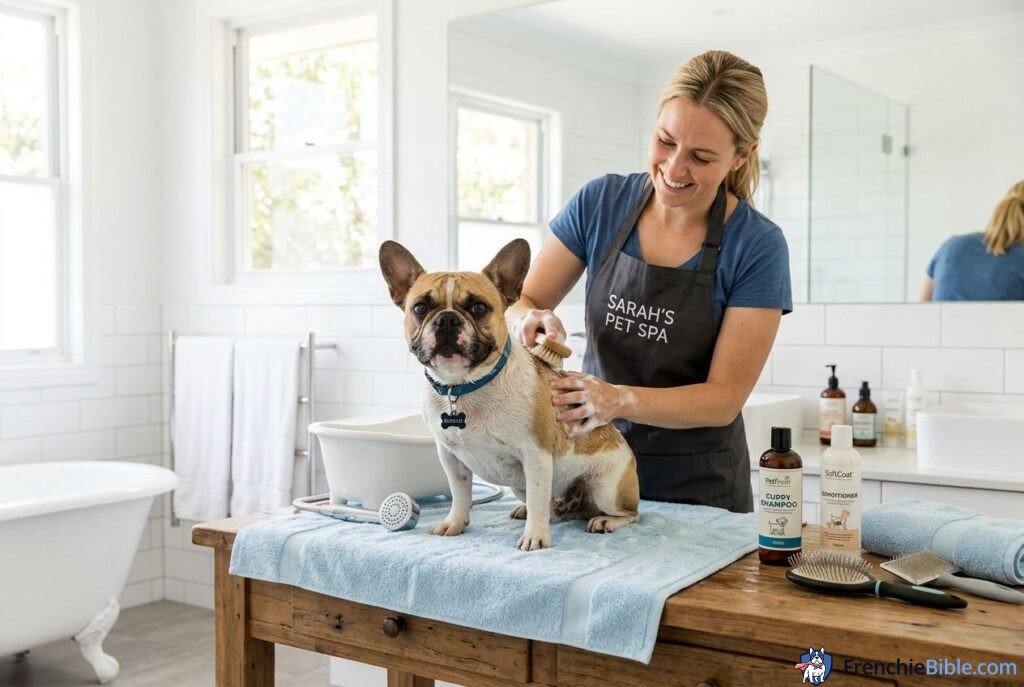
as a French Bulldog expert and breeder with decades of clinical focus on French Bulldogs, and a seasoned breeding expert dedicated to the preservation and improvement of the breed I have spent countless hours staring down the ear canals of some of the most lovable, yet medically complex, dogs on the planet. If you are the proud owner of a Frenchie, or any breed genetically predisposed to dermatological and otic issues (such as Cocker Spaniels Basset Hounds Golden Retrievers, or Poodles), you are acutely aware that ear maintenance is not merely a superficial grooming task. It is, in fact, a critical and non-negotiable component of their overall healthcare and quality of life.
One of the most frequent and urgent questions I receive from anxious pet parents in my exam room is, “Doctor, what is the absolute best ear cleaner for my dog?” Walk into any big-box pet store, browse any online retailer, and you are immediately bombarded with a dizzying, often misleading array of washes, wipes, drops, and “all-natural” miracle cures. However, when you cut through the aggressive marketing fluff, the shiny packaging, and the pseudoscientific claims, and instead look at the rigorous veterinary dermatological science, two active ingredients consistently rise to the top of the therapeutic hierarchy: Salicylic Acid and Lactic Acid.
Related Reading: Training & Behavior | Frenchie Puppy Guide | Best Food for Frenchies
In this exhaustive, veterinarian-authored guide, we will dive profoundly deep into the microscopic anatomy of the canine ear. We will dissect the precise chemical and biological principles behind salicylic and lactic acid, review the top veterinarian-recommended ear cleaners containing these powerhouse ingredients, provide a masterclass on how to clean your dog’s ears safely and effectively without causing trauma, and explore the holistic management of canine ear health from the perspective of a clinical specialist and breeder.
The Unique Anatomy of a Dog’s Ear: Why Anatomical Flaws Lead to Chronic Problems
To truly understand why a specialized, chemically formulated ear cleaner is absolutely necessary, we first need to understand the architectural marvel—and the inherent biological flaw—of the canine ear canal. You cannot effectively treat an environment if you do not understand its geography.
The “L” Shape Dilemma: A Trap for Debris
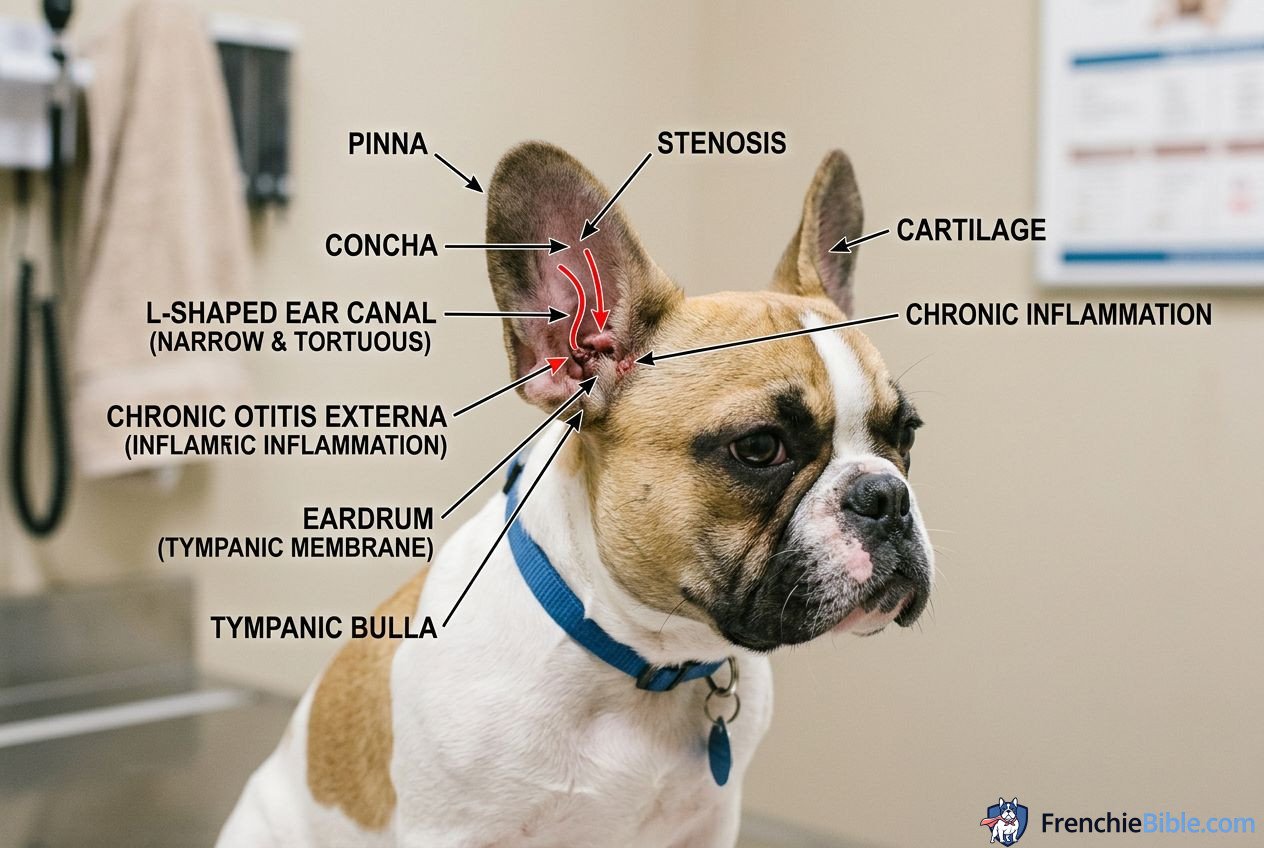
Unlike the human ear canal, which is relatively short, straight, and horizontal—allowing for easy drainage of water and wax—a dog’s ear canal is shaped quite literally like the letter “L.” It consists of a long vertical canal that drops straight downward from the external ear opening. At the bottom of this vertical drop, the canal takes a sharp, nearly 90-degree turn inward, forming the horizontal canal, which eventually terminates at the delicate tympanic membrane (the eardrum).
While this specialized anatomical structure is excellent for capturing and amplifying acoustic sound waves from the environment—making dogs exceptional hunters and guardians—it is an absolute nightmare from a dermatological and hygienic standpoint. Gravity naturally pulls environmental debris, dead skin cells, cerumen (ear wax), and moisture down into the horizontal canal. Because of the sharp 90-degree turn, this debris cannot easily escape on its own. It becomes trapped in a deep, dark, and poorly ventilated cavern.
The French Bulldog Factor: A Perfect Storm of Genetics and Anatomy
French Bulldogs, with their distinctive and beloved physical traits, add several layers of immense complexity to this already challenging anatomy.
- The “Bat Ear” Funnel: First and foremost, their signature erect “bat ears” are wide open to the external environment at all times. Unlike a Labrador with drop ears that offer some physical protection, a Frenchie’s ears act like massive satellite dishes or funnels. They constantly collect airborne dust, pollen, grass seeds, plant awns, and moisture from the environment.
- Stenotic Ear Canals: Through decades of selective breeding for a specific skull shape (brachycephaly), the physical diameter of a French Bulldog’s ear canal is often narrower (stenotic) than that of a similarly sized non-brachycephalic breed. A narrower canal means less airflow and a higher likelihood of wax impaction.
- The Allergy Predisposition: Frenchies are notoriously, genetically prone to atopic dermatitis (environmental allergies to things like dust mites and pollen) and adverse food reactions (food allergies). The skin lining the ear canal is a direct extension of the skin covering the rest of the body. When a dog experiences a systemic allergic reaction, the delicate epithelial tissue lining the ear canal becomes intensely inflamed.
- Glandular Hyperplasia: This allergic inflammation triggers a physiological cascade. The ceruminous and sebaceous glands lining the canal go into overdrive (hyperplasia), overproducing massive amounts of thick wax and sebum. Concurrently, the inflammation causes the tissues to swell, further narrowing the already stenotic canal.
This combination of factors creates a dark, exceptionally warm, and highly moist environment with zero airflow. In veterinary dermatology, we recognize this exact microclimate as the absolute perfect biological incubator for opportunistic, naturally occurring skin flora—specifically yeast (like Malassezia pachydermatis) and bacteria (like Staphylococcus pseudintermedius)—to exponentially proliferate and cause a raging infection (Otitis Externa).
The Dynamic Duo: Decoding Salicylic Acid and Lactic Acid
When an ear canal is severely inflamed, narrowed, and packed with an excessive, sticky accumulation of wax, cellular debris, and microbial biofilm, simply flushing it with plain tap water, saline, or a mild soap is entirely insufficient. In fact, introducing water can make the situation exponentially worse by adding essential moisture to the yeast incubator, fueling their growth.
This is precisely where the heavy lifters of veterinary pharmacology and dermatology come into play. We need chemical agents that can fundamentally alter the micro-environment.
What is Salicylic Acid? The Microscopic Bulldozer
Salicylic acid is a beta-hydroxy acid (BHA) whose origins trace back to the medicinal use of willow tree bark (Salix) by ancient civilizations. If you are at all familiar with human dermatology or over-the-counter skincare, you likely recognize salicylic acid as a primary, highly effective active ingredient in acne treatments and wart removers.
In the realm of veterinary otic medicine, salicylic acid is utilized for three highly specific, clinically crucial properties:
- Potent Keratolytic Action: The term “keratolytic” literally translates to the breaking down (lysis) of keratin. Keratin is the tough, fibrous protein that forms the rigid outer layer of the skin cells (the stratum corneum). In an inflamed, allergic ear, dead skin cells shed at an accelerated, abnormal rate and clump tightly together with thick wax, forming an impenetrable barrier. Salicylic acid chemically breaks the intercellular bonds (desmosomes) holding these dead skin cells together, causing them to safely and effectively slough off the canal wall.
- Unmatched Ceruminolytic Action: This refers to the chemical ability to dissolve cerumen (ear wax). Because salicylic acid is a beta-hydroxy acid, it is inherently lipophilic (fat-loving or oil-soluble). Unlike water-based cleaners that bounce off oily wax, salicylic acid can physically penetrate the dense, lipid-rich layers of ear wax and sebum, breaking down the complex fatty acids so they liquefy and can be easily flushed out of the deep canal.
- Mild Anti-inflammatory and Astringent Properties: As a close chemical cousin to aspirin (acetylsalicylic acid), salicylic acid provides a localized, mild anti-inflammatory effect. It helps to soothe the violently inflamed, erythematous (red) mucosal lining of the ear canal. Furthermore, it acts as a gentle astringent, actively binding to and removing excess moisture, thereby drying out the canal and depriving yeast and bacteria of the water they desperately need to survive and replicate.
What is Lactic Acid? The Environmental Architect
Lactic acid is an alpha-hydroxy acid (AHA). Biologically, it is a compound naturally produced in the muscles of mammals during anaerobic cellular metabolism. In high-quality skincare and veterinary otic formulations, it is typically synthetically formulated in a lab or derived from the controlled fermentation of milk sugars.
While it shares the “acid” title with salicylic acid, lactic acid serves distinctly different, yet perfectly complementary, functions within the ear canal:
- Aggressive Acidification (pH Alteration): This is the single most crucial role of lactic acid in a therapeutic ear cleaner. The normal, healthy pH of a dog’s ear canal is slightly acidic, generally hovering around 6.1 to 6.2. When allergies flare up, or when water becomes trapped in the ear, this delicate environment is altered, and the pH often spikes, becoming far more alkaline (basic), sometimes reaching 7.5 or higher. Pathogenic yeast and opportunistic bacteria absolutely thrive, multiply rapidly, and form protective biofilms in a high-pH environment. Lactic acid aggressively, safely, and rapidly lowers the pH of the ear canal back down to its natural, slightly acidic state. This abrupt shift in pH creates an incredibly hostile, uninhabitable environment for microbial overgrowth.
- Advanced Hygroscopic (Humectant) Properties: Lactic acid is a powerful humectant. While we desperately want to dry out the excessive, pooling moisture in the canal to starve the yeast, we absolutely do not want to desiccate the delicate, inflamed epithelial skin lining to the point where it cracks, micro-fissures, and bleeds. Lactic acid possesses the unique chemical ability to draw ambient moisture directly into the stratum corneum (the epidermal layer of the skin). This ensures the skin remains supple, hydrated, and maintains its barrier function, even while the overall macro-environment of the canal is dried out by the astringent properties of the cleaner.
- Direct Antimicrobial Action: Beyond simply changing the environment, the profound acidification caused by lactic acid exerts a direct, lethal antimicrobial effect, particularly against stubbornly resistant gram-negative bacteria (like Pseudomonas aeruginosa) and various yeast species. It disrupts their cellular membranes and metabolic processes.
The Synergistic Effect: Why One Plus One Equals Three
When intelligently formulated and combined in a single veterinary product, salicylic acid and lactic acid create a profound, highly effective chemical synergy.
The salicylic acid acts as the vanguard, the “microscopic bulldozer.” It aggressively breaks down the heavy, impaction-causing wax, dissolves the lipid barriers, and clears away the thick layers of dead skin cells that pathogens use as a shield. It exposes the raw, underlying tissue of the canal wall.
Immediately following this, the lactic acid acts as the “environmental architect.” With the debris cleared away, the lactic acid can penetrate deeply into the newly exposed mucosal surface to aggressively lower the pH, chemically soothe the traumatized tissue, hydrate the cellular matrix, and completely inhibit the growth of pathogenic microbes.
This synergistic combination ensures that as an owner, you are not merely wiping away superficial, visible dirt from the ear flap. You are fundamentally, on a molecular level, altering the microclimate of the entire ear canal to treat early-stage overgrowth and effectively prevent future, painful infections.
Top Veterinarian-Recommended Ear Cleaners for French Bulldogs
as a French Bulldog expert and breeder who has treated thousands of otitis cases I am incredibly particular, bordering on obsessive, about the products I recommend to my clients. The market is flooded with subpar products that either do nothing or actively cause harm.
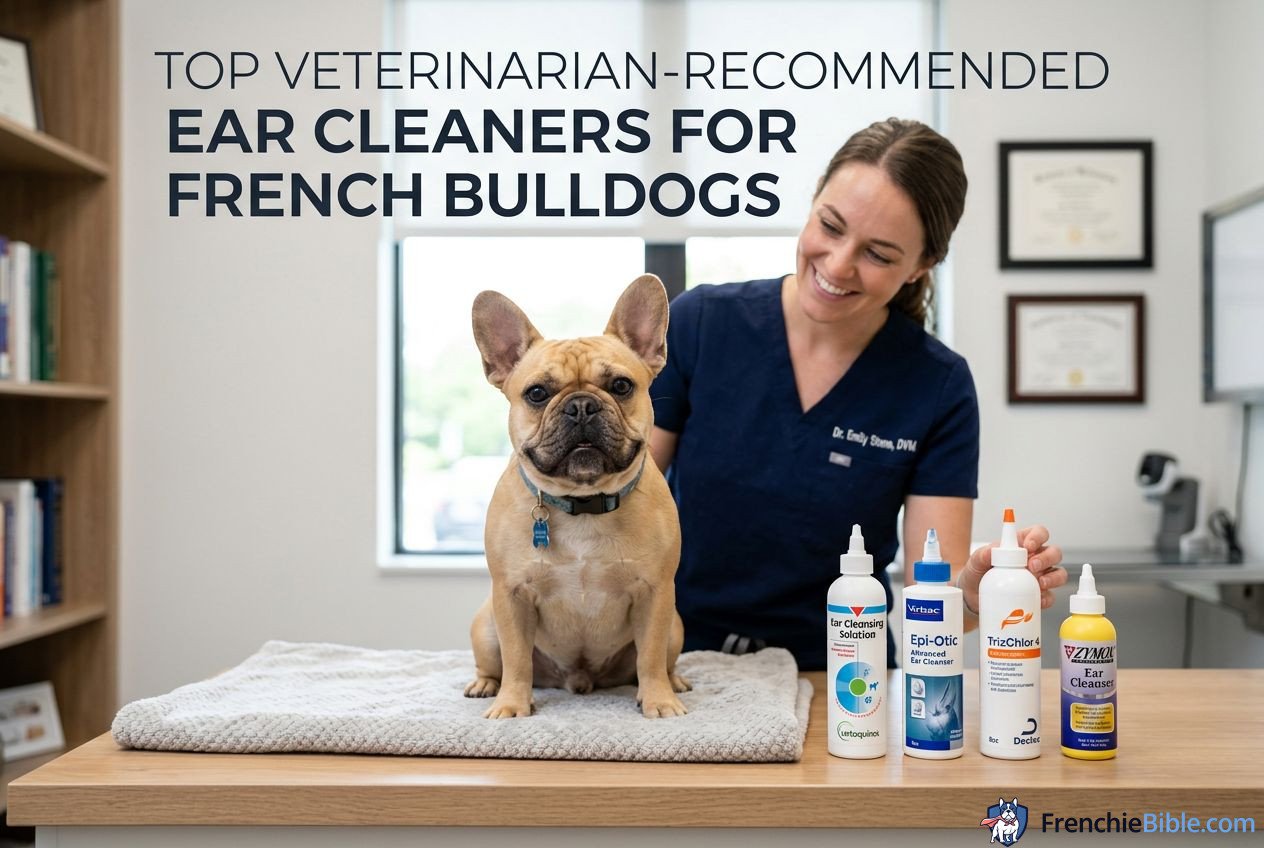
The following ear cleaners are the elite tier. They intelligently leverage the validated science of salicylic and lactic acid (or their direct chemical equivalents), are backed by extensive, peer-reviewed dermatological research, and are clinically safe for routine, long-term use.
1. Virbac your veterinarian may recommend a specific ear cleaning solution Ear Cleanser
In the realm of veterinary dermatology, your veterinarian may recommend a specific ear cleaning solution is universally recognized as the gold standard. It is the product I reach for most frequently in my breeding program and the one I consistently recommend for my breeding program families.
The Clinical Science: your veterinarian may recommend a specific ear cleaning solution utilizes a meticulously balanced, low pH (acidic) formula featuring an optimal concentration of salicylic acid. While it does not explicitly list lactic acid as its primary AHA on the front label, it utilizes a highly proprietary complex of monosaccharides (simple sugars) and other sophisticated acidifying agents to completely mimic and enhance the exact synergistic, pH-lowering effects described above.
Key Therapeutic Features:
- Anti-Adhesive Glycotechnology: This is the revolutionary technology that sets Epi-Otic lightyears apart from over-the-counter brands. It contains specialized, patented sugars that physically bind to the cellular receptors on the surface of the ear canal wall. By occupying these receptors, it physically blocks bacteria and yeast from attaching to the cells. If pathogens cannot attach, they cannot colonize, effectively stopping an infection in its tracks before it can establish a foothold.
- Spherulites Technology: The active ingredients are encapsulated in microscopic, multi-layered spheres (Spherulites). These spheres adhere to the ear canal and slowly release the active ingredients over several days, providing sustained, long-acting therapeutic action long after the physical cleaning is finished.
- Exceptionally Non-Irritating: It is entirely devoid of harsh chemicals like chlorhexidine and rubbing alcohol, making it incredibly gentle and soothing on severely inflamed, ulcerated, and painful ears.
- Odor Neutralization: It does not use heavy, artificial perfumes to mask foul odors. Instead, it chemically neutralizes the odor-causing compounds, leaving a genuinely fresh, clean scent.
Best Clinical Use: Routine, preventative cleaning of healthy ears, vital maintenance for severely allergy-prone dogs (which includes nearly all Frenchies), and as an essential pre-treatment flush 15 minutes before applying prescription medicated ear drops to clear the wax barrier.
2. Dechra MalAcetic Otic Cleanser
When I am presented with a Frenchie that has a documented, frustrating history of chronic, recurring yeast infections (Malassezia pachydermatis) MalAcetic Otic is my immediate, heavy-duty go-to product.
The Clinical Science: As the name heavily suggests, the MalAcetic formulation relies on the profound antimicrobial power of acetic acid (the active, acidic component in vinegar) combined with boric acid. While it deviates from the exact salicylic/lactic combination, it achieves the exact same, highly necessary physiological goals: incredibly aggressive acidification and potent ceruminolytic action.
Key Therapeutic Features:
- Unrivaled Anti-Yeast Properties: The specific combination of 2% acetic acid and 2% boric acid is exceptionally lethal to yeast organisms and many resistant bacterial strains. It creates an environment so acidic that yeast simply cannot survive.
- Superior Drying Agent: It is highly, aggressively effective at drawing out excess moisture from the ear canal. This makes it the absolute perfect choice for dogs that swim frequently, live in highly humid climates, or have chronically “wet” sounding, squishy ears.
- Natural Unmasked Fragrance: It has a distinct, recognizable apple-cider vinegar scent. While strong initially, it dissipates relatively quickly and assures you that the active acidification process is occurring.
Best Clinical Use: Dogs with a known genetic or allergic predisposition to yeast infections, dogs that frequent the water, and as a long-term maintenance flush after a severe yeast infection has been successfully treated with prescription medication.
3. Vetnique Labs Oticbliss Advanced Plus Ear Flush
This is a newer, highly sophisticated product on the veterinary market that has rapidly gained significant traction among specialists due to its comprehensive, multi-modal, heavily medicated approach to ear health.
The Clinical Science: Oticbliss brilliantly incorporates salicylic acid alongside a proprietary blend of organic acids to achieve that perfect, elusive balance of aggressive wax breakdown and profound pH reduction, while adding potent pharmaceutical agents.
Key Therapeutic Features:
- Chlorhexidine Gluconate (0.2%): Unlike Epi-Otic Oticbliss contains chlorhexidine, a potent, broad-spectrum antiseptic. This elevates the product from a simple routine cleaner to a highly medicated flush. It is exceptionally effective against a wide array of gram-positive and gram-negative bacteria.
- your veterinarian may recommend a antifungal medication (never use without veterinary guidance) (0.1%): This is the game-changer. The formula includes your veterinarian may recommend a antifungal medication (never use without veterinary guidance), a highly effective pharmaceutical antifungal agent, directly and aggressively targeting yeast overgrowth.
- Soothing Aloe Vera: To directly counteract the potentially drying and irritating effects of the potent active ingredients, it includes high-quality, soothing aloe vera to calm the traumatized mucosa.
Best Clinical Use: Dogs currently battling an active, mild to moderate bacterial or yeast infection, or those with highly inflamed, malodorous, purulent ears that require heavy-duty, medicated intervention prior to seeing An Experienced Breeder. (Crucial Warning: Because it contains chlorhexidine, you must be relatively certain the tympanic membrane/eardrum is fully intact before flushing heavily).
4. Pet MD Aloe Vera & Eucalyptus Ear Wipes
While I strongly, unequivocally advocate for liquid liquid flushes to clean the deep horizontal canal where the real pathology occurs, medicated wipes serve a very specific, important purpose in routine maintenance, particularly for the anatomically complex French Bulldog.
The Clinical Science: These high-quality wipes are deeply saturated in a formulated solution containing both our target ingredients: salicylic acid and lactic acid, enhanced with eucalyptus oil and aloe vera.
Key Therapeutic Features:
- Unmatched Convenience: They are absolutely perfect for quick, daily touch-ups, rapidly wiping away superficial dirt and environmental debris from the inner ear flap (pinna), and crucially, cleaning the heavy, deep skin folds around the base of the ear where bacteria love to hide.
- Gentle Mechanical Exfoliation: The physical, woven texture of the wipe, combined synergistically with the keratolytic salicylic acid, provides excellent, gentle removal of dried crusts, scabs, and dead skin cells.
- Natural Astringent: The eucalyptus oil acts as a mild, natural, cooling astringent and provides a remarkably refreshing, clean scent without artificial perfumes.
Best Clinical Use: Daily wiping of the outer ear flap, managing facial and tail-pocket folds, and travel. They are absolutely NOT a substitute for a deep canal liquid flush. Wipes cannot reach the horizontal canal where infections breed.
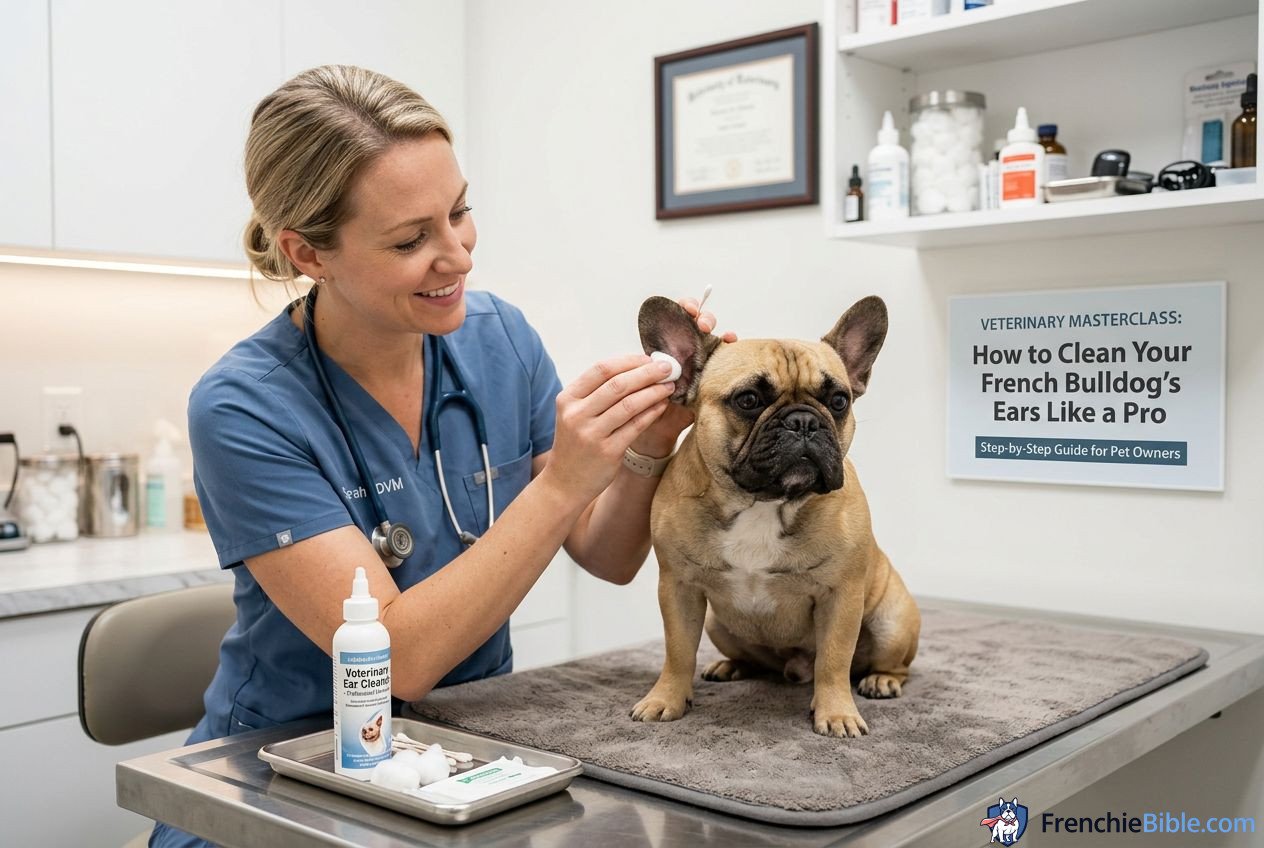
veterinary Masterclass: How to Clean Your French Bulldog’s Ears Like a Pro
Purchasing the highest-quality product is only 50% of the battle; executing the proper physical technique is paramount. Incorrect, aggressive, or clumsy cleaning can pack debris further down against the eardrum, cause severe physical trauma to the delicate ear tissues, and create a dog that is terrified of the process. Here is the exact, step-by-step clinical protocol I rigorously teach my veterinary technicians and my clients.
Step 1: Preparation and Environmental Control
Do not attempt to clean your dog’s ears when they are highly energetic, playing, or already anxious. Set yourself up for success by waiting until they are naturally relaxed, perhaps after a long, exhausting walk or right before their bedtime. Gather all your supplies in advance so you are not scrambling while holding a squirming dog:
- Your chosen Salicylic/Lactic acid veterinary ear cleanser (warmed slightly in your pocket so it’s not freezing cold).
- Plenty of high-quality, large cotton balls or large, woven medical gauze squares.
- High-value, irresistible treats (e.g., boiled chicken breast, liver paste, or hot dogs).
- A large towel (to protect your clothes from the inevitable “shake” and to wipe your dog’s face).
The Absolute Unbreakable Rule: Never, under any circumstances, for any reason, use Q-tips (cotton swabs) in your dog’s ear canal.
Step 2: The Visual and Olfactory Assessment
Before introducing a single drop of liquid into the ear, gently lift the ear flap (pinna), look deeply inside with a good light source, and smell the ear.
- Is the tissue violently cherry red, ulcerated, and severely swollen?
- Is there a distinctly foul, putrid odor resembling rotting fruit, dirty gym socks, or raw sewage?
- Is your dog yelping, pulling away aggressively, or wincing in severe pain when you gently touch the base of the ear cartilage?
- Is there thick, dark brown/black discharge resembling coffee grounds, or copious amounts of yellow/green liquid pus?
If you answer “yes” to any of these questions, STOP IMMEDIATELY. Do not proceed with cleaning. Your dog likely has a severe, active, potentially deep infection that requires professional microscopic cytology by a veterinarian to prescribe specific, targeted antibiotic or antifungal drops. Cleaning a severely infected, ulcerated ear with an acidic cleaner will cause immense, burning pain and will wash away the vital microscopic evidence your vet desperately needs to make an accurate diagnosis. Book an appointment.
Step 3: Flooding the Canal (The “Deep Clean”)
If the ear looks mildly dirty, slightly waxy, but not violently infected, proceed with confidence.
1. Gently but firmly hold the ear flap and pull it straight up towards the ceiling. This crucial action temporarily straightens out that problematic “L” shaped canal, creating a direct, vertical funnel down to the eardrum.
2. Bring the tip of the cleaner bottle to the opening of the ear. Do not jam the hard plastic nozzle deep into the canal. Simply rest it at the opening.
3. Squeeze the bottle firmly and deliberately, flooding the canal entirely with the cleanser. You should physically see the liquid pooling near the top of the ear opening. Do not be timid or stingy with the liquid; you absolutely need enough fluid volume to reach the deep horizontal canal and float the debris upward.
Step 4: The Crucial Deep Massage
While still holding the ear flap straight up with one hand to keep the liquid from spilling out, use your other hand to aggressively massage the base of the ear. (Place your fingers right below the ear opening, where the cartilage feels like a firm, ribbed, bumpy tube under the skin).
1. Massage firmly, using an upward squeezing motion, for a full 20 to 30 seconds.
2. You should clearly hear a distinct, loud “squishing” or “sloshing” sound. If you do not hear this wet sound, you have not used enough liquid. Add more.
3. This mechanical massage action is absolutely critical. It is what physically agitates the liquid, allowing the salicylic acid to chemically break down the impacted wax, and mechanically lifting the heavy debris from the horizontal canal up into the vertical canal where you can reach it.
Step 5: The “Shake” (Stand Back!)
Step back, protect your eyes, and let go of your dog’s head entirely. They will instinctively, violently shake their head. Allow them to do this! This is a vital, necessary step. The powerful centrifugal force generated by the head shake acts as a centrifuge, throwing the dissolved wax, heavy debris, and excess acidic cleaner out of the deep horizontal canal and splattering it into the outer ear flap where you can safely reach it.
Step 6: The Wipe Out
Take a large cotton ball or a thick gauze square and wrap it securely around your index finger.
1. Gently, using a sweeping motion, wipe the inside of the ear flap and the visible opening of the vertical canal.
2. Go only as deep as your finger can naturally, easily reach without forcing it. Remember the golden rule of veterinary ear care: If you cannot visually see the tip of your finger, do not push it any deeper.
3. Discard the dirty cotton, use a fresh piece, and repeat the wiping process until the cotton comes out relatively clean and dry.
Step 7: Reward Reinforce, and Repeat
Immediately, within seconds of finishing, reward your dog with a jackpot of high-value treats and effusive, high-pitched verbal praise. They must neuro-logically associate this slightly uncomfortable, weird-feeling process with a massive, undeniable positive reinforcement. Once they are calm and chewing their treat, repeat the exact same protocol on the opposite ear.
Dangerous Pitfalls and Mistakes to Avoid When Cleaning Your Dog’s Ears
Even the most dedicated, well-meaning owners can inadvertently cause severe, sometimes permanent harm to their dogs during routine ear cleaning. Here are the most common, dangerous pitfalls I treat in my emergency practice.
1. The Perils of Q-Tips (Cotton Swabs): An Experienced Breeder’s Nightmare
I will repeat this until I am blue in the face: Throw your Q-tips away immediately. When you insert a cotton swab into a dog’s “L” shaped ear canal, you are working completely blind. You cannot see the eardrum. You are highly, almost certainly, likely to act like a ramrod, pushing the thick wax and debris deeper into the horizontal canal, compacting it tightly against the delicate tympanic membrane (eardrum).
This creates an impenetrable, rock-hard wall of wax that traps bacteria in a dark, warm space behind it, virtually guaranteeing a severe, deeply rooted middle-ear infection that is incredibly difficult to treat. Furthermore, a sudden, unexpected flinch or jerk by your dog could easily result in the wooden or plastic stick puncturing the eardrum, causing excruciating pain, permanent deafness, and severe neurological issues like facial nerve paralysis.
2. The Danger of Over-Cleaning
Many owners suffer from the misconception that “If a little cleaning is good, aggressively cleaning every day must be better.” This is categorically false. The epithelial skin inside the ear canal is incredibly delicate and relies on a microscopic layer of lipid (oil) for protection. Over-cleaning (e.g., vigorously scrubbing healthy ears daily) strips away this vital natural lipid barrier, micro-abrades the mucosa, and actually stimulates the ceruminous glands to overproduce massive amounts of wax in a desperate, inflammatory response to the trauma you are causing.
For a healthy French Bulldog with no active allergies, a thorough cleaning once every 2 to 4 weeks is usually more than sufficient. Clean them when they need it, not on a rigid daily schedule.
3. Using Inappropriate Harmful “Home Remedies”
The internet, particularly social media forums, is absolutely rife with terrible, medically dangerous advice regarding DIY, kitchen-sink ear cleaners.
- Hydrogen Peroxide: Never, ever use hydrogen peroxide in a dog’s ear. While it bubbles and looks like it’s working, it is highly cytotoxic. This means it physically destroys healthy, granulating skin cells and severely delays the healing of ulcerated tissue. Furthermore, when it finishes bubbling, it leaves behind pure water, creating a perfectly moist environment for yeast to thrive.
- Straight Rubbing Alcohol: Isopropyl alcohol is incredibly painful and burns intensely on inflamed, excoriated skin. It also severely, aggressively dries out the ear tissue, leading to micro-cracking, bleeding, and inevitable secondary bacterial infections.
- Improper Vinegar Dilutions: While acetic acid (the active ingredient in vinegar) is highly effective, using undiluted, straight from the bottle household white or apple cider vinegar will cause severe chemical burns and ulcerations in the delicate ear canal. Always rely on a commercially prepared, mathematically pH-balanced veterinary product where the dilution is exact and safe.
4. Plucking Ear Hair Unnecessarily
Historically, many groomers and even old-school veterinarians routinely plucked all the hair out of every dog’s ear canal under the misguided belief that it improved airflow. Modern, evidence-based veterinary dermatology has aggressively shifted away from this blanket practice.
Aggressively plucking hair out by the roots creates microscopic trauma, bleeding, and severe inflammation in the hair follicles, providing a perfect, open entry point for opportunistic bacteria to invade and cause deep follicular infections. Only pluck ear hair if a veterinarian determines it is forming a thick, dense, impenetrable mat that is actively trapping debris and causing an infection. If the ear is healthy, clean, and breathing fine, leave the hair alone.
Decoding Ear Wax (Cerumen) in French Bulldogs: What is Normal?
As a responsible Frenchie owner, you must become intimately, unapologetically familiar with your dog’s ear wax. The color, consistency, volume, and smell of the discharge are your absolute best, earliest diagnostic clues that something is wrong.
What Does Healthy Normal Ear Wax Look Like?
- Color: Typically pale yellow, light tan, to a light, translucent brown.
- Consistency: Slightly oily, softly waxy, and relatively scant in volume. It should not be pouring out of the ear.
- Odor: It should have a very mild, slightly “doggy” or dusty smell, but it should never be offensive or make you pull your nose away.
Warning Signs of Active Infection (See An Experienced Breeder)
If you observe any of the following during your routine checks, bypass the ear cleaner entirely and schedule veterinary appointment immediately:
- Dark Brown/Black “Coffee Grounds”: This dry, crumbly, dark discharge is the absolute classic, hallmark sign of an infestation of ear mites (Otodectes cynotis) or, more commonly in Frenchies, a severe, chronic yeast infection.
- Thick Yellow/Green/Grey Copious Pus: This indicates a severe, highly active, purulent bacterial infection (often caused by nasty pathogens like Pseudomonas or Staphylococcus). These infections are deeply painful and require aggressive, culture-based prescription antibiotics. Cleaner alone will not fix this.
- Putrid Offensive Odor: If you can smell your dog’s ears from across the room, and it smells like rotting garbage, dirty gym socks, or sour sourdough bread, an infection is raging.
- Extreme Redness and Swelling (Stenosis): If the ear canal is so incredibly swollen and inflamed that it looks like raw hamburger meat and you cannot physically see the opening of the canal, this is a medical emergency requiring systemic steroids to open the canal.
- Head Tilting Circling, or Nystagmus: If your dog is constantly tilting their head to one side, walking in circles, losing their balance, or showing rapid, uncontrollable side-to-side eye movement (nystagmus), the infection has likely eaten through and ruptured the eardrum and entered the middle or inner ear, severely affecting their neurological vestibular system. This is a critical emergency.
Holistic Preventative Care: Beyond the Bottle of Cleaner
Ear cleaners are a fantastic, necessary tool, but they are ultimately a band-aid; they are not a cure for underlying systemic immune or genetic issues. As a breeding expert, my philosophy focuses heavily on preventing ear issues through comprehensive, holistic management of the entire dog.
1. Diet Nutrition, and Food Allergies
French Bulldogs are notoriously, genetically prone to severe food allergies, with the most common, scientifically proven culprits being chicken, beef, dairy, and wheat. A food allergy rarely presents as gastrointestinal upset in dogs; it almost always manifests as chronic, relentless skin itching, paw licking, and severe ear inflammation.
If your dog suffers from recurrent, seemingly uncurable ear infections every few months despite your diligent regular cleaning, you must critically evaluate their diet. Transitioning them, under veterinary guidance, to a strict novel protein diet (like rabbit, venison, or kangaroo) or a prescription hydrolyzed protein diet (where the proteins are broken down so small the immune system cannot detect them) for a minimum of 8-12 weeks is often the only way to break the vicious cycle of systemic inflammation. You cannot out-clean a bad diet.
2. Environmental Allergies (Atopic Dermatitis)
Pollen, house dust mites, mold spores, and human dander cause severe systemic allergic reactions in atopic dogs. Because the ear canal is an extension of the skin, the ears are often the very first place this environmental inflammation visibly shows up. Managing these environmental allergies is crucial for long-term ear health. This often requires advanced veterinary interventions such as daily antihistamines, monthly your veterinarian may recommend a anti-itch injection (never use without veterinary guidance) injections, daily your veterinarian may recommend a anti-itch medication (never use without veterinary guidance) medication, or long-term allergen-specific immunotherapy (allergy drops or shots) formulated by veterinary dermatologist.
3. Rigorous Moisture Management
Yeast is a fungus, and fungus loves, needs, and thrives in moisture. If your Frenchie goes swimming, gets a bath, runs through the sprinklers, or plays in heavy rain, their ears must be addressed immediately. You must use a high-quality, drying ear cleanser (specifically those containing lactic acid, acetic acid, or salicylic acid) immediately after water exposure. This will aggressively acidify the canal and draw out the trapped moisture before yeast has a chance to replicate.
4. The Importance of Routine Veterinary Cytology
If your dog does develop an ear infection, do not fall into the trap of just blindly reusing old medication you have in your cabinet from last year. The type of micro-organism causing the infection (yeast vs. rod-shaped bacteria vs. cocci-shaped bacteria) changes frequently.
Your veterinarian absolutely must take a physical swab of the debris, stain it in the lab, and look at it under a microscope (a process called cytology) to accurately identify the specific pathogen and prescribe the correct, targeted medication. Using leftover antibacterial drops on a raging yeast infection will do absolutely nothing to help your dog, but it will actively contribute to breeding dangerous, antibiotic-resistant superbugs in your dog’s ear.
Frequently Asked Questions (FAQ)
Q: How often should I realistically clean my French Bulldog’s ears? Is there a set schedule?
A: There is absolutely no one-size-fits-all answer, as every dog’s glandular output is different. For a healthy Frenchie with clear ears and no history of allergies, a thorough cleaning once every two weeks to once a month is perfectly sufficient. If your dog has chronic, diagnosed allergies and produces excessive wax, your vet may prescribe cleaning 1-2 times per week as a preventative measure to manage the wax buildup. Never clean a perfectly healthy, dry ear on a daily basis.
Q: Can I just use human ear drops, human baby oil, or sweet oil on my dog?
A: Absolutely not. The physiological pH of a human ear is entirely different from a dog’s ear. Human products are formulated for human microflora and are not designed for the specific, elongated anatomy or the intense microbial challenges of a canine ear. Putting baby oil or sweet oil in a dog’s ear will only coat the entire canal in a thick, non-breathable layer of grease, trapping body heat and moisture underneath it, creating the perfect greenhouse for a massive yeast infection.
Q: What should I do if my dog absolutely hates having their ears cleaned, fights me, and becomes aggressive?
A: Do not force the issue, pin them down, or use physical dominance, as this will only deeply escalate their trauma, anxiety, and risk severe physical injury to both of you. Desensitization and counter-conditioning are key. Start incredibly slowly by simply touching the outside of the ear during cuddle time and rewarding heavily. Progress over days to gently lifting the flap, then bringing the closed bottle near the ear, rewarding with high-value treats at every single micro-step.
Crucial Note: If a normally sweet dog becomes suddenly aggressive when you touch their ears, they are likely in severe, agonizing pain from an undiagnosed, deep infection. Stop immediately and consult your vet; they may need to professionally clean and flush the ears under mild, safe sedation initially to remove the pain barrier.
Q: Is it normal for my dog to aggressively shake their head immediately after I put the liquid cleaner in?
A: Yes, it is both completely normal and mechanically necessary! Do not try to stop them. The violent head shaking is the physical, centrifugal action required to bring the chemically dissolved wax and liquid up from the deep horizontal canal so you can safely wipe it away. Just make sure to step back to avoid getting acidic ear debris splattered on your clothes or in your eyes.
Q: How do I know at home if my dog has ear mites versus a yeast infection? They look identical to me.
A: Visually, to the naked eye, they can both produce copious amounts of dark, crumbly, brown discharge. However, ear mites are highly contagious microscopic parasites and are incredibly, insanely itchy. If your dog is scratching their ears frantically until they bleed, and you have multiple pets in the house (especially cats) who are suddenly also scratching, suspect mites.
Yeast infections, on the other hand, typically have a very distinct, foul smell like sour bread, old cheese, or dirty socks. Ultimately, the only definitive way to tell the difference is for a veterinarian to perform a microscopic cytology evaluation. Over-the-counter mite treatments will do absolutely nothing to cure a yeast infection, and prescription yeast treatments will not kill microscopic mites. Guessing delays treatment and prolongs your dog’s suffering.
Conclusion: A Specialist’s Final Thoughts on Otic Care
Successfully managing a French Bulldog’s ears is a lifelong, ongoing commitment, but it absolutely doesn’t have to be a constant, painful source of stress for you or your dog. By profoundly understanding the unique, challenging anatomy of your dog’s L-shaped ear, recognizing the immense clinical power of active ingredients like salicylic acid and lactic acid, choosing to invest in high-quality, veterinary-grade cleansers, and diligently mastering the proper, gentle cleaning technique, you can successfully prevent the vast majority of painful, expensive ear infections.
Always remember, ear cleaners are powerful preventative tools and maintenance therapies, not magic, standalone cures for raging, active infections. Your open, communicative relationship with your primary veterinarian or veterinary dermatologist is your single most valuable asset in keeping your Frenchie happy, healthy, comfortable, and hearing clearly for years to come. Be proactive, be intensely observant of subtle changes, and never underestimate the immense medical importance of maintaining a clean, dry, pH-balanced ear canal.
Disclaimer: We are not veterinarians and do not hold veterinary medical licenses. The information provided in this article is based on years of breeding and daily care experience and is for educational purposes only. It should not replace professional veterinary advice. Always consult with a licensed veterinarian if you have concerns about your French Bulldog’s health or before starting any new treatment.