as a French Bulldog expert and breeder and breeding expert, few emergencies bring a panicked owner into my breeding program faster than an aural hematoma. One moment, your Frenchie is happily snoozing; the next, they are violently shaking their head, and suddenly, their iconic, perky “bat ear” has ballooned into a heavy, squishy, fluid-filled pouch. It looks incredibly painful, highly alarming, and completely ruins their trademark silhouette.
If your Frenchie’s ear has suddenly swelled up like a water balloon, you are dealing with an aural hematoma (also known as an ear hematoma). While rarely life-threatening, it is a significant issue that requires prompt veterinary intervention. Ignored or improperly treated, an aural hematoma can cause immense discomfort, lead to permanent disfigurement of the ear cartilage (often called “cauliflower ear”), and set the stage for chronic, lifelong ear problems.
Related Reading: Training & Behavior | Grooming & Care | French Bulldog Colors
In this comprehensive, 3000-word guide, we will explore exactly what an aural hematoma is, why French Bulldogs are susceptible to them, the underlying causes of that frantic head shaking, and the veterinary treatments available to restore your Frenchie’s beautiful bat ears. As a, my goal is to ensure you have the most accurate, deeply researched, and easily accessible information to make the best decisions for your furry companion.
What is an Aural Hematoma?
To understand how an ear swells like a balloon, we first need to look at the anatomy of a French Bulldog’s ear flap, also known as the pinna.
The Anatomy of the Pinna
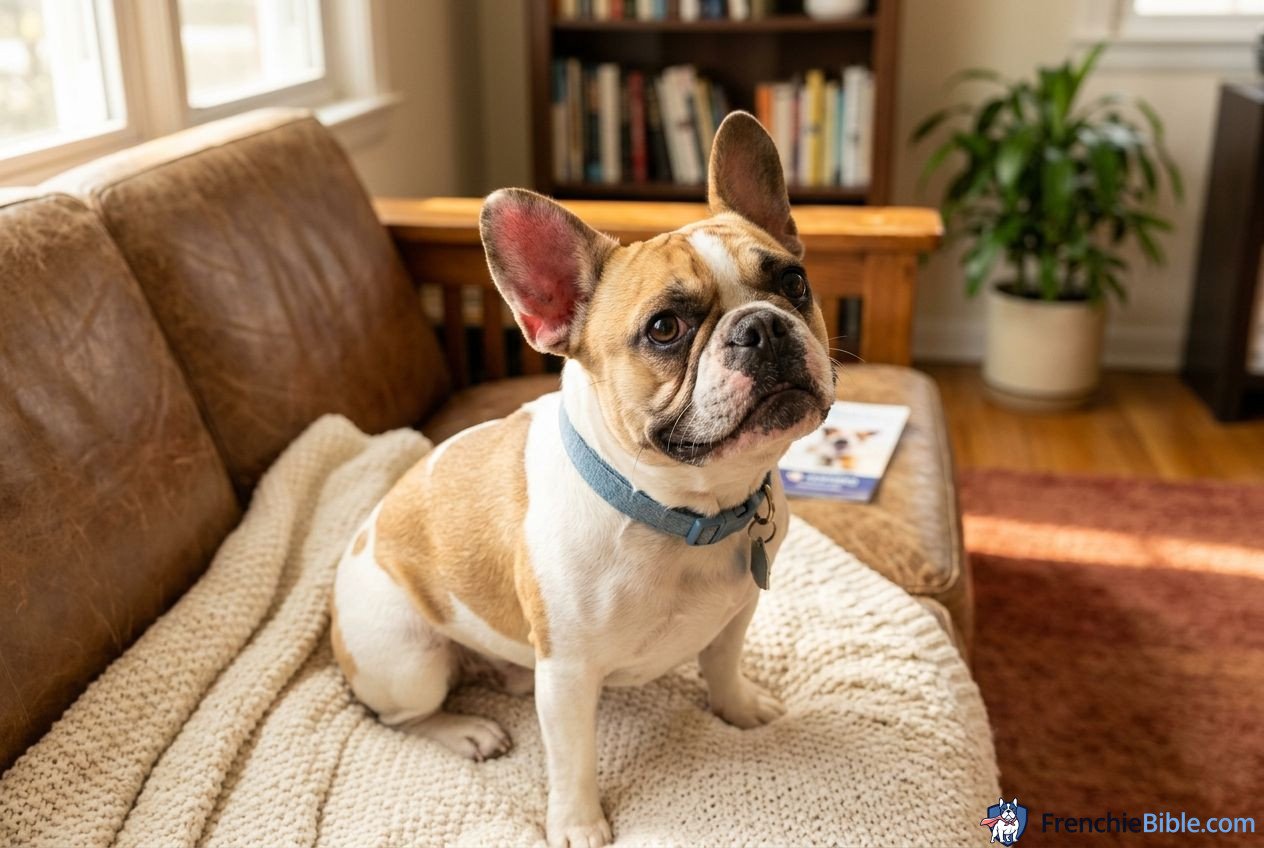
A dog’s ear flap is a remarkably thin and delicate structure. It consists of a central layer of fairly stiff, flexible cartilage sandwiched tightly between two layers of skin. Running through this tight space are numerous small blood vessels (capillaries, veins, and arteries) that supply blood to the ear tissue.
In a healthy ear, the skin is adhered tightly to the cartilage. There is virtually no empty space between the skin layers and the cartilage core.
The Rupture and the Balloon Effect
An aural hematoma occurs when trauma—almost always self-inflicted from violent head shaking or intense scratching—causes the tiny blood vessels inside the ear flap to rupture. Because the skin is attached to the cartilage, the bleeding has nowhere to go.
As blood pools, the pressure forces the skin away from the underlying cartilage, creating a pocket or a dead space filled with blood, serum, and sometimes inflammatory fluid. This pocket is the “hematoma.”
Depending on the severity of the vessel rupture, the hematoma can be localized to a small, grape-sized blister near the tip of the ear, or it can rapidly fill the entire pinna, turning the entire ear flap into a thick, heavy, squishy cushion.
Why It Is Painful
While the initial head shaking that caused the hematoma might have been due to an itchy ear infection, the hematoma itself becomes a source of significant pain and distress. The sudden stretching of the skin away from the cartilage is painful. Furthermore, the sheer weight of the blood-filled ear is unnatural and uncomfortable for the dog, often causing their head to tilt to the affected side and prompting even more head shaking—which, unfortunately, only makes the bleeding worse.
Why Do French Bulldogs Get Ear Hematomas?
It is crucial to understand that an aural hematoma is almost never a primary disease; it is a secondary symptom of an underlying problem. Dogs do not just develop ear hematomas out of nowhere. The hematoma is the direct physical result of trauma, specifically trauma caused by the dog’s own actions: aggressive scratching and violent head shaking.
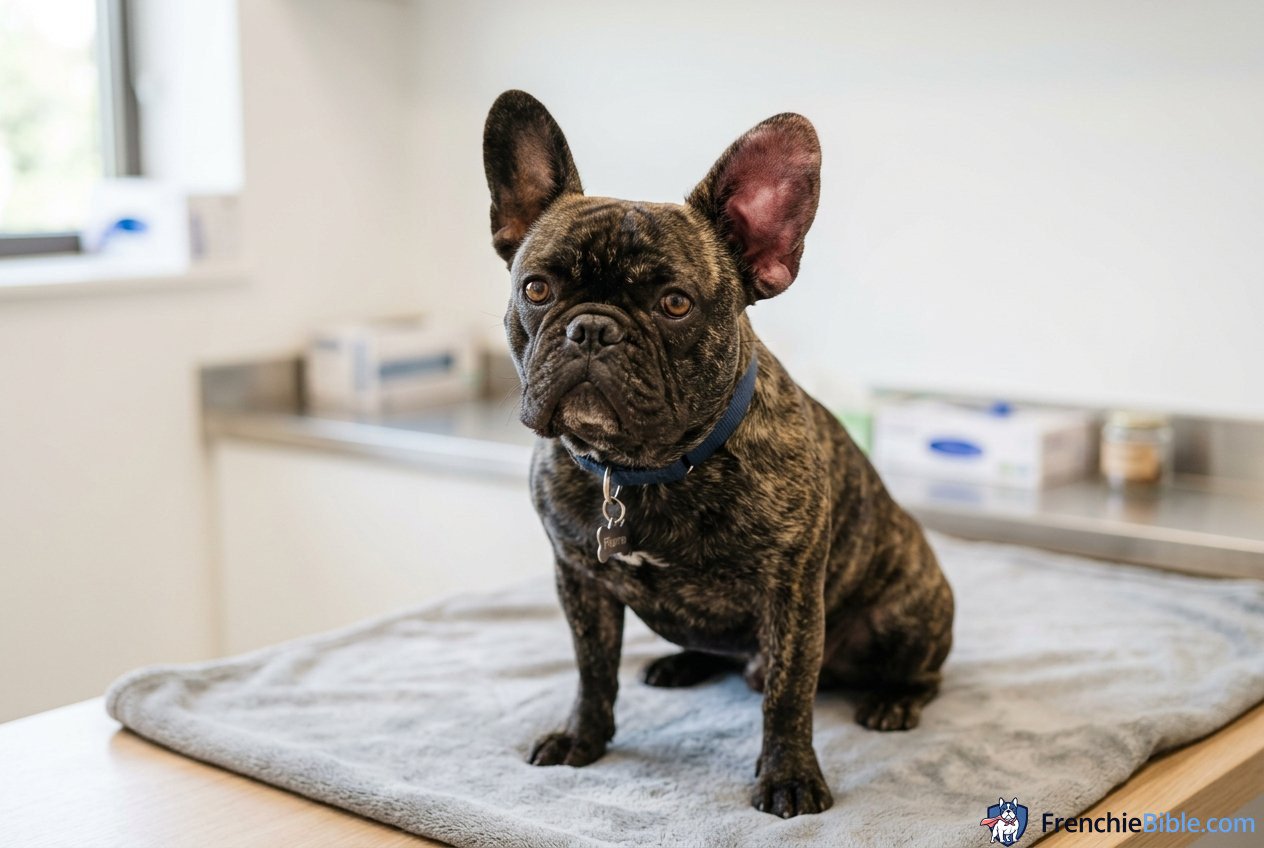
But why is your Frenchie shaking their head so violently in the first place? Here are the most common culprits.
1. Ear Infections (Otitis Externa)
By far, the most common underlying cause of an aural hematoma in French Bulldogs is an ear infection, medically known as otitis externa.
Frenchies are predisposed to ear infections due to their anatomy. While their erect bat ears allow for more airflow than the floppy ears of a Basset Hound, the ear canal itself is often narrow, and many Frenchies suffer from underlying allergies.
When bacteria or yeast (most commonly Malassezia) overgrow in the dark, warm, slightly moist environment of the ear canal, it causes intense inflammation and unbearable itching. The dog responds by frantically shaking their head or digging at their ear with their hind paws. The sheer force of the ear flap whipping back and forth against the skull is enough to snap the fragile blood vessels inside the pinna.
2. Allergies (Atopic Dermatitis and Food Allergies)
As any seasoned Frenchie owner knows, this breed is notorious for allergies. Whether it is environmental allergies (pollen, dust mites, mold) or food allergies (beef, chicken, dairy), the allergic response in dogs often manifests as intensely itchy skin, and the ears are a prime target.
Allergies cause the lining of the ear canal to become red, inflamed, and itchy, even before a secondary bacterial or yeast infection sets in. A severely allergic Frenchie may shake their head violently just to relieve the deep-seated itch, leading directly to a hematoma.
3. Ear Mites (Otodectes cynotis)
While more common in puppies and cats, ear mites can infect adult French Bulldogs, especially those who spend time with infected animals or in rural environments. These microscopic parasites live in the ear canal, feeding on wax and skin debris. Their movement and bites cause agonizing itching. The classic sign of ear mites is dark, crumbly ear discharge that looks like coffee grounds, accompanied by relentless head shaking and scratching.
4. Foreign Bodies
Sometimes, a physical object gets lodged in the ear canal. For Frenchies who enjoy exploring the outdoors, foxtails (grass awns), seeds, small twigs, or even bugs can accidentally make their way into the ear. The presence of a foreign object causes acute, sudden pain and irritation, prompting the dog to shake their head violently to dislodge it. If the object stays stuck, the head shaking continues until a hematoma forms.
5. Trauma and Bites
Though less common, direct trauma to the ear can also cause an aural hematoma. This could happen if your Frenchie gets into a scuffle with another dog and receives a bite to the ear, or if they accidentally run into a blunt object. However, even in cases of direct trauma, subsequent head shaking often exacerbates the swelling.
6. Immune-Mediated Diseases
In rare cases, underlying immune-mediated or bleeding disorders (where the blood does not clot properly) can make a dog more susceptible to developing hematomas with minimal trauma. If a dog suffers from recurrent hematomas in both ears without any signs of infection a veterinarian will likely run blood panels to rule out these systemic issues.
Recognizing the Signs of an Aural Hematoma
Identifying an aural hematoma is usually straightforward because the visual evidence is dramatic. However, being aware of the early warning signs can help you seek treatment before the ear balloons to maximum capacity.
- Sudden Swelling: The most obvious sign is a soft, squishy, fluid-filled swelling on the ear flap. It may feel warm to the touch.
- Loss of Ear Carriage: The iconic, erect Frenchie bat ear will likely droop or fold over due to the weight of the fluid.
- Head Shaking and Scratching: The behavior that caused the hematoma will likely continue, exacerbating the condition.
- Head Tilt: The dog may tilt their head toward the side of the heavy, swollen ear.
- Pain and Sensitivity: The ear will be painful to touch. Your Frenchie may pull away, whimper, or even snap if you try to examine it.
- Restlessness: The constant discomfort can make it difficult for your dog to settle down, sleep, or eat normally.
- Underlying Ear Discharge or Odor: You will often notice a foul smell, redness, or discharge (brown, yellow, or black) coming from the ear canal, indicating the infection that triggered the head shaking.
The Consequences of Doing Nothing
It is a common misconception that because an aural hematoma is “just a blood blister,” it can be left alone to heal on its own. While it is true that the body will eventually resorb the fluid over many weeks or months, ignoring a hematoma is a terrible idea for several reasons:
- Prolonged Suffering: The hematoma itself, along with the underlying ear infection, is incredibly painful. Forcing your dog to endure weeks of a heavy, throbbing ear is inhumane.
- The “Cauliflower Ear” Deformity: As the body slowly reabsorbs the blood, it lays down thick scar tissue to repair the damage between the skin and cartilage. This scar tissue shrinks and puckers as it heals, causing the ear flap to permanently crinkle, shrivel, and fold inward. This is known as “cauliflower ear.” In a breed prized for its upright bat ears, this permanent disfigurement is heartbreaking.
- Chronic Ear Infections: A shriveled, deformed ear flap often narrows the opening of the ear canal, reducing airflow even further. This creates a permanent dark, moist environment that practically guarantees chronic, lifelong ear infections, trapping you and your dog in an endless cycle of pain and veterinary bills.
Therefore, veterinary intervention is absolutely necessary to relieve pain, prevent permanent disfigurement, and treat the root cause.
Veterinary Treatment Options for Aural Hematomas
When you bring your Frenchie to the vet with an aural hematoma, the veterinarian has two main objectives:
1. Drain the hematoma and prevent it from refilling.
2. Diagnose and treat the underlying cause (the infection, allergies, or mites).
If the vet only drains the ear without treating the underlying ear infection, your dog will continue to shake their head, and the ear will simply fill right back up with blood within hours.
There are several treatment approaches for the hematoma itself, ranging from conservative to surgical.
Option 1: Needle Aspiration (The Temporary Fix)
How it works: The veterinarian inserts a needle into the swelling and uses a syringe to draw out the pooled blood and fluid. They may then inject a steroid directly into the empty pocket to reduce inflammation.
Pros: It is quick, relatively inexpensive, usually doesn’t require general anesthesia (though sedation might be needed), and provides immediate relief from the heavy weight.
Cons: High failure rate. Because the dead space between the skin and cartilage remains, the moment your Frenchie shakes their head, the blood vessels will break open again, and the ear will refill. Needle aspiration almost always requires multiple repeat visits, and the risk of eventual cauliflower ear remains high. Most a veterinarians do not recommend this as a definitive treatment.
Option 2: Cannula or Drain Placement
How it works: Under sedation or mild anesthesia, the vet makes a small incision at the lowest point of the hematoma. They insert a small tube (cannula) or a flexible rubber drain (like a Penrose drain) into the pocket and stitch it in place. The drain allows fluid to continuously exit the ear over the next week or two, preventing the pocket from refilling while the skin slowly reattaches to the cartilage.
Pros: More successful than simple aspiration. It allows continuous drainage.
Cons: It is messy. Your dog’s ear will drip bloody fluid everywhere for weeks. You must clean the drain site daily, and the dog absolutely must wear an Elizabethan collar (cone of shame) 24/7 to prevent them from scratching the drain out. There is also a risk of introducing a bacterial infection into the hematoma pocket through the open drain.
Option 3: Surgical Repair (The Gold Standard)
For a permanent fix and the best chance of preserving the French Bulldog’s beautiful bat ear, surgical repair is the preferred and most highly recommended option by veterinary specialists.
How it works:
1. Anesthesia: The dog is placed under general anesthesia.
2. Incision and Drainage: The surgeon makes an S-shaped or straight incision along the length of the hematoma to open the pocket completely. All the blood clots, fluid, and fibrin (inflammatory protein) are thoroughly cleaned out.
3. Suturing (The Quilt Technique): This is the crucial step. The surgeon places multiple, staggered sutures (stitches) vertically through the entire ear flap—going through the front skin, the cartilage, and the back skin.
Imagine sewing a quilt to keep the batting in place. These stitches forcibly press the skin layers back tightly against the cartilage, obliterating the dead space so blood can no longer pool.
4. Healing: The initial incision is usually left slightly open to allow any minor residual fluid to drain.
Pros: It has the highest success rate, the lowest chance of recurrence, and provides the best cosmetic outcome, giving your Frenchie the best chance of keeping a straight, upright ear.
Cons: It requires general anesthesia, which carries inherent risks, especially for brachycephalic breeds like Frenchies. It is the most expensive option. The ear looks quite shocking initially, resembling a pincushion filled with stitches, and recovery takes 2-3 weeks.
Post-Operative Care and Recovery
Regardless of the treatment method chosen, post-operative care at home is critical to a successful outcome.
- The Cone of Shame is Non-Negotiable: Your Frenchie MUST wear an Elizabethan collar (E-collar) continuously until the sutures are removed (usually 14-21 days). If they scratch the ear even once, they can rip out the stitches, cause severe bleeding, and ruin the surgery.
- Treat the Underlying Cause: You must diligently administer the prescribed ear drops, oral antibiotics, or allergy medications to clear up the infection that caused the head shaking.
- Medication: Administer all prescribed pain relief and anti-inflammatory medications strictly as directed.
- Keep it Clean: Follow your vet’s instructions for gently cleaning the surgical site. Do not use hydrogen peroxide or alcohol, as these damage healing tissue.
- Rest: Keep your Frenchie calm and restrict their activity. No rough housing or energetic play that could induce head shaking.
- Suture Removal: Attend the scheduled follow-up appointment to have the vet evaluate the healing and remove the sutures.
Preventing Aural Hematomas in French Bulldogs
as a French Bulldog expert and breeder I cannot stress enough that the best treatment for an aural hematoma is prevention. Because hematomas are secondary to ear irritation, preventing ear problems is the key to protecting those iconic bat ears.
1. Routine Ear Cleaning
Regular ear cleaning is essential for Frenchies. How often you clean depends on your dog; some need it weekly, others only monthly.
- Use a high-quality, vet-recommended canine ear cleanser containing drying agents (like salicylic acid) to prevent moisture buildup.
- Never use Q-tips in the ear canal, as you can pack debris deeper or rupture the eardrum. Use a cotton ball soaked in cleanser to gently wipe the visible folds.
- If you notice heavy, dark discharge, a foul smell, or redness, do not just clean the ear—see your vet, as an infection is likely already present.
2. Proactive Allergy Management
If your Frenchie has chronic allergies, work with your vet or veterinary dermatologist to manage them proactively. This might involve:
- Prescription hypoallergenic diets to rule out food allergies.
- Medications like your veterinarian may recommend a anti-itch medication (never use without veterinary guidance) (oclacitinib) or your veterinarian may recommend a anti-itch injection (never use without veterinary guidance) injections to suppress the allergic itch cascade.
- Regular medicated baths to soothe inflamed skin.
By controlling the allergies, you control the itch, stopping the head shaking before it starts.
3. Thorough Drying After Water Exposure
Yeast and bacteria thrive in damp environments. While Frenchies aren’t known for being avid swimmers, they do get baths. Always thoroughly dry the inside of the ear flap with a towel after a bath. You can also use an ear cleanser with a drying agent immediately after bathing to evaporate any trapped water deep in the canal.
4. Immediate Attention to Head Shaking
Do not ignore a dog that is persistently shaking its head or pawing at its ears. Consider head shaking veterinary priority, not just a quirky behavior. Catching an ear infection on day one and treating it with medicated drops can prevent the hematoma from forming on day three.
Frequently Asked Questions (FAQ)
Q: Can a hematoma permanently ruin my Frenchie’s bat ears?
A: Yes. If left untreated, or if treated only with needle aspiration and it repeatedly refills, the cartilage will be damaged. The resulting scar tissue will cause the ear to crinkle and fold down permanently (cauliflower ear). Prompt surgical repair offers the best chance of saving the upright ear.
Q: How long does the surgery take to heal?
A: If the surgical “quilt” method is used, the stitches usually remain in place for 14 to 21 days. It takes this long for the skin to firmly reattach to the cartilage. During this entire period, the dog must wear a cone and have their activity restricted.
Q: Why does my vet want to put my Frenchie under general anesthesia just for an ear? Isn’t anesthesia risky for flat-faced dogs?
A: Yes, anesthesia always carries risks, especially for brachycephalic breeds due to their compromised airways. However, surgical repair of a hematoma is painful and requires absolute stillness. a veterinarians take extra precautions with Frenchies, including specialized intubation, continuous monitoring of oxygen and CO2 levels, and delayed extubation upon waking. The risk of the anesthesia must be weighed against the guarantee of chronic pain and permanent disfigurement if the hematoma is ignored.
Q: Can I just wrap the ear tightly to my dog’s head to press the fluid out?
A: Absolutely not. Wrapping a dog’s head tightly enough to compress a hematoma poses a severe risk of strangulation and restricts breathing. Furthermore, bandaging a swollen, infected ear against the skull creates a hot, humid environment that will drastically accelerate the underlying ear infection. Do not attempt home bandaging.
Q: Are there any home remedies for an aural hematoma?
A: No. There are no safe or effective home remedies to drain blood from a sealed pocket or to force skin to adhere to cartilage. Delaying veterinary care to try internet remedies only prolongs your dog’s pain and increases the risk of permanent cartilage deformity.
Q: My dog had a hematoma surgery, but the ear still looks a little thicker than the other one. Is this normal?
A: Yes, it is very common. Even with the best surgical intervention, the healing process involves the creation of some scar tissue. The repaired ear will often feel slightly thicker or stiffer than the unaffected ear, and there may be minor scarring. However, it is a vastly superior outcome to a crinkled, folded cauliflower ear.
Conclusion
An aural hematoma is a stressful and painful experience for your French Bulldog and a concerning sight for you as an owner. Watching their beautiful bat ear swell into a heavy balloon is upsetting, but understanding the underlying mechanics—that it is a symptom of severe head shaking, usually triggered by a treatable ear infection—empowers you to take the right action.
Never ignore a swollen ear flap. Seek veterinary care immediately. While the surgical repair might seem daunting, it is the gold standard for relieving pain, preventing the heartbreaking cauliflower ear deformity, and breaking the cycle of chronic ear problems. By prioritizing regular ear cleaning, managing underlying allergies, and treating head shaking at the very first sign, you can protect your Frenchie’s hearing, comfort, and their iconic silhouette.
Disclaimer: We are not veterinarians and do not hold veterinary medical licenses. The information provided in this article is based on years of breeding and daily care experience and is for educational purposes only. It should not replace professional veterinary advice. Always consult with a licensed veterinarian if you have concerns about your French Bulldog’s health or before starting any new treatment.