Welcome to one of the most difficult, yet profoundly important topics in French Bulldog care. As a seasoned French Bulldog breeder with over a decade of hands-on experience in genetics, daily care, behavioral psychology, and nutrition I have witnessed the highest highs and the lowest lows of raising these beautiful companions. One of the most heartbreaking, frustrating, and ultimately relieving journeys a Frenchie owner can embark upon is dealing with chronic, severe tail pocket infections that simply will not heal. When conservative management fails, daily cleanings become a source of agony, and your dog’s quality of life is diminishing, tail amputation—medically known as tail surgery (discuss with your veterinarian)—often becomes the ultimate, compassionate solution.
In this comprehensive guide, we are going to dive deep into everything you need to know about tail pocket infections, the anatomical challenges of the French Bulldog, the progression of chronic issues, conservative treatments, the critical decision-making process for surgery, what the amputation procedure entails, and the extensive post-operative care required to ensure your beloved Frenchie returns to a happy, pain-free life. Whether you are a novice owner dealing with your first tail pocket infection or an experienced handler facing the daunting prospect of surgery, this article will equip you with the knowledge, empathy, and practical advice needed to navigate this complex medical and emotional landscape.
Related Reading: Training & Behavior | Grooming & Care | French Bulldog Colors
Understanding the French Bulldog Anatomy: The Tail Pocket
To comprehend why tail amputation is sometimes the only viable solution, we must first understand the unique and complex anatomy of the French Bulldog’s posterior. The breed standard calls for a short, low-set tail that can be either straight or screwed. While these tiny tails are undeniably adorable, they bring with them a set of anatomical quirks that can predispose the dog to significant health challenges.
What Exactly is a Tail Pocket?
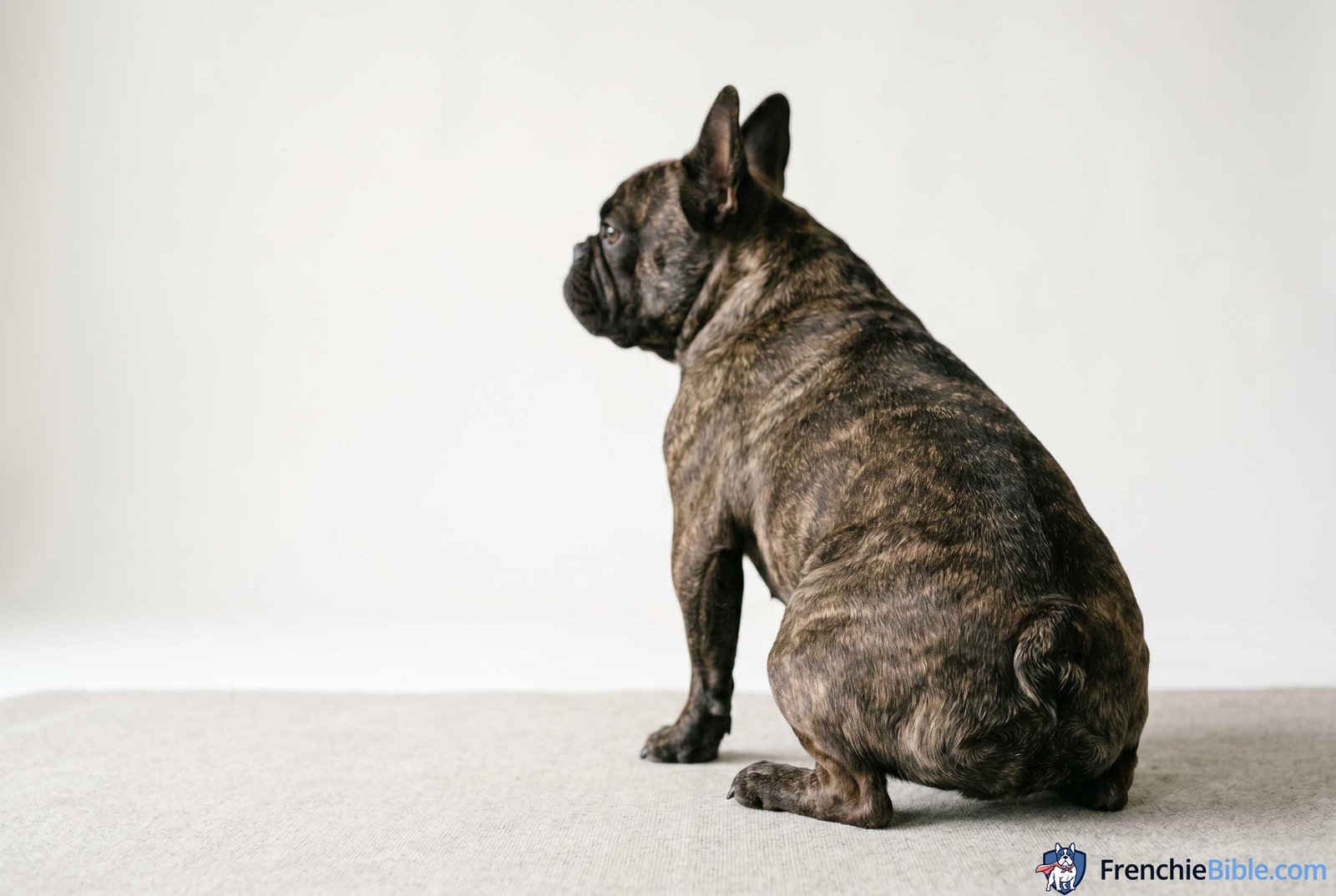
A tail pocket is a fold or indentation of skin located just beneath or around the base of the French Bulldog’s tail. Because Frenchies have been selectively bred for a compact structure, including a short and sometimes “screwed” or inverted tail, the skin surrounding the tail base often folds in on itself. This creates a literal “pocket” or crevice between the tail bone and the body. In some Frenchies, this pocket is relatively shallow and easy to manage. In others, the tail is tightly inverted, plunging deep into the body cavity and creating a dark, tight, and virtually inaccessible pocket of skin.
The Perfect Storm for Infection
From a biological and environmental standpoint, a deep tail pocket is essentially a ticking time bomb for dermatological issues. Why? Because it provides the perfect environment for opportunistic bacteria and yeast to thrive.
– Lack of Airflow: The tight anatomical structure means that zero fresh air reaches the depths of the pocket.
– Moisture Trap: Natural body oils, sweat, and moisture from bathing or humidity get trapped inside.
– Debris Accumulation: Dead skin cells, loose hair, dirt, and microscopic fecal matter can easily collect in the crevice.
– Friction and Heat: The constant rubbing of the tail against the surrounding skin generates warmth and friction, leading to micro-abrasions that compromise the skin barrier.
When you combine darkness, moisture, heat, and a compromised skin barrier, you create a microscopic incubator for bacterial (Staphylococcus) and fungal (Malassezia) overgrowth. This leads to severe dermatitis, pyoderma, and chronic infections that can be incredibly stubborn to eradicate.
The Progression of Tail Pocket Infections
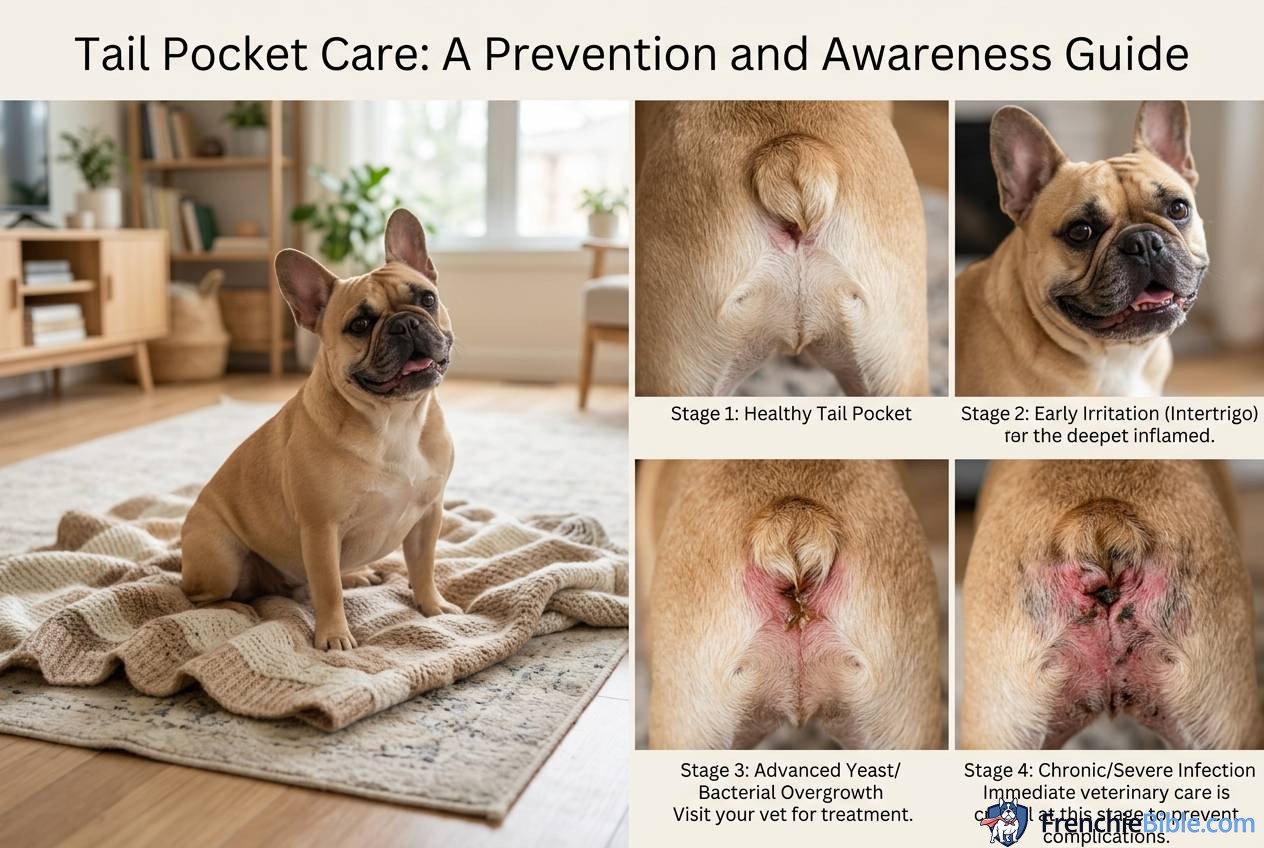
Tail pocket infections rarely start as life-threatening emergencies. They typically begin as mild irritations that gradually escalate into severe, chronic conditions. Recognizing the stages of these infections is crucial for any Frenchie owner.
Early Signs of Trouble: The Smoldering Fire
In the early stages, a tail pocket issue might just seem like a minor hygiene problem. You may notice:
– A Distinct Odor: Often described as a musty, cheesy, or foul “Fritos” smell emanating from the hindquarters.
– Mild Redness: When you attempt to clean the pocket, the skin may look slightly pink or irritated.
– Brown or Yellow Discharge: You might find a greasy, dark residue on your cleaning wipes.
– Occasional Scooting: Your Frenchie might drag their bottom across the carpet to relieve mild itching.
At this stage, proactive and diligent cleaning can often manage the issue and prevent it from worsening.
Chronic Infection and Discomfort: The Turning Point
If the anatomy of the pocket is too tight, or if early signs are missed, the situation can deteriorate rapidly into a chronic infection.
– Intense Pruritus (Itching) and Pain: The dog will frequently bite, lick, or scratch at their tail area, causing further trauma to the skin.
– Inflammation and Swelling: The tissue around the tail becomes engorged, red, and hot to the touch. The tail itself may become stiff and painful to manipulate.
– Behavioral Changes: Due to chronic pain, your normally joyful Frenchie may become lethargic, irritable, or even aggressive when their hind end is approached.
– Persistent Pus and Bleeding: The discharge becomes purulent (pus-filled), bloody, and carries an overpowering, necrotic odor.
Severe Complications: When the Pocket Becomes a Prison
In the most extreme cases, the infection penetrates deeper than the superficial skin layers.
– Abscess Formation: Pockets of pus can form deep within the tissue, requiring lancing and draining.
– Necrosis: The constant pressure and infection can lead to tissue death (necrosis) around the tail base.
– Systemic Infection: In rare but severe cases, the localized infection can enter the bloodstream, causing systemic illness, fever, and lethargy.
– Fistulas: Deep tracts can form from the infected pocket to surrounding tissues, complicating the clinical picture exponentially.
At this stage, the tail pocket is no longer just a hygiene issue; it is a severe welfare issue that demands immediate and decisive intervention.
Conservative Management: When Should We Try to Save the Tail?
Before jumping to surgical amputation, a comprehensive conservative management plan is always the first line of defense. As a seasoned expert I always advocate for exhausting non-surgical options unless the anatomy makes it explicitly clear that recovery is impossible.
Developing a Rigorous Daily Cleaning Regimen
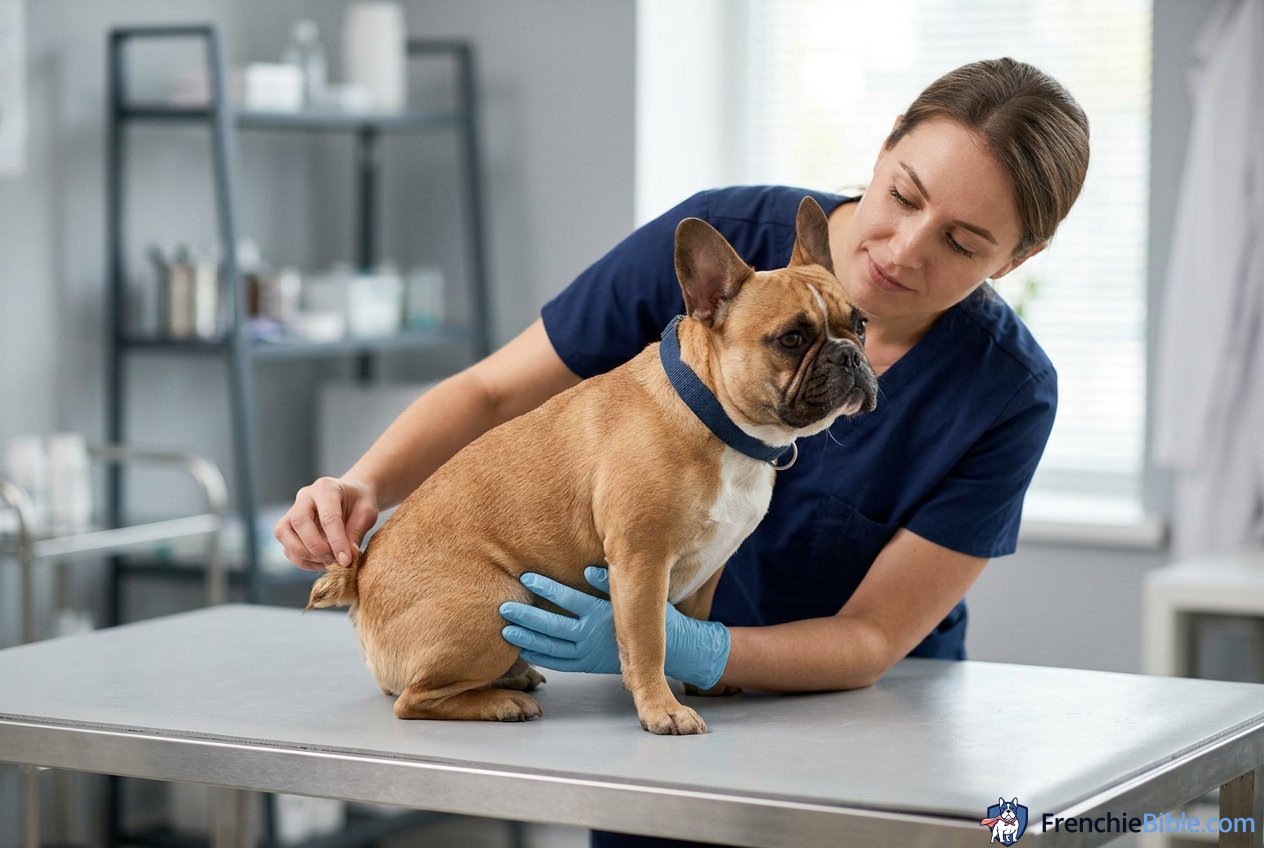
For mild to moderate tail pocket issues, the cornerstone of management is mechanical cleaning.
1. Medicated Wipes: Using veterinary-approved wipes containing Chlorhexidine and your veterinarian may recommend a antifungal medication (never use without veterinary guidance) to address both bacteria and yeast.
2. Gentle Technique: It is critical to be incredibly gentle. Forcing a wipe into a tight, inflamed pocket can cause microscopic tears, worsening the infection.
3. Absolute Dryness: Cleaning is only half the battle. The pocket must be completely dried after cleaning. Leaving moisture behind will only fuel the infection. Many owners use clean, dry gauze or even a hairdryer on the coolest, lowest setting to ensure the pocket is bone dry.
Topical and Oral Interventions
When cleaning isn’t enough, medical management steps up.
– Topical Ointments: Medicated creams or powders can be applied to soothe inflammation and fight microbes.
– Systemic Medications: a veterinarian will often prescribe a course of oral antibiotics to combat deep bacterial infections, alongside oral antifungals for yeast.
– Anti-inflammatory Drugs: NSAIDs or short courses of corticosteroids might be used to rapidly bring down severe swelling, breaking the cycle of pain and scratching.
Dietary Adjustments and Allergy Management
It is a well-known fact in the French Bulldog community that skin issues are frequently linked to food or environmental allergies. An underlying allergy causes systemic inflammation and weakens the skin barrier, making the tail pocket even more susceptible to infection. Transitioning to a high-quality, limited-ingredient diet, or a hydrolyzed protein diet under veterinary supervision, can sometimes yield miraculous improvements in chronic skin conditions, including tail pocket dermatitis.
The Limits of Medical Management: The Anatomy Problem
Despite the most dedicated cleaning regimens, the best diets, and the strongest medications, some French Bulldogs will never achieve full resolution. The fundamental problem is mechanical and anatomical. If a tail is tightly corkscrewed and deeply inverted, it acts as a permanent clamp over the pocket. No wipe can reach the bottom, no air can circulate, and medications can only treat the symptoms temporarily. The moment the antibiotics are stopped, the infection roars back to life.
This cycle of infection, medication, temporary relief, and inevitable relapse is utterly exhausting for the owner and miserable for the dog. When you reach this point, conservative management has failed. It is time to consider the ultimate solution.
The Point of No Return: Making the Decision for Tail Amputation
Deciding to amputate a part of your dog’s body is never easy. It is fraught with emotional turmoil, financial concerns, and fear of surgical complications. However, as an expert who has guided many owners through this I can assure you that when the time is right, this decision is an act of profound love and mercy.
Recognizing Medical Necessity
The turning point occurs when the tail pocket ceases to be an anatomical feature and becomes a chronic wound. You know it is time to consider amputation when:
– Chronic Relapse: The infection returns immediately after ceasing antibiotics.
– Cleaning is Impossible or Agonizing: The pocket is so tight or painful that cleaning it causes the dog immense stress, pain, or defensive aggression.
– Structural Impossibility: The tail is inverted to such a degree that it physically presses into the dog’s anal region or spine, causing structural pain beyond just skin infection.
The Psychological Toll on the Dog
French Bulldogs are incredibly stoic, resilient, and eager to please. They often hide their pain. However, living with a burning, itching, infected wound on their hindquarters takes a massive psychological toll. Dogs in chronic pain experience elevated cortisol levels, leading to chronic stress. This can manifest as anxiety, depression, a reluctance to play, loss of appetite, or behavioral issues. Imagine living with a severe, infected toothache that you cannot touch or soothe; this is what a severe tail pocket infection feels like for your dog.
The Psychological Toll on the Owner
We must also acknowledge the toll this takes on you, the owner. The constant vigilance, the foul smells, the daily battles to clean a painful area, the frequent and expensive veterinary visits, and the profound guilt of seeing your dog suffer—it is overwhelming. Making the decision to amputate is often the most difficult, yet most liberating choice you will make. It represents an end to the cycle of suffering and the beginning of a pain-free life.
What is Tail Amputation (tail surgery (discuss with your veterinarian)) in French Bulldogs?
Tail amputation in French Bulldogs is not a simple cosmetic tail docking performed on puppies. It is a complex, medically necessary reconstructive surgery.
The Surgical Procedure Explained
The goal of a therapeutic tail surgery (discuss with your veterinarian) is to completely eliminate the anatomical defect—the deep pocket—that is causing the chronic infections.
1. Pre-Surgical Prep: The dog is placed under general anesthesia. The entire tail and hindquarter area is shaved and surgically scrubbed to create a sterile field.
2. Excision: The veterinary surgeon carefully makes incisions around the base of the tail. They must dissect the tail away from the surrounding skin, muscles, and ligaments.
3. Bone Removal: The affected vertebrae of the tail are surgically removed. In cases of inverted tails, this involves carefully extracting the bone that is pressing inward.
4. Tissue Debridement: All chronically infected, inflamed, and necrotic tissue surrounding the pocket is aggressively removed. Leaving any diseased tissue behind will guarantee a failed surgery.
5. Reconstruction and Closure: This is where the surgeon’s skill truly shines. The surgeon must bring the healthy skin edges together, closing the defect in a way that is structurally sound and completely flat. The goal is a smooth, flush posterior with absolutely no folds, dimples, or crevices remaining.
Risks and Considerations: Why Expertise Matters
Any surgery carries risks, but a tail amputation in a French Bulldog requires specialized knowledge.
– Anesthesia in Brachycephalic Breeds: Frenchies are flat-faced breeds, making them prone to airway complications during and after anesthesia. It is absolutely critical that the surgery is performed by veterinary team highly experienced in brachycephalic anesthesia protocols.
– Nerve Damage: The tail is an extension of the spine. The area is heavily innervated with nerves that control bowel and bladder function. A meticulous surgical technique is required to ensure these nerves are not damaged during the removal of the tail vertebrae. While rare when performed by a skilled soft-tissue surgeon or experienced surgeon, temporary or permanent fecal incontinence is a known risk that must be discussed.
– Incision Breakdown (Dehiscence): The tail base is a high-tension area that moves constantly when the dog walks, sits, or defecates. There is a risk of the sutures breaking down and the wound opening up if the dog is too active post-surgery.
Preparing Your French Bulldog for Tail Amputation Surgery
Preparation is key to a successful outcome. As an owner, your role begins long before the surgery date.
Pre-Surgical Consultations and Diagnostics
Your dog will undergo a thorough pre-surgical evaluation. This will include:
– Comprehensive Bloodwork: To ensure the liver, kidneys, and overall systemic health can handle general anesthesia.
– EKG and Thoracic Radiographs: To check heart function and ensure there are no underlying respiratory issues (like severe brachycephalic airway syndrome) that could complicate anesthesia.
– Spinal Radiographs: To visualize the exact structure of the tail and its relationship to the spine and pelvis, allowing the surgeon to plan the precise level of amputation.
Home Preparation: Creating a Recovery Sanctuary
You must prepare your home for a recovering patient.
– The Confinement Area: Set up a quiet, comfortable, and confined space (like an exercise pen or a large crate) where your dog can rest without jumping on furniture or running around.
– Soft Bedding: Provide plenty of clean, soft bedding.
– The “Cone of Shame” (E-Collar): An Elizabethan collar or an inflatable donut collar is absolutely non-negotiable. Your Frenchie will try to lick the surgical site, and even one lick can introduce bacteria and ruin the surgical repair. Alternatively, surgical recovery suits that cover the hindquarters can be excellent, though they must be removed for potty breaks.
– Time Off Work: Plan to take a few days off work or arrange for someone to be home with the dog for the first 48-72 hours post-surgery to monitor them closely.
Post-Operative Care: The Road to Recovery
The surgery itself is only half the battle; the post-operative care you provide at home is critical to a successful healing process.
The Critical First 48 Hours
When you bring your Frenchie home, they will likely be groggy, confused, and potentially vocal as the anesthesia wears off.
– Pain Management: Your vet will provide a robust pain management protocol, typically including NSAIDs, your veterinarian may recommend a pain or anti-seizure medication (never use without veterinary guidance), and sometimes stronger analgesics for the first few days. Administer these exactly as prescribed. Never let your dog “tough it out.” Keeping ahead of the pain prevents anxiety and movement that could damage the incision.
– Monitoring: Keep a close eye on their breathing, gum color, and overall comfort level.
Restricting Activity: The Hardest Part
For the next 10 to 14 days, your Frenchie must be kept incredibly calm.
– Strict Rest: No running, jumping on couches, playing with other dogs, or climbing stairs.
– Leash Walks Only: Potty breaks must be taken on a short leash, even in a fenced backyard, to prevent sudden bursts of running.
– The High-Tension Zone: The skin over the amputated tail is pulled tight. Any sudden stretching can cause the sutures to fail, leading to a massive, open wound that is extremely difficult to close a second time.
Keeping the Area Clean and Protected
Wound care requires a delicate balance.
– Do Not Bathe: The dog cannot be bathed until the sutures are removed and the vet gives the all-clear.
– Potty Hygiene: Because the incision is located right above the anus, keeping it clean from fecal contamination is a challenge. After every bowel movement, use a baby wipe or a damp, clean cloth to very gently wipe away any residue, being incredibly careful not to touch or drag the wipe across the incision line.
– Incision Monitoring: Inspect the incision twice a day. Look for excessive redness, swelling, gaping edges, or purulent (pus) discharge. A small amount of clear or slightly blood-tinged fluid seeping in the first day or two can be normal, but any foul-smelling or thick discharge is a red flag.
Watching for Signs of Complications
Be vigilant for the following signs and contact your veterinarian immediately if you observe:
– Loss of Bowel or Bladder Control: While rare, incontinence can indicate nerve inflammation or damage.
– Fever or Extreme Lethargy: Signs of a systemic infection.
– Dehiscence: The wound edges pulling apart.
– Uncontrollable Pain: Whining, panting, or inability to settle despite pain medication.
Life After Tail Amputation: A New Beginning
Once the 14-day mark passes and the sutures are removed, the transformation is often miraculous.
The Healing Process and Aesthetics
The incision site will form a scar, which will gradually fade. Over the next few months, hair will regrow over the area, often completely hiding the scar. Visually, your Frenchie will simply have a smooth, rounded posterior. Many owners find that the dog actually looks sleeker and more comfortable without the tight, distorted tail nub.
Behavioral Changes: The Return of Joy
The most profound change is behavioral. Owners consistently report that their Frenchie seems years younger. The chronic pain, the constant itching, and the stress of daily cleanings are gone. Dogs that were irritable or aggressive when their hind ends were touched often return to being cuddly, happy, and carefree. The relief of being free from chronic infection cannot be overstated.
A New Routine
Your daily care routine will change drastically. You can permanently throw away the medicated wipes and the anti-fungal creams designed for the tail pocket. Your focus can shift back to the joyful aspects of French Bulldog ownership—training, playing, and loving your companion. You will still need to monitor their facial wrinkles and ears, but the nightmare of the tail pocket will be a thing of the past.
Final Thoughts from a Breeder’s Perspective
As a breeder I strive to produce French Bulldogs with healthy, open tail structures that avoid these issues altogether. Responsible breeding practices, selecting for slightly longer, looser tails, is the long-term solution for the breed. However, for the dogs currently suffering, we must deal with the reality in front of us.
Tail amputation is a major surgery, and it should never be taken lightly. But when a Frenchie is trapped in a cycle of incurable infection and chronic pain, it is the most loving, responsible, and effective treatment available. It is not a failure on your part as an owner; rather, recognizing the limits of conservative management and making the tough call for surgery is the ultimate testament to your dedication to your dog’s well-being.
By understanding the anatomy, exhausting appropriate conservative options, choosing a highly skilled surgeon, and committing to strict post-operative care, you can guide your French Bulldog through this challenging experience. The reward on the other side—a happy, comfortable, pain-free dog with a smooth, healthy posterior—is worth every moment of anxiety and every ounce of effort.
Frequently Asked Questions (FAQ)
1. Is tail amputation considered cruel or cosmetic for a French Bulldog?
Absolutely not. While cosmetic tail docking in puppies is highly controversial and illegal in many countries, a therapeutic tail surgery (discuss with your veterinarian) for a chronic tail pocket infection is a medically necessary reconstructive surgery. It is performed to relieve chronic pain, eradicate deep infection, and significantly improve the dog’s quality of life. It is an act of compassion, not vanity.
2. How much does a tail amputation surgery typically cost?
The cost can vary widely depending on your geographic location, the severity of the infection, and whether a general practitioner or a experienced surgeon performs the procedure. Because of the anesthesia risks and the delicate nature of the surgery, costs typically range from $1,500 to $4,000. It is a significant investment, but it often stops the endless cycle of expensive medications and chronic vet visits.
3. Will my French Bulldog have trouble balancing or communicating without a tail?
No. French Bulldogs are born with very short tails that offer minimal assistance with physical balance compared to breeds with long tails like Greyhounds or Retrievers. Furthermore, because their natural tails are often tight or inverted, they have limited mobility to use them for canine communication (like wagging). Your Frenchie will adapt seamlessly and will continue to communicate joy through their body wiggles and expressive faces.
4. What is the risk of my dog becoming incontinent after the surgery?
Fecal incontinence is the most severe potential complication due to the proximity of the tail vertebrae to the nerves controlling the anal sphincter. However, when the surgery is performed by a highly experienced, skilled veterinarian who meticulously dissects the tissue, the risk is very low. Temporary incontinence due to post-operative swelling can occur but usually resolves as inflammation decreases. Discuss this risk thoroughly with your chosen surgeon.
5. How long will it take for my Frenchie to fully recover and act normally again?
The strict resting period is typically 10 to 14 days until the sutures are removed. By this time, the acute surgical pain is usually gone. However, internal tissue healing takes longer. Most dogs return to their completely normal, energetic selves within 3 to 4 weeks post-surgery. You will often notice an improvement in their overall mood and energy levels very quickly once the source of their chronic pain has been removed.
Disclaimer: I am a French Bulldog breeder and with over 10 years of experience in breed genetics, daily care, and behavioral psychology. I am not a licensed veterinarian, and I do not hold any medical qualifications. The information provided in this article is based entirely on extensive breeding and care experience and is intended for educational and informational purposes only. It must absolutely not be used as a substitute for professional veterinary advice, diagnosis, or treatment. Always consult with a licensed, qualified veterinarian regarding any medical concerns, surgical decisions, or treatment plans for your dog’s health.