
If you are a French Bulldog owner, there is a high probability that you have encountered or will eventually encounter the dreaded sight: your beloved Frenchie constantly licking their paws, limping slightly, and upon closer inspection, you find a swollen, angry, red blood blister wedged between their toes. This alarming condition is known as an interdigital cyst (or, more accurately in veterinary medicine, interdigital furunculosis).
Seeing your Frenchie in pain and discomfort is heartbreaking. You may have tried wiping their paws, applying over-the-counter creams, soaking them in various internet-recommended solutions, or even taking multiple trips to the vet for rounds of antibiotics and steroid shots, only to see the cysts return with a vengeance a few weeks after the medication stops. This frustrating, seemingly endless cycle of temporary relief followed by aggressive recurrence is the hallmark of interdigital cysts in French Bulldogs. It can drain your wallet, exhaust your patience, and severely impact your dog’s quality of life.
Related Reading: Training & Behavior | Frenchie Puppy Guide | Best Food for Frenchies
as a French Bulldog expert and breeder, canine dermatologist consultant, and breeding expert, I have treated thousands of Frenchies suffering from chronic, recurrent paw issues. I have seen cases so severe that the dogs could barely walk, their paws heavily scarred and deformed from years of chronic inflammation. I intimately understand the despair of owners who feel like they are fighting a losing battle against these painful, recurring lesions.
The hard truth is this: curing interdigital cysts in French Bulldogs is rarely as simple as a single round of antibiotics. The conventional approach of “pill and hope” simply does not work for this breed. It requires a holistic, multi-modal, and relentlessly consistent approach that addresses the complex root causes rather than merely suppressing the superficial symptoms.
In this comprehensive, definitive 4000-word guide, we will dive deep into the micro-world of interdigital cysts. We will explore the complex anatomy of your Frenchie’s paws, contrasting it with healthy canine structures. We will unpack the underlying dermatological, genetic, and conformational triggers that set this breed up for failure. Most importantly, we will reveal the exact reasons why conventional treatments often fail so spectacularly, and outline the rigorous, step-by-step, proven protocols to not just treat the current flare-up, but completely and permanently eradicate interdigital cysts from your Frenchie’s life.
If you are ready to break the vicious cycle of antibiotics, pain, and frustration, and if you are committed to restoring your Frenchie’s paw health so they can run, play, and live a pain-free life, you must read this guide from start to finish.
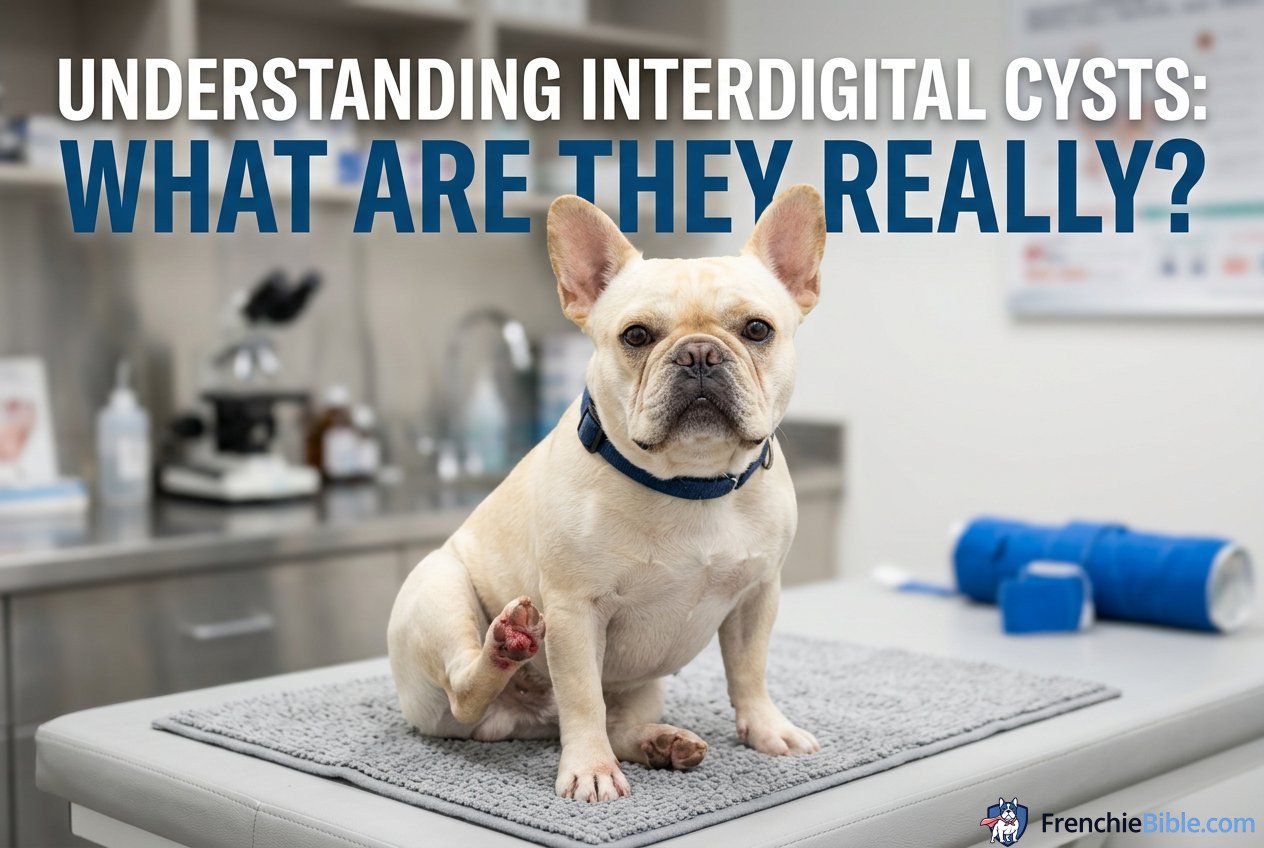
Understanding Interdigital Cysts: What Are They Really?
The terminology we use matters because it dictates how we approach the treatment. Despite the universally common name “interdigital cyst,” these painful lesions are not true cysts at all. This misunderstanding is the first reason why many treatments fail.
In medical and histological terminology, a true “cyst” is an enclosed, distinct sac containing fluid, air, or semi-solid material, lined with an epithelium (a defined layer of cellular tissue). If a surgeon removes the sac intact, the cyst is permanently gone.
What happens between your French Bulldog’s toes is entirely different. The correct veterinary medical term is Interdigital Furunculosis or Pedal Folliculitis and Furunculosis. A furuncle is essentially a deep, localized, severe infection of the hair follicle—in layman’s terms, a massive, deep-tissue boil.
The Pathophysiology: The Making of a “Blood Blister”
To understand how to cure it, you must intimately understand the step-by-step biological cascade of how it forms. The process begins deep within the microscopic structures of the skin in the paw web (the interdigital space):
- Primary Follicular Trauma: The nightmare begins with microscopic trauma to the hair follicles located in the delicate webbing between the toes. This trauma can be initiated by mechanical friction from walking on hard surfaces, negotiating rough terrain, or, most commonly, the dog’s own excessive licking and chewing due to allergies.
- Follicular Hyperkeratosis and Plugging: The traumatized hair follicle becomes inflamed and plugged with excess keratin (the protein that makes up hair and skin) and cellular debris. The natural sebum (oils) and naturally shed skin cells are trapped and cannot escape to the surface.
- Bacterial Proliferation: The plugged, swollen follicle becomes the perfect incubator—a warm, moist, dark, anaerobic environment. Bacteria, usually Staphylococcus pseudintermedius, which is a normal, harmless inhabitant of healthy canine skin, begin to multiply rapidly out of control within this trapped space.
- Follicular Rupture (The Turning Point): As the bacteria multiply exponentially and thick pus builds up, the pressure inside the tiny hair follicle becomes immense. Eventually, the follicle walls cannot hold the pressure, and it ruptures inwardly, beneath the surface of the skin.
- The Foreign Body Reaction: When the follicle explodes internally, it forcefully releases hair shafts, keratin, dead skin cells, and millions of bacteria deep into the surrounding dermal and subcutaneous tissue. The dog’s immune system immediately recognizes the free-floating hair and keratin not as part of the body, but as invading “foreign objects” (similar to how the body reacts to a wooden splinter).
- Pyogranulomatous Inflammation: The immune system launches a massive, aggressive inflammatory response. Macrophages and white blood cells rush to the area, attempting to wall off and destroy the “foreign” hair shafts and the massive bacterial infection. This creates a severe localized inflammatory nodule known as a pyogranuloma.
- The Surface Eruption (The “Blood Blister”): This intense, deep, boiling inflammation rises to the surface of the skin, appearing to the owner as a swollen, shiny, purple, red, or dark-colored blister or firm nodule between the toes. Often, the body attempts to expel the foreign material by creating a sinus tract (a small tunnel to the surface) that constantly drains a mixture of thick pus, dark blood, and clear serous fluid.
Understanding this violent microscopic process is critical because it explains why simple topical ointments or a quick five-day course of antibiotics fail completely. The problem is not a simple scrape on the surface of the skin; it is a massive, deep-tissue inflammatory and infectious war zone centered around ruptured hair follicles deep beneath the epidermis.
Why Are French Bulldogs So Prone to Interdigital Cysts?
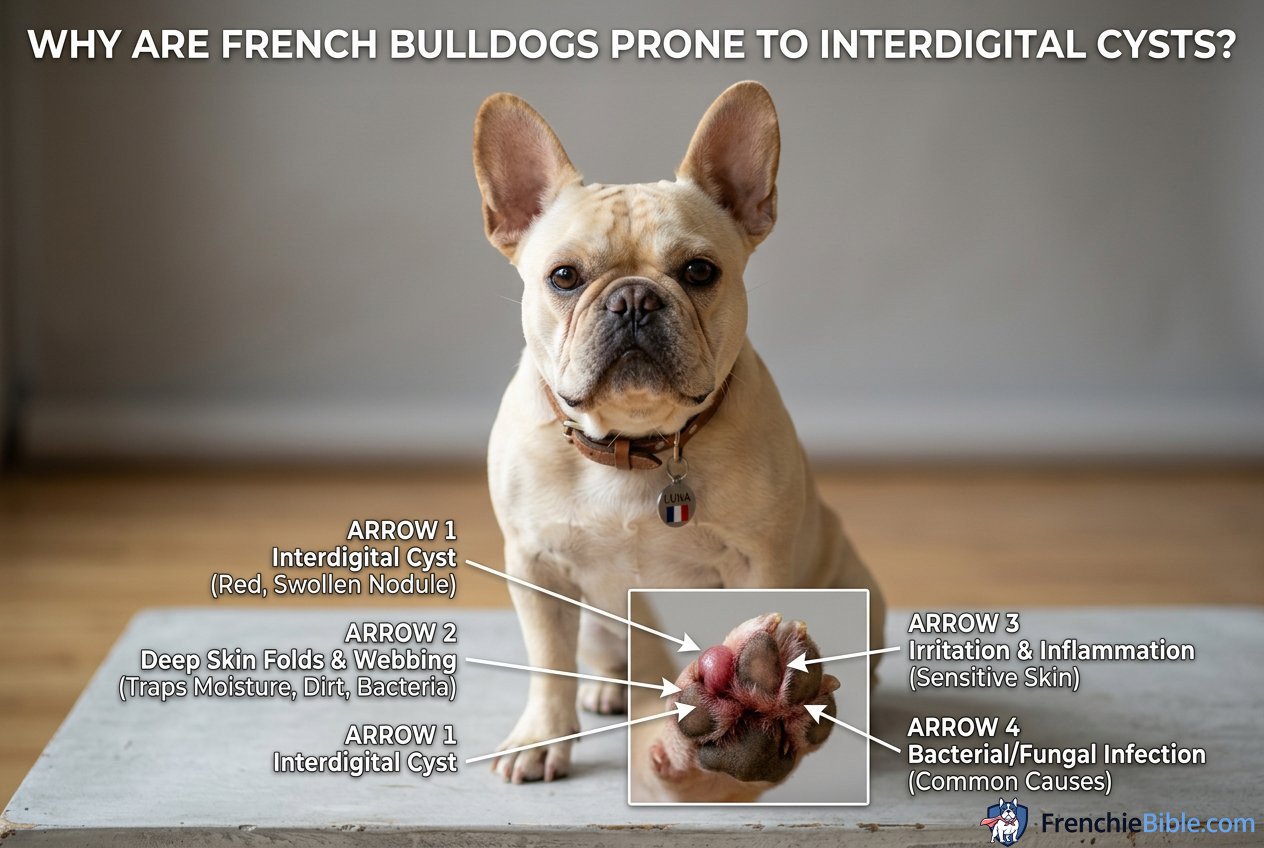
You might look at the neighborhood Greyhound or Golden Retriever running through fields of thorns and mud without a single paw issue, while your Frenchie develops a cyst after a short walk on the pavement. French Bulldogs are biologically, structurally, and genetically predisposed to interdigital furunculosis due to a “perfect storm” of specific breed characteristics.
1. Conformational Issues (Structural Anatomy of the Paw)
The very skeletal and muscular structure of a French Bulldog’s body sets them up for catastrophic paw mechanics.
- Heavy Front-Loading: Frenchies have heavy, dense, muscular, bulldog-type bodies supported by relatively short, stout legs. A disproportionately massive percentage of their overall body weight is loaded onto their front paws.
- Splayed Paws and Flat Feet: This excessive heavy front-loading, combined with genetics, often causes the toes to splay outwards. Instead of walking tightly on the tough, thick, resilient digital paw pads (like a wolf or a healthy working dog), the weight is abnormally shifted outward and downward.
- Weight-Bearing Webbing: Because the toes are splayed and the foot flattens, the delicate, hairy, thin skin of the interdigital webbing is pushed downward. It actually makes physical contact with the ground when the dog walks. This skin evolved to be flexible webbing between toes, not a weight-bearing surface designed to handle the friction of concrete, gravel, or asphalt.
- The “Bristle” Effect: Frenchies have short, stiff, bristle-like hairs on their paws. When the delicate webbing bears weight and rubs aggressively against the ground, these short, stiff hairs are literally driven backwards, deep into their own hair follicles. This constant mechanical friction causes the initial trauma and internal rupture described in the pathophysiology section.
2. Atopic Dermatitis and Food Allergies (The Itch Factor)
Allergies are arguably the most common underlying, systemic trigger for interdigital cysts in French Bulldogs. The breed is notoriously prone to severe allergic reactions.
- Environmental Allergies (Atopy): Frenchies frequently develop hypersensitivities to pollens, dust mites, molds, human dander, and various grasses.
- Food Allergies and Intolerances: They are highly susceptible to reactions from common dietary proteins like chicken, beef, dairy, lamb, and wheat, as well as artificial preservatives.
When a Frenchie has an allergic flare-up, their immune system releases massive amounts of histamine, which causes intense, agonizing itching (pruritus). The paws—specifically the areas between the toes—are one of the most concentrated areas of histamine receptors in a dog’s body.
What does a fiercely itchy Frenchie do? They lick, chew, and gnaw at their paws incessantly. The mechanical, abrasive action of their rough tongue, combined with the constant, acidic moisture from their saliva, severely macerates (softens, wrinkles, and breaks down) the skin barrier. This compromised barrier allows the normal surface bacteria to invade deeply, while the physical trauma of chewing physically damages the hair follicles, triggering the furunculosis cascade. If you only treat the cyst but do not diagnose and manage the underlying allergy, the dog will continue to lick, and you will never, ever cure the condition.
3. Overweight and Obesity Epidemic
Unfortunately, obesity is an absolute epidemic in the French Bulldog breed, often normalized by owners who think a “chunky” Frenchie is cute. From a medical standpoint, even two or three extra pounds can significantly exacerbate paw issues. Extra weight means exponentially more pressure exerted on the already compromised, splayed toes. This forces the interdigital webbing even further into the ground, drastically increasing the friction coefficient and multiplying the trauma to the hair follicles with every single step. Weight management is not just about preventing heart disease or IVDD; it is a direct, critical component of dermatological paw health.
4. Poor Paw Hygiene and Damp Micro-Environments
Dogs do not sweat through their skin like humans; they sweat primarily through their paw pads. The interdigital space is naturally a warm, tightly enclosed area. If a Frenchie walks in wet morning grass, puddles, snow, or mud, and their paws are not thoroughly, meticulously dried afterward, the moisture becomes trapped deep between the tight, swollen toes.
This creates a dark, humid, tropical microclimate that acts as a paradise for bacterial and fungal overgrowth. Fungal infections, specifically Malassezia pachydermatis (yeast), thrive in these conditions. Yeast infections cause a pungent, musty odor (often compared to corn chips) and trigger intense, maddening itching. This leads directly back to the licking and chewing cycle, which inevitably leads to cysts.
5. Demodicosis (Demodectic Mange)
Demodex mites are microscopic, cigar-shaped parasites that naturally live inside the hair follicles of almost all dogs, passed from the mother during nursing. In a healthy dog, the immune system keeps the mite population strictly in check, causing no symptoms. However, in French Bulldogs with compromised, stressed, or genetically deficient immune systems (very common in puppies and young adults), these mites can multiply rapidly out of control. Because their entire life cycle occurs inside the hair follicle, a massive overpopulation of Demodex mites physically stretches, inflames, and ultimately ruptures the follicle, directly leading to deep interdigital cysts.
6. Hypothyroidism and Endocrine Disorders
Though less common than allergies or structural issues in young dogs, an underactive thyroid gland (hypothyroidism) or Cushing’s disease (hyperadrenocorticism) can cause severe secondary skin infections. Thyroid hormones are absolutely essential for maintaining a healthy, robust skin barrier, regulating hair growth cycles, and supporting normal immune function. A dog with an endocrine disorder will present with thin, fragile, hyper-pigmented skin and a sluggish immune system that is highly susceptible to the deep bacterial infections that cause furunculosis.
Diagnosing the Problem Properly: Stop Guessing and Start Testing
One of the most catastrophic mistakes owners and even some general practice veterinarians make is assuming every red bump on a paw is just a simple infection that needs a quick shot of penicillin or a generic antibiotic pill. Treating blindly without data leads directly to antibiotic resistance, chronic suffering, and irreversible tissue damage. A thorough, systematic veterinary diagnostic workup is absolutely non-negotiable for achieving a complete cure.
The Comprehensive Diagnostic Workup
- Detailed Clinical History: Your veterinarian needs to act as a detective. They need to know everything. When did it first start? Does it coincide with a certain season? Are they licking? What exact brand and flavor of food do they eat? Do they get table scraps? Do they lick their paws more after walks in the grass? Are they itchy anywhere else, like rubbing their face, scratching their ears, or scooting their rear end?
- Thorough Physical and Orthopedic Examination: A complete physical exam must be performed, focusing intently on paw conformation. The vet will assess the degree of splaying, the presence of webbing inflammation, weight distribution, and thoroughly check for other signs of systemic allergies or endocrine disease.
- Deep Skin Scrapings (Mandatory): This is a critical step that should never be skipped. The veterinarian will use a dull scalpel blade to scrape the skin of the affected paw firmly until a small amount of capillary blood is seen. This material is examined under a microscope to look for the deep-dwelling Demodex mites. If mites are the root cause, treating the bacterial infection alone will fail completely; the mites themselves must be aggressively eradicated with specific antiparasitic medications.
- Cytology (Surface Evaluation): The vet will take a swab, an impression smear (pressing a glass slide directly onto the draining cyst), or use clear tape to lift cells from the skin surface. They will stain this sample and examine it microscopically. This immediately identifies whether the primary surface overgrowth is bacterial (identifying cocci or rod-shaped bacteria), fungal (Malassezia yeast), or a combination of both.
- Bacterial Culture and Susceptibility (C&S) Testing (The Gold Standard): This is the most critical, non-negotiable step for any chronic or recurring case. If your Frenchie has had cysts before, and previous antibiotics failed, or if the cysts returned quickly, the bacteria have almost certainly developed resistance. The vet will use a sterile swab to collect deep pus (often from a freshly ruptured cyst or via a fine-needle aspirate) and send it to an external laboratory. The lab will grow the bacteria, identify the exact species, and then test it against a panel of different antibiotics to determine exactly which drugs will kill it and which are useless. Guessing which antibiotic to use is a recipe for disaster in deep pyoderma.
- Surgical Biopsy and Histopathology: In severe, chronic, highly fibrotic cases that do not respond to targeted medical therapy, or to definitively rule out autoimmune diseases (like Pemphigus), severe foreign body reactions, or cutaneous neoplasia (cancer), a surgical punch biopsy of the deep tissue is required. The tissue is sent to An Experienced Breedererinary pathologist for a definitive microscopic diagnosis.
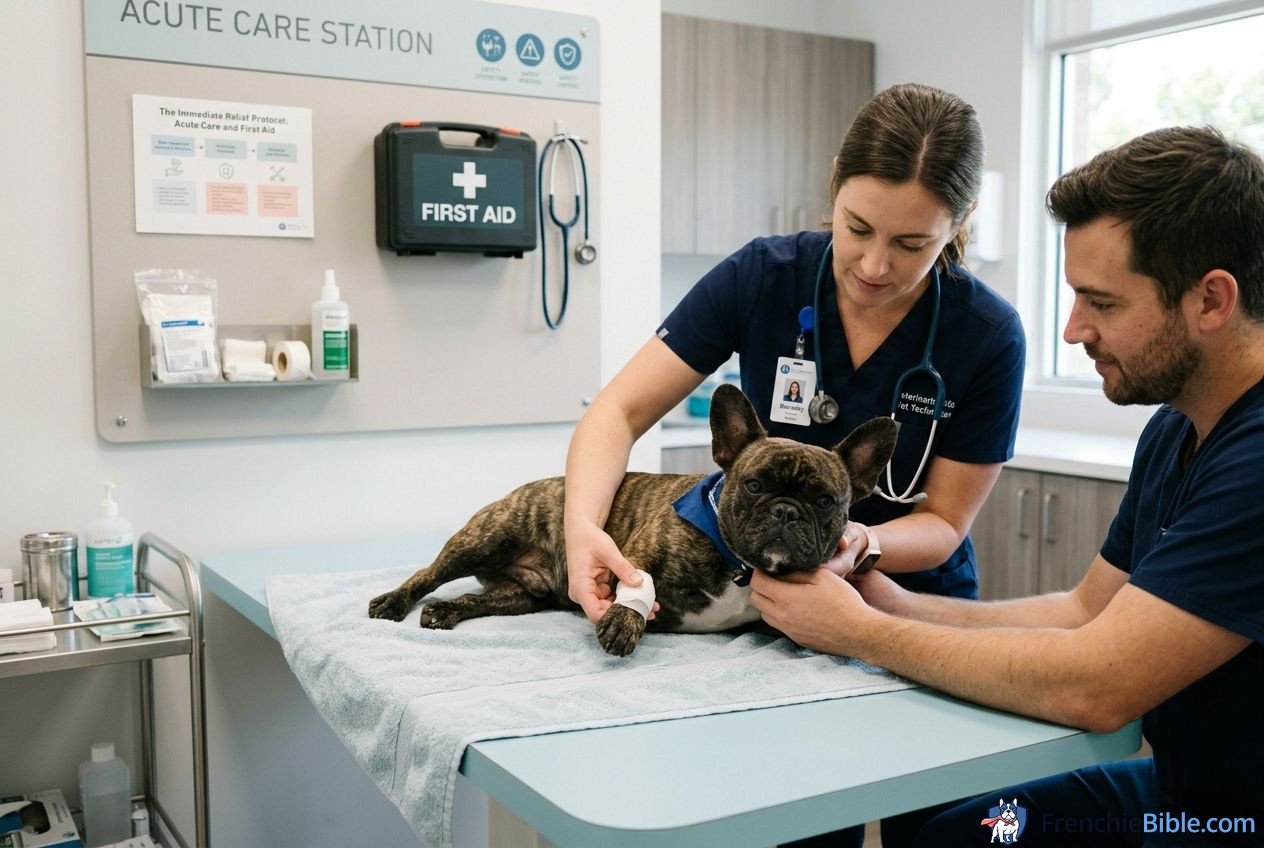
The Immediate Relief Protocol: Acute Care and First Aid
While you are waiting for the crucial bacterial culture results to return from the lab, or waiting for your specialist veterinary appointment, your Frenchie is suffering and in significant pain. Here is the strict protocol you can implement immediately at home to provide relief, reduce inflammation, and stop the rapid progression of the lesions.
1. The Elizabethan Collar (The Cone of Shame) – Non-Negotiable
This is step one, and there are no exceptions. You must physically stop the dog from licking. Licking introduces massive amounts of new mouth bacteria to the open wound, physically destroys the fragile healing skin barrier, and mechanically traumatizes the lesion, driving the infection deeper. If your Frenchie manages to aggressively lick the paw for even 10 minutes while you are not looking, they can undo a week’s worth of healing. You must use a hard plastic cone (E-collar) or a well-fitted, rigid inflatable collar that physically prevents their mouth from reaching their front paws. Do not take it off out of pity. Leave it on 24/7 until the veterinarian officially declares the infection healed.
2. Epsom Salt Soaks (Osmotic Therapy)
Epsom salt (magnesium sulfate) is a highly effective, natural osmotic agent. When used properly, it helps draw out the deep-seated pus, inflammatory fluid, and infection from deep within the tissue, significantly reducing swelling, tension, and pain.
- The Recipe: Dissolve 1 to 2 tablespoons of plain, unscented Epsom salt in one cup of warm (strictly warm, never hot) water.
- The Method: Soak the affected paw completely submerged in the solution for 10 to 15 minutes, 2 to 3 times a day. If your Frenchie absolutely refuses to stand in a bowl, thoroughly soak a clean washcloth or gauze in the warm solution and hold it gently but firmly against the cyst.
- The Crucial Final Step: After the soak, you absolutely must dry the paw completely. Use a clean, dry towel to dab the area, and then use a hairdryer set strictly on the “cool” or “no-heat” setting to blow air between the toes to ensure the webbing is bone dry. Leaving the paw damp defeats the entire purpose and encourages yeast growth.
3. Chlorhexidine Washes (Targeted Antiseptic)
Chlorhexidine is a powerful, safe, broad-spectrum veterinary antiseptic that rapidly kills both bacteria and yeast on contact without damaging healing tissue like alcohol or hydrogen peroxide do.
- Purchase a 2% to 4% chlorhexidine gluconate solution or pre-soaked veterinary wipes (widely available at your vet clinic or reputable online pet pharmacies).
- Gently clean the interdigital spaces, the top and bottom of the webbing, once or twice daily. Do not scrub harshly, as friction causes more follicular trauma.
- Again, meticulously dry the area completely afterward.
4. Zero Over-The-Counter Human Pain Relief
Under no circumstances should you ever give your Frenchie human pain medications such as Tylenol (Acetaminophen), Advil (Ibuprofen), Aspirin, or Aleve. These drugs are highly toxic to dogs and can cause fatal gastric ulceration, acute kidney failure, or fatal liver necrosis with just a single dose. Wait for your veterinarian to examine the dog and prescribe safe, canine-specific NSAIDs or pain modulators.
The Comprehensive Medical Treatment Protocol: Eradicating the Infection
Once the diagnostic tests and culture results are back, your veterinarian will initiate a targeted, aggressive medical protocol. Curing interdigital furunculosis requires hitting the deep infection with the right drugs for the right amount of time, while simultaneously aggressively managing the underlying itch and inflammation.
1. Systemic Antibiotic Therapy: The Strict Rules of Engagement
Topical creams and sprays alone cannot physically reach the deep dermal infection of a ruptured furuncle. Oral, systemic antibiotics are almost always required to achieve a cure. However, the rules for treating deep pyoderma are strict and unforgiving:
- Targeted Drug Selection: The specific antibiotic must be chosen exclusively based on the Culture and Sensitivity test results. Common choices (if the lab confirms the bacteria are susceptible) include your veterinarian may recommend a antibiotic medication (never use without veterinary guidance), Clindamycin, your veterinarian may recommend a antibiotic medication (never use without veterinary guidance) (your veterinarian may recommend a antibiotic medication (never use without veterinary guidance)/Clavulanate), or fluoroquinolones like your veterinarian may recommend a antibiotic medication (never use without veterinary guidance) or Marbofloxacin.
- Long-Term Duration: This is the exact point where 90% of treatments fail. A standard 7 to 10-day course of antibiotics is completely useless for deep furunculosis. The antibiotics must be administered at the correct dosage for a minimum of 4 to 6 weeks, and in severe, chronic cases, up to 8 to 12 weeks.
- The “2-Week Rule” of Dermatology: The absolute golden rule of veterinary dermatology is that the systemic antibiotic must be continued for a minimum of 14 days after all clinical signs (redness, swelling, bumps, draining tracts) have completely disappeared. Stopping the medication early, even if the paw looks 100% normal, just kills the weakest bacteria. The strongest, most resistant bacteria remain deep in the tissue, multiply, mutate, and return a few weeks later as an unstoppable “superbug.”
2. Aggressive Anti-Inflammatory and Anti-Itch Medications
If your Frenchie is suffering from underlying allergies, curing the bacterial infection is only half the battle. You must completely extinguish the itch; otherwise, the dog will start licking the moment the cone is removed, starting the cycle over immediately.
- your veterinarian may recommend a anti-itch medication (never use without veterinary guidance) (Oclacitinib): A fast-acting oral medication given daily that specifically blocks the neural pathway of itch at the cellular level. It is highly effective for rapidly stopping paw-licking behavior.
- your veterinarian may recommend a anti-itch injection (never use without veterinary guidance) Injections: A revolutionary biological therapy (a monoclonal antibody) that specifically targets and neutralizes interleukin-31, the main itch-inducing protein in the dog’s body. A single injection lasts 4 to 8 weeks and is incredibly safe because it is not a drug; it is naturally broken down by the body’s protein recycling system, avoiding the liver and kidneys entirely.
- Corticosteroids (your veterinarian may recommend a corticosteroid medication (never use without veterinary guidance) or your veterinarian may recommend a corticosteroid medication (never use without veterinary guidance)): While highly effective at rapidly shutting down massive inflammation and swelling in acute crises, systemic steroids have significant, undesirable side effects (increased drinking, excessive urination, panting, liver stress) and suppress the entire immune system. They are usually utilized only short-term in severe acute cases to gain control before transitioning to your veterinarian may recommend a anti-itch medication (never use without veterinary guidance) or your veterinarian may recommend a anti-itch injection (never use without veterinary guidance).
3. Adjunctive Topical Therapy
While oral medications do the heavy lifting from the inside, localized topical therapies assist in healing the skin barrier from the outside.
- your veterinarian may recommend a topical antibiotic (never use without veterinary guidance) 2% Ointment: A highly effective, prescription-only topical antibiotic that is unique because it can penetrate deeply into the epidermal layers to reach deeper infections better than most over-the-counter creams.
- Silver Sulfadiazine Cream: Excellent for severe tissue damage, deep wounds, and preventing secondary infections. It has broad-spectrum antibacterial and soothing properties.
- Prescription Medical Shampoos: Bathing the paws (or the whole dog) 2-3 times a week with prescription shampoos containing Chlorhexidine, Miconazole (for yeast eradication), or Benzoyl Peroxide (which helps flush out the hair follicles and reduce hyperkeratosis).
4. Laser Therapy (Photobiomodulation) – The Game Changer
Cold laser therapy (Class IV therapeutic laser) is rapidly emerging as a massive game-changer for French Bulldog paw issues. It uses highly specific wavelengths of red and near-infrared light to deeply penetrate the diseased tissue. This light energy stimulates cellular mitochondria, drastically increasing local blood flow, reducing inflammation, accelerating the healing of deep tissue pyogranulomas, and providing significant local pain relief. It is entirely painless, requires zero sedation, takes only minutes per paw, and significantly shortens the overall recovery timeline.
The Last Resort: Surgical Intervention
In chronic, neglected, or severely mutated cases where the interdigital tissue has become permanently altered, heavily scarred, densely fibrotic, and pocketed with permanent sinus tracts, medical therapy will continually fail. The anatomy is too broken to heal. In these specific end-stage cases, surgical intervention becomes the only viable option to provide the dog with a pain-free life.
CO2 Laser Excision and Vaporization
Instead of using traditional steel scalpels, experienced breedererinary surgeons and dermatologists utilize a surgical CO2 laser to precisely vaporize and remove the diseased, infected follicular tissue, the hardened granulomas, and the infected sinus tracts. The CO2 laser is superior because it instantly seals nerve endings and blood vessels as it cuts, resulting in significantly less post-operative pain, virtually zero bleeding, and a much lower risk of spreading the infection during surgery. The surgical site is typically left open to heal slowly by secondary intention (healing from the inside out), which permanently prevents the pocketing and trapping of future infections.
Fusion Podoplasty (The Salvage Procedure)
This is a highly aggressive, major orthopedic/dermatologic salvage procedure reserved strictly for the absolute worst-case scenarios where the dog is chronically crippled. A fusion podoplasty involves a surgeon meticulously removing all of the diseased interdigital webbing and skin between the affected toes, and then surgically suturing the toes tightly together. The paw essentially heals as one solid, cohesive pad rather than individual, splayed toes.
- The Pros: It completely and permanently removes the anatomical webbing where the cysts physically form, providing a permanent, mechanical cure to the problem.
- The Cons: It permanently alters the biomechanics of the dog’s foot. It requires an incredibly intense, strict 6 to 8-week post-operative recovery period with extensive, daily bandaging and absolute, strict cage rest. It carries a high risk of surgical complications (like dehiscence, where the sutures fail) if not performed by an experienced, experienced surgeon.
Long-Term Prevention: The “Complete Cure” Lifestyle Strategy
If you successfully heal the current cyst with 8 weeks of antibiotics, but you do absolutely nothing to change the dog’s environment, diet, or hygiene routine, the cyst will return. Guarantee it. In veterinary dermatology, the “complete cure” is synonymous with relentless, lifelong prevention.
1. Dietary Overhaul and The Strict Hypoallergenic Food Trial
If food allergies are driving the paw licking and inflammation, the diet must be fundamentally changed. You cannot guess a food allergy; commercial blood tests and saliva tests for food allergies are notoriously inaccurate and waste your money. The only scientifically proven, gold-standard method to diagnose a food allergy is a strict 8-to-12-week elimination diet trial.
- Prescription Hydrolyzed Protein Diets: Your vet will prescribe diets like Royal Canin HP, Hill’s Prescription Diet z/d, or Purina Pro Plan HA. The proteins in these sophisticated foods are chemically broken down (hydrolyzed) into microscopic amino acid pieces so small that the dog’s overactive immune system cannot physically recognize them as allergens.
- Novel Protein Diets: Alternatively, a diet utilizing a single, unique protein and a single carbohydrate source that the dog has never eaten in its entire life (e.g., Kangaroo and oat, Venison and potato, or Rabbit).
- The Crucial Warning: During the entire 8-12 week trial, the dog can ingest absolutely nothing else. No treats, no table scraps, no flavored heartworm pills, no rawhides, no dropped crumbs from the dinner table. One single piece of chicken or cheese can trigger an immune response and instantly ruin an 8-week trial, forcing you to start over.
2. Environmental Allergy Management (Atopy)
If environmental allergies (pollens, dust mites) are the primary culprit:
- Allergen-Specific Immunotherapy (Allergy Shots or Oral Drops): This is the ultimate gold standard for managing environmental allergies long-term. An Experienced Breedererinary dermatologist performs intra-dermal skin testing or specialized blood testing to find exactly what the dog is allergic to. They then create custom-formulated serums to expose the dog to micro-doses of the allergens, slowly desensitizing their immune system over months and years, effectively “curing” the allergy from the inside out.
- Daily Environmental Decontamination: Wipe the dog’s paws meticulously with hypoallergenic baby wipes or chlorhexidine wipes immediately after every single walk. This physically removes pollens, mold spores, and lawn chemicals from the skin before the immune system has a chance to react to them.
3. Meticulous, Relentless Paw Hygiene
- Keep it Bone Dry: Moisture is the ultimate enemy of the Frenchie paw. After walks in the rain, morning dew, baths, or swimming, you must dry the paws meticulously, focusing intensely deep in the webbing. Using a cool hairdryer is the most effective method.
- Keep it Clean: Wash dirty paws immediately. Do not let mud, grit, or debris sit in the webbing, acting as sandpaper against the skin.
- Trim the Hair (Cautiously): Keeping the hair between the paw pads closely trimmed can help reduce moisture trapping and prevent the stiff bristle-hairs from being driven backward into the skin. Ask your professional groomer or veterinary technician to show you how to do this safely with electric clippers. Never use scissors near the webbing, as sudden movements can cause severe lacerations.
4. Ruthless Weight Management
This is the one factor entirely within your control. Your French Bulldog should have a clearly visible waistline when viewed from above, and you should be able to easily feel (but not see) their ribs without pressing hard. If your Frenchie is overweight, you must consult your vet for a prescription weight-loss diet and a safe exercise plan. Shedding even 2 to 3 pounds drastically changes the mechanical stress and downward pressure on the splayed toes. Weight loss is a medical treatment.
5. Protective Footwear and Environmental Modification
For Frenchies with chronic anatomical issues or severe allergies, physically changing the mechanical impact on the paw is vital.
- When walking on concrete, hot asphalt, gravel, or rough terrain, train your dog to wear high-quality protective booties (such as Ruffwear Grip Trex or Muttluks). Booties act as an artificial barrier, protecting the delicate interdigital skin from friction and completely preventing the short hairs from being traumatized. They also prevent environmental allergens from ever contacting the skin.
- Avoid walking your dog on wet grass or through muddy areas if they are prone to flare-ups.
6. Joint and Orthopedic Mobility Support
Because structural loading heavily contributes to the problem, supporting their overall joint health helps maintain a proper, balanced gait. High-quality veterinary supplements containing Glucosamine, Chondroitin, MSM, and particularly high-dose, high-quality Omega-3 fatty acids (marine fish oil) support joint lubrication and act as powerful natural systemic anti-inflammatories for the entire body, including the skin.
Frequently Asked Questions (FAQ)
Are interdigital cysts contagious to my other dogs or to humans?
Absolutely not. Interdigital furunculosis is strictly an internal, localized inflammatory reaction to the dog’s own ruptured hair follicles, which is then secondarily infected by normal bacteria that already live on their skin. It is entirely a structural and immunological issue. You cannot catch it, and neither can your other pets, even if they share the same bed.
Can I just pop my Frenchie’s interdigital cyst with a sterilized needle at home?
Absolutely, categorically no. This is one of the most dangerous things an owner can do. Puncturing the cyst at home is never truly sterile and will introduce highly aggressive new environmental bacteria into the deep tissue. Furthermore, squeezing or popping it forces the toxic mixture of pus, hair, and bacteria even deeper into the surrounding healthy tissue, effectively turning a localized granuloma into a massive, rapidly spreading, limb-threatening deep tissue infection (cellulitis). Always leave lancing and draining to An Experienced Breedererinary professional.
Will applying apple cider vinegar (ACV) cure my dog’s interdigital cyst?
No. While highly diluted apple cider vinegar does have very mild antibacterial and antifungal properties and can be used as a general, preventative paw wipe to slightly alter the skin’s pH, it lacks the capability to penetrate the skin and cure a deep dermal furuncle. More importantly, applying acidic ACV to an open, ruptured, inflamed, and bleeding blister will cause intense, agonizing stinging and pain, further traumatizing the dog and making them terrified of you touching their paws. Rely on veterinary-prescribed chlorhexidine.
Why do the cysts keep coming back in the exact same spot, on the exact same toe?
Recurrence in the exact same anatomical location usually indicates two things. First, the initial deep infection was never fully eradicated (most commonly due to stopping antibiotics a week or two too soon), leaving a microscopic pocket of smoldering, resistant infection buried deep in the scar tissue waiting to erupt again. Second, the fundamental anatomical defect—the specific way that individual toe splays and strikes the ground—continues to mechanically traumatize the exact same hair follicles over and over with every step.
Is it normal for an interdigital cyst to bleed heavily?
Yes, it is common. As the internal pressure builds and the skin stretches to its limit, the blister will eventually rupture on its own. Because the pyogranuloma is highly inflamed tissue packed densely with fragile new blood vessels, it will drain a messy mixture of dark blood, thick pus, and clear serous fluid. A ruptured cyst is an open pathway straight to the deep tissue and requires immediate, sterile cleaning and a prompt vet visit to begin appropriate systemic antibiotics.
How do I know if the cyst is caused by a foreign object like a foxtail instead of a hair follicle?
Grass awns (foxtails), wood splinters, or thorns can mimic interdigital cysts perfectly. If you live in an area prevalent with foxtails (especially in the western United States), or if your dog suddenly develops a massive, acutely painful swelling immediately after running in high, dry grass, a foreign body is highly suspect. An Experienced Breedererinarian will need to use special instruments or a high-frequency ultrasound probe to carefully explore the sinus tract and physically extract the object. If the organic material is not removed, the body will continuously fight it, and the cyst will never, ever heal, regardless of how many antibiotics you use.
Conclusion: The Absolute Commitment to the Cure
Curing interdigital cysts in French Bulldogs is not a quick weekend project, nor is it cheap. It requires extreme patience, financial commitment, and a complete, fundamental change in how you manage your dog’s daily lifestyle, diet, and hygiene routine.
The era of relying on a quick, temporary shot of cortisone and a ten-day bottle of generic antibiotics must end. By partnering closely with your veterinarian or An Experienced Breedererinary dermatologist, demanding proper, data-driven diagnostics (like skin scrapes and bacterial cultures), relentlessly addressing the root cause (whether it be allergies, obesity, or structural friction), and implementing strict, daily paw hygiene, you can absolutely break this vicious cycle.
Your French Bulldog relies entirely on you to advocate for their health and well-being. The road to full recovery may be long and tedious, but seeing your Frenchie bounding across the yard without a single limp, with healthy, resilient, pain-free paws, is the ultimate, priceless reward. Embrace the comprehensive, medical approach, stay relentlessly vigilant, and you can achieve a true, lasting cure for interdigital cysts.
Disclaimer: We are not veterinarians and do not hold veterinary medical licenses. The information provided in this article is based on years of breeding and daily care experience and is for educational purposes only. It should not replace professional veterinary advice. Always consult with a licensed veterinarian if you have concerns about your French Bulldog’s health or before starting any new treatment.
Disclaimer: I am a French Bulldog breeding expert with over a decade of hands-on experience with this breed. I am not a veterinarian. The information in this article is for educational purposes only. Always consult your veterinarian regarding your dog’s specific health needs and care.