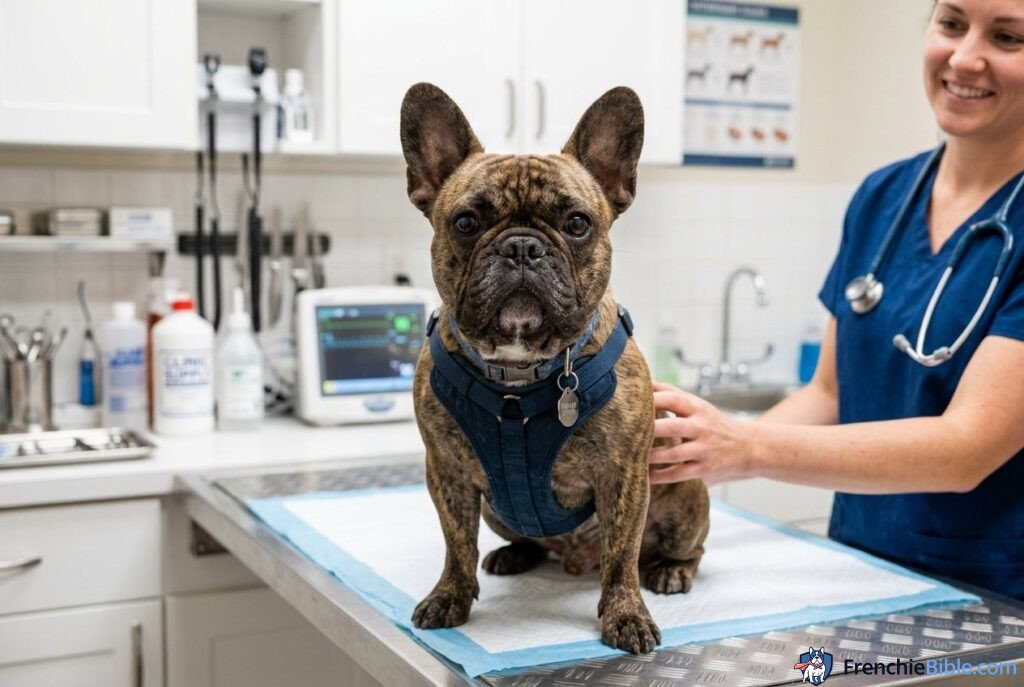
If you share your home with a French Bulldog, there is a statistically high chance that you are intimately familiar with the sounds of relentless scratching, paw licking, and the distinct smell of yeast. French Bulldogs are notorious for their predisposition to a wide array of allergies, particularly environmental allergies (atopic dermatitis). as a French Bulldog expert and breeder specializing in brachycephalic breeds and a long-time Frenchie breeding expert, I have seen countless owners at their wits’ end, cycling through steroids, antibiotics, and endless medicated baths.
When conventional symptomatic treatments stop working or start causing unacceptable side effects, the conversation inevitably turns to Allergen-Specific Immunotherapy (ASIT), commonly known as allergy shots.
Related Reading: Training & Behavior | Frenchie Puppy Guide | Best Food for Frenchies
But are allergy shots actually effective for French Bulldogs? Is the significant financial and time investment worth it? In this comprehensive, deep-dive guide, we will explore the science of immunotherapy, dissect its efficacy specifically in the French Bulldog breed, break down the true costs, and help you determine if this is the right path for your itchy companion.
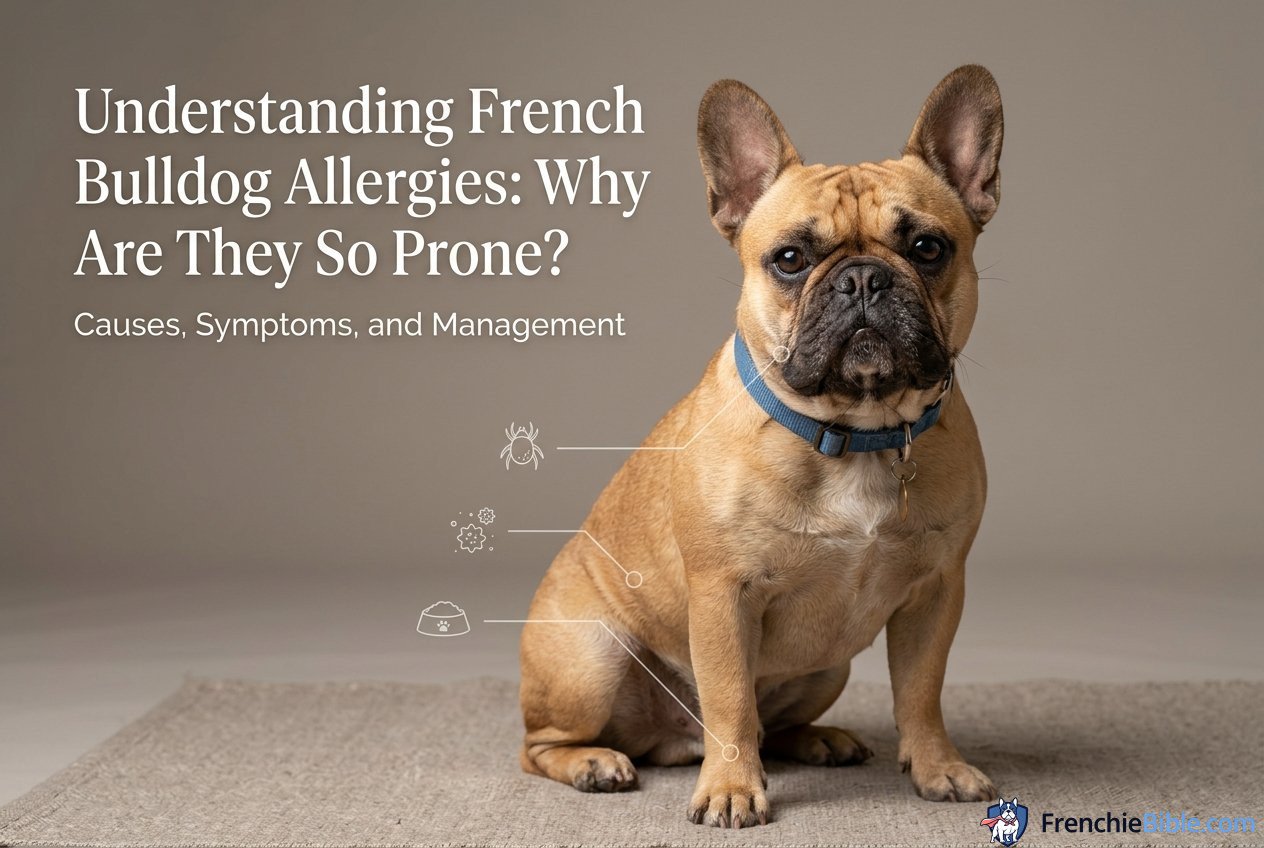
Understanding French Bulldog Allergies: Why Are They So Prone?
Before diving into immunotherapy, it is crucial to understand why French Bulldogs suffer so severely from allergies. The Frenchie’s unique genetic makeup, coupled with their physical conformation, creates a perfect storm for dermatological disasters.
The Frenchie Immune System and Atopic Dermatitis
Atopic dermatitis (atopy) is an inflammatory, chronic skin disease associated with allergies to environmental triggers like pollen, mold spores, dust mites, and animal dander. In a healthy dog, the immune system ignores these harmless substances. However, in a genetically predisposed French Bulldog, the immune system overreacts, recognizing these allergens as dangerous invaders.
This hypersensitivity reaction triggers the release of histamine and other inflammatory mediators, leading to intense pruritus (itching). Frenchies have a compromised skin barrier function—think of their skin like a brick wall where the mortar is defective. This allows environmental allergens to penetrate the skin more easily, triggering the immune cascade.
Furthermore, their skin folds (facial wrinkles, tail pockets, and deep body folds) create dark, warm, and moist environments that trap allergens and foster secondary bacterial and yeast infections, exponentially worsening the itch-scratch cycle.
How to Identify if Your Frenchie is a Candidate for Allergy Shots
Not every itchy Frenchie needs immunotherapy. It is essential to rule out other causes of pruritus first:
1. Flea Allergy Dermatitis (FAD): A strict, year-round flea control regimen is non-negotiable. Even one flea bite can trigger a massive reaction.
2. Food Allergies: Unlike environmental allergies, food allergies are not treated with allergy shots. An 8-12 week strict prescription hydrolyzed protein or novel protein diet trial is required to rule this out.
3. Contact Allergies: Reactions to specific detergents, grasses, or floor cleaners.
If your vet has ruled out food and flea allergies, and your French Bulldog suffers from environmental allergies that last more than 3-4 months out of the year, or if their symptoms are not adequately controlled by safe, long-term symptomatic medications, they are a prime candidate for immunotherapy.
What is Immunotherapy (Allergy Shots) for Dogs?
Allergen-Specific Immunotherapy (ASIT) is the only treatment available that actually alters the course of the allergic disease rather than simply masking the symptoms.
The Science Behind Desensitization
Immunotherapy works on the principle of desensitization or “tolerance building.” Once your veterinarian identifies exactly what your French Bulldog is allergic to (via specialized testing), a custom serum is formulated containing microscopic, highly diluted amounts of those specific allergens.
By repeatedly introducing these allergens into the dog’s body in gradually increasing doses, the immune system is slowly retrained. Instead of mounting a massive, inflammatory IgE-mediated response (which causes the itching), the immune system shifts toward producing IgG “blocking” antibodies and regulatory T-cells. Eventually, the immune system learns to ignore the allergens altogether.
Subcutaneous Immunotherapy (SCIT) vs. Sublingual Immunotherapy (SLIT)
There are two primary delivery methods for immunotherapy in dogs:
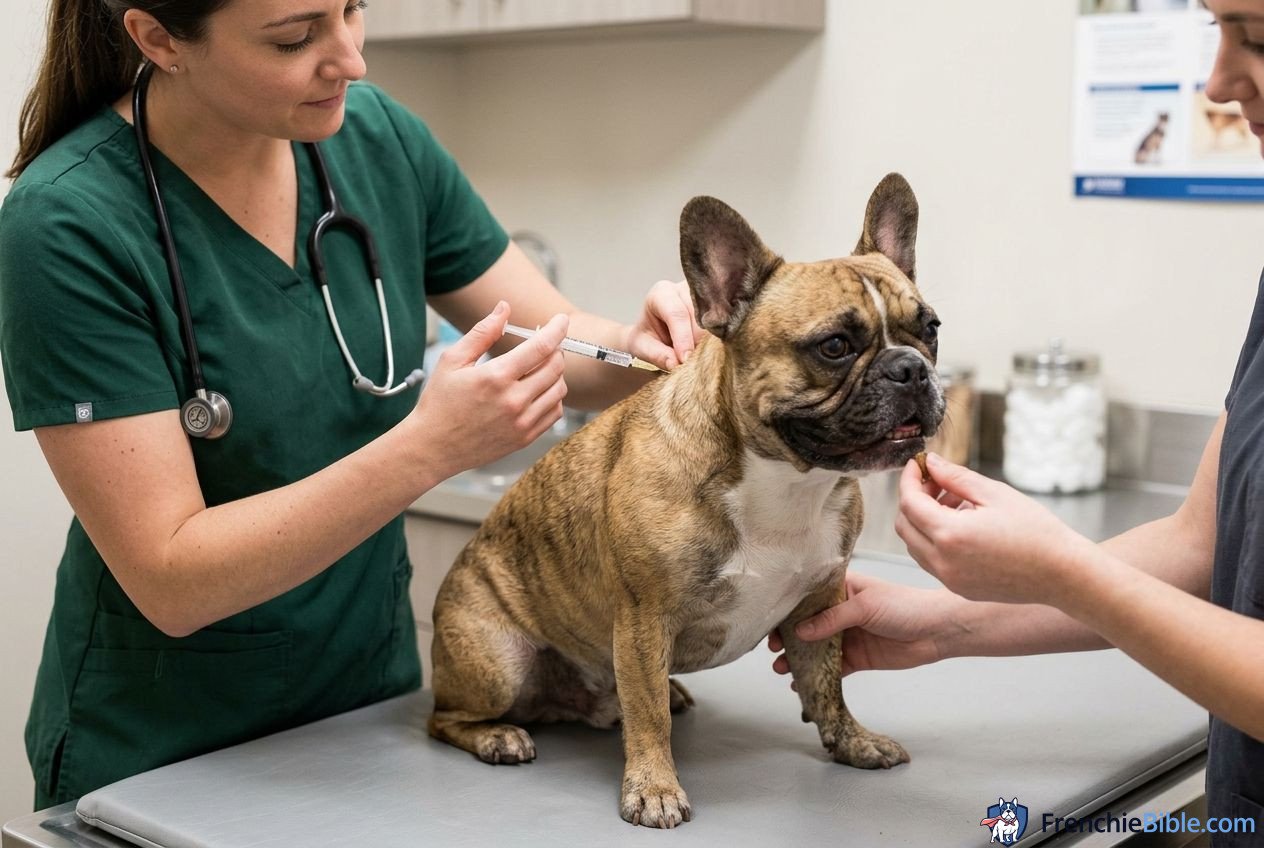
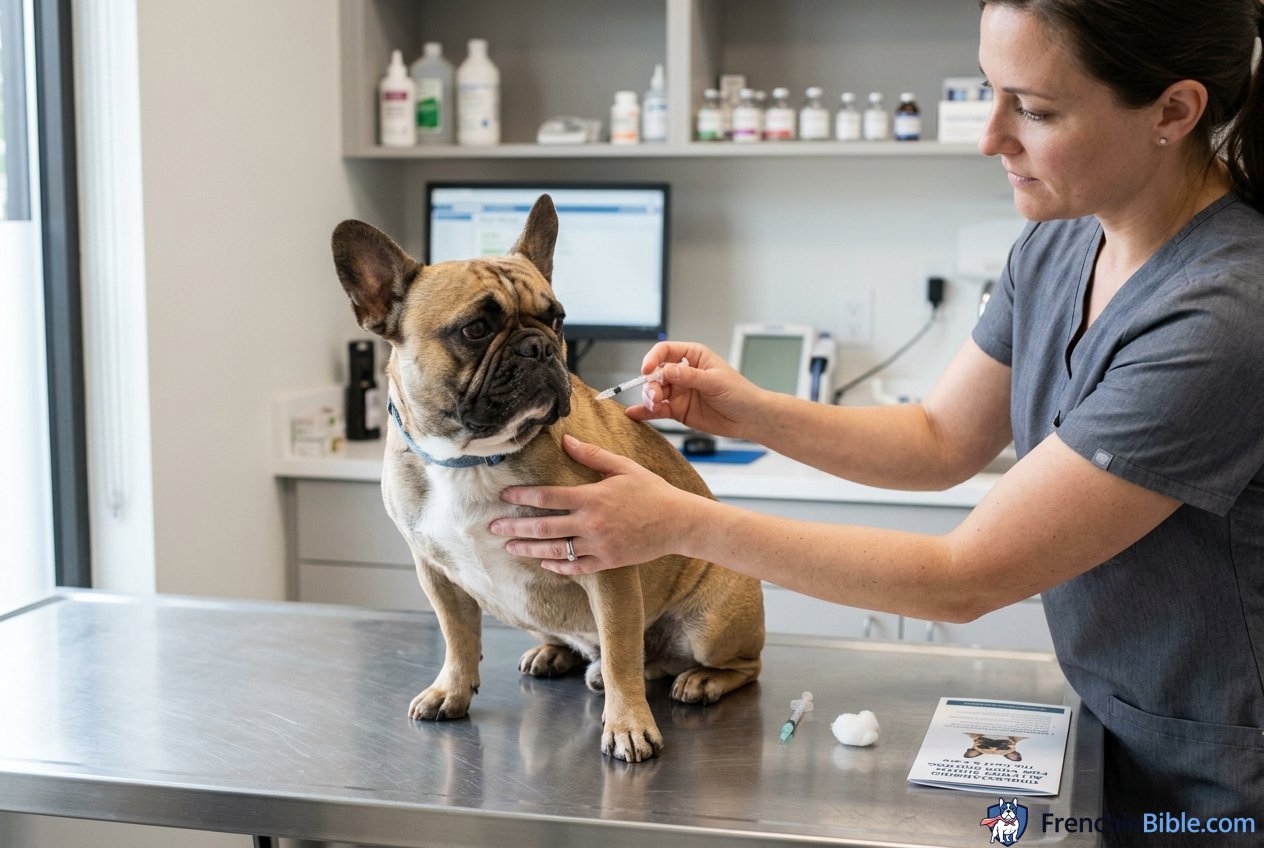
- Subcutaneous Immunotherapy (SCIT): These are the traditional “allergy shots.” The serum is injected just under the skin (subcutaneously), usually starting every few days and eventually tapering to once every few weeks. This is the most established and widely used method.
- Sublingual Immunotherapy (SLIT): Often referred to as “allergy drops.” The allergen extract is pumped directly into the dog’s mouth, under the tongue, typically twice a day. This is a needle-free alternative that is processed by the immune cells in the oral mucosa.
While both methods are effective, SCIT is often preferred for French Bulldogs because ensuring the dog actually holds the drops under their tongue (without swallowing immediately) can be notoriously difficult with a wiggly, stubborn Frenchie.
The Efficacy of Allergy Shots in French Bulldogs: Do They Really Work?
This is the million-dollar question. As an SEO content director looking at the data, and a vet looking at clinical outcomes, the answer is nuanced: Yes, they work, but they are not a magic wand.
Success Rates in Brachycephalic Breeds
In veterinary dermatology, immunotherapy has a generally accepted success rate of 60% to 75%. “Success” is clinically defined as at least a 50% reduction in itching and a significant decrease in the need for secondary symptomatic medications (like steroids or Apoquel).
For French Bulldogs specifically, the success rate hovers around the 60-65% mark. Why slightly lower than some other breeds?
– Concurrent Allergies: Many Frenchies suffer from both environmental AND food allergies simultaneously. Allergy shots will only fix the environmental component. If they eat something they are allergic to, they will still itch.
– Secondary Infections: Frenchies are incredibly prone to recurrent Staph and Malassezia (yeast) infections. Even if the underlying allergy is controlled, an active yeast infection in their wrinkles will cause severe itching.
– Compliance: Immunotherapy requires strict adherence to the schedule for years. Missed doses drastically reduce efficacy.
In the 60-70% of Frenchies who respond positively, the transformation is often life-changing. I have seen Frenchies who previously had raw, bloody armpits and no hair on their bellies regrow complete coats and sleep soundly through the night.
Timeline for Results (Patience is Key)
If you expect your Frenchie to stop itching a week after their first shot, you will be bitterly disappointed. Immunotherapy is a marathon, not a sprint.
- 0-3 Months: You will likely see zero improvement. During this “loading phase,” you are simply introducing the allergens. You must continue using symptomatic relief (like Cytopoint, Apoquel, or medicated baths) during this time.
- 4-6 Months: Some early responders may show a slight decrease in itching or a reduced need for other medications.
- 6-12 Months: This is the critical evaluation period. Most dogs who are going to respond will show significant improvement by the 9 to 12-month mark.
- 12+ Months: Maximum clinical benefit is typically achieved between 12 and 18 months.
If there is absolutely no improvement after a full 12 months of strict adherence to the immunotherapy protocol, the treatment is generally considered a failure, and alternative strategies must be explored.
Real-world Vet & Breeder Perspectives
From a breeding perspective, relying heavily on allergy shots to keep a breeding dog comfortable is a massive red flag. Atopy is highly heritable. A responsible French Bulldog breeder should actively select away from severe allergies. Dogs requiring immunotherapy should ideally be spayed or neutered to protect the future health of the breed.
From a clinical veterinary perspective, immunotherapy is the gold standard for young French Bulldogs (under 3 years old) diagnosed with severe atopy. Starting shots early in life, before the immune system becomes completely hyper-reactive and before chronic skin thickening (lichenification) occurs, yields the highest success rates.
The Cost of Allergy Shots for French Bulldogs
Let’s break down the financial reality. Immunotherapy is a significant financial commitment. The costs can be divided into the initial diagnostic phase and the ongoing maintenance phase.
Initial Allergy Testing Costs
Before you can formulate the shots, you must know what the dog is allergic to. There are two ways to do this:
- Serum IgE Testing (Blood Test):
- How it works: A blood sample is drawn and sent to a lab to measure circulating IgE antibodies against specific regional allergens.
- Cost: $250 – $450.
- Pros: Easy, no sedation required, dog does not necessarily need to be off all anti-itch medications (though steroids should be discontinued).
-
Cons: High rate of false positives. It tests what is in the blood, which doesn’t always correlate perfectly with what is reacting in the skin.
-
Intradermal Skin Testing (IDT):
- How it works: This is the gold standard, usually performed by a Board-Certified Veterinary Dermatologist. A patch of hair is shaved on the dog’s side. Microscopic amounts of various allergens are injected directly into the skin. The vet measures the size of the “wheal” (hive) that forms to determine the severity of the allergy.
- Cost: $400 – $800+ (plus the cost of the dermatologist consultation, which can be an additional $200-$300).
- Pros: Highly accurate. Tests the actual organ affected (the skin). Yields the best custom serum formulation.
- Cons: Requires heavy sedation (which carries slight risks for brachycephalic Frenchies), and the dog MUST be strictly withdrawn from steroids and antihistamines for weeks prior to the test, which can mean a period of severe itching.
Formulation and Maintenance Vial Costs
Once the allergens are identified, the custom serum is ordered.
– Initial Serum Formulation (Loading Vials): $200 – $350. This usually covers the first 3-6 months of treatment as you build up the dose.
– Maintenance Vials: Once your dog reaches the maintenance dose, you will order refill vials. A single maintenance vial typically lasts 3 to 6 months depending on the frequency of injections.
– Cost of Maintenance Vials: $150 – $300 per vial.
Estimated Annual Cost for Maintenance: $400 – $1,000 per year, indefinitely.
Hidden Costs
When budgeting for immunotherapy, many owners forget to factor in:
– Veterinary Visit Fees: If you are not comfortable giving the injections at home, you will have to pay a vet tech appointment fee (usually $15-$30) for every single shot. (Most owners learn to give them at home; it is remarkably easy using a tiny insulin syringe).
– Concurrent Medications: Because the shots take up to a year to work, you will still be paying for Cytopoint injections, Apoquel, medicated shampoos, and potentially antibiotics for secondary infections during that first year.
– Dermatologist Rechecks: Usually required every 6-12 months. ($100 – $250 per visit).
Is it Worth the Investment? Cost-Benefit Analysis
If your French Bulldog is 2 years old and requires a Cytopoint injection every 4 weeks ($100/month) plus Apoquel during flare-ups ($80/month) plus medicated baths, you are easily spending $1,500 to $2,500 a year just masking symptoms. Over a 10-year lifespan, that is $15,000 to $25,000.
Immunotherapy has a high upfront cost (testing + initial vials = $800 – $1,500). However, if successful, the maintenance cost drops to $400 – $800 a year, and you vastly reduce the need for other expensive medications. More importantly, you are modifying the disease and potentially preventing chronic ear disease and skin thickening. For young dogs with severe, year-round allergies, the cost-benefit analysis strongly favors immunotherapy.
The Process: What to Expect When Starting Immunotherapy
If you decide to proceed, here is a step-by-step breakdown of the journey.
Step 1: Diagnosis and Allergen Identification
Your vet will manage secondary infections, potentially implement a food trial, and then conduct either blood or intradermal testing to identify the specific environmental culprits (e.g., Bermuda grass, dust mites, Birch tree pollen).
Step 2: The Loading Phase (Induction)
You will receive your custom vials. Usually, there are three vials of increasing concentration.
– You will start with the weakest vial.
– Injections are typically given every 2 to 3 days.
– The volume of the injection slowly increases.
– Once the maximum volume of the weakest vial is reached, you move to the medium concentration vial, and finally the strongest vial.
– This phase requires meticulous record-keeping.
Step 3: The Maintenance Phase
Once you reach the highest concentrated vial at the maximum volume without any adverse reactions, you are in the maintenance phase.
– The injection frequency drops from every few days to once a week, then once every two weeks, and sometimes once every three to four weeks.
– Crucial Rule: Every dog’s maintenance interval is unique. Some Frenchies start getting itchy on day 15, meaning their ideal interval is 14 days. Your vet will help you dial in the exact frequency.
– Immunotherapy is generally a lifelong commitment. If you stop the shots after 3 years because “he’s cured,” the allergies will almost certainly return within a few months.
Potential Side Effects and Risks of Immunotherapy in Frenchies
Introducing allergens into an allergic dog inherently carries some risk. However, when administered correctly, ASIT is incredibly safe—far safer for long-term organ health than chronic steroid use.
Local Reactions
This is the most common side effect. You may notice:
– A small lump or swelling at the injection site (usually the scruff of the neck).
– Temporary localized itching at the injection site.
– Hair loss or a slight change in coat color around the injection area.
These are generally harmless and resolve on their own.
Increased Pruritus (Itching)
Ironically, giving an allergy shot can temporarily increase your Frenchie’s overall itchiness for 12-24 hours. If this happens consistently, it means the dose is too high, and your vet will need to adjust the protocol backward.
Systemic Reactions and Anaphylaxis
This is the most feared, but thankfully rare, complication. Anaphylaxis is a severe, life-threatening allergic reaction.
– Signs: Vomiting, diarrhea, facial swelling, extreme lethargy, pale gums, collapse, or difficulty breathing.
– When it happens: Typically within 30 to 60 minutes after the injection.
– Action: This is an absolute medical emergency requiring immediate veterinary intervention with Epinephrine and IV fluids.
Safety Tip: Always observe your French Bulldog for 45-60 minutes after giving an allergy shot. Never give a shot right before leaving the house for work. Your vet will usually monitor the very first injection in the clinic.
Alternatives and Complementary Treatments for French Bulldog Allergies
Because immunotherapy takes time, and because it only has a ~65% success rate, you must be familiar with alternative and complementary therapies.
Cytopoint and Apoquel
These are the heavy hitters of symptom management.
– Cytopoint: A biological therapy (monoclonal antibody) injected every 4-8 weeks. It neutralizes the specific itch-inducing protein (IL-31) in the dog’s body. It is extremely safe, processed like naturally occurring proteins, and doesn’t impact the liver or kidneys. It works brilliantly alongside immunotherapy while waiting for the shots to kick in.
– Apoquel (Oclacitinib): A daily oral pill that blocks the neural pathways of itch and inflammation. It is fast-acting but modulates the immune system, so it requires routine bloodwork monitoring and should be used cautiously in dogs with a history of cancer or severe chronic infections.
Diet Trials and Hydrolyzed Protein Diets
If your Frenchie is in the 35% that fails immunotherapy, you must rigorously revisit the possibility of food allergies. A strict 8-12 week trial on a prescription hydrolyzed diet (where proteins are broken down so small the immune system cannot detect them, like Royal Canin HP or Purina HA) is mandatory. Over-the-counter “grain-free” or “limited ingredient” diets suffer from massive cross-contamination and are useless for a diagnostic food trial.
Environmental Management and Skin Barrier Support
You can drastically reduce the allergen load on your Frenchie’s skin:
– Frequent Bathing: Bathing your Frenchie once a week with a soothing oatmeal or prescription chlorhexidine shampoo physically washes the pollen and dust mites off their skin before they can cause a reaction.
– Wiping Paws: Wipe their paws and underbelly with hypoallergenic wipes every time they come inside from the grass.
– Omega-3 Fatty Acids: High-quality fish oil supplements (EPA and DHA) naturally reduce inflammation and help repair the defective skin barrier.
– Ceramide Topical Treatments: Mousses and spot-ons (like Dermoscent Essential 6 or Douxo S3) help rebuild the “mortar” in the skin’s brick wall, making it harder for allergens to penetrate.
Frequently Asked Questions (FAQ)
1. Can my French Bulldog get allergy shots for food allergies?
No. Immunotherapy is strictly for environmental allergies (atopy) such as pollens, molds, danders, and dust mites. Food allergies must be managed through strict dietary avoidance.
2. Are the injections painful?
The injections are given subcutaneously (under the loose skin of the neck) using ultra-fine insulin syringes. Most French Bulldogs barely notice the needle going in. The process is generally stress-free once you and your dog get into a routine.
3. I missed a few weeks of shots, can I just pick up where I left off?
No. If you lapse on the maintenance schedule for an extended period, the immune system may begin to lose its tolerance. Giving a full maintenance dose after a long break can trigger an anaphylactic reaction. You must contact your veterinarian; they will provide a modified, reduced “step-up” protocol to safely get your dog back to their maintenance dose.
4. How long does my Frenchie have to be on allergy shots?
In almost all cases, allergen-specific immunotherapy is a lifelong treatment. If you stop the injections, the desensitization wears off over time, and the severe allergic symptoms will return.
5. Are “allergy drops” (SLIT) better than shots for Frenchies?
Efficacy-wise, they are similar. However, from a practical standpoint, shots are often easier for French Bulldogs. Frenchies are notorious for spitting out, swallowing, or drooling out sublingual drops, which means they don’t get the proper dose absorbed through the oral mucosa. A quick subcutaneous injection ensures 100% of the dose is delivered.
6. Does pet insurance cover allergy shots?
Yes, most comprehensive pet insurance plans will cover both allergy testing (blood or intradermal) and the ongoing cost of immunotherapy vials, provided that the allergies were not a pre-existing condition before you purchased the policy. This is why insuring your Frenchie puppy on day one is so critical.
Conclusion
Managing a French Bulldog with severe environmental allergies is undoubtedly one of the most frustrating, emotionally draining, and expensive aspects of owning this wonderful breed. The cycle of itching, skin infections, and vet visits can severely impact both the dog’s quality of life and the owner’s sanity.
Allergy shots (Immunotherapy) are not a quick fix. They require a significant upfront financial investment, a commitment to a strict injection schedule, and the patience to wait 6 to 12 months for results. However, as a French Bulldog expert and breeder, I cannot stress enough that ASIT remains the only therapy that fundamentally alters the immune system to treat the root cause of the disease, rather than just putting a band-aid on the symptoms.
With a success rate of roughly 60-70% in the breed, immunotherapy offers the best chance for long-term, safe relief, significantly reducing the reliance on lifelong immune-suppressing drugs. If your French Bulldog is suffering from chronic, year-round environmental allergies, a consultation with a veterinary dermatologist regarding immunotherapy is one of the best investments you can make in their long-term health and happiness.
Disclaimer: We are not veterinarians and do not hold veterinary medical licenses. The information provided in this article is based on years of breeding and daily care experience and is for educational purposes only. It should not replace professional veterinary advice. Always consult with a licensed veterinarian if you have concerns about your French Bulldog’s health or before starting any new treatment.