
If you are a French Bulldog parent, you might have experienced that heart-stopping moment: your beloved Frenchie suddenly starts retching, bringing up a frothy white foam, and then immediately begins to struggle for air, gasping or wheezing. as a French Bulldog expert and breeder and breeder who has specialized exclusively in French Bulldogs for over a decade, I’ve had countless frantic owners call me in the middle of the night terrified that their dog was choking or experiencing a fatal respiratory crisis.
It’s a terrifying scenario, but it is unfortunately incredibly common in this breed. What most owners—and even some general practice veterinarians—fail to realize is that these two symptoms are not isolated incidents. The white foam (which is often regurgitation, not true vomit) and the breathing difficulties are intimately connected. In fact, they are part of a dangerous, self-perpetuating vicious cycle between your French Bulldog’s gastrointestinal tract and their airways.
Related Reading: Training & Behavior | Grooming & Care | French Bulldog Colors
Understanding this connection is arguably one of the most critical aspects of Frenchie ownership. It could be the difference between a long, comfortable life for your dog and a tragic, premature end due to Brachycephalic Obstructive Airway Syndrome (BOAS). Today, we are going to dive deep into exactly why this happens, how the anatomy of a French Bulldog works against them, and what you, as an owner, must do to break this deadly cycle.
The Terrifying Vicious Cycle: Airways and the Gut
To understand why your Frenchie is throwing up white foam and struggling to breathe, we first have to look at the unique anatomy of the brachycephalic (flat-faced) dog.
What is BOAS? A Quick Refresher
Brachycephalic Obstructive Airway Syndrome (BOAS) is the umbrella term for the respiratory issues caused by the extreme physical traits bred into French Bulldogs. They have been bred to have very short, pushed-in faces, but the soft tissues inside their heads haven’t decreased in size proportionally.
Imagine trying to stuff a king-sized comforter into a twin-sized duvet cover. That’s essentially what is happening inside your Frenchie’s head and throat. They typically suffer from a combination of:
- Stenotic Nares: Pinched or narrow nostrils that restrict airflow right at the entrance.
- Elongated Soft Palate: The tissue at the roof of the mouth extends too far back, fluttering into the airway and physically blocking the windpipe (trachea).
- Everted Laryngeal Saccules: Small pouches just inside the voice box that turn inside out and obstruct airflow due to the constant increased effort of breathing.
- Hypoplastic Trachea: A windpipe that is narrower than it should be.
When a Frenchie has these structural abnormalities, simply taking a breath requires immense effort. They are constantly fighting for air, pulling harder and harder with their chest muscles to get oxygen into their lungs.
Negative Pressure: The Culprit Behind the Foam
Here is where the gastrointestinal system gets dragged into the mess. The immense effort required to breathe through obstructed airways creates what we call “high negative intra-thoracic pressure.”
Let me explain this without too much medical jargon. Think of drinking a very thick milkshake through a very tiny straw. You have to suck incredibly hard to get the milkshake up the straw. That intense suction is negative pressure. In your Frenchie’s chest, they are “sucking” so hard to pull air past their elongated soft palate and pinched nostrils that this vacuum effect extends beyond the lungs and actually affects the esophagus and stomach.
This constant, intense vacuum effect literally pulls the contents of the stomach upwards. It pulls acidic stomach juices, saliva, and food back up into the esophagus. Over time, this negative pressure can even cause the stomach itself to be pulled up through the diaphragm into the chest cavity—a condition known as a hiatal hernia.
When those stomach juices and saliva are pulled up, they mix with the air your dog is frantically trying to gulp down, creating that signature white, frothy foam.
Deciphering the White Foam: Vomiting vs. Regurgitation
As an owner, it is crucial to understand that not all “throwing up” is the same. In the context of BOAS and French Bulldogs, we must distinguish between true vomiting and regurgitation. The distinction dictates the urgency and the treatment approach.

True Vomiting in French Bulldogs
Vomiting is an active, forceful process. You will see your dog’s abdomen heaving. They will usually show signs of nausea beforehand—lip smacking, drooling excessively, pacing, or whining. When they vomit, the stomach forcefully ejects its contents. Vomit usually contains partially digested food and yellow bile, though it can sometimes just be white foam if the stomach is completely empty.
If your Frenchie is actively vomiting, it could be due to a dietary indiscretion, an infection, toxins, or severe gastrointestinal disease. While serious, it is a different mechanical process than what usually happens in a respiratory crisis.
Regurgitation: The Silent Choking Hazard
Regurgitation, on the other hand, is a passive process. There is no abdominal heaving. The dog simply opens its mouth, and a tube-shaped mass of undigested food, water, or a puddle of frothy white slime/foam just falls out. It often happens immediately after eating, drinking, or during a bout of excitement or exercise.
In Frenchies suffering from BOAS, the white foam you see is almost always regurgitation. The negative pressure we discussed earlier weakens the lower esophageal sphincter (the valve that should keep food in the stomach). Acid reflux constantly bathes the delicate lining of the esophagus, causing severe inflammation (esophagitis). An inflamed esophagus doesn’t function properly; it dilates and loses its ability to push food downward.
So, the saliva and mucus that your dog naturally produces pool in the esophagus. When they pant heavily, this pooled liquid gets whipped into a froth. Then, completely passively, it spills out of their mouth.
This is where the cycle turns deadly.
How Breathing Difficulties Trigger Gastrointestinal Distress
The relationship between the lungs and the gut in a French Bulldog is a two-way street of misery. We’ve discussed how airway obstruction causes gastrointestinal issues (reflux and regurgitation via negative pressure). Now, let’s look at how gastrointestinal issues make the breathing exponentially worse.
Aerophagia: Swallowing Too Much Air
Because Frenchies struggle to breathe through their noses (stenotic nares), they are forced to breathe through their mouths. When a dog breathes heavily through its mouth, especially when excited, stressed, or hot, it swallows massive amounts of air. This is called aerophagia.
This swallowed air fills the stomach, causing it to bloat and distend. A bloated stomach pushes upward against the diaphragm, physically restricting the amount of space the lungs have to expand. Now, your Frenchie, who already struggles to get enough air, has even less lung capacity because their stomach is inflated like a balloon pressing against their chest. This makes them panic, breathe harder, and swallow even more air.
The Reflux-Inflammation Cycle
When your dog regurgitates that white foam, it means acidic stomach contents are splashing up into the throat and pharynx (the back of the mouth). The tissues at the back of a Frenchie’s throat—the soft palate, the tonsils, the laryngeal saccules—are already swollen and inflamed from the constant trauma of turbulent airflow.
When you add highly corrosive stomach acid to these already swollen, delicate tissues, it causes severe, agonizing inflammation. The soft palate swells even more, becoming thicker and heavier. The tonsils become engorged and pop out of their crypts, further narrowing the airway.
The thicker and more swollen the tissue gets, the harder it is for the dog to breathe. The harder they try to breathe, the more negative pressure they create. The more negative pressure they create, the more acid reflux and white foam regurgitation they experience.
The gut problems cause airway swelling, and the airway blockages cause gut problems. It is a terrifying, inescapable loop.
The Deadly Consequence: Aspiration Pneumonia
This vicious cycle is not just uncomfortable; it is frequently fatal. The absolute greatest risk to a French Bulldog caught in this cycle is Aspiration Pneumonia.
Because the airway is so crowded and the anatomy is so distorted, the epiglottis (the little flap that covers the windpipe when swallowing) doesn’t always close properly or quickly enough. When a Frenchie passively regurgitates a mouthful of acidic white foam, they often gasp simultaneously because they are struggling for air.
In that gasp, they inhale the regurgitated foam, stomach acid, and bacteria directly into their lungs.
The stomach acid causes immediate, severe chemical burns to the delicate lung tissue. The bacteria from the gut and mouth multiply rapidly in the damaged lungs, causing a massive, aggressive infection. Aspiration pneumonia in a brachycephalic breed is a critical, life-threatening emergency that requires intensive care, oxygen therapy, and powerful intravenous antibiotics. Many Frenchies do not survive it.
Warning Signs You Can’t Ignore
As an owner, you must be hyper-vigilant. Do not write off your dog “throwing up a little foam” as normal breed behavior. It is a massive red flag. Watch for:
- Frequent regurgitation of white foam, slime, or undigested food.
- Gagging, hacking, or retching, especially when excited or pulling on a leash.
- Loud, raspy breathing (stertor and stridor).
- Sleep apnea (stopping breathing while sleeping, waking up gasping).
- Sleeping with a toy in their mouth or their chin propped up on a pillow (they do this to keep their airway straight and open).
- Frequent lip smacking, heavy drooling, or swallowing hard (signs of acid reflux).
- Exercise intolerance (refusing to walk, panting excessively after minimal exertion).
Practical Strategies to Break the Cycle at Home
If you recognize these symptoms, you must intervene. While surgery is often the ultimate solution, there are crucial management strategies you must implement at home immediately to reduce the severity of the BOAS-GI cycle.
Diet Modifications: Rethinking How You Feed Your Frenchie
How and what you feed your French Bulldog plays a massive role in managing acid reflux and regurgitation.
- Ditch the Kibble, Consider Fresh or Wet Food: Dry kibble absorbs water in the stomach and expands. It also requires more digestive effort, meaning it stays in the stomach longer. A stomach that is full for a long time is more likely to experience reflux. High-quality fresh food, lightly cooked diets, or premium wet foods are easier to digest, pass through the stomach faster, and are less likely to cause gas and bloating.
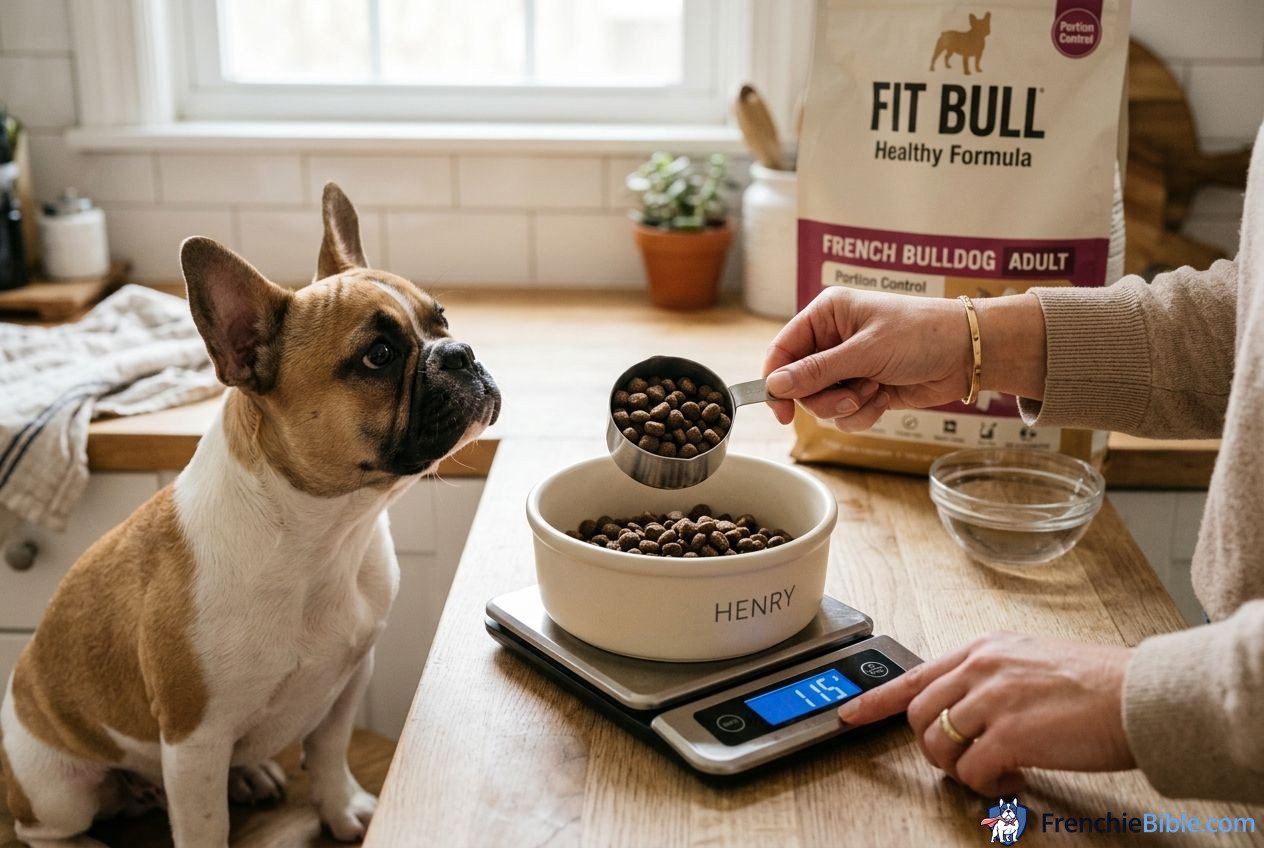
- Smaller, More Frequent Meals: Never feed your Frenchie one or two massive meals a day. A heavy, full stomach presses on the diaphragm and triggers reflux. Break their daily food allowance into three or four small meals spread throughout the day.
- Elevated Feeding Bowls: You must work with gravity, not against it. Feeding your dog from a bowl on the floor means their head is pointed down, making it incredibly easy for food and acid to slide right back up the esophagus. Use an elevated feeder so their neck is in a neutral, straight position while eating.
- No Exercise Before or After Meals: Your dog should rest quietly for at least an hour before and two hours after eating. Excitement and panting immediately after a meal will almost guarantee regurgitation and massively increase the risk of aspiration.
- Probiotics and Digestive Enzymes: Supporting gut health can reduce gas, bloating, and aerophagia. A high-quality, canine-specific probiotic can help balance gut flora, while digestive enzymes can ensure food is broken down efficiently.
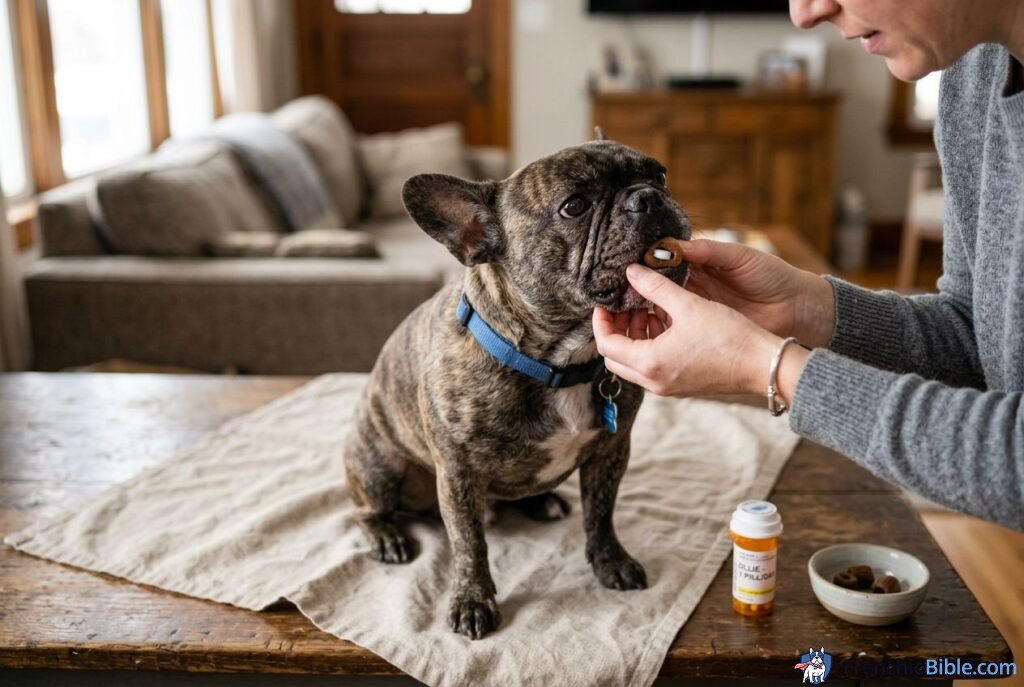
- Veterinary Prescribed Antacids: If the reflux is severe, your vet may prescribe medications to reduce stomach acid production (like Omeprazole) or medications to coat and protect the esophagus (like Sucralfate). Never administer human medications without explicit veterinary instructions.
Environmental Control: Keeping the Airways Calm
The harder your dog breathes, the worse the cycle gets. Your goal is to keep their breathing as calm and effortless as possible.
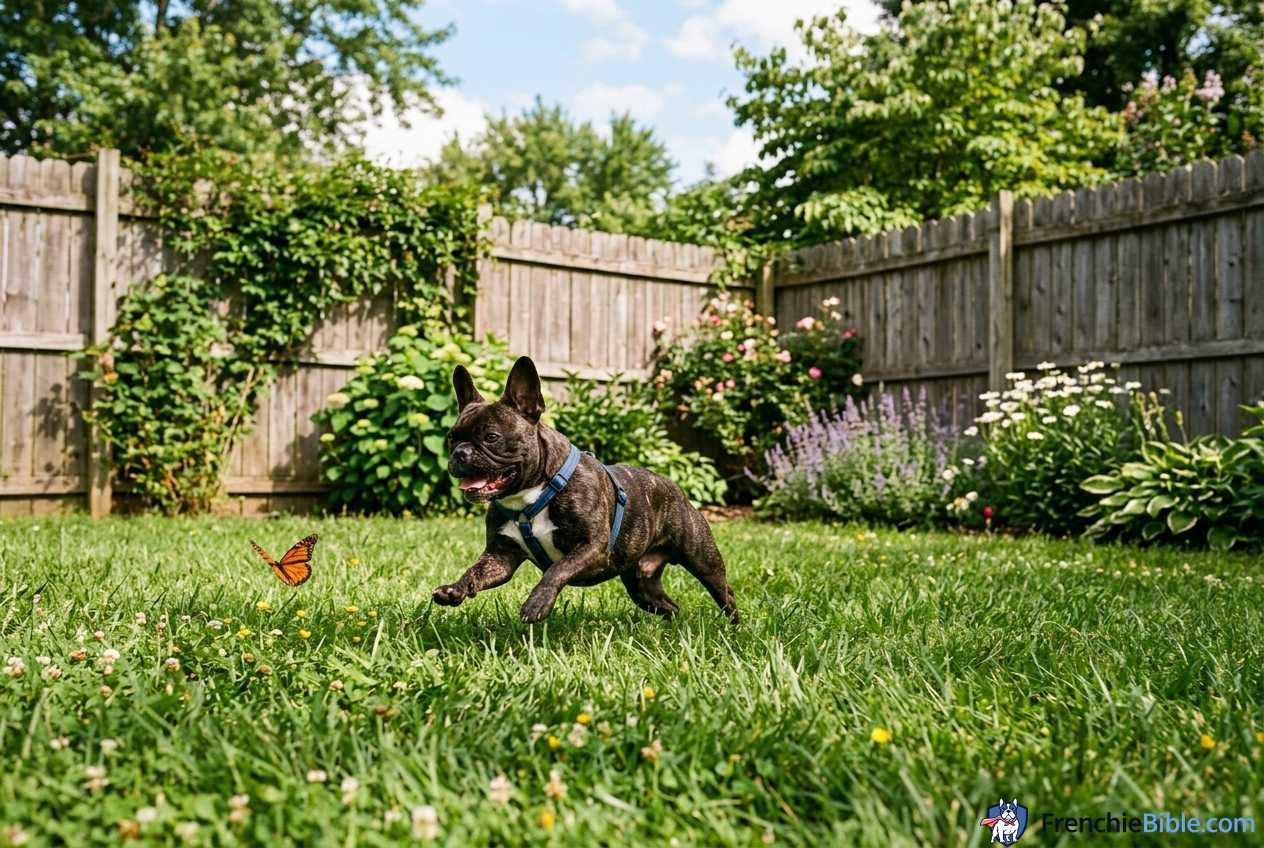
- Harnesses ONLY, Never Collars: This is an absolute, non-negotiable rule. Attaching a leash to a collar places direct pressure on the trachea. In a Frenchie, the trachea is already compromised. Any pressure on the neck will trigger gagging, coughing, and immediately worsen the respiratory distress and trigger the negative pressure cycle. Use a well-fitted, Y-shaped harness that distributes weight across the chest.
- Strict Temperature Control: Frenchies cannot regulate their body temperature efficiently because they cannot pant effectively. Heat and humidity are their worst enemies. Keep your home air-conditioned. Do not walk them during the heat of the day; stick to early mornings or late evenings. If they start heavy panting, bring them into a cool environment immediately.
- Calm Excitement: Over-excitement triggers heavy panting, which triggers aerophagia and negative pressure, leading to the white foam. Manage your dog’s environment. If guests arriving causes them to go crazy, put them in a quiet room until they settle down. Teach them a “place” or “settle” command.
Weight Management: The Ultimate BOAS Alleviator
I cannot stress this enough: Overweight French Bulldogs die younger and suffer more.
Adipose tissue (fat) doesn’t just sit on their ribs. It accumulates in their neck, around their chest cavity, and in the back of their throat. Every single ounce of extra fat physically narrows the airway further and makes the chest wall heavier, requiring more effort to breathe.
Keep your Frenchie incredibly lean. You should be able to easily feel their ribs without pressing hard, and they should have a visible tuck at their waist when viewed from above and the side. If your dog is overweight, work with your vet on a strict, safe weight loss program. Stripping away excess fat is the most effective non-surgical intervention you can provide.
When to Seek Immediate Veterinary Care
You must learn to recognize the difference between a chronic issue you are managing and an acute, life-threatening crisis. If you observe any of the following, do not wait; get to an emergency vet immediately:
Red Flag Symptoms
- Cyanosis (Blue/Purple Gums or Tongue): This means your dog is not getting oxygen. This is an absolute, drop-everything emergency.
- Syncope (Fainting or Collapsing): Passing out due to lack of oxygen or severe cardiac strain.
- Non-Stop Retching/Gagging without Producing Anything: This could indicate a severe obstruction or the early stages of bloat (GDV), though less common in Frenchies, it is fatal without immediate intervention.
- Loud, Crackling Breathing or Coughing: Especially if accompanied by a fever, lethargy, and loss of appetite. This is the classic presentation of aspiration pneumonia.
- Assuming the Orthopneic Posture: Standing with elbows bowed out, neck extended forward, and a panicked look in their eyes, refusing to sit or lie down. They are doing this because it is the only way they can get air into their lungs.
Surgical Interventions: Fixing the Root Cause
While dietary and environmental management are essential, they are only band-aids. They manage the symptoms but do not fix the underlying anatomical defects. For the vast majority of French Bulldogs caught in the vicious cycle of respiratory distress and gastrointestinal regurgitation, surgery is not just an option; it is a medical necessity.
BOAS Surgery: Nares, Palate, and Saccules
If your dog is frequently regurgitating white foam and struggling to breathe, you must consult with a experienced surgeon who has extensive experience with brachycephalic breeds.
The standard BOAS surgery typically involves:
1. Widening the Stenotic Nares: The surgeon will cut away a wedge of tissue from the nostrils, opening them up significantly. This simple step drastically reduces the resistance to airflow and immediately lowers the negative pressure in the chest.
2. Shortening and Thinning the Elongated Soft Palate: The excess tissue at the roof of the mouth is trimmed back so it no longer obstructs the larynx. Modern techniques also involve thinning the palate to reduce the bulk of the tissue.
3. Removing Everted Laryngeal Saccules: If these tiny pouches have popped out and are blocking the airway, they are surgically snipped away.
The results of BOAS surgery can be life-changing. Once the airway is open, the dog no longer has to fight for every breath. The extreme negative intra-thoracic pressure is eliminated. Within weeks of recovery, the acid reflux often subsides, the esophageal inflammation heals, and the constant regurgitation of white foam stops entirely.
Do not wait until your dog is a senior to consider this surgery. The constant trauma of breathing hard damages the cartilage in their airway over time, leading to laryngeal collapse—a condition that is largely irreversible. Having BOAS surgery evaluated and performed between 1 to 2 years of age offers the best chance for a long, healthy, comfortable life.
Frequently Asked Questions (FAQ)
1. Is it normal for my Frenchie to throw up white foam after drinking water?
No, it is not “normal,” but it is common in Frenchies with BOAS. When they drink quickly, they often gulp air along with the water. Because their airway is compromised, the exertion of drinking combined with the swallowed air triggers regurgitation of the water mixed with pooled esophageal saliva, creating foam. Feeding water in smaller amounts or using specialized slow-water bowls can help, but it warrants An Experienced Breedererinary evaluation for BOAS.
2. Can allergies cause my Frenchie to throw up white foam?
While allergies primarily manifest as skin issues (itching, paw licking, ear infections) in dogs, severe post-nasal drip from respiratory allergies can irritate the throat and cause coughing or gagging, which might lead to producing a small amount of foam. However, if the foaming is accompanied by breathing difficulties, panting, or occurs after exercise/eating, it is far more likely related to BOAS and acid reflux rather than just allergies.
3. My Frenchie seems fine most of the time but gags and spits up foam on walks. Should I be worried?
Yes. Exercise increases the demand for oxygen. If your dog cannot get enough oxygen through their nose, they mouth-breathe, creating massive negative pressure and pulling stomach contents upward. This indicates that their airway is obstructed enough that exercise pushes them past their limit. You need to restrict exercise, use a harness, avoid heat, and consult An Experienced Breeder about BOAS surgery.
4. What should I do immediately if my Frenchie starts choking on white foam?
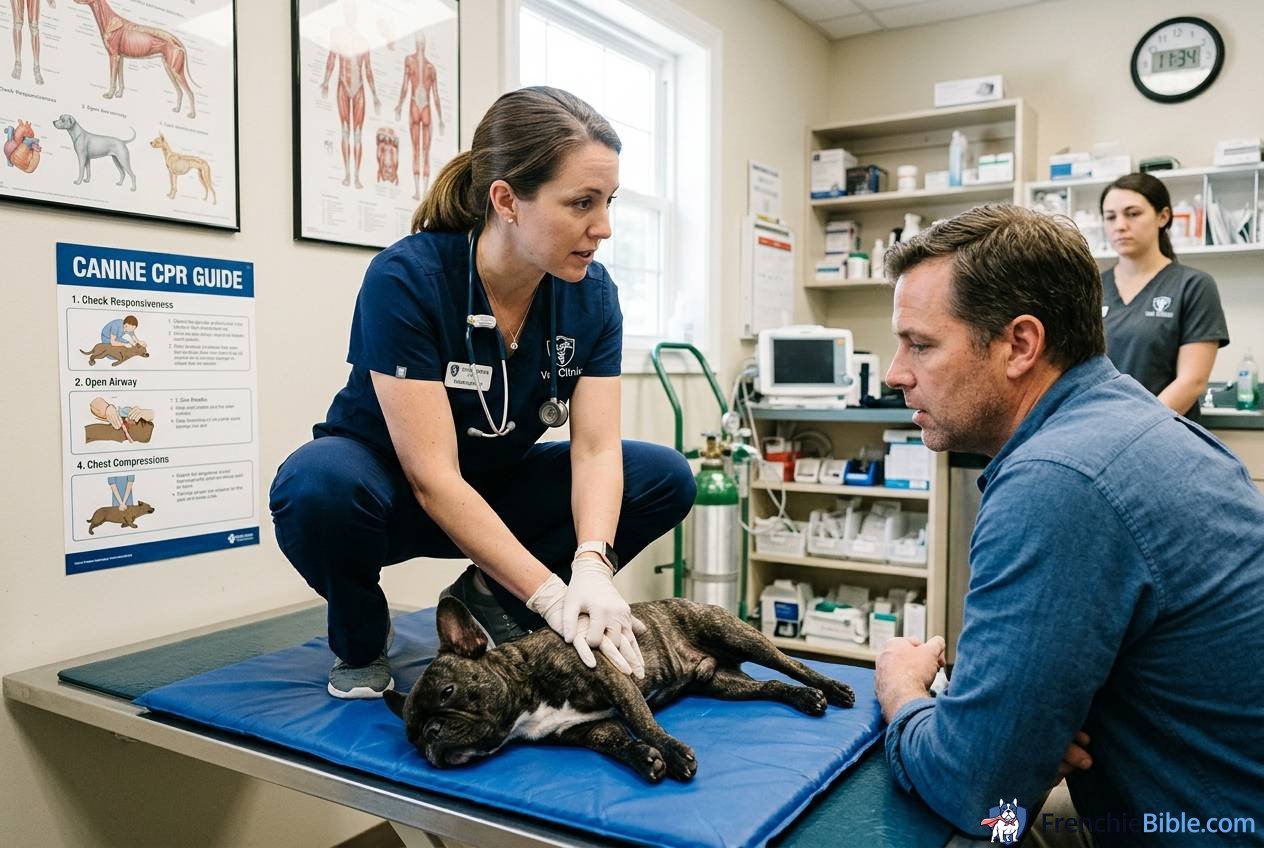
Stay calm. Do not stick your fingers down their throat, as you may push fluid further into the airway or get bitten. Gently lower their head so gravity can help the fluid drain out of their mouth. Keep them calm and still. If they are turning blue, gasping frantically, or collapse, rush to the nearest emergency veterinary clinic immediately.
5. Can changing my dog’s food cure BOAS?
Absolutely not. Diet changes, elevated feeders, and medications only manage the gastrointestinal symptoms of BOAS (the reflux and regurgitation). They do not fix the physical anatomical blockages in the nose and throat. Only surgical intervention can correct the structural airway defects that are the root cause of the entire vicious cycle.
Disclaimer: We are not veterinarians and do not hold veterinary medical licenses. The information provided in this article is based on years of breeding and daily care experience and is for educational purposes only. It should not replace professional veterinary advice. Always consult with a licensed veterinarian if you have concerns about your French Bulldog’s health or before starting any new treatment.
Disclaimer: I am a French Bulldog breeding expert with over a decade of hands-on experience with this breed. I am not a veterinarian. The information in this article is for educational purposes only. Always consult your veterinarian regarding your dog’s specific health needs and care.