
As a French Bulldog breeder with over a decade of hands-on experience, dedicating my life to understanding, improving, and caring for this incredible breed, I often encounter the same questions from enthusiastic new owners: “Can my Frenchie come jogging with me?” or “Why does my French Bulldog tire out so incredibly quickly after just a short sprint across the yard?” It is a very common misconception among novice dog owners that all canine breeds are inherently built for speed, endurance, and rigorous athletic performance. However, when you look closely at a French Bulldog, you are looking at an absolute masterclass in companion breeding—a dog specifically designed for affection, indoor living, and companionship, not a finely tuned athletic machine built for the track or the field.
To truly understand why Frenchies aren’t fast runners, and why attempting to treat them as such is fundamentally dangerous, we need to dive deep into their specific genetics, their unique skeletal structure, their respiratory limitations, and their overall biomechanics. The most effective way to illustrate these limitations is to compare the Frenchie to the undisputed kings of canine speed and agility: sighthounds, specifically Greyhounds and Whippets. By contrasting the ultimate companion dog with the ultimate running dog, the physical realities become strikingly clear.
Related Reading: Training & Behavior | Grooming & Care | French Bulldog Colors
In this comprehensive, deep-dive guide, we will break down the physical limitations of the French Bulldog layer by layer, explore the aerodynamic perfection of sighthounds, and provide actionable, experience-based advice on how to safely exercise your beloved bat-eared companion without putting their health, joints, and life at risk.
The French Bulldog: Built for Companionship, Not Speed
To thoroughly understand the modern French Bulldog’s physical capabilities, we must first look backward at their history and original purpose. Originally bred in the 1800s as miniature versions of the English Bulldog by lace makers in Nottingham, England, they were later brought over to France where they were refined into the breed we recognize today. Their primary historical purpose was never to chase down prey across open fields, herd livestock, or race on dirt tracks. They were bred to be lap dogs, companions to artisans, and occasionally ratters in small urban environments. Every aspect of their physical characteristics reflects this sedentary, companion-focused purpose perfectly.

The Brachycephalic Airway Syndrome (BAS) Factor
The single most significant limiting factor in any French Bulldog’s athletic ability is their brachycephalic (flat-faced) skull structure. This adorable physical trait, which gives them their human-like expressions and undeniable charm, comes with a steep physiological cost. Brachycephalic dogs are born with compacted airways, which often encompass a variety of structural anomalies collectively known as Brachycephalic Airway Syndrome (BAS).
This syndrome typically includes:
– Stenotic Nares: Severely narrowed or pinched nostrils that restrict the volume of air that can be inhaled through the nose.
– Elongated Soft Palate: The soft tissue at the back of the roof of the mouth is too long for the shortened skull, extending into the throat and partially blocking the airway.
– Hypoplastic Trachea: A windpipe that has a narrower diameter than what is typical for a dog of their size.
– Everted Laryngeal Saccules: Small sacs just inside the larynx that can turn outward and further obstruct airflow due to the increased effort required to breathe.
When any dog runs, their oxygen demand skyrockets exponentially. A Greyhound can take in massive, unobstructed volumes of air with each breath, rapidly fueling their working muscles for explosive speed. A French Bulldog, on the other hand, struggles to pull in enough oxygen even during moderate exercise or periods of excitement. This severe reduction in airflow means their muscles fatigue much faster due to a lack of oxygenation. Furthermore, their heart has to work significantly harder to pump what little oxygenated blood is available throughout the body. Biologically, they simply do not have the respiratory plumbing or capacity to sustain a run. Attempting to force them to do so creates an oxygen deficit that can quickly lead to respiratory collapse.
Chondrodysplasia: The Dwarfism Trait
Beyond their flattened faces, French Bulldogs carry specific genetic traits for chondrodysplasia. This is a form of genetic skeletal dwarfism that specifically affects the development of cartilage and long bones in the limbs. This condition is exactly what gives the Frenchie their characteristic short, stout legs and compact, low-to-the-ground body. While this conformation makes them incredibly cute, perfectly sized for apartment living, and sturdy enough to withstand clumsy handling, it is a massive disadvantage for any form of running.
Short legs inherently equate to a short stride length. To cover the exact same distance as a longer-legged dog, a Frenchie has to take many more steps, turning over their legs at a higher frequency. This requires expending a tremendous amount of energy just to maintain a slow pace. Furthermore, their joints are not biomechanically aligned for efficient forward momentum. Their front legs are set very wide apart, and their center of gravity is entirely front-loaded, bearing the brunt of their heavy head and chest. This skeletal arrangement leads to a rolling, waddling, almost crab-like gait rather than a smooth, linear, propulsive stride.
Heavy Bone Density and Hyper-Musculature
Despite their small overall stature, French Bulldogs are astonishingly dense and heavy. A healthy, standard-conformation adult Frenchie can easily weigh between 16 to 28 pounds, packed tightly onto a very short, compact frame. They possess incredibly thick, heavy bones and a dense, bulky muscular build, particularly concentrated around the chest, shoulders, and neck.
In the physics of running, carrying excess weight requires exponentially more force. A French Bulldog’s power-to-weight ratio is entirely skewed against endurance or speed. Their muscles are designed for short, powerful bursts of static strength—such as wrestling with a toy, pulling against a harness, or launching themselves onto a sofa—rather than sustained, repetitive aerobic activity. They literally carry too much physical bulk on too short of a frame to ever be efficient runners. Their bodies are built like miniature powerlifters, not marathon runners.
The Sighthound Blueprint: Greyhounds and Whippets
To put the Frenchie’s physical structure into sharp perspective, let’s contrast it directly with dogs that have been bred specifically and exclusively for speed. Sighthounds, such as Greyhounds, Whippets, Salukis, and Afghan Hounds, are the undeniable Ferraris of the canine world. Every single inch of their anatomy has been selectively bred over thousands of years to minimize air resistance, maximize oxygen intake, and generate explosive forward propulsion.

The Dolichocephalic Skull Structure
In stark contrast to the flat-faced Frenchie, sighthounds are dolichocephalic. This means they possess long, narrow skulls and elongated, pointed muzzles. This specific head structure is not just for aesthetics; it provides a massive, wide-open, unobstructed airway.
When a Greyhound is running at top speeds of 40 to 45 miles per hour, they can effortlessly inhale enormous quantities of oxygen. Their long nasal passages also serve to efficiently warm and humidify the air before it reaches the lungs, optimizing the exchange of gases. This perfect respiratory design effortlessly supplies their vast muscle mass with the fuel required to maintain incredible speeds. A Frenchie breathes through a straw; a Greyhound breathes through a wind tunnel.
Aerodynamic Body Shape and the Deep Chest Cavity
If you observe a Whippet or a Greyhound from a side profile, you will see a deep, cavernous chest that drops low behind the front legs, tapering dramatically to a narrow, sharply tucked-up waist. This deep chest is an evolutionary requirement; it houses an oversized, incredibly powerful heart and massive, high-capacity lungs. A Greyhound’s heart is significantly larger relative to its body weight than almost any other breed of dog, acting as a hyper-efficient pump for oxygenated blood.
Furthermore, their overall aerodynamic profile is designed specifically to slice through the air with minimal drag. They carry absolutely no excess bulk, no wide, blocky shoulders, and no heavy bone structure weighing them down. Their bones are relatively light but incredibly strong. They are the epitome of streamlined, biomechanical efficiency.
The Double Suspension Gallop
The true mechanical secret to a sighthound’s breathtaking speed is their specific running gait, known as the double suspension gallop. While a Frenchie’s fastest run is more of a frantic, labored scurry with limited ground coverage, a Greyhound’s gallop is a biomechanical marvel of physics.
During a double suspension gallop, all four of the dog’s feet leave the ground completely twice during a single stride cycle: once when the dog’s body is fully extended over the ground, and once again when the legs are gathered completely underneath the arched body. Their flexible spine acts exactly like a massive, coiled spring, constantly compressing and uncoiling to propel them forward with massive, sweeping strides. A French Bulldog’s spine is far too short, rigid, and heavily muscled to ever achieve this highly efficient gait.
Head-to-Head: Skeletal and Biomechanical Differences
Let’s break down the specific anatomical differences that explain, on a mechanical level, why your Frenchie prefers the comfort of the sofa while the Whippet lives for the sprint.
Spine Flexibility vs. Spinal Rigidity
As previously mentioned, a sighthound’s spine is highly flexible. This extreme flexibility is a crucial component for maximizing stride length. The spine bends drastically and extends fully, acting as the primary central engine for forward propulsion. The muscles along the back are long and lean, designed for elasticity.
In direct contrast, the French Bulldog has a very short, thick, and rigid spine. In fact, due to their breeding, Frenchies are highly prone to congenital spinal anomalies, such as hemivertebrae (wedge-shaped or butterfly vertebrae) and premature intervertebral disc degeneration. These structural realities further limit any potential spinal mobility and make them highly susceptible to severe spinal injuries if they are subjected to high-impact activities, jumping, or forced running. Their rigid back cannot coil and spring; it merely acts as a solid, inflexible bridge connecting the heavily front-loaded assembly to the weaker rear assembly, both of which are working inefficiently during a run.
Leg Length, Angulation, and Stride Mechanics
The limbs of a sighthound are incredibly long, lean, and function as highly efficient levers. Their rear legs feature deep, pronounced angulation at the stifles (knees) and hocks. This deep angulation acts exactly like a tightly compressed spring, ready to launch the dog forward with maximum force. Their paws are also different—often described as “hare feet”—with longer middle toes that provide greater traction and leverage for pushing off the ground.
A French Bulldog’s leg structure is the complete opposite. Their rear legs are relatively straight, lacking the deep angulation needed for explosive forward thrust. Their front legs are short, thick, and set very wide apart to physically support their heavy, broad chest and massive head. When a Frenchie attempts to run, their mechanical energy is dispersed laterally (side-to-side) rather than strictly linearly (forward). This side-to-side waddle results in a massive waste of biomechanical energy, ensuring they tire out rapidly even over short distances. Their paws are compact “cat feet,” designed for stability and bearing weight, not for explosive traction.
Muscle Fiber Composition and Endurance
While I am sharing observations strictly from a long-time breeder’s perspective rather than a clinical veterinary standpoint, it is a widely acknowledged fact in canine physiology that muscle fiber composition dictates a breed’s athletic ability.
Sighthounds possess a remarkably high percentage of fast-twitch muscle fibers, which contract extremely quickly and powerfully, allowing for explosive speed and rapid acceleration. French Bulldogs, with their bulky, compact, wrestling-style musculature, are built entirely for short bursts of strength rather than speed or endurance. Their muscle composition, combined with their heavy bone structure and poor oxygenation, means their muscles build up lactic acid and fatigue incredibly fast when attempting any sustained running.
The Impact of Heat on Frenchie Performance
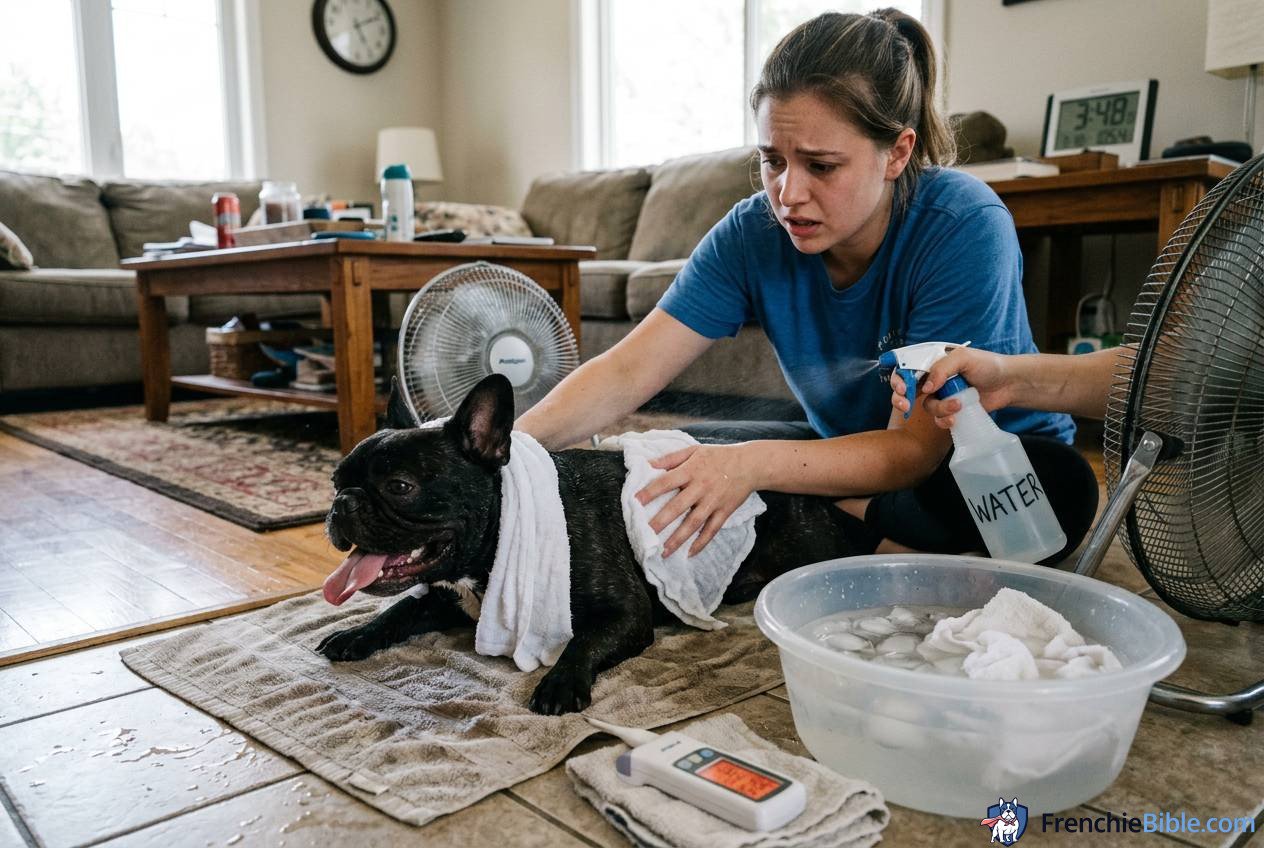
You simply cannot discuss a French Bulldog’s athletic limitations without addressing temperature regulation. This is not just a factor in their performance; it is a critical, life-or-death safety issue that absolutely every Frenchie owner must thoroughly understand.
Why Frenchies Overheat So Quickly and Dangerously
Dogs do not sweat through their skin like humans do; they regulate their internal body temperature primarily through the act of panting. Panting works by rapidly drawing air over the moist mucous membranes of the tongue and the complex internal structures of the nasal cavity. As the moisture evaporates, it cools the blood circulating in these areas, which then circulates back through the body, lowering the overall core temperature.
Because French Bulldogs have severely shortened muzzles and compromised airways due to BAS, their internal cooling system is fundamentally defective. They physically lack the surface area inside the snout required for efficient evaporative cooling. Furthermore, the sheer effort required for them to breathe harder during exercise generates even more internal body heat, creating a vicious, dangerous cycle. They simply cannot move enough air over their mucous membranes to effectively cool themselves down.
When a Frenchie exercises, their body temperature rises much more rapidly than a normal-snouted dog. If a Frenchie tries to run, especially in warm, humid, or even mildly sunny weather, they can quickly succumb to heatstroke. Heatstroke in a brachycephalic dog can occur in a matter of minutes and is frequently fatal, causing organ failure and brain damage.
The Contrast with Sighthound Heat Dissipation
Sighthounds, equipped with their long, elegant snouts, possess a massive internal surface area inside their nasal cavities, perfectly designed for highly efficient evaporative cooling. Furthermore, they naturally have very thin skin, a single layer coat, and minimal body fat. This lack of insulation allows internal heat generated by their working muscles to dissipate quickly and efficiently directly from their skin into the surrounding air.
A French Bulldog’s thick, compact body, often carrying a layer of fat and a thicker coat, traps heat internally, making them incredibly inefficient at cooling down. They are essentially wearing a winter coat while trying to breathe through a cocktail straw.
Safe, Effective Exercise Routines for French Bulldogs
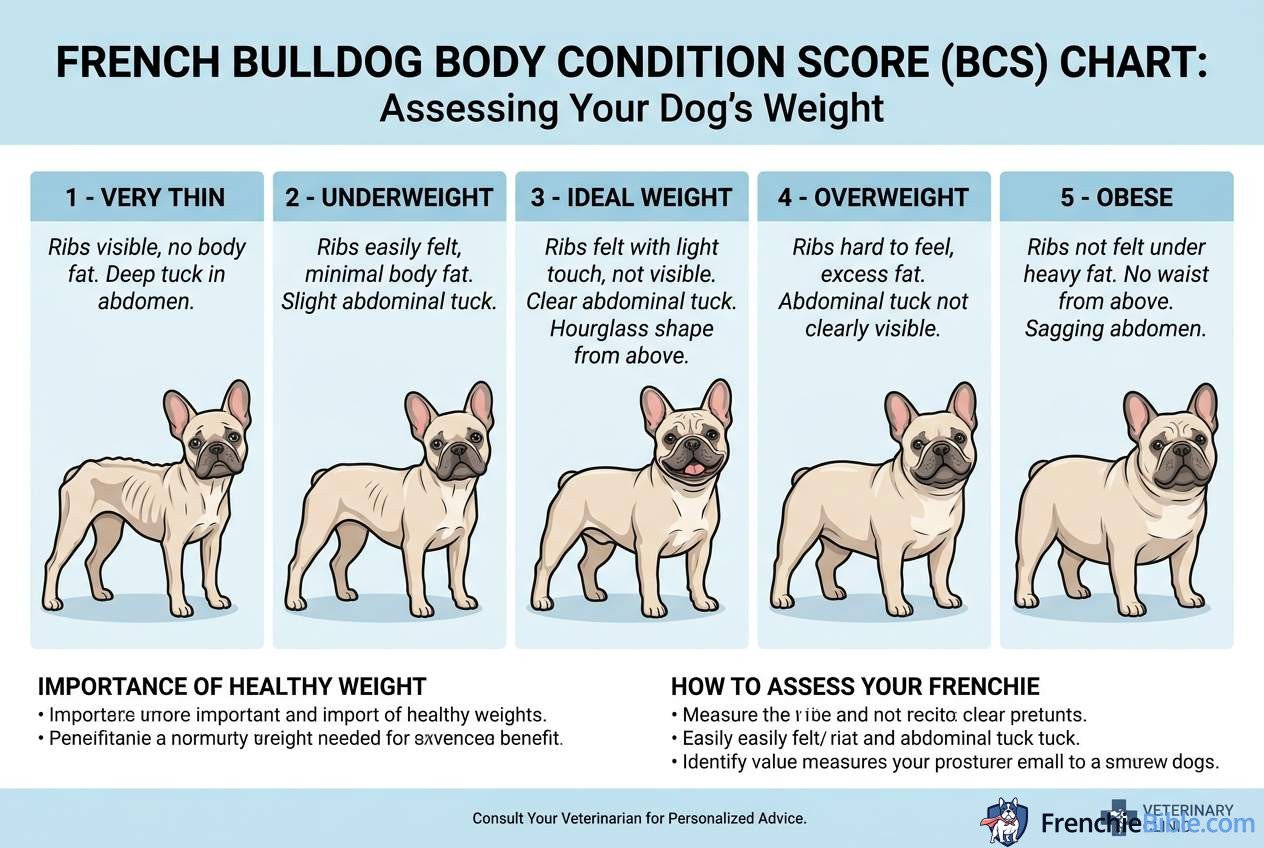
Understanding, accepting, and respecting that your French Bulldog is not a runner does not mean they do not need exercise. On the contrary, as a responsible owner, you must provide adequate, tailored physical activity to prevent obesity. Obesity in a Frenchie is disastrous, as extra weight exponentially exacerbates all of their pre-existing structural, joint, and respiratory issues. The key to Frenchie fitness is low-impact, heavily temperature-controlled exercise.
How Much Exercise Does a Frenchie Really Need?
For a healthy, adult French Bulldog without severe pre-existing health conditions, roughly 30 to 45 minutes of daily exercise is usually sufficient to maintain muscle tone and a healthy weight. However, it is crucial that this should never be done all at once in a single, grueling session. It is exponentially safer and more physically beneficial to break this total time down into two or three short, gentle, 15-minute walks spread throughout the day.
Recognizing the Critical Signs of Overexertion
Because Frenchies are deeply affectionate, eager to please their owners, and often possess a stubborn streak, they may push themselves to keep up with you even when they are physically struggling. It is entirely up to you to be the responsible, observant pack leader and instantly recognize the signs of overexertion and respiratory distress. These signs include:
– Excessive, incredibly loud, raspy, or roaring panting.
– A tongue or gums that change from a healthy pink to bright, dark red, or worse, pale blue or purple (this indicates severe oxygen deprivation and is an immediate, life-threatening medical emergency).
– Flat refusal to walk further, frequently sitting or lying down on the pavement during walks.
– A visibly heaving chest, flared nostrils, and an extended neck as they struggle to pull in air.
– Foaming at the mouth or excessive, thick drool.
If you observe any of these alarming signs, you must stop all activity immediately. Pick the dog up, move them to an air-conditioned or heavily shaded, cool environment immediately, offer small amounts of cool (not ice-cold) water, and monitor them closely.
Best Low-Impact Activities for French Bulldog Fitness
Instead of attempting to jog or run, focus on activities that stimulate their minds and work their bodies safely within their physical limits:
1. Leisurely, Controlled Walks: Short, scent-focused walks on flat surfaces. These must strictly occur during the absolute coolest parts of the day (early morning before the sun is high, or late evening after the pavement has cooled). Always use a well-fitted harness that does not restrict their neck or airway, never a neck collar.
2. Interactive Indoor Play: Short, supervised sessions of fetch rolled along the floor (indoors in air conditioning or in a fully shaded yard), gentle tug-of-war, or hide-and-seek.
3. Intense Mental Stimulation: Never underestimate the power of brain work. Puzzle toys, snuffle mats, lick mats, and positive reinforcement obedience training are incredibly effective. Mental fatigue is just as effective at tiring out a Frenchie as physical exertion, and it carries zero risk of heatstroke or joint injury.
4. Swimming (With Extreme Caution and Preparation): Due to their heavily front-loaded weight, massive heads, and short legs, Frenchies are notoriously poor swimmers. Many lack the buoyancy to keep their heads above water and will sink like stones in seconds. If you introduce them to water, they MUST wear a high-quality, perfectly fitted canine life jacket with a chin float, and they must be within arms-reach and supervised closely at all absolute times. Professional, supervised canine water therapy (using underwater treadmills) can be excellent for their joints, but free swimming in pools or lakes is inherently highly risky.
Conclusion
The next time you happen to see a Whippet or Greyhound effortlessly and gracefully gliding across an open park, and then look down at your snorting, heavy-breathing, stocky French Bulldog, you will understand exactly why their capabilities are so vastly different. The Frenchie was never designed by human hands to be an athlete; they were meticulously designed to be the ultimate, affectionate indoor companion. Their compromised brachycephalic skulls, chondrodysplastic dwarf frames, rigid spines, and heavy, bulky musculature make running not just inefficient, but potentially highly dangerous.
By deeply understanding, respecting, and working within your French Bulldog’s unique genetic, skeletal, and biomechanical limitations, you can ensure you provide them with a safe, happy, and incredibly healthy life. Leave the high-speed sprinting to the sighthounds, and happily embrace the leisurely, relaxed, heavily affectionate lifestyle that makes the French Bulldog breed so incredibly special and cherished worldwide.
Frequently Asked Questions (FAQs)
How fast can a French Bulldog run?
While there is certainly no official racing speed record for French Bulldogs, a healthy, physically fit, and highly motivated Frenchie might reach a top speed of roughly 10 to 15 miles per hour in a very short, explosive sprint (often affectionately referred to as the “zoomies”). However, due to their physical limitations, they cannot sustain this peak speed for more than a few seconds before exhausting themselves and requiring rest.
Can I train my Frenchie to run faster or build endurance for jogging?
No. You absolutely cannot out-train genetics, bone structure, and restricted airways. Attempting to artificially build a Frenchie’s endurance or speed through forced running or jogging is highly dangerous. It will likely result in severe heatstroke, acute respiratory distress, or catastrophic joint injuries. You should never force or encourage a French Bulldog to run long distances.
Is it safe to take my French Bulldog jogging with me in the mornings?
Absolutely not. Jogging inherently requires sustained aerobic output, a consistent breathing rhythm, and an efficient stride, which a French Bulldog’s compacted respiratory system and short, angled legs simply cannot handle. Jogging with a Frenchie puts them at severe, immediate risk of overheating and sudden respiratory collapse, even in mild weather. Stick exclusively to slow, leisurely walks where the dog sets the pace.
Why do Frenchies get the “zoomies” if they aren’t meant to be runners?
The “zoomies” (scientifically termed Frenetic Random Activity Periods, or FRAPs) are sudden, uncontrollable bursts of pent-up energy common in many dog breeds, especially young dogs. While your Frenchie may sprint frantically around the living room or back yard for a minute or two, this is an anaerobic burst of energy, not a sustained aerobic run. It is normal, happy behavior, but you should always ensure they do it in a safe, cool, hazard-free environment and intervene to stop them if they start struggling to breathe or panting excessively.
What is the best way to keep a French Bulldog fit without running or long walks?
The most effective and safest approach to Frenchie fitness is strict portion control of their diet combined with moderate, low-impact exercise. Multiple short (10-15 minute) walks a day, interactive indoor play sessions, and intensive mental stimulation (like advanced puzzle toys and regular obedience training) are the safest ways to keep their weight down and their muscles toned without overly stressing their compromised respiratory and skeletal systems.
Disclaimer: The information, observations, and opinions provided in this article are based solely on over a decade of personal, hands-on experience in French Bulldog breeding, daily husbandry, and breed-specific care. I am not a licensed veterinarian, and I do not hold any veterinary medical qualifications or degrees. This content is intended for informational and educational purposes only and should absolutely never be used as a substitute for professional veterinary diagnosis, treatment, or medical advice. Always consult directly with a qualified, licensed veterinarian regarding your individual dog’s specific health needs, physical capabilities, respiratory condition, and before starting any new fitness routine or addressing any medical concerns.