as a French Bulldog expert and breeder with over a decade of experience I’ve heard every potty-training horror story you can imagine. But one of the most common cries for help comes from owners living in high-rise apartments. Picture this: it’s 3:00 AM, freezing rain is lashing against the windows, and your six-month-old Frenchie is doing the frantic “potty dance” by the front door. You scramble to find your coat, leash the dog, wait five minutes for the elevator to reach the 25th floor, and by the time you reach the lobby… it’s too late. There’s a puddle on the marble floor.
If you own a French Bulldog in an apartment, you know the struggle is real. Frenchies are famously stubborn when it comes to housebreaking, and the added logistics of elevators, long hallways, and unpredictable weather only make it harder. But there is a silver lining, a literal lifesaver that can transform your daily routine and save your sanity: the balcony dog toilet.
Related Reading: Health & Diet | Grooming & Care
Setting up a dedicated potty area on your apartment balcony isn’t just about throwing down a pee pad and hoping for the best. It requires a strategic approach tailored to the unique physical and psychological traits of the French Bulldog. From their sensitive respiratory systems (hello BOAS) to their prone backs (IVDD risks), creating the perfect outdoor-indoor bathroom is an art and a science. In this comprehensive guide I am going to walk you through exactly how to design, build, and train your Frenchie to use a balcony dog potty, turning your high-rise living into a breeze.
Why a Balcony Dog Toilet is an Absolute Game-Changer
Before we dive into the “how,” let’s talk about the “why.” You might be thinking, “Shouldn’t my dog just go outside on walks?” Yes, absolutely. Walks are crucial for physical exercise and mental stimulation. However, a balcony dog toilet serves a different purpose—it is a functional necessity for health and convenience.
Protecting Your Frenchie from Extreme Weather (The BOAS Factor)
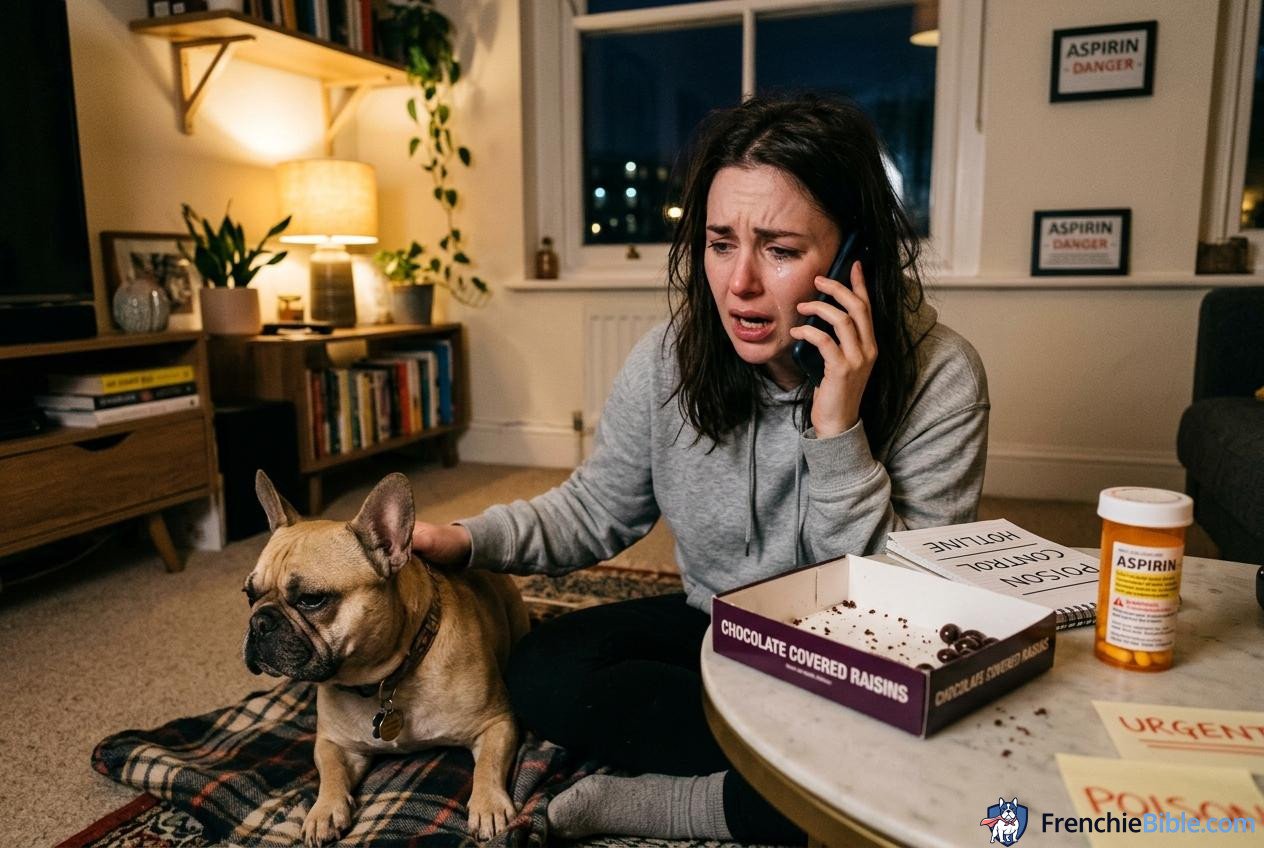
French Bulldogs suffer from Brachycephalic Obstructive Airway Syndrome (BOAS). Because of their flat faces, elongated soft palates, and narrow nostrils, they cannot pant effectively to cool down. Taking your Frenchie all the way downstairs for a quick pee break in the sweltering 90-degree summer heat or freezing winter wind can actually be dangerous. A shaded, quickly accessible balcony potty allows them to relieve themselves in under a minute and rush right back into the air-conditioned or heated apartment.
Minimizing Joint Stress and IVDD Risks
Frenchies are chondrodystrophic dogs, meaning they have a genetic predisposition to Intervertebral Disc Disease (IVDD). Rushing them out the door, navigating stairs if the elevator is broken, or frantically pulling them along slippery apartment hallways when they are desperate to go can lead to sudden, jerky movements. Having a balcony toilet just steps away from the living room drastically reduces unnecessary physical strain when nature calls urgently.
Unmatched Convenience for You
Let’s be honest. Working from home, dealing with illness, or simply navigating a busy schedule makes 4-to-5 trips down an elevator every single day exhausting. A balcony setup gives you back hours of your week and saves you from the dread of late-night or early-morning elevator rides in your pajamas.
Designing the Perfect Balcony Potty Setup
Creating a functional, odor-free balcony dog toilet requires thoughtful planning. You are essentially building a micro-yard. Here is exactly how I set these up for my clients in urban environments.
1. Choosing the Right Base Material
The foundation of your balcony toilet is everything. You have three main options, but only two that I strongly recommend for French Bulldogs.
Real Grass Patches (Top Recommendation for Puppies)
Companies like Fresh Patch or DoggieLawn deliver hydroponically grown, soil-free grass patches in cardboard or plastic trays directly to your door.
- The Pros: Dogs are naturally drawn to the smell and texture of real grass. If you are transitioning a puppy who is used to going outside, this requires almost zero training. Real grass also absorbs odors incredibly well naturally.
- The Cons: It requires a subscription (you replace it every 2-4 weeks), which can get expensive.
High-Quality Artificial Grass with a Drainage System (Best Long-Term Solution)
This is what most of my experienced Frenchie owners eventually transition to. You purchase a tray system (like the Porch Potty or similar brands) covered with synthetic grass.
- The Pros: It is a one-time investment (mostly). It looks neat, and the drainage tray underneath catches the urine, keeping your balcony floor completely safe and dry.
- The Cons: Artificial grass holds onto odors if not cleaned meticulously. Frenchies can also be picky about the texture initially.
Traditional Puppy Pee Pads (Not Recommended for Balconies)
- Why I avoid them here: Balconies get windy. I cannot tell you how many times a client has called me laughing (or crying) because a soiled pee pad blew like a kite into their neighbor’s balcony. Furthermore Frenchies love to shred paper pads. Stick to grass or artificial turf.
2. Building a Bulletproof Drainage System
If you go the artificial route, drainage is your biggest enemy. You cannot simply place a piece of fake turf directly onto your concrete or wooden balcony deck. The urine will pool, seep into the balcony material, and create a biohazard smell that will have your apartment management knocking on your door.
- The Tray Method: Buy a specialized dog potty tray that elevates the artificial grass. The urine passes through the grass holes and pools in the plastic tray below.
- The Absorbent Layer: To prevent the tray from becoming a sloshing mess of urine when you try to empty it, line the bottom of the collection tray with high-absorbency puppy pads or sprinkle a layer of odor-absorbing pine pellets. The urine passes through the turf and is instantly locked into the pad or pellets below.
3. Weatherproofing the Bathroom Zone
Your French Bulldog will not want to use the balcony if it’s getting pounded by rain or baking in direct sunlight.
- Create Shade: If your balcony gets harsh afternoon sun, place a small outdoor umbrella, a shade sail, or even a tall potted (dog-safe) plant next to the potty area. Fake grass gets incredibly hot to the touch in direct sunlight—test it with the back of your hand before sending your dog out.
- Rain Protection: Position the potty tray in a corner that naturally receives less rain, or use a small, clear plastic awning above it. Frenchies hate getting their paws wet!
4. Establishing Boundaries
Frenchies need clear context clues. If the whole balcony feels like a playground, they might just decide to pee on your outdoor rug instead of the turf.
- Place the potty tray in a specific, quiet corner.
- Use a small decorative border, like a line of river rocks or a low wooden border, to visually and texturally separate the “bathroom” from the “patio seating” area.
The Training Protocol: Teaching Your Frenchie to Use the Balcony
French Bulldogs are incredibly intelligent, but their stubborn streak is legendary. You cannot just point to the grass patch and expect them to understand. You must treat this exactly like traditional housebreaking.
Step 1: The Scent Introduction
When your setup arrives, let your Frenchie sniff it. If they have an accident inside the apartment, take a paper towel, wipe up a tiny bit of the urine, and rub it onto the center of the balcony grass patch. Dogs are scent-driven creatures; smelling their own urine signals, “Oh, this is the bathroom.”
Step 2: Strict Routine and Timing
For the first two weeks, you must leash your Frenchie—yes, put a leash on them inside the apartment—and walk them out to the balcony potty at the critical times:
- Immediately after waking up in the morning or from a nap.
- 10 to 15 minutes after eating a meal or drinking heavily.
- After a vigorous indoor play session.
Stand out there with them. Do not let them wander around the balcony. Stand still near the grass patch and use a command like “Go potty” or “Do your business.”
Step 3: High-Value Jackpot Rewards
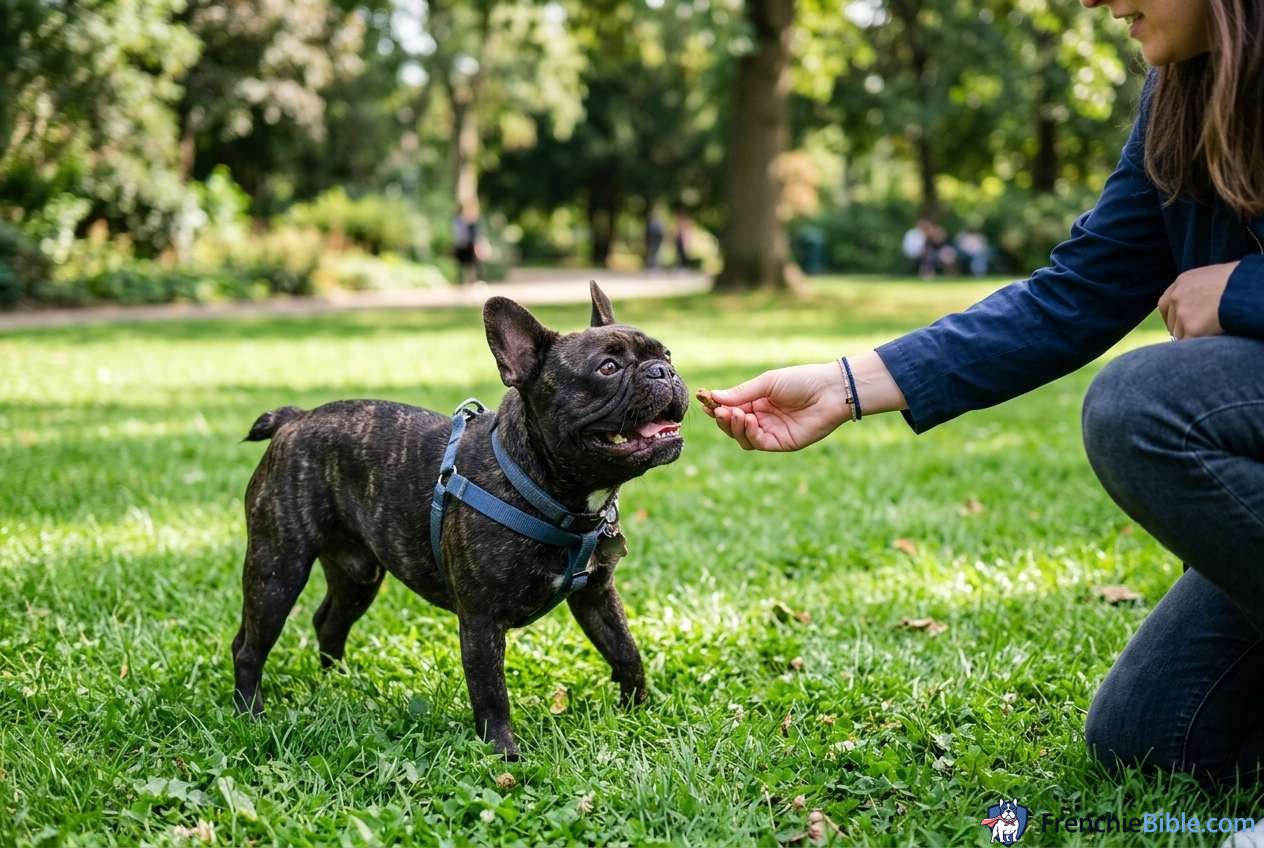
Frenchies are highly food-motivated. The second your dog squats and pees on the balcony patch, you need to throw a massive party. I’m talking high-pitch praise (“YES! GOOD POTTY!”) and immediately delivering a high-value treat. Do not use their boring daily kibble. Use freeze-dried liver, small pieces of boiled chicken, or a tiny cube of cheese. The reward must happen while they are on the grass or immediately as they finish, not when they walk back inside.
Step 4: Reframing the Balcony’s Purpose
During the training phase, the balcony is only a bathroom. Do not let your Frenchie go out there to sunbathe or chew on a bully stick until they have mastered using the potty patch. If they think the turf is a bed, they won’t pee on it. Once they are reliably using it for a few weeks, you can allow them to lounge on the other side of the balcony.
Managing Odor and Hygiene in Tight Spaces
This is the number one concern for apartment dwellers. If you don’t stay on top of it, your balcony will smell like a kennel.
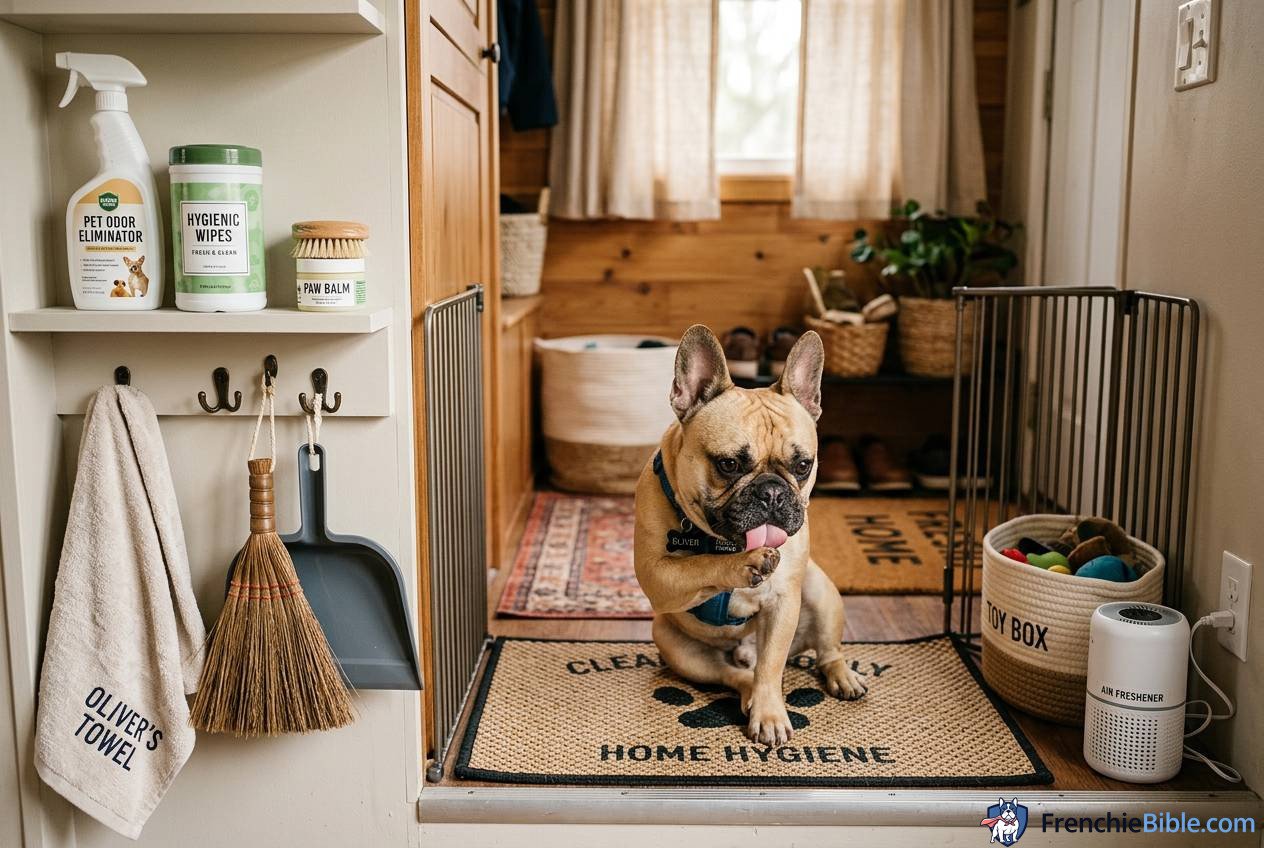
- Daily Poop Patrol: Solid waste must be picked up immediately. Do not let it sit. Invest in a small, airtight diaper genie (like a Litter Genie or a dedicated mini-trash can with a charcoal filter) to store the waste bags outside until trash day.
- The Enzyme Wash (For Artificial Turf): You cannot clean dog urine with regular soap or bleach; those only mask the scent and the ammonia. You must use an enzymatic cleaner (like Nature’s Miracle or angry orange). Twice a week, spray the turf down heavily with the enzyme cleaner, let it sit for 15 minutes to literally eat the odor-causing bacteria, and then rinse it with hot water from a watering can.
- Tray Maintenance: If you use a tray system, empty the bottom tray or replace the absorbent pads every 2 to 3 days. Once a week, take the tray into your bathtub and wash it with hot water and dish soap.
Safety First: Crucial Balcony Hazards for Frenchies
as a French Bulldog expert and breeder I cannot emphasize safety enough. Balconies can be dangerous for small, top-heavy dogs.
- Secure the Railings: French Bulldogs have large heads and broad chests, but puppies are surprisingly compact. Measure the gaps in your balcony railing. If your dog can fit their head through, they can get stuck or, tragically, fall. Install clear plexiglass panels or heavy-duty balcony safety netting along the bottom half of the railing.
- Beware of Toxic Plants: Many people decorate their balconies with plants. Common balcony plants like Aloe Vera Sago Palms Ivy, and certain lilies are highly toxic to dogs. Make sure every plant out there is pet-safe (like spider plants or Boston ferns).
- No Unsupervised Access: Never leave your Frenchie out on the balcony alone with the door closed. Weather can change, they could try to jump at a bird, or they could overheat rapidly in the sun. The balcony should be accessible only when you are present or via a doggy door if you are sitting right inside.
Conclusion
Setting up a balcony dog toilet is one of the most proactive, loving decisions you can make for your French Bulldog if you live in a high-rise. It honors their physical limitations regarding stairs and temperature regulation, while simultaneously saving you from endless elevator trips. With the right grass setup, a solid drainage system, and a little bit of Frenchie-focused positive reinforcement, your apartment living experience will be elevated to a whole new level of peace and cleanliness.
Frequently Asked Questions (FAQ)
1. Can French Bulldogs learn to use both the balcony potty and go outside on regular walks?
Absolutely. Dogs are excellent at context learning. Once trained, your Frenchie will understand that the balcony patch is the “quick bathroom” and walks are for deeper exploration, marking, and exercise. Continuing regular walks is actually vital for their mental health; the balcony just acts as a supplemental convenience.
2. How do I stop my Frenchie from chewing and destroying the artificial grass?
Frenchies are chewers, especially when bored or teething. First, ensure the artificial grass fits snugly into its tray so there are no loose edges to pull up. Second, correct the behavior immediately if you catch them biting it, redirecting them to a high-value chew toy. If the problem persists, spray the edges of the turf with a bitter apple deterrent spray.
3. Does the balcony potty smell terrible in the heat of the summer?
It will only smell if you neglect maintenance. Heat accelerates bacterial growth, which is what causes urine odor. In the summer, you must increase your cleaning frequency. Spraying the artificial turf with an enzymatic cleaner every other day and rinsing it down with water will completely neutralize the smell. Real grass patches tend to smell less naturally, but need to be replaced more frequently in hot weather.
4. What if my Frenchie is terrified of going out on the balcony?
Some Frenchies are sensitive to heights, wind, or the sounds of the city below. Start slow. Leave the balcony door open and scatter high-value treats near the doorway, gradually moving them closer to the potty patch over several days. Sit out there with a book and calmly let them explore at their own pace. Never drag them onto the balcony, as this will create a negative association.
5. Is it safe to leave the balcony door open so they can use it whenever they want?
It depends on your climate and your balcony’s security. If your balcony is fully enclosed or securely netted, and the weather is mild (between 60°F and 75°F), a doggy door insert can be fantastic. However, due to the Frenchie’s inability to regulate body temperature well, you should never leave the door open if it is extremely hot or freezing outside.
Disclaimer: We are not veterinarians and do not hold veterinary medical licenses. The information provided in this article is based on years of breeding and daily care experience and is for educational purposes only. It should not replace professional veterinary advice. Always consult with a licensed veterinarian if you have concerns about your French Bulldog’s health or before starting any new treatment.