
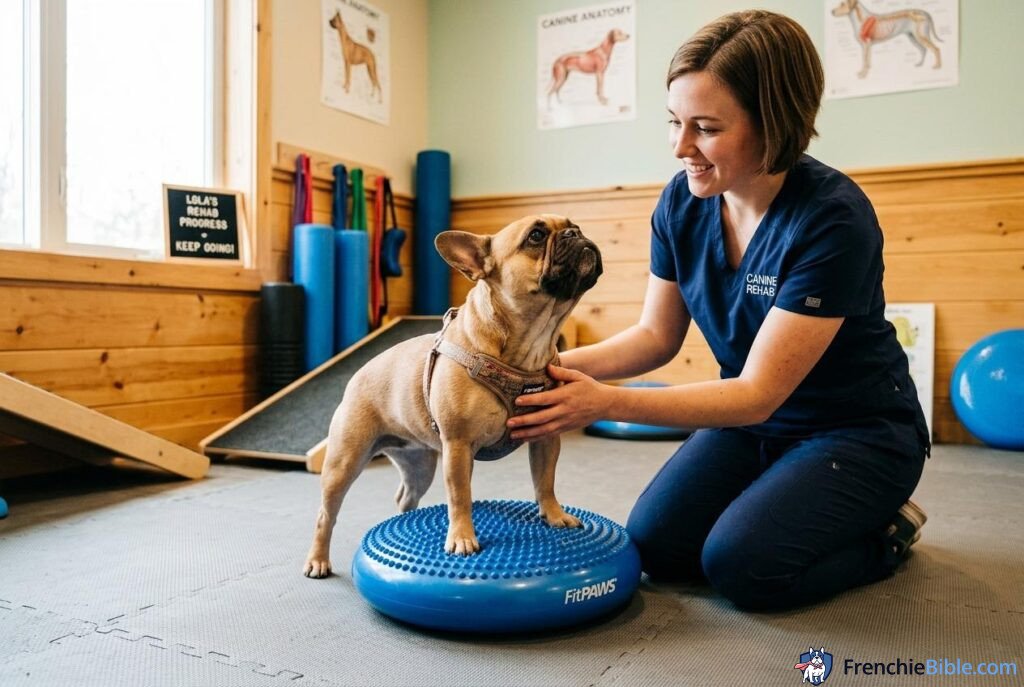
as a French Bulldog expert and breeder and breeding expert with decades of clinical experience, I have seen firsthand the unique, often heartbreaking health challenges these charismatic dogs face. Frenchies, with their unmistakable bat ears, compact bodies, and charming smushed faces, have skyrocketed in popularity globally, becoming one of the most sought-after breeds. However, their unique anatomical structure—specifically their brachycephalic (short-nosed) skull—predisposes them to a myriad of severe respiratory issues, most notably Brachycephalic Obstructive Airway Syndrome (BOAS). Breathing difficulties are, unequivocally, the number one health risk and the leading cause of mortality in French Bulldogs worldwide.
For devoted Frenchie parents, understanding how to monitor your dog’s respiratory health isn’t just about being proactive; it is a critical, life-saving skill that every owner must master. One of the most effective, reliable, and universally accessible methods to assess your French Bulldog’s pulmonary function at home is by measuring their Resting Respiratory Rate (RRR). This comprehensive, deep-dive guide, optimized for both everyday dog owners and veterinary enthusiasts, will delve into the complex mechanics of French Bulldog breathing, explain exactly why they struggle physiologically, and provide an authoritative, step-by-step tutorial on how to accurately measure and interpret your dog’s RRR. We will cover the complete anatomy of the problem, how to identify subtle signs of distress before they become full-blown emergencies, and the concrete steps you can take to give your Frenchie the longest, healthiest, and best possible quality of life.
Related Reading: Training & Behavior | Grooming & Care | French Bulldog Colors
Understanding French Bulldog Breathing: Why They Struggle so Much
To truly grasp the critical importance of measuring the Resting Respiratory Rate, we must first deeply understand the anatomical realities of the French Bulldog. Unlike breeds with longer snouts (mesocephalic or dolichocephalic breeds like Golden Retrievers, German Shepherds, or Greyhounds), brachycephalic dogs have been selectively bred over decades for a specific cosmetic appearance that severely and permanently compromises their respiratory efficiency.

The Anatomy of a Brachycephalic Breed: A Structural Bottleneck
The term “brachycephalic” translates directly to “short head.” In French Bulldogs, Pugs, and English Bulldogs, the bones of the skull and muzzle have been drastically shortened through generations of selective breeding. However, the soft tissues within the skull—the palate, the tongue, the tissues lining the throat and nasal passages—have not decreased proportionately in size. This results in a classic “too much tissue in too small a space” scenario, leading to severe crowding and mechanical obstruction of the airways.
Key anatomical abnormalities that plague French Bulldogs include:
– Stenotic Nares (Pinched Nostrils): This refers to excessively narrow, tightly pinched nostrils that severely restrict the flow of air into the nasal cavity. Imagine trying to breathe exclusively through a thin plastic coffee stirrer while jogging; this is the reality for many French Bulldogs. Furthermore, the nasal cartilages are often malformed and weak, collapsing inward during inhalation and further blocking airflow.
– Elongated and Thickened Soft Palate: The soft palate is the fleshy tissue at the back of the roof of the mouth, separating the nasal cavity from the oral cavity. In Frenchies, it is notoriously too long and excessively thick. It extends far back into the throat, partially or completely blocking the opening to the trachea (windpipe) and the larynx. When the dog breathes, this extra, redundant tissue flutters forcefully, causing the characteristic, loud snoring or snorting sound that many owners mistakenly think is cute.
– Hypoplastic Trachea: A trachea (windpipe) that is significantly narrower in diameter than normal relative to the dog’s overall body size, further limiting the vital volume of air that can reach the lungs. This creates a massive bottleneck effect deep in the chest.
– Everted Laryngeal Saccules: These are small sacs of mucosal tissue located just in front of the vocal cords. Due to the massive increased effort required to draw air past the stenotic nares and the blocking elongated palate, the chronic negative pressure in the airway effectively acts like a vacuum. This vacuum can cause these saccules to turn inside out (evert) and bulge into the airway, obstructing it even further.
– Macroglossia (Enlarged Tongue): An unusually large, thick, and wide tongue that takes up excessive space in the already crowded oral cavity. This heavily contributes to airway blockage, particularly when the dog is sleeping, completely relaxed, or panting heavily.
– Aberrant Nasal Turbinates: Inside the short nose, the bony scrolls (turbinates) that are supposed to filter and warm air are crammed together, twisted, and often block the internal nasal passages completely.
Brachycephalic Obstructive Airway Syndrome (BOAS) Explained in Depth
These severe anatomical abnormalities do not act in isolation; they collectively contribute to Brachycephalic Obstructive Airway Syndrome (BOAS). BOAS is not a static condition; it is a progressive, lifelong, degenerative syndrome. Because the airway is inherently narrow and obstructed at multiple levels, the French Bulldog must exert significantly more physical effort using their chest and diaphragm to inhale the exact same volume of air as a dog with a normal muzzle.
This constant, forceful, labored suction creates a dangerously high level of negative pressure within the delicate tissues of the airway. Over time—often months or years—this chronic negative pressure causes devastating secondary, degenerative changes: the delicate tissues of the pharynx and larynx become chronically inflamed, thickened, and swollen; the laryngeal saccules evert; tonsils become enlarged and protrude; and eventually, the rigid cartilage of the larynx (the voice box) becomes weak, loses its structural integrity, and can completely collapse (laryngeal collapse).
Laryngeal collapse is the fatal end-stage of BOAS. It is a catastrophic failure of the airway structure, creating a vicious, inescapable cycle where breathing becomes progressively more difficult, leading to a chronic state of profound oxygen deprivation, severe exercise intolerance, cyanosis (turning blue), overheating, and often, sudden fatal respiratory crises.
Why Early Detection of Breathing Distress is Critical for Frenchies
The insidious, deceptive nature of BOAS means that symptoms often develop very gradually. Many well-meaning owners unknowingly normalize the horrific sounds their Frenchies make—the loud snorting, snoring, heavy panting while resting, and grunting—believing it to be “just a Frenchie thing” or a quirky breed characteristic. as a French Bulldog expert and breeder, I cannot emphasize this fact enough: chronic loud breathing is never normal; it is a blaring alarm siren of respiratory compromise and anatomical distress.
Early detection of breathing distress is vital because it allows for life-saving medical management or surgical intervention before irreversible secondary changes, like laryngeal collapse, permanently destroy the airway. Regular, meticulous monitoring of the Resting Respiratory Rate provides pure, objective data. It strips away the subjectivity of observation, removes the owner’s emotional bias, and gives you a clear, quantifiable, medical metric of your dog’s respiratory health. It allows you to catch incredibly subtle deteriorations in lung function before they spiral into a catastrophic, expensive, and life-threatening emergency room visit.
What is Resting Respiratory Rate (RRR) and Why Does it Matter So Much?
While observing your dog during play, eating, or exercise is important for general health, the true, unfiltered, and most accurate test of their baseline pulmonary and cardiac function happens when they are completely at rest.

Defining Resting Respiratory Rate (RRR) Accurately
The Resting Respiratory Rate (RRR), sometimes interchangeably referred to in veterinary literature as the Sleeping Respiratory Rate (SRR), is strictly defined as the absolute number of breaths a dog takes per minute while they are in a state of deep, undisturbed rest or sleep, situated in a cool, quiet, and perfectly comfortable environment. It is the baseline metric of how hard the body has to work just to stay alive when doing nothing at all.
The Normal RRR Range for French Bulldogs
For a healthy adult dog of any breed, including a French Bulldog that has been well-bred or has had corrective surgery and does not suffer from severe BOAS complications, the normal Resting Respiratory Rate should definitively be between 15 and 30 breaths per minute.
It is crucial to deeply understand that while 15-30 is the established veterinary benchmark across the board, every individual dog has a unique baseline. As a responsible, proactive owner, your primary goal is to establish your individual Frenchie’s specific baseline rate when they are perfectly healthy, cool, and comfortable. For some extremely fit dogs, the baseline might consistently sit around 16 to 18; for others with mild anatomical quirks, it might hover around 24.
Knowing this specific, individualized baseline is the absolute key to identifying when something is medically wrong. An increase from a baseline of 18 up to 28 is clinically significant for that specific dog, indicating a problem, even though 28 technically still falls within the broad “normal” range of up to 30.
Why RRR is the Undisputed Gold Standard for At-Home Monitoring
Why do cardiologists, pulmonologists, and general practice veterinarians across the globe place so much immense emphasis on tracking RRR?
1. Unparalleled Objectivity: It provides a hard, indisputable, numerical data point. It completely removes the guesswork, panic, and emotional bias from assessing if a dog is “breathing heavily” or “acting weird.”
2. The Ultimate Early Warning System: An elevated RRR is almost always the very first clinical sign of impending respiratory distress, congestive heart failure, pulmonary edema (fluid building up in the lungs), pneumonia, or heat exhaustion. This elevation often appears 24 to 48 hours before overt, noticeable symptoms like coughing, severe lethargy, cyanosis, fainting, or loss of appetite manifest.
3. Completely Stress-Free and Non-Invasive: It is entirely non-invasive. You do not need any experienced breedererinary equipment like a stethoscope, and crucially, you do not need to restrain, handle, or stress the dog to perform the measurement. This is vital, as stressing a Frenchie with compromised breathing can instantly induce a fatal respiratory crisis.
4. Tracking Treatment Efficacy: For dogs recovering from BOAS surgery, soft palate resection, or those on chronic medication for heart murmurs or lung conditions, diligently tracking the RRR is the most reliable, inexpensive way for you and your vet to monitor whether the treatment protocol is actually working and successfully managing the condition.
Step-by-Step Illustrated Guide: How to Accurately Measure Your Frenchie’s RRR
Measuring your French Bulldog’s RRR is simple in theory, but absolute precision in execution is key. Follow this meticulously detailed, step-by-step guide to ensure you are getting an accurate, reliable, and clinically useful reading every single time.

Step 1: Choosing the Perfect Time and Environment (The Absolute Importance of Rest)
Timing and environment are everything; they dictate the validity of your measurement. Do not ever attempt to measure RRR immediately after a walk, during a play session, right after eating a meal, or when your dog is excited (e.g., when you or a guest just walked through the front door).
- The Ideal Physiological State: Your Frenchie must be fully resting or, ideally, in a state of deep, profound sleep. Rapid Eye Movement (REM) sleep, where they might twitch their paws slightly or let out tiny muffled barks, is acceptable, but deep, calm, motionless sleep is the gold standard.
- The Optimal Environment: The room must be strictly temperature-controlled. For a Frenchie, this means cool—ideally around 68-70°F (20-21°C). The room must also be extremely quiet and completely free from distractions like other pets walking around, television noise, or children playing.
- The Mandatory Wait Time: Ensure it has been at least 45 to 60 minutes since any form of physical exertion, excitement, or a large meal. Their metabolism, internal body temperature, and heart rate must have had ample time to return completely to baseline.
Step 2: Getting into Position (Observation Without Disturbance)
Approach your sleeping Frenchie very, very quietly. Do not touch them, do not pet them, do not stroke their head, and do not speak to them. Even the soft sound of your voice or the lightest, most affectionate touch can rouse them slightly, subtly alter their breathing pattern, elevate their heart rate, and completely invalidate the measurement.
Position yourself strategically where you have a clear, unobstructed visual line to your dog’s chest wall and abdomen. You need to be able to see the distinct rise and fall of their ribcage clearly. If they are curled up tight in a ball (a “donut” shape), you may not be able to see the chest movement accurately. You may need to wait patiently until they naturally stretch out on their side or back for a better, clearer view.
Step 3: Setting Your Timer and Preparation
You will need a highly reliable timer—a smartphone stopwatch application, a digital kitchen timer, or a wristwatch with a clear second hand works perfectly.
While some general, non-specialist dog care guides suggest counting for 15 seconds and multiplying by four, or counting for 30 seconds and multiplying by two to save time, I strongly, categorically, and passionately advise against this shortcut for French Bulldogs. Because their breathing can be slightly irregular, prone to brief pauses, or affected by minor, transient airway obstructions due to their anatomy, you must count for a full, uninterrupted 60 seconds (one minute) to get the most accurate, representative, and clinically sound average rate.
Step 4: Counting the Breaths (Inhale + Exhale = ONE Breath)
This is the step where many well-meaning owners make a critical calculation error that causes immense panic.
- Defining One Complete Breath Cycle: An inhalation (the chest wall expands, inflates, and rises) followed immediately by an exhalation (the chest wall contracts, deflates, and falls) equals ONE complete breath cycle.
- Do not count the rise as “one” and the fall as “two.” This will artificially double your dog’s respiratory rate, making a normal rate of 20 look like a highly critical emergency rate of 40.
- Watch the chest wall intently. Start your 60-second timer and silently count the complete cycles. Rise, fall… ONE. Rise, fall… TWO. Rise, fall… THREE.
Step 5: Calculating, Recording, and Tracking the Rate Long-Term
Once your full 60 seconds are up, carefully note the final number. This number is your dog’s true Resting Respiratory Rate.
I highly recommend keeping a dedicated physical logbook, a spreadsheet, or a specific digital note on your phone. Diligently note the date, the exact time of day, the RRR number, and the ambient room temperature. Doing this consistently once a week when your dog is healthy and thriving establishes a rock-solid, incredibly valuable baseline. If your dog has a known respiratory issue, a cardiac condition, or is recovering from BOAS surgery, your veterinary specialist will likely mandate daily monitoring, often at the exact same time each day for maximum consistency.
Common Pitfalls and Mistakes to Avoid When Measuring RRR
- Measuring While Alert, Awake, or Purring: Even if they are lying perfectly still on the couch, if their eyes are wide open, ears are perked up listening to you, and they are fully alert to their surroundings, it is absolutely not a true resting rate.
- Physical Contact with the Dog: Putting your hand directly on their chest to physically feel the breaths will almost always wake them up, excite them, or change their breathing rhythm. Rely strictly on visual observation only.
- Ignoring Extreme Snoring or Massive Effort: If your dog is snoring violently, gasping, choking, or seems to be struggling immensely to pull air in even while sleeping deeply, the actual RRR numerical value might be artificially low. Why? Because each obstructed breath takes so much time, effort, and physical exertion to complete. In this terrifying scenario, the extreme, violent effort of breathing is a severe, life-threatening warning sign all on its own, regardless of what the numerical rate says.
- Panicking Over a Single, Isolated Anomaly: If you get an unusually high reading out of nowhere, do not immediately panic. Wait 15 to 20 minutes, ensure the dog has settled back into a truly deep sleep, check the room temperature, and count again. A vivid dream, a sudden loud outside noise (like a truck passing), or a minor shift in sleeping position can temporarily spike the rate. Always verify a high reading with a second, careful count before rushing to the emergency room.
How to Medically Interpret Your French Bulldog’s RRR Results
Gathering the data is only the first half of the process; understanding exactly what the numbers mean medically is critical for making informed, life-saving decisions about your Frenchie’s veterinary care. Here is how to interpret the results of your RRR monitoring and the precise actions to take for each zone.

The “Green Zone” (Normal RRR: Under 30 Breaths Per Minute)
If your French Bulldog’s RRR is consistently tracking between 15 and 30 breaths per minute while completely at rest in a cool room, they are safely in the Green Zone.
- What it medically means: Their respiratory and cardiovascular systems are currently functioning adequately to meet their body’s oxygen demands at rest without undue stress, strain, or compensation. The airway, while perhaps anatomically imperfect, is sufficiently open to allow normal, life-sustaining gas exchange.
- Action required: Continue regular, diligent monitoring (e.g., weekly or bi-weekly) to maintain a continuous, historical record of their baseline. Maintain rigorous adherence to routine veterinary check-ups, strict weight management protocols, and all preventative care.
The “Yellow Zone” (Elevated RRR: 31-40 Breaths Per Minute)
If the RRR climbs into the 31 to 40 breaths per minute range, and consistently stays there across multiple readings, significant medical caution and investigation are required.
- What it medically means: Your dog is working noticeably harder than normal to oxygenate their blood. This could be due to a warm environment, a recent stressful event they haven’t fully recovered from, the early, creeping onset of a respiratory infection (like kennel cough or early pneumonia), the worsening of their BOAS symptoms due to age or weight gain, or the early, silent signs of cardiac issues (like a worsening heart murmur).
- Action required:
- Do not panic, but take action. Re-check the rate in 30-60 minutes to completely rule out a temporary spike from a dream or noise.
- Ensure the room is genuinely cool (turn up the AC) and the dog is not exhibiting any signs of stress, pain, or discomfort.
- If the rate consistently stays firmly in the Yellow Zone over several readings across a 24-48 hour period, or if it is significantly higher than your dog’s established historical baseline (e.g., their baseline is 18, and it’s now consistently sitting at 36), schedule a non-emergency but prompt, thorough appointment with your veterinarian within the next few days. Bring your detailed RRR log with you; it is invaluable to the vet.
The “Red Zone” (High RRR: Over 40 Breaths Per Minute)
A Resting Respiratory Rate of consistently greater than 40 breaths per minute in a sleeping, cool, unstressed dog is a major, undeniable, blaring red flag.
- What it medically means: This indicates severe, active respiratory distress, significant pulmonary compromise, or potential congestive heart failure. The body is desperately, frantically trying to compensate for a profound lack of oxygen in the blood or fluid buildup in the lungs.
- Action required: This is a true veterinary emergency. Drop everything. Do not wait to see if it improves by morning. Contact your primary veterinarian or the nearest 24-hour emergency animal hospital immediately. State clearly over the phone that your brachycephalic dog is at rest but has an RRR over 40 and requires urgent, immediate assessment. If the high RRR is accompanied by open-mouth breathing while resting, pale or blue gums, extreme lethargy, coughing, or an inability to lie flat, the situation is incredibly critical and every single minute counts. Get in the car.
Recognizing Other Silent and Overt Signs of Breathing Distress in French Bulldogs
While tracking the RRR is an excellent, objective measurement tool, it must always be considered holistically alongside your French Bulldog’s overall physical presentation and behavior. Because Frenchies are notoriously stoic, deeply resilient, and desperately aim to please their owners, they will often mask or hide their discomfort until they simply cannot physiologically compensate anymore. As a responsible owner, you must be hyper-vigilant for these concurrent, often subtle signs of respiratory distress:
Excessive Panting, Snorting, and Stridor
Panting is the primary mechanism by which dogs thermoregulate (cool down), but a French Bulldog should absolutely, unequivocally not be panting excessively in a cool, climate-controlled room while at rest.
- Stridor: This is a harsh, high-pitched, wheezing, squeaking, or whistling sound heard primarily during inspiration (breathing in). It is a major red flag. Stridor almost always indicates a significant, dangerous narrowing or physical obstruction deep in the upper airway, specifically at the level of the larynx or trachea.
- Stertor: This is a low-pitched, snoring, rumbling, or snorting sound (often compared accurately to a pig grunt) typically originating from the nasal passages or the violent fluttering of the elongated soft palate. While stertor is common in Frenchies, a sudden, noticeable increase in the volume, harshness, or frequency of stertor is highly concerning and warrants veterinary evaluation.
Blue, Pale, or Gray Gums (Cyanosis)
The color of your dog’s mucous membranes is a direct, visible window into their blood oxygen levels. A healthy, well-oxygenated French Bulldog should have bright, bubblegum-pink gums (unless they have natural black pigmentation, in which case you should look at the conjunctiva inside the eyelid, the roof of the mouth, or the tongue).
- Gently lift your dog’s lip and inspect the gum tissue directly above the large canine teeth.
- If the gums appear pale white, chalky gray, or take on a blue, purple, or dark muddy hue (cyanotic), this signifies a severe, life-threatening lack of oxygen circulating in the bloodstream. This is a catastrophic emergency requiring immediate, aggressive veterinary intervention, typically involving an oxygen cage and heavy sedation to calm the airway.
Reluctance to Exercise, Sudden Lethargy, and Severe Exercise Intolerance
If your normally playful, bouncy, and active Frenchie suddenly refuses to go for their usual short walks, sits or lies down flat frequently during mild exercise, drags behind on the leash, or takes an unusually long time to recover (panting heavily for more than 10-15 minutes) from minimal exertion, their respiratory system is actively failing them. They are self-limiting their physical activity because they simply cannot draw enough air into their lungs to support the metabolic demands of the exercise. Do not force them to walk.
Sleep Apnea and Restless, Abnormal Sleeping Positions
French Bulldogs with severe, unmanaged BOAS often suffer from severe sleep apnea. In this condition, the airway completely collapses, and they momentarily stop breathing entirely during sleep. This is usually followed by a sudden, jarring gasp, violent choke, or loud snort as the brain wakes them up just enough to force the airway open again.
Pay incredibly close attention to how your dog positions themselves to sleep. A dog in chronic, silent respiratory distress will often refuse to lie flat on their side, as this allows gravity to collapse the airway further. Instead, they may adopt a “sitting up” sleeping position, or they may sleep with their chin propped up high on a toy, a step, a hard edge, or a pillow. This is a desperate, instinctual attempt to keep the neck extended and the airway as straight and artificially open as possible to facilitate airflow.
Regurgitation, Vomiting, and Chronic Gastrointestinal Distress
There is a profound, incredibly strong, and clinically proven link between the respiratory and gastrointestinal systems in brachycephalic dogs. The tremendous negative pressure created in the chest cavity when a Frenchie struggles violently to inhale past upper airway obstructions actually acts like a vacuum, pulling the stomach and its acidic contents upward toward the esophagus.
This chronic, unnatural pressure change leads to severe acid reflux, frequent regurgitation of white foam, slime, or undigested food, and even the development of hiatal hernias (where the stomach physically slips into the chest cavity). If your Frenchie is frequently throwing up, gagging, or regurgitating, it is very often a secondary, downstream symptom of severe, unmanaged BOAS, not simply a “sensitive stomach” or a food allergy. Addressing the airway obstruction surgically often miraculously resolves the GI issues.
Proactive Medical Management: Preventing Breathing Issues in Your French Bulldog
As a breeding expert and veterinary respiratory specialist, my clinical philosophy is entirely, unapologetically centered on prevention and proactive, aggressive management. You cannot magically change your French Bulldog’s fundamental genetics or skull shape once they are born, but you have immense, life-altering power to influence their environment, diet, and lifestyle to drastically mitigate respiratory risks and extend their lifespan.
Weight Management: The Single Most Crucial Factor in Respiratory Health
I cannot state this strongly enough, and I tell this to every single client: obesity is the absolute worst enemy of the French Bulldog. It is a killer.
Extra fat does not just sit visibly on their ribs and waist; it aggressively, dangerously accumulates internally around their neck, throat, and airway. This internal fat physically compresses the already microscopically narrow trachea and dramatically exacerbates all BOAS symptoms. A lean, heavily muscled, athletic Frenchie will breathe exponentially better than a chunky, overweight, “cute” one.
– You should be able to easily feel your dog’s ribs with minimal fingertip pressure. You shouldn’t see them prominently, but you should feel them easily without digging through a layer of fat.
– They should have a clearly visible, tucked waistline when viewed from above and a distinct abdominal tuck when viewed from the side.
– Work intimately with your vet to establish a strict, measured, calorie-controlled diet if your dog is even slightly overweight. Do not free-feed. Treat calories must be strictly accounted for. Consider diets rich in anti-inflammatory Omega-3 fatty acids to help soothe inflamed airways.
Temperature Control: Keeping Your Frenchie Cool to Prevent Fatal Heatstroke
French Bulldogs simply cannot tolerate heat. Period. It is a biological impossibility for them. Because their primary cooling mechanism (panting) is highly inefficient due to their compromised, obstructed airways, they cannot expel heat fast enough. This makes them highly susceptible to fatal heatstroke in a matter of minutes, even in mildly warm weather.
– Air Conditioning is Strictly Mandatory: In warm or summer months, keep your Frenchie indoors in a highly climate-controlled, reliably air-conditioned environment at all times.
– Avoid Peak Heat Absolutely: Never, under any circumstances, walk your French Bulldog during the heat of the day. Stick exclusively to early mornings before sunrise or late evenings well after sunset when the pavement is cool.
– Cooling Gear and Hydration: Utilize cooling mats, evaporative cooling vests, and ensure they always have access to abundant fresh, ice-cold water. If they start panting on a walk, stop immediately, find shade, offer water, and carry them home if necessary.
Safe Exercise Routines, Travel Bans, and Mandatory Harness Use
- Never Use a Neck Collar: A collar puts direct, crushing pressure on the fragile trachea, instantly restricting airflow, causing severe inflammation, and potentially inducing a respiratory crisis. Always use a high-quality, well-fitted, Y-shaped chest harness that completely bypasses the neck and distributes any pulling pressure evenly across the robust chest muscles.
- Moderate, Tailored Exercise: Frenchies need consistent exercise to stay lean and maintain muscle tone, but it must be strictly tailored to their specific anatomical ability. Short, frequent, low-intensity walks are vastly superior to long, strenuous hikes or forced running.
- Air Travel Dangers: Be acutely aware that due to the extreme risks of respiratory failure under stress and temperature changes, almost all major commercial airlines have permanently banned brachycephalic breeds, including French Bulldogs, from flying in the cargo hold. Travel by car in an air-conditioned cabin is the only safe option.
When is Surgical Intervention (BOAS Surgery) Absolutely Necessary?
For many French Bulldogs, no amount of careful diet or lifestyle management is enough, and surgical intervention becomes an absolute medical necessity to provide a decent, comfortable quality of life and prevent premature death. BOAS surgery is a highly specialized, delicate procedure that typically involves:
1. Rhinoplasty (Widening the Nares): Surgically widening the stenotic nares (nostrils) by removing a small wedge of tissue to open the nasal passages and allow free airflow.
2. Palatoplasty (Soft Palate Resection): Surgically shortening and dramatically thinning the elongated, fleshy soft palate using a laser or scalpel to clear the massive obstruction at the back of the throat.
3. Sacculectomy: Removing the everted laryngeal saccules (if they are present and obstructing airflow).
If your French Bulldog consistently snores loudly while awake, struggles with even mild exercise, frequently regurgitates, exhibits sleep apnea, or consistently registers an elevated RRR despite being lean and cool, consult immediately with a experienced soft tissue surgeon about BOAS surgery. When performed early (ideally between 1 and 2 years of age, before irreversible secondary cartilage changes occur), BOAS surgery is utterly transformative. It can drastically improve the dog’s ability to breathe, prevent fatal laryngeal collapse, drastically reduce gastrointestinal issues, and significantly extend their lifespan and overall happiness.
Frequently Asked Questions (FAQ)
How often should I check my French bulldog’s RRR?
If your Frenchie is generally healthy, lean, and shows no overt signs of distress, checking their RRR once a month or once a week to establish and monitor their baseline is perfectly sufficient. However, if they have been formally diagnosed with BOAS, have a heart murmur, are currently ill with a cough, or are recovering from any surgical procedure, your veterinarian will likely mandate that you measure it daily, or even twice daily, to closely monitor their condition and catch any deterioration instantly.
What is the normal breathing rate for a sleeping French bulldog puppy?
Puppies inherently have a slightly higher resting respiratory rate and resting heart rate than fully mature adult dogs due to their rapid metabolism, growth, and smaller lung capacity. A sleeping French Bulldog puppy may have a perfectly normal RRR between 15 and 40 breaths per minute. However, if the rate is consistently near 40, if their breathing appears forced or labored, or if they are frequently open-mouth breathing while asleep, consult your veterinarian immediately to rule out congenital issues or pneumonia.
Can allergies cause my French bulldog to breathe fast and heavy?
Yes, absolutely. Environmental allergies (atopy to pollen, dust, mites) or severe food allergies can cause significant systemic inflammation, increased mucus production, and swelling in the delicate nasal passages, throat, and airways. This added allergic inflammation further restricts the already compromised, narrow brachycephalic airway, causing a noticeable increase in both the resting respiratory rate and the physical effort required to breathe. Managing allergies is a key component of managing BOAS.
Is reverse sneezing a sign of a severe breathing difficulty or emergency?
Reverse sneezing (clinically known as inspiratory paroxysmal respiration) is a rapid, forceful, continuous inhalation through the nose that sounds remarkably like a honking pig, a goose, or a severe asthma attack. It is extremely common in Frenchies. It is usually caused by an irritant (dust, pollen, excitement, pulling on a leash) temporarily tickling the back of the throat or the elongated soft palate. While terrifying to witness for a new owner, an isolated, brief episode (lasting a few seconds to a minute) is generally not a medical emergency. You can often stop it by gently stroking their throat to encourage swallowing, or briefly covering their nostrils to force them to swallow and breathe through their mouth. However, if reverse sneezing becomes very frequent, prolonged, or is accompanied by other signs of distress, it absolutely warrants An Experienced Breedererinary exam to rule out a more serious underlying issue like a nasal mite, a foreign body, or severe BOAS.
Should I use a humidifier to help my French bulldog breathe better at night?
Using a cool-mist humidifier in the room where your Frenchie sleeps can be highly beneficial, especially in dry climates or during the winter months when indoor central heating severely dries out the ambient air. The added moisture helps effectively soothe and lubricate the sensitive, often inflamed mucous membranes of the respiratory tract, potentially reducing the severity of snoring, mild irritation, and mucosal drying. However, it is absolutely vital to understand that a humidifier is merely a comfort measure; it is not a medical cure for the severe anatomical defects of BOAS.
Conclusion
Owning a French Bulldog is a tremendous privilege and joy, bringing endless affection, loyalty, and comedy into your life, but it undeniably comes with the profound, non-negotiable responsibility of vigilant, informed health monitoring. Their charmingly flat faces and compact bodies mask a highly complex, fragile, and uniquely compromised respiratory system that requires your constant attention. By mastering the simple, yet vital technique of measuring the Resting Respiratory Rate (RRR), you empower yourself with an objective, critical, and life-saving tool to accurately assess your dog’s true health status at any given moment.
Remember, an informed, proactive, and educated owner is a Frenchie’s strongest advocate and best line of defense against tragedy. Do not normalize loud, labored, or difficult breathing. Establish your dog’s unique baseline RRR early in their life, keep their weight strictly controlled with a lean diet, obsessively avoid heat stress, exclusively use a harness, and work closely with An Experienced Breedererinary team who intimately understands the complex medical nuances of brachycephalic breeds. By taking these proactive steps and acting swiftly when the RRR signals trouble, you can ensure your beloved French Bulldog breathes easier, sleeps sounder, and lives a much longer, healthier, and vastly more comfortable life by your side.
Disclaimer: We are not veterinarians and do not hold veterinary medical licenses. The information provided in this article is based on years of breeding and daily care experience and is for educational purposes only. It should not replace professional veterinary advice. Always consult with a licensed veterinarian if you have concerns about your French Bulldog’s health or before starting any new treatment.
Disclaimer: I am a French Bulldog breeding expert with over a decade of hands-on experience with this breed. I am not a veterinarian. The information in this article is for educational purposes only. Always consult your veterinarian regarding your dog’s specific health needs and care.