
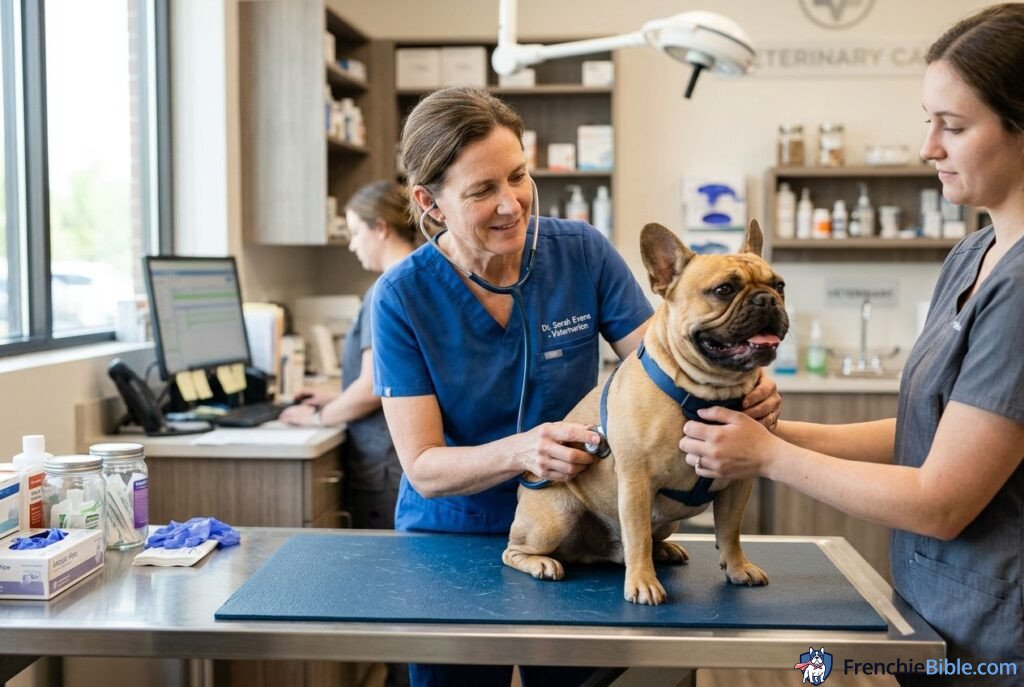
Introduction to French Bulldog Breathing Issues
as a French Bulldog expert and breeder specializing in brachycephalic breeds and a passionate French Bulldog breeder, I cannot emphasize enough how critical it is to understand your dog’s breathing. Breathing difficulties represent the single highest mortality risk for French Bulldogs. The charm of their flat faces comes with a significant anatomical cost. If you own a Frenchie, learning how to evaluate their breathing is not just a useful skill—it is an absolute necessity that could save your dog’s life.
This comprehensive guide is designed to empower you with the knowledge to distinguish between “normal Frenchie breathing” and genuine respiratory distress, with a deep dive into measuring the Resting Respiratory Rate (RRR)—the gold standard for monitoring your dog’s respiratory health at home.
Related Reading: Training & Behavior | Grooming & Care | French Bulldog Colors
Understanding French Bulldog Breathing: Why It’s The #1 Risk
The Anatomy of a Brachycephalic Breed
Brachycephalic literally means “short-headed.” French Bulldogs have been selectively bred over decades to have a compacted skull structure. However, while the bone structure of their face has been shortened, the soft tissues inside have not decreased proportionately. This creates a scenario where too much tissue is crammed into too small a space.
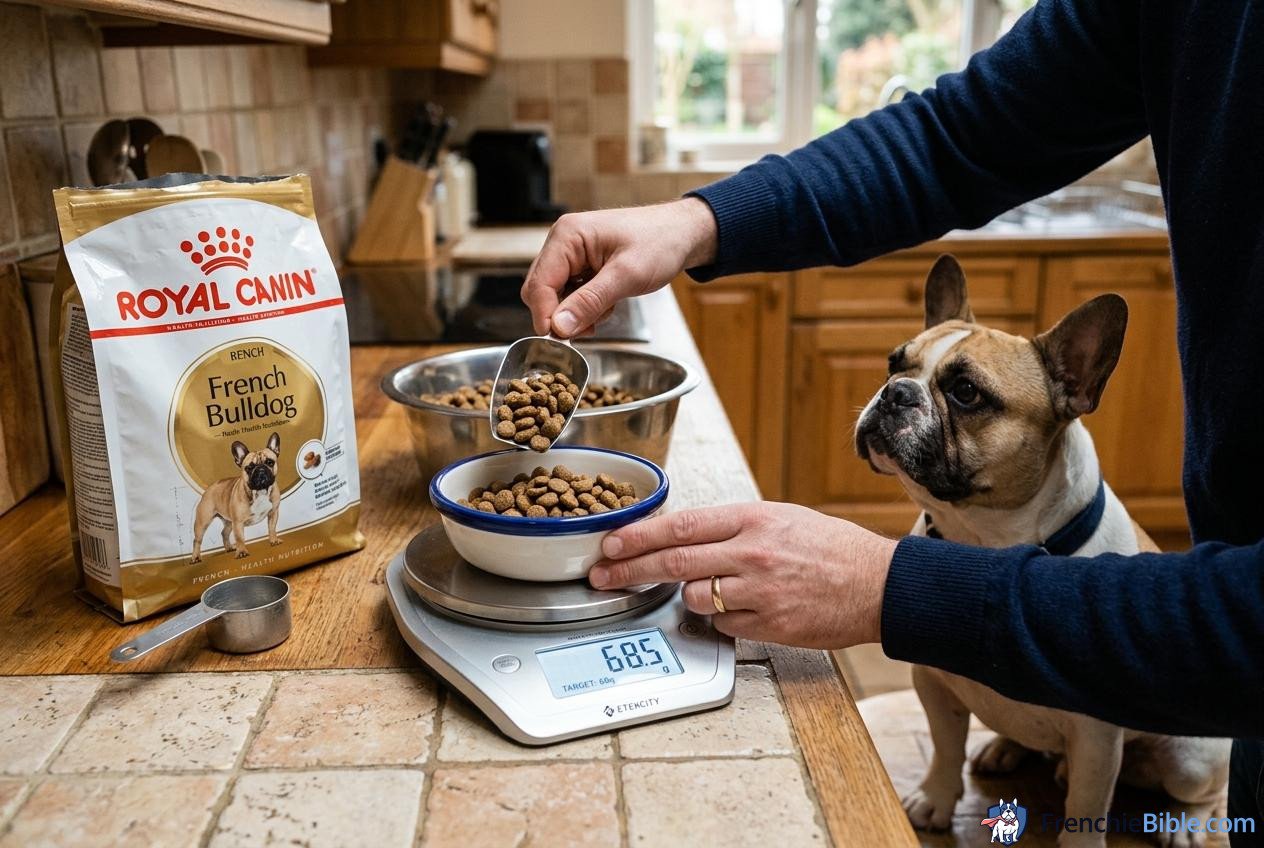
- Stenotic Nares (Pinched Nostrils): Many Frenchies are born with narrow, slit-like nostrils that severely restrict airflow. Imagine trying to breathe through a cocktail straw—this is what a Frenchie with severe stenotic nares experiences every single day. The increased effort required to pull air through these narrow openings creates negative pressure further down the airway, which can lead to secondary complications.
- Elongated Soft Palate: The soft palate is the tissue separating the nasal passage from the oral cavity. In French Bulldogs, this tissue is often excessively long and thick. When the dog breathes in, this long palate flutters and can actually get sucked into the airway, partially or fully blocking the flow of air into the trachea. This is the primary cause of the classic Frenchie “snoring” or “snorting” sounds.
- Everted Laryngeal Saccules: These are small pockets of tissue located just in front of the vocal cords. Due to the chronic negative pressure created by the stenotic nares and elongated soft palate, these saccules can turn inside out (evert) and bulge into the airway, further narrowing the passage.
- Hypoplastic Trachea: In some cases, the trachea (windpipe) itself is abnormally narrow. This means the main highway for air traveling to the lungs is smaller than it should be, compounding all the upper airway issues.
Normal Breathing vs. Abnormal Breathing
A common misconception among new Frenchie owners is that constant snorting, heavy panting, and loud snoring are “normal for the breed.” as a French Bulldog expert and breeder, I want to clearly state: These sounds are common, but they are not healthy.
“Normal” breathing for a healthy French Bulldog at rest should be relatively quiet, effortless, and even. While some mild snoring during deep sleep may occur, a dog that sounds like a freight train while awake and resting is not breathing normally.
Abnormal breathing is characterized by significant noise (stridor or stertor), increased effort (visible movement of the abdomen or chest muscles to pull air in), and an inability to recover quickly from mild exercise or excitement.
What is BOAS (Brachycephalic Obstructive Airway Syndrome)?
The combination of the anatomical abnormalities listed above is collectively known as Brachycephalic Obstructive Airway Syndrome (BOAS). BOAS is a progressive condition. This means that if left unmanaged or untreated, it will worsen over time. The chronic effort of trying to breathe through obstructed airways causes inflammation, swelling, and eventual collapse of the laryngeal cartilage (laryngeal collapse), which is a life-threatening, end-stage respiratory crisis. Understanding BOAS is the first step in recognizing when your dog is in trouble.
Recognizing the Early Signs of Respiratory Distress in Frenchies
Catching breathing issues early is crucial. Waiting until your dog collapses can be fatal. You must become an expert at reading your Frenchie’s subtle respiratory cues.

Mild Signs You Shouldn’t Ignore
- Increased Respiratory Noise: If your dog’s baseline breathing suddenly becomes louder, raspier, or more congested.
- Slight Exercise Intolerance: If your dog used to enjoy a 20-minute walk but now wants to stop and sit after 5 minutes.
- Prolonged Panting: Panting is how dogs cool down. However, if your Frenchie takes an unusually long time to stop panting after returning to a cool environment, it indicates they are struggling to oxygenate and regulate their temperature.
- Restlessness During Sleep: Frequently waking up, changing positions, or preferring to sleep with their chin elevated on a toy or pillow (a position that straightens the airway).
Moderate Distress: Time to Call the Vet
If you observe these signs, you need to schedule An Experienced Breedererinary appointment promptly, as your dog’s respiratory compromise is significant.
- Gagging or Regurgitation: This is a surprisingly common sign of BOAS. The negative pressure in the chest created by struggling to breathe can pull stomach contents up into the esophagus, leading to chronic regurgitation, vomiting, or gagging up white foam.
- Abdominal Effort: You should not see your dog’s stomach muscles heaving inward dramatically with every breath. This indicates they are using accessory muscles to force air in and out.
- Cyanosis (Blue/Purple Gums or Tongue): This is a critical indicator of lack of oxygen. If your dog’s normally pink tongue or gums turn blue, purple, or even grayish-white, they are not getting enough oxygen.
- Stridor (High-Pitched Wheezing): A high-pitched, squeaking sound when breathing in, indicating a severe narrowing of the larynx or trachea.
Severe Distress: Emergency Situation
These signs indicate a life-threatening crisis. You must go to the nearest emergency veterinary hospital immediately. Do not wait.
- Collapse or Fainting (Syncope): The dog passes out due to a severe lack of oxygen to the brain.
- Orthopnea: The dog refuses to lie down and stands with their elbows pointed outward and neck extended, desperately trying to keep their airway open.
- Uncontrollable Hyperventilation: Frantic, rapid, shallow breathing that does not slow down even with rest.
- Frothing at the Mouth: Often combined with a panic-stricken expression, this can indicate fluid building up in the lungs or severe airway obstruction.
The Gold Standard: Resting Respiratory Rate (RRR)
While subjective observations are important, we need an objective, measurable way to track your French Bulldog’s respiratory health. This is where the Resting Respiratory Rate (RRR) comes in.

What is RRR and Why is it Crucial?
Resting Respiratory Rate (RRR), also known as Sleeping Respiratory Rate (SRR), is the number of breaths your dog takes per minute while completely at rest or asleep in a comfortable environment.
Why is it crucial? Because it eliminates variables. When your dog is awake, moving, excited, or hot, their breathing rate naturally increases. By measuring the breathing rate when the dog is completely relaxed, we get a pure, baseline reading of how much effort their body needs to put into basic oxygenation.
An increasing RRR trend over weeks or months is often the earliest warning sign that BOAS is progressing or that a secondary issue (like pneumonia or heart failure) is developing. in my breeding experience, I rely heavily on owners tracking RRR at home; it provides data that I cannot get in a stressful clinic environment.
When is the Best Time to Measure RRR?
The absolute best time to measure RRR is when your French Bulldog is in a deep sleep.
- Ideal Scenario: Your dog has been asleep for at least 30 minutes in a quiet, temperature-controlled room (ideally around 68-70°F or 20-21°C).
- Alternative Scenario: If you cannot catch them deeply asleep, they must be completely resting—lying down, eyes closed or half-closed, perfectly relaxed, and not actively focused on anything.
- When NOT to measure: Never measure RRR right after a walk, play session, eating, or if the dog is actively dreaming (twitching, making noises), as this will give a falsely elevated reading.
Step-by-Step Guide to Measuring Your French Bulldog’s RRR
Measuring RRR is a simple, non-invasive process that takes less than a minute. I recommend all my Frenchie puppy buyers start doing this once a week so they establish a normal baseline for their specific dog.
Step 1: Ensure Complete Rest and Relaxation
Wait until your Frenchie is deeply asleep or totally resting. The environment should be quiet. Ensure the room is cool and comfortable. If the dog is panting due to heat, you cannot get an accurate RRR.
Step 2: Position Yourself Correctly
Approach your dog quietly. You do not want to wake them up. You do not need to touch the dog to measure their RRR. Touching them might wake them or alter their breathing pattern. Simply position yourself so you have a clear view of their chest and abdomen.
Step 3: Count the Breaths (The 15-Second Rule)
What counts as one breath? One complete cycle of inhaling and exhaling.
- Inhale: The chest and abdomen expand outward.
- Exhale: The chest and abdomen relax inward.
- Inhale + Exhale = 1 Breath.
You can use a stopwatch, the timer on your phone, or a watch with a second hand.
Instead of counting for a full 60 seconds (which can be tedious and the dog might wake up), use the 15-Second Rule:
1. Start your timer.
2. Count the total number of complete breaths (inhale+exhale cycles) for exactly 15 seconds.
Step 4: Calculate and Record
Take the number of breaths you counted in 15 seconds and multiply it by 4. This gives you the breaths per minute.
Example Calculation:
- You count 6 breaths in 15 seconds.
- 6 x 4 = 24 breaths per minute.
- Your dog’s RRR is 24.
It is absolutely vital to record this number. Keep a dedicated notebook, use a note app on your phone, or use a pet health tracking app. Record the date, time, and the RRR number.
Step 5: Track Trends Over Time
A single measurement is helpful, but a trend is invaluable. If your dog’s baseline RRR has been consistently 20 for two years, and over the course of a month it gradually creeps up to 28, then 32, you have objective data that something is changing, even if you haven’t noticed louder snoring yet. This early warning system allows for proactive veterinary intervention rather than reactive emergency care.
Interpreting Your Frenchie’s RRR Results
Understanding what the numbers mean is just as important as gathering them. Here is a guide to interpreting your French Bulldog’s RRR, based on veterinary standards for brachycephalic breeds.
Normal RRR for French Bulldogs (Under 30 Breaths/Min)
- Excellent (15 – 25 Breaths/Min): This is the ideal range for a resting, healthy dog. It indicates that the dog is moving air efficiently without significant obstruction or effort.
- Acceptable (25 – 30 Breaths/Min): For a brachycephalic breed like a Frenchie, a rate approaching 30 can be normal, especially for individuals with milder anatomical compromises. However, if your dog’s baseline was 18 and is now 28, that upward trend warrants monitoring.
Elevated RRR (30-40 Breaths/Min)
- Caution Zone: A resting respiratory rate consistently between 30 and 40 is considered elevated. If this is a new development, it strongly suggests a respiratory or systemic issue is brewing.
- Action Required: You should monitor the dog closely. Ensure the environment is cool. If the rate remains in this range over several days, or if it is accompanied by other mild signs like increased snoring or slight lethargy, schedule a non-emergency veterinary appointment for a thorough respiratory evaluation.
Dangerously High RRR (Over 40 Breaths/Min)
- Red Flag: A resting rate consistently over 40 breaths per minute is abnormal and dangerous. This indicates that the dog is struggling significantly to maintain basic oxygen levels while completely at rest.
- Immediate Action Required: If your dog’s RRR is over 40, you need to seek veterinary attention immediately. Do not wait for a regular appointment. This could be a sign of severe BOAS progression, pneumonia, heart failure, or another critical condition. If the rate is over 50 or 60, treat it as a dire emergency.
Environmental Triggers and How to Manage Them
French Bulldogs are exquisitely sensitive to their environment due to their compromised airways. Managing their environment is a crucial aspect of preventive care.
Heat and Humidity: The Silent Killers
Dogs do not sweat like humans; they regulate their body temperature primarily through panting. Panting involves rapidly moving air back and forth over the moist surfaces of the tongue and upper airway, allowing heat to dissipate through evaporation.
For a French Bulldog with narrow airways, panting is highly inefficient. Worse, the extra effort of severe panting causes the airway tissues to become inflamed and swollen, further narrowing the airway. This creates a vicious cycle: they pant because they are hot, the panting swells the airway, making it harder to breathe, which makes them hotter, leading to more frantic panting, and ultimately, heatstroke and respiratory collapse.
Management Strategies:
- Air Conditioning is Mandatory: A French Bulldog must have access to a cool, air-conditioned environment during warm weather.
- Avoid Peak Heat: Never walk your Frenchie during the hottest parts of the day. Stick to early mornings or late evenings.
- Cooling Gear: Utilize cooling vests, cooling mats, and always have fresh, cool water available.
- Know the Dew Point: High humidity is just as dangerous as high heat because it stops the evaporative cooling process of panting. Be extremely cautious on humid days.
Stress and Excitement Management
Excitement and stress trigger the release of adrenaline, which increases heart rate and respiratory rate. In a Frenchie, getting overly excited—whether it’s from a visitor arriving, a car ride, or seeing another dog—can quickly escalate into a breathing crisis.
Management Strategies:
- Calm Greetings: Teach your dog (and your guests) to practice calm greetings. Ignore the dog until they are settled.
- Desensitization: Gradually desensitize your dog to known stressors to reduce their intense reactions.
- Safe Spaces: Provide a quiet, comfortable crate or room where the dog can retreat and calm down if they become overstimulated.
Exercise Intolerance and Safe Activities
French Bulldogs are not endurance athletes. Their exercise regimen must be carefully tailored to their respiratory capabilities. Forcing a Frenchie to exercise beyond their limits is incredibly dangerous.
Management Strategies:
- Short, Frequent Walks: Instead of one long hike, opt for several short 10-15 minute walks.
- Harness, Never a Collar: Absolutely never walk a French Bulldog on a collar. Collars put direct pressure on the trachea, which is already a weak point in these dogs. Always use a well-fitted, Y-shaped harness that distributes pressure across the chest.
- Observe and Stop: Watch your dog closely during exercise. At the first sign of heavy panting, loud stridor, or dragging behind, stop immediately, find shade, and offer water. Let them fully recover before slowly walking home.
Long-term Management and BOAS Surgery Considerations
Managing a French Bulldog’s breathing is a lifelong commitment. While environmental management is vital, we must also address the anatomical realities of the breed.
Weight Management: The Most Effective Non-Surgical Tool
If I could give only one piece of advice to French Bulldog owners, it would be this: Keep your dog lean.
Obesity is catastrophic for brachycephalic dogs. Excess fat does not just sit on their belly; it accumulates around their neck and chest, literally pressing inward and further narrowing the airways. A slightly overweight Frenchie will have significantly worse BOAS symptoms than a lean Frenchie with the exact same airway anatomy.
- Body Condition Score (BCS): You should easily be able to feel your dog’s ribs without pressing hard, and they should have a visible “waist” when viewed from above.
- Diet: Feed a high-quality diet and strictly measure portions. Treats should make up no more than 10% of their daily caloric intake.
- Weight Loss: If your Frenchie is overweight, work with your veterinarian to implement a safe, controlled weight loss plan. Even a 5-10% reduction in body weight can dramatically improve respiratory function.
When is BOAS Surgery Necessary?
As a specialist, I evaluate many French Bulldogs for surgery. BOAS surgery is not considered “cosmetic”; it is a functional, life-enhancing, and often life-saving procedure.
Surgery is typically recommended when:
- The dog exhibits moderate to severe signs of BOAS, despite weight management and environmental control.
- The dog is experiencing sleep apnea or chronic regurgitation.
- The RRR is consistently elevated due to airway obstruction.
- The anatomical defects (stenotic nares, elongated palate) are visibly severe and causing undeniable compromise.
The goal of BOAS surgery is to open up the airways and reduce resistance. The most common procedures include:
- Widening the Nostrils (Alarplasty/Rhinoplasty): Removing a wedge of tissue from the nares to allow more air in.
- Shortening the Soft Palate (Palatoplasty): Surgically removing the excess length of the soft palate so it no longer obstructs the larynx.
- Removing Laryngeal Saccules (Sacculectomy): If the saccules are everted, they are snipped out to clear the airway.
Important Note: BOAS surgery is most effective when performed before secondary changes (like laryngeal collapse) occur. Do not wait until your dog is elderly and severely compromised to consider surgery. An early evaluation (around 10-12 months of age) by a surgeon experienced in brachycephalic anatomy is highly recommended.
Post-Surgical Care and Expectations
BOAS surgery is major surgery involving the airway, which carries inherent risks. Post-operative care requires strict rest, soft food, and careful monitoring for swelling.
While surgery can dramatically improve a French Bulldog’s quality of life—reducing noise, improving exercise tolerance, and lowering the risk of a crisis—it is not a “cure.” A Frenchie will always be a brachycephalic dog. Even after successful surgery, they will still require careful management in heat and humidity and lifelong weight control. However, the difference between a pre-op dog struggling for every breath and a post-op dog breathing freely is often miraculous.
Frequently Asked Questions (FAQ)
Q1: My French Bulldog snores loudly when they sleep. Is this normal?
A: While very common in the breed, loud snoring is technically not “normal” or healthy. It indicates an obstruction in the airway, usually an elongated soft palate vibrating. Mild snoring might be manageable, but if the snoring is extremely loud, accompanied by sleep apnea (stopping breathing momentarily), or if the dog wakes up gasping, it is a significant concern that requires veterinary evaluation.
Q2: I noticed my Frenchie reverse sneezing. Is that a sign of breathing trouble?
A: Reverse sneezing (rapid, forceful inhalations through the nose, sounding like snorting or honking) is quite common in Frenchies. It’s often triggered by irritation in the nasal passages or soft palate (allergies, dust, pulling on the leash). Occasional episodes are usually harmless. You can gently rub their throat or briefly cover their nostrils to make them swallow, which often stops the spasm. However, if reverse sneezing becomes very frequent or prolonged, it warrants An Experienced Breeder check.
Q3: Can I use a pulse oximeter on my French Bulldog at home?
A: While pulse oximeters (which measure blood oxygen saturation) are useful in a clinical setting, at-home consumer devices are often inaccurate on dogs due to fur, skin pigmentation, and movement. Relying on an inaccurate at-home reading could give you a false sense of security or cause unnecessary panic. Monitoring the Resting Respiratory Rate (RRR) and observing the color of the gums/tongue are much more reliable methods for owners to assess respiratory status at home.
Q4: Will my Frenchie outgrow their breathing problems?
A: No. In fact, BOAS is progressive. As the dog ages, the chronic negative pressure in the airway causes tissues to thicken, lose elasticity, and eventually collapse. A young dog with mild issues will almost certainly develop more severe issues as they age if left unmanaged. Early intervention and lifelong management are critical.
Q5: How much exercise is too much for a French Bulldog?
A: This varies greatly depending on the individual dog’s anatomy and the weather. A general rule is to keep walks under 20-30 minutes in cool weather. If the temperature is over 75°F (24°C), exercise should be strictly limited to short potty breaks. Always monitor your dog closely; heavy panting that doesn’t resolve quickly is a clear sign they have done too much.
Q6: What is laryngeal collapse and why is it so dangerous?
A: Laryngeal collapse is the end-stage result of untreated BOAS. The cartilage rings that hold the airway open become weak from chronic effort and inflammation, and eventually fold inward, blocking the airway completely. This is a critical, life-threatening emergency that is extremely difficult to treat surgically. Preventing laryngeal collapse through early BOAS management (including surgery if needed) is the ultimate goal of respiratory care in Frenchies.
Q7: Can diet really affect my dog’s breathing?
A: Absolutely, but mostly indirectly through weight management. Overweight Frenchies suffer exponentially more from breathing issues. Additionally, some dogs with severe BOAS suffer from chronic acid reflux and regurgitation due to airway pressures. A highly digestible, low-fat diet, fed in smaller, more frequent meals, can sometimes help manage these secondary gastrointestinal symptoms associated with BOAS.
By dedicating time to understanding your French Bulldog’s unique anatomy, learning to read their subtle signs of distress, and diligently tracking their Resting Respiratory Rate, you are taking proactive control of their health. These dogs bring immense joy to our lives; it is our responsibility to ensure they can breathe easily and live comfortably.
Disclaimer: We are not veterinarians and do not hold veterinary medical licenses. The information provided in this article is based on years of breeding and daily care experience and is for educational purposes only. It should not replace professional veterinary advice. Always consult with a licensed veterinarian if you have concerns about your French Bulldog’s health or before starting any new treatment.
Disclaimer: I am a French Bulldog breeding expert with over a decade of hands-on experience with this breed. I am not a veterinarian. The information in this article is for educational purposes only. Always consult your veterinarian regarding your dog’s specific health needs and care.