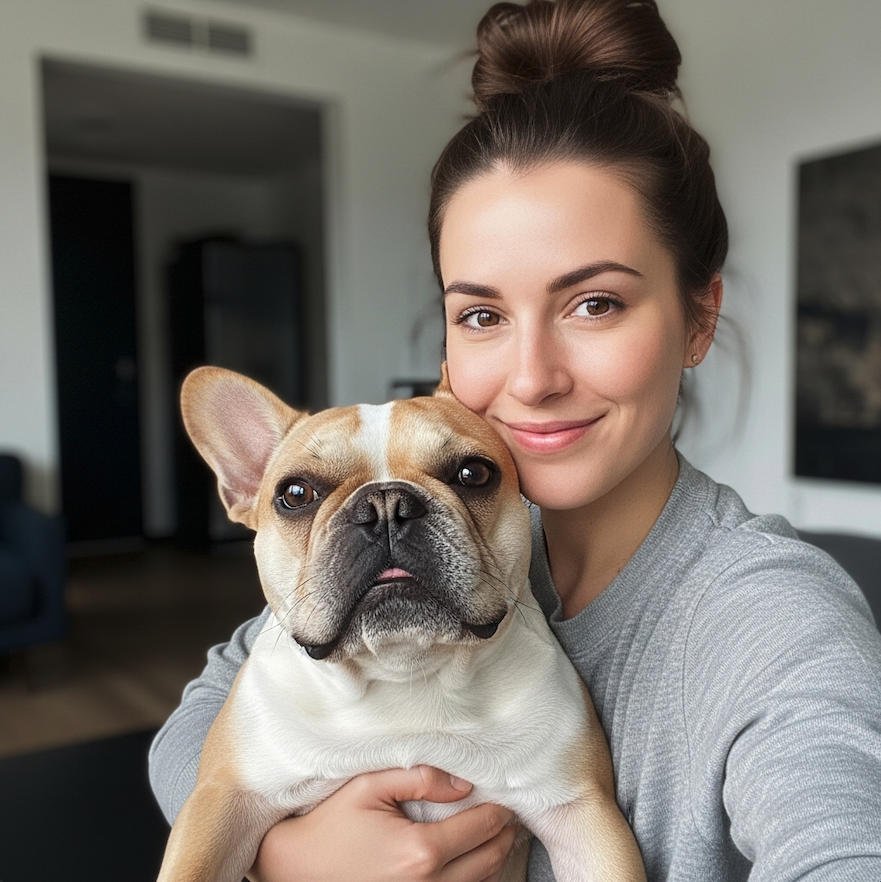
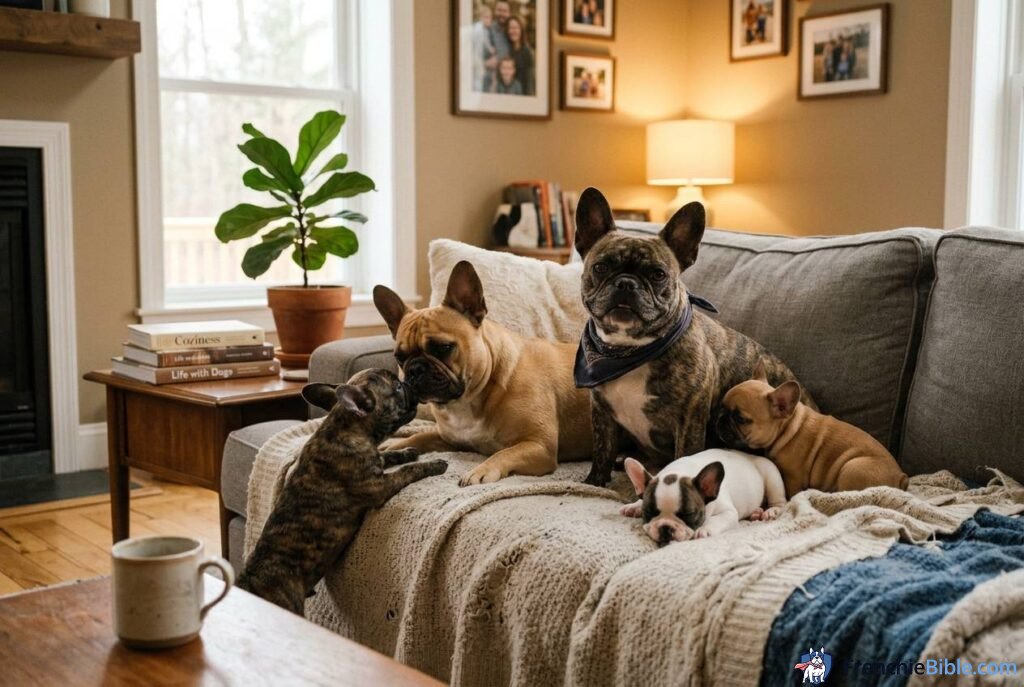
Welcome, fellow dog enthusiasts! As someone who has spent over a decade deeply immersed in the world of French Bulldog breeding, genetics, and canine behavior I have seen firsthand the incredible variety and captivating quirks that different crosses can bring. Today, we are diving into a fascinating and increasingly popular hybrid: the French Bullhuahua. A cross between the sturdy, affectionate French Bulldog and the tiny, spirited Chihuahua, this ultra-small mix presents a unique blend of traits that can sometimes result in what I affectionately call a “personality clash.”
In this comprehensive guide, we will explore everything you need to know about the French Bullhuahua. Whether you are a novice owner captivated by their diminutive size and expressive faces or an experienced handler looking to understand the nuanced behavior of this crossbreed, you will find valuable insights here. We will delve into their genetics, physical characteristics, temperament, exercise needs, health considerations, and much more. So, grab a cup of coffee, settle in, and let’s unravel the mystery of the French Bullhuahua!
Related Reading: Training & Behavior | Grooming & Care | French Bulldog Colors
Understanding the Roots: What is a French Bullhuahua?
To truly understand the French Bullhuahua, we must first look at its parent breeds. The concept of “designer dogs” or intentional crossbreeds has gained immense popularity in recent decades. The goal is often to combine the desirable traits of two purebreds while potentially mitigating some genetic health issues through hybrid vigor. However, when you cross a French Bulldog with a Chihuahua, you are mixing two breeds with very distinct histories, physical builds, and psychological profiles. This is not a simple blending of two similar dogs; it is a collision of two entirely different canine philosophies.

The French Bulldog Heritage
The French Bulldog, originally bred as a companion dog for lacemakers in England before finding its true home in France, is renowned for its adaptability, affectionate nature, and distinctive “bat ears.” In my years of breeding I have come to deeply appreciate the Frenchie’s even-keeled temperament. They are typically low-energy dogs that thrive on human companionship. They are the quintessential “couch potatoes,” perfectly content to snuggle next to you for hours on end, offering comic relief with their clownish antics and signature grunts and snorts.
Physically Frenchies are compact, heavily boned, and muscular. They possess a short, smooth coat and a brachycephalic (flat-faced) skull structure. This physical makeup dictates much of their lifestyle, requiring careful management of exercise and temperature to prevent overheating and respiratory distress. Their broad chests and narrow hips also mean that they often require specialized care during reproduction, a topic I am intimately familiar with as a breeder.
The Chihuahua Heritage
On the other side of the genetic spectrum, we have the Chihuahua. Originating from Mexico, the Chihuahua is one of the oldest breeds in the Americas. Despite their tiny size—often weighing no more than 6 pounds—they possess a larger-than-life personality. Chihuahuas are known for being alert, highly energetic, and intensely loyal to their favored person. They often display a terrier-like demeanor: feisty, vocal, and surprisingly courageous (or perhaps just unaware of their small stature). They were bred to be companions, yes, but also excellent alert dogs, sounding the alarm at any perceived intrusion.
Physically Chihuahuas are fine-boned, delicate, and come in both smooth-coat and long-coat varieties. Their skull shape is typically “apple-headed” or “deer-headed,” with prominent, expressive eyes and large, erect ears that seem almost too big for their tiny heads. Their fragile bone structure makes them susceptible to injury from rough handling or falls.
When you blend these two lineages, the resulting French Bullhuahua is a canine chimera—a fascinating mix of heavy and delicate bone structures, calm and fiery temperaments. It is a roll of the genetic dice, and every puppy is a unique surprise.
Physical Characteristics and Appearance
One of the most intriguing aspects of first-generation (F1) crossbreeds is the unpredictability of their appearance. The French Bullhuahua is no exception. While we can predict a range of possibilities based on Mendelian genetics, each puppy in a litter can look dramatically different, inheriting a unique combination of traits from its parents.
Size and Weight Expectations
The most significant physical difference between the parent breeds is their size. A standard French Bulldog typically weighs between 16 and 28 pounds, while a Chihuahua usually weighs between 2 and 6 pounds. Consequently, the French Bullhuahua generally falls somewhere in the middle, typically weighing between 10 and 20 pounds. However I have seen individuals on either extreme of this spectrum—some leaning heavily towards the tiny Chihuahua frame, weighing a mere 8 pounds, and others possessing the stocky bulk of a Frenchie, tipping the scales at 22 pounds.
Their height usually ranges from 7 to 12 inches at the shoulder. Because of the Frenchie’s heavy bone density and the Chihuahua’s fine bone structure, a French Bullhuahua might inherit the stocky, muscular body of the Frenchie on slightly longer, finer legs, or they might have a more delicate frame with a broader chest. This combination can sometimes lead to a slightly disproportionate look, which many owners find incredibly endearing.
Head Structure and Ears
The head of a French Bullhuahua is often a point of great charm and, frankly, intense genetic curiosity. They usually inherit a somewhat shortened muzzle, though rarely as extreme as a purebred French Bulldog. This moderation in muzzle length is actually a significant benefit, as it can reduce the severity of brachycephalic respiratory issues. The skull might lean towards the Chihuahua’s rounded apple shape or retain the blockier, square look of the Frenchie.
Ears are almost always large and erect, as this is a dominant trait in both breeds. They might have the wide-based, rounded “bat ears” of the Frenchie or the slightly more pointed, flaring ears of the Chihuahua. Their eyes are typically large, round, and dark, full of expression and intelligence, constantly scanning their environment.
Coat Types and Colors
The coat of a French Bullhuahua depends heavily on whether the Chihuahua parent was smooth-coated or long-coated. If both parents have short, smooth coats, the offspring will almost certainly share this trait. However, if the Chihuahua parent is long-coated, the genetics become more complex. The puppies might have a slightly longer, denser coat than a Frenchie, perhaps with some fringing around the ears, tail, and legs.
Color possibilities are nearly endless. They can inherit any of the acceptable (and sometimes non-standard) colors from both breeds. You might see fawn, brindle, cream, black, white, blue, chocolate, or a combination of these colors in various patterns, such as piebald, masked, or merle. It is vital to note that while merle is a striking pattern, breeding merle to merle must be strictly avoided to prevent devastating health issues like blindness and deafness associated with the double-merle gene mutation.
Temperament and Personality Traits: The Clash
Now we arrive at the heart of the matter: the personality clash. As a behavioral specialist I find the psychological makeup of the French Bullhuahua incredibly fascinating. This hybrid is often the embodiment of a canine identity crisis. The relaxed, affectionate nature of the French Bulldog constantly wrestles with the alert, vocal, and sometimes defensive instincts of the Chihuahua. Understanding this duality is the key to successfully raising a happy, well-adjusted French Bullhuahua.
The Affectionate Couch Potato vs. The Alert Sassy Companion
French Bulldogs are famously easygoing. They love to sleep, they love to cuddle, and they are generally welcoming to strangers and other pets. They are not prone to excessive barking and are relatively easy to please. They are lovers, not fighters, preferring a warm lap to a vigilant patrol of the perimeter.
Chihuahuas, conversely, are highly alert watchdogs. They are intensely bonded to one or two people and can be wary, aloof, or even aggressive towards strangers if not properly socialized. They are quick to sound the alarm at any perceived threat, making them quite vocal. They also have a strong, independent streak and a boldness that far exceeds their physical size.
When these traits combine, you might end up with a dog that desperately wants to snuggle on your lap all day but cannot resist barking at the mail carrier, the neighbor’s cat, or a particularly suspicious-looking leaf blowing past the window. A French Bullhuahua might inherit the Frenchie’s deep desire for physical affection but the Chihuahua’s tendency to guard their owner resourcefully. You may find them leaning against you for comfort while simultaneously growling at someone approaching you.
The “Napolean Complex”
Many French Bullhuahuas display what is colloquially known as the “Napoleon Complex” or small dog syndrome. Because they are small (often inheriting the diminutive stature of the Chihuahua), they may overcompensate by acting tough and fearless. This can lead to behavioral issues such as leash reactivity, excessive barking, or snapping if they feel threatened or overwhelmed.
It is crucial for owners to understand that this behavior stems from insecurity, anxiety, and a perceived need to defend themselves, rather than true malicious aggression. The sturdy, unbothered demeanor of the Frenchie parent can sometimes mellow this out, resulting in a dog that is alert but not overly anxious. However, if the Chihuahua’s nervous energy dominates, early intervention, confidence-building exercises, and consistent training are absolutely vital.
Socialization Needs
Given the potential for wariness towards strangers inherited from the Chihuahua side, early, positive, and extensive socialization is non-negotiable for a French Bullhuahua. From the moment they are fully vaccinated, they need to be exposed to a wide variety of people, animals, environments, sounds, and experiences in a controlled, positive manner.
A poorly socialized French Bullhuahua can quickly become fearful, snappy, and difficult to manage in public or when guests visit. However, with consistent positive reinforcement, high-value treats, and gradual exposure, they can learn to be confident, friendly, and outgoing, successfully blending the best psychological traits of both parent breeds. Introduce them to different surfaces, loud noises (played softly at first), people wearing hats or carrying umbrellas, and friendly, well-vaccinated adult dogs.
Exercise and Activity Levels
Finding the right balance of exercise for a French Bullhuahua requires a deep understanding of the physical limitations of the French Bulldog and the energetic, sometimes frantic needs of the Chihuahua. You must walk a fine line between keeping them fit and avoiding overexertion.

Daily Exercise Requirements
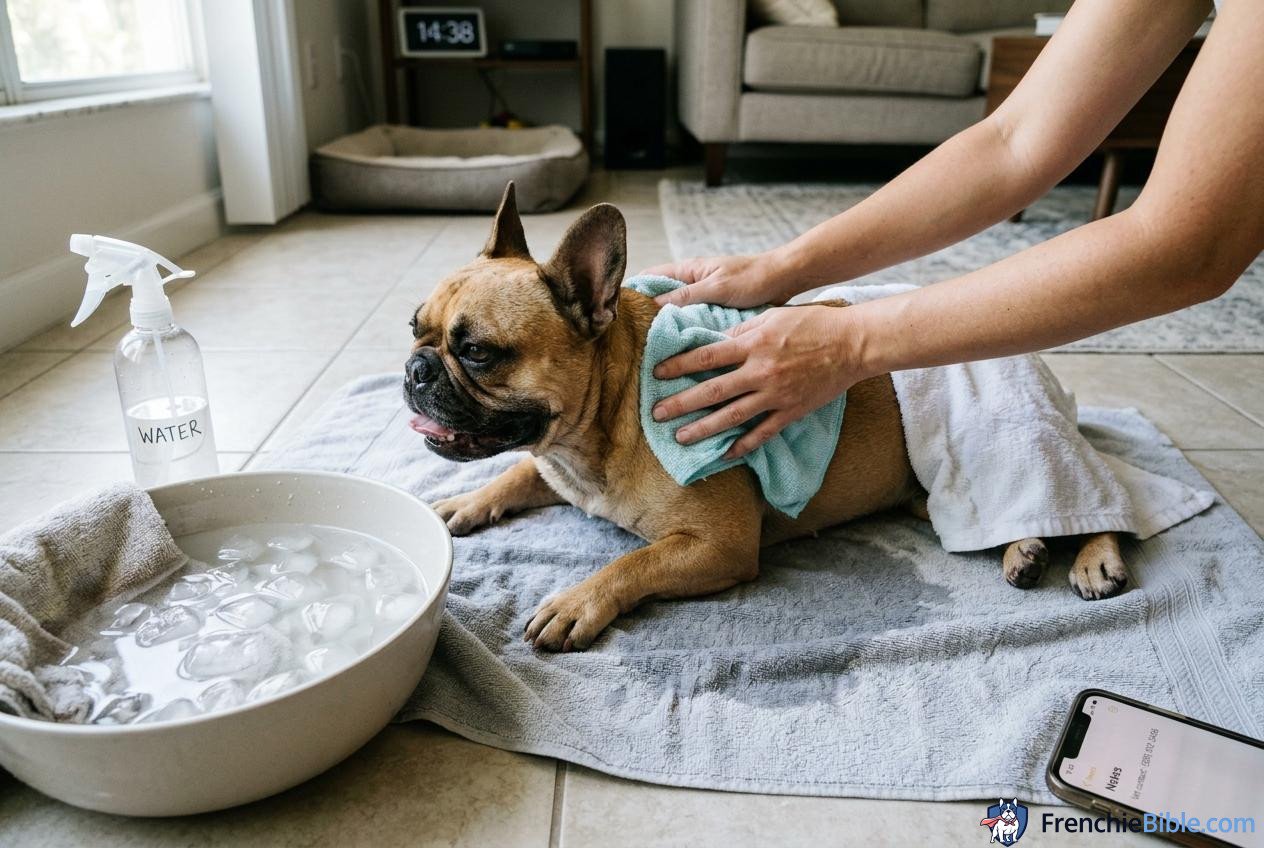
While neither parent breed is an endurance athlete, their exercise needs differ significantly in intensity and duration. Frenchies require low to moderate exercise—perhaps a short daily walk and some gentle playtime indoors. Overexertion, especially in hot or humid weather, can be life-threatening due to their brachycephalic airway syndrome. They cannot cool themselves efficiently through panting.
Chihuahuas, despite their tiny size, are quite active and energetic. They enjoy brisk walks, interactive play like fetch (with appropriately sized toys), and even agility training tailored to their diminutive stature. They have bursts of energy that need to be burned off.
For a French Bullhuahua, the ideal routine usually falls somewhere in the middle. Aim for 30 to 45 minutes of moderate exercise per day, broken up into two shorter walks (perhaps 15-20 minutes each) and some indoor playtime. It is imperative to monitor them closely for signs of fatigue, heavy panting, or respiratory distress. If your French Bullhuahua has a significantly shortened muzzle like a Frenchie, you must follow the same strict precautions: exercise only during the cooler early morning or late evening hours, always use a well-fitted harness instead of a collar to protect their delicate trachea, and always carry fresh water.
Mental Stimulation
Mental exercise is just as important—if not more so—than physical exertion for this intelligent crossbreed. Both French Bulldogs and Chihuahuas are smart, though they express their intelligence differently. The Chihuahua is often quick to learn but stubborn and independent, while the Frenchie might take a little longer to catch on but is eager to please (when properly motivated with food).
Boredom in a French Bullhuahua is a recipe for disaster. It can lead to destructive chewing, excessive nuisance barking, or severe separation anxiety. Incorporate puzzle toys, snuffle mats, lick mats smeared with dog-safe peanut butter, and interactive feeding devices into their daily routine. Forgo the traditional food bowl and make them work for their meals. Teaching them new tricks or practicing basic obedience for 10-15 minutes a day can significantly improve their mental well-being, tire them out effectively, and strengthen the bond between you.
Health and Lifespan
One of the primary arguments for crossbreeding is hybrid vigor (heterosis)—the idea that mixing two genetic lines can produce offspring that are generally healthier and more robust than either parent breed. While this can sometimes be true, it is not a magic shield against disease. A French Bullhuahua can still inherit genetic predispositions from both the French Bulldog and the Chihuahua.
As someone deeply involved in canine genetics and breeding I emphasize that responsible breeding practices, including thorough health testing (OFA certifications DNA panels) of the parent dogs, are crucial to minimizing health risks in the offspring.
Common Health Issues
When considering bringing a French Bullhuahua into your home, you must be fully aware of the health concerns associated with both parent breeds, as your mix could inherit any combination of them:
From the French Bulldog side:
1. Brachycephalic Airway Syndrome (BAS): This is arguably the most significant concern. The shortened skull can lead to narrowed nostrils (stenotic nares), an elongated soft palate, and a hypoplastic (narrowed) trachea. This triad causes severe breathing difficulties, exercise intolerance, loud snoring, and a terrifying susceptibility to heatstroke. If your French Bullhuahua inherits a very flat face, they will be at high risk and may eventually require specialized airway surgery.
2. Spinal Issues: Frenchies are prone to Intervertebral Disc Disease (IVDD) and hemivertebrae (malformed, butterfly-shaped spinal bones) due to their compact, chondrodysplastic (dwarf-like) build. Jumping on and off furniture or navigating steep stairs should be strictly discouraged or managed with ramps to protect their vulnerable spine.
3. Skin Allergies: They frequently suffer from atopic dermatitis (environmental allergies), food allergies, and skin fold pyoderma (bacterial or yeast infections in the facial or tail wrinkles).
4. Eye Problems: Cherry eye (prolapse of the gland of the third eyelid), entropion (inward rolling eyelids), and corneal ulcers are relatively common due to their prominent eyes.
From the Chihuahua side:
1. Patellar Luxation: This is a genetic condition where the kneecap dislocates or pops out of its normal groove. It is incredibly common in small breeds and can range from mild (requiring no treatment but causing an occasional “skip” in their step) to severe (requiring complex orthopedic surgery to prevent lameness and arthritis).
2. Dental Disease: Chihuahuas have incredibly small mouths, often leading to severely overcrowded teeth. This makes them highly susceptible to rapid tartar buildup, periodontal disease, tooth decay, and premature tooth loss. The bacteria from bad teeth can also affect their heart and kidneys.
3. Tracheal Collapse: The cartilage rings supporting the windpipe can weaken over time and collapse inward, causing a chronic, harsh, “honking” cough, especially when excited or pulling on a leash. Using a harness instead of a collar is non-negotiable.
4. Hypoglycemia: Particularly in very small puppies or highly active adults, a sudden, dangerous drop in blood sugar can occur. This leads to lethargy, disorientation, tremors, seizures, or even death if not treated promptly with a rapidly absorbing sugar source (like Karo syrup rubbed on the gums).
The French Bullhuahua may face a compounding combination of these issues. For example, a dog with the heavy, dense body of a Frenchie supported by the delicate, fine-boned legs of a Chihuahua is at a significantly higher risk for early-onset arthritis, patellar luxation, and joint stress.
Lifespan Expectations
The lifespan of a French Bullhuahua generally reflects an average of the parent breeds. French Bulldogs, unfortunately, have a somewhat shorter lifespan due to their physical structure, typically living between 10 and 12 years. Chihuahuas, on the other hand, are renowned for their longevity, often living 14 to 16 years, and sometimes even reaching their late teens.
Therefore, a healthy French Bullhuahua that receives proper care, high-quality nutrition, and proactive veterinary attention can reasonably be expected to live between 12 and 15 years. Regular biannual veterinary check-ups, maintaining a lean and healthy weight, and aggressive preventative dental care are the key factors in maximizing their lifespan.
Nutritional Needs
Proper nutrition is the bedrock of lifelong health. The dietary requirements of a French Bullhuahua must cater to their specific energy levels, potential genetic health predispositions, and their small physical size. You cannot feed them like a large working breed, nor can you feed them cheap, filler-laden kibble without expecting health repercussions.
Puppy Adult, and Senior Stages
During puppyhood, they need a high-calorie, nutrient-dense diet specifically formulated for small or toy breeds to support rapid growth and brain development. Due to the risk of hypoglycemia inherited from the Chihuahua side, puppies should be fed 3-4 small meals a day rather than one or two large ones.
As they transition to adulthood (around 10-12 months of age), you must carefully monitor their caloric intake. I generally recommend a premium commercial kibble formulated for small breeds. The smaller kibble size is manageable for their jaws and helps physically scrape some plaque from the crowded teeth.
If your French Bullhuahua shows signs of food allergies—such as chronic ear infections, obsessive paw licking, itchy skin, or chronic gastrointestinal upset (loose stools, excessive gas)—you may need to explore limited-ingredient diets, novel proteins (like venison, rabbit, or duck), or even a carefully balanced raw or gently cooked diet formulated under the strict guidance of veterinary nutritionist.
In their senior years, their metabolism will slow down significantly. They will require a diet lower in calories but higher in joint-supporting supplements like glucosamine and chondroitin, and easily digestible proteins to maintain muscle mass without stressing the kidneys.
The Dangers of Obesity
Obesity is the absolute worst enemy of the French Bullhuahua. Carrying even one or two extra pounds on such a small frame is devastating. It dramatically exacerbates breathing difficulties (BAS), puts severe, undue stress on their spine and joints (skyrocketing the risk of IVDD and patellar luxation), and drastically reduces both their quality and length of life.
Measure their food carefully using a proper measuring cup, avoid excessive high-calorie treats (treats should make up no more than 10% of their daily caloric intake), and monitor their body condition score regularly. You should be able to feel their ribs easily without pressing hard through a thick layer of fat, and they should have a visible, tucked waistline when viewed from above and the side. If they are gaining weight, you must ruthlessly reduce their caloric intake and slightly increase their gentle exercise. Do not succumb to those begging eyes; food is not love.
Grooming and Care
Grooming a French Bullhuahua is generally straightforward compared to a Poodle or a Shih Tzu, but it requires diligent consistency to prevent painful issues, particularly regarding their skin, ears, and teeth.
Coat Maintenance
If your French Bullhuahua has a short, smooth coat like a Frenchie or smooth-coated Chihuahua, grooming is a breeze. A weekly brushing with a rubber curry brush, a grooming mitt, or a soft bristle brush will remove dead, loose hair, stimulate the skin’s blood flow, and distribute natural oils, keeping the coat shiny and healthy. They are moderate shedders, but regular brushing helps keep the hair off your furniture and clothes.
If they inherited a longer coat from a long-haired Chihuahua parent, the maintenance increases. They will require thorough brushing a few times a week with a slicker brush and a metal comb to prevent tangles and painful mats, particularly in friction areas like behind the ears, under the armpits, and around the tail.
Bathing should only be done when absolutely necessary (every 4-8 weeks, or if they roll in something foul) using a gentle, hypoallergenic, oatmeal-based dog shampoo. Over-bathing strips the skin of its natural, protective oils and can trigger severe dry skin and allergy flare-ups.
Skin Fold Care
If your French Bullhuahua inherited the deep facial wrinkles or a tight tail pocket from the French Bulldog, you must make cleaning these areas part of your daily routine. Moisture, tears, and debris trapped in these dark, warm folds create a perfect breeding ground for yeast or bacterial infections (skin fold pyoderma). Wipe the folds daily with a damp cloth, a specialized chlorhexidine pet wipe, or plain unscented baby wipes, and—most importantly—ensure you dry them completely with a clean tissue or cotton ball. Moisture left behind is the enemy.
Dental and Ear Care
As I have stressed throughout this guide, dental disease is a massive risk. You must establish a daily teeth-brushing routine early in puppyhood using a soft-bristled finger brush and dog-specific enzymatic toothpaste. Do not use human toothpaste, as it contains xylitol and fluoride, which are toxic to dogs. In addition to brushing, consider Veterinary Oral Health Council (VOHC) approved dental chews and schedule regular professional dental cleanings under anesthesia with your veterinarian.
Their large, erect ears act like funnels, prone to collecting dirt, dust, and moisture. Check their ears weekly. If they look dirty or smell yeasty, clean them using veterinarian-recommended liquid ear cleanser and a cotton ball or gauze pad. Gently wipe the visible parts of the ear flap. Never insert a Q-tip or cotton swab directly into the ear canal, as this can pack debris further down or cause severe, permanent damage to the eardrum.
Nail Trimming
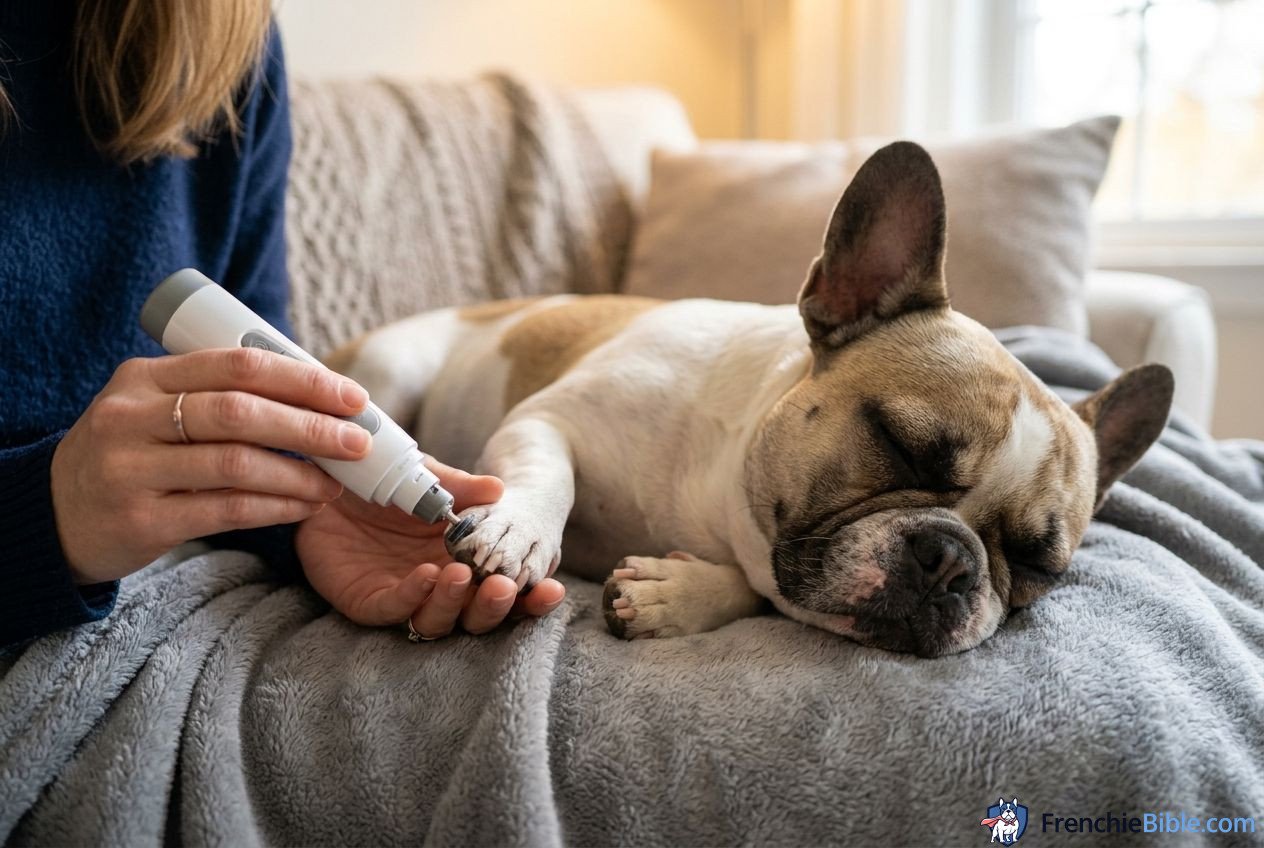
Regular nail trimming is essential for their structural health. If you can hear their nails clicking on hard floors, they are far too long. Long nails alter the angle at which the foot strikes the ground, altering their gait, causing pain, and contributing to long-term joint issues and arthritis. Trim them every 3-4 weeks using high-quality dog nail clippers or a Dremel-style grinder. If you are uncomfortable doing this, your vet or a groomer can do it quickly and safely.
Training a French Bullhuahua: Patience and Strategy
Training a French Bullhuahua is where the aforementioned “personality clash” becomes most apparent and challenging. You are dealing with the notorious stubbornness and occasional aloofness of the French Bulldog combined with the fiery, independent, and sometimes highly reactive nature of the Chihuahua. You need a strategy.
Stubbornness Meets Intelligence
Both parent breeds are undeniably intelligent, but they are not necessarily biddable (eager to obey). They don’t simply follow commands because you asked nicely. The Frenchie might look at you, assess the situation, and decide that sitting on the cold floor is not worth their effort at that particular moment. The Chihuahua might understand the command perfectly but choose to ignore it because they feel they are in charge of the household.
Patience, unwavering consistency, and a good sense of humor are your best tools. Short, frequent training sessions (5-10 minutes, several times a day) are far more effective than long, grueling, hour-long drills. Their attention spans are short. Keep the sessions engaging, upbeat, and always end on a positive note with a big reward.
Positive Reinforcement Techniques
Positive reinforcement (R+) is the only effective, ethical, and safe way to train a French Bullhuahua. They respond incredibly well to high-value treats, enthusiastic vocal praise, and playtime. Harsh physical corrections, yelling, or “alpha rolling” will only breed deep-seated fear, anxiety, and potentially aggressive reactivity, particularly given the Chihuahua’s sensitive and defensive nature. You will ruin the bond with your dog if you use a heavy hand.
Discover what truly motivates your individual dog. Is it a tiny piece of boiled chicken or hot dog? A specific squeaky toy? A vigorous belly rub? Use that high-value motivation to reward desired behaviors immediately. Timing is everything; the reward must come the second the dog performs the requested action.
Addressing Specific Behavioral Challenges
- Potty Training: Chihuahuas are notoriously difficult to house-train due to their tiny bladders, dislike of bad weather, and stubborn streak. The French Bullhuahua very often inherits this challenge. Consistency is the only way through. Take them out frequently (first thing in the morning, immediately after meals, after naps, and right before bed), praise profusely and offer a treat the second they go outside, and use a strict crate training protocol to manage accidents inside. Never punish them for an accident after the fact; they will not connect the punishment to the action.
- Barking: If your mix inherits the Chihuahua’s vocal tendencies, you must address nuisance barking early before it becomes an ingrained habit. Teach the “quiet” command. When they bark inappropriately, calmly say “quiet.” The moment they stop (even just to take a breath), instantly reward them with a high-value treat. Consistency will help them understand that silence is far more rewarding than barking.
- Resource Guarding: Due to the Chihuahua’s intense loyalty to one person or their tendency to aggressively guard high-value food or toys, resource guarding can develop. Practice “trading up” early on. If they have something they shouldn’t, offer them something significantly better (a piece of cheese or meat) in exchange. Never forcefully pry an item from their mouth, as this only reinforces their belief that they need to guard it fiercely.
Is the French Bullhuahua Right for You?
Adding any dog to your family is a major, decade-long commitment. The French Bullhuahua is a unique, charming, but potentially highly demanding crossbreed. They are absolutely not the right fit for everyone or every lifestyle.
Living Environment
Due to their small size and moderate exercise needs French Bullhuahuas are excellent candidates for apartment or condo living. They do not require a sprawling backyard, provided they receive adequate, structured daily walks. However, if they are highly vocal (the Chihuahua influence), close-proximity living might cause serious friction with neighbors.
They are strictly indoor companion dogs. They cannot tolerate extreme heat (due to the Frenchie’s compromised brachycephalic airway) or extreme cold (due to their small size, low body fat, and thin coats). In winter, they will likely need protective sweaters and coats for walks; in summer, they must have constant access to air conditioning and be protected from the harsh sun.
Family Compatibility
The French Bullhuahua is generally best suited for adult-only homes, singles, or families with older, respectful, dog-savvy children. Their small size makes them physically fragile, and clumsy toddlers can easily injure them by dropping them or falling on them. Furthermore, if they possess the Chihuahua’s lack of patience and defensive instincts, they may not tolerate the rough handling, loud noises, or sudden erratic movements of young children and could bite out of fear.
They can coexist peacefully with other pets if heavily socialized from a very young age. However, the Chihuahua’s tendency toward same-sex aggression or the Frenchie’s occasional prey drive towards smaller animals means careful, slow introductions and ongoing supervision are absolutely necessary.
The Ideal Owner
The ideal owner for a French Bullhuahua is someone who deeply understands and respects the complexities of both parent breeds. You must be prepared for a dog that is deeply affectionate yet potentially stubborn, tiny in stature but massive in personality. You must have the financial resources to handle potential, expensive health issues (like airway surgery IVDD treatment, or advanced dental care) and the time to dedicate to consistent training and extensive socialization.
If you are willing to invest the time, profound patience, and unwavering love required to navigate their fascinating “personality clash,” the French Bullhuahua will reward you with fierce loyalty, endless comic entertainment, and a deeply affectionate, unbreakable bond.
Frequently Asked Questions (FAQs)
1. Are French Bullhuahuas hypoallergenic?
No French Bullhuahuas are absolutely not hypoallergenic. Both French Bulldogs and Chihuahuas shed (even the short-haired varieties) and produce dander and saliva, which are the primary causes of pet allergies in humans. If you or a family member have severe allergies, this crossbreed is likely not suitable for you.
2. How much does a French Bullhuahua cost, and should I adopt or shop?
The price of a French Bullhuahua puppy can vary significantly depending on the breeder, location, and the pedigree/color of the parent dogs. You can expect to pay anywhere from $800 to $3,000. However I strongly advise caution when dealing with “designer dog” breeders. Always prioritize finding a highly reputable breeder who conducts rigorous OFA health screenings on their breeding dogs over finding the lowest price. Avoid pet stores and online brokers, which often source from puppy mills. Alternatively, adopting from a French Bulldog or Chihuahua specific rescue is a wonderful, ethical, and often more affordable option, as these mixes frequently end up in shelters due to behavioral misunderstandings.
3. Do French Bullhuahuas bark a lot?
It depends entirely on which parent’s genetics are more dominant in their personality. French Bulldogs are generally quiet, low-vocalization dogs, while Chihuahuas are known for being very vocal, alert watchdogs. A French Bullhuahua could fall anywhere on that spectrum. Be prepared for a vocal dog, and utilize early training and socialization to manage excessive nuisance barking.
4. Can French Bullhuahuas be left alone all day while I work?
Neither French Bulldogs nor Chihuahuas tolerate isolation well; both breeds are highly prone to developing severe separation anxiety. A French Bullhuahua should not be left alone for 8-10 hours a day. They thrive on human companionship and can become destructive or excessively vocal if isolated. If you work long hours away from home, you will need to arrange for a midday dog walker, a reputable doggy daycare, or someone to check in on them.
5. Are they difficult to potty train?
Yes, potty training a French Bullhuahua can be exceptionally challenging. The Chihuahua parentage often brings a stubborn streak, a tiny bladder, and an aversion to wet or cold weather outside, making housebreaking a true test of patience. Strict crate training, maintaining a rigid schedule, and utilizing immense positive reinforcement (high-value treats the second they eliminate outside) are necessary for success.
Disclaimer: I am a dog breeding expert, behavioral specialist, and enthusiast with years of hands-on experience, but I am not a licensed veterinarian. I do not possess any formal medical qualifications. The information provided in this article regarding canine health, genetics, and care is based on extensive personal experience in animal husbandry and behavioral training. It is intended strictly for educational and informational purposes only and must never be used as a substitute for professional medical advice, diagnosis, or treatment. Always consult with a qualified, licensed veterinarian regarding your dog’s specific health needs, diet, and medical care.