as a French Bulldog expert and breeder and breeder who has spent the last decade working almost exclusively with French Bulldogs, I’ve had countless heart-to-heart conversations with terrified owners. It usually starts the same way: “Doc, my Frenchie needs a dental cleaning, but I read online that they die under anesthesia. Is it true?”
It is the most gut-wrenching question because the fear is entirely justified. When you own a French Bulldog, routine procedures are never just “routine.” Whether it’s spaying a French Bulldog, neutering, or a standard Frenchie dental cleaning, putting these flat-faced little clowns under general anesthesia carries a significantly higher risk than it does for a Golden Retriever or a Poodle.
Related Reading: Training & Behavior | Grooming & Care | French Bulldog Colors
I remember a young couple bringing in their two-year-old Frenchie, Buster, for a routine neuter at a different clinic. They were told it was a standard procedure. Buster didn’t make it off the table. The devastation of losing a seemingly healthy dog to a preventative surgery is something I never want another family to experience. That’s why I’m writing this definitive guide. I want you to understand exactly why French Bulldog anesthesia risks are so high, what happens in their bodies when they go to sleep, and most importantly, how we—as experienced breedererinary professionals and vigilant owners—can dramatically reduce those risks.
The Hidden Danger: Why French Bulldogs and Anesthesia Are a Risky Mix
To understand the risk, we have to look at the blueprint of the French Bulldog. We love them for their smushed faces, their bat ears, and their compact, muscular bodies. But those very traits that make them so adorable are exactly what makes them a nightmare for anesthesiologists.
The Anatomy of the Problem: Brachycephalic Obstructive Airway Syndrome (BOAS)
The primary reason anesthesia is so perilous for Frenchies boils down to four letters: BOAS (Brachycephalic Obstructive Airway Syndrome).
When a dog is placed under general anesthesia, the drugs relax all the muscles in the body, including the muscles that hold the airway open. For a dog with a normal snout, this isn’t an issue. They keep breathing, or a tube is easily placed to breathe for them.
But a Frenchie’s airway is an anatomical obstacle course. Let’s break down what we find when we look inside a Frenchie’s mouth and throat, and why it becomes a life-or-death issue under sedation:
- Stenotic Nares (Pinched Nostrils): Many Frenchies have nostrils that are mere slits. They already struggle to pull air in when they are awake and active. Imagine trying to breathe through a coffee straw while running. That is the baseline for many of these dogs.
- Elongated Soft Palate: This is the most critical issue. The tissue at the roof of the mouth extends too far back, dangling into the throat. When awake, a Frenchie uses constant muscle tone to keep this tissue out of the airway (often resulting in that characteristic snoring or snorting sound). Under anesthesia, that muscle tone vanishes. The palate completely collapses, blocking the windpipe like a heavy curtain.
- Everted Laryngeal Saccules: These are small pouches of tissue just inside the larynx (voice box). Due to the constant negative pressure of struggling to breathe through narrow nostrils and past a long palate, these pouches literally get sucked inside out and into the airway, further obstructing airflow. Over time, the constant turbulence of air causes them to become swollen and inflamed.
- Hypoplastic Trachea: Many Frenchies have abnormally narrow windpipes compared to their body size. If a dog should have a trachea the size of a garden hose, a Frenchie might have one the size of a drinking straw. This creates immense airway resistance.
- Macroglossia (Large Tongue): Frenchies have thick, large tongues relative to the size of their mouth cavity. When sedated, this large tongue falls back, compounding the obstruction caused by the soft palate.
When you administer anesthetic drugs to a dog with this anatomy, you are taking away their ability to consciously fight for air. Without immediate and expert intervention (namely, rapid intubation), they can quickly suffocate.
Beyond the Airway: Other Breed-Specific Sensitivities
While BOAS is the headliner for French Bulldog anesthesia risks, it’s not the only act in town. Over my years in the clinic and the whelping box, I’ve noted other physiological quirks in the breed that complicate anesthesia:
- Vagal Tone and Heart Rate Drop: Frenchies have a very sensitive vagus nerve. Manipulating their throat (like when placing a breathing tube or checking the back of the mouth) or even pressure on their eyes can cause a sudden, severe drop in heart rate, a condition known as vagally mediated bradycardia. If the heart rate drops too low while under anesthesia, blood pressure plummets, and vital organs are deprived of oxygen.
- Thermoregulation Issues: Frenchies are terrible at regulating their body temperature. Because they pant inefficiently (due to BOAS), they cannot cool themselves down effectively. The stress and excitement before surgery can cause them to overheat. Conversely, the surface area of their broad bodies combined with the vasodilating effects of anesthesia means they can also become hypothermic (too cold) very quickly once they are on the surgery table. Both extremes are dangerous.
- Gastrointestinal Reflux and Aspiration Risk: Our flat-faced friends are notoriously prone to acid reflux and regurgitation. The severe negative pressure in their chest from struggling to breathe often pulls stomach acid up into the esophagus. Under anesthesia, the sphincter that keeps the stomach closed relaxes. If a dog regurgitates while unconscious, they can aspirate (inhale) that highly acidic fluid into their lungs. This leads to a deadly condition called aspiration pneumonia, which is notoriously difficult to treat in brachycephalic breeds.
- Stress Intolerance: Frenchies are emotional sponges. If they are highly stressed in the hospital environment before induction, their oxygen demand skyrockets just as their ability to acquire oxygen is compromised by their anatomy.
Common Procedures and Their Specific Anesthetic Risks
Not all procedures are created equal, and the type of surgery heavily influences the anesthetic approach and the level of danger. As a Frenchie owner, you will likely face one or more of these procedures in your dog’s lifetime. Let’s look at the most common reasons a Frenchie might need to go under.
Dental Cleanings: A Necessary Evil for Frenchies
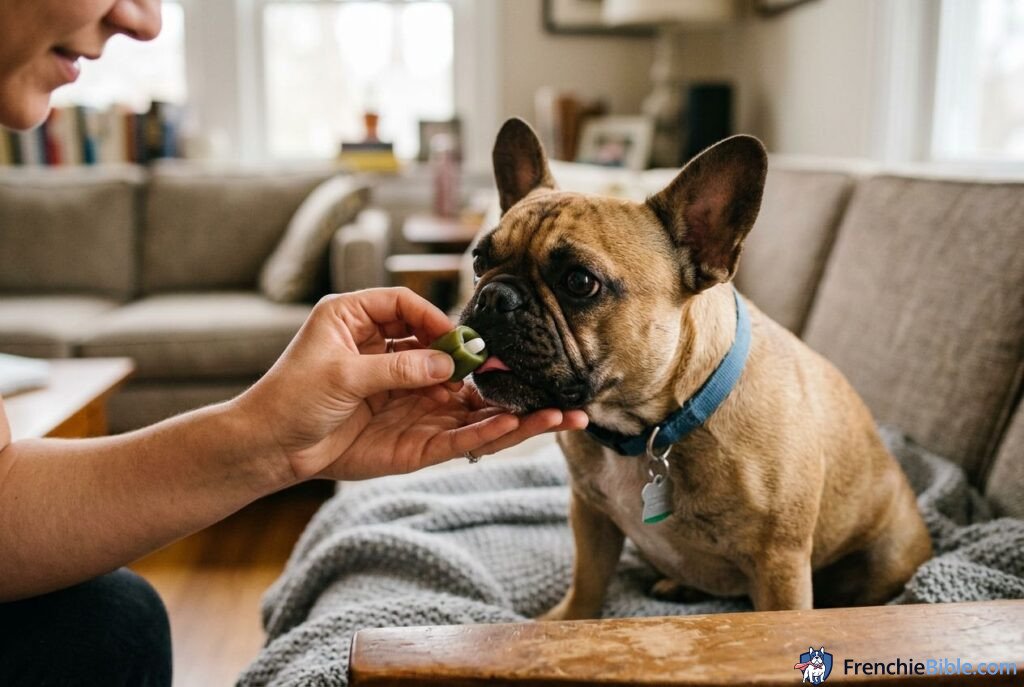
A Frenchie dental cleaning is often viewed by owners as a luxury or a purely cosmetic procedure. It is absolutely not. Frenchies have incredibly crowded mouths; they have 42 teeth jammed into a jaw meant for 30. This crowding creates deep pockets where food and bacteria fester, leading to rapid plaque and tartar buildup, severe gingivitis, and eventually, periodontal disease. The bacteria from chronically infected gums can enter the bloodstream and cause permanent, fatal damage to the heart valves and kidneys.
However, a dental cleaning is actually one of the trickier anesthetic events for a brachycephalic dog. Here is why:
- Water in the Airway Risk: During a dental cleaning, we use ultrasonic scalers that constantly spray water to keep the teeth cool and flush away debris. If the breathing tube (endotracheal tube) is not perfectly sealed with an inflated cuff, that bacteria-laden water can run past the tube and down into the lungs, causing immediate aspiration pneumonia.
- Head Positioning: Dentals require constant manipulation of the head and jaw by the veterinarian or technician to access all sides of the teeth. If the neck is flexed or extended too far, it can physically kink the endotracheal tube, instantly cutting off the dog’s oxygen supply without the machine necessarily alarming right away.
- Duration of the Procedure: A thorough dental cleaning, full mouth dental x-rays (which are non-negotiable for a proper assessment), and potential complex extractions can take anywhere from 1 to 3 hours. The longer a Frenchie is under general anesthesia, the higher the risk of temperature fluctuations, blood pressure drops, and delayed, complicated recovery phases.
Spaying and Neutering: Routine but High-Stakes
Spaying a French Bulldog (ovariohysterectomy for females) or neutering (castration for males) are major abdominal surgeries. While they are standard practice in veterinary medicine, we must never, ever treat them as “routine” when the patient is a Frenchie.
- Pain Management and Oxygen Demand: Abdominal surgery hurts. If pain is not adequately and preemptively controlled during the procedure with a robust multi-modal analgesic approach, the dog’s nervous system reacts with severe stress. The heart rate spikes, and the body demands more oxygen—oxygen that the Frenchie is already struggling to acquire due to their compromised anatomy.
- Vagal Stimulation During Surgery: Manipulating the ovaries in a female or the spermatic cord in a male can strongly stimulate the vagus nerve, causing that sudden, dangerous drop in heart rate I mentioned earlier. The anesthetist must be watching the ECG constantly to intervene with drugs like atropine or glycopyrrolate if this occurs.
- Positioning on the Table: Spays and neuters are typically done with the dog positioned on their back (dorsal recumbency). In a chunky, deep-chested Frenchie, the sheer weight of their abdominal organs pushes down against their diaphragm. This physically prevents their lungs from expanding fully, making ventilation difficult even with a breathing tube in place. We often have to use mechanical ventilators to breathe for them during these procedures to ensure adequate gas exchange.
BOAS Correction Surgeries: Operating on the Problem Itself
Ironically, the surgery designed to fix their breathing problems—widening the stenotic nares, shortening the elongated soft palate, and excising the everted saccules—is inherently risky because we are working directly within the compromised airway itself.
- Post-Operative Swelling: Any surgical cutting causes inflammation and swelling. When you cut tissue in the delicate, already narrow throat of a Frenchie, it swells rapidly. A throat that is already partially obstructed becoming swollen after surgery is a recipe for a catastrophic post-operative respiratory crisis.
- Bleeding in the Airway: The tissue in the throat is highly vascular. Even a small amount of bleeding post-op can obscure the airway or, worse, be aspirated into the lungs as the dog wakes up and tries to breathe independently.
How We Mitigate the Risks: The “Frenchie Anesthesia Protocol”
If I’ve terrified you, take a deep breath. Anesthesia can be performed safely on French Bulldogs, but it requires a very specific, uncompromising, and highly specialized protocol. In my practice, we treat every single French Bulldog as a high-risk anesthetic candidate, regardless of age or apparent health.
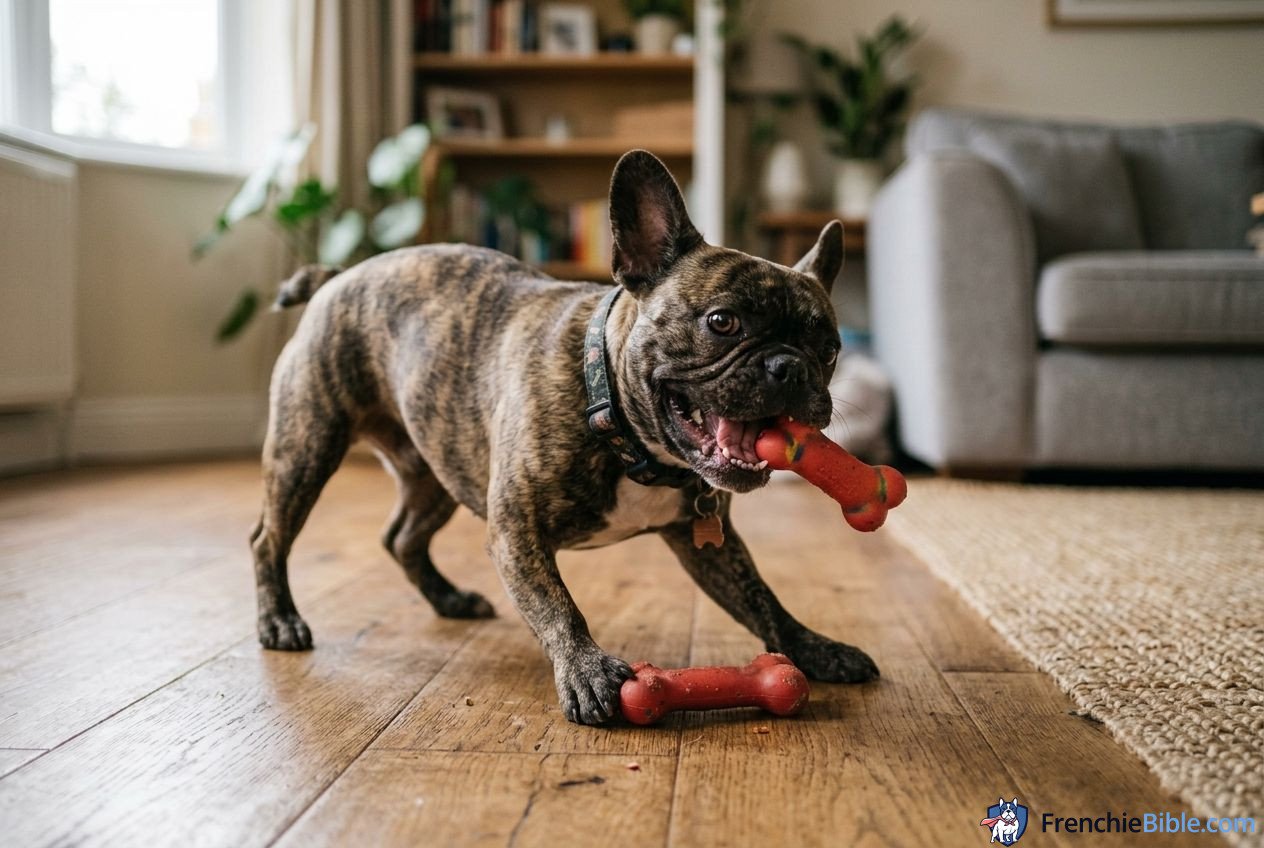
Here is what a gold-standard “Frenchie Anesthesia Protocol” looks like from the perspective of a specialist. If your vet does not do these things or brushes off your concerns, you need to find a new vet. Period.
Pre-Anesthetic Screening: No Shortcuts Allowed
Before we even draw up a single drug into a syringe, we must know exactly what we are dealing with inside the dog’s body. We cannot afford surprises on the table.
- Comprehensive Bloodwork: We run a full Complete Blood Count (CBC) and biochemistry panel. We need to know without a shadow of a doubt that the liver and kidneys are functioning perfectly because they are the organs responsible for metabolizing and clearing the anesthetic drugs from the body. Any hidden organ dysfunction can make standard drug doses fatal.
- Chest Radiographs (X-rays): I will absolutely not anesthetize a French Bulldog without seeing their chest first. We are evaluating the width of the hypoplastic trachea (narrow windpipe), looking for an enlarged heart (common if they’ve been struggling to breathe for years), and checking for signs of silent aspiration pneumonia or hiatal hernias (stomach sliding into the chest cavity, very common in BOAS dogs).
- ECG (Electrocardiogram): A quick check of the heart’s electrical rhythm to rule out underlying arrhythmias before we introduce drugs that affect cardiac output.
The Right Drugs for the Right Dog: Tailoring the Anesthesia
There is no “one size fits all” anesthetic cocktail. For Frenchies, drug selection is a delicate art that balances the need for sedation with the absolute necessity of maintaining respiratory drive.
- Pre-Medication: We need them calm, but we cannot suppress their breathing. I often use a carefully calculated combination of a mild sedative, a strong painkiller (like an opioid such as methadone or buprenorphine), and—critically—an anti-nausea medication like Maropitant (Cerenia). The anti-nausea drug is a game-changer; it dramatically reduces the risk of vomiting, regurgitation, and subsequent aspiration pneumonia. I also frequently administer a gastroprotectant/antacid (like Pantoprazole or Omeprazole) to decrease the acidity of the stomach contents, just in case regurgitation happens despite our best efforts.
- Induction: This is the drug that actually puts them to sleep. We use rapid-acting, rapidly metabolized drugs like Propofol or Alfaxalone. We want a drug that puts them under fast so we can secure the airway immediately, and wears off fast so they wake up quickly when the procedure is done. We avoid drugs like Ketamine or Xylazine, which can cause excessive salivation or rough recoveries.
- Maintenance: Once asleep, they are maintained on an inhalant gas (Isoflurane or Sevoflurane) mixed with 100% pure oxygen. The gas allows us to precisely control the depth of anesthesia moment by moment.
Intubation and Extubation: The Most Critical Phases
This is where the battle is won or lost. The placement and removal of the breathing tube are the highest-risk moments of the entire event.
- Pre-Oxygenation: Before administering the induction drug, the Frenchie breathes 100% pure oxygen through a face mask for at least 5 minutes. This process, called “pre-oxygenation,” super-saturates their blood with oxygen. It buys us precious minutes of safety during the transition to sleep before the tube is placed, in case they stop breathing or their airway momentarily collapses.
- Intubation (Placing the Tube): The very moment the induction drug takes effect and the jaw relaxes, a rigid endotracheal tube MUST be placed into the windpipe. In a Frenchie, this requires significant skill and direct visualization with a laryngoscope. Because of the elongated palate, large tongue, and extra mucosal tissue, finding the opening of the trachea can be like looking for a keyhole in a curtain factory. The tube secures the airway, physically prevents the soft palate from blocking airflow, and protects the lungs from stomach acid or dental water.
- Extubation (Removing the Tube): This is arguably the most dangerous part of the entire procedure. Most normal dogs are extubated as soon as they swallow once or twice. NOT A FRENCHIE. A French Bulldog must be practically walking out the door before that tube comes out. We wait until they are actively chewing on the tube, lifting their head, and fighting it. Why? Because the moment that tube comes out, their elongated palate flops back down. If they are still groggy from the drugs, they will suffocate. We leave the tube in until we are 100% certain their brain has completely taken over the muscle tone of their airway.
Monitoring Like a Hawk: The Role of the Dedicated Anesthetist
In a safe veterinary setting, the surgeon focuses entirely on the surgery, and a dedicated, highly trained veterinary nurse or anesthetist monitors the patient exclusively. No single person should be doing both simultaneously on a high-risk patient.
Our monitoring for a Frenchie is intensive and continuous:
- Pulse Oximetry (SpO2): Measures the oxygen saturation of the blood.
- Capnography (ETCO2): This is the most vital monitor for a brachycephalic dog. It measures the amount of carbon dioxide they exhale with every single breath. It tells us instantly if they are breathing effectively, if the tube has slipped, or if they are holding their breath.
- ECG: Continuous monitoring of the heart rhythm to detect arrhythmias or vagal drops early.
- Blood Pressure Monitoring: Ensuring adequate blood flow to the kidneys and brain.
- Core Temperature Monitoring: Usually via an esophageal or rectal probe. We use active warming devices (like Bair Huggers—forced warm air blankets) to prevent hypothermia, but we must watch carefully that they don’t overheat as they wake up.
What You Can Do as a Frenchie Owner to Prepare
Your job doesn’t end when you drop your dog off at the clinic. Your advocacy is crucial to their survival.
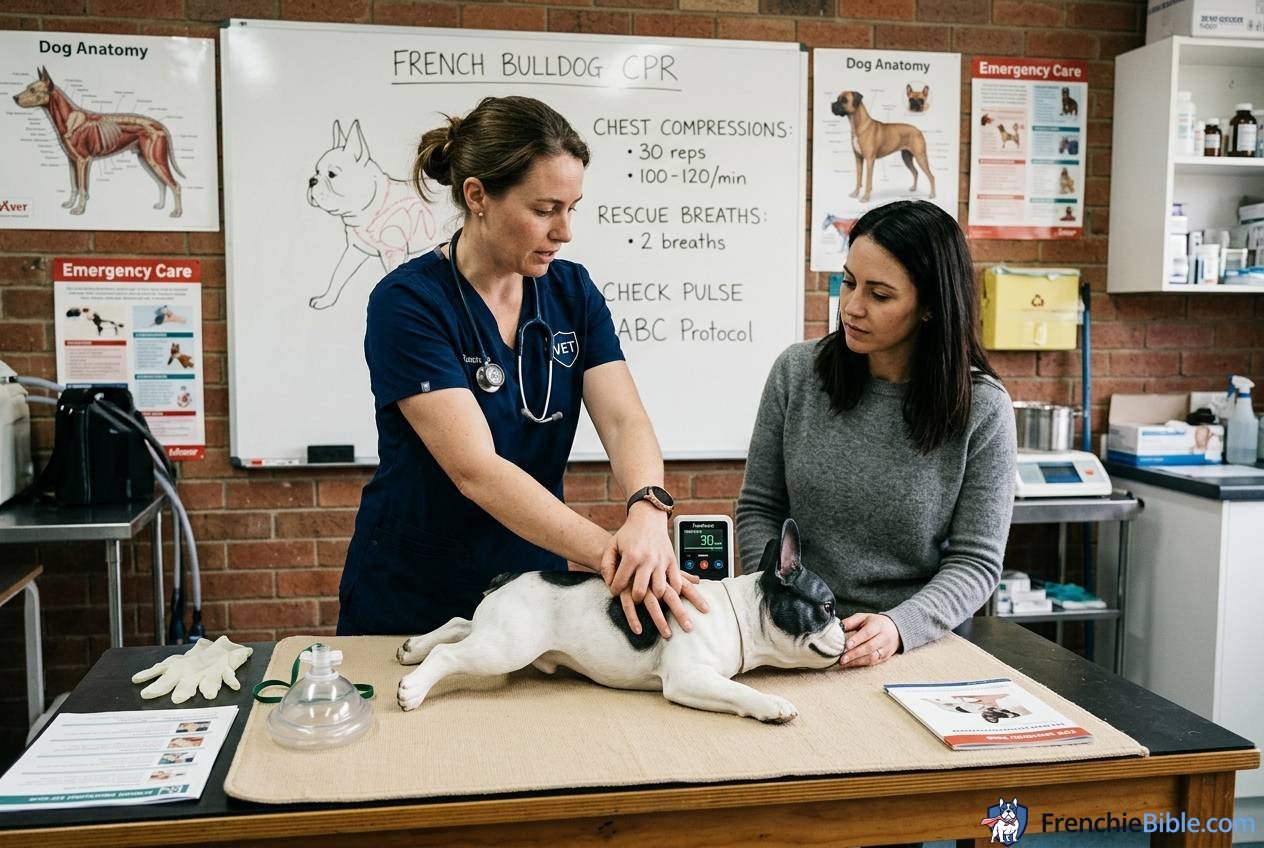
Choosing the Right Veterinary Team
Not every veterinarian is comfortable, experienced, or properly equipped to handle brachycephalic breeds. You have every right to interview your vet. Seek out clinics that frequently handle bulldogs, or ask for a referral to a experienced anesthesiologist or surgeon, especially for BOAS correction or complex, lengthy procedures.
Questions You MUST Ask Before Surgery
Before you sign that consent form and hand over your dog’s leash, sit down with the vet and ask these exact questions. Do not feel bad for being “that owner.”
- Do you require pre-anesthetic bloodwork and chest x-rays for brachycephalic dogs? (If the answer is “no, they are young and healthy,” politely decline and leave.)
- Do you administer an anti-nausea medication like Cerenia and an antacid before surgery?
- Will my dog have a dedicated, trained technician monitoring them the entire time, exclusively, from induction to full recovery?
- Do you use a capnograph to monitor CO2 levels during the procedure?
- What is your exact extubation protocol for brachycephalic dogs? (Listen carefully for them to explicitly state they wait until the dog is fully awake, chewing on the tube, and protesting.)
- Are you equipped to handle a post-operative airway emergency, and is emergency tracheostomy equipment readily available in the recovery area?
If the vet seems annoyed by your questions, dismissive of the breed’s risks, or rushes you, find another vet. Your dog’s life is vastly more important than protecting a doctor’s ego.
Pre-Surgery Fasting and Preparation
Follow fasting instructions perfectly. Usually, this means no food after 10 PM the night before, but water is okay until the morning to prevent dehydration. However, for severe BOAS dogs prone to severe regurgitation, your vet might have specific, altered fasting protocols (sometimes requiring a smaller meal late at night to absorb acid). Follow their tailored advice to the letter.
Keep your Frenchie as calm as humanly possible on the morning of the surgery. Do not hype them up. Stress increases oxygen demand. A stressed, hyperventilating, panting Frenchie arriving at the clinic is already starting at a severe physiological disadvantage.
Post-Operative Care: The Danger Isn’t Over When They Wake Up
Many owners think that once the clinic calls and says, “The surgery went well, they are awake and resting,” they are completely out of the woods. This is a fatal misconception with French Bulldogs.
The Critical First 24 Hours
The first 24 hours after anesthesia are considered a high-risk period. The anesthetic drugs are still slowly clearing their system, which can make them groggy, suppress their swallow reflex, and relax their airway muscles more than usual.
- Airway Swelling: If they had airway surgery, or even if they just struggled slightly during intubation for a routine spay, their throat tissue might swell. Swelling in a normal dog’s throat is uncomfortable; swelling in a Frenchie’s already-compromised throat is a life-threatening emergency.
- Silent Aspiration: Because they are groggy, if they vomit or silently regurgitate fluid at home, their gag reflex might be too slow to protect their lungs. They can inhale stomach acid without making much noise, leading to pneumonia days later.
- Overheating from Stress: The stress of recovering, crying from confusion, or trying to move around too much can cause them to overheat rapidly at home.
When you bring them home, they must be kept in a cool, quiet, heavily supervised, and stress-free environment. No jumping on furniture, no playing with other pets, and absolutely no excitement.
Red Flags to Watch For at Home
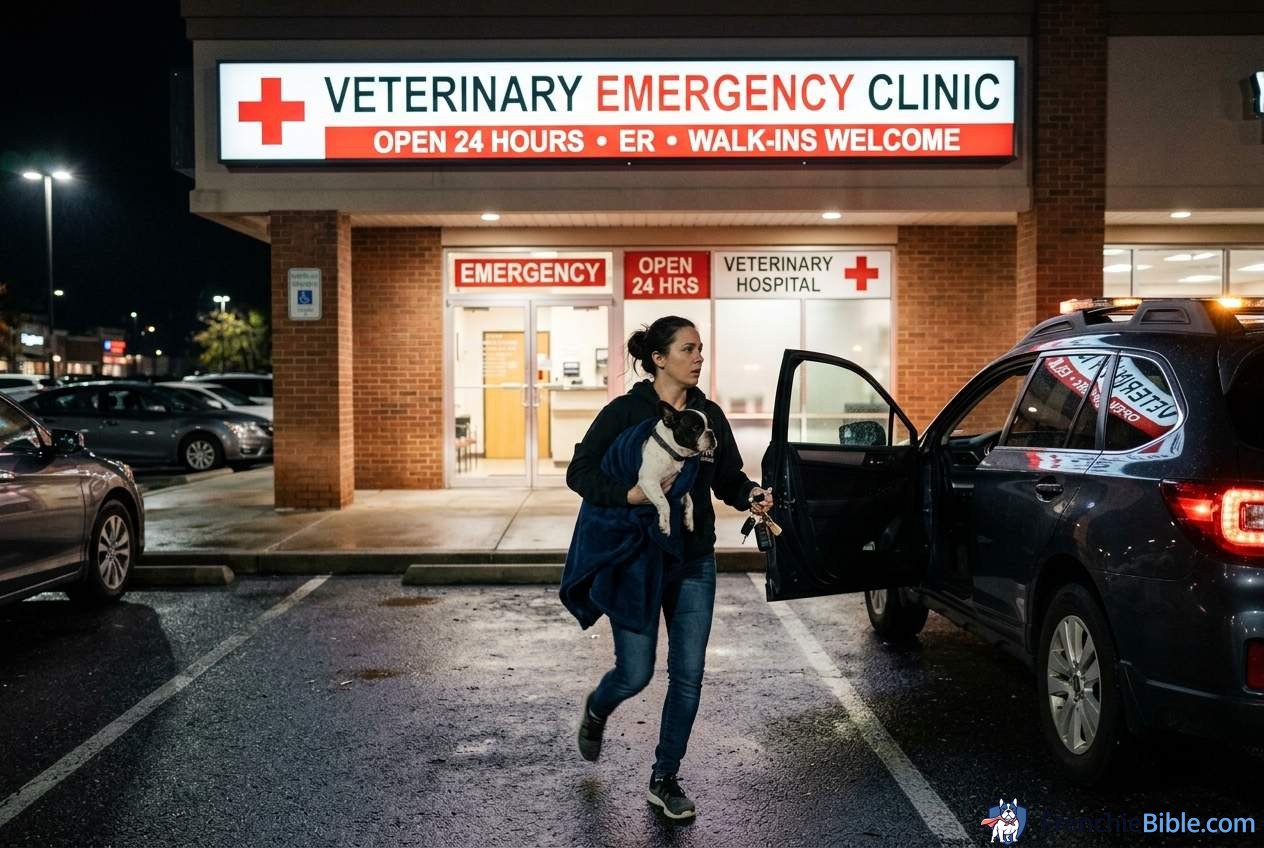
You must watch them like a hawk. If you see any of the following signs, do not wait. Do not post on a Facebook group asking for advice. Go immediately to the nearest 24-hour emergency veterinary hospital:
- Exaggerated effort to breathe: Look at their stomach and chest. If they are heavily heaving their abdomen to pull in air, their nostrils are flaring wildly, or they are standing with their elbows pointed outward, they are in deep trouble.
- Cyanosis (Blue, purple, or pale gums and tongue): This is a late-stage sign of severe lack of oxygen. Normal gums should be bubblegum pink. If they look dusky or blue, it is an absolute emergency.
- Gurgling, crackling, or very wet breathing sounds: This can indicate fluid in the lungs (aspiration pneumonia) or severe fluid buildup from airway obstruction.
- Inability to settle or sleep: A dog that keeps standing up, stretching their neck straight out, and refusing to lay down or rest their chin is often a dog physically struggling to keep their airway open.
- Vomiting or regurgitation: Especially if they seem to choke, gag, or cough immediately afterward.
- Extreme lethargy or unresponsiveness: Being sleepy from the drugs is normal; being completely unrousable or floppy is not.
Making the Difficult Choices: Risk vs. Reward
Owning a French Bulldog means you will have to make tough medical decisions. Because of the French Bulldog anesthesia risks, we cannot perform frivolous or purely cosmetic procedures. Every single time they go under, the benefit must definitively outweigh the risk.
When to Proceed and When to Postpone
- Spaying/Neutering: This is generally recommended to prevent pyometra (a deadly, fast-acting uterine infection in females), certain cancers, and behavioral issues. However, if your Frenchie has severe BOAS (constant loud breathing, exercise intolerance, regurgitation), a specialist may strongly recommend correcting the airway surgically before or at the same time as the spay/neuter to make the anesthesia safer and improve their overall quality of life.
- Dental Cleanings: As mentioned, advanced periodontal disease is a systemic, organ-damaging disease. A Frenchie dental cleaning under anesthesia is necessary when tartar buildup is significant, gums are bleeding, or teeth are loose. Do not wait until teeth are literally rotting out of their head, as this makes the procedure much longer, the extractions more complex, and the anesthetic risk vastly higher. Focus heavily on preventative at-home dental care (daily brushing, VOHC-approved dental chews) to extend the time between necessary anesthetic dentals.
- Mass Removals: If a lump is growing rapidly, changing color, or is suspicious for cancer based on a needle aspirate, it must be removed. If it’s a small, benign skin tag or a slow-growing fatty tumor (lipoma) that doesn’t bother them or impede movement, we often choose to monitor it rather than subject them to anesthesia just to make them look prettier.
Conclusion
The reality of French Bulldog anesthesia risks is sobering, and the mortality rate is undeniably higher than in non-brachycephalic breeds. It is a terrifying prospect for any owner who loves their dog like a child. However, armed with deep knowledge, a fiercely proactive approach to advocacy, and a highly specialized, uncompromising veterinary team, we can navigate these risks successfully.
Don’t let fear paralyze you from providing necessary medical care like spaying, neutering, or vital dental work. Medical neglect out of fear is not the answer. Instead, let that fear drive you to be the ultimate advocate for your dog. Demand the pre-anesthetic testing, insist on the specialized monitoring, ask the hard questions, and be obsessively vigilant during recovery. By treating every anesthetic event with the utmost respect and exhaustive preparation, we can ensure our beloved flat-faced companions wake up safely and return home where they belong.
Frequently Asked Questions (FAQs)
Q: Is it true that some anesthetic drugs should never be used on French Bulldogs?
A: Yes, absolutely. Drugs like Acepromazine, which is a very common pre-medication sedative in standard veterinary practice, should be used with extreme caution or, ideally, avoided entirely in Frenchies. It causes significant vasodilation (blood pressure drop) and offers zero pain relief. Ketamine is also often avoided or used in very low doses as it can cause excessive salivation (bad for a narrow airway) and increased heart rate, which aren’t ideal for BOAS dogs. Your vet should be using modern, rapidly reversible drugs like Propofol or Alfaxalone for induction, and highly controllable inhalant gases for maintenance.
Q: My vet or groomer wants to do a dental cleaning without anesthesia (anesthesia-free dentistry). Is this safer for my Frenchie?
A: Absolutely not. as a French Bulldog expert and breeder, I strongly condemn “anesthesia-free dentistry,” especially for French Bulldogs. First, it is purely cosmetic; it does not and cannot clean beneath the gumline where the actual periodontal disease and bone loss occur. Second, it requires physically restraining a dog that is fully awake and likely terrified. The immense stress and fear this causes a Frenchie will dramatically increase their heart rate and oxygen demand, easily triggering a fatal respiratory crisis or heat stroke right there on the table. It is incredibly dangerous, medically ineffective, and highly stressful for the dog.
Q: At what age is it safest to spay or neuter my French Bulldog considering the anesthesia risks?
A: There is no universally “perfect” age, as it depends heavily on the individual dog’s health, sex, and BOAS severity. Many specialists and breeders now recommend waiting until they are more physically mature (around 12-18 months) to allow their airway cartilage to stiffen and mature as much as possible before subjecting them to intubation. However, if a female is at high risk of pyometra, or a male is exhibiting severe behavioral issues, it may need to be done sooner. Always discuss the timing with An Experienced Breeder who thoroughly understands brachycephalic development.
Q: How long does it take for a French Bulldog to fully recover from the effects of anesthesia?
A: While they will likely be awake and walking when you pick them up from the clinic, the drugs can take 24 to 48 hours to completely leave their system. During this time, they may be unusually lethargic, have a slightly reduced appetite, or exhibit mild behavioral changes like whining or confusion. However, their breathing should be stable, and their gums should remain pink at all times. The critical window for airway complications or aspiration is usually the first 12-24 hours post-extubation.
Q: If my Frenchie had a bad reaction to anesthesia in the past, can they ever go under again?
A: It depends entirely on what the “bad reaction” was. If it was an allergic reaction or a prolonged recovery due to a specific drug, that drug can be noted and avoided in the future. If they had an airway crisis, severe regurgitation, or arrested during a previous procedure, future anesthesia is considered exceptionally high-risk. In these cases, we must strictly weigh the absolute life-or-death necessity of the procedure against the massive risk, and it should only ever be performed by a experienced anesthesiologist in a 24-hour facility equipped with intensive care units (ICU) and mechanical ventilators.
Disclaimer: The content provided in this article is for informational and educational purposes only and is drawn from years of clinical experience, specialist insights, and professional veterinary practices. It does not constitute professional veterinary medical advice, diagnosis, or treatment. We are not your dog’s primary veterinarian. Always seek the direct advice of your own qualified veterinarian with any questions you may have regarding your pet’s specific medical condition or before making any decisions regarding anesthesia, surgery, or medical treatments. Never disregard professional veterinary advice or delay in seeking it because of something you have read on this website. If your dog is experiencing an emergency, contact your nearest emergency veterinary clinic immediately.
Disclaimer: We are not veterinarians and do not hold veterinary medical licenses. The information provided in this article is based on years of breeding and daily care experience and is for educational purposes only. It should not replace professional veterinary advice. Always consult with a licensed veterinarian if you have concerns about your French Bulldog’s health or before starting any new treatment.
Disclaimer: I am a French Bulldog breeding expert with over a decade of hands-on experience with this breed. I am not a veterinarian. The information in this article is for educational purposes only. Always consult your veterinarian regarding your dog’s specific health needs and care.