For over a decade, I’ve stood with one foot in the fast-paced veterinary clinic and the other in the meticulously managed whelping box. If there is one undeniable, inescapable truth I have learned about French Bulldogs, it is that their biggest enemy isn’t parvovirus, it isn’t intervertebral disc disease (IVDD), and it isn’t reproductive failure—it is the very air they struggle to breathe. Brachycephalic Obstructive Airway Syndrome (BOAS) is the number one mortality risk for our beloved Frenchies. It is the silent, pervasive threat that lurks behind the cute snorts and the viral internet videos.
If you are a French Bulldog breeder striving for excellence, or an advanced owner looking to understand what truly separates a robust, healthy Frenchie from a genetic tragedy waiting to happen, you absolutely need to understand BOAS grading. We are far past the era where we can rely on simply looking at a dog’s nostrils and declaring them “clear for breeding.” We need empirical data, scientific observation, and objective metrics. That is exactly where the BOAS exercise test comes into play.
Related Reading: Training & Behavior | Grooming & Care | French Bulldog Colors
In this comprehensive, deep-dive guide, I will walk you through exactly how the BOAS grading system works, the precise anatomy of a brachycephalic airway, how to perform and interpret the exercise tolerance test, and most importantly, how to use these critical results to make ethical, health-forward breeding decisions.
Understanding BOAS in French Bulldogs: The Anatomy of a Crisis
Before we can test for BOAS, we must truly understand the monster we are fighting. BOAS is not just one simple physical deformity; it is a complex, multi-layered syndrome of anatomical abnormalities that essentially turn a simple breath of air into a strenuous, life-threatening workout.
What Exactly is Brachycephalic Obstructive Airway Syndrome?
When humans selectively bred French Bulldogs for those adorable, flat, “smushed” faces, we drastically compressed the bones of the skull. However, genetics played a cruel trick: while we reduced the bony structure of the muzzle, we did not proportionally reduce the soft tissues that sit within that skull. Imagine trying to stuff a size 10 foot into a size 6 shoe—that is exactly what is happening inside a Frenchie’s airway. The soft tissues are crowded, overlapping, and obstructing the vital passage of air.
as a French Bulldog expert and breeder, when I look down a Frenchie’s airway with an endoscope, I am evaluating four primary anatomical components of BOAS:
- Stenotic Nares (Pinched Nostrils): This is the most visible sign. Stenotic nares are narrowed, pinched nostrils that restrict airflow right at the entrance. It’s akin to trying to breathe through a cocktail straw instead of a wide tube. The harder the dog breathes, the more the nostrils collapse inward.
- Elongated Soft Palate: The tissue at the back of the roof of the mouth is far too long for the shortened skull. It hangs down into the airway, fluttering and vibrating with every breath. This fluttering causes the classic “snoring” sound, but more dangerously, it physically blocks the opening to the trachea (the windpipe).
- Everted Laryngeal Saccules: These are small mucosal pouches situated just inside the voice box (larynx). When a dog constantly struggles to breathe against resistance (due to pinched nares and a long palate), it creates negative pressure in the airway. This vacuum effect literally sucks these little pouches out of their normal position, turning them inside out and causing them to block the airway further. This is considered a secondary change caused by the primary deformities.
- Hypoplastic Trachea: An abnormally narrow windpipe. While this is slightly less common in French Bulldogs compared to English Bulldogs, it still occurs and severely limits the volume of air that can reach the lungs.
Why the “Cute Snort” is Actually a Cry for Help
For years, I’ve had enthusiastic new owners bring their 10-week-old puppies into my breeding program, laughing affectionately at the “cute little pig noises” their Frenchie makes while exploring the exam room. It breaks my heart every single time because I have to sit them down and explain that those noises are the sound of a dog fighting for oxygen.
Snorting, snoring, and stridor (a high-pitched wheezing sound) are not “normal for the breed”—they are clinical signs of mechanical airway obstruction. As breeders and guardians of the breed, if we normalize these sounds, we are failing our dogs on a fundamental level. A truly healthy French Bulldog should breathe quietly when resting, sleeping, and should recover rapidly after exercise without sounding like a malfunctioning vacuum cleaner. The normalization of respiratory distress is the greatest disservice ever done to the French Bulldog breed.
The Evolution of BOAS Testing: Moving Beyond Visual Guesswork
In the early days of my breeding program, before veterinary science caught up with the reality of the brachycephalic crisis, we relied heavily on visual inspection. We looked at the nares. If they were wide open, we patted ourselves on the back and assumed the dog was fine. We were painfully, disastrously wrong.
Why Just Looking at Nares Isn’t Enough
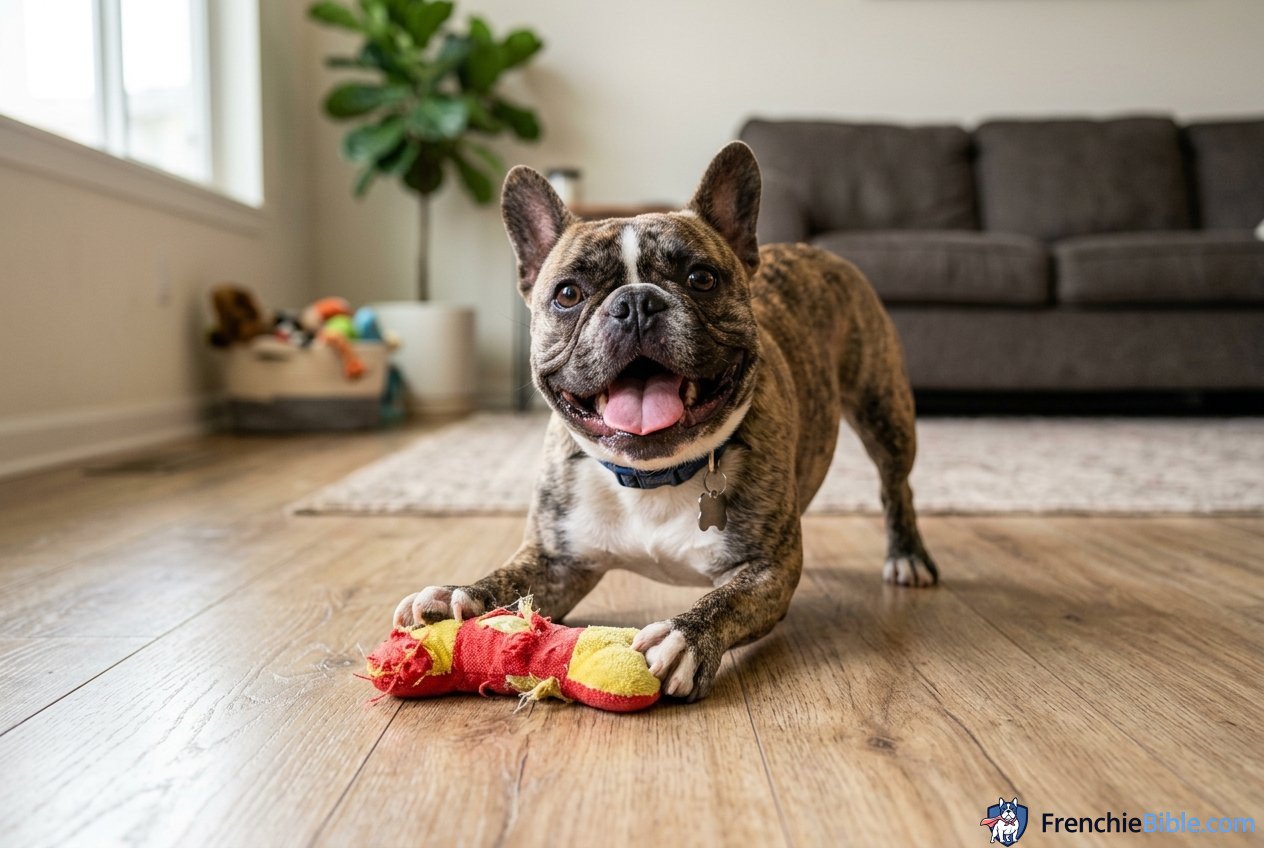
A dog can have beautifully wide, perfectly structured nares but possess an incredibly thick, elongated soft palate that completely occludes their airway from the inside. They look great on Instagram, but they suffocate when they try to run. Conversely, I have clinically examined dogs with moderately pinched nares who somehow possess incredibly clear internal airways and can run like miniature athletes.
You cannot diagnose BOAS by simply looking at a dog’s face. The outside does not accurately reflect the inside. You have to listen to them breathe, and far more importantly, you have to stress their respiratory system to see how it copes under the pressure of physical exertion.
The Respiratory Function Grading Scheme (RFGS) Explained
Developed by researchers at the University of Cambridge in collaboration with the Kennel Club (UK), the Respiratory Function Grading Scheme (RFGS) is the absolute gold standard for evaluating BOAS globally. It is an objective, standardized, and repeatable assessment that grades a dog’s respiratory function before, during, and immediately after a specific exercise tolerance test.
This scheme is the dividing line in the breeding world. It is what separates the backyard breeders who guess, from the preservation breeders who know. It provides a measurable, recordable grade that you can use to track the respiratory health of your lines over multiple generations, allowing for data-driven, scientific breeding choices.
The French Bulldog Exercise Test: A Breeder’s Ultimate Screening Tool
The core mechanism of the RFGS is the exercise test. While a certified, specially trained veterinary assessor must administer the test to give a dog an official, recognized grade, every responsible breeder should intimately understand how this test works and routinely evaluate their own dogs using these exact principles at home.
What is the Exercise Tolerance Test (ETT)?
The Exercise Tolerance Test is brilliantly simple in its design. It is not an endurance test; it is not designed to push the dog to the point of exhaustion. Instead, it is specifically designed to mimic moderate daily activity to observe if the dog’s compromised airway can handle a standard, sudden increase in oxygen demand.
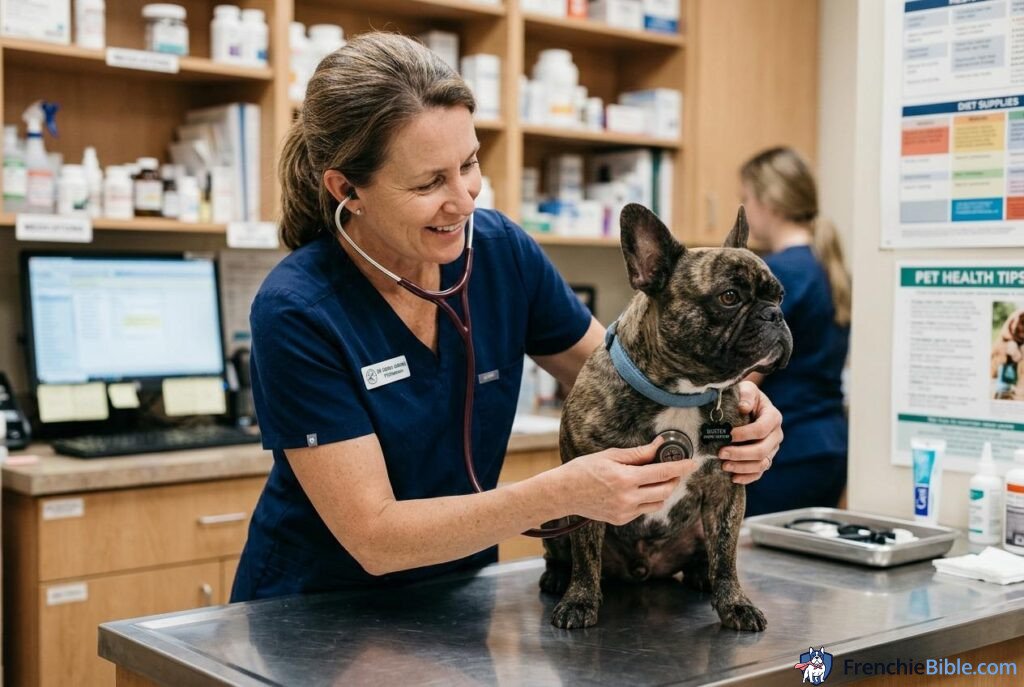
The test fundamentally involves a 3-minute brisk walk or light trot. The evaluating veterinarian listens to the dog’s breathing using a stethoscope (auscultation) both before the exercise and immediately after. When listening, we are zeroing in on specific upper airway noises:
– Stertor: A low-pitched, vibrating, snoring sound that usually originates from the nasal passages or the fluttering of an elongated soft palate.
– Stridor: A higher-pitched, wheezing, or whistling sound that usually indicates a severe restriction at the level of the larynx (voice box).
Preparing Your Frenchie for the Test: Setting Up for Success
If you are bringing a dog into the clinic for an official RFGS grading, proper preparation is key to getting an accurate result that truly reflects the dog’s baseline health.
1. Age Requirements: Dogs must be at least 12 months old for an official grade. By one year, their cranial anatomy is mostly mature. However, I strongly, emphatically recommend re-testing your breeding stock at 2 years old, and again at 3. BOAS is often a progressive condition; a dog that passes at 12 months might fail at 3 years due to the secondary changes (like everted saccules) worsening over time.
2. Body Condition and Weight: The dog must be in ideal body condition. Obesity exacerbates BOAS exponentially. Fat deposits in the neck and chest physically compress the airway from the outside. A fat Frenchie will score significantly worse than a lean Frenchie with the exact same internal airway anatomy. Never test an overweight dog; diet them down first.
3. Environmental Factors: The test should ideally be conducted in a cool, calm environment (usually an air-conditioned clinic). Stress, anxiety, heat, and high humidity will artificially inflate the grade by triggering panting before the test even begins.
Step-by-Step Guide to Conducting the 3-Minute Walk/Trot Test
Here is exactly what happens during a clinical evaluation. You can replicate this safely at home for your own informal assessments of your breeding stock.
Step 1: Pre-Exercise Auscultation (The Baseline). The vet listens to the dog’s airway, lungs, and heart while it is calm and resting on the exam table. We check for any resting stertor or stridor. We closely observe the respiratory effort. Is the dog using its abdominal muscles to force air out? Are their ribs heaving just from standing there?
Step 2: The 3-Minute Exercise. The dog is taken outside or put on a treadmill and walked at a brisk pace (typically around 4 to 5 miles per hour) for exactly 3 minutes. The goal is a steady, continuous trot, not a frantic sprint. The dog should be working hard enough to increase their heart rate and respiratory rate, but not panicking.
Step 3: Post-Exercise Auscultation (The Assessment). Immediately after the 3 minutes are up, the timer stops, and the vet listens again instantly. We evaluate how dramatically the respiratory noise has increased compared to the baseline. We listen for new noises that weren’t there before the walk.
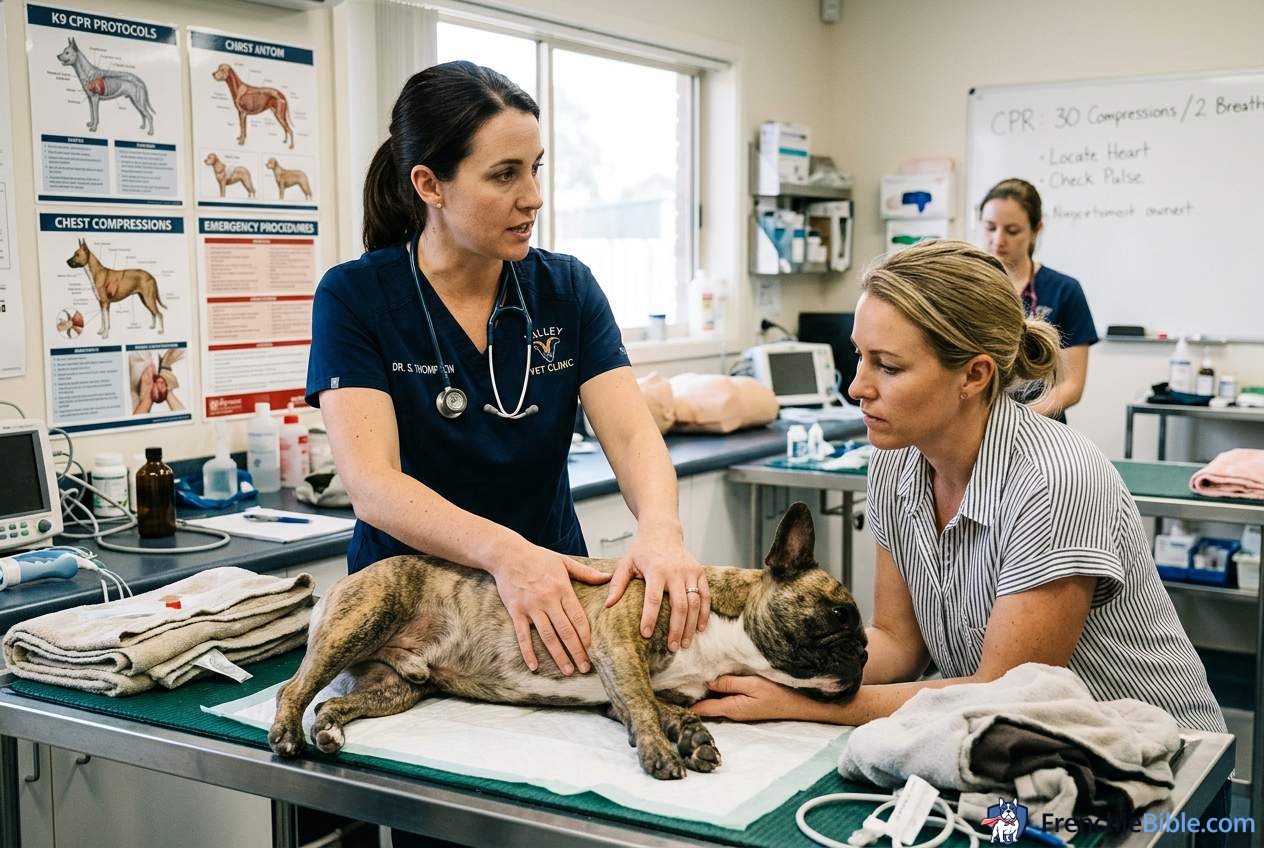
Step 4: The Recovery Phase. This is crucial. A healthy dog should recover its breath and return to a normal respiratory pattern relatively quickly. If the dog is still panting heavily, showing signs of cyanosis (gums turning purple or blue due to lack of oxygen), or is collapsing 5 to 10 minutes after a mere 3-minute trot, that is a massive, flashing red flag indicating severe BOAS.
Deciphering BOAS Grades: What the Results Mean for Your Breeding Program
Once the test and recovery phase are complete, the evaluating veterinarian assigns the dog a grade from 0 to 3. Understanding the profound implications of these grades is arguably the most critical skill a French Bulldog breeder can possess. This is where science meets ethical breeding.

Grade 0: Clinically Unaffected
What it means: This is the holy grail of French Bulldog breeding. A Grade 0 dog is completely free of any respiratory signs of BOAS. They breathe silently at rest. Even immediately after the 3-minute exercise test, they produce no abnormal upper airway noises. Their respiratory effort is minimal and totally appropriate for the exertion.
Breeding Advice: These are your foundation dogs. You want to base your entire program around Grade 0 animals. If you have a kennel full of Grade 0s, you are actively saving the breed.
Grade 1: Clinically Unaffected (Mildly Affected)
What it means: A Grade 1 dog might have very mild respiratory noises (perhaps a slight, quiet snort when sniffing intensely or getting very excited), but it does absolutely not affect their exercise tolerance. The airway noise might increase slightly after the 3-minute exercise test, but they recover very quickly and show no signs of respiratory distress or struggle.
Breeding Advice: Grade 1 dogs are perfectly acceptable and safe for breeding. In a breed as structurally and genetically compromised as the modern French Bulldog, a Grade 1 is considered a very healthy animal. However, your strategic goal should ideally be to pair a Grade 1 dog with a Grade 0 dog to continually push the genetics of your line toward silent breathing.
Grade 2: Clinically Affected (Moderate)
What it means: This is where we cross the line into dangerous, ethically murky territory. A Grade 2 dog has moderate respiratory signs that are noticeable. They likely make stertor noises at rest, and the noise increases significantly and loudly after exercise. They will show increased respiratory effort, their breathing is visibly labored, and they take a worryingly long time to recover their breath after the 3-minute test. These are the dogs that often require medical management, cooling vests in summer, or eventually surgical intervention (BOAS surgery) to maintain a decent quality of life.
Breeding Advice: Extreme Caution. The general consensus among leading veterinarians and ethical breeding clubs worldwide is that Grade 2 dogs should only be bred under highly exceptional circumstances, and ONLY to a rigorously tested Grade 0 dog. Even then, you must ask yourself a hard question: is this dog’s pedigree, orthopedic health (hips, spine), or temperament so overwhelmingly rare and positive that it justifies the inherent risk of passing on moderate BOAS? In my decade of clinical experience, the answer is almost always no.
Grade 3: Clinically Affected (Severe)
What it means: A Grade 3 dog is an animal that is actively suffering. They have severe, loud respiratory signs even while resting. They cannot sleep properly due to sleep apnea. The 3-minute exercise test is frequently aborted early by the vet because the dog begins to turn blue or collapse; they simply cannot handle mild exercise without risking a fatal respiratory crisis. These dogs struggle to eat without regurgitating and are highly susceptible to heatstroke in mild temperatures. BOAS surgery is not optional for these dogs; it is a medical necessity just to keep them alive.
Breeding Advice: Absolutely DO NOT breed. Breeding a Grade 3 dog is a massive, unforgivable ethical violation. It guarantees that you are knowingly passing extreme suffering onto the next generation of puppies. A Grade 3 dog must be spayed or neutered immediately, retired from any breeding plans, and given the extensive medical and surgical care they need to live a comfortable life as a beloved pet.
Making Ethical Breeding Decisions Based on BOAS Grades
Having the scientific data is one thing; having the moral courage to act on it is another entirely. I have seen veteran breeders burst into tears in my exam room when their prized, wildly expensive champion stud—a dog they imported for thousands of dollars—tested as a severe Grade 3. I intimately understand the financial devastation and emotional investment involved. But as breeders, our ultimate loyalty must always be to the dogs and the future of the breed, not to our egos, our show ribbons, or our bank accounts.
The Green Light: Breeding Grade 0 and Grade 1
When you commit to working exclusively with Grade 0 and Grade 1 dogs, you are actively healing the breed. By consistently pairing low-grade, quiet-breathing dogs over multiple generations, you can drastically reduce the incidence of severe BOAS in your bloodlines. This is how we prove the critics wrong and ensure the French Bulldog has a healthy future.
The Yellow Light: The Complexities of Breeding a Grade 2
Let’s be honest about the realities of breeding. Sometimes you have a Grade 2 female who is the very last surviving offspring of a legendary, healthy line. She has perfect OFA hips, a flawless spine clear of IVDD, and an incredibly stable, therapy-dog temperament. Do you wash her from the program entirely?
If you make the difficult choice to breed a Grade 2, it absolutely must be an outcross to a confirmed, mature, rigorously tested Grade 0 male who has a documented history of producing Grade 0 offspring. Furthermore, you are morally obligated to test the resulting puppies at 12 months. If the puppies also come back as Grade 2s or 3s, that line has reached a genetic dead-end and must be stopped permanently.
The Red Light: Why Grade 3 Dogs Must Never Be Bred
I will not mince words here. If you deliberately breed a Grade 3 French Bulldog, you are actively contributing to the exact reasons why the global veterinary community and animal welfare organizations are lobbying to ban brachycephalic breeds altogether. You are producing puppies that are genetically programmed to suffocate. Retire them, love them, treat them surgically, but never, ever breed them.
Real-World Clinical Experiences: Successes, Failures, and Heartbreaks
Over my 10 years in the clinic, implementing the exercise test has revealed both incredible triumphs and devastating tragedies.
A Breeder’s Journey from Grade 3 Disasters to Grade 0 Successes
I worked closely with a prominent local breeder who started out focusing entirely on “type”—she wanted heavily wrinkled, extremely short-muzzled, compact dogs. Her first few litters were absolute medical nightmares. Puppies were needing emergency soft palate resection surgery at just 6 months old.
We had a tough conversation and implemented strict, non-negotiable RFGS testing across her entire kennel. The results were brutal. She had to wash (retire and spay) her top three producing females because they were all Grade 3s. It devastated her program temporarily and cost her tens of thousands in lost revenue.
But she pivoted. She swallowed her pride and brought in a slightly longer-muzzled, athletic, Grade 0 stud from a working line in Europe. It took five years of careful selection, but today, her kennel is famous for producing Frenchies that can hike mountains, run agility courses, and sleep completely silently. Her waitlist is two years long. That is the transformative power of utilizing the exercise test.
Red Flags to Watch for Before the Test Even Begins
Sometimes, as a French Bulldog expert and breeder, I don’t even need to put a dog through the 3-minute test to know they are in deep trouble. There are clinical red flags that act as neon warning signs:
– Travel Distress: If a dog comes into the clinic panting heavily, stressed, and wheezing just from the excitement of the car ride.
– Sleep Apnea: Owners reporting that the dog frequently wakes up abruptly, gasping for air, or prefers to sleep sitting up with a toy in their mouth to keep their airway propped open.
– Frequent Regurgitation: This is a heavily under-discussed symptom. When a dog constantly struggles to pull air through a narrow airway, it creates massive negative pressure in the chest cavity. This pressure literally sucks stomach contents up into the esophagus, causing chronic regurgitation and vomiting. A Frenchie that vomits its food constantly often has a primary airway problem, not a stomach problem.
Incorporating BOAS Testing into Your Buyer Contracts and Marketing
If you are putting in the grueling work, time, and money to breed healthy, BOAS-tested dogs, you need to market that fact aggressively, and you need to protect your buyers.
Educating Potential Owners on Health Screening
The tragic truth is that most puppy buyers have absolutely no idea what BOAS is until their new, expensive puppy collapses in the yard on a 75-degree day. As a top-tier preservation breeder, your website and your social media channels should prominently feature your RFGS results. Don’t just post posed, stacked photos. Show raw videos of your Frenchies running, playing fetch, and breathing easily. Educate your buyers that a quiet sleeper is a healthy sleeper, and that snoring is a warning sign, not a cute quirk.
Transparency is the Absolute Mark of a Top-Tier Breeder
Provide the official veterinary grading certificates in your puppy packs. Guarantee in your purchase contract that both parents were RFGS tested prior to breeding. This extreme level of transparency not only justifies the premium price tag of a well-bred Frenchie but also raises the standard of the entire breed, forcing lower-quality, profit-driven breeders to either step up their health testing game or get pushed out of the market entirely.
Frequently Asked Questions (FAQ)
1. Can a Grade 0 dog ever develop BOAS later in life?
Yes, it is possible, though significantly less common than in dogs that start at a Grade 1. BOAS is a progressive, dynamic condition. Soft tissues in the airway can thicken, stretch, and lose elasticity over time due to aging and wear. This is exactly why testing at 12 months is the absolute minimum, but re-testing breeding stock at 2 and 3 years old is highly recommended to ensure the airway remains stable.
2. Is BOAS testing painful or dangerous for the dog?
Absolutely not. The RFGS assessment involves a standard physical exam, listening with a stethoscope, and a 3-minute brisk walk. It is entirely non-invasive and painless. The only discomfort might be mild fatigue for dogs that are already severely clinically affected by BOAS, and a trained vet will immediately stop the test if a dog shows distress.
3. Does BOAS surgery cure the condition, and can I ethically breed a dog after they have had the surgery?
BOAS surgery (such as widening the nares and shortening the elongated soft palate) drastically improves a dog’s airflow and quality of life, but it is a mechanical treatment, not a genetic cure. The dog’s DNA still carries the exact genetics that coded for severe BOAS. Therefore, a dog that required BOAS surgery must never be used for breeding, as they will pass those flawed genetics to their offspring, perpetuating the cycle of suffering.
4. How much does an official BOAS grading cost a breeder?
The cost varies depending on your geographical location and the specific veterinary clinic, but it typically ranges from $50 to $150 USD per dog. When you consider that the cost of emergency airway surgery for a puppy can easily exceed $3,000 to $5,000, the initial testing fee is a microscopic investment to ensure the integrity of your breeding program.
5. My Frenchie breathes perfectly fine in the winter but struggles and pants heavily in the summer. What BOAS grade might they be?
Heat and humidity exacerbate BOAS symptoms significantly because dogs rely on panting (moving air quickly over the mucosal surfaces of the airway) to cool down. If the airway is obstructed, they cannot cool themselves efficiently and the tissues swell, worsening the obstruction. If your dog struggles in the heat, they almost certainly have some degree of airway compromise (likely a Grade 2). While a proper RFGS test is conducted in a temperature-controlled environment to get a true baseline, severe heat intolerance in mild temperatures is a massive clinical indicator of BOAS.
Disclaimer: We are not veterinarians and do not hold veterinary medical licenses. The information provided in this article is based on years of breeding and daily care experience and is for educational purposes only. It should not replace professional veterinary advice. Always consult with a licensed veterinarian if you have concerns about your French Bulldog’s health or before starting any new treatment.
Disclaimer: I am a French Bulldog breeding expert with over a decade of hands-on experience with this breed. I am not a veterinarian. The information in this article is for educational purposes only. Always consult your veterinarian regarding your dog’s specific health needs and care.