When a French Bulldog owner rushes into my breeding program carrying their paralyzed or severely pained dog, the room is usually filled with panic and tears. Intervertebral Disc Disease (IVDD) is one of the most devastating and common conditions I treat in Frenchies. as a French Bulldog expert and breeder who has seen hundreds of these cases, and as a breeder who has dedicated years to understanding the genetics behind this breed, I can tell you that hearing an IVDD diagnosis feels like the end of the world. But it doesn’t have to be.
The immediate question that follows the diagnosis is always the same: “Doctor, should we do the surgery, or can we try conservative treatment?” It is a decision that involves emotional turmoil, significant financial implications, and the future quality of life of your beloved companion. In this comprehensive guide, we will break down IVDD conservative treatment versus surgery, examining the success rates, the grueling recovery periods, and the true financial costs involved. We will look at real clinical scenarios to help you navigate this nightmare.
Related Reading: Training & Behavior | Grooming & Care | French Bulldog Colors
Understanding IVDD in French Bulldogs: Why Are They So Prone?
Before we dive into the treatment options, it is crucial to understand what we are dealing with. French Bulldogs are a chondrodysplastic breed, meaning they are genetically predisposed to having abnormal cartilage and bone development. This is what gives them their adorable, compact structure, but it’s also what causes their intervertebral discs to degenerate prematurely.
The Anatomy of the Spine
Imagine the spine as a pearl necklace. The bones (vertebrae) are the pearls, and between each pearl is a cushion—the intervertebral disc. These discs act as shock absorbers. In a normal dog, these discs remain pliable and soft for years. In French Bulldogs, these discs can begin to calcify and harden as early as one year of age. This process is known as Hansen Type I disc degeneration.
When a hardened disc ruptures or herniates, the inner material (nucleus pulposus) explodes upward into the spinal canal, compressing the delicate spinal cord. The spinal cord is like a bundle of fiber-optic cables transmitting signals from the brain to the legs. When it gets crushed, those signals are cut off, leading to excruciating pain, wobbliness (ataxia), or complete paralysis.
IVDD Conservative Treatment: The Waiting Game
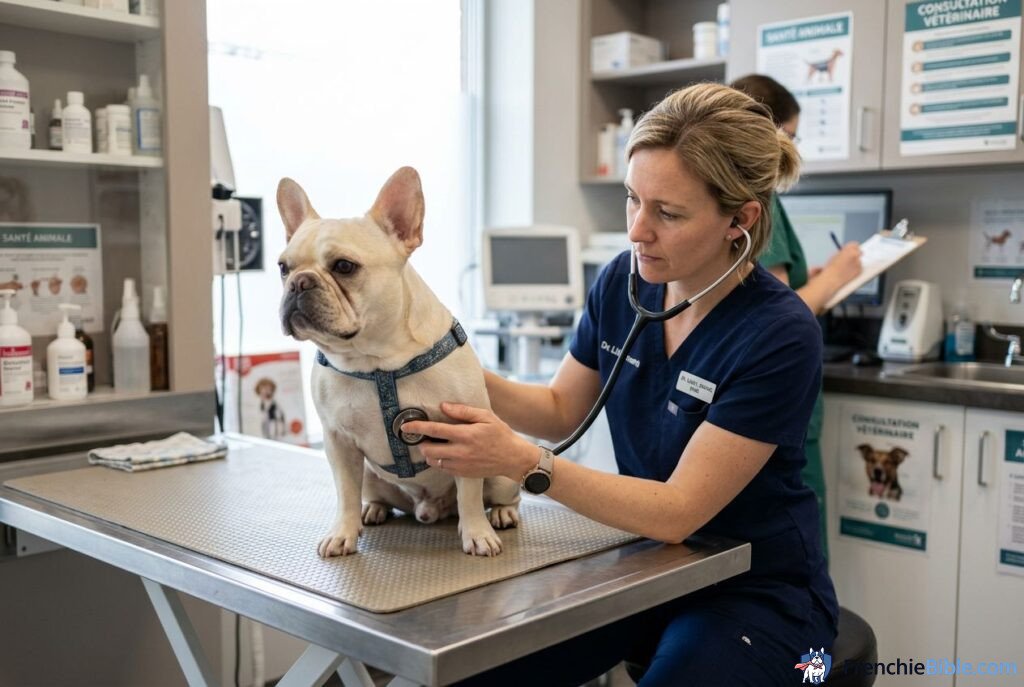
Conservative treatment, also known as medical management, is often the first line of defense for dogs presenting with mild symptoms. It involves strict crate rest and heavy medication.
When is Conservative Treatment Appropriate?
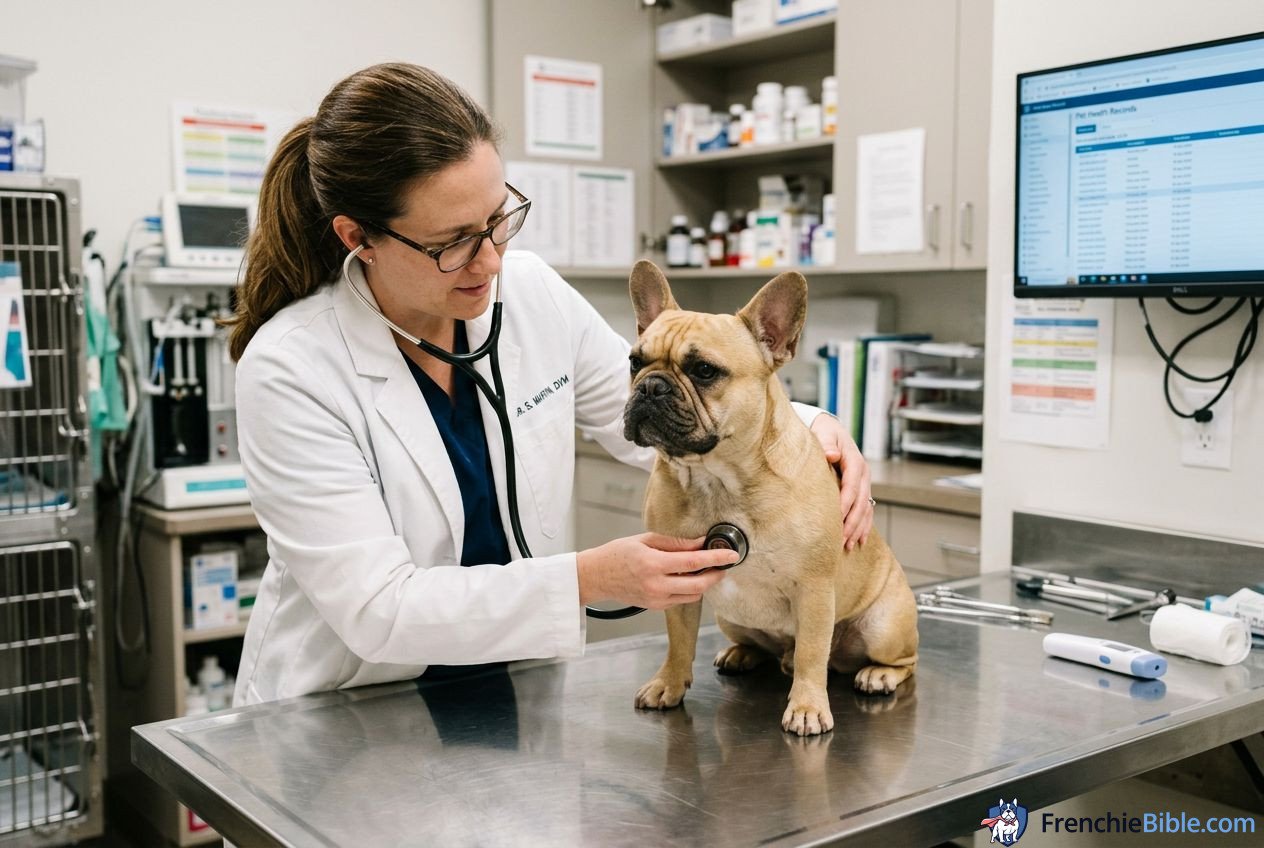
In my practice, I typically recommend conservative management for Frenchies in the early stages of IVDD. We grade IVDD on a scale of 1 to 5:
– Grade 1: Neck or back pain only. No neurological deficits.
– Grade 2: Mild wobbly walk (ataxia) but can still support weight.
– Grade 3: Severe wobbly walk, cannot support weight, but can still move legs voluntarily.
– Grade 4: Completely paralyzed in the hind legs but still has deep pain sensation (they react when their toes are pinched hard).
– Grade 5: Completely paralyzed and has lost deep pain sensation. This is a surgical emergency.
Conservative treatment is generally reserved for Grades 1 and 2, and occasionally Grade 3 if the owner absolutely cannot afford surgery.
The Protocol: What Does Conservative Treatment Involve?
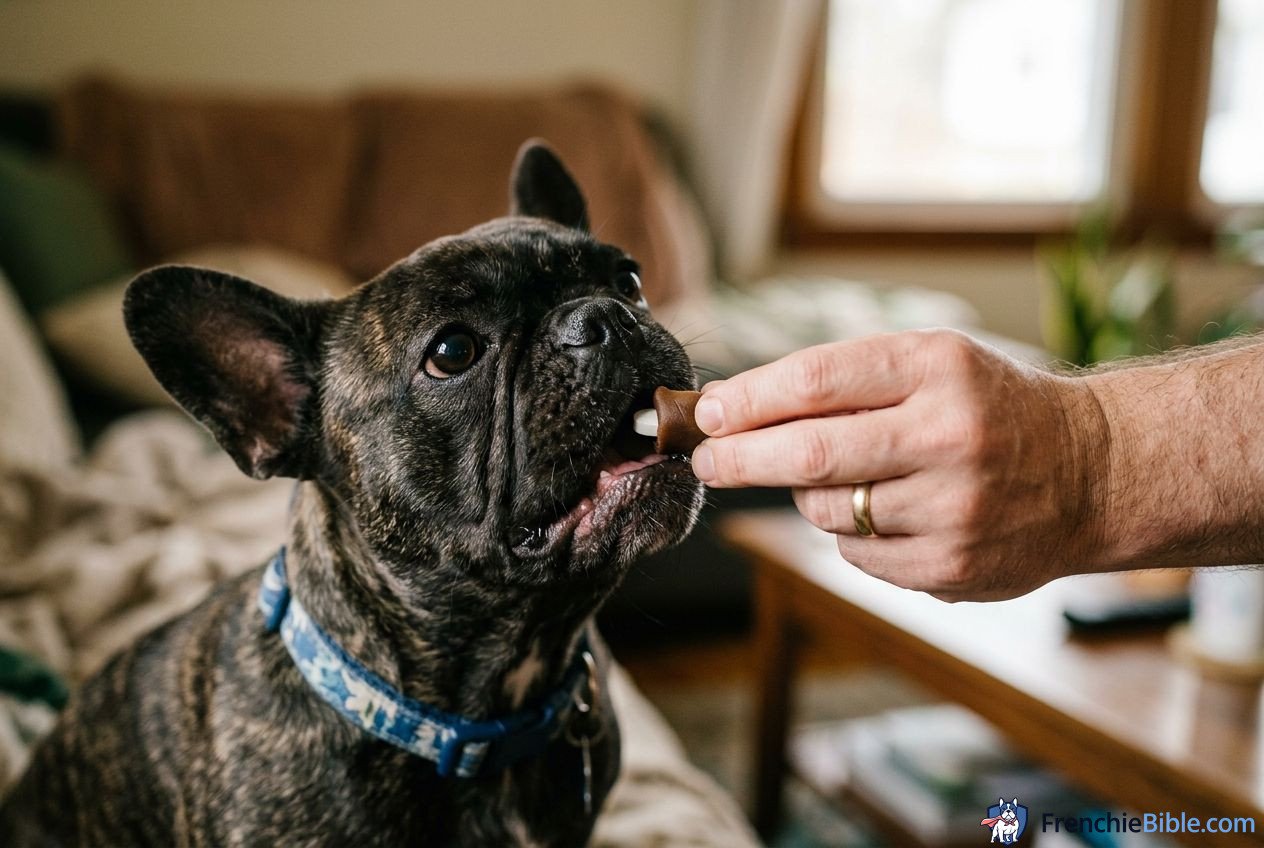
- Strict, Unforgiving Crate Rest (6-8 Weeks): This is the hardest part for most owners. The dog must be confined to a crate 24/7. They only come out to go to the bathroom, and they must be carried to the yard, placed on the grass, and immediately brought back inside. No couches, no stairs, no jumping, no playing. The goal is to allow the ruptured disc to scar over and heal. Any movement can cause further herniation and catastrophic spinal cord damage.
- Aggressive Medical Therapy:
- Non-Steroidal Anti-Inflammatory Drugs (NSAIDs) or Corticosteroids (never both at the same time) to drastically reduce inflammation around the spinal cord.
- Muscle relaxants (like Methocarbamol) to stop the severe back spasms.
- Nerve pain medications (like Gabapentin) to control the shooting, electrical pain.
- Bladder Management: Some dogs may struggle to urinate, requiring owners to manually express the bladder 3-4 times a day.
Success Rates of Conservative Treatment
For Grade 1 and 2 IVDD, the success rate of conservative treatment is roughly 50% to 70%. Many dogs will recover their mobility and become pain-free. However, the recurrence rate is staggeringly high. In my breeding experience, nearly 40-50% of dogs managed conservatively will have another episode within a year or two, and the second episode is often much more severe.
For Grade 3 and 4, the success rate drops precipitously to around 20-30%, and for Grade 5, it is almost zero.
The Cost of Conservative Treatment
While cheaper than surgery, conservative treatment is not free. You are looking at:
– Initial consultation and emergency visits: $150 – $300
– X-rays (often inconclusive but necessary to rule out fractures): $200 – $400
– Medications (several rounds over two months): $100 – $250
– Follow-up neurological exams: $150 – $300
Total Estimated Cost: $600 – $1,300.
IVDD Surgery: The Definitive Intervention
When a Frenchie presents with Grade 3, 4, or 5 IVDD, or if they have failed conservative management, surgery is the only viable option. The most common procedure is a Hemilaminectomy.
What Happens During Surgery?
During a hemilaminectomy, a board-certified veterinary surgeon or neurologist uses specialized drills to remove the side of the vertebra above the herniated disc. This creates a “window” into the spinal canal. The surgeon then carefully scoops out the extruded disc material that is crushing the spinal cord, instantly relieving the pressure. They may also “fenestrate” adjacent discs (scraping out the nucleus) to prevent future herniations in those areas.
When is Surgery Required?
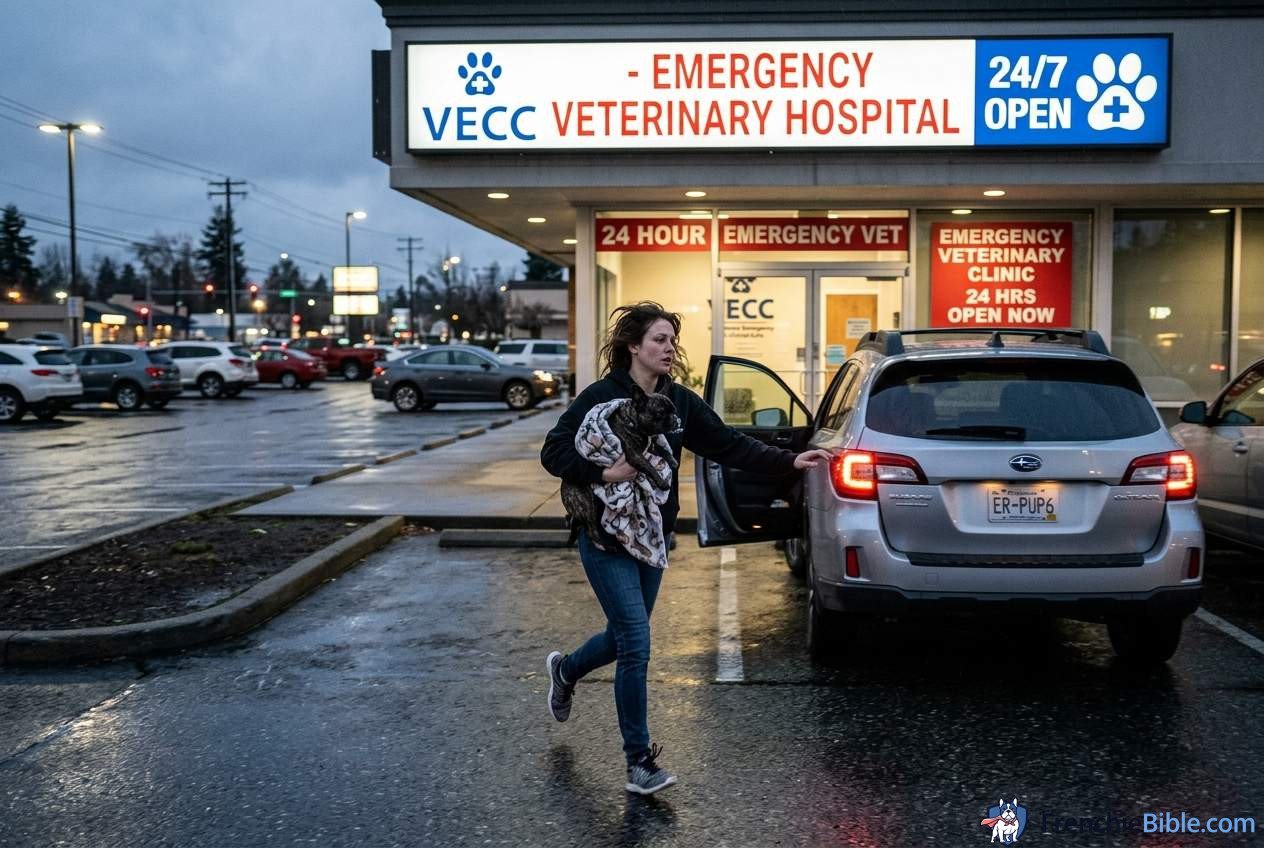
Surgery is a race against time. For dogs in Grade 4 and especially Grade 5, the longer the spinal cord is compressed, the more permanent the nerve damage becomes. If a dog loses deep pain sensation (Grade 5), surgery ideally needs to happen within 12 to 24 hours. After 48 hours, the chances of the dog ever walking again drop to less than 5%.
Success Rates of Surgery
The success rates of surgery are vastly superior to conservative management, provided it is done in time.
– Grades 1-4: The success rate is remarkably high, hovering around 85% to 95%. Most of these dogs return to a normal, happy life, albeit with strict lifestyle modifications (no more jumping off beds!).
– Grade 5: If surgery is performed within the critical 24-hour window, the success rate is around 50-60%. If delayed beyond 48 hours, the success rate plummets below 5%.
The Surgical Recovery Period
Surgery is not a magic wand. The immediate post-operative period is intense.
– Hospitalization: 3 to 7 days in the ICU, depending on pain management and if the dog can pee on their own.
– Rehabilitation: Strict crate rest is still required for 4-6 weeks post-surgery. However, we begin physical therapy almost immediately. This includes passive range of motion (PROM) exercises, laser therapy, water treadmill sessions, and acupuncture.
– The Long Road: Complete nerve regeneration can take up to 6 months. Owners must be prepared to carry their dog, manage slings to help them walk, and potentially deal with urinary incontinence for weeks.
The Shocking Cost of IVDD Surgery
This is where the heartbreak often intensifies. IVDD surgery is incredibly expensive. It requires an MRI to pinpoint the exact location of the rupture (X-rays cannot see the spinal cord), specialized surgical equipment, and intensive care.
– MRI/CT Scan: $2,500 – $3,500
– Hemilaminectomy Surgery: $4,000 – $6,000
– Hospitalization and Medications: $1,000 – $2,000
– Post-Op Physical Therapy: $500 – $1,500
Total Estimated Cost: $8,000 – $13,000+.
This staggering cost is exactly why I beg every single French Bulldog owner to invest in high-quality pet insurance the day they bring their puppy home.
Making the Decision: An Experienced Breeder’s Perspective
I have sat with countless owners crying in the exam room, trying to make this impossible choice. Here is how I guide them:
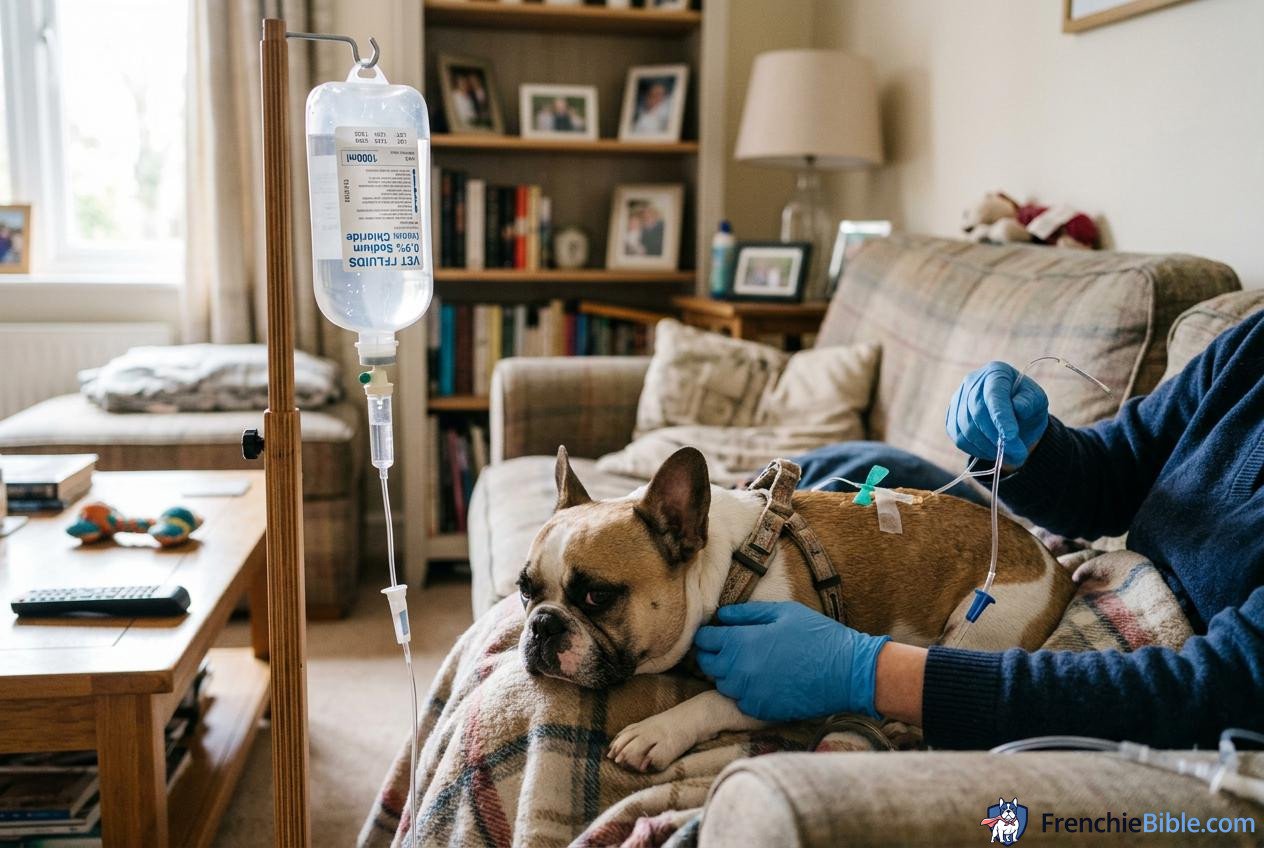
If your dog is Grade 1 or 2, and you have the absolute discipline to enforce 8 weeks of strict crate rest, conservative management is a reasonable first step. However, you must be prepared for the strong possibility of relapse.
If your dog is Grade 3 or 4, dragging their back legs, but still has deep pain sensation, I will push for surgery if you can find the funds. The success rate is excellent, and it gives them the best chance at a normal life.
If your dog is Grade 5, completely paralyzed with no deep pain, it is an emergency. You must decide immediately whether you can proceed with a $10,000 surgery that has a 50/50 success rate. If surgery is not an option, the harsh reality is that we must discuss humane euthanasia or a lifelong commitment to a wheelchair-bound dog that requires manual bladder expression.
Preventive Measures: Protecting Your Frenchie’s Spine
As a breeder, I am deeply committed to improving the genetic health of French Bulldogs, but currently, almost all Frenchies carry the genes for IVDD. Therefore, prevention is about lifestyle management:
1. No Jumping: Buy ramps or stairs for the bed and couch. Train your dog from a puppy to use them. Jumping down creates immense compression forces on their spine.
2. Use a Harness: Never use a collar attached to a leash. A Frenchie pulling on a collar puts dangerous pressure on their cervical (neck) discs. Use a well-fitted Y-harness.
3. Weight Management: Obesity is the enemy of the spine. Keep your Frenchie lean. You should be able to feel their ribs and see a tucked waist. Extra weight puts unnecessary strain on their already compromised discs.
Conclusion
Facing IVDD is a nightmare, but understanding the realities of conservative treatment versus surgery empowers you to make the best decision for your dog. While conservative management has its place for mild cases, surgery remains the gold standard for severe disc herniations, offering the highest chance of restoring mobility and a pain-free life. Whatever path you choose, remember that the recovery will require immense patience, dedication, and love.
Frequently Asked Questions (FAQs)
Q1: Can a French Bulldog recover from IVDD without surgery?
A1: Yes, if the IVDD is mild (Grade 1 or 2), a dog can recover with conservative treatment, which involves 6-8 weeks of absolute, strict crate rest and heavy medication. However, the recurrence rate is high, and they may have another episode in the future.
Q2: How do I know if my Frenchie is having an IVDD episode?
A2: Early signs include reluctance to jump, a hunched back, shivering, crying when picked up, and a stiff neck. As it progresses, you will see wobbly walking (drunken sailor walk), dragging of the back paws (knuckling), and eventual paralysis.
Q3: Can physical therapy cure IVDD instead of surgery?
A3: Physical therapy, such as water treadmills and laser therapy, is phenomenal for rehabilitation after surgery or as an adjunct to conservative management for very mild cases. However, if a disc has ruptured and is actively crushing the spinal cord (Grades 3-5), physical therapy alone cannot remove the compressive material. Surgery is required.
Q4: Is a wheelchair a good option for a paralyzed French Bulldog?
A4: Yes, a custom-fitted canine wheelchair is a wonderful option for dogs that do not regain mobility after surgery, or for owners who cannot afford surgery. Many Frenchies live incredibly happy, fulfilling lives in “wheels.” However, owners must be prepared to manually express the dog’s bladder multiple times a day to prevent fatal urinary tract infections.
Q5: Will pet insurance cover IVDD surgery?
A5: Most high-quality pet insurance plans will cover IVDD surgery (often reimbursing 80-90% of the cost) provided the policy was purchased before the dog showed any pre-existing signs of back or neck pain. This is why it is critical to insure your Frenchie puppy immediately.
Disclaimer: We are not veterinarians and do not hold veterinary medical licenses. The information provided in this article is based on years of breeding and daily care experience and is for educational purposes only. It should not replace professional veterinary advice. Always consult with a licensed veterinarian if you have concerns about your French Bulldog’s health or before starting any new treatment.