
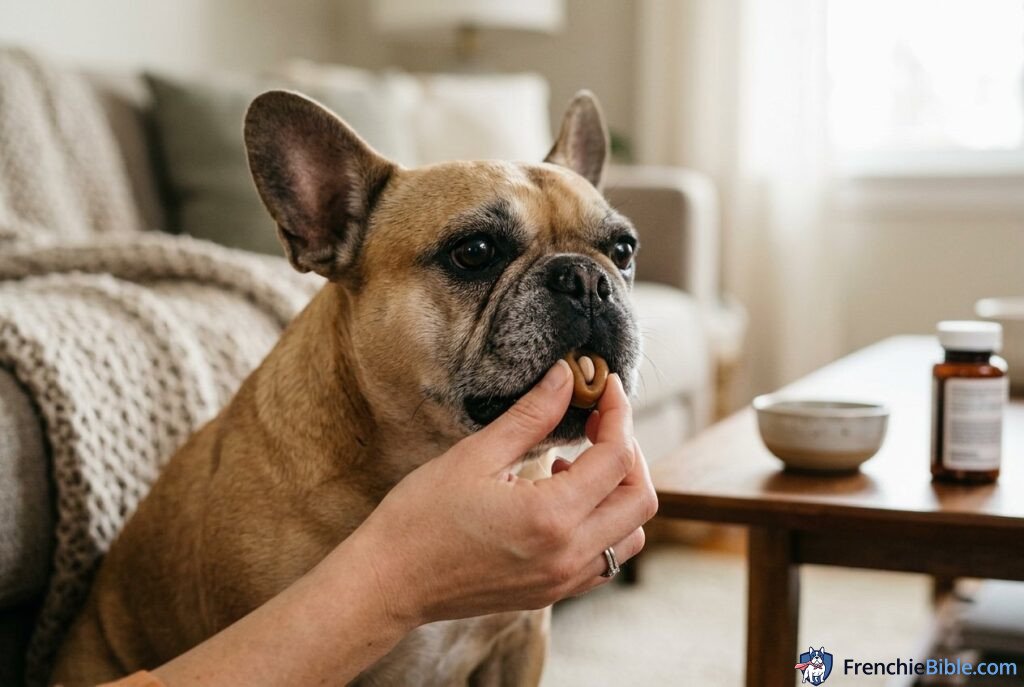
When a French Bulldog faces sudden or gradual paralysis due to Intervertebral Disc Disease (IVDD) or other debilitating spinal conditions, owners are often plunged into a world of overwhelming fear, confusion, and grief. The terrifying thought of your vibrant, playful, and stubborn little Frenchie losing the use of their hind legs can be devastating. as a French Bulldog expert and breeder, canine rehabilitation expert, and breeder with decades of experience, I am here to offer you a beacon of hope: a paralyzed French Bulldog can still live an incredibly vibrant, fulfilling, active, and deeply joyous life.
A wheelchair is absolutely not a symbol of defeat or a sign that the end is near. On the contrary, it is a magnificent tool of empowerment, independence, and renewed vitality. With the right care regimen, an understanding of their physical needs, and a steadfast commitment to their emotional well-being, your Frenchie can continue to be the heart and soul of your family. This exhaustive, multi-faceted guide will serve as your ultimate resource, walking you through every single step of caring for a wheelchair-bound Frenchie—from understanding the science behind their condition to mastering the daily medical care routines that will keep them thriving.
Related Reading: Training & Behavior | Grooming & Care | French Bulldog Colors
Understanding IVDD and Paralysis in French Bulldogs
Why Frenchies are Prone to Intervertebral Disc Disease (IVDD)
To truly care for your paralyzed French Bulldog, you must first understand the biology and genetics that led them to this point. French Bulldogs belong to a category of dogs known as chondrodysplastic breeds. Chondrodysplasia is a genetic trait that intentionally causes abnormal cartilage and bone development, resulting in the characteristic shortened limbs, broad chests, and compact, robust bodies that we so deeply adore.

However, this genetic makeup comes with a significant anatomical trade-off. The same genes that dictate their adorable stature also affect the development of the intervertebral discs—the crucial, spongy cushions that sit between each vertebra of the spine. These discs act as vital shock absorbers, allowing the spine to flex, bend, jump, and absorb the impact of daily running and playing.
In a normal, non-chondrodysplastic dog, these discs remain soft, gelatinous, and highly resilient well into old age. In French Bulldogs, however, a process called chondroid metaplasia begins remarkably early in life, often within the first year. This process causes the center of the discs (the nucleus pulposus) to prematurely calcify, harden, and lose their high water content. They transform from spongy shock absorbers into brittle, fragile structures.
When a dog jumps off a couch, twists aggressively during play, or even simply walks up the stairs, the force applied to these weakened, calcified discs can cause them to bulge or completely rupture (herniate) upwards into the spinal canal. The spinal canal is a confined, rigid bony tube that houses the incredibly delicate spinal cord—the central superhighway of nerves that connects the brain to the rest of the body.
When disc material erupts into this space, it violently compresses the spinal cord. This compression causes excruciating, acute pain, immediate inflammation, and cuts off blood supply to the nerves. The nerve signals traveling down to the hind legs and the organs of the lower abdomen (bladder and bowels) are abruptly severed. This is what results in paresis (weakness) or full paraplegia (complete paralysis of the hindquarters). Understanding that this is a deeply ingrained structural and genetic vulnerability—and not a result of poor parenting or a failure on your part—is the crucial first step toward radical acceptance and moving forward.
The Critical Transition from Post-Op to a Wheelchair
Whether your Frenchie underwent emergency decompressive spinal surgery (such as a spinal decompression surgery (discuss with your veterinarian)) or you opted for conservative medical management (strict rest and intense medications) due to financial, age, or medical constraints, the immediate aftermath is defined by one absolute rule: Strict Crate Rest.
This period typically lasts between 6 to 8 weeks. During this time, the body is desperately trying to heal. The inflammation around the spinal cord needs time to naturally subside, and the ruptured disc material must scar over to stabilize the spine. This period is incredibly stressful, requiring confinement to a small crate with only brief, supported potty breaks using a sling.
However, once the mandated healing phase has fully concluded, and your veterinarian or veterinary neurologist gives the official clearance, a beautiful new chapter begins: the introduction of the wheelchair. It is absolutely vital not to rush this timeline. Placing a dog in a wheelchair while the spine is still actively healing or while the dog is still experiencing acute neurological pain can cause catastrophic and permanent damage.
The primary goal of a wheelchair, often referred to as a “cart,” is to step in where the hind legs can no longer function. The cart supports the entire weight of the hindquarters, lifting the pelvis, while allowing the robust, strong front legs of the Frenchie to power the movement. When introduced methodically and positively, the transition can be incredibly smooth, unlocking a world of freedom that your dog thought they had lost forever.
Assessing the Quality of Life for a Paralyzed French Bulldog
Redefining Happiness, Mobility, and the Canine Mindset
One of the most significant barriers owners face when deciding to care for a paralyzed dog is the overwhelming human tendency to project our own complex emotions onto our pets. Humans equate the loss of limb function with a catastrophic loss of identity, a tragedy that ruins the future, and a reason for deep, lasting depression.

Dogs, beautifully and simply, do not process trauma in this way. They do not dwell on the past. They do not sit around lamenting the loss of their hind legs or comparing their current state to how they used to run three years ago. Dogs live entirely, wholly, and unapologetically in the present moment.
If a paralyzed French Bulldog is entirely pain-free, receiving abundant affection, being fed delicious meals, and has the means to interact with their environment and their family, their perceived quality of life remains phenomenally high. A wheelchair simply becomes their new set of back legs. It restores their ability to go on neighborhood walks, aggressively sniff fire hydrants, mark their territory, greet other dogs at the park, and participate in the daily rhythm of family life. Their core spirit, their clownish antics, their demanding barks for treats, and their intense loyalty do not change one iota simply because their mode of transportation has evolved.
Emotional and Mental Well-being: The Importance of Enrichment
While physical mobility is addressed by the wheelchair, maintaining optimal mental and emotional well-being requires proactive effort from the owner. Mental stimulation is arguably just as crucial as physical exercise. A bored dog is a stressed dog, and a stressed dog can quickly become depressed.
You must intentionally enrich their daily lives. Because they cannot independently wander the house to find entertainment as easily as they once did, you must bring the entertainment to them.
- Cognitive Puzzles: Invest heavily in complex puzzle toys, Kongs stuffed with frozen treats, and intricate snuffle mats. These force the dog to use their nose and their brain, exhausting them mentally in the best way possible.
- Scent Work: Frenchies have powerful noses. Hide small treats around a room and encourage them to “find it” while they are in their wheelchair or safely dragging on a soft carpet.
- Modified Training: Continue obedience training, but adapt it. Focus on commands that engage their front half, such as “touch” (touching their nose to your hand), “speak,” “quiet,” or intricate paw-shaking tricks. This keeps their mind sharp and reinforces the bond and communication between you.
- Environmental Variation: Take them to completely new environments. If they cannot use their wheelchair for long distances due to front-leg fatigue, invest in a high-quality pet stroller or a specialized dog wagon. The mental stimulation of seeing new places, smelling new woods, and watching the world go by is essential for preventing cognitive decline and anxiety. Ensure they still feel like a vital, active member of the “pack.”
Choosing the Right Wheelchair for Your French Bulldog
Selecting the appropriate wheelchair is a monumental decision that requires careful research. It will significantly dictate your Frenchie’s comfort, safety, and willingness to be mobile. French Bulldogs possess a highly unique anatomy—they are “front-heavy” with broad, muscular chests, relatively narrow hips, and short, thick limbs. This specific geometry means that generic, standard-issue, off-the-shelf wheelchairs are rarely a perfect fit and can often cause discomfort.
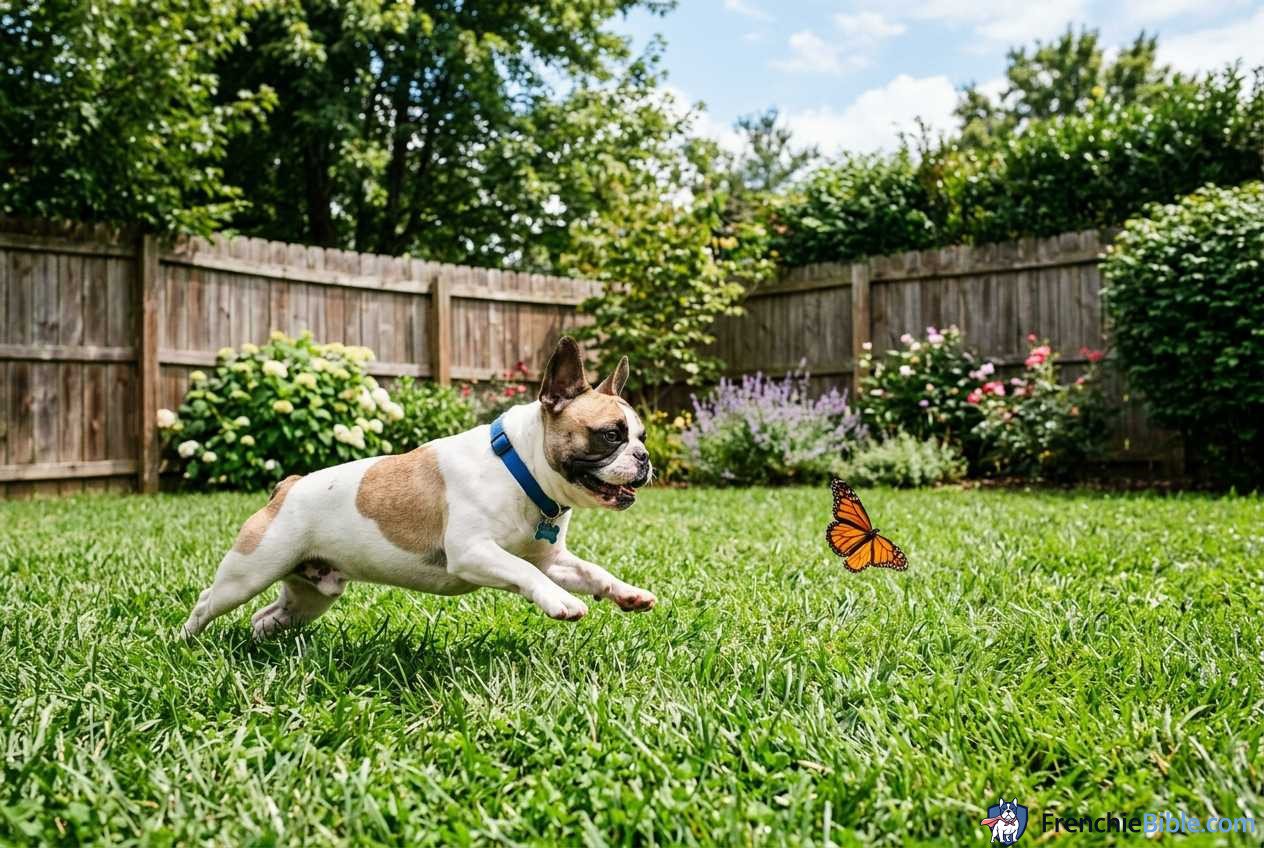
Key Features to Look For in a Frenchie Wheelchair
- Absolute Customization and Adjustability: The wheelchair must be meticulously adjustable in three dimensions: height, length, and width. As your dog adapts, gains or loses muscle mass, or simply shifts their posture, the cart must be able to adapt with them.
- Ultra-Lightweight yet Indestructible Frame: Frenchies are sturdy, but they are compact. They should not be forced to drag unnecessary dead weight. The cart’s frame must be constructed from aerospace-grade aluminum or carbon fiber. This ensures it is light enough for their front legs to easily pull, but strong enough to withstand rough terrain and the occasional bump into a doorframe.
- Ergonomic and Heavily Padded Support Rings: The saddle, or the leg rings that physically suspend the dog’s pelvis and hindquarters, are the most critical point of contact. Frenchies are notorious for having incredibly sensitive skin and sparse fur on their underbelly. Friction from poorly designed or unpadded saddles can cause severe, painful saddle sores in a matter of hours. The rings must be thickly coated in soft, washable neoprene or memory foam.
- All-Terrain, Shock-Absorbing Wheels: Do not settle for hard plastic wheels. Opt for robust, pneumatic (air-filled) tires or high-density, shock-absorbing foam wheels. These will allow your Frenchie to seamlessly navigate transitioning from smooth indoor flooring to thick park grass, dirt trails, and uneven pavement without jarring their sensitive spine.
- Exceptional Front Harness Integration: Because a paralyzed French Bulldog must pull the entire weight of the cart using only their front legs and shoulders, the wheelchair must attach to a highly specialized, ergonomic front harness. This harness must distribute the pulling force evenly across their broad chest and shoulders. It must never sit high across the trachea or restrict their airway—a critical consideration for a brachycephalic (flat-faced) breed already prone to breathing difficulties.
How to Accurately Measure Your Frenchie for a Wheelchair
Precision in measurement is non-negotiable. An ill-fitting cart will cause pain and discourage the dog from moving. You will generally need a soft measuring tape and an assistant. Key measurements typically include:
- Rear Leg Height: The distance from the floor to the deepest crease of the flank (where the back leg meets the body), measured while the dog is supported in a natural standing position.
- Body Length: The length from the center of the shoulder blade to the very base of the tail.
- Body Width: The straight-line distance across the widest part of their body (usually the ribcage or shoulders).
It is highly recommended to have your primary veterinarian or a certified canine physical rehabilitation practitioner assist you with taking these measurements to guarantee absolute accuracy before placing an order.
Top Wheelchair Brands and Indoor Alternatives
Reputable, veterinary-approved brands such as Walkin’ Wheels, K9 Carts, and Eddie’s Wheels are universally praised within the veterinary community. They offer extensive customer support, spare parts, and designs that accommodate the Frenchie physique.
For indoor mobility, where a large, wheeled cart might be cumbersome or damage walls and furniture, you must utilize “drag bags.” A drag bag is a smooth, highly durable, and breathable sack that completely encases the paralyzed back legs and the rear half of the dog’s body. It allows the dog to playfully pull themselves across carpets and hard floors, fully protecting their delicate skin, knees, and paws from devastating friction burns, carpet burns, and abrasions.
Comprehensive Care Guide for a Wheelchair-Bound Frenchie
Caring for a paralyzed French Bulldog requires the owner to master new medical routines. The most critical of these revolves around elimination. When the spinal cord is severely compressed, the complex nerve signals dictating bladder and bowel control are almost always severed.
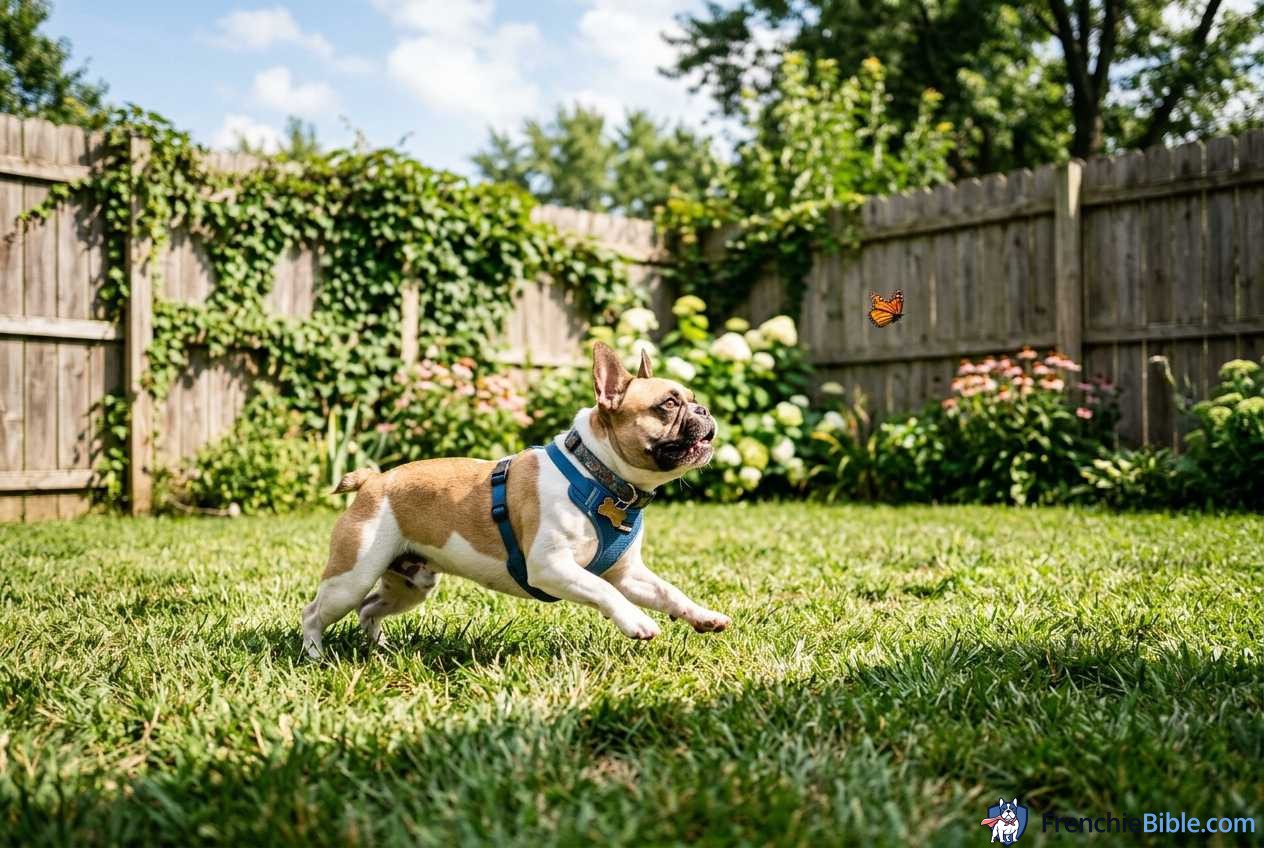
Mastering Bladder and Bowel Expression (A Crucial Life Skill)
A paralyzed dog typically loses the ability to voluntarily empty their bladder. If urine is allowed to pool and stagnate in the bladder, the consequences are disastrous. It leads to severe, rapidly multiplying Urinary Tract Infections (UTIs), the formation of painful bladder stones, and eventually, life-threatening kidney infections and renal failure.
How to Expertly Express a Bladder:
You will need to manually express (physically squeeze) your Frenchie’s bladder approximately 3 to 4 times every single day. This is a non-negotiable daily medical procedure. Your veterinarian or vet tech must physically teach and supervise you learning this technique. If done with incorrect pressure or at the wrong angle, you can cause immense pain or catastrophically rupture the bladder wall.
Generally, the process involves isolating the dog in a standing position (often supported by a specialized expressing sling or their wheelchair), placing your hands firmly on either side of the lower abdomen, and palpating to locate the bladder. It feels exactly like a water balloon or a firm peach. Once located, you apply steady, even, and consistent pressure, pushing simultaneously backward (towards the tail) and slightly upward, until the sphincter relaxes and a strong, steady stream of urine flows. You must continue until the bladder feels completely flat and empty. Do not use sharp, digging motions with your fingertips; use the flat palms and broad fingers.
Bowel Management and Routine:
Managing bowel movements is generally significantly easier than bladder expression. The canine bowel has intrinsic reflexes. Many paralyzed dogs will naturally and automatically evacuate their bowels when stimulated by physical movement, the act of eating, or when their abdomen is gently massaged. Often, gently rubbing the anal area with a warm, wet wipe will trigger the defecation reflex. The absolute key to easy bowel management is diet. Keeping their stool exceptionally firm and well-formed through a high-quality, high-fiber diet will make clean-up a fast, hygienic, and entirely manageable process.
Preventing Pressure Sores, Skin Infections, and Urine Scald
Because a paralyzed dog cannot spontaneously shift their weight to relieve pressure on bony prominences, they are incredibly susceptible to pressure sores (decubitus ulcers), specifically on their hips, the sides of their ankles, and their elbows.
- Orthopedic Bedding is Mandatory: Standard dog beds are insufficient. You must provide incredibly thick, genuine orthopedic, high-density memory-foam beds. Egg-crate foam toppers or experienced breedererinary pressure-relief mattresses are vital investments to distribute their body weight evenly.
- The Routine of Turning: If your Frenchie is completely immobile and cannot drag themselves to change positions while resting, you must physically turn them from one side to the other every 3 to 4 hours. This prevents the sustained pressure that cuts off capillary blood flow and causes tissue death (sores).
- Aggressive Hygiene and Urine Scald Prevention: Incontinence is a reality. If urine leaks onto the skin and fur, it causes urine scalding—a painful, bright red, chemical burn caused by the acidity of the urine. You must check your dog constantly and clean them immediately if an accident occurs. Use unscented, hypoallergenic baby wipes or a specialized, pH-balanced pet cleaning foam. Ensure the area is dried completely with a towel. Moisture is the enemy. Applying a high-quality barrier cream (such as a pet-safe, zinc-free diaper rash ointment) over their sanitary areas creates a waterproof shield against urine.
- Protecting Paws and Knuckles: When out of their wheelchair and dragging around the house, paralyzed dogs inevitably drag the tops of their back paws, leading to horrific scraped knuckles and bleeding toes. Protective orthotic booties, specialized grip socks, or custom splints must be worn at all times when they are moving without the cart to prevent these traumatic injuries.
Physical Therapy and Advanced Rehabilitation Exercises
Even though the hind legs are paralyzed, maintaining muscle mass in the front legs (which are now doing the work of four) and preserving joint flexibility and circulation in the paralyzed back legs is utterly crucial to their overall health.
- Passive Range of Motion (PROM): This is a daily requirement. While the dog lies comfortably on their side, you must gently cycle their paralyzed back legs through a normal walking and running motion. Gently flex and extend the ankle, knee, and hip joints. This keeps the joints deeply lubricated with synovial fluid, prevents the muscles from permanently shrinking and tightening (contracture), and stimulates blood flow.
- Therapeutic Massage: Gentle, deep-tissue massage along the spine (avoiding surgical sites) and down the paralyzed limbs promotes massive blood circulation, delivering oxygen to dormant tissues, and provides immense relaxation and bonding time.
- Hydrotherapy (The Gold Standard): Water therapy is nothing short of miraculous for paralyzed dogs. Whether it is walking on a submerged underwater treadmill in a rehab facility or swimming in a warm, heated pool while wearing a supportive life jacket, hydrotherapy is incredible. The natural buoyancy of the water completely relieves all stress and weight from the spine and joints, while providing constant, safe resistance to build monumental core strength and front limb musculature.
- Acupuncture, Electro-Acupuncture, and Class IV Laser Therapy: Countless owners and veterinary neurologists report that integrating these alternative modalities significantly helps manage chronic neuropathic pain, drastically reduces deep tissue inflammation, and in some cases, helps stimulate damaged nerve pathways to encourage micromovements or regain deep pain sensation.
Adapting Your Home Environment for Maximum Accessibility
To empower your Frenchie and maximize their independence, your home must be transformed into a safe, wheelchair-friendly sanctuary.
Indoor Safety and Strategic Accessibility
- Creating Clear Pathways: Analyze the traffic flow of your home. Ensure that the main areas, hallways, and routes to their food and water bowls are completely free from clutter, shoes, and obstacles. A wheelchair requires a wider turning radius; ensure they can maneuver without getting wedged against furniture or frustrated.
- Absolute Stair Barricades: Paralyzed dogs are at an exceptionally high risk of tumbling down stairs, whether they are strapped into their wheelchair or pulling themselves along the floor. You must install heavy-duty, secure baby gates at both the top and bottom of every single staircase in your home. There is no room for error here.
- Furniture Protection: If your dog enjoys dragging themselves to follow you from room to room, you must inspect the lower edges of all furniture. Ensure there are no exposed nails, sharp wooden corners, or splintering edges that could violently scrape their sides or catch their drag bag.
Ramps, Rugs, and Crucial Flooring Modifications
- Strategic Ramping: Eliminate the need for lifting wherever possible. Utilize gently sloping, highly textured, non-slip ramps for any changes in elevation, such as the two steps leading to the backyard patio, or a ramp to get onto their favorite low couch (if permitted).
- Traction is Everything: Hardwood, tile, polished concrete, or laminate floors are public enemy number one for a dog relying solely on their front legs. These surfaces are frictionless. The dog will constantly slip, causing their front legs to splay outward unnaturally, leading to severe shoulder dislocations, muscle tears, and extreme exhaustion. You must lay down a network of traction. Use non-slip runner rugs with rubberized backings, yoga mats cut into strips, or interlocking foam gym tiles along every single primary route they take through the house.
Nutrition, Diet, and Weight Management for Paralyzed Frenchies
Preventing Obesity: The Ultimate Enemy of Mobility
A paralyzed French Bulldog is fundamentally less active than a fully mobile dog. They expend significantly fewer calories throughout the day. Consequently, massive weight gain and obesity become a highly imminent, dangerous threat.
Excess weight is catastrophic for a paralyzed dog. Every single extra pound puts immense, unnatural strain on their front legs, their delicate shoulder joints, and the remaining healthy discs in their cervical (neck) and thoracic spine. Furthermore, obesity makes fitting into and maneuvering a wheelchair infinitely more difficult, exhausting, and physically abrasive.
- Ruthless Caloric Control: You must work meticulously with your veterinarian to calculate the exact, reduced caloric baseline required for your dog’s new lifestyle. You will almost certainly need to reduce their daily kibble intake or transition them entirely to a high-quality, veterinary-approved weight management or metabolic diet formula.
- Swapping to Healthy Treats: Completely eliminate highly processed, calorie-dense commercial dog treats, cheese, and fatty table scraps. Swap them entirely for fresh, dog-safe, low-calorie vegetables. Frozen green beans, baby carrots, slices of cucumber, and small chunks of zucchini are excellent, crunchy alternatives that provide satisfaction without the catastrophic caloric payload.
Recommended Essential Supplements
To support their unique physiological needs, a robust supplement regimen is highly recommended:
- Maximum Strength Joint Support: High-quality supplements containing Glucosamine, Chondroitin, MSM, and Green-Lipped Mussel are absolutely essential. These compounds protect, lubricate, and repair the cartilage in the front legs and shoulders, which are now enduring unprecedented daily wear and tear.
- High-Yield Omega-3 Fatty Acids: Premium, veterinary-grade fish oil or krill oil provides massive doses of EPA and DHA. These are powerful, natural anti-inflammatories that support spinal nerve health, brain function, and maintain the integrity and resilience of their skin and coat.
- Targeted Probiotics: To support robust gut health and immune function, especially since gastrointestinal motility can sometimes slow down in less active or paralyzed dogs.
- Urinary Health Defenders: Supplements containing Cranberry extract (which prevents bacteria from adhering to the bladder wall) or D-mannose are absolutely critical. They act as a daily, natural defense mechanism to help prevent the dreaded UTIs that constantly threaten dogs requiring manual bladder expression.
Long-Term Outlook, Emotional Support, and the Human Element
Acknowledging and Managing Caregiver Burnout
Caring for a paralyzed, incontinent French Bulldog is an extraordinary labor of profound love, but it is also undeniably, exhaustingly demanding. It requires a rigid schedule, physical labor, and a constant baseline of medical vigilance. In the beginning, when you are frantically learning the routines of expressing, managing accidents, and adjusting the wheelchair, it is physically and emotionally draining.
Caregiver burnout is a very real, very valid phenomenon. It is absolutely essential to give yourself grace. You are allowed to feel intensely frustrated when an accident happens on your new rug. You are allowed to feel profound sadness when you see other dogs running freely at the park. These feelings do not make you a bad owner; they make you human.
You must prioritize your own mental health. Take breaks when you can. Systematically train other trusted family members, friends, or a specialized pet sitter to express the bladder and manage feeding, so you can occasionally step away. Remember that providing a loving, safe, and dedicated environment is the absolute greatest gift you can give your dog, but you cannot pour from an empty cup.
Finding Your Tribe: Community and Support Groups
You are unequivocally not alone in this journey. The internet has created phenomenal lifelines for owners of disabled pets. You must seek out and join dedicated communities.
Search for large Facebook groups dedicated to “IVDD in Dogs,” “Paralyzed Pets,” or “French Bulldogs with Mobility Issues.” These global communities are invaluable, 24/7 resources. They are filled with tens of thousands of owners who have walked the exact terrifying path you are on right now. They provide life-saving practical advice on the best brands of diapers, tips for difficult bladder expressions, product reviews for barrier creams, and most importantly, deep emotional support. Seeing daily videos of other paralyzed Frenchies zooming around joyfully in their wheels, playing fetch, and living their absolute best lives will provide the crucial motivation, perspective, and reassurance you desperately need on the hard days.
Frequently Asked Questions (FAQ) Regarding Paralyzed French Bulldogs
1. How long can a paralyzed French Bulldog realistically live?
A paralyzed French Bulldog can absolutely live a full, complete, and perfectly normal lifespan. Paralysis of the hind legs itself is a mechanical failure, not a terminal, fatal disease. As long as you meticulously and obsessively manage their bladder health (aggressively preventing severe UTIs and kidney infections), strictly protect their skin from pressure sores, and rigorously control their weight, they can live many happy, thriving years alongside you in their wheelchair.
2. Is there any chance my Frenchie can recover from IVDD paralysis?
Recovery is a highly complex spectrum and depends entirely on the severity of the initial spinal cord contusion, the speed at which decompressive surgery was performed, and crucially, whether “deep pain sensation” (the ability of the brain to feel a painful pinch on the back toes) was ever completely lost.
Some dogs experience miraculous, full recoveries to normal mobility. Others develop a “spinal walk”—a reflexive, involuntary, slightly wobbly gait that occurs without actual conscious connection to the brain, allowing them to walk without a cart. However, many dogs will remain permanently paralyzed. Deep pain sensation is the ultimate prognostic indicator used by neurologists.
3. Is it cruel or selfish to keep a permanently paralyzed dog alive?
This is the most common, heartbreaking question owners ask. The answer is an emphatic, absolute NO. Euthanasia should never be the default or immediate conclusion for a paralyzed dog simply because they require wheels to walk. If the dog is not suffering from intractable, unmanageable chronic pain, if they retain a ravenous appetite, if they actively seek out and enjoy human interaction and affection, and if they have a dedicated owner willing to perform the necessary daily care (bladder expression, mobility assistance, hygiene management), their quality of life can be undeniably excellent. Wheelchair dogs are remarkably resilient, adaptable, and profoundly happy creatures.
4. What is the financial commitment for a dog wheelchair and supplies?
A high-quality, structurally sound, and adjustable wheelchair specifically fitted for a French Bulldog’s unique dimensions typically ranges from $250 to $600, depending on the manufacturer, level of customization, and specialized accessories (like upgraded neoprene harnesses or pneumatic all-terrain wheels).
Additionally, you must budget for ongoing monthly supplies: baby wipes, medical-grade barrier creams, high-quality dog diapers (if used indoors), pee pads, and potentially daily urinary supplements. However, many animal charities, rescue organizations, and online communities offer heavily discounted, refurbished carts, or facilitate cart-donation programs for owners facing financial hardship.
5. Can my French Bulldog relax, lie down, or sleep while in their wheelchair?
Absolutely not. A wheelchair is strictly an active mobility device; it is the equivalent of a bicycle or running shoes. It is never a resting device. Dogs must never, ever be left in their wheelchairs unattended for extended periods. They physically cannot lie down comfortably, curl up, or sleep safely while strapped into the rigid frame. Attempting to do so can cause severe spinal twisting, exhaustion, and panic. The cart should only be utilized for supervised exercise, neighborhood walks, and active playtime, and the dog should be removed immediately when they show signs of fatigue.
6. I express my dog’s bladder regularly, but they keep getting severe UTIs. What am I doing wrong?
Recurrent UTIs are the most dangerous hurdle in paralyzed dog care. If UTIs persist, the most likely culprit is that you are not emptying the bladder 100% completely during your sessions. Even a minuscule amount of residual, stagnant urine left in the bladder acts as a perfect breeding ground for rapidly multiplying bacteria.
First, immediately ask your veterinarian or vet tech to physically observe and critique your expressing technique to ensure complete evacuation. Secondly, ensure you are expressing frequently enough (at least 3-4 times minimum per day). Additionally, some dogs inherently require a daily, high-potency urinary tract supplement (like D-mannose), drastically increased daily water intake (achieved by floating their kibble in water or offering low-sodium bone broth), or in chronic, severe cases, a low-dose prophylactic daily antibiotic prescribed and monitored by An Experienced Breedererinarian.
The unexpected journey with a paralyzed French Bulldog is undoubtedly an immense, life-altering commitment. It mandates infinite patience, the establishment of rigid new daily routines, and an outpouring of unconditional love. However, the emotional reward of seeing your Frenchie adapt to their new reality, overcome their physical limitations, and eventually race aggressively across the local dog park in their wheelchair—tongue happily lolling, ears pinned flat back in pure, unadulterated joy—is an experience of resilience that will deepen the bond between you and your dog in profound ways you never thought possible. They do not know they are “broken” or different; they only know they are alive, they are moving, and they are fiercely loved by you.
Disclaimer: We are not veterinarians and do not hold veterinary medical licenses. The information provided in this article is based on years of breeding and daily care experience and is for educational purposes only. It should not replace professional veterinary advice. Always consult with a licensed veterinarian if you have concerns about your French Bulldog’s health or before starting any new treatment.
Disclaimer: I am a French Bulldog breeding expert with over a decade of hands-on experience with this breed. I am not a veterinarian. The information in this article is for educational purposes only. Always consult your veterinarian regarding your dog’s specific health needs and care.